Reviewed · BEIJING TOURS
11-Day Small-Group China Tour: Beijing, Xi’an, Guilin, Yangshuo and Shanghai
China in ten days feels like a sprint. This 11-day small-group tour strings major UNESCO sites together with smart pacing, included flights, and guides who keep the day moving.
I like the mix of big icons and human moments. You get a hutong rickshaw ride that includes time with a local family, and in Xi’an the Terracotta Warriors visit is paired with hands-on clay warrior making.
One catch: the schedule is full. With three domestic flights and long sightseeing days, you will want comfortable shoes and enough energy, and the Tang Dynasty show is seasonal.
In This Review
- Key highlights that make this trip feel worth it
- Beijing, Tiananmen Square, and the Forbidden City first hit
- Temple of Heaven and a Red Theater night you can actually use
- Mutianyu Great Wall, Bird’s Nest photos, and hutongs by rickshaw
- Smart tip
- Summer Palace morning, panda time, and flying to Xi’an
- Terracotta Warriors, the discoverer’s home, and clay warrior making
- Xi’an at street level: City Wall, Tai Chi, Muslim Quarter snacks, and the Great Mosque
- Guilin Reed Flute Cave and Elephant Trunk Hill, the scenic starters
- Li River cruise to Yangshuo, West Street, and a real village home visit
- Shanghai Museum, Yu Garden Nine Zigzag Bridge, and the Bund from Shanghai Tower
- How to use that Bund free time
- Day 11 airport reality, plus free time that is not wasted
- Price and value: what your $2,089 buys you in real work hours
- Who this tour fits best, and who should adjust expectations
- Should you book this Beijing to Shanghai small-group tour?
- FAQ
- How long is the tour?
- What cities are included?
- Is it a small-group tour, and how many people are in the group?
- What is included with the tour price?
- Which meals are included?
- Are flights included between cities?
- Does the tour include Great Wall transport?
- Is there shopping or factory detours?
- Is the Tang Dynasty music and dance show included year-round?
Key highlights that make this trip feel worth it
- Mutianyu Great Wall with round-trip cable car plus a red wine toast on the wall
- Forbidden City and Temple of Heaven with guided context so it makes sense
- Hutong rickshaw ride and local family visits that go beyond photos
- Terracotta Warriors plus clay workshop for a memorable Xi’an stop
- Li River cruise from Guilin to Yangshuo with classic karst views
- Shanghai power hits: Shanghai Museum, Yu Garden, Bund, and an Huangpu River cruise
Beijing, Tiananmen Square, and the Forbidden City first hit
Day 1 is about getting oriented without stress. A guide meets you at Beijing Capital International Airport after you clear customs, then a driver takes you to your hotel and helps with check-in. The rest of the day is yours to rest or do a low-key walk so Beijing does not feel like a blur.
Day 2 starts at Tiananmen Square, the massive public space that sets the tone for imperial and modern China all at once. It is not just a big open area. You learn what you are actually looking at and why the scale matters when the rest of your trip is about courts, rituals, and power.
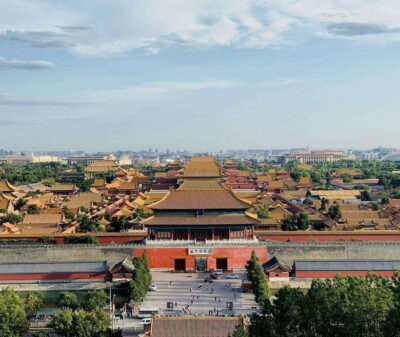
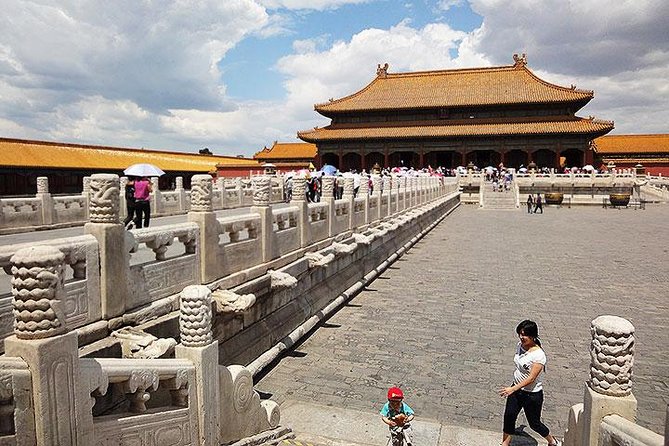
Then comes the Forbidden City, also called the Palace Museum. This is the emperor’s world, from political halls to everyday life spaces, with enough art treasures and layout clues that you can follow the story. I like tours like this because you are not just ticking off buildings. You get the “how it worked” layer, which turns the place from impressive to understandable.
You also get an a la carte welcome lunch in a local restaurant, and the menu is anchored by Peking roast duck. Even if you are not a duck superfan, it is a good way to launch Beijing with something you can only really get in the region.
A few more Beijing days worth comparing
- From Beijing: Mutianyu Great Wall Tours with Options
★ 4.9 · 9,216 reviews - Beijing: Forbidden City Tour(Group/Private)-Tickets Included
★ 4.8 · 7,974 reviews - Beijing: T-Square & Forbidden City Group or Private Tour
★ 4.8 · 4,446 reviews
Temple of Heaven and a Red Theater night you can actually use
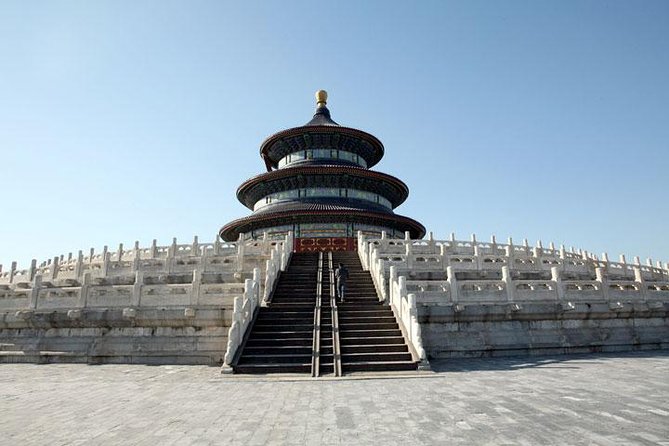
In the afternoon, you shift from the palace world to the ritual world at the Temple of Heaven. The architecture has a logic to it, and the guide helps you connect that design to what emperors were doing: worshipping the heavens in hopes of good harvests. It is one of those stops where context makes the visit feel quieter, not just “another site.”
That evening you go to the Red Theater Acrobatic Show. This is one of those extras that is genuinely useful. After a long day of walking and standing in lines, acrobatics give you a break from history museums while still feeling like a structured, included cultural night.
If you are wondering whether this kind of show feels touristy, my take is simple: it fits the rhythm of the trip. You get a clean, guided day, then an organized entertainment slot, and you do not have to figure out tickets or transport on your own.
Mutianyu Great Wall, Bird’s Nest photos, and hutongs by rickshaw
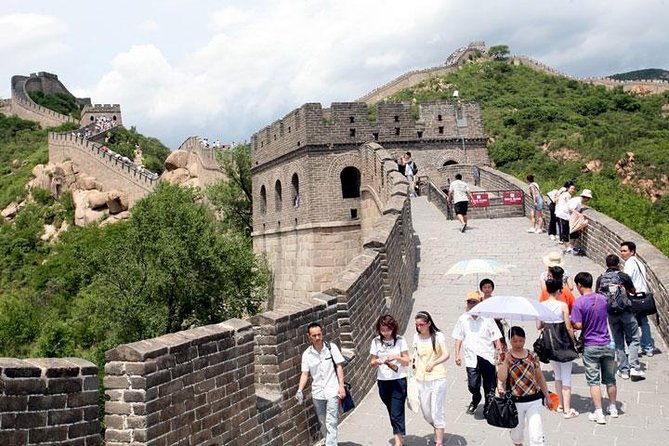
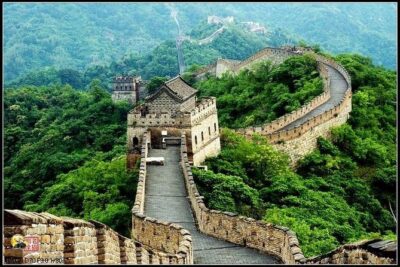
Day 3 is all about the Great Wall, and it is set up the right way. You head to Mutianyu, one of the best-known sections, and the tour includes the round-trip cable car. That matters. You get the dramatic wall views without burning a whole day on the hardest climbing options. Standing on the wall and looking in both directions is exactly the moment that makes a China trip feel real.
A unique touch here is a group toast with red wine on the Great Wall. Even if you only sip a little, it becomes a shared “we did it” pause, and it is the kind of detail that turns a standard landmark day into something you remember.
On the way back down, there is a photo stop at the Olympic National Stadium, the Bird’s Nest. You do not linger like you would at a full stadium tour, but the outside view works well for getting the look and moving on.
Then you pivot into everyday Beijing life in the hutongs. You go on a rickshaw tour through original alley lanes, with a chance to visit a local family. This is one of the most praised parts of the trip, and I agree with the appeal. You see a city texture you would not get from a major road itinerary.
Smart tip
Wear shoes you can trust on uneven alley stones. Hutong walking is not hard, but the ground is sometimes unpredictable.
Same city, a very different kind of day:
- Beijing: Mutianyu Great Wall Daily Tour with Ticket & Lunch
★ 5.0 · 3,056 reviews - All-Inclusive Tour: Tiananmen Square, Forbidden City, Great Wall
★ 5.0 · 2,873 reviews - MuBus: Mutianyu Great Wall ENG/ESP/RUS Guided Bus Tour
★ 5.0 · 2,361 reviews - 4-Hour Small Group Tour to Forbidden City with Entry Tickets
★ 5.0 · 1,863 reviews
Summer Palace morning, panda time, and flying to Xi’an
Day 4 gives you a classic Beijing finale. The morning includes giant pandas before you head to the Summer Palace. The Summer Palace is the largest existing imperial garden, and the guide helps you see it as more than a pretty park. It is built for imperial leisure and impressive views, with constructions that fit the water and hills in a deliberate way.
The timing matters here. If you hit the palace late in the day, it can feel like you are just rushing through. Here, you get enough daylight and enough energy to actually enjoy the grounds.
After that, you fly to Xi’an. This is a key value point in the tour design. You are not trying to cross China by train with a dozen transfers. The flight reduces travel fatigue so your time in Xi’an feels focused.
Terracotta Warriors, the discoverer’s home, and clay warrior making
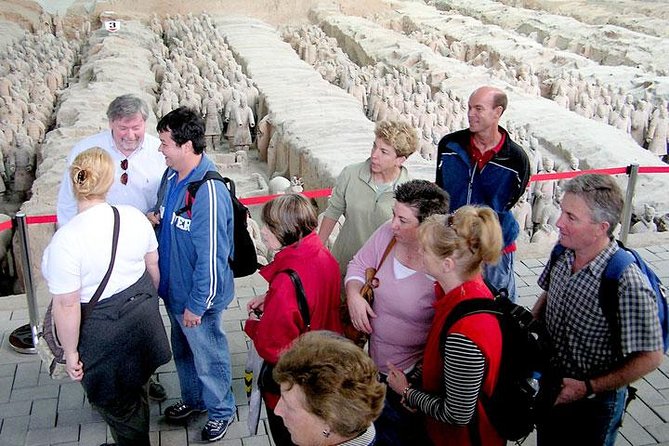
Day 5 is Xi’an’s big centerpiece: the Museum of Qin Terracotta Warriors and Horses. You see multiple excavated pits and get guided context so you understand what you are looking at beyond the surface wow factor. The scale hits you even when you think you are prepared.
This day also includes two elements that make it more than a museum circuit. First, you visit the home of the first discoverer of the Terracotta Army. That anchors the story in real people, not just official explanations.
Second, you make your own mini clay warrior with a local artisan. That hands-on stop is small, but it is powerful. It gives you something tangible to remember and helps you see the crafts side of the Qin-era story.
Then the day shifts to religion and cultural history with the Big Wild Goose Pagoda. Built in the Tang Dynasty to store Buddhist scriptures brought from ancient India, it is a symbol of learning and transmission. When the guide frames it as a cultural node, it stops being just a tall structure.
In the evening you get a Tang Dynasty Music and Dance show while having dumpling dinner. There is a catch: the theater is not open in January, February, March, and December, so in those months the show and dumpling dinner are not included in the tour price. If you are traveling in a closed-month window, confirm what is substituted before you book so you can plan your evening.
Xi’an at street level: City Wall, Tai Chi, Muslim Quarter snacks, and the Great Mosque
Day 6 starts with the Xi’an City Wall. You begin with the City Wall Park to watch day-to-day local life, and you even get a chance to learn Tai Chi with the master. This is one of those “small cultural beats” that makes a big-city tour feel less like a checklist.
Then you go onto the wall itself. It is described as the most complete existing urban fortification in China, and it is easy to see why people linger up there. Cycling is popular, and the tour notes that bike rental fees are not included. If you want that extra effort, bring a little cash or plan to pay on site.
After that comes lunch in the Muslim Quarter at a well-known restaurant. You try snacks tied to the area, like sweet steamed rice, green bean cake, persimmon cake, and rice cake. If you like food as part of cultural understanding, this section is a win because the flavors match the neighborhood’s identity.
Next is the Great Mosque of Xi’an, one of the largest and best-preserved Islamic mosques in China. The guide points out how Chinese classical architecture elements mix with religious design. It is a practical reminder that cities evolve by layering influences, not by freezing time.
You end with the Small Wild Goose Pagoda, which also houses Xi’an Museum. One reason I like this ending: it is calmer than the afternoon rush, so you have a better chance to absorb what you already learned.
Guilin Reed Flute Cave and Elephant Trunk Hill, the scenic starters
Day 7 is your jump from Xi’an to Guilin by morning flight. Once you land, your local guide meets you outside the baggage claim area and drives you to the hotel for check-in. The goal is simple: get you into Guilin without wasting half the day in transport.
Guilin sightseeing begins with Reed Flute Cave. It is a karst cave with 240 meters of explored space and lots of stalactites and stalagmites. Your guide helps connect the cave formations to what they resemble, so you can enjoy it with your eyes instead of treating it like a dark hallway.
Then you move to Elephant Trunk Hill. The hill is shaped like a giant elephant drinking water from the river, which makes the view instantly memorable. It is quick but iconic, and it sets you up for the bigger scenery story later on the Li River cruise.
Li River cruise to Yangshuo, West Street, and a real village home visit
Day 8 is the day most people book this tour for, the Li River cruise from Guilin to Yangshuo. The route from Guilin to Yangshuo is often called the Hundred Miles Gallery, and you can see why once you are on the water. Karst peaks, river bends, and the sense of distance make you stop thinking like a tourist and start thinking like a passenger.
The cruise itself takes about 4.5 hours, with the tour describing the stop as roughly a 4-hour cruise experience. When you dock in Yangshuo, you walk West Street, a well-known area that gives you a taste of the town’s lively atmosphere.
After walking, you drive through rural roads and get invited to visit a villager’s home. This is the second “local family” type experience in the trip, and it pairs well with the Beijing hutong visit earlier. You see both historical culture and modern daily life, and you come away with fewer stereotypes.
The day closes by returning you to Guilin, setting you up for an easier travel day tomorrow.
Shanghai Museum, Yu Garden Nine Zigzag Bridge, and the Bund from Shanghai Tower
Day 9 brings you to Shanghai by flight. Once you arrive, your local guide and driver transfer you to your hotel. The remainder of the day is free, which you can use for an early dinner, a walk, or simply recovering from back-to-back flights.
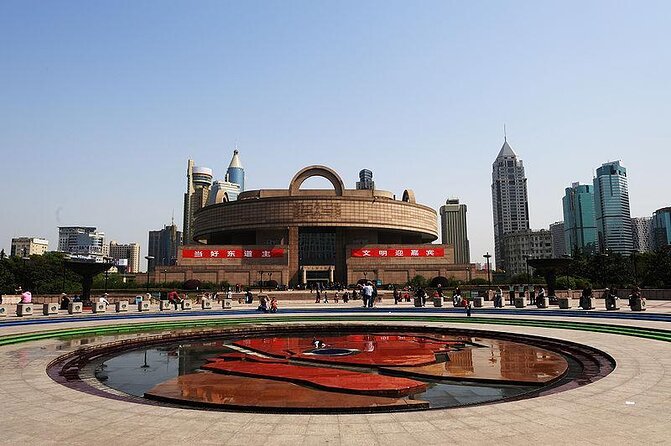
Day 10 starts at the Shanghai Museum, one of the four largest museums in China. It focuses on artworks from ancient times, so it pairs nicely with your imperial and historical days in Beijing and Xi’an. If you like museums, you will likely enjoy how the collection fits the rest of your trip’s themes.
Next is Yu Garden and the nearby traditional bazaar. The Nine Zigzag Bridge is the garden’s symbol, and the tour also highlights the mid-lake pavilion. Even if you just follow along with the guide’s explanations, you get a better feel for how classical garden design creates movement and viewpoint changes.
Lunch is a farewell a la carte meal at a local restaurant, listed at a CNY150 value per person and included. After lunch you shift into modern Shanghai drama at the Bund area.
Before you go to the Bund itself, you stop at Duo Yun Bookstore on the 52nd floor of Shanghai Tower for a city panorama. This is a great “set the map” moment. After that, you hit the Bund for the iconic riverside views of colonial-era architecture.
Then the day continues with an Huangpu River cruise. It is described as Shanghai’s mother river, and the tour positions it as a microcosm of the city’s rise and fall. You also get free time on the Bund, and then your guide escorts you to the hotel lobby to say bon voyage.
How to use that Bund free time
Walk slowly along the river and pick one spot to watch the skyline change. That is the easiest way to make the views feel personal.
Day 11 airport reality, plus free time that is not wasted
Day 11 is straightforward. After breakfast, you make your own way to the airport for your homeward flight, since the hotel-airport transfer service is not included due to different flight schedules. The tour provider says they can assist if needed, but the base assumption is that you handle your airport timing.
From a comfort standpoint, I like having a lighter final morning. You avoid the stress of packing late at night and trying to squeeze one more museum stop into the last day.
If you want to plan ahead, keep your travel documents handy. You will use a passport for everything from entry to hotel check-in, and you already have the required passport details process built into the booking.
Price and value: what your $2,089 buys you in real work hours
At $2,089 per person, the tour is not cheap, but it is also not just “pay for a bus.” You are paying for several expensive things that are hard to DIY across multiple cities:
- Three included economy-class flights inside China
- Hotel accommodation based on twin-sharing rooms
- Air-conditioned vehicles and professional English-speaking guides
- Entrance fees to the sites listed, so you do not face a last-minute costs scramble
- Meals that take pressure off planning, including breakfast for 10 days, lunch for 5 days, and dinner
- Two bottled waters per person per day
The extra cultural add-ons matter too. The Red Theater show is included, and the Great Wall day includes cable car access plus that red wine toast. Xi’an’s clay warrior workshop also turns a one-time museum visit into an activity that sticks.
If you have ever planned a similar multi-city trip on your own, you know the hidden time tax. Between booking flights, lining up private guides, and budgeting entrance fees, the admin can steal your vacation energy. Here, the structure does the heavy lifting.
Who this tour fits best, and who should adjust expectations
This tour is best for you if you want a guided, small-group sweep through major highlights without building the whole plan from scratch. It is also ideal if you like history plus daily-life moments, since you get hutongs in Beijing, local family visits, and Muslim Quarter food stops alongside the big UNESCO names.
You might think twice if:
- You hate a full schedule and prefer slow travel
- You want total control of every meal and stop, since meals and entrances are pre-arranged
- You are picky about optional experiences, since the Tang Dynasty show depends on season and the theater closure months
Should you book this Beijing to Shanghai small-group tour?
If your goal is first-time China focus with strong organization, I would book it. This is a smart package: Great Wall, Forbidden City, Terracotta Warriors, a Li River cruise, and Shanghai’s top sights, all connected by included flights and transport.
Book it if you will enjoy guided context and you do not mind packing energy into 11 days. If you want a lighter, slower pace with more independent downtime, look at a longer or more city-spaced option instead.
If you do book, bring comfy walking shoes, plan for long days, and treat the local family visits as the heart of the trip, because those moments are the ones that make the whole route feel human, not just famous.
FAQ
How long is the tour?
The tour runs about 11 days.
What cities are included?
The tour covers Beijing, Xi’an, Guilin and Yangshuo, and Shanghai.
Is it a small-group tour, and how many people are in the group?
It has a maximum of 18 travelers.
What is included with the tour price?
Entrance fees to the tourist sites, professional English-speaking guides, air-conditioned vehicles, economy-class flights within China, hotel accommodations (twin-sharing), and bottled water are included. Some breakfasts, lunches, and dinners are also included.
Which meals are included?
Breakfast is listed for 10 days, lunch for 5 days, and dinner is included. A welcome lunch in Beijing and a farewell lunch in Shanghai are included as well. A dumpling dinner is tied to the Tang Dynasty show, which is seasonal.
Are flights included between cities?
Yes. The tour includes economy-class airfare for Beijing to Xi’an to Guilin to Shanghai, with a total of three flights.
Does the tour include Great Wall transport?
Yes. The Mutianyu Great Wall visit includes round-trip cable car.
Is there shopping or factory detours?
No. The tour notes no shopping detours, no factory stores, and no shopping-site restaurants.
Is the Tang Dynasty music and dance show included year-round?
No. The theater is not open in January, February, March, and December, so the show and dumpling dinner are not included in those months’ tour prices.
Recently added around Beijing
- Private Transfer to Mutianyu Great Wall with professional driver★ 5.0 · 19 reviews
- Wild Great Wall Hikes★ 5.0 · 10 reviews
- camp on the Great Wall overnight with sunrise and sunset on the wall★ 5.0 · 11 reviews
- Beijing: to Xi’an Terracotta Day Tour by Roundtrip Bullet Train★ 5.0 · 9 reviews
- Beijing Airport Layover Tour to Mutianyu Great Wall★ 5.0 · 4 reviews
- Private Wild Great Wall Hiking tour at Simatai (Challenging)★ 5.0 · 16 reviews
- Beijing: Mutianyu Great Wall and Tea House Private Tour★ 5.0 · 11 reviews
- Simatai Great Wall & Gubei Water Town Private Trip English Driver★ 5.0 · 7 reviews
Beijing Tours, compared.
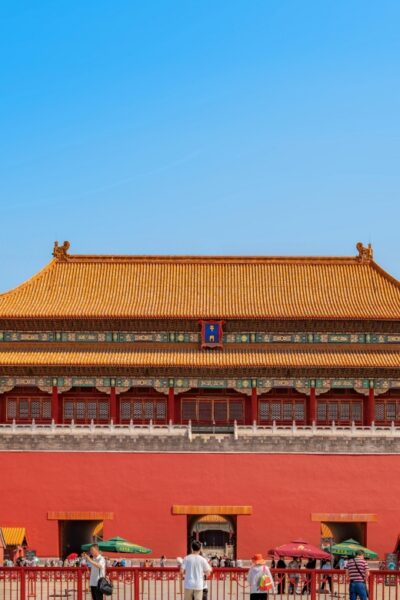
Forbidden City Tour(Group/Private)-Tickets Included
Read our review →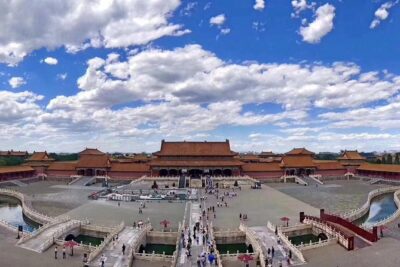
T-Square & Forbidden City Group or Private Tour
Read our review →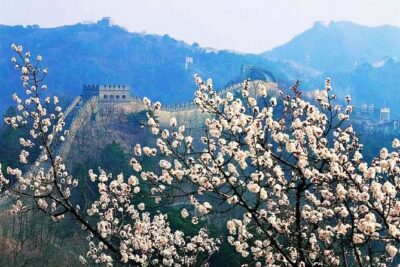
Mutianyu Great Wall Daily Tour with Ticket & Lunch
Read our review →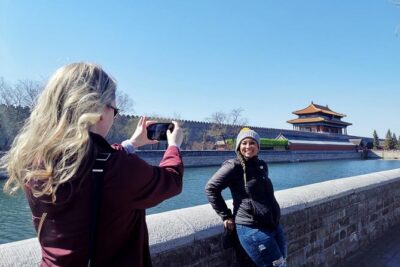
All-Inclusive Tour: Tiananmen Square, Forbidden City, Great Wall
Read our review →
MuBus: Mutianyu Great Wall ENG/ESP/RUS Guided Bus Tour
Read our review →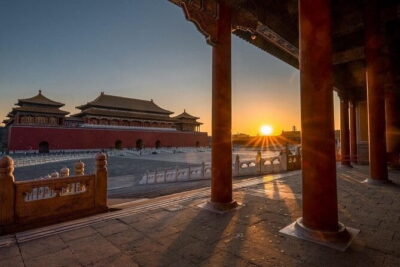
4-Hour Small Group Tour to Forbidden City with Entry Tickets
Read our review →