
Reviewed · YANGTZE RIVER CRUISES
16-Day Private China Essence Tour with Yangtze River Cruise
China hits different with rail and cruise.
This 16-day private tour strings together the big names and the scenic breathing room, with a 5-star Yangtze River Cruise sitting right in the middle. You’ll move between Beijing, Xi’an, Guilin and Yangshuo, Chengdu, Chongqing, and Shanghai, so the trip feels like one smooth map, not separate vacations.
I really like the mix of headline sites and local texture, from a Hutong rickshaw ride in Beijing to time in Chengdu neighborhoods like Kuanzhai Alley. And the human touch matters here too, with named guides like Candy in Beijing and Jeffrey in Shanghai known for being prepared with small extras and even birthday surprises.
The main thing to consider is pace: you’ll be using multiple flights and high-speed trains, so pack light and expect travel days to set your rhythm.
In This Review
- Key points I’d plan around
- How this private China route connects five regions
- Beijing first: Tiananmen, Forbidden City, Lama Temple, and Temple of Heaven
- Mutianyu Great Wall and Hutong rickshaw views
- Xi’an: Terracotta Warriors, Tang echoes, and a maker moment
- Xi’an’s city wall, Great Mosque, Muslim Quarter, and Han underground time
- Guilin and Yangshuo: Li River cruise calm, plus viewpoint climbs
- Chengdu: Panda morning energy and neighborhood time in Kuanzhai
- The Yangtze cruise chapter: Chongqing boarding to Yichang handoff
- Shanghai finale: Urban planning models, Yu Garden, Huangpu River, Bund time
- Price and value: where $4,269 per person really goes
- Who should choose this China Essence tour
- Should you book this 16-Day Private China Essence Tour?
- FAQ
- What is the duration of this tour?
- Where does the tour start, and when?
- How much does the tour cost?
- Is pickup included?
- Is this a private tour?
- What room setup is included?
- Are flights and high-speed trains included?
- What meals are included?
- Are admission tickets included?
- What is not included in the price?
- Do I need a passport, and when is it required?
Key points I’d plan around
- Mutianyu Great Wall with a round-trip cable car arrangement, then a quick Bird’s Nest photo stop
- Forbidden City plus Temple of Heaven in the same Beijing block, with time for Lama Temple too
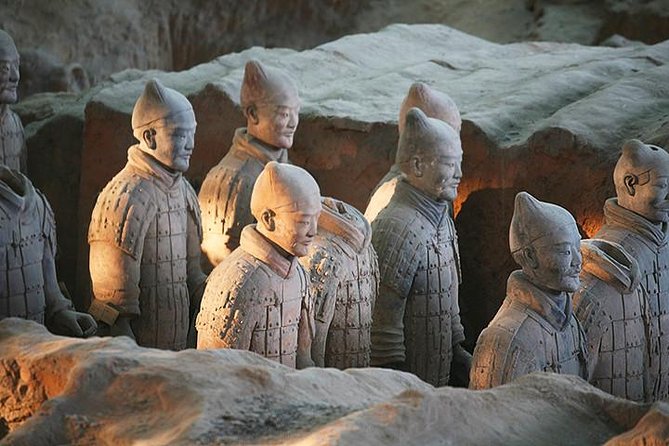
- Terracotta Army museum time plus a mini clay warrior workshop, not just photos and exits
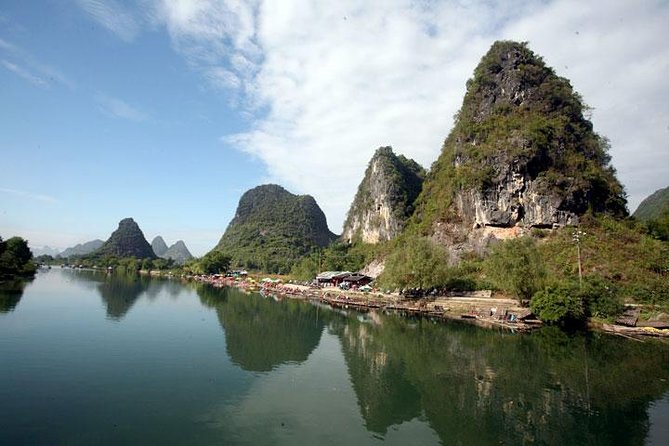
- Li River cruise to Yangshuo, then countryside viewpoints like Xianggong Hill and Elephant Trunk Hill
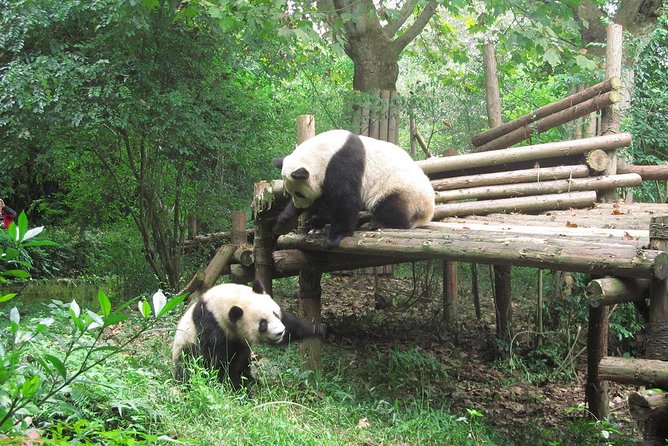
- Panda Base early timing, so you’re there when pandas are more active during feeding
- Yangtze “side trip energy” with Shennong Stream by sampan and cultural moments onboard
How this private China route connects five regions
This is a private-style experience built around efficient transport: high-speed trains where they make sense, flights where distance is too long, and a cruise that breaks up the constant moving. You’ll also have pickup offered, and you’ll receive a mobile ticket, which helps when you’re hopping between stations, airports, and docks.
Value-wise, the headline is that your major ground moves and core sightseeing stops are handled, so you can spend your brain on what you’re seeing instead of logistics. You’re paying for guide time, an air-conditioned vehicle, and the day-by-day organization that lets the schedule actually work.
The tour runs on twin-sharing rooms for hotel and cruise accommodations, so if you’re traveling solo, you should expect a single room supplement (it’s described as compulsory and available on request). If you hate changing time zones or you dislike packed schedules, this one might feel like a whirlwind.
Still, for many people, that’s the charm: you get China in wide-angle, then you slow down on the Yangtze.
More Boat Tours in Beijing
- Water-Great Wall Odyssey: Hike & Cruise One Day Tour
★ 5.0 · 94 reviews - Water-Great Wall Odyssey: Scenic Bus & Cruise Day Tour
★ 5.0 · 91 reviews - Longqingxia Gorge Cruise and Guyaju Cave Dwellings Private Day Tour
★ 5.0 · 60 reviews
Beijing first: Tiananmen, Forbidden City, Lama Temple, and Temple of Heaven
Your Beijing starts with a true “land in, get escorted” feel. A local guide meets you after you clear customs, and a driver handles the transfer to the hotel, then the rest of the day is yours to reset or explore at a comfortable pace.
The next full Beijing day focuses on the classic core, starting at Tiananmen Square for landmark photos around Tiananmen Tower and key memorial buildings. It’s a practical way to begin because the square area sets the stage for everything you’ll see inside the royal and ceremonial sites.
Then comes the big draw: the Forbidden City (Palace Museum). You’ll tour halls and pavilions and learn how emperors handled political life and personal life, plus you’ll see ancient art treasures. A provided a la carte lunch (valued at CNY150 per person) is a nice way to avoid the “what should we eat right now” stress.
In the afternoon, you shift to religious architecture with Lama Temple (Yonghegong). The interesting angle here is the blend of Han, Mongolian, and Tibetan architecture, so it’s not just another temple stop, it’s a story you can see in the buildings.
You finish with the Temple of Heaven, where emperors worshipped the heavens for good harvests. It’s one of those places where the design is the point, so even if you’re not a “museum person,” it still lands.
Mutianyu Great Wall and Hutong rickshaw views
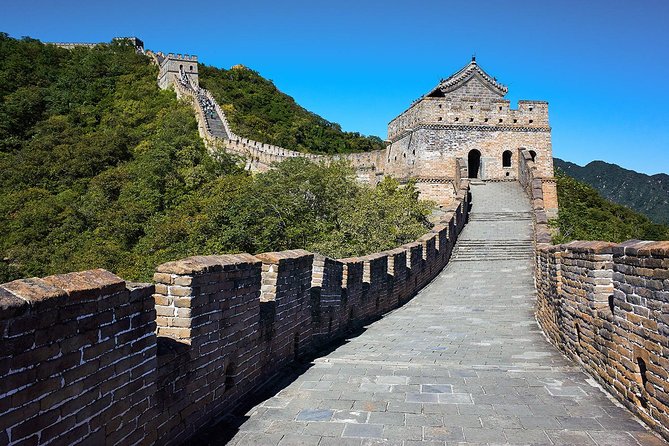
One day is designed around the Great Wall, and it matters that you’re going to Mutianyu. It’s a solid choice for the views, and you get a round-trip cable car arrangement, which is helpful if you want the payoff without turning it into an endurance test.
Standing on the wall and looking along the wall’s stretch is the moment people remember. And because this section is specifically planned, you’re not guessing how to get there or where the best viewpoints are.
On the way back, you get a quick photo stop at the Bird’s Nest (Niaochao National Stadium). This is short, but it’s efficient, and it adds a modern Beijing layer next to the ancient wall.
The real “old Beijing” experience comes after that: a Hutong tour by rickshaw, plus a chance to visit a local family. That’s the part that feels human. You’ll see narrow alleys that weren’t built for big crowds, and you’ll get a better sense of how daily life fits into the city.
If you’re sensitive to motion, wear comfortable shoes and keep water handy. The schedule is energetic, but it’s one of the more varied days in the whole trip.
Xi’an: Terracotta Warriors, Tang echoes, and a maker moment
Your route shifts from Beijing to Xi’an using high-speed train. That’s a smart way to protect your time: you arrive in the afternoon with less wasted travel, and you meet your Xi’an guide after you exit the train station.
In Xi’an, the focus becomes ancient China in a very physical way, starting with the Museum of Qin Terra-cotta Warriors and Horses. You’ll see three excavated pits, which is key, because the scale of the site becomes obvious when you compare the different pits and formations. You also get a visit connected to the first discoverer, which helps make the story feel complete, not just like statues in a hall.
Then you get a hands-on moment that many tours skip: you can make a mini clay warrior with a local artisan. Even if you’re not good at crafts, it’s a good “take the memory home” activity, and it breaks up the heavy history context nicely.
Later, you move to the Shaanxi History Museum, whose outlook imitates Tang Dynasty building structure. The value here is pacing: you’ve already hit the Qin era. Now you’re shown development across different eras through collected relics and artifacts.
This combo is ideal if you like your history framed with both iconic objects and the broader “how China changed” story.
More Yangtze and Three Gorges cruises:
- 14-Day Small-Group China Tour: Beijing, Xi’an, Guilin, Yangtze Cruise, Shanghai
★ 5.0 · 15 reviews - 14-Day Small-Group Tour to Beijing, Xi’an, Chengdu, Yangtze, Chongqing, Shanghai
★ 5.0 · 8 reviews - 15-Day Classic China Tour with Yangtze Cruise
★ 5.0 · 6 reviews - China Golden Triangle Cities & Yangtze River Cruise
★ 5.0 · 5 reviews
Xi’an’s city wall, Great Mosque, Muslim Quarter, and Han underground time
Xi’an continues with a mix of daily life and big monuments. You start at the City Wall Park area, where you can observe local day-to-day life, then you move up to the Xi’an City Wall itself. It’s described as the most complete existing urban fortification in China, and the optional cycling on the wall is a great way to get different perspectives without needing a steep hike.
You’ll also visit the Xi’an Mosque, one of the largest and best-preserved Islam mosques in China. The architecture blend is the point again, with a combination of Chinese classical building styles and religious visual character.
After that, you get time in the Muslim Quarter to explore on your own. That’s one of the most practical “do what you like” windows in the trip, with halal foods and handicraft souvenirs. It’s also where you can slow down and snack your way through the neighborhood instead of rushing from stop to stop.
In the afternoon, you head to Han Yang Ling Museum, the Yangling Mausoleum of Han Dynasty. The standout detail is the chance to go underground and see the unearthed mausoleum through glass floor. It’s a rare way to understand what’s below ground without guessing.
If you love architecture or underground archaeology, this Xi’an block is a highlight. If you’re less into history, the city wall and market time can still carry the day.
Guilin and Yangshuo: Li River cruise calm, plus viewpoint climbs
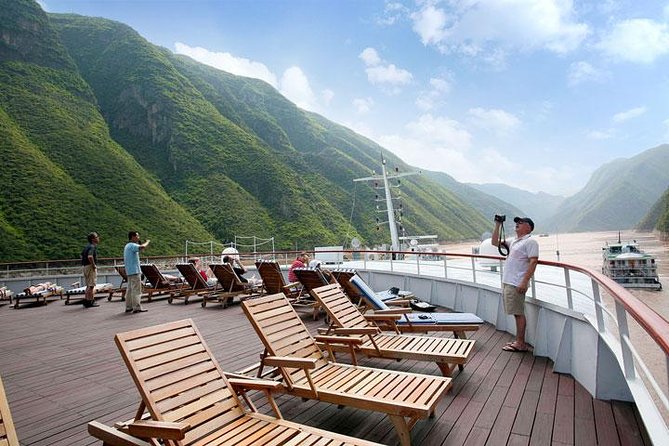
After Xi’an, you fly to Guilin. Your Guilin guide meets you at the airport and brings you to the hotel, and from there the trip turns scenic.
The star day is a Li River cruise to Yangshuo, with lunch onboard. The schedule suggests packing snacks because the box meal might not match your tastes. That’s practical advice, and it’s worth following. When you’re on the water for hours, a backup snack is peace of mind.
What you’re really buying with the cruise is a change of pace. Instead of temples and museums, you get time watching the river banks and karst scenery roll past. It feels different, like the trip exhales.
You then spend a night in Yangshuo County. Having one overnight in the countryside zone is a smart choice because it gives you evening atmosphere instead of only passing through.
Later, you drive back toward Guilin and stop at Xianggong Mountain for a full view over the Li River. The viewpoint is what you’re there for, and you’re given time to enjoy it.
Finally, you close the Guilin block with Elephant Trunk Hill, named because it looks like an elephant drinking water. It’s one of those iconic shapes you can recognize even if you’ve seen photos before.
If you get motion sickness, plan for the cruise and any short rides with care. Bring light layers too, because river breezes can feel cooler than you expect.
Chengdu: Panda morning energy and neighborhood time in Kuanzhai
Chengdu is a “contrast city” stop. You fly in the morning, then your guide meets you and transfers you to the hotel, so the day starts without stress.
The morning highlight is the Giant Panda Breeding Research Base, with an earlier pickup because pandas are more active during feeding. That timing is not a small detail. It changes what you see. You’ll have a chance to watch daily panda life, not just check a box.
After pandas, you shift to the human side of Chengdu with Kuanzhai Alley. You get leisure time to taste local specialties and see the traditional building style, and you’re given space to experience a slower rhythm of life.
Then there’s the Jinsha Site Museum, where finds from about 3,000 years ago are preserved, studied, and displayed. It’s a nice “brain break” after animal viewing.
Midday you also visit Xiaojiahe Community Residents’ Committee, followed by time at a local vegetable market. This is one of those experiences that makes the tour feel real, because it’s everyday commerce, not a staged souvenir stop. You can spend a leisurely afternoon like the locals do, and your guide can offer recommendations based on your preferences.
If you want your trip to include modern daily culture, Chengdu is one of the better chapters for that.
The Yangtze cruise chapter: Chongqing boarding to Yichang handoff
This is where the whole trip earns its name, and where the pacing changes from “collecting sights” to “living in motion.”
From Chongqing, you take a bullet train in the morning, then arrive and visit Ci Qi Kou Village where you can try local food for lunch on your own. That’s a good local warm-up before boarding.
Then it’s time to cruise. When the ship departs Chongqing, the relaxing Yangtze River experience begins. You also get onboard cultural programming, including a Captain’s Welcome Party.
A key value of this cruise route is that it doesn’t feel like only sitting on a deck. You disembark at Fengdu County to visit Shuangguishan National Forest Park. It’s positioned for a leisurely walk, and it gives you nature time without the tour turning into heavy hiking.
Next, you see the scenery through a more hands-on format with the Shennong Stream side trip. As the ship sails through Wu Gorge, you switch to a sampan for 3 to 4 hours. Shennong Stream is described with Tujia flavor, boat tracking culture, and historical relics. Even if you don’t know the background yet, the setting gives you plenty to look at.
In practice, this is also where your travel comfort matters most. You’ll spend a lot of hours onboard, then do day excursions off the ship. If you like quiet downtime between structured stops, you’ll appreciate the balance.
Finally, on the Yichang day, you disembark for an excursion to the Three Gorges Dam, then the cruise company drives you to the Three Gorges Tourist Center in Yichang city. From there, you’re guided to the train station for the high-speed ride onward to Shanghai.
Shanghai finale: Urban planning models, Yu Garden, Huangpu River, Bund time
Shanghai arrives by high-speed train after your Three Gorges stop. Your Shanghai guide meets you at the station and transfers you to the hotel, then the city sightseeing begins.
First up is the Shanghai Urban Planning Exhibition Hall. You’ll see many models of landmarks and learn how the city looked in the past and how it is intended to look in the future. If you like big-city context, this is a helpful warm-up before you start walking.
Then you head to Yu Garden (Yuyuan). The highlight mentioned here is the Nine Zigzag Bridge and the mid-lake pavilion setting. After that, there’s an a la carte lunch at a local famous restaurant, again valued at CNY150 per person and included.
In the afternoon, you take a one-hour cruise on the Huangpu River, framed as Shanghai’s mother river. This gives you a different angle on the city, especially if you’ve been inside museums earlier.
You then get free time on the Bund (Wai Tan). That’s your window to stroll, photograph, and breathe. The schedule doesn’t trap you, it gives you room to move at your own speed.
To end the day, you visit Tianzifang, a cultural block for relaxing time before returning to the hotel. It’s a good final stop because it’s more about atmosphere and wandering than strict ticking of landmarks.
On your last day, a guide and driver pick you up and transfer you to the airport for departure.
Price and value: where $4,269 per person really goes
At $4,269 per person, you’re not just buying tickets to sights. You’re buying transport execution, guide coverage, and a smooth intercity rhythm.
What stands out in the value math:
- Your main domestic flights and high-speed train fares are included, including one-way economy airfare from Xi’an to Guilin and Guilin to Chengdu, plus high-speed trains for Beijing to Xi’an, Chengdu to Chongqing, and Yichang to Shanghai.
- You get hotel and cruise accommodations based on twin-sharing rooms.
- You have a professional guide and experienced driver, plus an air-conditioned vehicle throughout the land segments.
- Meals are partially included, with 15 breakfasts, 6 lunches, and 3 dinners. There are also two bottled waters per person per day.
- Key admissions are listed as included across major stops, like the Forbidden City, Temple of Heaven, Terracotta Army museum, and the major Yangtze excursions.
What to budget for separately:
- China visa fees and international airfare are not included.
- A single room supplement for solo travelers is compulsory and only available on request.
One more “value” point: the tour mixes structured visits with free time blocks like the Muslim Quarter and the Bund. That reduces decision fatigue. You get to choose when to rush and when to wander.
Who should choose this China Essence tour
Choose it if you want:
- Big-name highlights across multiple regions without planning every leg.
- A cruise experience that includes onshore excursions, not just a ship ride.
- A balance of sightseeing and pockets of independence, like market time in Chengdu and free time on the Bund.
It may not fit if you:
- Want a slow travel pace with fewer moves.
- Are highly sensitive to schedule intensity, because flights, trains, and cruise days are all in the mix.
This style fits couples and families who like seeing a lot, and it can work well for first-timers who want a real overview of China’s geography, from imperial Beijing to riverside Yangtze life to Shanghai’s city scale.
Should you book this 16-Day Private China Essence Tour?
My take: if your goal is to see Beijing, Xi’an, Guilin and Yangshuo, pandas in Chengdu, the Yangtze River, and Shanghai within one coherent plan, this is a strong match. The cruise portion is a real selling point because it offers rest without losing activity, especially with the Shennong Stream sampan day and the Three Gorges Dam stop.
If you’re the type who can handle early starts and travel transitions, you’ll likely find the schedule rewarding. If you need quiet days and minimal transit, consider whether the flights and bullet trains match your travel style.
One smart move before you book: pack light enough to manage luggage on train and cruise transitions without turning the trip into a daily chore. With that handled, the rest is the fun part.
FAQ
What is the duration of this tour?
The tour runs about 16 days.
Where does the tour start, and when?
It starts at Capital Airport Shunyi, Beijing, with a start time listed as 9:00 am.
How much does the tour cost?
The price is listed as $4,269.00 per person.
Is pickup included?
Pickup is offered.
Is this a private tour?
Yes. It is described as a private tour/activity, and only your group participates.
What room setup is included?
Hotel and cruise accommodations are included based on twin-sharing rooms.
Are flights and high-speed trains included?
Yes. The tour includes one-way economy airfare from Xi’an to Guilin and Guilin to Chengdu, plus one-way high-speed train fares from Beijing to Xi’an, Chengdu to Chongqing, and Yichang to Shanghai.
What meals are included?
Breakfast is included 15 times, lunch is included 6 times, and dinner is included 3 times. Bottled water (two per person per day) is also included.
Are admission tickets included?
Admission is listed as included for many major stops throughout the tour, such as the Forbidden City, Terracotta Army museum, and other named attractions.
What is not included in the price?
China visa fees and international airfare are not included.
Do I need a passport, and when is it required?
A current valid passport is required on the day of travel, and passport details (name, number, expiry, and country) are required at booking.
Recently added around Beijing
- Private Transfer to Mutianyu Great Wall with professional driver★ 5.0 · 19 reviews
- Wild Great Wall Hikes★ 5.0 · 10 reviews
- camp on the Great Wall overnight with sunrise and sunset on the wall★ 5.0 · 11 reviews
- Beijing: to Xi’an Terracotta Day Tour by Roundtrip Bullet Train★ 5.0 · 9 reviews
- Beijing Airport Layover Tour to Mutianyu Great Wall★ 5.0 · 4 reviews
- Private Wild Great Wall Hiking tour at Simatai (Challenging)★ 5.0 · 16 reviews
- Beijing: Mutianyu Great Wall and Tea House Private Tour★ 5.0 · 11 reviews
- Mutianyu Great Wall Private Round Trip★ 4.5 · 14 reviews
Yangtze River Cruises, compared.
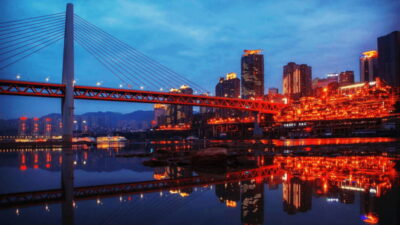
Two Rivers Night Cruise- Yangtze & Jialing Rivers
Read our review →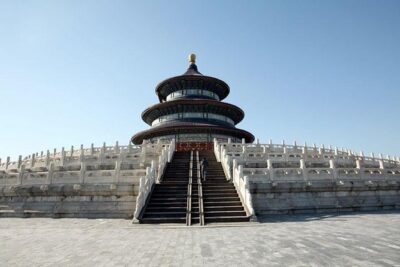
14-Day Small-Group China Tour: Beijing, Xi’an, Guilin, Yangtze Cruise, Shanghai
Read our review →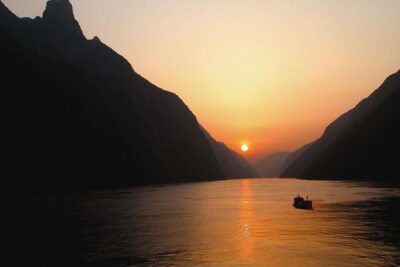
Yangtze River Cruise from Yichang to Chongqing Upstream in 5 Days 4 Nights
Read our review →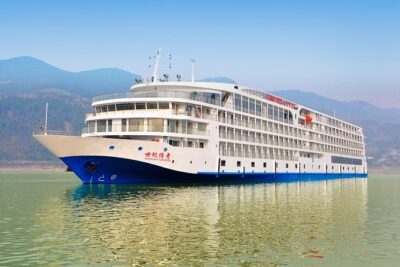
4D3N Yangtze River Cruise: Chongqing to Yichang by Century Cruise
Read our review →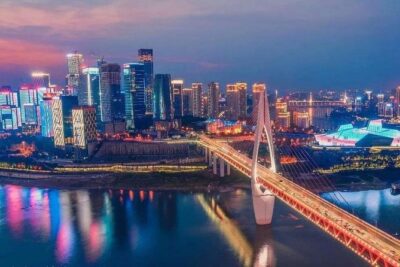
Chongqing Yangtze River Cruise and Illuminated Night Tour
Read our review →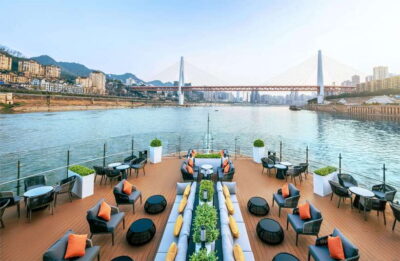
4D3N Yangtze River Victoria Cruise: Chongqing to Yichang
Read our review →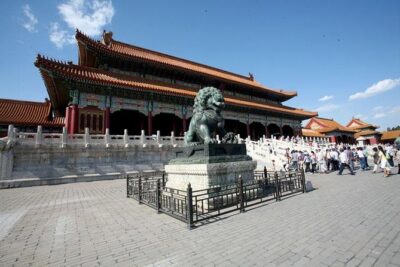
14-Day Small-Group Tour to Beijing, Xi’an, Chengdu, Yangtze, Chongqing, Shanghai
Read our review →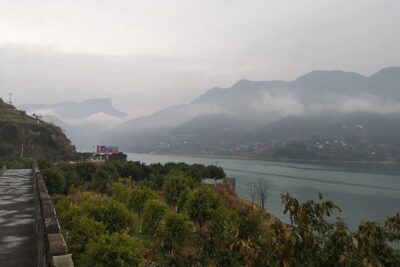
Yangtze River Cruise from Chongqing to Yichang Downstream in 4 Days 3 Nights
Read our review →Browse the lists this tour appears in