
Reviewed · TICKETS
Beijing: Beihai Park Entry Ticket & English PDF Guidebook
Imperial gardens, minus the line. Beihai Park is one of Beijing’s best-preserved imperial garden scenes, and this entry ticket plus English PDF guide makes it easy to focus on what matters: the lakes, gardens, and traditional architecture. I especially like that you get an official e-ticket ready for quick entry, plus a guide that helps you find major sights like the White Dagoba and Nine-Dragon Wall without getting turned around.
The main drawback is that this is fully self-guided. If you want a live guide or an audio guide, you’ll need another option, and you’ll also want to show up for the starting time you select.
In This Review
- Key Points You Should Know Before You Go
- Beihai Park in 3 Hours: What Fits Nicely
- QR Entry Ticket and English PDF Guide, How to Use Them
- Starting Your Walk: Lakes, Gardens, and the Imperial Atmosphere
- Jade Island and the White Dagoba: The Classic Stupa Moment
- The Nine-Dragon Wall: How to See More Than Dragons
- Traditional Pavilions and Scenic Pathways: Where You’ll Actually Enjoy Yourself
- Lake Boating: The Optional Detour That Feels Like Local Time
- Price and Value for a Self-Guided Imperial Garden Visit
- Who This Is Best For, and Who Might Want Another Option
- Should You Book This Beihai Park Ticket With PDF Guide?
- FAQ
- What is included with the Beihai Park entry experience?
- How long does the visit take?
- Is this a guided tour?
- What do I need to bring for entry?
- How do I enter the park with the ticket?
- Is there an audio guide included?
- Does the ticket include language support?
Key Points You Should Know Before You Go

- Instant QR entry ticket delivered so you can skip the on-site ticket line
- English PDF guide with history context, suggested walking route, and photo ideas
- White Dagoba on Jade Island for that classic stupa-and-lake view
- Nine-Dragon Wall with over 600 dragons, great for close-up photos
- Optional lake boating on-site if you want a slower, local-style break
Beihai Park in 3 Hours: What Fits Nicely
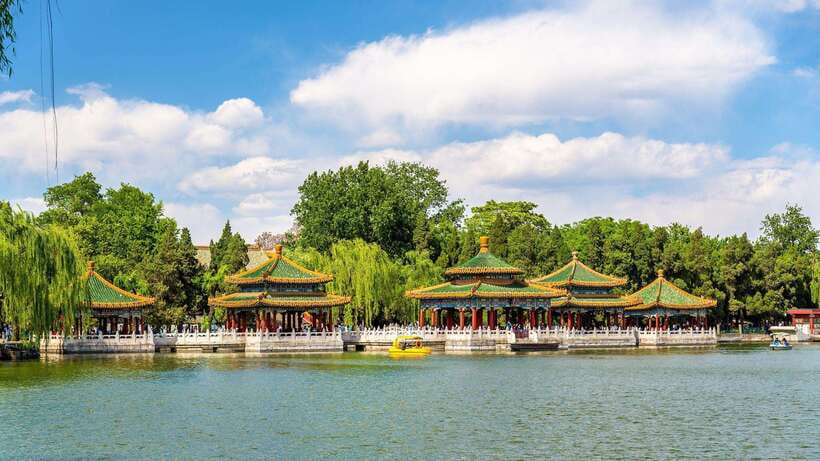
Beihai Park works well as a half-day reset when you want something calm, scenic, and very “old Beijing.” With about 3 hours to explore at your own pace, you can hit the big landmarks and still leave time for wandering, photos, and a coffee stop if you find one nearby.
Here’s what typically fits without rushing: start at the main garden areas, spend time around Jade Island for the White Dagoba, then circle back through the parks pavilions and pathways to see the Nine-Dragon Wall. If you’re interested in the lake, plan a stop for boating too, since renting and taking a spin can stretch your timing.
The trick is pacing. Don’t try to “complete” the whole park. Instead, pick a simple loop based on your priorities, then let the quieter side paths surprise you along the way.
A few more Beijing days worth comparing
- From Beijing: Mutianyu Great Wall Tours with Options
★ 4.9 · 9,216 reviews - Beijing: Forbidden City Tour(Group/Private)-Tickets Included
★ 4.8 · 7,974 reviews - Beijing: T-Square & Forbidden City Group or Private Tour
★ 4.8 · 4,446 reviews
QR Entry Ticket and English PDF Guide, How to Use Them
The value here is the friction reduction. You don’t show up hoping lines move quickly or scrambling to figure out ticket counters. Instead, your e-ticket is delivered digitally, and the entrance process is built around a QR code you can show on arrival.
Before you go, treat the PDF like a mini game plan. It’s in English and designed to help you understand what you’re seeing, with a suggested walking route and ideas for good photo spots. Use it to decide what you want most, then ignore the rest until you stumble into it naturally. That keeps the visit relaxing rather than checklist-driven.
One practical tip: bring your passport or ID card. Even though you’re not buying a paper ticket, the entrance process still requires ID for the ticketed entry.
Also, since this is self-guided, you’re the conductor. If you’re the type who hates surprises, read the PDF once, then go. If you’re more flexible, skim it and use it only when you reach a main landmark.
Starting Your Walk: Lakes, Gardens, and the Imperial Atmosphere
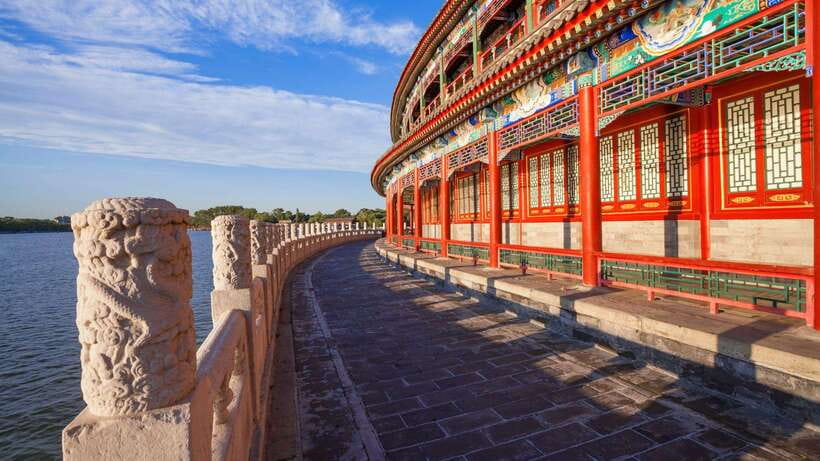
Once you’re inside, Beihai’s layout encourages slow movement. The park is famous for historic lakes and carefully designed garden spaces, and you’ll feel that imperial-care vibe in the way the pathways open up to views. Even if you’re just strolling, you start noticing how each section frames water, pavilions, and structures like planned photo sets.
I like using the first part of the walk to get your bearings fast. Spend 20 to 30 minutes letting your eyes adjust. You’ll usually spot the main visual anchors sooner after that, and you’ll waste less time backtracking later.
There’s also a nice rhythm here for families or mixed-age groups. You can pause as often as you want, because you’re not locked into a tour schedule. If your group has different energy levels, it’s easy to regroup at a major landmark like the dragon wall area or near the lake access points.
And yes, bring your phone for photos, but also take a minute to look up from the screen. Beihai is one of those places where the best views are the ones you notice slowly, not the ones you snap instantly.
Jade Island and the White Dagoba: The Classic Stupa Moment
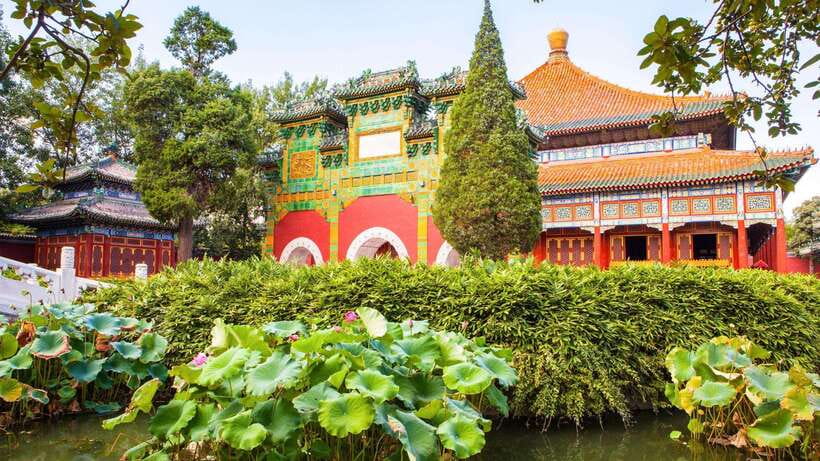
Jade Island is where the scenery turns iconic. The highlight here is the White Dagoba, a Tibetan-style stupa that rises above the landscape and gives you that unmistakable “imperial garden meeting religious architecture” feeling.
This is the part of the park where I’d slow down the most. The views work best when you stop, stand still, and let the lake and surrounding structures come into focus. If you’re photographing, try a couple of angles rather than blasting one shot and moving on. The water reflections and changing light can make a noticeable difference.
One practical consideration: getting the best photo often means finding a place where you’re not blocking foot traffic. Keep your tripod pack light if you can, or just plan to shoot handheld. It’s a park, not a studio, so be ready to work around other visitors.
If you only have energy for one major landmark, make it the White Dagoba area. It’s the sight that gives Beihai its strongest visual identity.
Same city, a very different kind of day:
- Beijing: Mutianyu Great Wall Daily Tour with Ticket & Lunch
★ 5.0 · 3,056 reviews - All-Inclusive Tour: Tiananmen Square, Forbidden City, Great Wall
★ 5.0 · 2,873 reviews - MuBus: Mutianyu Great Wall ENG/ESP/RUS Guided Bus Tour
★ 5.0 · 2,361 reviews - 4-Hour Small Group Tour to Forbidden City with Entry Tickets
★ 5.0 · 1,863 reviews
The Nine-Dragon Wall: How to See More Than Dragons
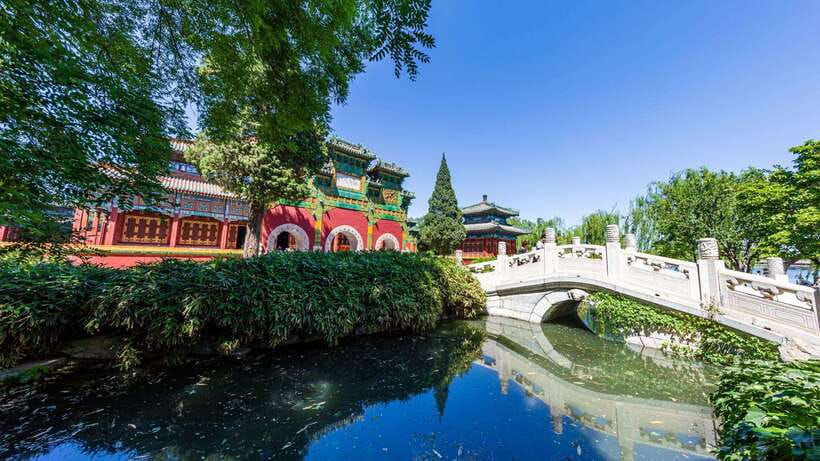
The Nine-Dragon Wall is one of Beihai’s headline attractions, and it’s not just a decorative wall. It has over 600 dragons, and once you start looking, you’ll realize each dragon is slightly different in posture and detail. Up close, it becomes a study in repetition and variation.
This is also a great landmark for people who enjoy walking with purpose but hate complicated routes. The wall works as a natural waypoint. Go there, spend a few minutes looking closely, then use the rest of the time for wandering around it at a comfortable pace.
For photos, try a few distances. From farther back, you get the full wall framing. Closer in, you can capture texture and the different dragon shapes. If you only photograph from one spot, you’ll miss that second layer.
The Nine-Dragon Wall also helps you understand why Beihai feels special even beyond the big monuments. The park isn’t only about one dramatic building. It’s about layers of design decisions that reward attention.
Traditional Pavilions and Scenic Pathways: Where You’ll Actually Enjoy Yourself

Between the major highlights, Beihai shines in the everyday details. Expect traditional architecture, historic garden sections, and pathways that make you want to keep turning corners. This is where you’ll see the park’s character without needing a guide doing all the talking.
I like treating this stretch like a choose-your-own-adventure. Use the PDF to identify what you’re looking at when you want context. When you don’t, just wander and enjoy the setting. That balance is what keeps a self-guided visit from feeling like homework.
You can also use this time to slow down your pace. If your legs are getting tired, sit and watch people for a few minutes. If you’re with kids, let them run a little between open spaces. The layout supports that, and you don’t lose much time when you pause here and there.
One drawback to keep in mind: since it’s self-paced and there’s no live guide, you won’t get spontaneous explanations if you didn’t read the PDF first. Still, the guide is there to help you fill in the blanks when you want it.
Lake Boating: The Optional Detour That Feels Like Local Time
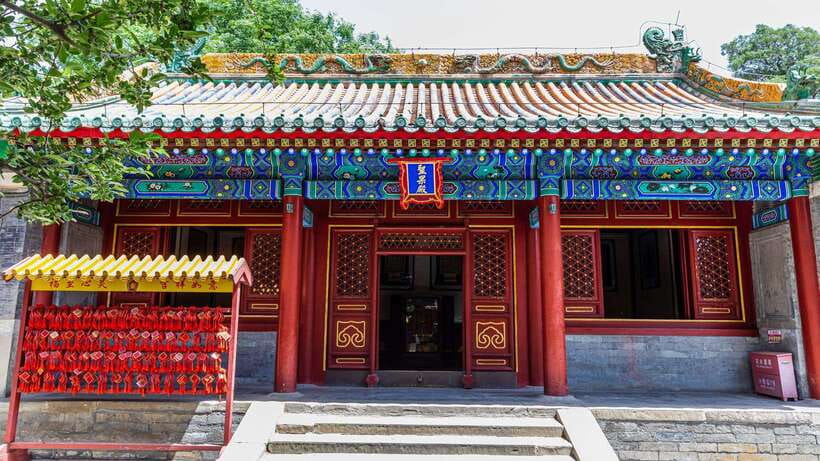
If you’re in the mood for a break, add boating. Beihai Park offers boat rentals on-site, and it’s a fun way to change your perspective from footpaths to water views.
I’d think of boating as a mood shift. You stop walking, you slow down, and the park looks different from the lake level. If you’ve been taking mostly architectural photos, boating gives you a new angle on the gardens and surrounding structures.
The only timing concern is that renting and getting settled can take a bit of time. If your goal is to finish your loop right at 3 hours, keep boating as a flexible option rather than a strict requirement.
If you’re traveling as a family or with friends who prefer experiences over photo stops, boating is a simple, crowd-pleasing add-on. It doesn’t require extra planning beyond noticing the rental area when you’re there.
Price and Value for a Self-Guided Imperial Garden Visit
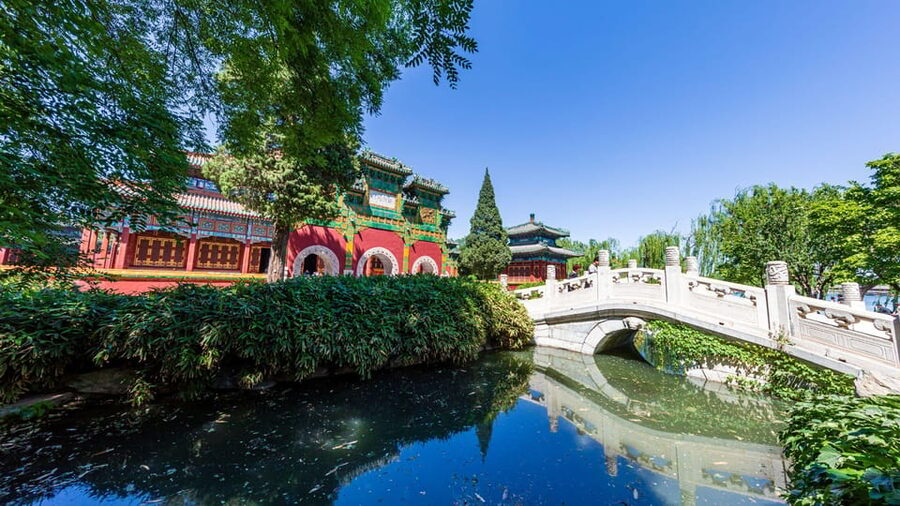
At $7 per person, this is one of the more budget-friendly ways to enjoy a major Beijing garden experience. The big reason it feels like good value is that you’re paying for more than admission. You’re paying for the convenience of an official digital entry ticket, plus an English PDF guide to help you interpret what you’re seeing.
That combination matters if you’re short on time. When you arrive without wasting time at ticket counters, you can start your walk earlier and spend that saved time where you actually care.
You should also notice what’s not included. There’s no live tour guide and no audio guide, and there’s no transfer. If you’re the type who wants someone to lead you step-by-step, you may feel under-supported. But if you’re comfortable navigating on your own and you like learning at your own pace, this format makes a lot of sense.
For a self-guided visit, the price is especially strong when you factor in the guidebook. Even a quick read beforehand can help you prioritize the White Dagoba area and the Nine-Dragon Wall without wandering aimlessly.
Who This Is Best For, and Who Might Want Another Option

This is a great match for you if you like structure without lectures. The PDF route and photo ideas give you a helpful backbone, but you’re not tied to a group.
It also works well if you’re traveling with a range of ages or energy levels. People can move at different speeds while still staying oriented around obvious landmarks.
If you strongly prefer a live guide, or if you want an audio commentary as you walk, then this might feel incomplete. Also, because you need to follow a selected starting time, it’s better for travelers who can plan their arrival rather than show up whenever.
Finally, if you’re a photo person, this is built for you. The guide highlights key photo spots, and the park’s major attractions are naturally photogenic.
Should You Book This Beihai Park Ticket With PDF Guide?
Yes, I’d book it if your goal is an efficient, low-stress Beihai visit. The instant digital e-ticket, the QR-based entry, and the included English PDF make it easier to enjoy the park itself instead of getting stuck on the logistics.
Skip the booking only if you need a live guide or audio narration. Otherwise, this is a smart value way to see Beihai Park’s signature sights, the White Dagoba on Jade Island, the Nine-Dragon Wall, and the option to slow down with a lake boat.
If you’re even a little curious about what you’re looking at, read the PDF once before you enter. Then let the park do the rest.
FAQ
What is included with the Beihai Park entry experience?
You get a Beihai Park e-ticket and an English Beihai Park PDF guide book.
How long does the visit take?
The experience is set for 3 hours, with starting times available based on availability.
Is this a guided tour?
No. It is self-guided, so there is no live tour guide included.
What do I need to bring for entry?
Bring your passport or ID card.
How do I enter the park with the ticket?
You receive a QR code as your e-ticket and show it at the entrance.
Is there an audio guide included?
No audio guide is included, and there is also no live tour guide.
Does the ticket include language support?
The guidebook included is in English, and 24/7 support is listed in the details provided.
Recently added around Beijing
- Private Transfer to Mutianyu Great Wall with professional driver★ 5.0 · 19 reviews
- camp on the Great Wall overnight with sunrise and sunset on the wall★ 5.0 · 11 reviews
- Beijing: to Xi’an Terracotta Day Tour by Roundtrip Bullet Train★ 5.0 · 9 reviews
- Wild Great Wall Hikes★ 5.0 · 10 reviews
- Beijing Airport Layover Tour to Mutianyu Great Wall★ 5.0 · 4 reviews
- Private Wild Great Wall Hiking tour at Simatai (Challenging)★ 5.0 · 16 reviews
- Beijing: Mutianyu Great Wall and Tea House Private Tour★ 5.0 · 11 reviews
- Simatai Great Wall & Gubei Water Town Private Trip English Driver★ 5.0 · 7 reviews
Tickets, compared.

Forbidden City Tour(Group/Private)-Tickets Included
Read our review →
Mutianyu Great Wall Daily Tour with Ticket & Lunch
Read our review →
4-Hour Small Group Tour to Forbidden City with Entry Tickets
Read our review →
Ngong Ping 360: Cable Car Return Tickets & Combos
Read our review →
The Temple of Heaven or Summer Palace Entry Ticket
Read our review →
Beijing Forbidden City Ticket Booking (Optional: guide service)
Read our review →