
Reviewed · WORKSHOPS
Beijing Calligraphy Class
Calligraphy in Beijing feels like quiet therapy. I love the English-led teaching and the slow, relaxing practice that turns ink and strokes into something calm you can actually control. The main catch is time, 30 minutes to 1 hour is great for a first taste, but it is not enough for deep mastery.
You’ll meet your teacher at the Sun World Dynasty Hotel lobby in the Wangfujing area, then move into a focused class that covers tools, scripts, and the meaning behind the characters you write. Expect brushes, ink stones, and rice paper, plus lots of patient coaching on balance, rhythm, and harmony in each stroke. And yes, it is a fun setup for adults and kids, not just a sit and watch lesson.
In This Review
- Key highlights you will remember
- Why this Beijing calligraphy class feels more than a craft
- Sun World Dynasty Hotel meeting point, and easy ways to arrive
- The lesson flow, from brush basics to a meaningful final piece
- 1) Welcome and a quick start in Chinese calligraphy culture
- 2) Scripts you will learn to recognize and practice
- 3) Tools and how to use them safely and effectively
- 4) Strokes to compositions
- 5) Meaning behind the character you write
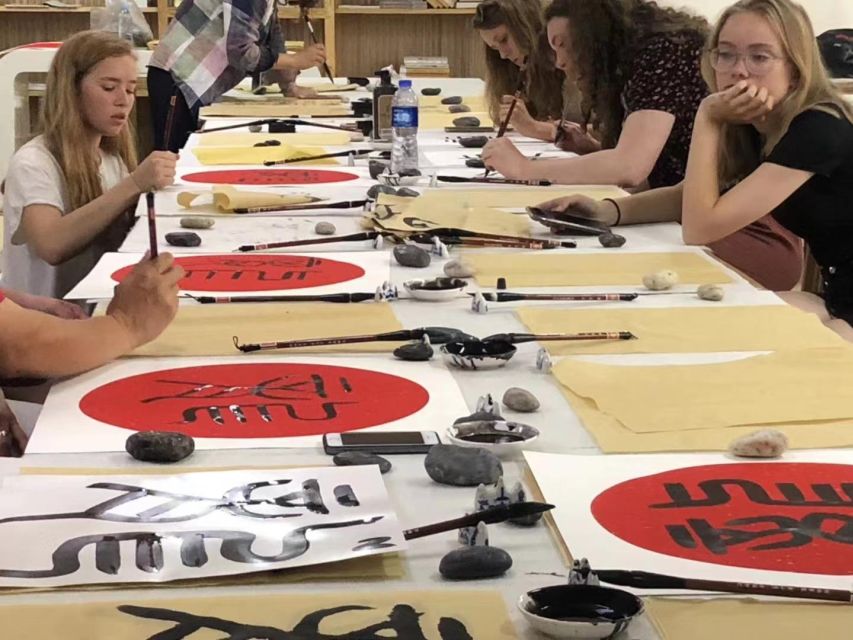
- Tools you will use, ink stone, brush control, and rice paper
- The script styles, what they mean in plain language
- Regular script
- Running script
- Cursive script
- Seal script
- How much you will learn in 30 minutes vs 1 hour
- 30-minute class
- 1-hour class
- English instruction and why it matters for beginners
- Who this is for, adults, kids, and short attention spans
- Price and value: is $20 worth it in Beijing?
- Practical tips so your strokes actually improve
- Should you book this Beijing calligraphy class at Hutong Calligraphy?
- FAQ
- Where do I meet the teacher for the Beijing calligraphy class?
- Is the calligraphy class taught in English?
- What is included in the class price?
- How long is the experience?
- What tools and materials will we use?
- Do I need to pay for transportation to get there?
- Is there free cancellation?
Key highlights you will remember
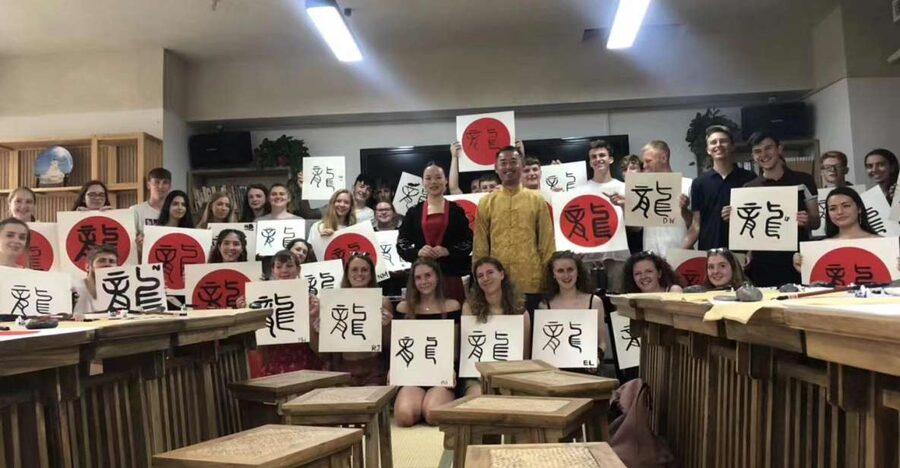
- Mindful calligraphy practice that feels meditative, with lots of repetition for hand control
- Clear guidance in English, including how to hold the brush and adjust your strokes
- The character meaning part, so your final piece has context, not just pretty writing
- Multiple script styles introduced, from regular script to running, cursive, and seal script
- A real finished result, with many students leaving with their own calligraphy to take home
Why this Beijing calligraphy class feels more than a craft
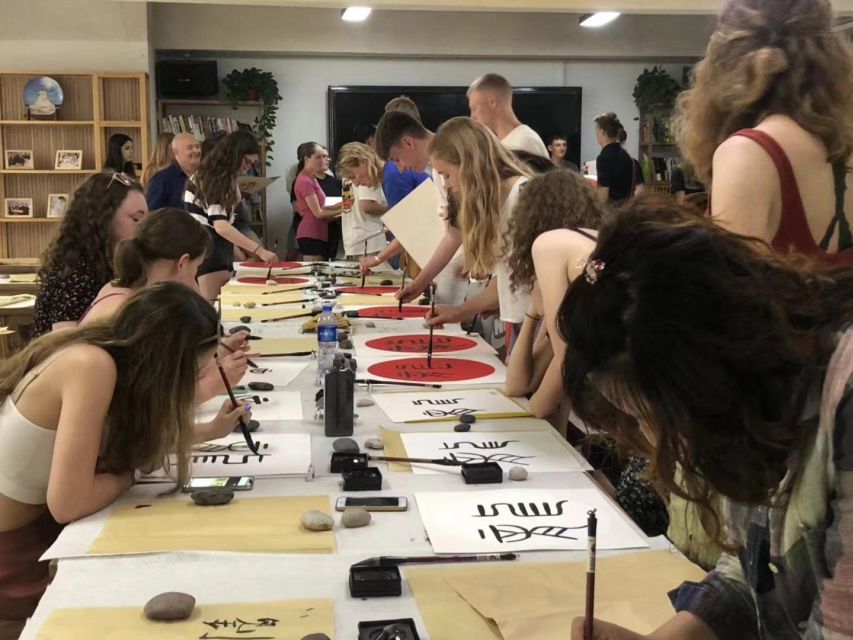
Beijing calligraphy can go two ways. It can be a quick souvenir, where you copy a symbol and leave. Or it can be a small, disciplined lesson that helps you understand how Chinese characters are built. This class leans hard toward the second option.
What makes it work is the combination of technique and meaning. You do strokes, but you also learn why balance and rhythm matter, and what the character is about. That pairing turns the activity into a mini cultural lesson you can carry with you, even after your ink dries.
I also like that it is designed to be calming. Many students comment on how relaxing it feels, especially once you get past the first awkward brush grip. It is a rare Beijing activity that does not feel like another checkbox.
One more plus: you are not forced into complicated homework. This is beginner-friendly. You can come in with zero experience and still leave feeling like you made something real.
A few more Beijing days worth comparing
- Chinese Calligraphy Class for Small Group
★ 5.0 · 104 reviews - Beijing: Dumpling Making Workshop with Meal and Tea
★ 4.7 · 69 reviews - Online Cooking Class Beijing Dumplings and Cuisine by Sunflowerli Renowned Chef
★ 5.0 · 65 reviews
Sun World Dynasty Hotel meeting point, and easy ways to arrive
Your teacher waits at Sun World Dynasty Hotel Lobby, No.50 Wangfujing Avenue, Dong Cheng District, Beijing, China (北京天伦王朝酒店大厅地址:北京市东城区王府井大街50号).
Getting there is simple because it is central:
- Taxi: usually the easiest if you are short on time or traveling with kids.
- Subway: take Line 5, get off at Deng Shi Kou Station A Exit (灯市口出口A). Walk left about 2 minutes (around 180 meters), then at the first traffic light turn left and head west about 5 minutes (around 480 meters). Total walk time is about 8 minutes.
- On foot: if you are already near Wangfujing, you can likely walk there.
A practical note from real-world experience style logic: since calligraphy classes require a steady pace, you do not want to show up stressed. Give yourself a little buffer so you can arrive, breathe, and focus once you start.
The lesson flow, from brush basics to a meaningful final piece
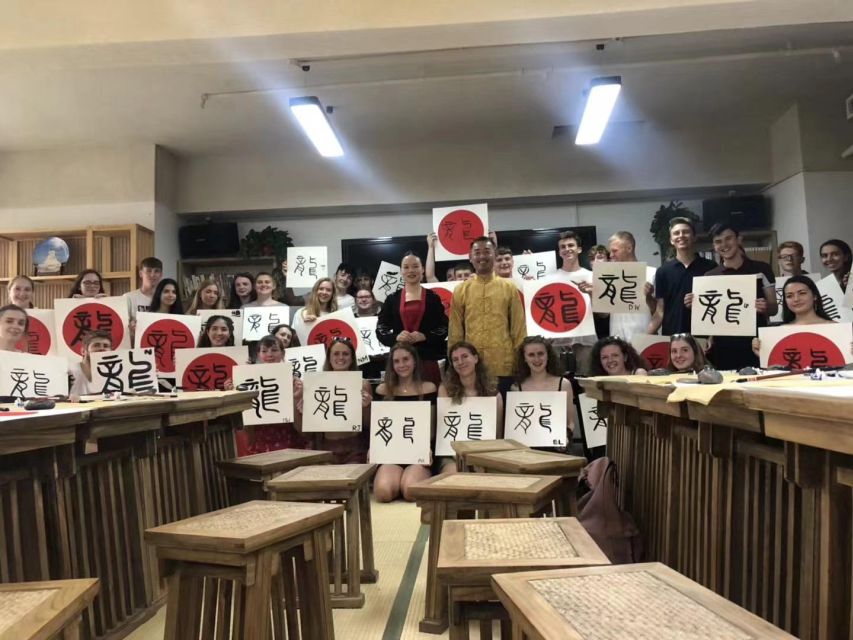
The class usually follows a clear pattern, and you can expect a steady ramp up.
1) Welcome and a quick start in Chinese calligraphy culture
You begin with an introduction to the history and significance of calligraphy in Chinese culture. Even if you only catch part of the explanation, it frames why people take brushwork seriously. It is not just writing, it is considered a disciplined art form.
Same city, a very different kind of day:
- From Beijing: Mutianyu Great Wall Tours with Options
★ 4.9 · 9,216 reviews - Beijing: Forbidden City Tour(Group/Private)-Tickets Included
★ 4.8 · 7,974 reviews - Beijing: T-Square & Forbidden City Group or Private Tour
★ 4.8 · 4,446 reviews - Beijing: Mutianyu Great Wall Daily Tour with Ticket & Lunch
★ 5.0 · 3,056 reviews
2) Scripts you will learn to recognize and practice
Then your teacher guides you through different calligraphy styles, including:
- Regular script
- Running script
- Cursive script
- Seal script
You do not need to master all of them in one session. What you do get is the ability to recognize how each style changes the look and the feel of characters.
3) Tools and how to use them safely and effectively
After the intro, the teacher walks you through the tools used in calligraphy:
- brushes
- ink stones
- rice paper
This matters more than it sounds. The brush technique is the difference between ink that spreads and ink that lands cleanly.
4) Strokes to compositions
Next comes the hands-on part. You practice from simple strokes to more complex compositions. You will focus on balance, rhythm, and harmony, the core ideas that make calligraphy look intentional instead of random.
5) Meaning behind the character you write
Finally, you work with characters that have cultural meaning. Many students highlight that the meaning part is what made the finished piece feel special.
Some people also describe the class as supported by tea and a gentle atmosphere, which fits the overall tone. If that happens for your group, treat it as part of the experience, not an extra.
Tools you will use, ink stone, brush control, and rice paper
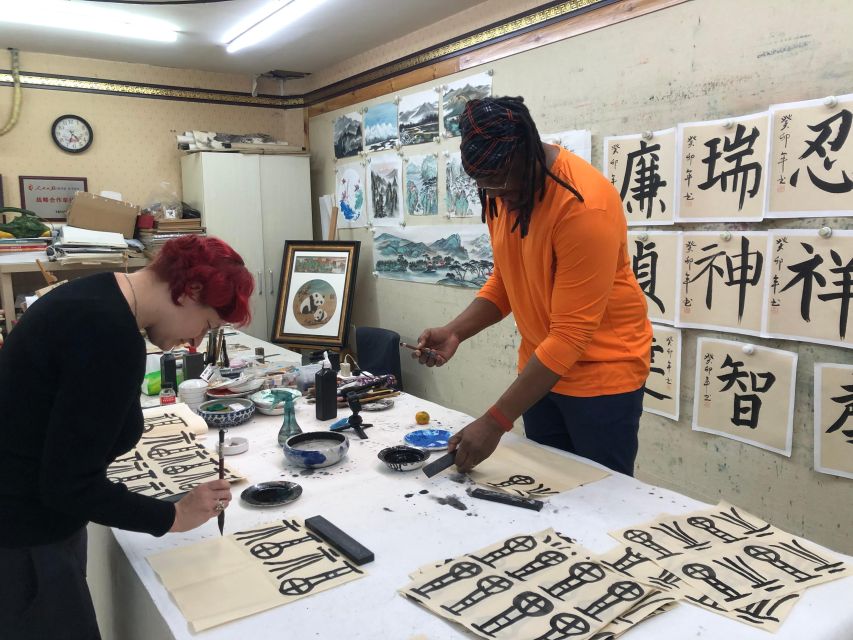
Most people think calligraphy is about drawing pretty lines. In real brushwork, it is about managing ink flow, pressure, and timing.
Here is what you should watch for during instruction:
- Brush handling: how you hold it changes your control. Teachers typically coach grip and wrist movement so you can repeat strokes without fighting the brush.
- Ink stone setup: learning how ink is used helps you understand why calligraphy feels different from using a pen. Ink behavior can be less forgiving, which forces you to slow down.
- Rice paper feel: rice paper absorbs ink in a specific way. It makes the stroke look alive, but it can also punish rushed movements.
The good news is you are not thrown in alone. The class includes supplies to use during the session, so you are learning with the right materials.
The script styles, what they mean in plain language
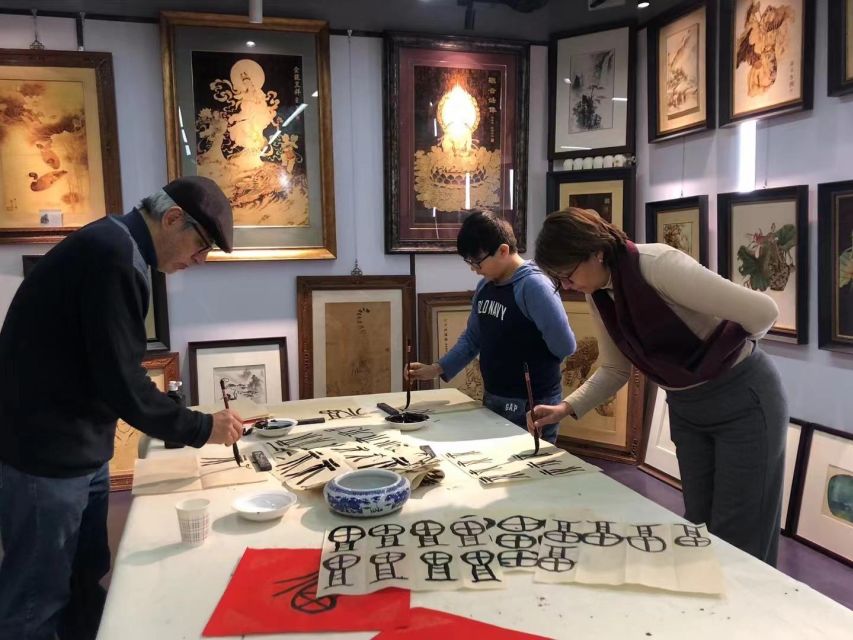
The class introduces several script styles, and each one teaches you something different.
Regular script
Regular script is often the clearest and most structured. It gives you a baseline. If you are brand new, it is a great place to learn how characters are built.
Running script
Running script loosens the pace. It helps you understand how movement affects the character’s energy while still keeping recognizable structure.
Cursive script
Cursive script is more fluid and can look fast, even when it is done carefully. Practicing it gives you insight into how calligraphers keep motion controlled.
Seal script
Seal script is more traditional in look and style. It is a useful contrast, because it shows how character forms evolved over time.
You will likely not leave able to switch styles on command. But you should leave understanding that calligraphy is not one look. It is a family of styles with rules and intentions.
How much you will learn in 30 minutes vs 1 hour
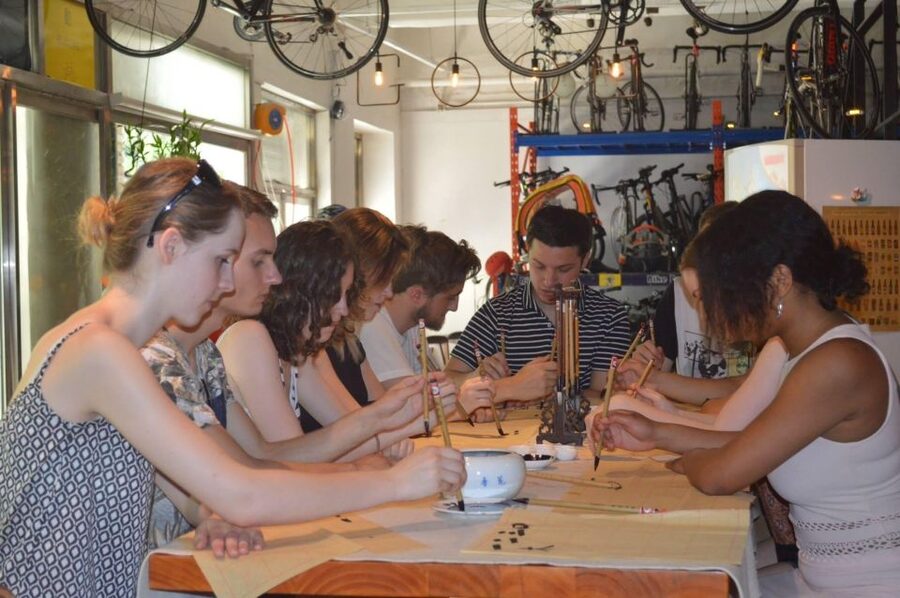
You have two timing options, and picking the right one depends on what you want out of Beijing.
30-minute class
Choose 30 minutes if you:
- want a calm, hands-on cultural activity
- are traveling with limited time
- want enough practice to feel how calligraphy works without overcommitting
In 30 minutes, the focus is usually on the basics, key strokes, and a manageable final character or piece.
1-hour class
Choose 1 hour if you:
- want more practice time
- like slower instruction and more correction
- want to build confidence before you try it again at home
Students who take the longer session often describe a more complete experience, including practicing and improving their work before finishing a piece.
My practical advice: if you are bringing kids, go for 1 hour if the child can sit and focus for that long. If not, 30 minutes still delivers real value because it is structured and guided.
English instruction and why it matters for beginners
This class is taught with an English instructor. That matters a lot in calligraphy because the teaching is not just about steps, it is about concepts like rhythm, balance, and harmony.
When your teacher can explain those ideas clearly, you spend less time guessing. You also get faster correction. Several students specifically mention that the teacher was patient and helped adjust their strokes, which is exactly what you want when your hand is new to brush control.
Instructors you might encounter include teachers named Richard, David, or Li. Either way, the goal stays the same: make you feel comfortable while you learn.
Who this is for, adults, kids, and short attention spans
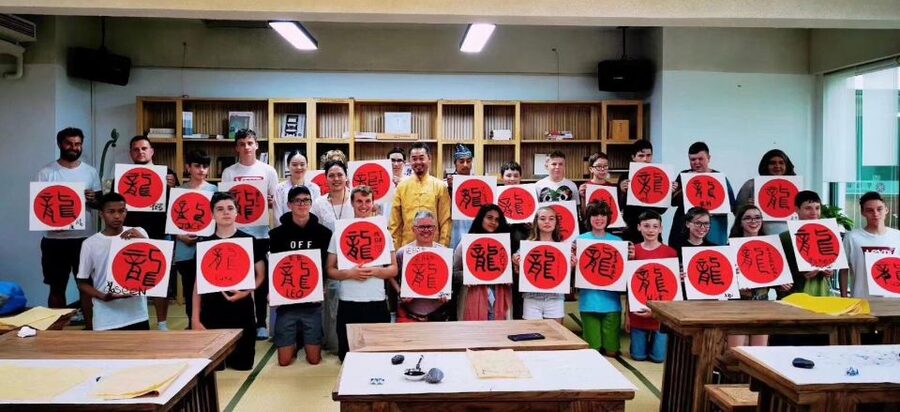
This is one of those activities that works surprisingly well across ages.
- Adults: if you want a creative break from temples and markets, this gives you something hands-on and quiet. It also helps you connect with characters in a way that sightseeing alone usually does not.
- Kids: it is hands-on, structured, and often described as fun. Many families like that it feels like a mini art lesson with clear guidance, not chaotic free drawing.
- Beginners: if you have never held a brush, you are not behind. The class is built for learning the fundamentals and producing a finished piece.
If you hate sitting too long, choose 30 minutes. If you want a deeper practice rhythm, choose 1 hour.
Price and value: is $20 worth it in Beijing?
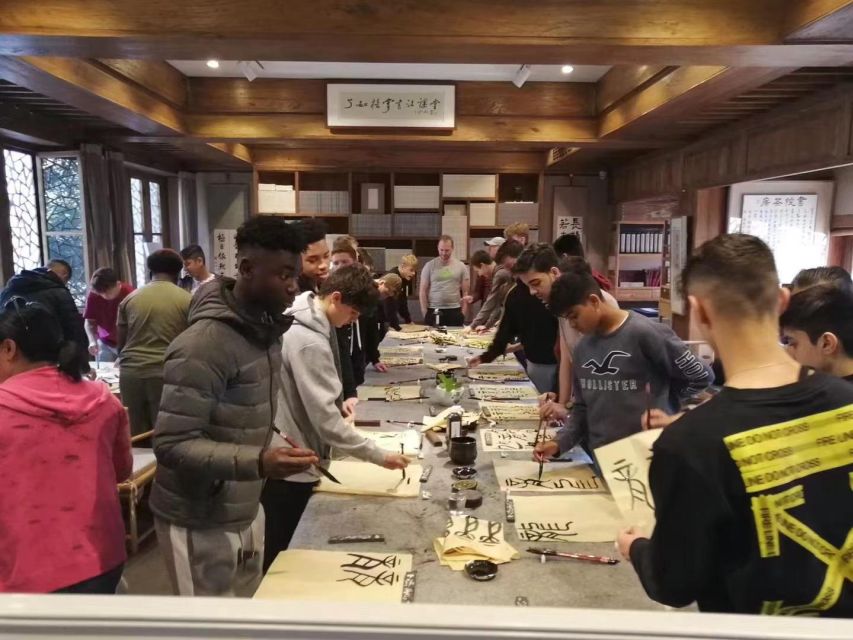
$20 per person for a 30 minutes to 1 hour class is strong value in Beijing terms, mainly because:
- supplies are included for the session
- you get hands-on instruction, not a lecture
- the class time is focused and cultural, not just entertainment
What you are paying for is time with a teacher who can correct your strokes, plus the materials to make a piece you can take home.
The only reason it might not feel worth it is if you already have serious calligraphy training and are looking for advanced instruction. For everyone else, especially first-timers, this is a fair deal.
Practical tips so your strokes actually improve
You cannot control how your ink looks if you do not control your pace. These tips help you get the most from the class:
- Arrive early enough to calm your brain. Even 5 minutes of stress shows up in your hand.
- Watch your teacher’s demonstration closely before you start repeating strokes.
- Expect your first strokes to look imperfect. That is normal. The class is designed around correction.
- If offered tea during the session, treat it as a slow-down cue, not a distraction.
- Ask for adjustments. The teacher’s role is to help you refine balance and rhythm.
Also, because this is rice paper and ink, bring a mindset that says you are making something, not producing a perfect art object on the first try.
Should you book this Beijing calligraphy class at Hutong Calligraphy?
I think you should book this class if you want a Beijing experience that feels personal, calm, and culturally grounded. It is ideal when you:
- want a creative activity with real teaching
- have limited time but still want a finished piece
- like the idea of learning the meaning of what you write
- want something fun for both adults and kids
Skip it only if you are looking for a long, multi-day calligraphy program or advanced technique training. One hour is a good start, but it is not a full course.
If you book, choose the class length based on attention span. For most people, the 1-hour option gives you the most satisfying practice and improvement. And no matter which option you pick, go in curious. The best part is not just the character you write, it is the moment you understand why calligraphy is built around patience and control.
FAQ
Where do I meet the teacher for the Beijing calligraphy class?
You will meet your calligraphy teacher at the Sun World Dynasty Hotel Lobby, No.50 Wangfujing Avenue, Dong Cheng District, Beijing, China (北京天伦王朝酒店大厅地址:北京市东城区王府井大街50号).
Is the calligraphy class taught in English?
Yes. The instructor teaches in English.
What is included in the class price?
The price includes an excellent art teacher, a 30-minute or 1-hour calligraphy class (choose when booking), and calligraphy supplies to use during the class.
How long is the experience?
You can choose a 30-minute class or a 1-hour class based on availability.
What tools and materials will we use?
The class covers the tools used in calligraphy, including brushes, ink stones, and rice paper, and you practice strokes leading to a composition.
Do I need to pay for transportation to get there?
Taxi and subway fare are not included. The directions suggest subway Line 5 to Deng Shi Kou Station A Exit, or taxi, or walking if you are near Wangfujing.
Is there free cancellation?
Yes. Free cancellation is available up to 24 hours in advance for a full refund. Reserve now and pay later options are also listed.
Recently added around Beijing
- Private Transfer to Mutianyu Great Wall with professional driver★ 5.0 · 19 reviews
- Wild Great Wall Hikes★ 5.0 · 10 reviews
- camp on the Great Wall overnight with sunrise and sunset on the wall★ 5.0 · 11 reviews
- Beijing: to Xi’an Terracotta Day Tour by Roundtrip Bullet Train★ 5.0 · 9 reviews
- Beijing Airport Layover Tour to Mutianyu Great Wall★ 5.0 · 4 reviews
- Private Wild Great Wall Hiking tour at Simatai (Challenging)★ 5.0 · 16 reviews
- Beijing: Mutianyu Great Wall and Tea House Private Tour★ 5.0 · 11 reviews
- Simatai Great Wall & Gubei Water Town Private Trip English Driver★ 5.0 · 7 reviews
Workshops, compared.

Half-Day Chengdu Cooking Class with a Local Market Visit
Read our review →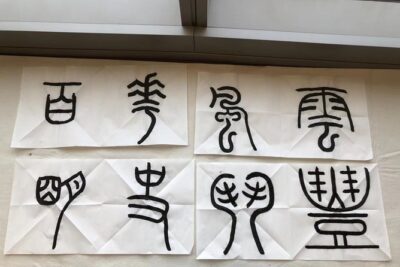
Organic Chinese Dumpling Class with Market Walk
Read our review →
Online Cooking Class Beijing Dumplings and Cuisine by Sunflowerli Renowned Chef
Read our review →
Organic Xiao Long Bao Soup Dumpling Class & Market Walk
Read our review →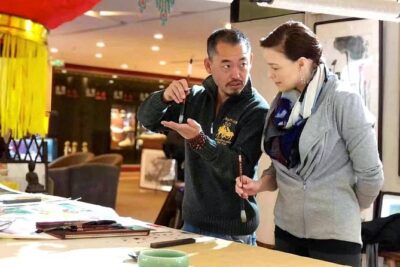
Beijing Wangfujing Calligraphy Class by Forbidden City
Read our review →
Browse the lists this tour appears in