
Reviewed · HUTONG TOURS
Beijing: Hutong Culinary Walking Tour with 15+ Tastings
Follow your nose through Beijing lanes. This Hutong walking tour in Dongsi takes you past quiet alleyways while an English-speaking local guide connects each bite to daily life, with 15+ tastings built in. You will walk, eat, and learn at the same time, without feeling stuck in a museum-like format.
I especially like how guides such as Jimmy and Lucy adjust the route to your comfort level, not just a fixed checklist of foods. I also like that you get real local-spots food, from sesame cakes and jianbing to Xinjiang lamb skewers, so the tour saves you from wandering hungry and guessing what is worth it.
One drawback to plan for: this is a lot of food in a few hours, and the menu can include bold items plus a spirit tasting like baijiu. Come hungry, and tell your guide early what you want to skip.
In This Review
- Key things that make this Hutong food walk work
- Why Dongsi Hutong is the right place to start your Beijing food day
- The 15+ tastings plan: pace, portions, and how to not explode
- From Dongsi Subway Exit B to your first snack stop
- Sesame cakes, ma hua, and Beijing breakfast bites you can walk off
- Dumplings, jar yogurt, and noodle snacks with regional clues
- Malatang, baijiu, and eating etiquette for confident ordering
- Xinjiang lamb skewers finale plus optional adventurous tastings
- Price and value: is $76 fair for a 3 to 4 hour food crawl?
- Should you book this Hutong culinary walking tour?
- FAQ
- How long is the Beijing Hutong Culinary Walking Tour?
- How many food tastings are included?
- Where is the meeting point?
- Is there an English-speaking guide?
- Can the guide adjust foods if I have preferences or want to avoid adventurous items?
- Is pickup available, and can I cancel for a refund?
Key things that make this Hutong food walk work
- 15+ tastings in 3 to 4 hours, so it is a true sampling mission, not a light snack stroll
- Dongsi Subway Station Exit B is a clear starting point, easy to reach and easy to find
- Your guide tailors stops toward classic bites or more adventurous choices
- Hutong eating etiquette included, which makes ordering and sharing feel natural
- Beijing staples plus regional variety, from classic snacks to Xinjiang skewers
- You can ask for swaps if an item feels too challenging
Why Dongsi Hutong is the right place to start your Beijing food day
Hutongs are narrow lanes that helped shape old Beijing. They feel different from the big avenues you see right away. Here, you are not just watching food culture from a distance. You are walking through the texture of everyday life, where neighbors pop in for a quick bite and vendors turn small routines into steady meals.
Starting in the Dongsi area matters because it gives you that “real neighborhood” feel fast. Within minutes, your guide is usually talking about how Hutongs worked, what people ate, and why certain snacks became everyday favorites. That context is not fluff. It changes how you taste, because you start noticing textures, sweetness levels, and how people actually eat.
The best part is the balance. You get both the food and the social rules around it. Even small etiquette lessons, like how to accept and share dishes, reduce the awkwardness that can happen when you do not speak the language. You leave knowing what you ate, not just that it was delicious.
More Walking Tours in Beijing
- Beijing Hutong Walking Food and Beer Tour at Hidden Restaurants
★ 5.0 · 1,132 reviews - Private Beijing Walking Tour of the Forbidden City with 7 Options
★ 5.0 · 675 reviews - Forbidden City Private Walking Tour with Optional Sights
★ 5.0 · 400 reviews
The 15+ tastings plan: pace, portions, and how to not explode
This tour is designed around volume. You should expect a steady rhythm: walk a short distance, stop for a snack, then move again. The tastings are not just “here, try one bite” samples. You will typically sit down or stand at a counter long enough to feel the flavor, then keep going.
That is why arriving hungry is not optional. Most people underestimate how quickly 15+ items add up. One guide may offer a warm savory stop, then a crunchy snack, then something sweet, then another hot bowl. In 3 to 4 hours, your stomach has to play along.
A practical way to handle the pace:
- Eat at the same tempo as the group, so you do not fall behind.
- If you have strong preferences, say them early. The guide adjusts stops based on classic versus bold choices.
- Be ready for cold weather comfort food. Warmer dishes tend to anchor the walk, especially in winter.
If you want to try adventurous options, tell the guide what kind of “bold” you mean. Some people love offal and fermented flavors, while others just want spicy and crunchy. Your guide can usually steer you that way.
From Dongsi Subway Exit B to your first snack stop
Meet at Dongsi Subway Station, Exit B. If you are taking a taxi, you can tell the driver 东四地铁B出口附近. If you are using the subway, just follow signs to Dongsi and then Exit B. Your guide holds a sign with your name.
The opening minutes set the tone. You start with a stroll through quieter Hutong alleyways while your guide explains how these lanes shaped daily life and eating habits. You also learn basic eating etiquette. That can include things like how to handle sharing dishes, how to follow the pace of the table, and how to ask for what you want without making it complicated.
From there, you move into the first tasting stops. The biggest thing to know is that stop locations can vary daily. Your guide is also adjusting for your preferences, so do not worry if your day’s exact order is slightly different from someone else’s. The core idea stays the same: dense variety, local spots, short walks.
Also, this is a private group format. That generally means less waiting around and more attention to what you are actually eating. Guides such as Mike and Anson are often praised for adjusting along the way, not just talking at you.
Sesame cakes, ma hua, and Beijing breakfast bites you can walk off
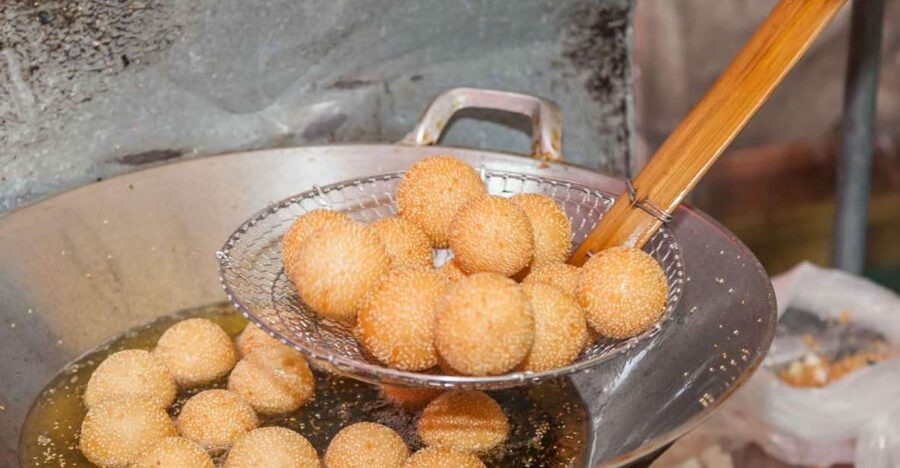
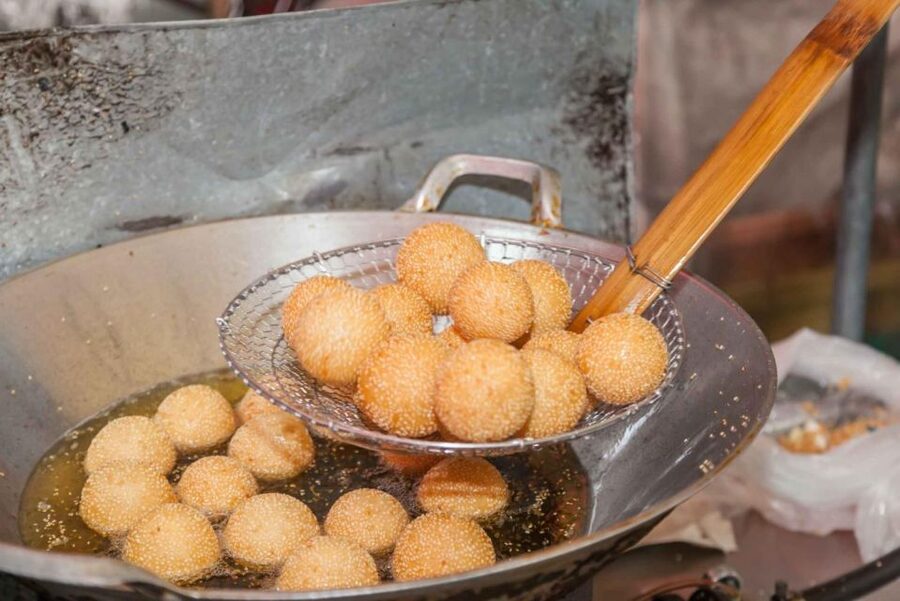
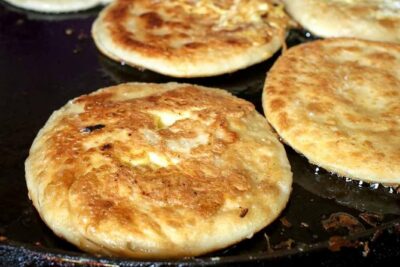
The tour often begins with classic Beijing snack territory, the kind of food people eat without turning it into an event. You might start with sesame cakes, which are made from sesame seeds, often sweetened with honey. Expect a mix of crisp edges and a fragrant, nutty flavor.
Then you may try ma hua, a fried dough twist. It is usually crispy, simple, and very snackable. If you like contrast, this is a great early stop because it gives you crunch before you hit softer dumplings and noodles.
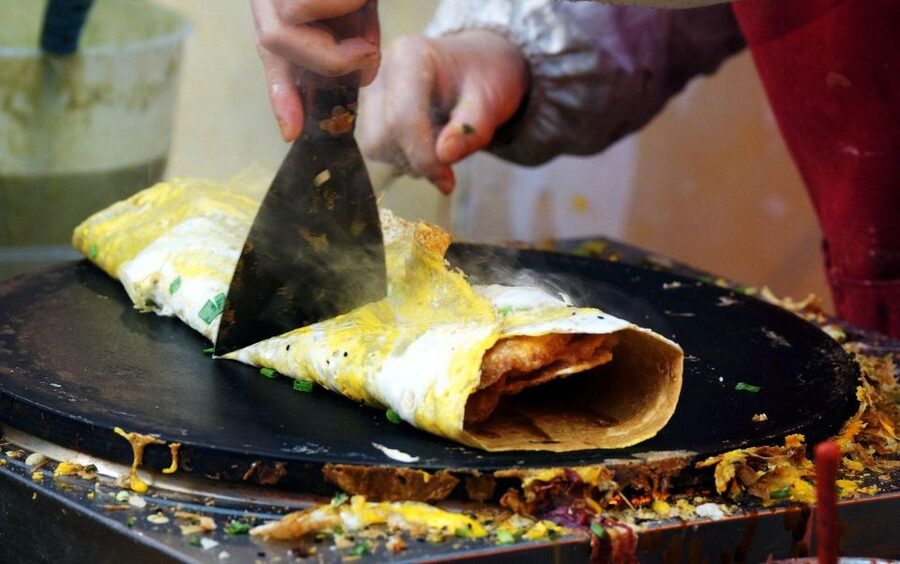
You may also see other street-food style bites that feel like breakfast but work any time. Jianbing, for example, is that fried pancake style snack that often includes egg and savory fillings. Even if you think you already know jianbing, it can be a different experience when you see how it is made and what locals consider the “proper” way to eat it.
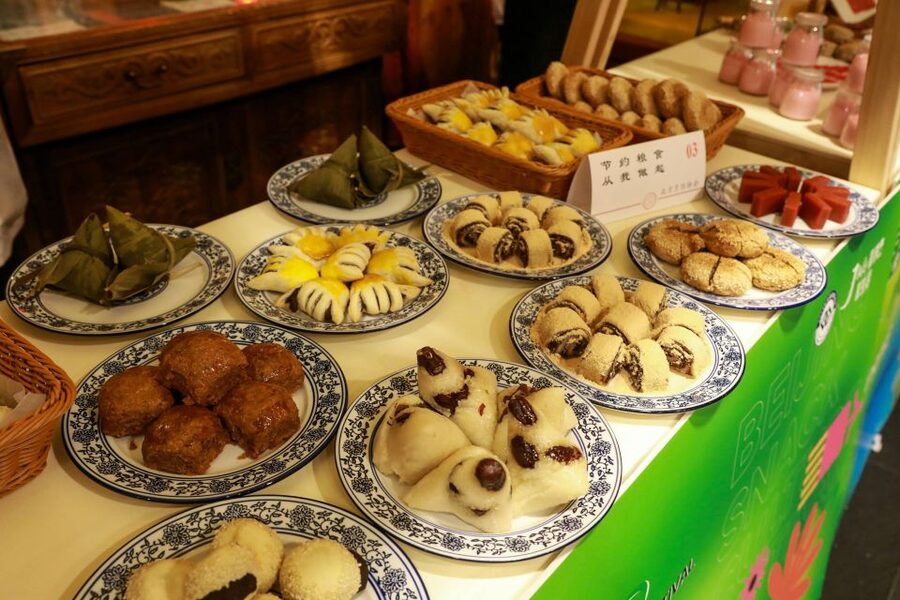
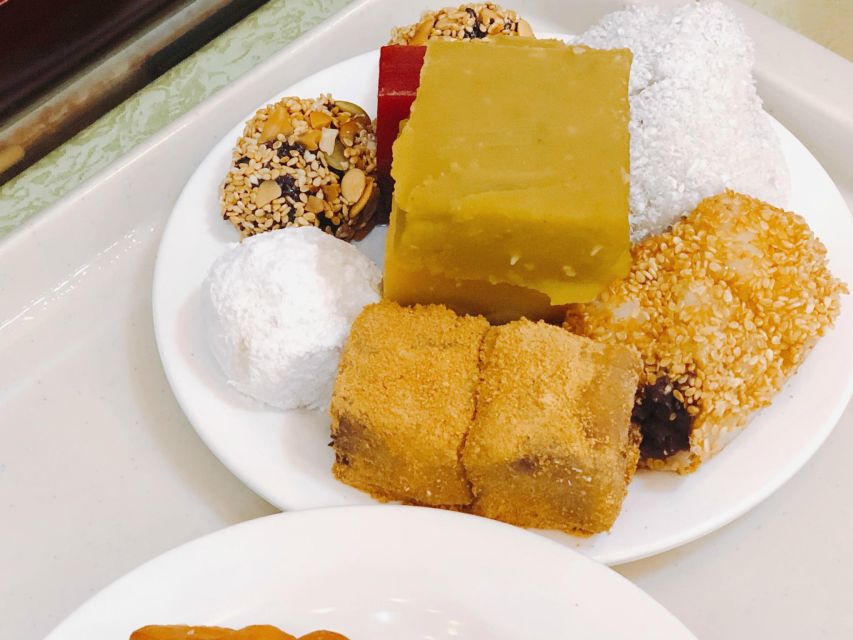
Beijing also has sweet-and-chewy snack options that show up later or sometimes earlier. Steamed rice cakes with sweet stuffing are a common type of tasting on this route. They help break up the savory rhythm and give you that dessert-like bite without needing a separate stop at a bakery.
This is where the walking helps. You eat, you taste, and then you naturally digest while you move through the Hutong lanes. It is one of the reasons this format works better than a sit-down tasting menu.
More hutong walks in Beijing:
- Temple Heaven, Summer Palace, Lama Temple, Hutong Bus Tour
★ 4.7 · 319 reviews - Temple of Heaven, Summer Palace, Lama Temple, Hutong Tours
★ 5.0 · 311 reviews - Beijing Private Hutong Food Walking Tour
★ 5.0 · 299 reviews - The Hutong Experience by Bike
★ 5.0 · 163 reviews
Dumplings, jar yogurt, and noodle snacks with regional clues
Once you are through the crunch-and-sweet starter zone, the tour typically shifts toward comfort food that feels rooted in Beijing and beyond. Soup dumplings are a common highlight. You get that signature moment where the steam and broth hit first, then the filling. It is messy if you rush. The guide’s etiquette tips help you slow down without making it dramatic.
You might also try Beijing jar yogurt. It is a different kind of snack, tangier and more soothing than you might expect. These dairy-based tastings help cool down the hotter items that can come later, especially if malatang or spicy skewers appear in your line-up.
Noodles show up too. Cross Bridge Rice Noodles is one example, and it has an origin tied to Yunnan. That matters because China’s noodle world is not one-size-fits-all. When you taste a dish like that here, you can pick up regional clues that you would miss if you only ate Beijing-specific foods.
Hand-drawn or hand-made noodle moments can happen on some days too. One guest mentioned watching noodles being made by hand. That kind of stop is short but memorable, because it makes the dish feel real instead of “just ordered.”
If you are the type who likes your food with a bit of narrative, this is where guides shine. Many are especially good at explaining how these snacks fit into daily routines, not just how they taste. You start to hear why certain foods are paired together and why people choose them on different kinds of days.
Malatang, baijiu, and eating etiquette for confident ordering
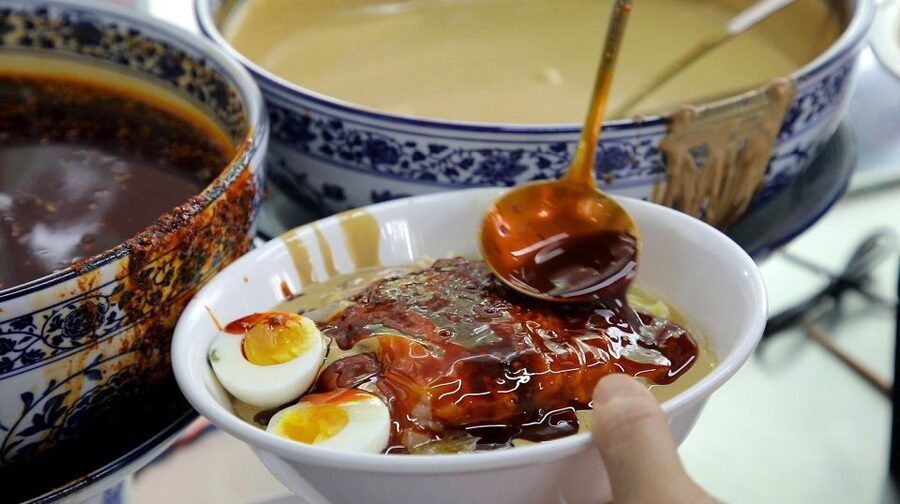
Malatang is a big flavor pivot. It is a member of hot pot, usually built on a spicy soup base with ingredients like vegetables, meats, seafood, and noodles. Even if you do not commit to the spiciest bowl, it gives you that deep, warming heat.
The tour also has a strong “learn how to eat” thread. You might practice how to handle sharing dishes, how to pay attention to spice levels, and how to decide what to try next. It is not a class. It is practical coaching so you feel comfortable at the table.
Then there is baijiu. It is a colorless Chinese liquor with typical alcohol levels around 35% to 60% by volume. Not everyone loves it. The good news is that this is a tasting, and your guide adjusts the experience based on your preferences. If alcohol is not your thing, speak up so the guide can steer you toward other tastings that fit you better.
One more note: some tours add extra beverages on certain days. A few guests mentioned beer being included even though it is not listed in the standard materials. I treat that as day-dependent, so plan around the tastings and know bottled water and local soft drinks are included.
This is a tour where etiquette and confidence matter. Once you know how to ask for what you want and how to move through shared plates, you will feel more relaxed for the rest of your Beijing trip, not just on this walk.
Xinjiang lamb skewers finale plus optional adventurous tastings
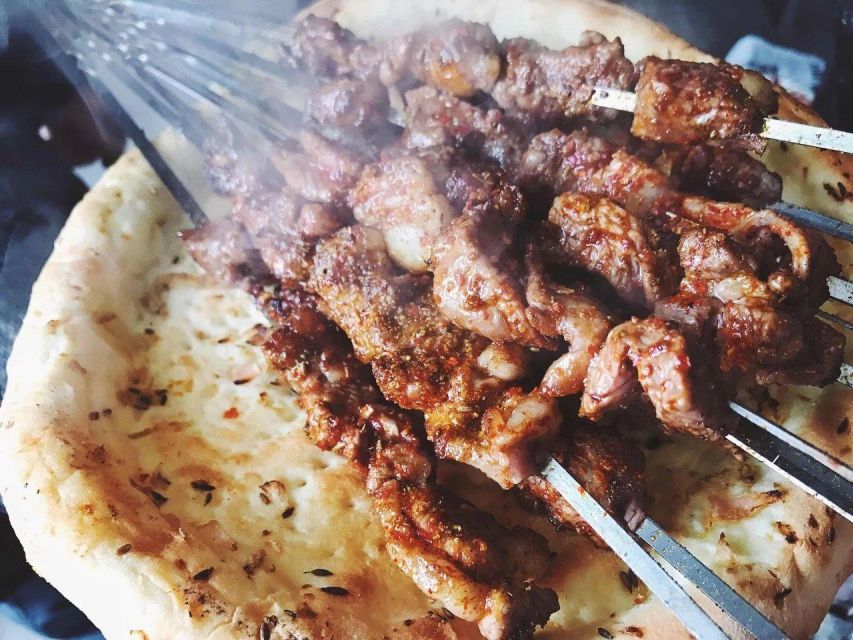
The last stretch often leans into grilled, hearty flavors. Xinjiang lamb skewers are a common finale, and you may also get nang bread and lamb or vegetable kabobs. This is where the tour shifts from snacking variety to that satisfying “meal-like” taste. If you love smoky, savory street food, you tend to remember the skewers the most.
What makes this portion special is the contrast. You may have had sweet sesame bites and noodle soups earlier. Then suddenly you are in savory, charred territory. Your mouth feels refreshed instead of overloaded.
Now for the bold side. If you are an adventure foodie, your guide may offer surprises that can go well beyond the standard classics. Options that may come up at your cost or as a swap include donkey burger, fried liver, intestine soup, 1000 year old egg, and bamboo worm. Bamboo worm is specifically described as at your cost.
The tour is also set up so you do not have to take every challenge. Some guests have asked for substitute meals when an item felt too intense. If you want to try adventurous food but on your terms, tell the guide your boundaries clearly. That single conversation can save you from forcing a food you dislike just because it sounds brave.
A nice extra: some guides add a short scenic touch near the end, like a sunset-style walk through the Hutong. If your schedule allows, that kind of finish helps turn the last bites into a memory, not just the end of a stuffing session.
Price and value: is $76 fair for a 3 to 4 hour food crawl?
At $76 per person for 3 to 4 hours, the value comes from density and guidance. You are paying for three things at once:
- 15+ tastings that many people would struggle to find and coordinate alone
- A guide who adjusts stops based on your preferences, classic or bold
- Handpicked local spots, which saves you time and guesswork in a neighborhood you might not navigate confidently
If you tried to recreate this yourself, the real cost is not just food. It is time spent figuring out where to go, language friction, and the risk of wasting stops on places that are convenient but not great. Here, the guide collapses those uncertainties.
You also get bottled water and local soft drinks included. That matters because between spicy soups, fried snacks, and sweet bites, you will need something to keep your mouth comfortable.
Hotel pickup is optional. If you choose it, you avoid the “meet at a subway and shuffle around” stress, especially if it is your first night in Beijing. Otherwise, Dongsi Exit B is straightforward.
In short: $76 is a fair price if you want variety and structure. If you prefer long meals, zero walking, or only one kind of food, a different style of Beijing dining experience may fit you better.
Should you book this Hutong culinary walking tour?
Book it if you fit one of these:
- You want a first-night Beijing food intro that feels local, not touristy
- You like variety, from sesame cakes and dumplings to malatang and lamb skewers
- You enjoy hearing stories tied to what you eat, and you want practical etiquette help
- You are traveling with a partner or family and you want the guide to work around needs, including vegetarian options when communicated
Skip or adjust expectations if:
- You cannot handle alcohol tastes like baijiu and spicy dishes. You can request adjustments, but the tour is built around a wide range of flavors.
- You are not comfortable with bold items like intestine soup or other adventurous surprises. The guide may offer swaps, but the tour is still a sampling format.
If you book, do one thing that makes the whole experience better: arrive hungry and talk to your guide in the first minutes. Guides such as Jimmy, Lucy, Anson, and Allen are repeatedly praised for tailoring the walk and keeping it fun. With that kind of guidance, you get the best of Hutong food culture, plus the confidence to keep exploring on your own afterward.
FAQ
How long is the Beijing Hutong Culinary Walking Tour?
It lasts 3 to 4 hours.
How many food tastings are included?
You get 15+ tastings included.
Where is the meeting point?
The meeting point is Dongsi Subway Station, Exit B. Your guide will hold a sign with your name.
Is there an English-speaking guide?
Yes. The tour includes a live guide who speaks English.
Can the guide adjust foods if I have preferences or want to avoid adventurous items?
Yes. The guide adjusts stops based on your preferences, including classic bites versus bolder picks. You can also request substitutes if there is something you do not want to try.
Is pickup available, and can I cancel for a refund?
Hotel pickup and drop-off with private transfer are optional. There is free cancellation up to 24 hours in advance for a full refund.
Recently added around Beijing
- Private Transfer to Mutianyu Great Wall with professional driver★ 5.0 · 19 reviews
- Wild Great Wall Hikes★ 5.0 · 10 reviews
- camp on the Great Wall overnight with sunrise and sunset on the wall★ 5.0 · 11 reviews
- Beijing: to Xi’an Terracotta Day Tour by Roundtrip Bullet Train★ 5.0 · 9 reviews
- Beijing Airport Layover Tour to Mutianyu Great Wall★ 5.0 · 4 reviews
- Private Wild Great Wall Hiking tour at Simatai (Challenging)★ 5.0 · 16 reviews
- Beijing: Mutianyu Great Wall and Tea House Private Tour★ 5.0 · 11 reviews
- Simatai Great Wall & Gubei Water Town Private Trip English Driver★ 5.0 · 7 reviews
Hutong Tours, compared.
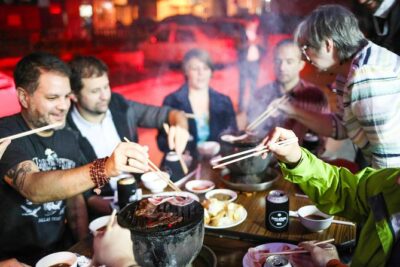
Beijing Hutong Walking Food and Beer Tour at Hidden Restaurants
Read our review →
Temple Heaven, Summer Palace, Lama Temple, Hutong Bus Tour
Read our review →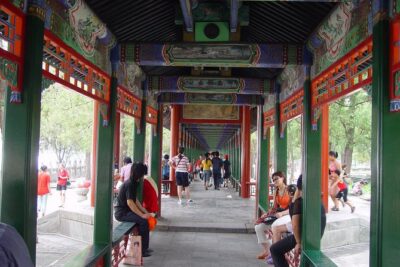
Temple of Heaven, Summer Palace, Lama Temple, Hutong Tours
Read our review →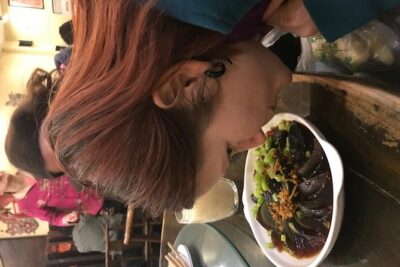
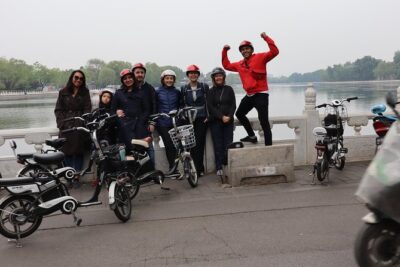

Browse the lists this tour appears in