
Reviewed · CHINESE OPERA & CULTURAL SHOWS
Beijing: Imperial Cuisine Experience & Cultural Performance
Royal food meets a real museum. At the Yuxiandu Imperial Cuisine Museum in Beijing, I love how it traces Chinese court cooking across five millennia, and then turns that story into palace-style dining. One possible drawback: the tasting menu is not for super-picky eaters, with dishes that can include ingredients like sea cucumber and fish maw.
I also like that the museum is more than a photo stop. You get a serious look at how imperial meals worked, down to utensils and documents, and you pair it with a performance that brings court culture to life through traditional music, dance, and costumes.
The main thing to watch is timing. Ticket checks happen at specific times, and you’ll want to be early, because the meal and show run on schedule, and the QR code you receive after booking is not your real ticket.
In This Review
- Key moments to prioritize
- Yuxiandu Imperial Cuisine Museum: a food timeline you can actually follow
- The palace-style dinner: what the menu is like and how to approach it
- The cultural performance: what you get, and how not to miss it
- Price and value: what $137 buys you in Beijing
- Who should book this, and who may prefer another plan
- Practical tips for a smooth start, including the ticket QR code issue
- Should you book the Beijing Imperial Cuisine Experience?
- FAQ
- How long is the Beijing Imperial Cuisine Experience?
- What is included in the ticket?
- Are traditional costumes and makeup transformation included?
- When does the meal and performance start for each session?
- If I get a QR code after booking, is that my ticket?
- Is it wheelchair accessible, and is it suitable for children?
Key moments to prioritize
- A five-millennia story of imperial cuisine: see how royal menus and cooking techniques evolved over centuries.
- Over a thousand historical artifacts: utensils, documents, and other items that explain what imperial meals meant.
- A palace-like dinner setting: the dining room is designed to feel like you stepped into court life.
- A full tasting menu experience: you eat a set sequence of dishes, not a pick-your-own à la carte meal.
- A show that follows dinner: music, dance, and traditional costumes linked to the food story.
- Be ready for unusual ingredients: expect royal specialties that some visitors may find adventurous.
Yuxiandu Imperial Cuisine Museum: a food timeline you can actually follow
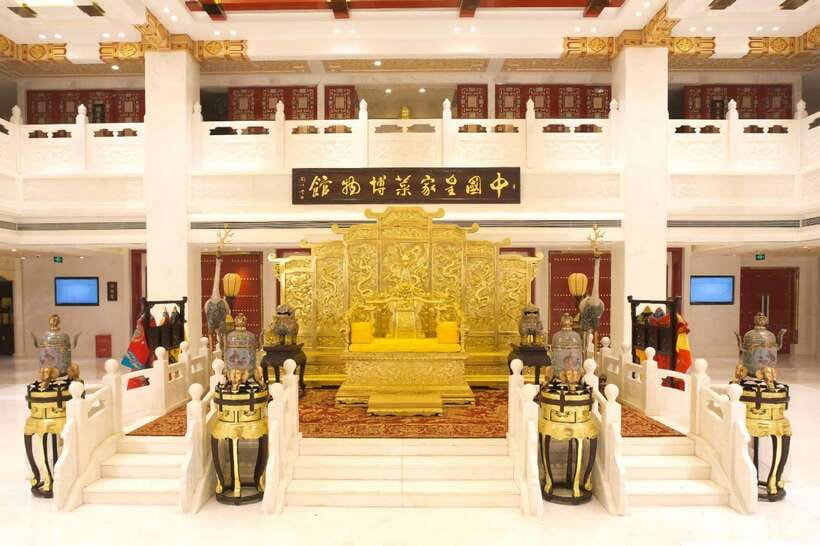
The Yuxiandu Imperial Cuisine Museum is in Beijing’s Haidian District, near Sijiqing Bridge. It’s designed as a museum you can walk through, but it’s also built around one big idea: Chinese imperial cuisine is not random fancy cooking. It’s a system with rules, status, and a long timeline.
What you’ll notice right away is the scale. The museum covers the evolution of Chinese royal dishes from ancient times through the Qing Dynasty, spanning five millennia. It also holds over a thousand historical artifacts, including dining utensils and valuable documents that help you understand what court dining was built on.
This matters for your visit because it changes how you eat later. When you watch the menu unfold, you’re not just tasting food. You’re tasting context. The exhibits introduce renowned royal dishes and chefs from across Chinese history, so you get a sense of who made these meals famous and why certain dishes belonged at court.
The museum also helps connect food to culture. In an imperial court, food wasn’t just for flavor. It was for ceremony, hierarchy, and identity. By the time you reach the dining area, the dishes feel less like a gimmick and more like the final chapter of what you’ve just learned.
More Opera & Cultural Shows in Beijing
- Beijing: Traditional Cultural Show Peking Opera Tickets
★ 4.4 · 66 reviews - Liyuan Theatre Beijing Opera Show Tickets
★ 4.4 · 60 reviews - Beijing Royal Dinning Experience with cultural performance
★ 4.4 · 57 reviews
The palace-style dinner: what the menu is like and how to approach it
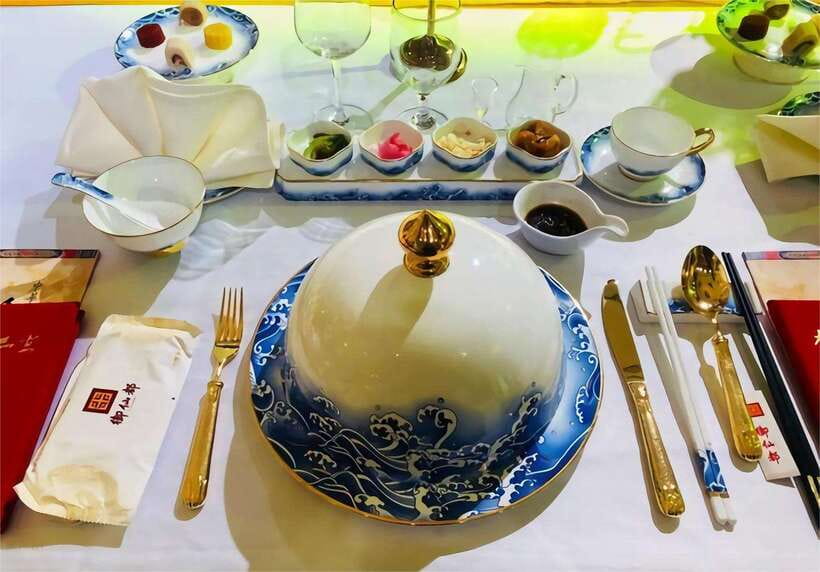
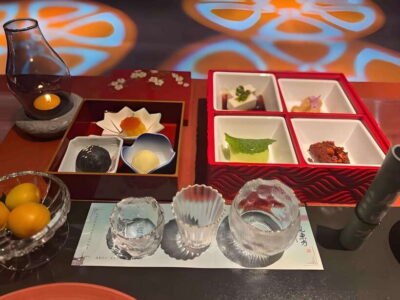
After the galleries, you move into the restaurant portion of the experience. The dining design aims to recreate the feel of an ancient palace setting, so you can eat your dinner in a setting that matches the theme. In plain terms, it’s the kind of place where you slow down and pay attention, because the whole room is part of the performance.
The meal is served as a set tasting menu. That’s part of the value, and part of the risk. At $137 per person, you’re paying for the full package: museum context, a substantial multi-dish meal, and a performance. But you’re also agreeing to eat the dishes that are scheduled.
Here’s what’s on the menu sequence you should expect:
- Appetizers and snacks, starting with an appetizer platter
- Braised Sea Cucumber with Fish Maw in casserole
- Marinated tofu with bamboo shoots
- Roast duck with jujube wood
- Chinese cabbage in soup
- Roasted lamb
- Longevity noodles with poached eggs
- Deep-fried dough sticks (youtiao) with milk
- Yoghurt filled with honey
If you’re thinking, Okay, what kind of meal is this, the best way to picture it is variety in courses. You’ll get rich and savory dishes (like the braised sea cucumber and fish maw), meat-focused specialties (roast duck and roasted lamb), and comforting carbs (noodles and youtiao). There’s also a mix of textures, from soups to braises to doughy sides.
One dish that stands out on the list is the roast duck with jujube wood. Even without extra explanation, it signals a royal-court style of flavoring, because it points to specific ingredients used for aromatic character. And the longevity noodles with poached eggs is another menu clue: some dishes in imperial traditions are about symbolism as much as taste.
Dessert-like items are gentle compared to the savory items, with yoghurt filled with honey, plus the youtiao with milk. So if the seafood specialty feels intimidating, you still have comforting flavors later in the meal.
Also note what is not included. Traditional costume and makeup transformation are not part of this package. So if you’re hoping for a full dressed-up character experience, you’ll need to manage expectations. You will see traditional clothing in the performance, but you’re not guaranteed costume and makeup as part of the dinner.
The cultural performance: what you get, and how not to miss it
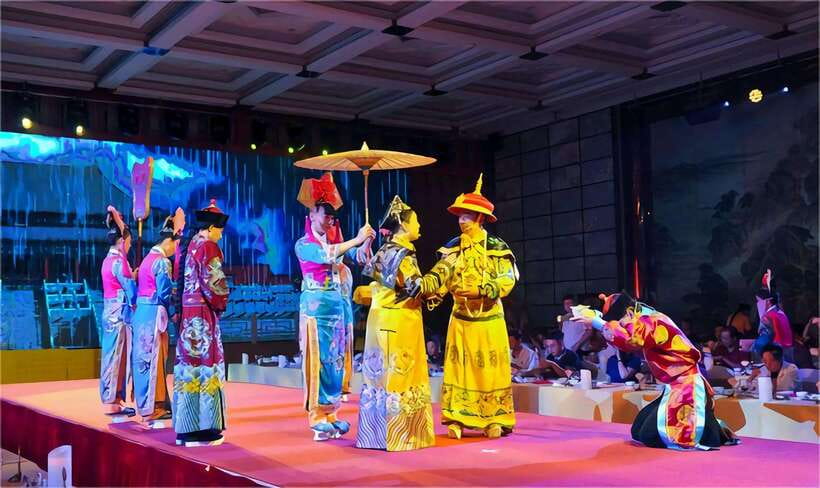
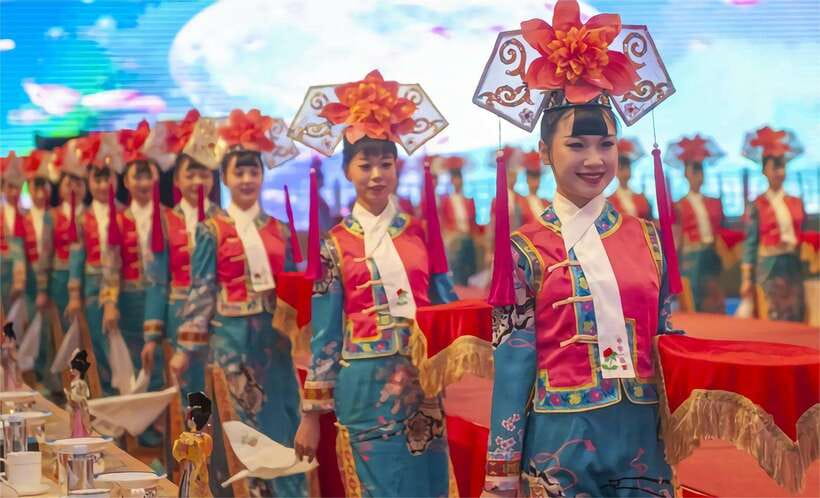
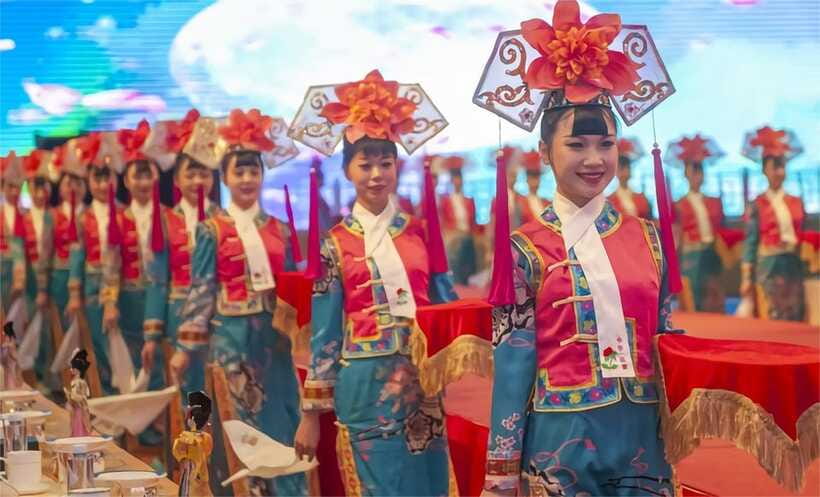
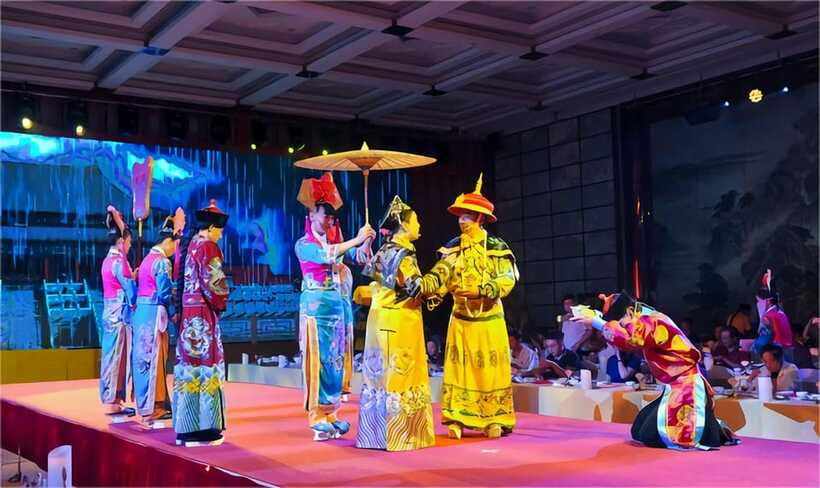
The performance is included with the dinner experience. It’s not something you tack on later, it’s scheduled right after you eat. Based on what people highlight, the show leans into historical presentation, with traditional costumes, plus music and dance that aim to make court culture feel real.
You’ll want to plan around the exact timing, because the ticket checks are staged and the show has a clear start time.
For the lunch session:
- Lunch ticket checking time: 11:38 AM
- Performance start: 12:10 PM
For the dinner session:
- Dinner ticket checking time: 6:28 PM
- Show beginning: 6:50 PM
Here’s my practical advice: arrive a few minutes before the ticket checking time. That gives you buffer for queues, seating, and any last-minute check-in. If you show up right at check-in, you’re gambling with your own comfort.
The hall timing is part of the value. You get a meal, then the performance hits while you’re still in that themed setting. That flow is one reason people feel it’s worth the price. If you’re the type who likes a complete evening, meal plus show, this format fits.
Price and value: what $137 buys you in Beijing
At $137 per person, you’re paying for a triple combo: museum education, a set royal-style meal, and a cultural performance. If you tried to recreate that day on your own, you’d likely spend similar money or more once you account for museum time, a serious multi-course dinner, and tickets to a show.
What makes the price feel more justified here is the “stacked experience” design. The museum section sets expectations through artifacts and historical storytelling. Then the dining section delivers a menu that matches the imperial theme. Finally, the performance turns culture into something you can watch rather than read about.
The museum is also described as a national AAA-level tourist attraction, which signals solid service and facilities. That matters in a packaged experience, because it usually means fewer surprises with seating, timing, and how smoothly the flow moves from museum to meal to show.
One more value point: the package duration is 3 to 4 hours, so you’re not giving up an entire day. In Beijing, where you might be balancing major sights, that time window can work well, especially if you’re looking for something different from the usual historical monuments.
The main “value question” is this: will you enjoy a set menu? If you love trying dishes and you’re comfortable eating a multi-course meal, the value is strong. If you’re strict about avoiding certain ingredients or you only want familiar flavors, you might feel the price sting.
More opera and cultural shows in Beijing:
- Beijing LiYuan Theatre VIP Seats Opera Show with Private Transfer Service
★ 5.0 · 43 reviews - Liyuan Theatre Peking Opera Ticket
★ 5.0 · 26 reviews - Beijing: Must-See Peking Opera at Liyuan Theatre Ticket
★ 4.1 · 9 reviews - Beijing Liyuan Theater Peking Opera Ticket Booking
★ 4.5 · 7 reviews
Who should book this, and who may prefer another plan
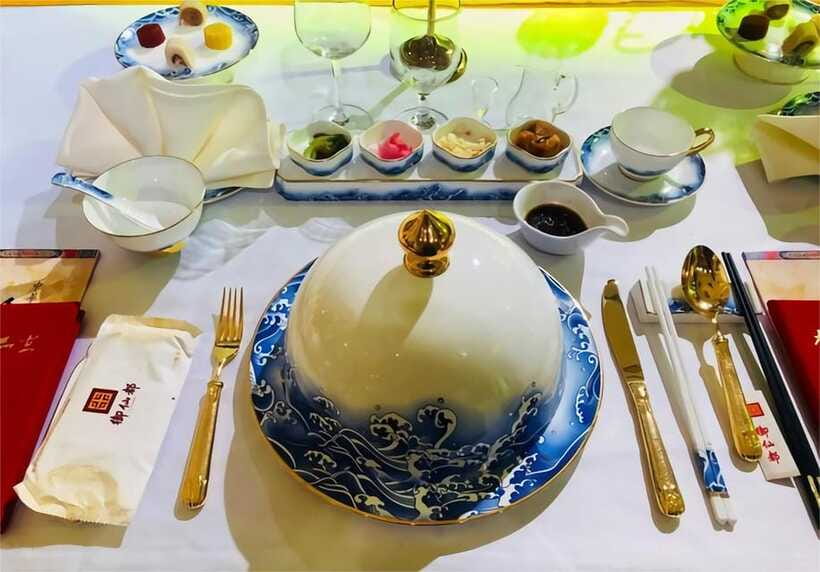
This experience works best if you like court history tied to food, and you also enjoy a planned evening program. It’s especially good for adult couples, friends, and visitors who want a cultural experience that doesn’t require language-heavy navigation.
You’ll likely appreciate the museum if you’re the type who wants more than a surface-level tour. The museum’s focus on utensils and documents suggests you’ll be paying attention. It’s also a plus if you want to understand why certain dishes show up in imperial cuisine traditions, not just what they taste like.
It’s a bit less ideal if you’re traveling with very young kids. It’s not suitable for children under 2 years. And since costumes and makeup transformation are not included, it’s also not the best choice if you’re searching for a full dress-up experience.
Accessibility is also worth noting. The experience is wheelchair accessible, so you should be able to attend with mobility needs.
Practical tips for a smooth start, including the ticket QR code issue
This is one part I’d treat carefully, because small timing and ticket mistakes can ruin the evening.
First, the QR code you receive after booking is not your actual ticket. Your real ticket is sent to you via email. Before you head out, check your inbox so you have the correct ticket details ready.
Second, show up early for the scheduled ticket checking time. The museum and dining flow run on set times, and the performance starts shortly after. For the dinner session, for example, checking happens at 6:28 PM and the show starts at 6:50 PM, so there is not much slack if you’re late.
Third, plan your expectations about length. The experience is 3 to 4 hours, but that doesn’t mean you can wander nearby beforehand without thinking. Treat it like a real timed activity and build your schedule around it.
Finally, remember what’s included. Your ticket includes the meal and performance. Traditional costume and makeup transformation are not included, so if you want to add those elements, you’ll need separate plans.
Should you book the Beijing Imperial Cuisine Experience?
I think this is a strong book for you if you want a meal that feels tied to history, not just a fancy dinner. The museum’s five-millennia focus and the set royal-style menu create a clear story arc, and the show gives you a cultural finish rather than sending you back out into Beijing right after eating.
Skip it or reconsider if you are very selective with ingredients or you dislike fixed menus. Also, if you were hoping for costume and makeup as part of the experience, know it’s not included here.
If you like complete, scheduled cultural evenings, this is one of the more organized ways to do something different in Beijing, with museum artifacts, a full royal dinner, and a show all in one package.
FAQ
How long is the Beijing Imperial Cuisine Experience?
The experience runs about 3 to 4 hours.
What is included in the ticket?
Your ticket includes the meal and the performance.
Are traditional costumes and makeup transformation included?
No. Traditional costume and makeup transformation are not included.
When does the meal and performance start for each session?
For lunch, ticket checking is at 11:38 AM and the performance starts at 12:10 PM. For dinner, ticket checking is at 6:28 PM and the show begins at 6:50 PM.
If I get a QR code after booking, is that my ticket?
No. The QR code generated on the booking platform is not your actual ticket. Your real ticket is sent to you via email.
Is it wheelchair accessible, and is it suitable for children?
Yes, it is wheelchair accessible. It is not suitable for children under 2 years. You can also cancel up to 24 hours in advance for a full refund.
Recently added around Beijing
- Private Transfer to Mutianyu Great Wall with professional driver★ 5.0 · 19 reviews
- Wild Great Wall Hikes★ 5.0 · 10 reviews
- camp on the Great Wall overnight with sunrise and sunset on the wall★ 5.0 · 11 reviews
- Beijing: to Xi’an Terracotta Day Tour by Roundtrip Bullet Train★ 5.0 · 9 reviews
- Beijing Airport Layover Tour to Mutianyu Great Wall★ 5.0 · 4 reviews
- Private Wild Great Wall Hiking tour at Simatai (Challenging)★ 5.0 · 16 reviews
- Beijing: Mutianyu Great Wall and Tea House Private Tour★ 5.0 · 11 reviews
- Mutianyu Great Wall Private Round Trip★ 4.5 · 14 reviews
Chinese Opera & Cultural Shows, compared.
Sichuan Opera Shu Feng Yan Yun Evening Show Ticket
Read our review →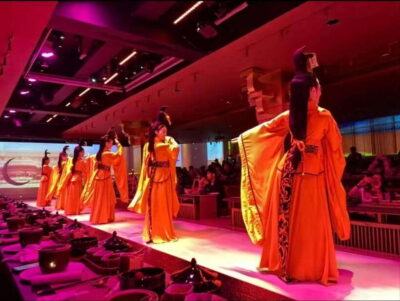
Royal Banquet with Chinese Cultural Performance
Read our review →
Chengdu Sichuan Opera Show Ticket – Shu Feng Ya Yun
Read our review →
Beijing Royal Dinning Experience with cultural performance
Read our review →Beijing LiYuan Theatre VIP Seats Opera Show with Private Transfer Service
Read our review →Browse the lists this tour appears in