
Reviewed · MUSEUM TOURS IN BEIJING
Beijing: Lama Temple, Confucius Temple and Guozijian Museum
Beijing can feel like a blur, but this route turns temples and lanes into clear stories. I like that you start with Lama Temple worship and end in the quieter Hutong alleys, so you see both belief and daily life. It is a compact loop that makes the city feel understandable, even if it is your first visit.
What I really like most is the focus on objects and scenes you can actually picture: the 54-foot high sandalwood Buddha at Lama Temple and the Guozijian (Imperial College) built in 1306. You also get watchful context, like seeing how locals worship inside the temple spaces instead of just reading about it.
The main drawback is the pace. With only 4 hours, you will get highlights, not a slow, detailed museum day, and the Lama Temple area can feel busy.
In This Review
- Key highlights you should care about
- From your hotel to Lama Temple, the day moves efficiently
- Lama Temple courtyards, the 54-foot sandalwood Buddha, and how worship works
- Confucius Temple and Guozijian Museum, the academy built for rulers and minds
- Hutong alley walks, Wudaoying direction, and what everyday lanes teach you
- English guides who make the statues make sense
- Price and value at around $80 for a 4-hour loop
- A realistic look at timing, walking, and crowd moments
- When this tour fits best, and who might want something different
- Practical tips for getting more from each stop
- Should you book this Beijing Lama Temple, Confucius Temple, and Hutong tour?
- FAQ
- What is the duration of the tour?
- Where does the tour start?
- Is there an English-speaking guide?
- Which attractions are included?
- Are entrance fees included?
- Does the tour include skip the ticket line?
- How do you get to the temples?
- Is hotel drop-off included?
- Can I combine the tour with dim sum?
Key highlights you should care about
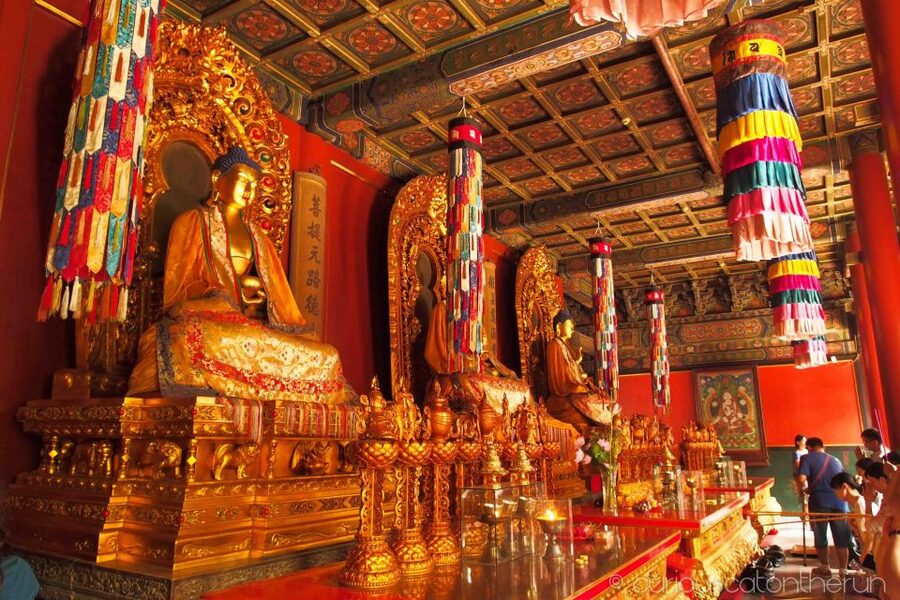
- A single carved Buddha you can spot from across the hall: the white sandalwood Maitreya Buddha carved from one log from Nepal
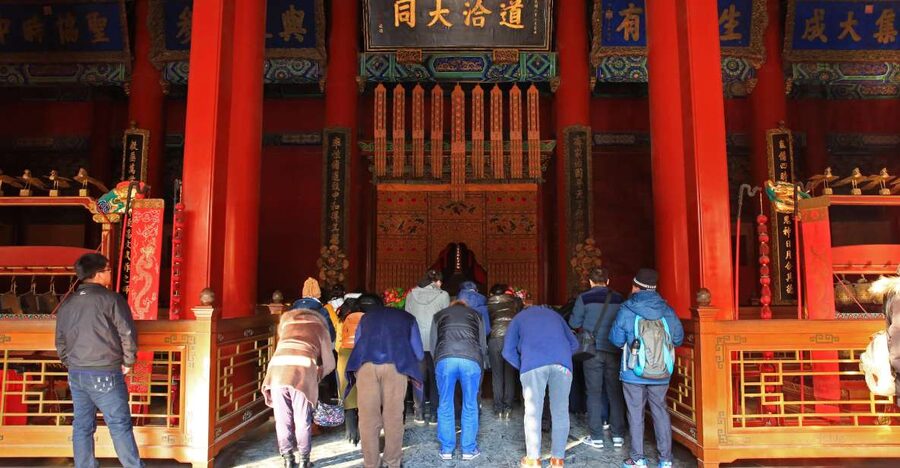
- Real worship, not just photos: you watch how locals pray and follow the guide’s explanations of what you are seeing
- Confucius Temple plus Guozijian in one pass: see the academy that served as a top institution across dynasties
- Hutong alley walking with local context: learn how these lanes shaped Beijing street life
- Time to keep exploring afterward: your guide can point you toward Wudaoying Hutong for more wandering
From your hotel to Lama Temple, the day moves efficiently
The trip starts with pick-up at your hotel. Your guide meets you in the lobby holding a sign with your name, then you head straight to Lama Temple. You can go by taxi or subway, and there is also an option for a private car if you want the easiest, least-stress transport.
Why I think this matters: Beijing’s traffic and station transfers can eat up precious time. This tour’s structure keeps the morning (or afternoon) from turning into a logistics exercise. You spend your energy on the actual sights.
You should also expect a “see and learn” flow rather than a long sit-down museum format. That is ideal if you like history and culture but you still want time left to explore on your own later.
More Museum Tours in Beijing
- Beijing: Tianmen Square, Forbidden City & Royal Museum Tours
★ 4.6 · 1,288 reviews - Beijing:Jingshan Park (Palace Museum Garden) Ticket
★ 4.5 · 185 reviews - Beijing Half Day: National Museum of China In-depth Tour with Subway Transfer
★ 5.0 · 70 reviews
Lama Temple courtyards, the 54-foot sandalwood Buddha, and how worship works
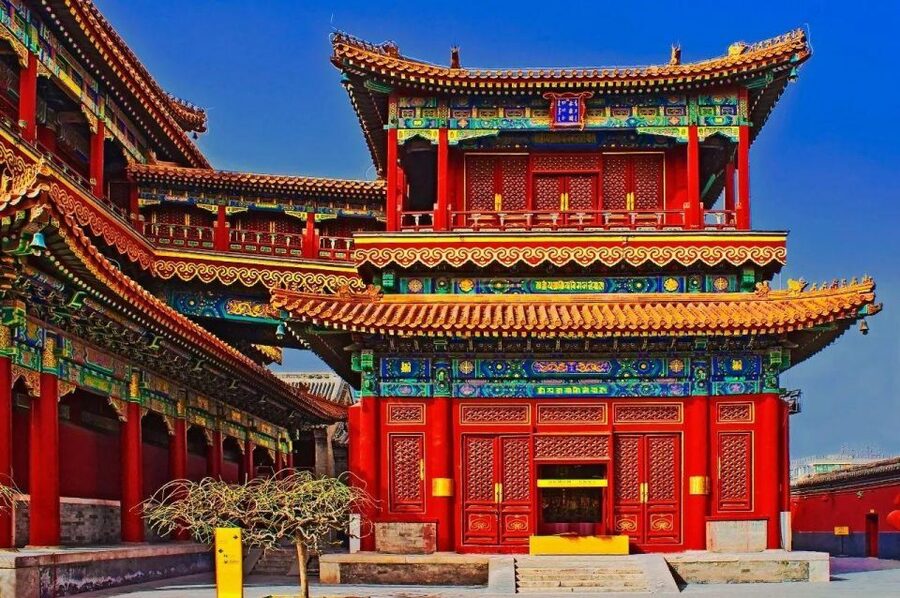
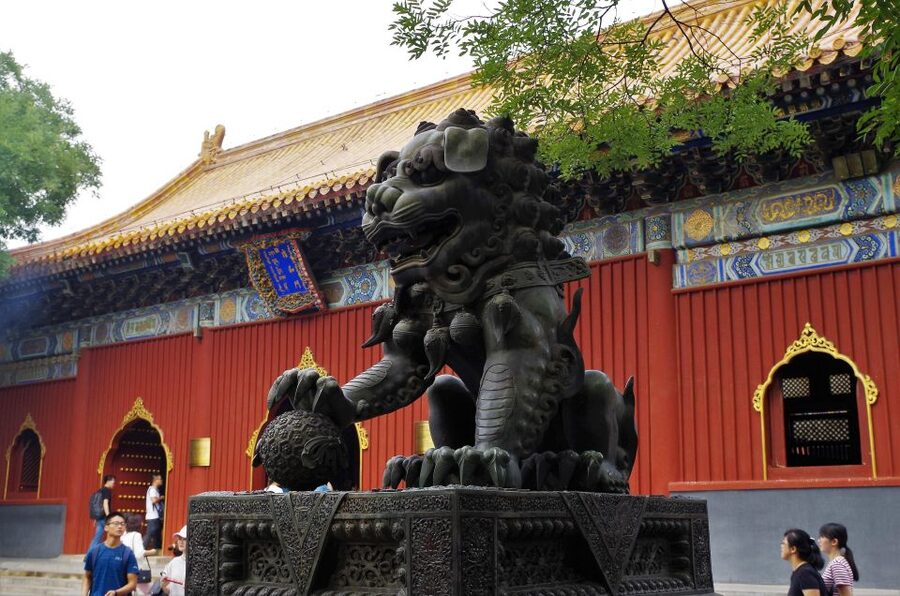
Lama Temple is the kind of place that makes you slow down. The first payoff comes as you follow your guide through different courtyards and halls. Instead of bouncing between photo spots, you get guided context for the statues and the stories around them.
Then there is the centerpiece: the 54-foot high sandalwood Buddha. You are not just told it is impressive, you see why people react to it in person. The scale changes how the room feels, and it also helps you understand the temple as a living religious space, not a display.
One detail I find especially memorable is the Buddha Maitreya inside the hall. It is carved from one precious white sandalwood log from Nepal, and it is described as the biggest wooden Buddha in the world. Even if you do not catch every detail from every angle, the “one-log” fact gives you a clear sense of how much craftsmanship went into the piece.
What makes the visit more than sightseeing is the worship aspect. Your guide helps you notice what locals do while they pray, and that changes how you read the space. You learn religious meanings in China not as abstract ideas, but as actions you can observe respectfully.
A practical consideration: temples can be crowded, and lines can form at busy entry points. This tour includes skip the ticket line, which saves time so you can get to the courtyards sooner, when you are still fresh.
Confucius Temple and Guozijian Museum, the academy built for rulers and minds
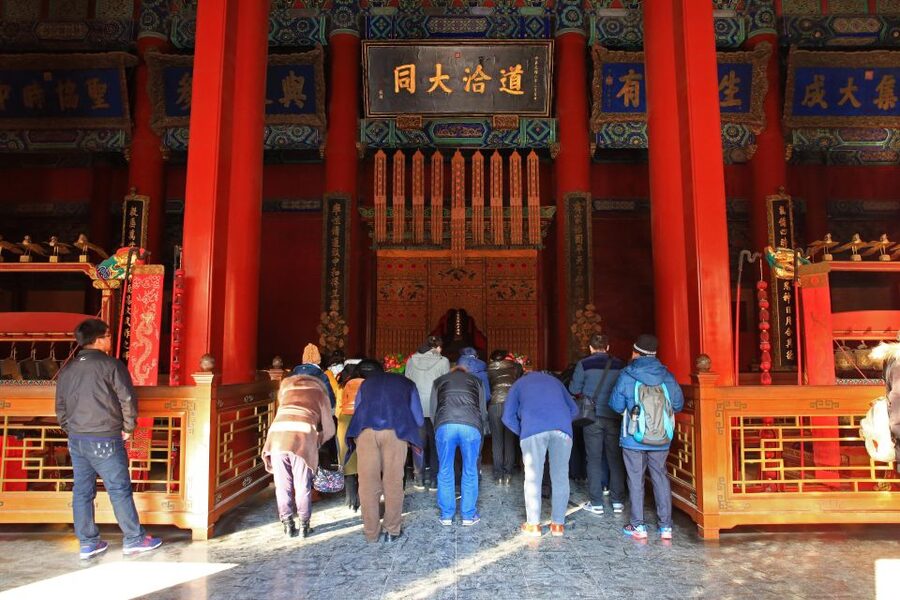
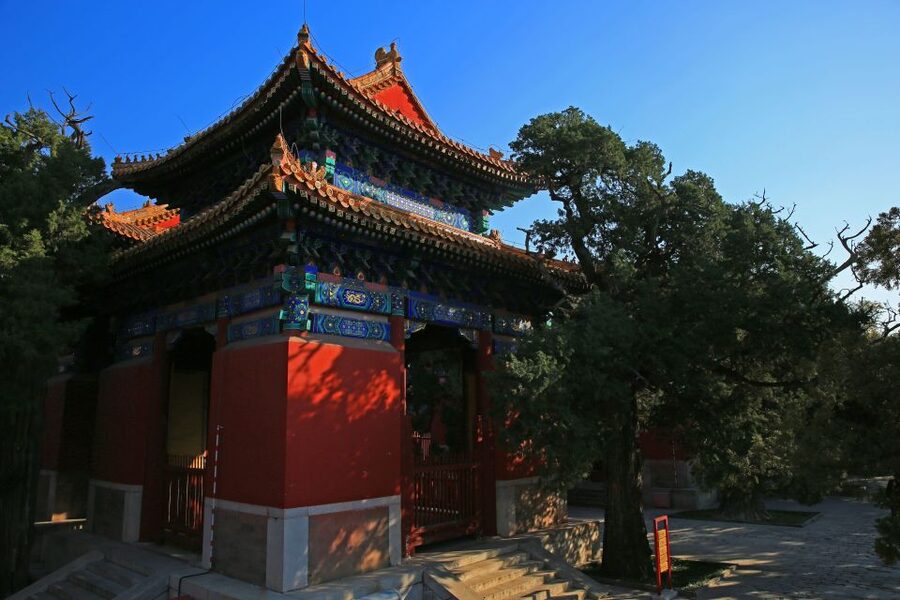
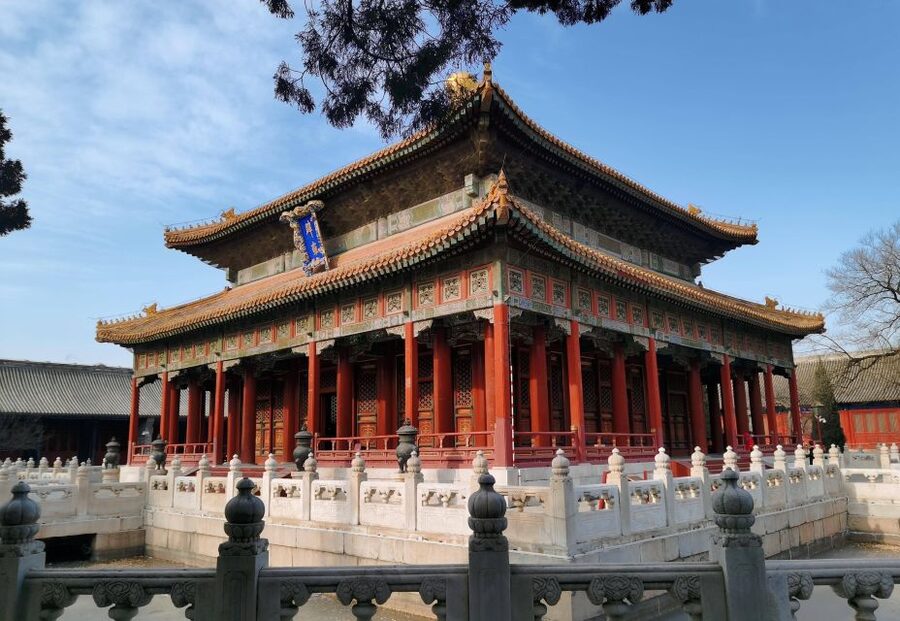
After Lama Temple, the day shifts from Buddhist worship to Confucian education. You walk to the Temple of Confucius and then to the Guozijian Museum, also known as Imperial College.
This stop has a strong “why” built into it. Guozijian was built by the grandson of Kublai Khan in 1306, and the former college served as a supreme academy during the Yuan, Ming, and Qing dynasties. That timeline matters because it places education and governance in the center of Beijing’s long-running power structure.
What you get here is a guided tour through the imperial academy setting. You are not only looking at buildings, you are hearing the stories behind them, which helps you connect the architecture to the function. The idea of a state-run school for elite learning sounds dry until you see the place and hear how it worked across dynasties.
Drawback check: because you are moving from one major site to another, you might not see every corner at the deepest level. If you love big museum collections, you may want to come back later for a longer independent visit. But for a half-day tour, the Guozijian stop lands well because it gives you the key historical thread.
Hutong alley walks, Wudaoying direction, and what everyday lanes teach you
From temples you shift into Hutong lanes, which is where Beijing starts to feel like a neighborhood. You stroll through quiet Hutong alleys and learn how this street layout shaped local life.
The best part is how the guide frames the alleys as more than a photo backdrop. You hear the history of Beijing Hutong streets and get a sense of how daily routines fit into these long, narrow lanes between courtyard homes. It is a different kind of learning, more observation-based, and it helps your temple knowledge feel grounded.
Your tour ends in the same area with time to keep exploring. Your guide can suggest how to reach your next destination and may point you toward Wudaoying Hutong if you want to wander a little more on your own.
Why this Hutong portion is valuable: temples tell you what people believed. Hutong lanes show you how people lived. Put together, they turn Beijing from a list of landmarks into a clearer picture of culture and continuity.
More museum visits in Beijing:
- Beijing’s Forbidden City with Special Viewing of Treasure Gallery and the Great Wall Ruins at Badaling
★ 4.5 · 24 reviews - China National Museum Ticket Pre-booking and Tiananmen Square
★ 3.5 · 23 reviews - 4-Hour Private Tour: Lama Temple, Confucius Temple, Guozijian Museum with Dim Sum
★ 5.0 · 21 reviews - Beijing: JingShan park (palace museum garden) entry ticket
★ 4.7 · 18 reviews
English guides who make the statues make sense
This tour is run by an English-speaking guide, and that is a big deal at these sites. The biggest difference between a “walk-through” and a truly useful visit is whether someone connects what you see to why it matters.
The feedback for guides on this experience highlights exactly that storytelling skill. People cite guide names like Ranee, Mike, Cassie, Aurora, and Anne for explaining details clearly and keeping things smooth even when crowds surge.
I especially like that the tour is designed for a private group. In a smaller group, you can ask questions, adjust pacing, and spend extra seconds on the statue or hall that actually catches your attention.
If you are picky about language and context, this is one of those tours where paying attention to the guide makes your whole day better. The guide is not an accessory, they are the translator between “things you can see” and “meaning you can understand.”
Price and value at around $80 for a 4-hour loop
The price is listed at about $80 per person for a 4-hour experience. On paper, it sounds like a typical mid-range guided tour. In practice, it is more about what is included than the headline cost.
You get: an English speaking guide, hotel pickup, entrance fees, and skip the ticket line. If you choose the private car option, you also get private transfer support. That combination matters because it covers the parts of a sightseeing day that usually cost extra time or extra cash, like entry fees and last-mile transport.
The main “watch this” note is drop-off. The tour says transfer and hotel drop off are not included if you choose the option without private car. So if you care about being returned to your exact doorstep, choose the private transfer option or plan your own ride after the tour ends.
When the price is good value: if you are short on time, traveling solo or as a small group, and you would otherwise be stuck juggling subway transfers plus entry fees. This tour turns that friction into a clean route with a clear order of sights.
A realistic look at timing, walking, and crowd moments
This is a half-day tour, so you should treat it like a “best of with context” itinerary. You will move from Lama Temple to Confucius Temple and Guozijian, then finish with Hutong lanes. That means you will be on your feet and moving between areas.
If crowds are a concern for you, plan to go with a flexible mindset. The tour includes skip the ticket line, which helps, but temple courtyards can still get busy. The upside is that a guide can keep you focused on what to watch and when to slow down.
Clothing tip that saves the day: wear comfortable shoes. Hutong alleys are narrow and uneven in many places, and you will want stable footing for quick turns and photo pauses.
When this tour fits best, and who might want something different
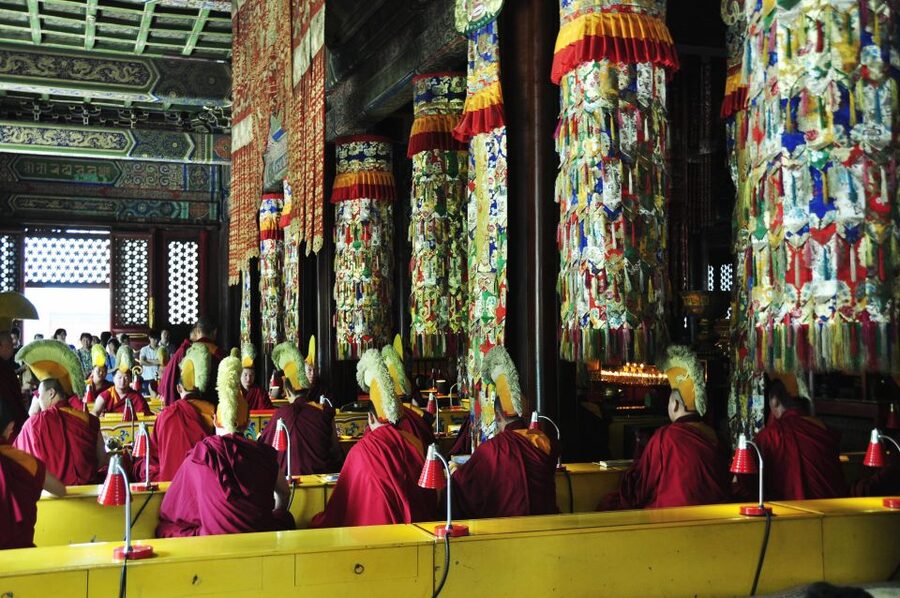
This tour is a strong fit if you want a tight plan that connects major sites through stories. It is also good if you like observing people at work and worship. Watching locals pray at Lama Temple is one of the elements that makes the day feel human.
You should consider a different format if you prefer a slow pace with lots of free time. With only four hours, you are going to see key areas and highlights, not every room, side chapel, or long museum gallery.
It is also a good match for first-timers who want structure. Meeting in your hotel lobby and having a clear route means you can focus on learning instead of navigating.
Finally, if you like food as part of culture, ask about the optional combo with dim sum. The tour mentions you can choose to combine the experience with a delicious dim sum meal, which can be a satisfying way to end the day after the temples and alleys.
Practical tips for getting more from each stop
A few things I think help you get the most out of this route:
- Keep your camera ready, but also pause to watch what people do. The worship segment works best when you treat it like observation, not a performance.
- Ask your guide what you should look for before you step into the main halls. You will get more out of the first minute than the last.
- Use the ending time wisely. If your guide suggests Wudaoying Hutong for extra wandering, it is usually a good plan to stay nearby rather than rush off to something unrelated.
- If you chose the option with a private car, confirm the pickup details on the day so you are not scrambling at the end.
Should you book this Beijing Lama Temple, Confucius Temple, and Hutong tour?
I would book this if you want a half-day Beijing story that connects religion, education, and everyday life. The combination is smart: Lama Temple gives you a powerful spiritual centerpiece with the sandalwood Buddha and real worship. Confucius Temple and Guozijian give you the framework of how education shaped elite society across dynasties. The Hutong lanes bring the day back to the living city.
I would skip or consider an alternative if you want a long, unhurried museum day or if you hate crowds. This is a highlights route, and you should expect movement and time pressure.
If your goal is value for time, the included guide, entrance fees, hotel pickup, and skip-the-line access make the price make sense. And if you care about getting meaning, the guide quality is repeatedly praised, including names like Anne, Cassie, Aurora, Mike, and Ranee.
If you fit those boxes, this is an excellent way to spend four hours in Beijing without turning the day into a navigation puzzle.
FAQ
What is the duration of the tour?
The tour lasts 4 hours.
Where does the tour start?
Your guide meets you in your hotel lobby and picks you up, holding a sign with your name.
Is there an English-speaking guide?
Yes, the tour includes an English speaking guide.
Which attractions are included?
The tour covers Lama Temple, the Temple of Confucius, the Guozijian Museum (Imperial College), and Hutong alleys in the area, with options to continue around Wudaoying Hutong after.
Are entrance fees included?
Yes, entrance fees are included.
Does the tour include skip the ticket line?
Yes, skip the ticket line is included.
How do you get to the temples?
You can go by taxi or subway. A private car option is also available to make the trip easier.
Is hotel drop-off included?
Transfer and hotel drop off are not included if you choose the option without private car.
Can I combine the tour with dim sum?
Yes, there is an option to combine the tour with a dim sum meal.
Recently added around Beijing
- Private Transfer to Mutianyu Great Wall with professional driver★ 5.0 · 19 reviews
- Wild Great Wall Hikes★ 5.0 · 10 reviews
- camp on the Great Wall overnight with sunrise and sunset on the wall★ 5.0 · 11 reviews
- Beijing: to Xi’an Terracotta Day Tour by Roundtrip Bullet Train★ 5.0 · 9 reviews
- Beijing Airport Layover Tour to Mutianyu Great Wall★ 5.0 · 4 reviews
- Private Wild Great Wall Hiking tour at Simatai (Challenging)★ 5.0 · 16 reviews
- Beijing: Mutianyu Great Wall and Tea House Private Tour★ 5.0 · 11 reviews
- Simatai Great Wall & Gubei Water Town Private Trip English Driver★ 5.0 · 7 reviews
Museum Tours in Beijing, compared.
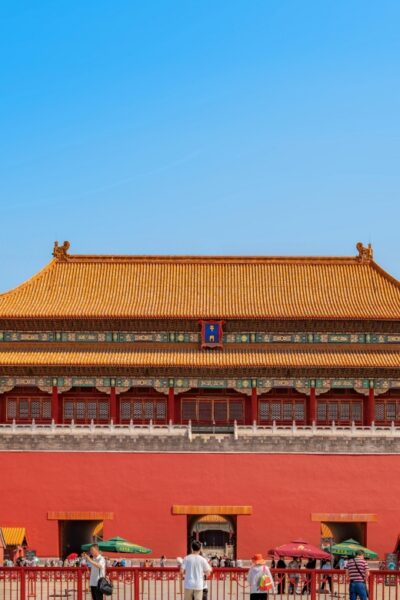
Tianmen Square, Forbidden City & Royal Museum Tours
Read our review →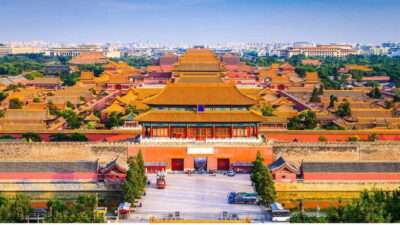
Beijing:Jingshan Park (Palace Museum Garden) Ticket
Read our review →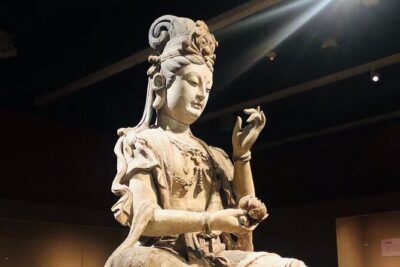
Beijing Half Day: National Museum of China In-depth Tour with Subway Transfer
Read our review →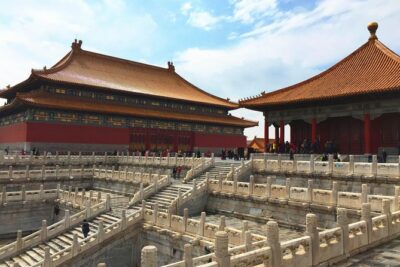
Beijing’s Forbidden City with Special Viewing of Treasure Gallery and the Great Wall Ruins at Badaling
Read our review →
China National Museum Ticket Pre-booking and Tiananmen Square
Read our review →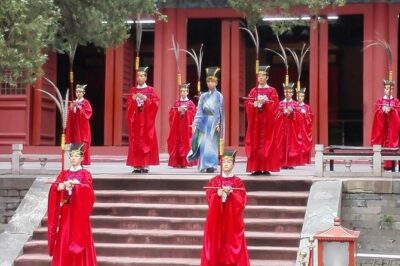
4-Hour Private Tour: Lama Temple, Confucius Temple, Guozijian Museum with Dim Sum
Read our review →
JingShan park (palace museum garden) entry ticket
Read our review →
Beijing Private Tour: National Museum of China, Sacred Road and Ming Tombs
Read our review →Browse the lists this tour appears in