Reviewed · BEIJING TOURS
Beijing Royal Banquet with Chinese culture prefermance
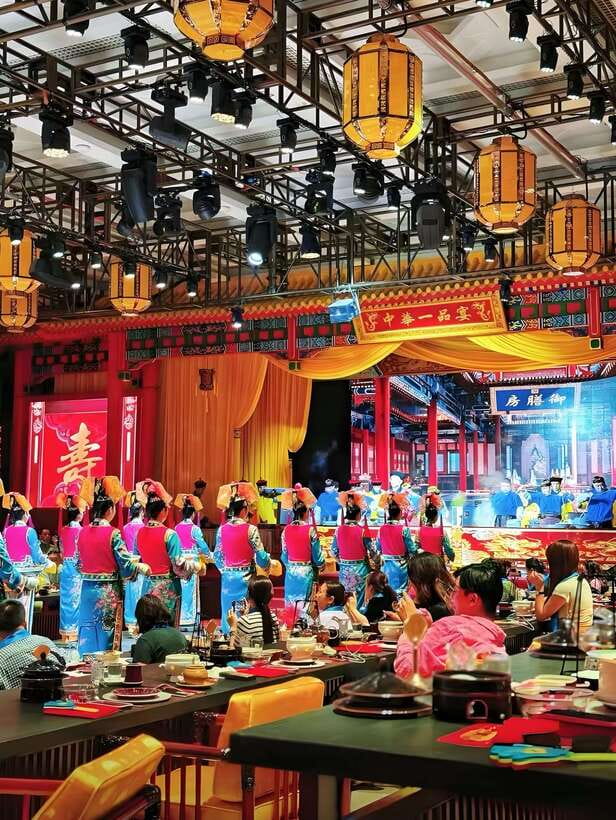
A royal banquet can be loud, but this one feels organized. You get a Chinese culture performance plus a proper royal cuisine tasting menu inside the Yuxiandu royal cuisine museum, and it is the same kind of setting that has drawn celebrities and politicians. It runs for 2.5 hours, so you are not signing up for an all-day food marathon.
I especially like two things: first, the way the cultural show is paired with the meal, so you are not just eating in the dark. Second, the menu reads like an imperial greatest-hits list, from roast duck with jujube wood to longevity noodles with poached eggs. One consideration: this is a heavy, multiple-course banquet, so if you want light bites only, you may feel overstuffed before the final dishes.
In This Review
- Key Highlights I’d Prioritize
- Inside Yuxiandu, Where Royal Cuisine Gets a Museum Treatment
- The Banquet Menu: A Course-by-Course Feeling for What You’re Getting
- What this menu means for you
- Why the Cultural Performance Matters (Not Just the Meal)
- Timing and Getting In Smoothly, Without Stress
- Price and Value: Is $150 Worth It?
- Who This Banquet Fits Best
- Meeting Point You Should Use
- Should You Book It?
- FAQ
- Where is the meeting point for the Beijing Royal Banquet?
- How long does the experience last?
- What is included in the royal banquet?
- Does the experience include Chinese cultural performances?
- What language support do I get from the host or greeter?
- Can I skip the line?
- What time should I arrive for lunch?
- What time should I arrive for dinner?
- Is there free cancellation?
- Is this experience wheelchair accessible?
- Is there a pay-later option?
Key Highlights I’d Prioritize
- Yuxiandu venue layout, with a royal cuisine exhibition area around 1,500 square meters and a tasting area over 10,000 square meters
- Royal cuisine performances that add context to what you are eating
- Celebrity and politician attendance, a good clue you are not just in a standard restaurant room
- Imperial-style course variety, including roast duck, roasted lamb, and longevity noodles
- Skip-the-line setup using a separate entrance
- Meal served with a museum vibe, plus a transparent, green, energy-saving central kitchen
Inside Yuxiandu, Where Royal Cuisine Gets a Museum Treatment
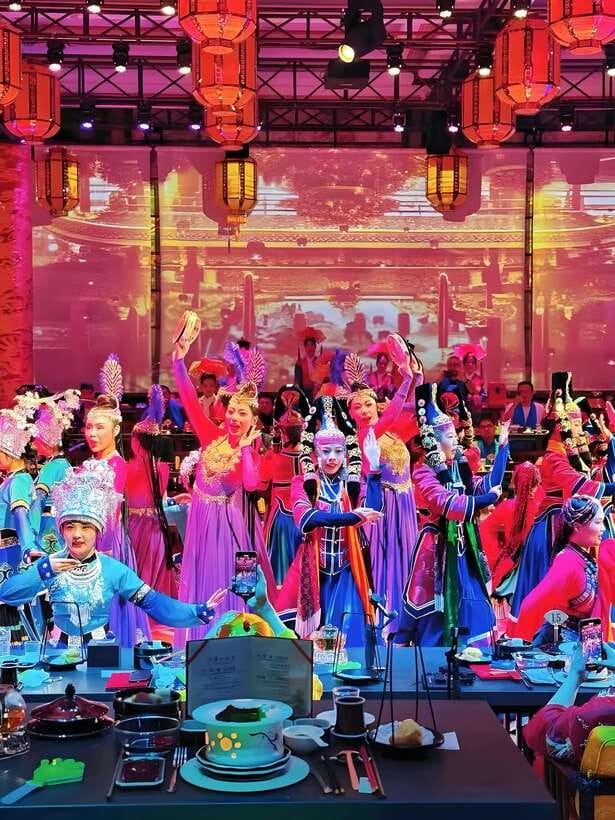
This banquet takes place at Yuxiandu, which is built like a dedicated royal cuisine experience rather than a random dining hall. The museum part centers on a royal cuisine historical and cultural exhibition area of about 1,500 square meters. The tasting side is much larger, with more than 10,000 square meters set aside for the royal cuisine experience. That scale matters, because it suggests you are walking into a whole system built around the concept of an imperial-style meal, not squeezing dinner into someone’s schedule.
Another detail I appreciate is the central kitchen concept. The venue describes it as transparent, green, environmentally friendly, and energy-saving, which signals a focus on modern operations behind the scenes. Even if you never go back there, it changes the feel: this tour is clearly designed to run smoothly for groups, with less chaos than what you sometimes get when a restaurant turns into a performance venue.
And yes, you are not imagining the “royal” label. The information specifically notes that the banquet has been visited by many celebrities and politicians. I cannot tell you what they thought, but I can tell you that this is the kind of booking that tends to come with higher expectations for atmosphere and consistency.
A few more Beijing days worth comparing
- From Beijing: Mutianyu Great Wall Tours with Options
★ 4.9 · 9,216 reviews - Beijing: Forbidden City Tour(Group/Private)-Tickets Included
★ 4.8 · 7,974 reviews - Beijing: T-Square & Forbidden City Group or Private Tour
★ 4.8 · 4,446 reviews
The Banquet Menu: A Course-by-Course Feeling for What You’re Getting
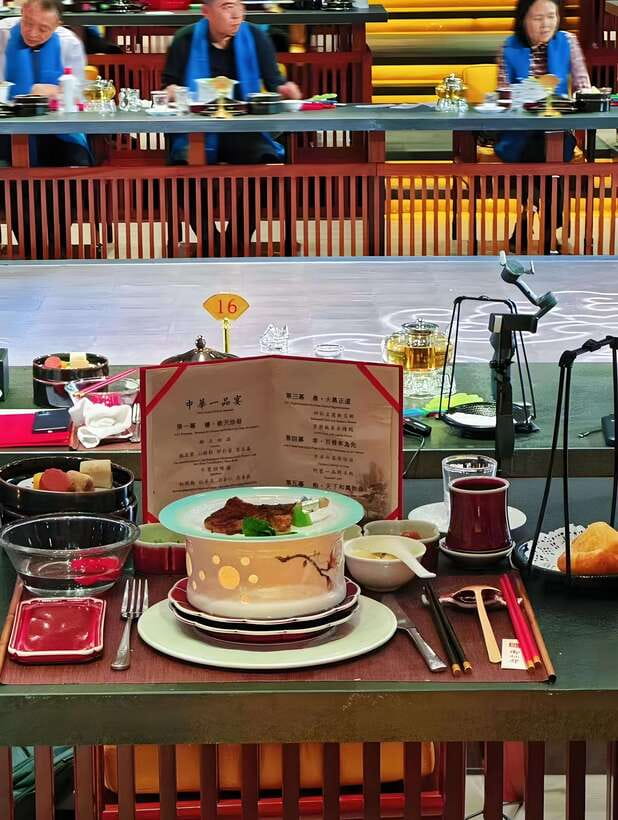
Your 2.5 hours are built around a set banquet menu. You are not choosing off a menu board, so your best move is to look at the dish list and decide if it fits your appetite and comfort level. Here is what’s included, in the order themes you will likely experience across the meal.
First come the snacks and appetizer platter. Think of this as the warm-up, the part where you ease into the setting and let your table companions arrive if you are with a group. It also helps if you are not used to Chinese banquet pacing, because it sets the rhythm for the courses that follow.
Then you move into the more “imperial ingredient” dishes. Braised sea cucumber with fish maw in casserole is one of those classic luxury combinations people associate with high-end Chinese cuisine. It is typically the sort of dish that signals status in a banquet menu, and here it shows up as part of the royal cuisine presentation, not as an optional add-on.
Next up: marinated tofu and bamboo shoots. This helps balance the richness. Tofu is usually the comfort-food kind of ingredient in these settings, and bamboo shoots often bring a different texture so the meal does not become only about heavy braises.
The next big centerpiece is roast duck with jujube wood. Jujube wood is an ingredient you rarely see in everyday dining, and that matters because it is part of what makes the banquet feel “special-by-design.” If you like duck but get tired of the same flavor profile, this wood mention suggests a more distinctive roast approach than basic versions.
After that, you get Chinese cabbage in soup. Soups like this often act as a palate reset. Even if you are not a “soup person,” this is usually the course that makes the later dishes feel easier to finish.
Then the meal turns to another hearty meat course: roasted lamb. This is where you should be honest with yourself. If lamb is not your thing, tell yourself early and plan to pace. If you do like lamb, it is a welcome change from poultry and can make the banquet feel broader than just one flavor lane.
Finally, the banquet heads into the signature finishing stretch. Longevity noodles with poached eggs is both food and symbolism, and it tends to feel like a “celebration course” even in a standard dining situation. Then you have deep-fried dough sticks (youtiao) with milk, which brings an everyday breakfast-style ingredient into a formal banquet moment. It is a fun twist, and it can help settle you down after the richer dishes.
To close, you get yoghurt filled with honey. It is a calmer, sweeter note that helps the meal end on something smoother instead of more fried or more meat.
What this menu means for you
This banquet is not trying to be subtle. It is built to show range: luxury ingredients, roast meats, soup, noodles, and a mix of sweet and savory finishes. If you like variety and do not mind a full sitting, you will likely enjoy it. If you prefer lighter meals, you might want to go in with smaller portions in mind from the start.
Why the Cultural Performance Matters (Not Just the Meal)
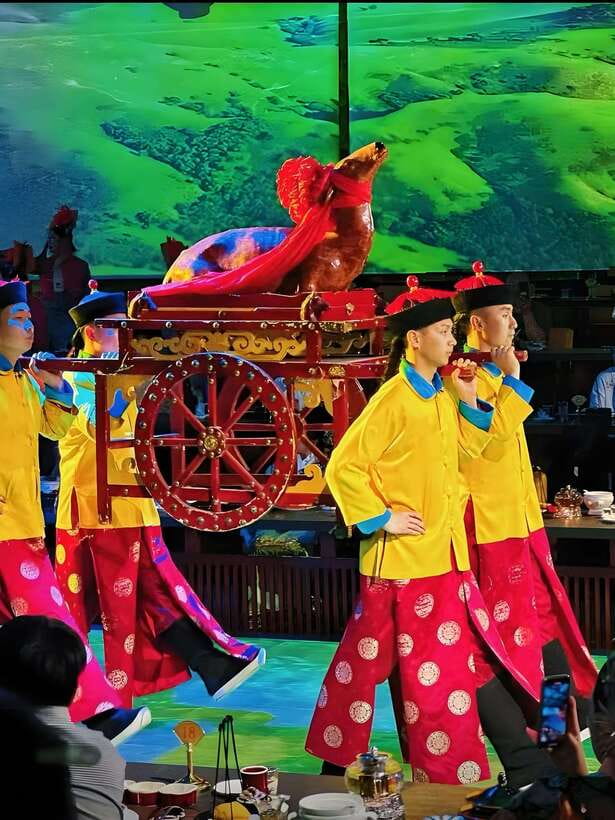
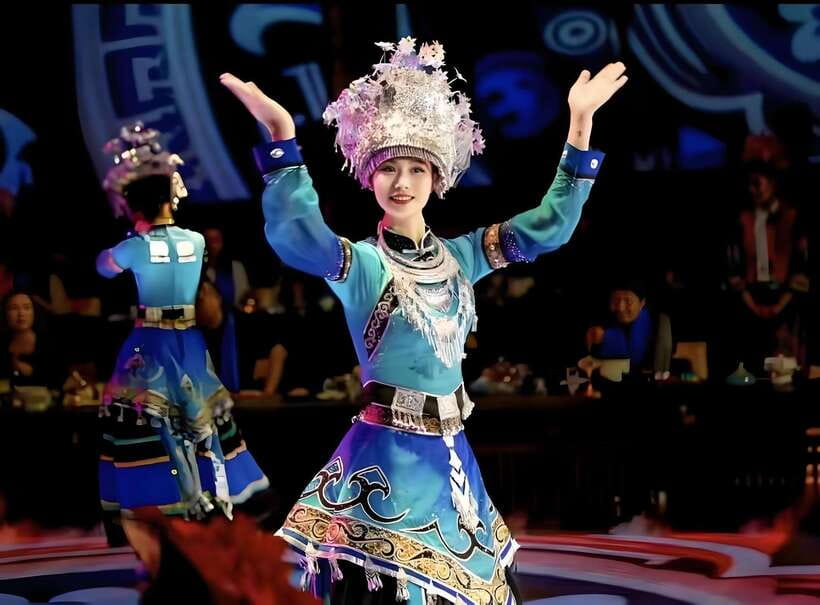
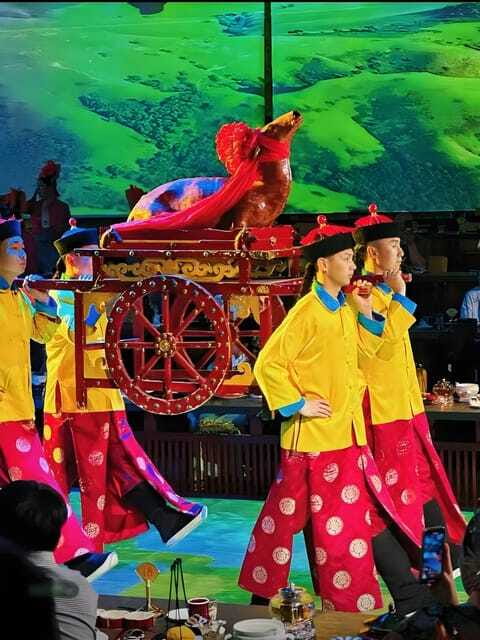
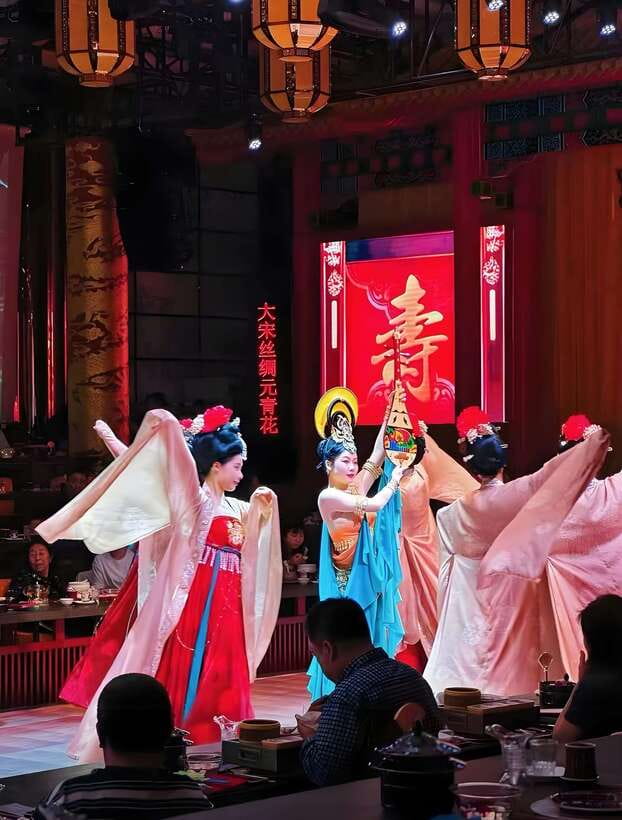
The standout concept here is pairing the meal with Chinese cultural performance. You are not only eating a set list of dishes, you are also watching something tied to the broader royal cuisine theme. That matters because it turns the meal into an experience with context.
When a banquet is also used for museum-style education, the show can feel like a bridge. Instead of thinking only about taste, you start thinking about what the course represents. You see the “why” next to the “what,” even if the show itself is short.
There is also a practical side. In a 2.5-hour experience, the performance is a built-in pacing tool. It breaks the course flow so the meal does not feel nonstop. That makes it easier to enjoy each dish when it arrives, rather than rushing through because you are waiting for something else.
Same city, a very different kind of day:
- Beijing: Mutianyu Great Wall Daily Tour with Ticket & Lunch
★ 5.0 · 3,056 reviews - All-Inclusive Tour: Tiananmen Square, Forbidden City, Great Wall
★ 5.0 · 2,873 reviews - MuBus: Mutianyu Great Wall ENG/ESP/RUS Guided Bus Tour
★ 5.0 · 2,361 reviews - 4-Hour Small Group Tour to Forbidden City with Entry Tickets
★ 5.0 · 1,863 reviews
Timing and Getting In Smoothly, Without Stress
This is a 2.5-hour activity, so the clock is part of the deal. The guidance is clear about early arrival: for lunch, arrive before 11:15. For dinner, arrive before 18:15. You will receive a confirmation email after booking with guidelines, so check that message and follow it, especially for the timing of your entrance.
Good news: you get to skip the line through a separate entrance. That is not a small perk when you are dealing with a structured museum-meal setup. Instead of waiting with everyone else, you usually get guided into the right flow faster.
The host or greeter supports both Chinese and English, which helps if you have questions like seating flow, what to expect next, or how the banquet runs in practice. If you want a more relaxed first 10 minutes, arrive early enough that you are not standing around hungry.
Price and Value: Is $150 Worth It?
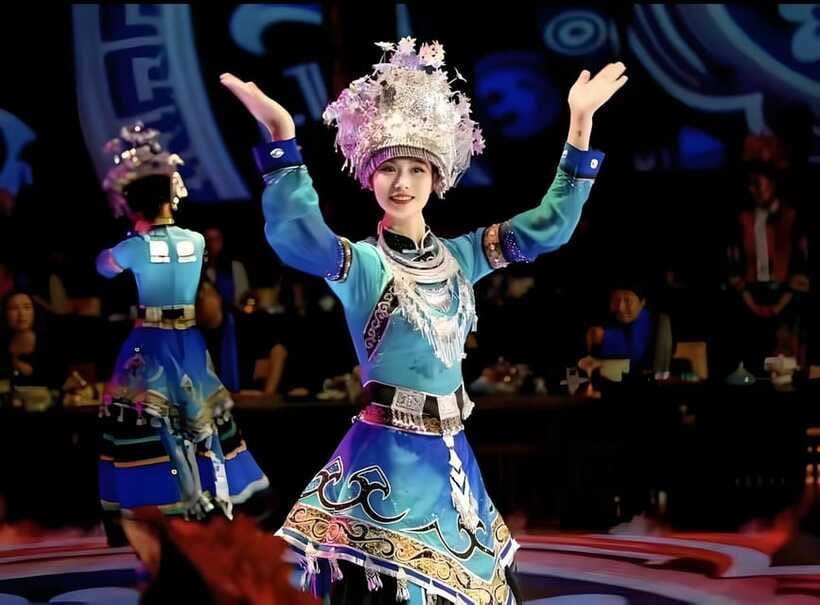
At $150 per person for 2.5 hours, you are paying for four things at once: the royal banquet meal, the cultural performance, the museum setting, and the “this is organized for group dining” operations (including the skip-line entrance).
Is it cheap? No. But it is also not pretending to be a simple dinner. The menu is long and includes multiple courses, including dishes that people generally consider premium, like sea cucumber with fish maw and roast duck prepared with jujube wood. The museum setting also likely contributes to overhead, since the venue covers both exhibition space and tasting space, with a central kitchen designed for controlled production.
For value, ask yourself a basic question: would you normally pay around this amount for a curated banquet plus a performance in Beijing? If your answer is yes, this looks like a fair match. If you mainly want casual food and you hate structured time slots, you may feel the price is more than you need.
Who This Banquet Fits Best
This is a strong fit for you if:
- You want a set royal-style banquet with cultural performance, not a regular restaurant meal
- You like trying a lot of different dishes in one sitting
- You want a museum-like environment where the meal has an educational theme
It may be a less ideal fit if:
- You get overwhelmed by multi-course dinners
- You do not enjoy richer banquet foods like braised luxury ingredients or heavy meats
- You prefer choosing dishes à la carte instead of committing upfront to the menu
Also keep in mind it is wheelchair accessible, and the host or greeter speaks Chinese and English. That is helpful if you want fewer communication hurdles.
Meeting Point You Should Use
Meet at No. 117, West Fourth Ring North Road, Haidian District, Beijing, China. If you are using a map app, paste that address exactly, then aim to arrive before the stated cutoff time for your meal.
Should You Book It?
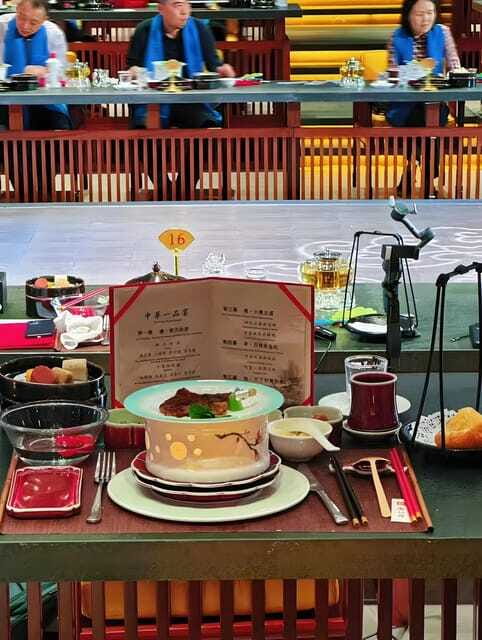
I think you should book this banquet if you want an organized, culturally themed meal inside a dedicated royal cuisine museum setting, and you are happy to eat through a full tasting menu in about 2.5 hours. The mix of roast duck with jujube wood, longevity noodles with poached eggs, and the included cultural performance is the kind of combo that turns dinner into a real “Beijing moment,” not just food you ate and forgot.
I would hesitate only if you want light dining, dislike lamb, or prefer to order freely. If you are on the fence about the menu, you can scan the dish list and decide where your comfort zone is before you commit.
FAQ
Where is the meeting point for the Beijing Royal Banquet?
The meeting point is No. 117, West Fourth Ring North Road, Haidian District, Beijing, China.
How long does the experience last?
The duration is 2.5 hours.
What is included in the royal banquet?
It includes snacks, an appetizer platter, and the full royal banquet menu: braised sea cucumber with fish maw, marinated tofu and bamboo shoots, roast duck with jujube wood, Chinese cabbage in soup, roasted lamb, longevity noodles with poached eggs, deep-fried dough sticks with milk, and yoghurt filled with honey.
Does the experience include Chinese cultural performances?
Yes. The experience is described as a royal banquet with Chinese culture performance.
What language support do I get from the host or greeter?
The host or greeter speaks Chinese and English.
Can I skip the line?
Yes. You can skip the line through a separate entrance.
What time should I arrive for lunch?
Please arrive before 11:15 for lunch.
What time should I arrive for dinner?
Please arrive before 18:15 for dinner.
Is there free cancellation?
Yes. Free cancellation is available up to 24 hours in advance for a full refund.
Is this experience wheelchair accessible?
Yes, it is wheelchair accessible.
Is there a pay-later option?
Yes. The offer is reserve now and pay later, meaning you can book your spot and pay nothing today.
Recently added around Beijing
- Private Transfer to Mutianyu Great Wall with professional driver★ 5.0 · 19 reviews
- Beijing: to Xi’an Terracotta Day Tour by Roundtrip Bullet Train★ 5.0 · 9 reviews
- Wild Great Wall Hikes★ 5.0 · 10 reviews
- camp on the Great Wall overnight with sunrise and sunset on the wall★ 5.0 · 11 reviews
- Beijing Airport Layover Tour to Mutianyu Great Wall★ 5.0 · 4 reviews
- Private Wild Great Wall Hiking tour at Simatai (Challenging)★ 5.0 · 16 reviews
- Beijing: Mutianyu Great Wall and Tea House Private Tour★ 5.0 · 11 reviews
- Simatai Great Wall & Gubei Water Town Private Trip English Driver★ 5.0 · 7 reviews
Beijing Tours, compared.
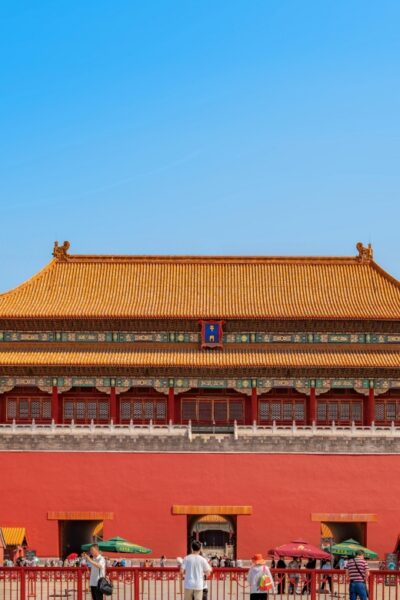
Forbidden City Tour(Group/Private)-Tickets Included
Read our review →
T-Square & Forbidden City Group or Private Tour
Read our review →
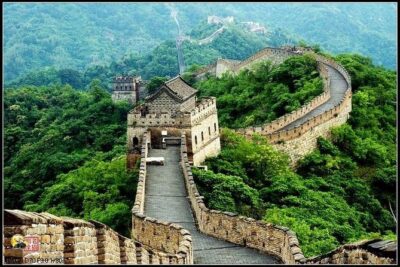
Mutianyu Great Wall Daily Tour with Ticket & Lunch
Read our review →
All-Inclusive Tour: Tiananmen Square, Forbidden City, Great Wall
Read our review →
MuBus: Mutianyu Great Wall ENG/ESP/RUS Guided Bus Tour
Read our review →
4-Hour Small Group Tour to Forbidden City with Entry Tickets
Read our review →