
Reviewed · MUSEUMS
Chengdu: Wuhou Shrine Museum From Three Kingdoms Era
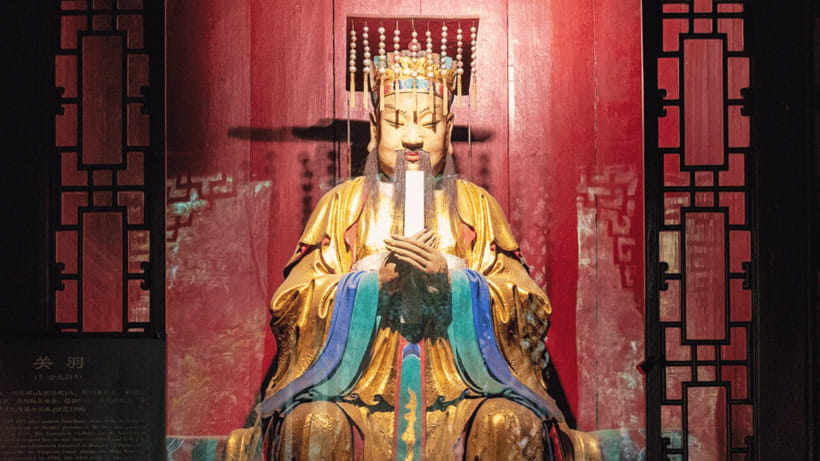
Three Kingdoms history, in red walls and calm gardens. At Wuhou Shrine Museum, the story of Shu Han comes to you through shrine architecture and artifacts tied to Zhuge Liang and Liu Bei. It feels like a history site that actually looks like history.
What I love first is the setting. You walk among old red-walled buildings and greenery, and it makes the whole Three Kingdoms era feel less like a textbook and more like a real place. I also like the way the visit is focused, with Three Kingdoms exhibitions and historical relics presented in a guided, visitor-friendly way.
One possible drawback: entry can be paperwork-sensitive. The passport number and name you send matter, and the GetYourGuide QR option is not valid here, so plan to follow the provider instructions closely.
In This Review
- Key takeaways before you go
- Chengdu’s Wuhou Shrine Museum: where Shu Han stories feel grounded
- Zhuge Liang and Liu Bei, framed by the shrine setting
- Three Kingdoms exhibitions: what you’ll actually see and learn
- Photo-ready red walls and garden views, without turning it into a chore
- Pacing a full day: how to make 1 day feel like enough time
- Price value at $17: fair for history plus guided support
- Practical checklist: passport, shoes, camera, and the QR issue
- Should you book this Wuhou Shrine Museum visit with Panda144?
- FAQ
- How much is the Wuhou Shrine Museum experience, and how long is it?
- What is included with the admission?
- What do I need to bring, and are there any restrictions?
- Is the GetYourGuide QR code valid for this booking?
- Who can enter for free without reservation?
- Can I get a refund if I cancel?
Key takeaways before you go
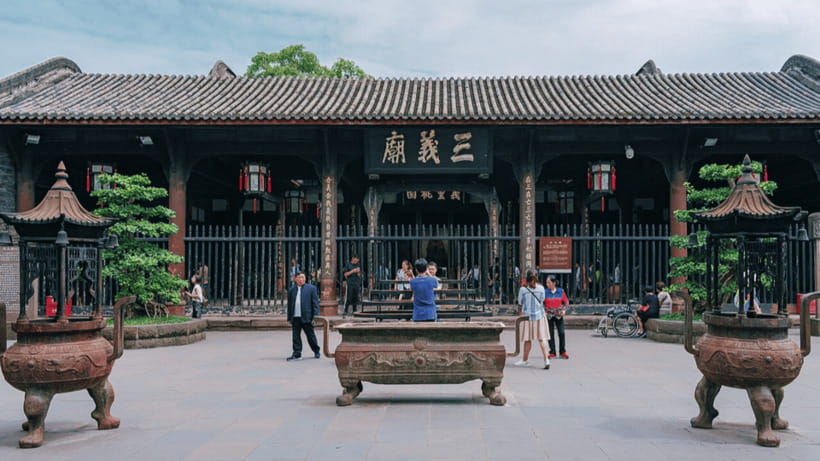
- Dedicated to Zhuge Liang and Liu Bei: the museum’s whole theme stays centered on Shu Han leadership.
- Three Kingdoms exhibitions plus shrine grounds: you get indoor artifacts and outdoor historical architecture.
- Free guided services: helpful if you want context while you walk.
- Skip the ticket line: less waiting, more time for the exhibits and photos.
- Photo-friendly red walls and garden views: easy to turn a history stop into a good memory.
- Passport required for booking: you’ll need your passport to complete the reservation.
Chengdu’s Wuhou Shrine Museum: where Shu Han stories feel grounded
If you’re in Chengdu and you want a stop that gives you something you cannot just scroll past, this is it. The Wuhou Shrine Museum is dedicated to the Three Kingdoms era, specifically the Shu Han figures Zhuge Liang and Liu Bei, and that focus matters. Instead of spreading out into random displays, your visit stays on the same theme: who they were, what they represented, and how Shu Han left a cultural mark.
I like that the museum does not treat this as a dusty storage space. The exhibits and artifacts are tied to the people you came to learn about, and the site itself has an old-school feel. Even if you only know the broad strokes of the Three Kingdoms era, the physical setting helps you connect the dots.
For you, that means fewer awkward moments of guessing what matters. You can spend your time reading what’s in front of you and let the museum’s structure do the organizing. And because there are guided services included, you are not stuck trying to figure out context word by word while also trying to photograph everything.
More museum visits in Chengdu:
- Private Chengdu Day Tour: Giant Pandas and Jinsha Site Museum
★ 5.0 · 142 reviews - Sanxingdui Museum+Chengdu Panda Base or Jinsha Site Tour
★ 5.0 · 10 reviews - Sanxingdui Museum Small Group Tour with Optional Panda Base
★ 5.0 · 3 reviews
Zhuge Liang and Liu Bei, framed by the shrine setting
A lot of Chinese historical sites come with a shrine element, but here it is the point. The museum commemorates Zhuge Liang, Shu Han’s renowned chancellor, along with Emperor Liu Bei. That framing is important because it shapes what you notice as you walk.
You will see how the museum connects artifacts and statues to the larger Shu Han story. The idea is not only to show objects, but to show impact, especially through the cultural reach of the Shu Han Dynasty in the Three Kingdoms period. That helps you go beyond memorizing names and actually understand why these figures still matter today.
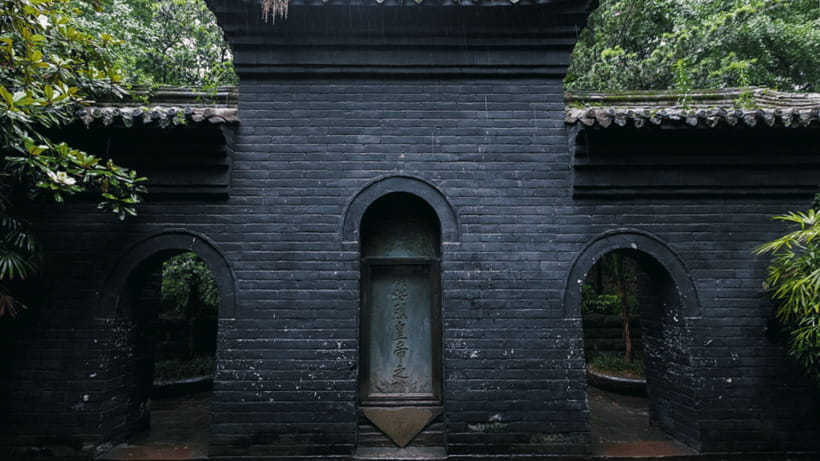
Also, the layout includes ancient red-walled architecture, and that changes the mood. Indoors can be cool and quiet, but the outdoors adds atmosphere. You are not just reading about the past. You are moving through a setting that feels designed to keep the attention on the past.
Practical note: bring comfortable shoes. Even with guided services, you will still be walking between exhibition areas and around the shrine grounds. This is a “pace yourself” kind of visit, not a quick in-and-out.
Three Kingdoms exhibitions: what you’ll actually see and learn
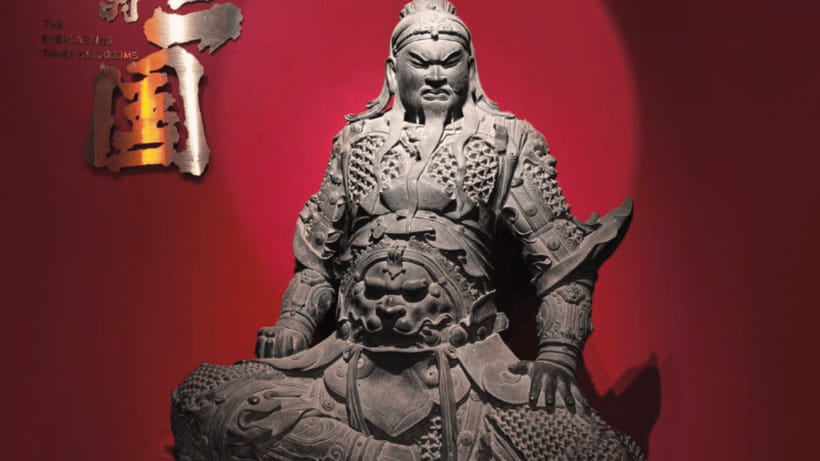
The core value here is the Three Kingdoms exhibitions and the historical relics on display. The museum emphasizes artifacts, statues, and other historical objects tied to the Three Kingdoms era. That gives you something concrete: you are not just seeing explanations, you are seeing pieces of material culture.
What’s especially helpful is that the museum is set up to show the cultural impact of the Shu Han Dynasty. That turns your visit into more than a battle-story slideshow. You get insight into how Shu Han fits into ancient Chinese civilization, and why the era stays in people’s imaginations long after the events ended.
How to get more from the exhibits: use the included guided services in a smart way. If your group moves faster than you prefer, stand near the guide when a key section is explained, then give yourself extra time after that to look slowly at the artifacts. You will understand more if you read once with context, then read again with attention.
If you care about photography, you will also notice that many museum settings are built to give you viewing angles. The outdoor red walls and the exhibition flow create natural photo stops, but don’t let your camera steal your learning time. I recommend taking a few photos early, then using the middle of your visit to actually absorb the details.
Photo-ready red walls and garden views, without turning it into a chore
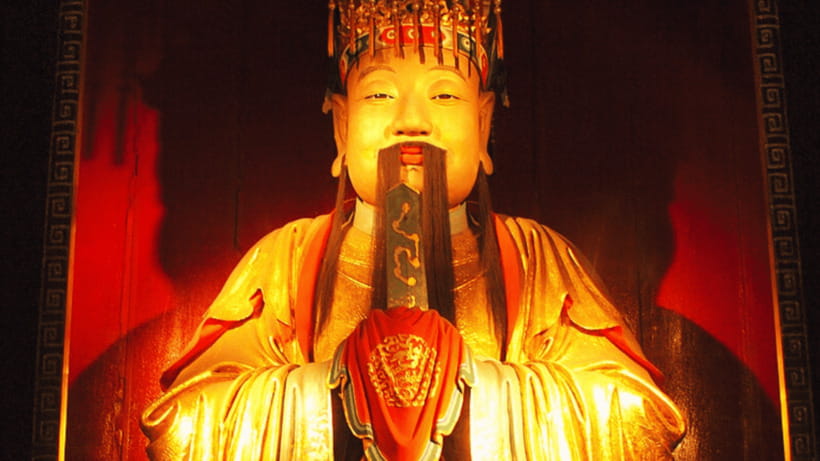
One of the most praised parts of this experience is how photogenic the site feels. You are in a complex with ancient red-walled architecture and lush greenery around the grounds. That matters because it changes how people remember the day. Even if you only spend a bit of time reading every label, the visuals create a strong mental hook.
You’ll probably find your camera coming out for three types of shots:
- The exterior red-wall sections that frame the shrine environment
- Courtyard-style views where you can include walls plus greenery
- Indoor-to-outdoor transitions, where light makes the architecture look dramatic
A small strategy helps. Don’t try to photograph everything right when you enter. Instead, get your bearings first, so you know where the best background and walking paths are. Then do a focused photo run after you’ve seen the main exhibitions. That way, you are not retracing steps while half-remembering what you already saw.
Also, remember this is a museum day. If you’re traveling with kids, or if your group has mixed interests, the scenery keeps things pleasant while the exhibitions supply substance. It’s a smoother compromise than many “all museum, no fun” stops.
A few more Chengdu days worth comparing
- Chengdu: Giant Panda Breeding Research Base Ticket
★ 4.5 · 580 reviews - Half-Day Chengdu Cooking Class with a Local Market Visit
★ 5.0 · 465 reviews - Tuktuk Food Tour Through Chengdu’s Local Eats
★ 5.0 · 435 reviews - Private Half-Day Chengdu Panda Breeding Center Tour with Optional Volunteer
★ 5.0 · 353 reviews
Pacing a full day: how to make 1 day feel like enough time
This experience is built as a 1-day visit. That can sound intimidating, until you realize that the museum is not presented as a sprint through dozens of unrelated sites. The theme stays consistent, and the included free guided services help you follow a logical route.
Here’s a realistic way to pace it:
- Start with the main entry and museum areas tied to the Three Kingdoms theme.
- Use the guided services to get context while you’re still fresh.
- Spend a chunk of time in the exhibitions featuring artifacts, statues, and historical relics.
- Shift to the shrine grounds and architecture for scenery and photos.
- Finish with a final wander, where you can look at details you might have missed the first time.
If you like history but also like breaks, build in time to sit for a minute. The site’s greenery and courtyards make it easier to slow down than in a purely indoor museum.
One consideration: food and souvenirs are not included. That’s fine, but it means you should plan your day knowing you will need to cover your own meals nearby. The museum itself is about the exhibitions and the architecture, not about turning into a food court.
Price value at $17: fair for history plus guided support
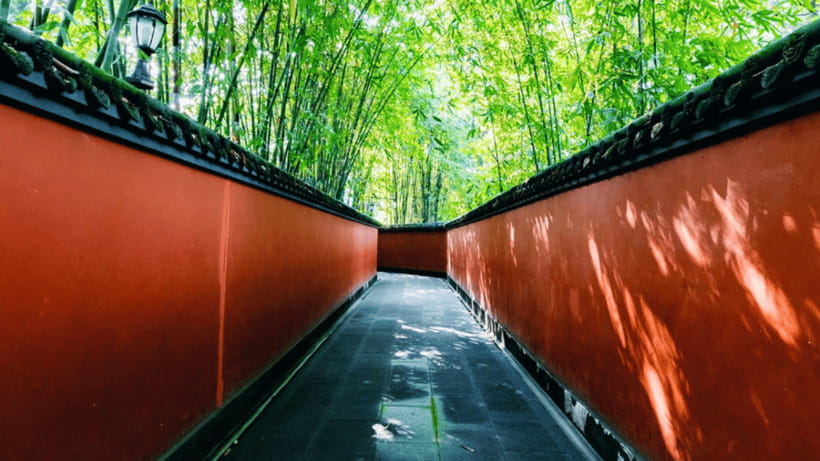
At $17 per person, this is priced like a solid entry ticket for a focused cultural site. The value comes from what’s included, not just the sticker price.
You get:
- Admission to the Three Kingdoms exhibitions
- Viewing of historical relics and ancient architecture
- Free guided services
- Skip-the-ticket-line entry
That combination matters. If you were paying more, you might feel tempted to rush. Here, the guided context plus skip-the-line benefit helps you spend your time efficiently. You are paying for access and interpretation, which is what makes visits like this actually stick.
What costs extra? The data says food and souvenirs are not included, and there may be additional fees for special exhibitions. So if you see a special exhibition sign, decide based on your interest level and time. If you only have one day in Chengdu, it’s okay to focus on what’s already included.
Who benefits most from this price and format? People who want a coherent, themed visit: Shu Han, Zhuge Liang, Liu Bei, and the Three Kingdoms era told through artifacts and shrine architecture. If your travel style is very modern, very urban, or very shopping-focused, you might still enjoy it, but you’ll want to keep expectations realistic.
Practical checklist: passport, shoes, camera, and the QR issue
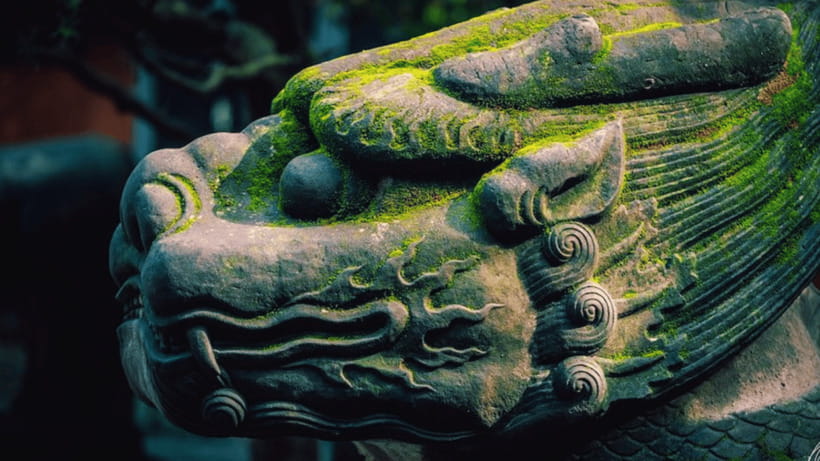
A smooth visit starts with the basics the operator calls out.
Bring:
- Passport (required in the provided guidance)
- Comfortable shoes
- A camera
Not allowed:
- Pets
And here’s the big practical twist to plan around. The GetYourGuide QR is not valid for this experience. The guidance says to communicate with the provider or wait for your email. It also states you must send your full name exactly as it appears on your passport and your passport number to complete the booking. If the name and passport number are not received on time, the booking can be canceled and a cancellation fee may apply.
What this means for you in real life:
- Double-check your passport name spelling before you submit anything.
- Do not assume a QR code will solve entry.
- If you’re traveling with other people, make sure everyone’s passport details are handled correctly.
Finally, booking is recommended, especially on weekends and holidays. The data also notes that seniors over 60 and children under 1.3m can enter free without reservation, but advanced booking is still smart for everyone else if you want to avoid stress.
Should you book this Wuhou Shrine Museum visit with Panda144?
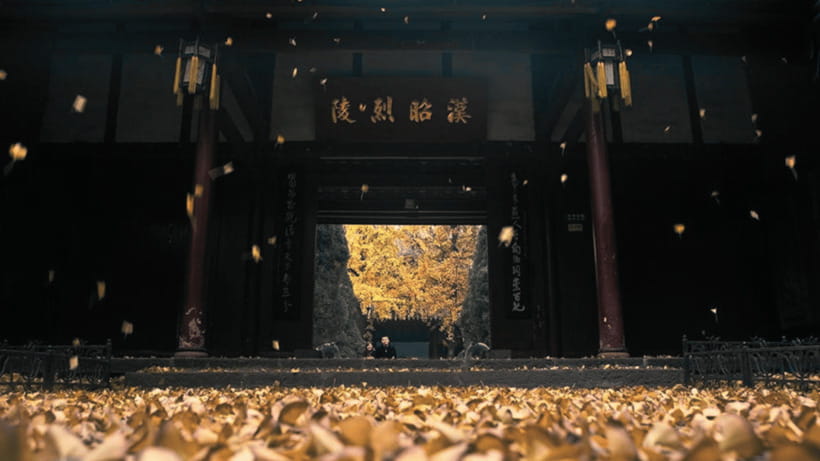
If you want a Chengdu experience that is clearly about the Three Kingdoms era, this is a strong match. The museum’s dedication to Zhuge Liang and Liu Bei keeps the day coherent. The free guided services add context. And the red-walled shrine environment plus greenery give you photos that look like they belong in a history book.
I’d suggest booking if:
- Three Kingdoms history is already on your list of interests
- You like museums but want a scenic setting, not just indoor glass cases
- You prefer guided help to understand artifacts and why Shu Han matters
I’d be cautious if:
- You dislike history-focused visits and prefer modern sights
- You hate dealing with passport-based booking details
- Your group includes people who only want quick stops and shopping
Overall, for $17 and a one-day visit, it’s good value when you use the included guided services and slow down enough to read what you’re seeing.
FAQ
How much is the Wuhou Shrine Museum experience, and how long is it?
It costs $17 per person and is valid for 1 day.
What is included with the admission?
The ticket includes admission to the Three Kingdoms exhibitions, viewing historical relics and ancient architecture, and free guided services.
What do I need to bring, and are there any restrictions?
Bring your passport, comfortable shoes, and a camera. Pets are not allowed.
Is the GetYourGuide QR code valid for this booking?
No. The GetYourGuide QR is not valid. You should communicate with the provider or wait for the email, and you must send your full name as it appears on your passport and your passport number to complete the booking.
Who can enter for free without reservation?
Seniors over 60 years and children under 1.3m can enter free without reservation. Advanced booking is recommended, especially on weekends and holidays.
Can I get a refund if I cancel?
Yes. Free cancellation is offered up to 24 hours in advance for a full refund.
Recently added around Chengdu
- Visiting Chengdu Panda Base in a Half Day★ 5.0 · 4 reviews
- Classsic sichuan Opera at sichuan Provincial Theater★ 5.0 · 4 reviews
- Tea Village in lost Town and Buddha 1 day tour★ 5.0 · 32 reviews
- Sichuan Opera Show with Hotel Pickup★ 5.0 · 3 reviews
- Panda, Leshan, and Emei Mountain 2-day tour★ 5.0 · 4 reviews
- Skip the Line: Sichuan Opera Chengdu Ticket★ 4.0 · 8 reviews
- Sichuan Opera with face-changing at Sichuan opera theater★ 4.5 · 6 reviews
- Private Half-Day Tour in Sichuan Culture Show with Hot Pot Dinner in Chengdu★ 4.5 · 15 reviews
Museums, compared.
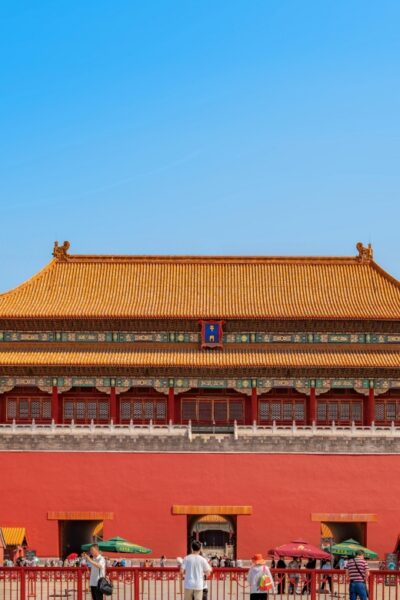
Tianmen Square, Forbidden City & Royal Museum Tours
Read our review →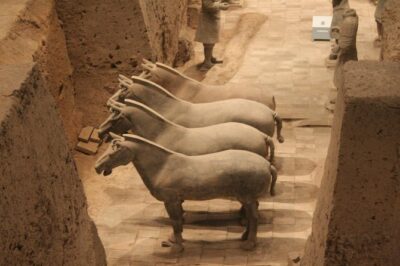
Half-Day Mini Group Xian Tour to Terracotta Warriors Museum
Read our review →
Beijing:Jingshan Park (Palace Museum Garden) Ticket
Read our review →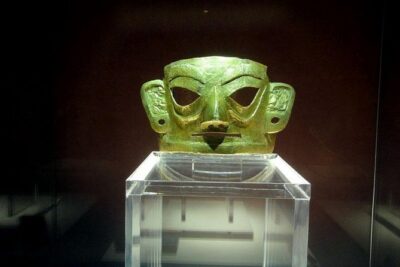
Private Chengdu Day Tour: Giant Pandas and Jinsha Site Museum
Read our review →
Private Xi’an Tour: Terracotta Warriors, Hanyangling Museum, Cave Homes
Read our review →
Beijing Half Day: National Museum of China In-depth Tour with Subway Transfer
Read our review →
Terracotta Warriors Museum Ticket with Professional English-speaking tour guide
Read our review →Browse the lists this tour appears in