
Reviewed · COOKING CLASSES
Half-Day Xi’an Biang Biang Noodles Cooking with a Market Visit
A spice market plus hand-pulled noodles in one half day. The best part is the combo of market ingredient hunting and learning the real biang biang noodle technique, not just watching someone cook. I also like that your day includes tea and beer alongside food tasting, so you leave fed and happy, not just armed with a recipe. One consideration, this happens in a home-style kitchen setup, so hands-on time can feel more guided than high-intensity, station-by-station cooking for everyone.
You start near Sajin Bridge (Sa Jin Qiao, Lian Hu Qu, Xi’an), then head into the area around the Muslim Quarter for a spice-focused market visit before moving to a traditional chef’s home. With a maximum group size of 15 travelers, the class stays conversational and easier to ask questions in, and it runs about 3 hours 30 minutes (roughly 3 to 4 hours). If you pick the vegetarian option when booking, you can still do the full experience.
Key highlights that matter for your trip
- Spice market scavenger-style learning: you’ll explore Chinese spices and ingredients and use what you find right in the cooking.
- Small group size (max 15): easier to follow along, ask about flavors, and get noodle tips you can actually use.
- All ingredients and recipes included: you do not need to guess what to buy later.
- Tea, plus beer or other beverages: the meal is part of the experience, not an add-on.
- Morning or afternoon sessions: you can match it to your sightseeing rhythm.
In This Review
- Why Biang Biang Noodles Feel Like a Skill, Not a Recipe
- Sajin Bridge Start and Muslim Quarter Spice Hunt
- The Traditional Chef’s Home Setup and How Teaching Really Works
- What You Actually Eat: Tea, Noodles, and Beer
- Value Check: Does $75 Make Sense for a Half Day?
- Practical Tips for a Smooth 3 to 4 Hours in Xi’an
- Who Should Book This Biang Biang Noodle Workshop
- Should You Book This Half-Day Xi’an Noodles Experience?
- FAQ
- How long is the cooking class?
- Where does the experience start?
- How big is the group?
- Are there morning and afternoon options?
- What’s included in the price?
- Is there a vegetarian option?
- Does the tour run in bad weather?
- Is it easy to get to without a car?
- Do I need a printed ticket?
Why Biang Biang Noodles Feel Like a Skill, Not a Recipe
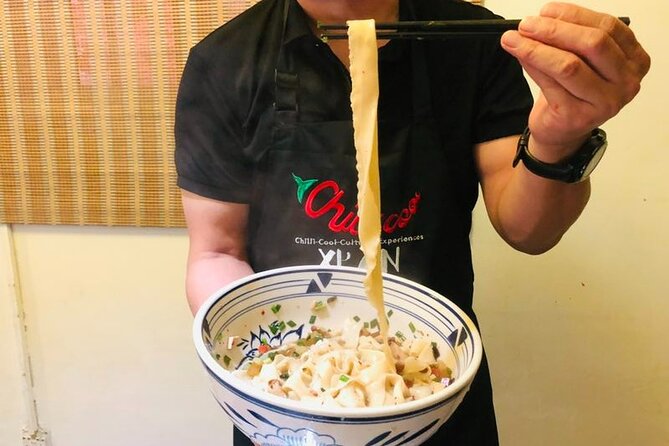
Biang biang noodles are one of those Xi’an foods that sounds simple until you try making them. The dough work and the pulling process are the point. If you’ve ever attempted thick noodles at home and ended up with something that feels more like flat dough than long ribbon noodles, you’ll understand why people love this dish.
In this class, the teaching centers on how to work the dough and shape the noodles so you get that iconic wide, chewy feel. You’re not just learning what sauce to pour on. You’re learning how the noodles are made so the texture makes sense. That focus is why this style of cooking class is so useful, even after you get back home.
And it’s not only hands and flour. You also learn background around noodles in China, which makes the whole thing click. When you understand where a dish fits in local food culture, you pay more attention to the small steps, like dough consistency and resting, instead of treating it like a magic trick.
Sajin Bridge Start and Muslim Quarter Spice Hunt
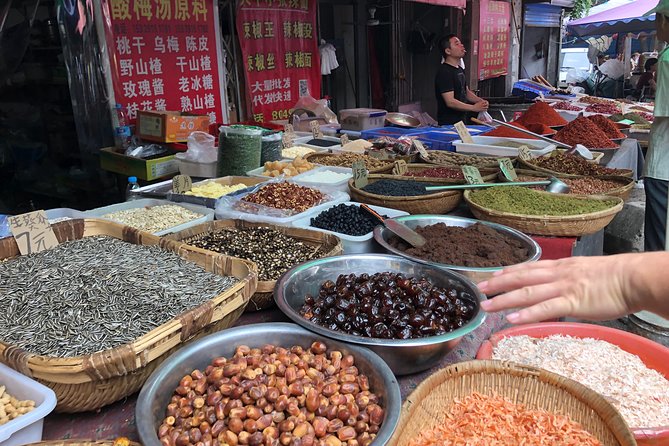
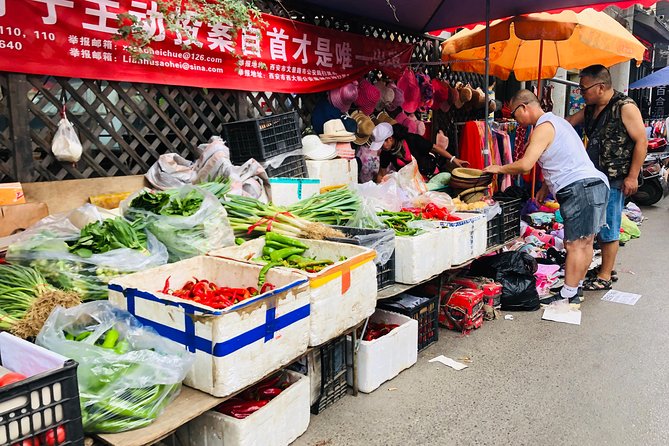
Your morning or afternoon begins at Sajin Bridge (Sa Jin Qiao, Lian Hu Qu, Xi’an, Shaanxi Sheng, China). From there, you head toward the Muslim Quarter area for a market visit with a strong spice angle. This part matters more than you might expect, because the food tastes better when you know what’s behind the flavor.
The market portion is built around discovery. You’ll be guided to explore different spice types and ingredients, and you’ll complete little learning challenges along the way. That structure keeps you from wandering aimlessly. Instead of saying, I saw spices, you’ll be able to connect ingredients you tasted or handled to what ends up in your noodle bowl.
A practical benefit: you’ll also get a sense of how Chinese cooks think about seasoning. You’re not just collecting items. You’re learning how spices and aromatics work together, which helps you adjust future recipes based on what you can find in your own grocery store.
What I’d watch for while you’re there:
- Smell first, then ask questions. Spices can look similar but taste very different once heated.
- Pay attention to how ingredients are used, not just what they are. This class aims to link your market choices to the cooking steps later.
- Plan to walk. You’ll be moving through the market area before you sit down to cook.
More cooking classes in Xian:
- Half-Day Chengdu Cooking Class with a Local Market Visit
★ 5.0 · 465 reviews - Online Cooking Class Beijing Dumplings and Cuisine by Sunflowerli Renowned Chef
★ 5.0 · 65 reviews - Chengdu: Cooking Class with Fresh Market Half Day Experience
★ 5.0 · 42 reviews
The Traditional Chef’s Home Setup and How Teaching Really Works
After the market stop, you move to a traditional Chinese chef’s home, described as a place with a courtyard style. This is where the experience becomes more personal. In a normal restaurant, you get plated food. Here, you get a front row seat to the technique, with a guide standing near you while you learn.
Tea shows up early, as part of the local custom of treating visitors. It sounds small, but it changes the tone of the class. You’re not in a rush to start chopping. You’re in a calm, host-like environment, and that helps you focus when dough work gets hands-on.
In the best cases, the instructors make the process easy to follow. One standout in the feedback is Lily, praised for her spice knowledge, and Fiona, praised for being clear and easy to understand. Other instructors are also mentioned, including Michael and Bruce, with people enjoying their explanations and the fun vibe. Even if you do not have the exact same teaching team, the overall pattern is the same: the class is built around clear guidance, not intimidation.
A balanced note on hands-on expectations: noodle making can be messy, and home kitchens do not always look like a culinary school. One concern that has come up is that the day can feel more like a demonstration in an apartment-like setting than a true, everyone-dies-happy-with-their-own-station cooking class. So here’s my advice: if hands-on is your top priority, ask how the kitchen flow works for your specific session. You can still expect to make noodles and eat them, but you may want clarity on how much solo work you get versus guided participation.
What You Actually Eat: Tea, Noodles, and Beer
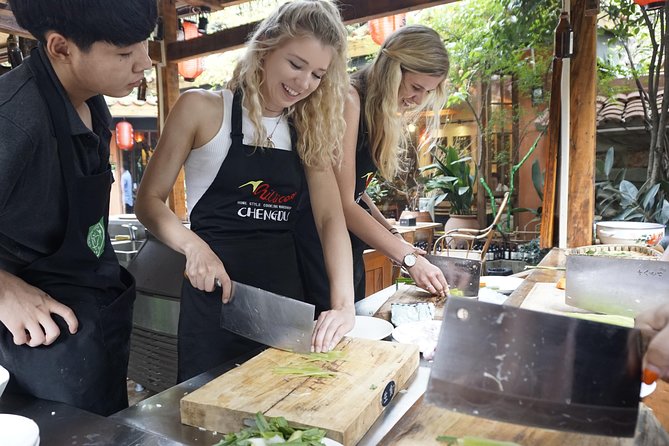
The meal is built into the experience, not tacked on at the end. You get food tasting, and your ticket includes beverages/beer/tea/water. You’ll also have lunch or dinner depending on the class schedule you choose.
For food, the headline is simple: you make biang biang noodles and then eat what you produced. That sounds obvious, but the value is in how much you learn while making them. When you taste your own noodle bowl, you can immediately connect texture and seasoning choices to the noodle work you just did.
The beverages matter too. Tea is part of the welcome rhythm, and beer (or other beverages) shows up as you eat. That combination is a very Xi’an style move, casual but social. It also helps break the ice if you’re traveling solo or you’re not sure you’ll talk much in a group.
If you’re the type who worries about whether you’ll get full, the inclusion of a full lunch or dinner option is a solid sign. You’re not paying to snack on a small bite. You’re paying for a proper meal outcome.
Value Check: Does $75 Make Sense for a Half Day?
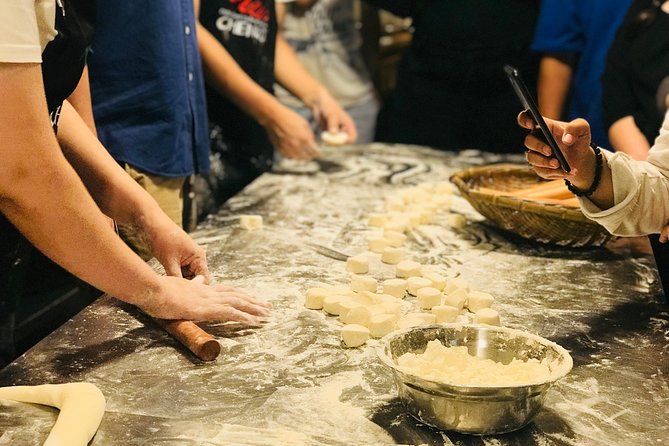
At $75 per person, you’re not buying a cheap street snack. You are paying for three things that add up fast when you price them separately:
- Your market experience, guided: you are learning spices and ingredients in a structured way.
- Cooking instruction and all inputs: the class includes food ingredients, recipes, tea, beer or other beverages, and water.
- Food tasting and a meal: you get lunch or dinner based on your schedule.
The big value point is that you are not doing a DIY day. Buying ingredients in a market on your own might cost less at first glance, but it does not buy the technique coaching that makes biang biang click. And the recipes included mean you can try again later without translating everything from memory.
Also, the small group size (max 15) helps justify the price. In larger tours, cooking classes can turn into a line of observers. Here, the class format aims to keep you actively involved and able to ask questions.
One more detail: the experience notes group discounts, which can help if you’re traveling with friends or family. If you’re booking solo, you may not benefit from that, but the included food and instruction still make the deal feel more like a paid experience than a basic tour.
More market walks in Xian:
- Mini Group Xian Day Tour to Terracotta Army, City Wall, Pagoda and Muslim Bazaar
★ 5.0 · 1,320 reviews - Xi’an Morning Food & Market Tour by TukTuk
★ 5.0 · 46 reviews - Xi’an Muslim Quarter Night Market Foodie Walking Tour
★ 4.2 · 22 reviews - Shanghai Day Tour to Zhujiajiao Water Town, Yu Garden, Bazaar, Bund
★ 5.0 · 162 reviews
Practical Tips for a Smooth 3 to 4 Hours in Xi’an
This is an easy day to plan, but a few practical choices make it go better.
Wear comfortable walking shoes. You’ll be moving through the Muslim Quarter market area before cooking. The cooking part also gets hands-on, which means you’ll be on your feet or leaning in.
The experience operates in all weather conditions, but it is also subject to cancellation due to poor weather, where you’ll get a different date or a full refund. So treat it like this: bring weather-ready clothing, and keep your schedule flexible.
You’ll want to think about timing too. The duration is about 3 hours 30 minutes. That’s long enough to feel like a real activity, but short enough to fit into a sightseeing day without the stress of losing half your trip.
Two other points that help:
- Near public transportation: you should be able to reach the meeting area without a private car.
- Mobile ticket: less paper to manage.
If you have dietary needs, you should flag them when booking. A vegetarian option is available, and you can advise any specific dietary requirements at the time of booking. That’s important because noodle dishes can vary in seasoning and accompaniments.
Who Should Book This Biang Biang Noodle Workshop
This is a great match if you want:
- A hands-on cooking day focused on technique, not just flavor tasting.
- A meal plus a story, where you can connect what you see in the spice market to what you cook afterward.
- A small group experience with real time to ask questions, helped by the max 15 traveler cap.
It also suits couples and small friend groups. The format is social, but not chaotic. People doing the class together often end up talking through spice ideas, comparing noodle textures, and generally laughing at how much dough work is involved.
If you are the type who only wants a hands-on, every-person-to-their-own-station format, I’d still consider booking, but ask how the kitchen setup works for your session. The class seems designed to get you cooking and eating, yet home environments can shape how much personal station time you get.
Should You Book This Half-Day Xi’an Noodles Experience?
If you like learning food the way locals do, this is a strong bet. You get a spice market walk, an instruction-heavy noodle session at a traditional chef’s home, and an actual meal outcome with tea and beer included. At $75, the included ingredients, recipes, and beverages make the price feel fair for a half-day activity.
My call: book it if you want biang biang noodles as a skill and you enjoy spice shopping with guidance. Skip it or ask extra questions first if you are extremely picky about whether the class is fully hands-on at your own station level, because home cooking setups can vary.
FAQ
How long is the cooking class?
It runs about 3 hours 30 minutes, roughly 3 to 4 hours.
Where does the experience start?
The meeting point is Sajin Bridge, Sa Jin Qiao, Lian Hu Qu, Xi’an, Shaanxi Sheng, China.
How big is the group?
The tour has a maximum of 15 travelers.
Are there morning and afternoon options?
Yes. You can choose either a morning or afternoon session.
What’s included in the price?
Included are beverages (including tea, beer, and water), food ingredients, recipes, food tasting, and lunch or dinner depending on the class schedule.
Is there a vegetarian option?
Yes. A vegetarian option is available, and you should advise when booking.
Does the tour run in bad weather?
It operates in all weather conditions, but if it is canceled due to poor weather, you will be offered a different date or a full refund.
Is it easy to get to without a car?
The meeting point is near public transportation.
Do I need a printed ticket?
No. The experience uses a mobile ticket.
More Shopping Tours in Xian
- Hong Kong: Kowloon Street Market & Food Culture Walking Tour
★ 5.0 · 105 reviews - Organic Chinese Dumpling Class with Market Walk
★ 5.0 · 88 reviews - Private Shanghai Shopping Tour with Local Shopping Guru
★ 5.0 · 68 reviews - Organic Xiao Long Bao Soup Dumpling Class & Market Walk
★ 5.0 · 62 reviews
Recently added around Xian
- Top 3 Xian Sites to Terracotta Army & Dinner Show w/ Options★ 4.7 · 11 reviews
- Terracotta Army, Huaqing Palace & Song of Everlasting Sorrow★ 5.0 · 3 reviews
- The Legend Of Camel Bell In Xi’An★ 5.0 · 4 reviews
- Terracotta Army Day Tour from Xi’an-Tickets&Flexible Pickup★ 5.0 · 8 reviews
- Terracotta Warriors And Xi’An DowntownTour★ 5.0 · 6 reviews
- Terracotta Army E Ticket with Optional Transfer or Guide★ 5.0 · 32 reviews
- From Xi’an: Mt. Huashan Private Tour and Cable Car Ride★ 4.8 · 3 reviews
- Private Xian Mt. Huashan Adventure Tour: Explore in Your Own★ 4.9 · 6 reviews
Cooking Classes, compared.
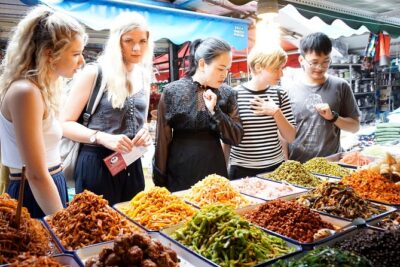
Half-Day Chengdu Cooking Class with a Local Market Visit
Read our review →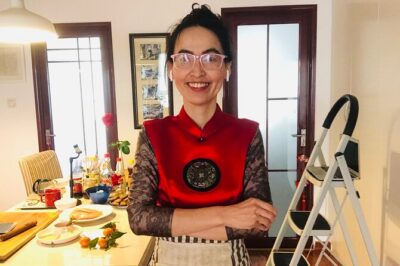
Online Cooking Class Beijing Dumplings and Cuisine by Sunflowerli Renowned Chef
Read our review →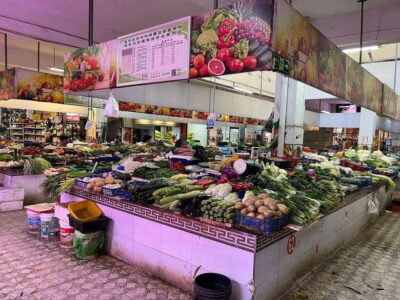
Cooking Class with Fresh Market Half Day Experience
Read our review →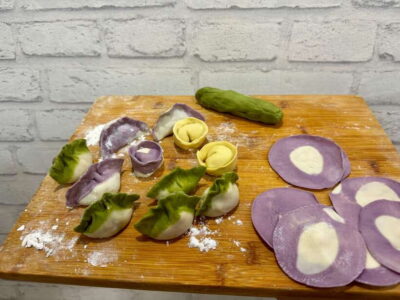
Private Cooking Class: Make Your Own Dim Sum In Shanghai
Read our review →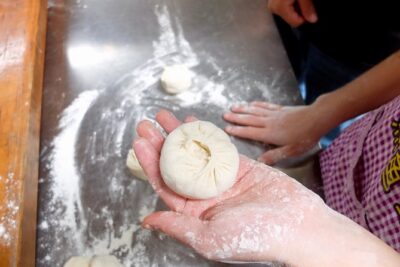
Half-Day steamed Buns Cooking Class with a Local Market Visit
Read our review →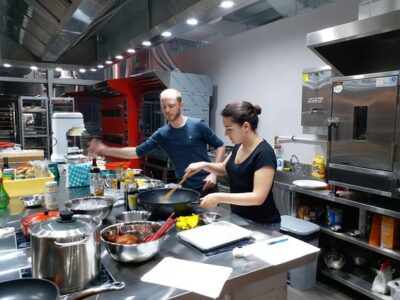
Hong Kong Market Walking Tour & Chinese Cooking Class
Read our review →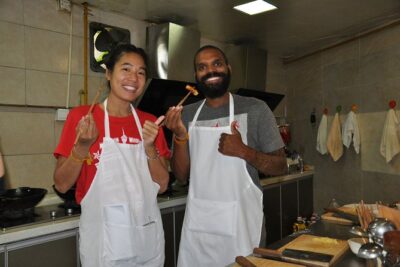
Half-Day Sichuan Cooking Class Experience in Chengdu
Read our review →Browse the lists this tour appears in