
Reviewed · HANGZHOU TOURS
Hangzhou Private Architecture Day Tour
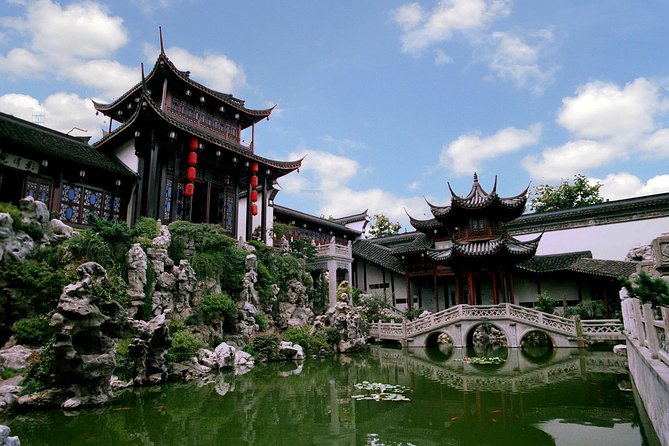
Hangzhou’s old-world lanes meet glass towers. This private architecture day tour strings together Qing dynasty gardens, Song dynasty streets, tea-country calm, and a modern skyline, all with a professional English-speaking guide. I especially like Guo’s Villa for its quiet, garden-like design, and I like Meijiawu because the tea story feels practical, not museum-only.
One possible drawback to consider: lunch is not included, so you’ll want to plan for where and when you’ll eat between stops.
You’ll also move at a comfortable pace for a full day, about 7 hours starting at 9:00 am, with hotel or train station pickup and air-conditioned private transport. The biggest “value” comes from having the guide connect the architecture you’re seeing to the culture behind it, instead of you trying to puzzle it out alone.
In This Review
- Quick highlights
- Starting at 9:00 am, with pickup that keeps you in charge
- Guo’s Villa: Qing dynasty elegance split into garden and living
- Meijiawu Tea Culture Village: Longjing tea made human-scale
- Hu Xueyan’s Former Residence: wealth, power, and a building maze
- Southern Song Imperial Street: the city axis you can walk
- Hangzhou City Balcony and Qiantang River views: modern scale after old stone
- Price and value: what $113.37 buys you in a full day
- Transport and timing: private, paced, and built around your day
- Lunch and food options: plan ahead since meals are not included
- Who this tour fits best in Hangzhou
- Should you book this Hangzhou architecture day tour?
- FAQ
- FAQ
- What time does the tour start?
- How long is the Hangzhou private architecture day tour?
- Where can I get picked up?
- Is the tour private?
- Is an English-speaking guide included?
- Are tickets included for the sites?
- Is bottled water provided?
- Is lunch included in the price?
- Can you accommodate vegetarian diets?
- What if I’m arriving from or leaving by train?
- What is the cancellation policy?
Quick highlights
- Guo’s Villa in two sections: Sky in the Mirror garden area plus Living in Quietness residential area
- Meijiawu Tea Culture Village: a village with 600-plus years of tea-growing roots and West Lake Dragon Well production
- Hu Xueyan’s Former Residence: a maze of towers, gardens, pavilions, terraces, arched bridges, and halls
- Southern Song Imperial Street: a long main axis road in Linan with more than 10,000 flagstones
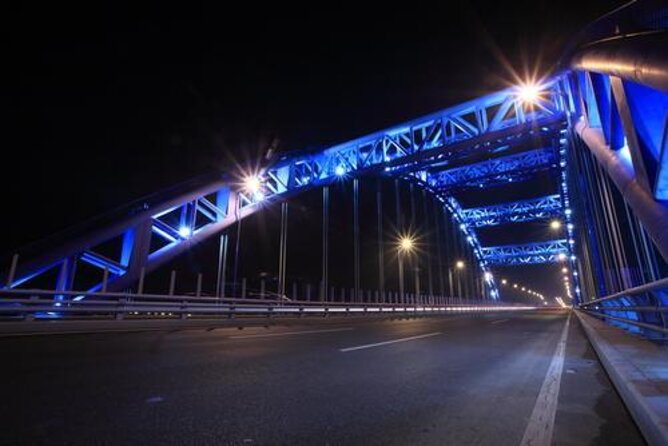
- Hangzhou City Balcony: modern high-rises in the Qianjiang New City area, with towers over 300 meters
- Hotel or station pickup and drop-off, plus bottled water and a private English-speaking guide
Starting at 9:00 am, with pickup that keeps you in charge
The day runs from 9:00 am for about 7 hours, which is long enough to feel like you covered ground, but not so long that you melt by mid-afternoon. Pickup is flexible, you can start from your hotel in Hangzhou downtown or from the Hangzhou train station, and you’ll be met with welcome signage.
That matters because Hangzhou can be busy, and private timing is what lets you spend more time looking at buildings instead of trying to coordinate buses. You also get a private, air-conditioned vehicle, so you can focus on the stops rather than the logistics.
A few more Hangzhou days worth comparing
- Flexible Hangzhou Private Tour from Shanghai by Bullet Train
★ 5.0 · 220 reviews - Best of Hangzhou: A Comprehensive Tour of the City’s Top Sights
★ 5.0 · 192 reviews - Jack HangZhou Private Tour
★ 5.0 · 154 reviews
Guo’s Villa: Qing dynasty elegance split into garden and living
The morning’s first stop is Guo’s Villa, a garden-like villa with a reputation for elegance and quiet. It dates to the Qing Dynasty, nearly 140 years old, and covers about 9,800 square meters, so it’s not just a quick photo stop.
It’s organized into two main sections. The northern side is the garden area called Sky in the Mirror, while the southern side is a residential area called Living in Quietness. You’ll see a pavilion-style house set around a courtyard, which helps you understand why this kind of architecture was designed for both views and everyday privacy.
What I like here: the contrast between “pretty” and “intentional.” A garden courtyard layout is a design tool, not decoration.
Possible consideration: this is a villa setting, so give yourself time to slow down. If you rush through, you miss the way paths, courtyards, and open-air rooms guide your eyes.
Admission is included, and you’ll have about 40 minutes at the site. That’s usually enough if your goal is architecture and atmosphere rather than reading every plaque cover to cover.
Meijiawu Tea Culture Village: Longjing tea made human-scale
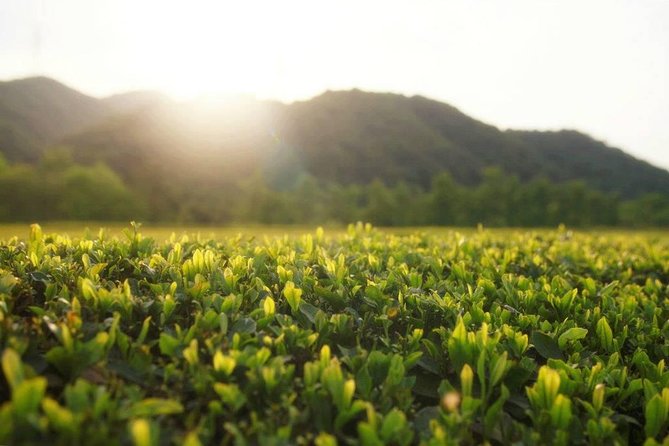
After Guo’s Villa, the tour shifts to tea, and that change of pace is one of the smartest parts of the day. Your next stop is Meijiawu Tea Culture Village, located west of the West Lake Scenic Area.
Meijiawu is described as a village with over 600 years of history and the world-famous West Lake Dragon Well tea coming from here. It’s also framed as one of the biggest natural villages where that tea culture still lives, which makes it feel less like a staged attraction and more like a place built around daily work and traditions.
The village includes eight tourism sections, such as a tea culture visitor center, a rural leisure area, and a fishing village. Even if you’re not a tea expert, that setup helps you see how the village’s identity spans more than just a storefront for souvenirs.
Admission is free, and you’ll have about 1 hour.
If you want maximum value, use that hour to take in the routes from tea-related areas to calmer corners of the village, because the “architecture” here is about how spaces serve rural life, not just stone and timber.
Hu Xueyan’s Former Residence: wealth, power, and a building maze
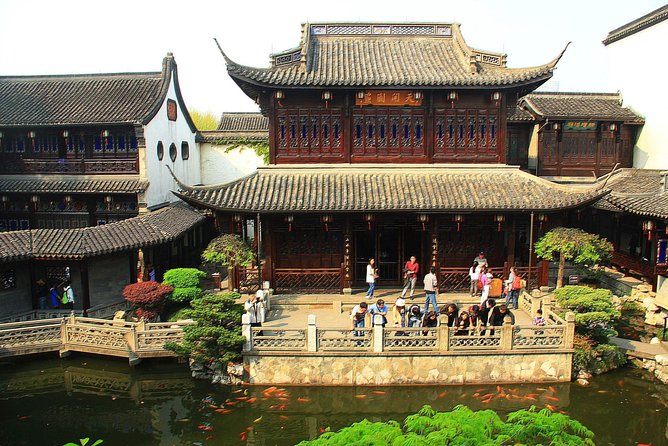
After lunch, you’ll visit the Former Residence of Hu Xueyan, a famous Hangzhou businessman (1823 to 1885) in the Qing era. This is one of those places where the architecture practically argues a point: his wealth and status weren’t abstract, they were built into layout, scale, and detail.
The residence sits in downtown Hangzhou and gives you a close look at the lifestyle of a wealthy merchant aristocracy. The description reads like a checklist of visual variety: towers, gardens, pavilions, terraces, arched bridges, palatial halls, and serene living quarters. That combination makes the complex feel like a controlled world, full of sightlines, crossings, and changing views.
What I like most: the “maze” effect is useful. You get a sense of how space can control privacy and movement, not just provide aesthetics. The architecture also connects to philosophy and local folklore customs that are still said to be alive.
Admission is included, and you’ll have about 50 minutes here. That is a good amount of time for exploring without feeling trapped, but I recommend a slow first pass, then a second look at the details that catch your eye.
Same city, a very different kind of day:
- One-Day Hangzhou Dragon Well Tea Culture & West Lake Private Tour
★ 5.0 · 98 reviews - Half-Day Flexible Private Hangzhou Highlight Tour
★ 5.0 · 47 reviews - LUXURY Bullet Train: Private Hangzhou Day Trip From Shanghai
★ 5.0 · 34 reviews - Hangzhou Private Tour Guide Service
★ 5.0 · 32 reviews
Southern Song Imperial Street: the city axis you can walk
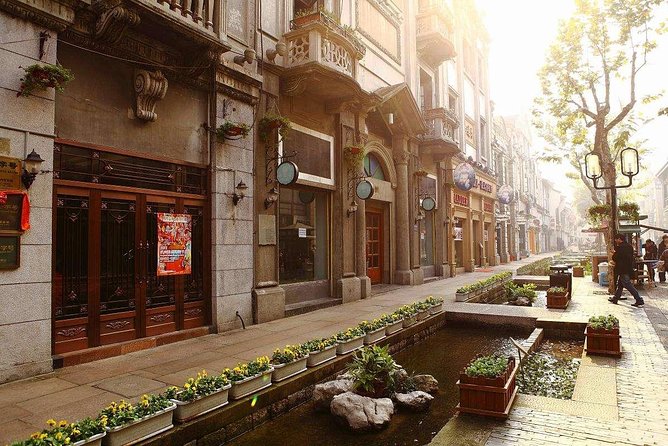
Next up is the Southern Song Imperial Street, a main avenue paved in the Southern Song Dynasty. According to the details you’ll hear and see there, more than 10,000 flagstones were used, and the street once served as the central axis of Linan city during the Southern Song period, stretching 4185 meters long.
That long scale matters because it changes how you understand Hangzhou’s older layout. This wasn’t a side street, it was a spine of the city, and the architecture and relics along it were meant to carry civic and ceremonial weight.
You’ll also encounter 13 historical and cultural relics and buildings, with the Phoenix Temple named as a key national cultural relic protection unit. The tour gives you time to absorb the street feel, about 1 hour, with admission listed as free.
Practical tip: if you’re only focused on big landmarks, street sites can be easy to under-appreciate. Here, your best bet is to treat it like an outdoor architecture lesson, noticing how the pavement and street axis create the sense of what the city was trying to be.
Hangzhou City Balcony and Qiantang River views: modern scale after old stone
The final stop is the Hangzhou City Balcony area, described as the central business district of Hangzhou, shaped by the city’s historical and cultural identity along the grandeur of the Qiantang River. Instead of ending the day with yet another heritage site, you get a modern counterpoint.
This area features high-rise buildings, including towers measuring over 300 meters. The tour frames this as part of the development of Qianjiang New City, contributing to business, finance, trade, and tourism.
It’s about 30 minutes here, and admission is listed as free. For me, the value of this stop is the mental contrast. After walking gardens and residences, it’s satisfying to see how today’s Hangzhou expresses ambition, scale, and city identity.
Consideration: because it is modern and time-limited, keep your expectations realistic. Treat it as a viewpoint and a closing “sense-making” stop, not a full architecture walking tour of every tower.
Price and value: what $113.37 buys you in a full day
At $113.37 per person for about 7 hours, this tour works best when you want both structure and flexibility. Your money is doing several jobs at once: a professional English-speaking guide, a private air-conditioned vehicle, bottled water, and two-way private transfers from your hotel or the train station.
On the sightseeing side, admission is included for Guo’s Villa and Hu Xueyan’s Former Residence, while Meijiawu Tea Culture Village and Southern Song Imperial Street are listed as free, and the final modern area stop is also listed with free admission. So you’re paying for guided time and transport more than you’re paying for ticket stacking.
This is especially good value if you’re traveling as a small group, a couple, or a family. Private timing reduces the “drag” that can happen when you’re trying to connect multiple heritage sites on your own.
The only clear item not included is meal, so your total day cost will depend on where you eat after the Guo’s Villa and again after the tea stop.
Transport and timing: private, paced, and built around your day
Because it’s private, “your group” does the touring, not a shared schedule with strangers. That usually means you can move faster through what you’re less interested in, and slow down for what you want to linger on, as long as it stays within the day’s planned time.
You’ll also have a welcome signage method at pickup, and if you start from the Hangzhou train station, you’re asked to provide your round-trip train itinerary in a special requirement block. That detail matters, because it’s how the operator can align pickup timing with your arrival and departure.
The route itself moves through four heritage or cultural stops plus one modern skyline finale. With that kind of sequence, having private transport is what keeps the day from turning into an all-day transit slog.
Lunch and food options: plan ahead since meals are not included
Lunch is not included, so you’ll want to decide how you handle that gap. The itinerary places lunch between the tea village and Hu Xueyan’s residence, so you may want to eat near where the route naturally slows down.
There is a vegetarian option available if you advise at booking, and you can also mention any specific dietary requirements then. That’s one of the easier ways to make sure the day fits your needs, because the tour can’t include a meal by default.
If you’re picky about pacing, treat lunch as a “keep the momentum” moment. Eating too far off-route can waste the very time you’re paying for with a private day.
Who this tour fits best in Hangzhou
This day trip is a strong match if you like architecture but you also want the cultural stories that explain why those buildings look the way they do. It’s also a good choice if you want both sides of Hangzhou: the classical Jiangnan feel and the modern Qianjiang New City skyline.
It suits:
- Couples who want a guided day that mixes gardens, tea culture, and imperial-era streets
- History and architecture lovers who would rather have a guide connect dots than read everything alone
- Travelers staying downtown or near the train station who want door-to-door timing
Should you book this Hangzhou architecture day tour?
I think you should book it if your ideal day is guided, efficient, and varied, with time for real looking instead of rushing. The stops cover a smart arc, from Qing dynasty villa design, to tea-village daily life, to merchant-era residence layout, then into a Song axis street and a modern skyline finale.
Skip it, or at least rethink your fit, if you want a meal included, a longer tea stop, or a slower walk through each complex with lots of unstructured free time. With a tight schedule and lunch on your own, you’ll get the most enjoyment if you plan your food break and wear comfortable walking shoes.
FAQ
FAQ
What time does the tour start?
The tour starts at 9:00 am.
How long is the Hangzhou private architecture day tour?
It runs for about 7 hours.
Where can I get picked up?
You can be picked up from your hotel in Hangzhou downtown or from Hangzhou train station.
Is the tour private?
Yes, it is a private tour, and only your group participates.
Is an English-speaking guide included?
Yes, a professional English-speaking guide is included.
Are tickets included for the sites?
Yes. Admission ticket is included for Guo’s Villa and the Former Residence of Hu Xueyan. Meijiawu Tea Culture Village and Southern Song Imperial Street are listed as free. The final modern area stop is also listed as free.
Is bottled water provided?
Yes, bottled water is included.
Is lunch included in the price?
No, meal is not included.
Can you accommodate vegetarian diets?
Yes, a vegetarian option is available if you advise at the time of booking.
What if I’m arriving from or leaving by train?
If pickup from Hangzhou Train Station is required, you should provide your round-trip train itinerary in the special requirement block.
What is the cancellation policy?
Free cancellation is offered. You can cancel up to 24 hours in advance for a full refund. If you cancel less than 24 hours before the start time, the amount paid is not refunded.
Recently added around Hangzhou
- Private Transfer to Shanghai Pudong Airport from Hangzhou★ 5.0 · 3 reviews
- Classic Hangzhou One Day Private Tour★ 5.0 · 3 reviews
- Wuzhen Classical Water Town day tour★ 5.0 · 4 reviews
- Zuiyi Hangzhou Impression West Lake Show Ticket★ 5.0 · 19 reviews
- Day Tour to Discover the Secrets of Hangzhou’s Tea Culture★ 5.0 · 19 reviews
- Songcheng Park & Lengend of Song Dynasty Show Ticket★ 4.5 · 3 reviews
- 1-day Village Tea Picking, Roasting & Serving Guided Private Tour from Hangzhou★ 5.0 · 9 reviews
- Private Tour Hangzhou West Lake and Tea Fields Discovery★ 5.0 · 3 reviews
Hangzhou Tours, compared.
Flexible Hangzhou Private Tour from Shanghai by Bullet Train
Read our review →
Best of Hangzhou: A Comprehensive Tour of the City’s Top Sights
Read our review →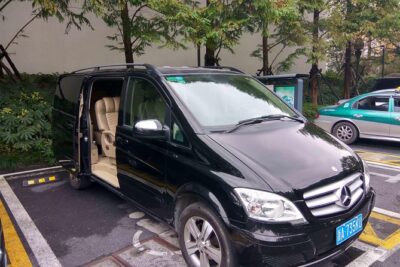
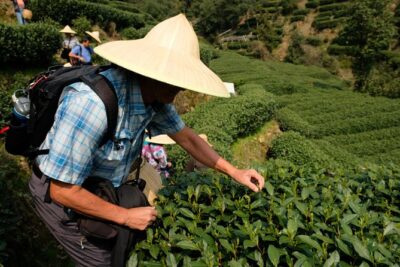
One-Day Hangzhou Dragon Well Tea Culture & West Lake Private Tour
Read our review →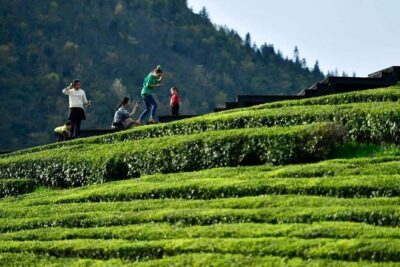
Half-Day Flexible Private Hangzhou Highlight Tour
Read our review →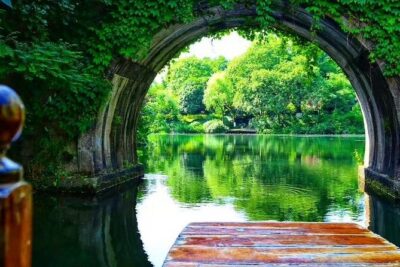
LUXURY Bullet Train: Private Hangzhou Day Trip From Shanghai
Read our review →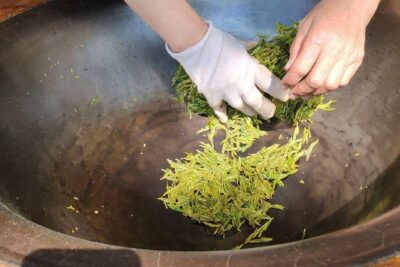
Authentic Hangzhou Longjing Tea Culture Experience Tour
Read our review →
Browse the lists this tour appears in