
Reviewed · TERRACOTTA WARRIORS TOURS
One Day Private Trip to Terracotta Army and Huaqing Palace
Terracotta Army before the crowds is magic. I love the early timing at the Terracotta Army, and I really like that the guide is an art historian who turns the site into a story. One consideration: entrance fees and lunch cost extra, so you’ll want to budget before you go.
This is a private day, so the pace is steadier and you can ask questions without feeling rushed. You’ll also get round-trip hotel pickup, bottled water, and fuel surcharge handled, which makes the day feel easier than trying to manage transit and tickets on your own.
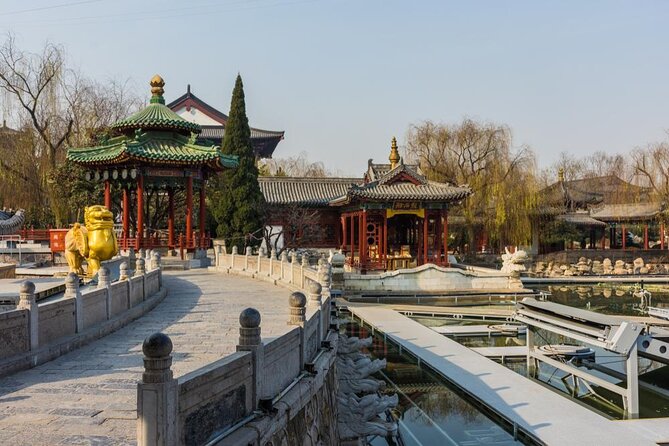
The second half of the day shifts to Tang-dynasty romance at Huaqing Palace, with gardens, lotus pools, and the Lady Yang love story. With an 8-hour schedule, you should expect a full day, and comfortable shoes matter a lot.
In This Review
- Key highlights worth planning for
- A smooth private day around two Xi’an heavyweights
- Price and what you actually get for $113
- Early morning at the Terracotta Army Museum
- Pit 1 and Pit 2: what you see, and why it matters
- The art historian guide: the difference between seeing and understanding
- Huaqing Palace: gardens, lotus pools, and Lady Yang’s story
- Timing, transport, and the lunch gap
- Mobile ticket and what it means for your day
- What stands out most in guest feedback
- Who this private trip is best for
- Should you book this Terracotta Army and Huaqing Palace private day trip?
- FAQ
- What is the duration of the One Day Private Trip to Terracotta Army and Huaqing Palace?
- What stops are included in the tour?
- What time does the tour start?
- Is hotel pickup included?
- Are bottled water and transportation included?
- Are entrance tickets included?
- Is lunch included?
- What kind of tickets do I receive?
- What should I wear for the day?
- Is there free cancellation?
Key highlights worth planning for
- An early start around 7:30 to help you see the Terracotta Army before the biggest rush
- Pit 1 and Pit 2 focus where most of the discovered figures and weapons are located
- An art historian guide who connects what you see to Qin history and the first emperor’s era
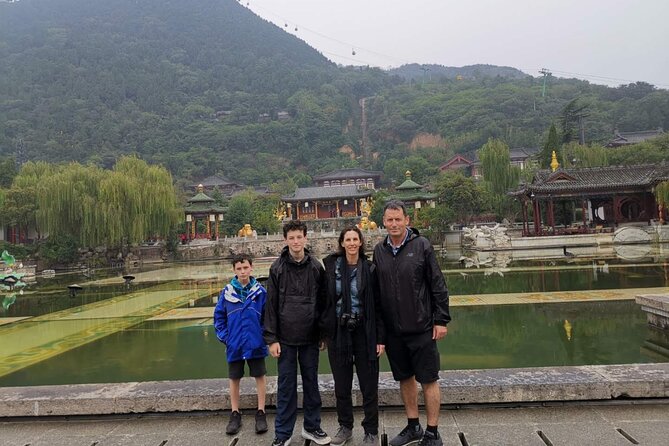
- Huaqing Palace gardens and lotus pools tied to the Lady Yang story and Tang-era setting
- Private hotel transfer plus bottled water so you can spend energy on the sights, not logistics
- Entrance fees are not included, with separate site tickets for both stops
A smooth private day around two Xi’an heavyweights
This trip is built around two sites that sit close to each other geographically: the Terracotta Army Museum and Huaqing Palace. That matters because it keeps the schedule simple. Instead of a split day with lots of extra travel, you’re mostly focused on two major historical experiences.
I like this format for first-timers because you get a clear before-and-after contrast. The Terracotta Army is strict, structured, and about power, military organization, and state-building in the Qin era. Huaqing Palace feels different. It’s Tang-dynasty beauty, with lotus pools, gardens, and the human story of Lady Yang paired with imperial leisure.
The private part helps, too. You’re not stuck waiting on a big group’s pace. If you want a photo break, a slower walk, or a moment to read the setting around you, you can usually manage it without turning the whole day into a sprint.
More Terracotta Warriors tours:
- Mini Group Xian Day Tour to Terracotta Army, City Wall, Pagoda and Muslim Bazaar
★ 5.0 · 1,320 reviews - Xi’an: Terracotta Army Mini Group or Private Tour
★ 5.0 · 926 reviews - Xian: Terracotta Army Ticket & Guided Bus Tour with Options
★ 4.6 · 579 reviews
Price and what you actually get for $113
The headline price is $113 per person, booked privately. That base cost includes round-trip transfer from your city hotel, an experienced driver, a professional art historian guide, and bottled water. It also includes fuel surcharge, which is the kind of line item that often surprises you on cheaper tours.
The big “don’t forget this” item is that entrance fees are not included. The Terracotta Army entrance ticket is listed as 120, and Huaqing Palace is listed as 120 CN¥, for a total of 240 CN¥ per person in site admissions. Lunch is also not included, so you’ll want a plan for food between the two visits.
So is it good value? For many visitors, yes, because you’re paying to remove the hassle. You’re not just buying sightseeing time, you’re buying a guided, paced day with private transport. If you tried to replicate this yourself with public transit plus tickets plus a guide, the time and stress can add up fast.
Early morning at the Terracotta Army Museum
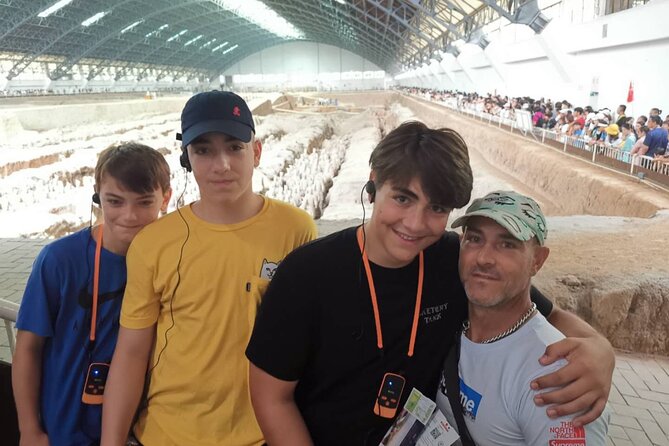
The day starts early, with the tour kicking off so you can get to the Terracotta Army Museum before the worst crowd pressure. The itinerary notes a start at 7:30 a.m. for the visit, which is a smart move. Even if you love history, standing shoulder to shoulder for the whole morning can drain your attention.
When you arrive, you’re walking into a museum built right on the original excavation site. That’s a key detail. It’s not a replica. It’s protective architecture around the ground where the soldiers and horses were found, arranged so the pits and figures can be viewed without the site being exposed.
The visit is structured around three pits, but the plan focuses on Pit 1 and Pit 2 because that’s where most of the discovered figures and weapons are. You’ll also get a sense that the work is ongoing. The information here mentions that there are additional soldiers that remain unexcavated, meaning what you see today is only part of the full story.
That open-ended feeling is part of what makes the Terracotta Army so compelling. You’re not just looking at an artifact, you’re seeing an active archaeology site in the form of a museum.
Pit 1 and Pit 2: what you see, and why it matters
Pit 1 and Pit 2 are where your eyes should land first, and the tour’s approach matches that. The pits contain terracotta figures and weapons arranged by the different roles they played in battle. That organization helps you look beyond the surface scale.
Pit 1 is often where people start to feel the magnitude. The lineup is intense, with figures placed in battle formation. The point is not just the number. It’s the way the army appears as a system, with units assigned and arranged as if they were meant for coordinated action.
Pit 2 adds another layer. The visit frames it as the second major view into the excavation, with another concentration of discovered figures and weapons. Together, Pit 1 and Pit 2 give you a stronger sense of what the Qin state was trying to project through military power.
One specific detail you should keep in your mind: it’s said there are 8,000 soldiers in total, but you can only see part of them in the museum today. That changes how you experience the scale. You stop treating it like a fixed “thing to check off” and start treating it like a partially revealed chapter of a much larger project.
If you like to understand what you’re seeing, this pit-focused structure is one of the best ways to do it in limited time.
A few more Xian days worth comparing
- Xi’an Evening Food Tour by TukTuk
★ 5.0 · 715 reviews - Customized Private Day Tour of Terracotta Warriors and Xi’an
★ 5.0 · 513 reviews - Xi’an: Exclusive Terracotta Army Tour & Local Family Lunch
★ 4.9 · 484 reviews - Half-Day Mini Group Xian Tour to Terracotta Warriors Museum
★ 5.0 · 467 reviews
The art historian guide: the difference between seeing and understanding
What I really value in a guided history stop is when the guide helps you connect facts to visuals. Here, the trip is led by a professional art historian guide, and that shows in how the day is paced and explained.
At the Terracotta Army, you’re not only given a tour of pits and figures. You’re led through context about Qin history and Qin Shi Huang, known as the first emperor in Chinese history. That framing matters because the Terracotta Army can otherwise feel like a massive collection with no “why.”
The guide also matters for what you choose to notice. In one of the standout highlights shared by guests, the guide’s pacing and preparation helped make the whole day easier, including advice before arrival so you can make the most of your time in Xi’an. That kind of upfront thinking is underrated. It reduces the guesswork when you’re in a new city with a tight schedule.
Another thoughtful detail from feedback is transparency about costs. That’s important in China, where entrance fees are common add-ons. When your guide clearly spells out what’s included versus what’s extra, you can focus on the experience rather than budgeting stress halfway through.
At a place like this, a good guide turns your questions into meaningful pauses.
Huaqing Palace: gardens, lotus pools, and Lady Yang’s story
After the morning at the Terracotta Army Museum, you head to Huaqing Palace in the afternoon. The time shift is noticeable, because the mood changes from strict military formations to Tang-dynasty court imagery and landscaped leisure.
Huaqing Palace is described as a retreat space, including hot springs that it’s famous for. You can see the historical connection to bathing culture through ancient bathtubs, tied to Yang Yuhuan, often associated with the famous Lady Yang love story. The itinerary even frames the experience as listening to that romance as you walk through the site.
This is where a guide helps again. Palace gardens can become just scenic walking if you do not have the story anchored to what you’re seeing. With the Lady Yang thread, the trees, pools, and wish-making spots connect to the human element of imperial leisure, not just the architecture.
The tour mentions lotus pools and gardens, and it also highlights that you can still see trees planted together, with lovers making wishes under them. That’s the sort of detail that makes a historical site feel alive in the present, not stuck in the past.
Keep in mind, though, that this is a palace space with outdoor walking. Comfortable shoes are not a suggestion, they’re the smart move for a smoother visit.
Timing, transport, and the lunch gap
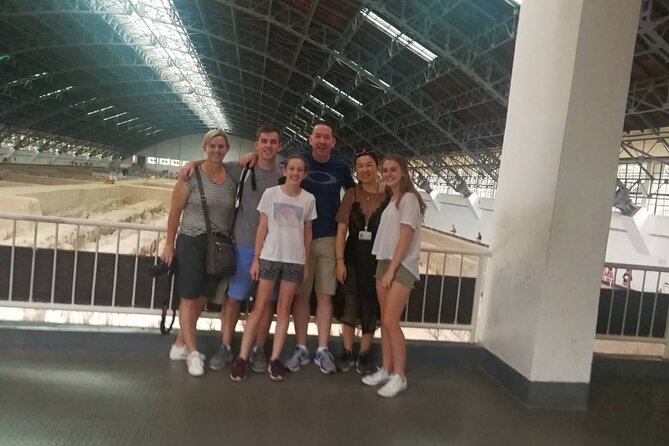
This trip runs about 8 hours total. In practice, that means you’ll likely feel the day as one continuous block: early departure, museum time, then a transfer to Huaqing Palace, then back to your city.
There’s also a built-in lunch gap because lunch is not included. That’s not a dealbreaker, but you should treat it as part of your plan. If you’re the type who hates waiting without knowing where to eat, you’ll want to either eat before you start or plan a simple lunch option near where the day ends.
The transport is designed to reduce stress. You get round-trip private transfer from your city hotel, plus an experienced driver. That keeps you from dealing with schedules and switching between transit lines.
Bottled water is included, which helps in Xi’an’s outdoor walking conditions. Small item, big effect, especially if you’re there early and then spending time outdoors later.
Mobile ticket and what it means for your day
The tour includes a mobile ticket. While you still may need to pay site entrance fees listed separately, having a mobile ticket approach can simplify check-in steps and reduce time spent handling paper.
Private tours often go better when you’re not stuck in ticket lines. Here, the early arrival at the Terracotta Army is already designed to avoid crowds, and the private format should help your time move without extra delays.
Just remember the key separation: mobile ticket is for the tour itself, while entrance fees for the Terracotta Army and Huaqing Palace are listed as not included. You’ll want to bring the budget for site admissions so you do not lose time later.
What stands out most in guest feedback
The overall rating is very strong, and the themes are practical. One big praise point is guidance style. In feedback, Stefanie is singled out as sweet, with pacing that feels right. Another comment highlights that she planned in a way that ensured guests could make the most from the day, including being prepared before arrival.
Transparency also comes up. People appreciated being clear on costs, which makes it easier to avoid surprises mid-day.
Another highlight mentioned in at least one account is the possibility of meeting the farmer who helped found the excavation effort at the Terracotta Army. If that kind of moment lines up with your visit timing, it can add a memorable human connection to the story, plus a photo and autograph mentioned by a guest. You should not assume it will happen for every group, but it’s a nice example of how the day can feel more personal when things align.
Finally, there’s a thoughtful touch at the end of the trip: a guide recommendation for an evening show. That kind of suggestion helps you turn the day into a full experience instead of just “two stops and done.”
Who this private trip is best for
This is a great match if you want major sights with less hassle. If you are traveling in a small group or you simply hate the uncertainty of self-guiding, the private transfer and art historian format make it feel smooth.
It’s also a good fit if you like to learn as you walk. The Terracotta Army stop is not just visual spectacle. You’re guided through Qin-era context and the story of Qin Shi Huang. Then the tour shifts into Tang-era palace atmosphere with the Lady Yang narrative.
If you are short on time in Xi’an, two top-level sites in one day can work well. You get a morning built for crowd control and an afternoon built for storytelling in gardens.
If you dislike walking outdoors, you should still be prepared. Huaqing Palace is garden and palace grounds, so it is not a sit-down experience. Bring water awareness and wear shoes that can handle uneven or long walking days.
Should you book this Terracotta Army and Huaqing Palace private day trip?
I’d book this if you want a guided, private day that hits the two biggest Xi’an icons without turning your schedule into a logistics puzzle. The value is not only the $113 price, it’s the included guide, private hotel pickup, bottled water, and a structured route that focuses on Pit 1 and Pit 2 plus Huaqing Palace.
Do book with the right expectations. Entrance fees are extra, and lunch is on you. You also have an 8-hour day, so you’ll want to be ready for sustained walking and focused attention.
If your priority is understanding rather than just taking photos, the art historian guide angle is a strong selling point. And if you appreciate when a guide sets you up for success with clear guidance and good pacing, Stefanie is clearly leaving a positive mark on the way this day flows.
FAQ
What is the duration of the One Day Private Trip to Terracotta Army and Huaqing Palace?
It is about 8 hours.
What stops are included in the tour?
You visit the Museum of Qin Terra-cotta Warriors and Horses, then Huaqing Palace.
What time does the tour start?
The start time is listed as 8:00 am, and the itinerary indicates arriving at the Terracotta Army Museum after starting around 7:30 a.m.
Is hotel pickup included?
Yes, there is round-trip private transfer from your city hotel.
Are bottled water and transportation included?
Bottled water is included, and the tour includes an experienced driver and fuel surcharge.
Are entrance tickets included?
No. Entrance fees are not included. The Terra Cotta warriors ticket is listed as 120, and the HuaQing Palace ticket is listed as 120 CN¥.
Is lunch included?
No, lunch is not included.
What kind of tickets do I receive?
The tour includes a mobile ticket.
What should I wear for the day?
Comfortable shoes are recommended.
Is there free cancellation?
Yes, you can cancel for a full refund up to 24 hours in advance of the experience start time.
Recently added around Xian
- Xi’an Terracotta Warriors and City Wall Private Day Tour★ 5.0 · 4 reviews
- Xian: Terracotta Army Bus Tour(With Lunch)or Ticket Only★ 4.4 · 7 reviews
- Xi’an: Custom-Made 2-Day Private Tour w/ Panda Center Option★ 5.0 · 3 reviews
- Xian: Terracotta Army Admission Ticket★ 4.6 · 5 reviews
- Xi’an Private Terracotta Warriors and Hanyangling Mausoleum★ 4.7 · 3 reviews
- Xi’an: Royal Banquet with Chinese Cultural Performance★ 3.4 · 3 reviews
- Xi’an: Guided Day Tour to Huaqing Palace & Terracotta Army★ 4.9 · 8 reviews
- Xi’an: Top 3 Highlights All Inclusive Private Day Tour★ 5.0 · 41 reviews
Terracotta Warriors Tours, compared.
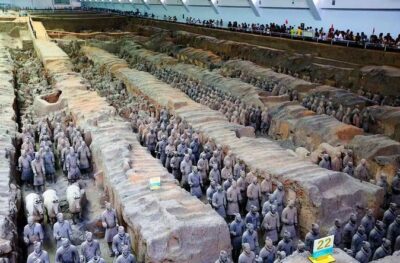
Mini Group Xian Day Tour to Terracotta Army, City Wall, Pagoda and Muslim Bazaar
Read our review →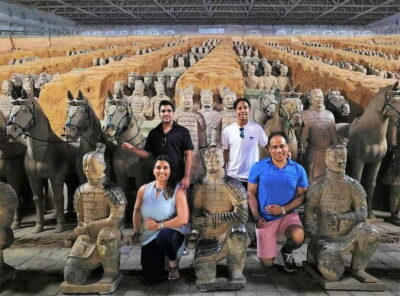
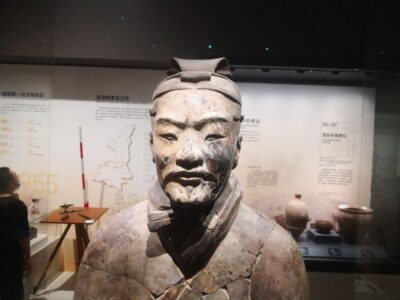
Terracotta Army Ticket & Guided Bus Tour with Options
Read our review →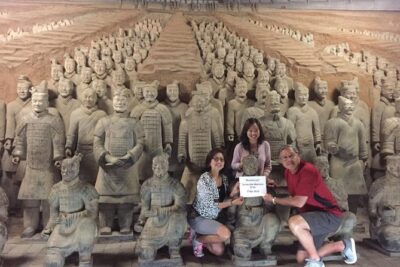
Customized Private Day Tour of Terracotta Warriors and Xi’an
Read our review →Exclusive Terracotta Army Tour & Local Family Lunch
Read our review →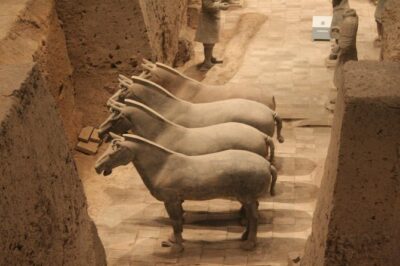
Half-Day Mini Group Xian Tour to Terracotta Warriors Museum
Read our review →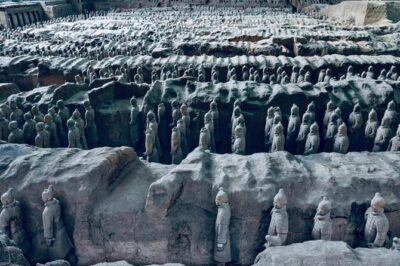
Private Customizable Terracotta Warriors Day Tour with Options
Read our review →Browse the lists this tour appears in