
Reviewed · GUANGZHOU TOURS
Out of Beaten Path Local Perspective Private Tour in Guangzhou
Guangzhou can feel confusing fast, unless you walk it like a local. This private car and English guide route is built for the day-to-day city you do not see on classic itineraries: neighborhood life, street shopping, food-market energy, and parks where locals actually relax. I especially like the way it mixes old-town Cantonese architecture with practical markets, so you come away understanding how people live, not just what exists. One thing to consider, though, is that this is not a checklist of big-ticket sights, so if you need famous landmarks as proof of travel, this style may feel slow.
In This Review
- Quick reasons you might love this local Guangzhou route
- Why a local Guangzhou perspective beats the usual sightseeing
- Price, timing, and the real value of a private car day
- Stop 1, XiGuan MinSuGuan old house community and the Cantonese street view
- Stop 2, Huangsha aquatic product trading market and the sound of commerce
- Stop 3, Qingping Medicine Market and how traditional trade shows up in daily life
- Stop 4, Guangzhou City People’s Park and the simple joy of everyday downtime
- Stop 5, Lychee Bay Scenic Area and how locals stroll, not just pose
- Stop 6, Diandude and rounding out old and new Guangzhou
- Optional: a local family apartment visit and the Cantonese opera connection
- Lunch: optional Cantonese dim sum and how to plan your appetite
- The hidden mix of old town, markets, and Guangzhou changes
- Who should book this private Guangzhou local tour
- Should you book this out-of-the-beaten-path local Guangzhou tour?
- FAQ
- Is this a private tour?
- How long is the tour?
- What is included in the $180 price?
- Are lunch and entrance tickets included?
- Do I get hotel pickup and drop-off?
- Can I cancel for a refund?
Quick reasons you might love this local Guangzhou route
- It is private: just your group, with full attention from the guide and driver
- You get a local lens: old houses, markets, parks, and daily routines instead of the usual highlights
- Most stops are free: several listed areas have no admission fee
- You can add a cultural conversation: optional visit to a local family apartment with Cantonese opera stories
- You travel comfortably: hotel pickup, air-conditioned vehicle, and a professional driver
Why a local Guangzhou perspective beats the usual sightseeing
If you have only a short time in Guangzhou, it is tempting to run from one major attraction to another. This tour takes a different route. You spend your time where locals spend theirs: community streets, trading markets, and public parks. That changes everything. Instead of collecting photos, you start collecting small clues about how the city works.
I also like that the focus stays on culture and daily life, not just monuments. You are not meant to race. You are meant to slow down enough to notice details, ask questions, and understand why certain neighborhoods feel the way they do. It is a good fit for travelers who enjoy people-watching and learning what everyday life looks like in a major Chinese city.
The “out of beaten path” part matters because Guangzhou is a mix of old and new. Even when you are near city bustle, you still get moments that feel neighborhood-scale, like you have slipped into the real day of the city instead of standing outside it.
A few more Guangzhou days worth comparing
- Guided Cycle Tour of Guangzhou
★ 5.0 · 164 reviews - Customised Private Guangzhou City Tour with Flexible Itinerary
★ 5.0 · 107 reviews - Gulong Gorge Skywalk Glass Bridge and Waterfall View Private Tour
★ 5.0 · 103 reviews
Price, timing, and the real value of a private car day
At $180 per person, this is not a budget-only experience, but it can be strong value if you care about time and context. You are paying for three things that add up fast on your own: a local English-speaking guide who can translate what you see, a private car with driver, and hotel pickup and drop-off.
The duration is listed as about 4 to 10 hours. In practice, that range is useful. A shorter version can still deliver a full neighborhood and market feel. A longer day gives more walking time and more chances to stop for questions, photos, and small detours when your guide thinks it is worth it.
Also, check how many people are in your group. The tour notes group discounts, so your per-person cost may improve if you book multiple travelers. And the route is private, so there is no waiting around for strangers. You move at your pace.
One practical note: admission tickets for temples, monuments, or museums are not included if they are needed. Many stops on the route are listed as free, but if your day includes a ticketed cultural site, you will be the one paying those entries (and the guide’s if applicable).
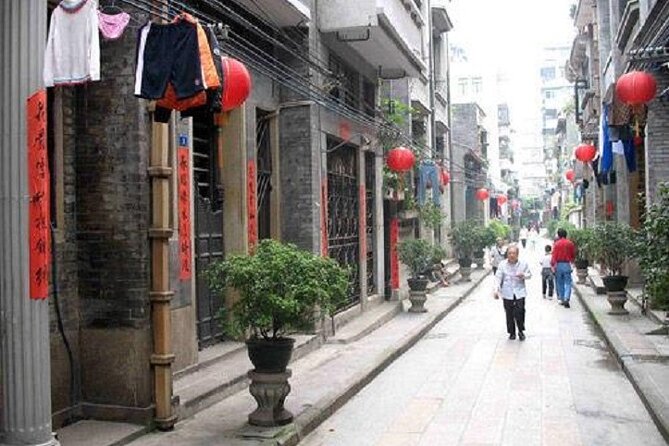
Stop 1, XiGuan MinSuGuan old house community and the Cantonese street view
XiGuan MinSuGuan is the kind of stop that helps you understand Guangzhou’s architecture language. You walk into an old town community built around traditional Cantonese street patterns and house styles. This is not just a pretty exterior photo stop. The value is in how the neighborhood feels when you are physically among the buildings and see daily movement.
Expect about an hour here, and plan to walk rather than rush. I recommend looking for the subtle cues in the streetscape, like how entrances face the sidewalk, how people move between doorways and lanes, and how the built form shapes everyday routines. Your guide can help connect what you see to the larger story of the city’s development.
There is also a simple benefit for first-time visitors. Starting with a place like this helps you build a mental map. After you understand the “old Guangzhou” street rhythm, the later markets and parks start making more sense, because you can compare old and new in your head.
Stop 2, Huangsha aquatic product trading market and the sound of commerce
Huangsha aquatic product trading market is where Guangzhou’s food economy becomes visible. Because it is an aquatic product trading market, you should expect the sights and rhythms of fish and other aquatic goods being handled and sold. Think busy stalls, fast exchanges, and the kind of practical scene that feels real because it is real.
You have around an hour. Use that time to ask your guide what you are seeing. A market like this can look chaotic if you only watch passively. With an English-speaking local guide, you can often understand what different goods are used for, how trading happens, and why certain products matter in Cantonese food culture.
A consideration: markets are active. Wear comfortable shoes and expect some crowding. If you are sensitive to strong smells, give yourself a moment to adjust. The best way to enjoy it is to treat it like a sensory learning lab, not a photo safari.
Same city, a very different kind of day:
- Private Guangzhou Full Day City Tour with Old and New Highlights
★ 5.0 · 62 reviews - Reputable Private Guangzhou Tour Guide Service by Xaq
★ 5.0 · 60 reviews - Custom Private Guangzhou Tour with Local Guide and Private Car
★ 5.0 · 39 reviews - Guangzhou: Pearl River 1-hour Night Cruise (Optional Piers)
★ 3.8 · 39 reviews
Stop 3, Qingping Medicine Market and how traditional trade shows up in daily life
Qingping Medicine Market is another practical lens on culture. The name tells you what the focus is: medicine trading. In this setting, you are not reading about traditional remedies in a book. You are seeing a trading scene that has its own logic, signage, and product categories.
You get about an hour, which is enough time to slow down, look around, and ask basic questions without feeling trapped in a long shopping session. I like markets like this because they connect culture to commerce. You start to see how traditional knowledge turns into everyday business.
A useful mindset: do not try to learn everything at once. Ask your guide to point out the most common items and explain what they are typically used for. Then you can form a clearer understanding of how Guangzhou’s daily life links to health and food traditions.
If you plan to shop, bring cash or confirm what payment methods are accepted. The tour data does not list payment details, so it is smart to be prepared for market-style transactions.
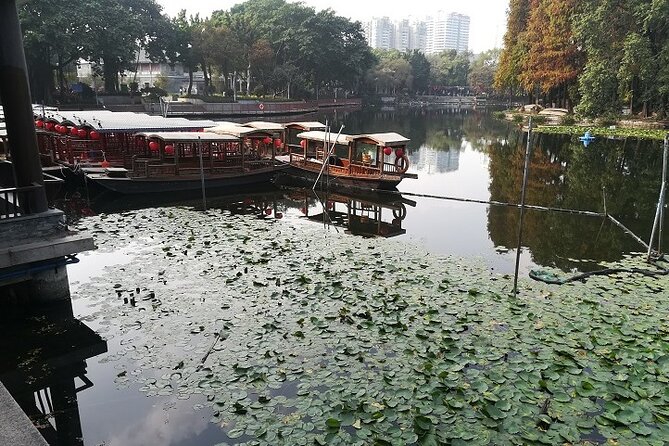
Stop 4, Guangzhou City People’s Park and the simple joy of everyday downtime
People’s parks are one of my favorite “local life” formats in any Chinese city. This stop lasts about an hour at Guangzhou City People’s Park, and the payoff is watching how people rest, exercise, chat, and spend time outdoors.
This is where your tour becomes less about sights and more about rhythms. Markets show trade. Old neighborhoods show architecture. Parks show health routines, social habits, and what “free time” looks like for ordinary residents.
Even if you do not understand every conversation, the body language does the work. People gather in groups, move in patterns, and use open space in ways that reflect local preferences. With a guide, you can also ask what activities are common and when they happen, which helps you read the scene instead of just observing it.
Practical tip: bring water and take shade breaks if the day is warm. Parks can be great, but you are also outdoors for long stretches during a walking day.
Stop 5, Lychee Bay Scenic Area and how locals stroll, not just pose
Lychee Bay Scenic Area is listed as a one-hour stop with no admission. That usually signals a stroll-friendly place rather than a museum-style site. This is the kind of stop that can work well in the middle of the day, after markets, when you want something calmer and more walkable.
Because the tour focuses on daily life, I would approach Lychee Bay with two goals. First, watch how locals move through the space: where they pause, where they shop, and how they treat the area as a social destination. Second, use your guide to connect the “scenic” label to what people actually do there.
You may also notice the tour’s theme of pedestrian street life here and in nearby stops. Guangzhou can surprise you with how local and casual city walking can feel when you are not trying to chase landmarks.
If you want photos, this stop is often easier to enjoy than ticketed attractions. But still, keep expectations reasonable. Scenic areas are best when you treat them as a walk, not a checklist.
Stop 6, Diandude and rounding out old and new Guangzhou
Diandude is the last listed stop, around one hour, and it continues the tour’s main idea: seeing Guangzhou beyond the postcard circuit. The route is designed to help you understand what different neighborhoods feel like, not just what famous buildings look like.
I suggest using this final neighborhood hour to consolidate your questions. By now, you have seen traditional streets, trading markets, and public leisure space. Ask your guide what ties it together. For example, how the old community patterns compare to what you have seen in newer commercial areas.
Also, this is a great point to decide if you want to lean more into walking culture or more into food conversation. Some guides can help you adjust the day as long as time remains.
One more practical consideration: because the day is private, the pacing can feel more “you-shaped.” If you want extra resting time, mention it early so your driver and guide can plan stops accordingly.
Optional: a local family apartment visit and the Cantonese opera connection
The optional add-on is where this tour becomes personal. You can visit a local family on a medium-class residential apartment standard in a local community. You talk and interact with the hosts, who are Cantonese opera lovers and went through the cultural revolution in their youth.
That matters because it shifts the tour from “seeing places” to “hearing lived experiences.” Instead of learning facts from signs, you are sharing conversation with people who carry memory. If you enjoy cultural exchange that goes beyond surface-level Q and A, this can be the standout moment.
This is also a place to approach with respect and patience. Even when language is partial, the guide helps set expectations and keep the tone comfortable. Bring a curious mindset and be ready for stories that may be emotional.
If you do not want a home visit, you can skip it. The tour still delivers plenty of street, market, and park time.
Lunch: optional Cantonese dim sum and how to plan your appetite
Lunch is described as optional Cantonese dim sum, not included in the listed price. That gives you control over one big variable: how hungry you are and how adventurous you feel about trying local dishes in the middle of a walking day.
I like dim sum for a day like this because it suits the pace. You can eat without a long sit-down process, and you get flavors that connect strongly to Cantonese food culture. Your guide can also help you order what makes sense for your group and preferences.
Budget tip: factor in dim sum costs if you want lunch included in your day plan. Since the data does not specify a price, you will need to check with the operator or be ready to pay on the spot.
The hidden mix of old town, markets, and Guangzhou changes
One of the best things about this style of private route is the contrast. You start in old-town community streets, move into trade-focused markets, then slow down in parks and scenic areas. That structure mirrors how many locals think about the city, not as a single attraction but as a set of everyday worlds.
And on some days, the route can include additional city-scale spots that blend newer and older Guangzhou. For example, you might find a newer library tour, a Buddha temple stop, a shaking hands themed area, or even an outdoor opera-style experience. The exact order can vary, but the overall idea stays consistent: mix city change with city continuity so you get a more complete feel.
Who should book this private Guangzhou local tour
I think this tour fits best if you want:
- a local perspective and daily-life understanding, not just famous buildings
- a guide who can translate what markets and neighborhoods mean
- a comfortable day plan with hotel pickup, air-conditioned transport, and a private driver
It may not be ideal if you:
- only want landmark-style attractions
- prefer fully guided indoor museum time
- get impatient with walking and street-level scenes
Should you book this out-of-the-beaten-path local Guangzhou tour?
If your goal is to understand Guangzhou as a living city, I would say yes, it is worth considering. The private format, English-speaking local guide, and car with driver reduce hassle while you focus on what matters: neighborhood life, trading markets, and everyday downtime in parks. The fact that many stops are listed as free also helps the value side of the equation.
My one caution is expectations. This is not a big-sights marathon. You will get more satisfaction if you enjoy street-level learning, asking questions, and letting the city unfold one stop at a time.
If you want, tell me your travel dates and how long you want the tour to be, 4 to 6 hours or closer to 8 to 10. I can suggest a practical approach to pacing and whether the optional family visit and dim sum lunch are worth adding for your group.
FAQ
Is this a private tour?
Yes. This is a private tour/activity where only your group participates.
How long is the tour?
The duration is listed as about 4 to 10 hours.
What is included in the $180 price?
The price includes hotel pick up and drop off, a local English-speaking tour guide with full escort, an air-conditioned vehicle, and private transportation.
Are lunch and entrance tickets included?
Cantonese dim sum lunch is optional and not included. Also, temple, monument, or museum entrance tickets are not included if needed.
Do I get hotel pickup and drop-off?
Yes. Hotel pick up and drop off are included.
Can I cancel for a refund?
No. This experience is non-refundable and cannot be changed for any reason. If you cancel or ask for an amendment, the amount you paid will not be refunded.
Recently added around Guangzhou
- Big Buddha Mountain Martial Art Culture Countryside Private Tour★ 5.0 · 31 reviews
- Hong Kong One Day Private Tour from Guangzhou by Bullet Train★ 5.0 · 3 reviews
- Seven Star Crags Karst Cave Mirror Lake Bird Islands Private Tour★ 5.0 · 30 reviews
- Private Tour to Gulong Canyon with Glass Bridge and Water Falls from Guangzhou★ 5.0 · 20 reviews
- Seven Star Crag and Dinghu Mountain private day tour from Guangzhou★ 5.0 · 5 reviews
- Glass Bridge and Water Falls Private Car Service from Guangzou★ 4.5 · 3 reviews
- Buffet Dinner at Canton Tower Revolving Restaurant with Pearl River Night Cruise★ 3.0 · 5 reviews
- Private flexible Guangzhou City Sightseeing Tour with Dim-Sum Tasting★ 5.0 · 5 reviews
Guangzhou Tours, compared.
Customised Private Guangzhou City Tour with Flexible Itinerary
Read our review →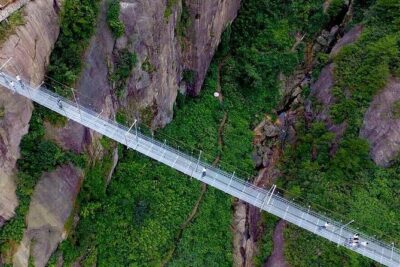
Gulong Gorge Skywalk Glass Bridge and Waterfall View Private Tour
Read our review →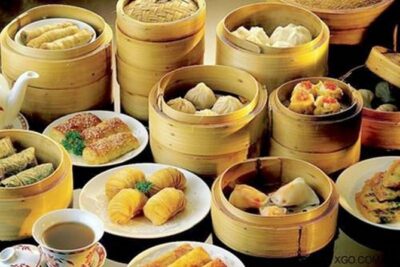
Private Guangzhou Full Day City Tour with Old and New Highlights
Read our review →
Reputable Private Guangzhou Tour Guide Service by Xaq
Read our review →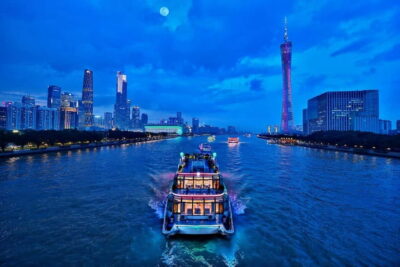
Pearl River 1-hour Night Cruise (Optional Piers)
Read our review →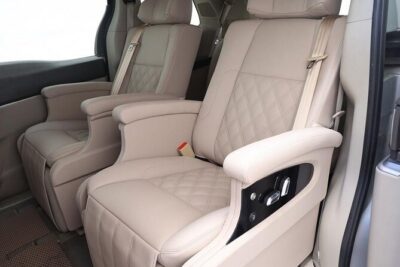
Custom Private Guangzhou Tour with Local Guide and Private Car
Read our review →
Guangzhou Pearl River Night Cruise and Canton Tower Private Tour
Read our review →Browse the lists this tour appears in