
Reviewed · GIANT PANDA TOURS
Panda Volunteer expperience in Dujiangyan or Wolong Panda Base
Panda work beats panda selfies, and I really liked the hands-on enclosure clean-up plus the structured learning time with a documentary and guide. The possible downside is you should not expect to get much closer to pandas than a regular visitor, this trip is about doing the work, not collecting close-up photos.
If you want a day that feels meaningful, this one has the right bones: you start early, get kitted up, help with panda-care basics, then finish with a panda cake workshop and a volunteer certificate. The setting matters too, since Dujiangyan’s base is about 70 km from Chengdu, and it’s built around a wild-feeling environment with around 40 pandas, including Bao Bao, born in Washington, DC.
In This Review
- Key highlights you’ll care about
- Dujiangyan or Wolong, and why the morning drive is part of the deal
- Entering the base: registration, work suit, gloves, and a panda pass
- The volunteer work: cleaning enclosures, cracking bamboo, and moving leftovers
- The guided walk: learning panda stories across multiple enclosures
- Lunch at the base: a simple buffet reset
- Panda documentary hour: science facts and daily-life context
- Panda cake workshop and your bamboo leaf cutting moment
- The pace: why this is a rough schedule and how to plan your day
- Price and value: what $272.83 includes (and what it implies)
- Who this volunteer day is best for
- Should you book the Panda Volunteer day in Dujiangyan or Wolong?
- FAQ
- How long is the Panda Volunteer experience?
- What parts of the day are included?
- Is pickup and transportation included?
- Is admission included in the price?
- What about lunch?
- What happens if weather is poor?
Key highlights you’ll care about

- Morning volunteer gear: You register, then put on the work suit, gloves, and volunteer pass.
- Real panda-care tasks: You’ll help clean enclosures, crack bamboo, and move leftovers.
- A guided walk through multiple enclosures: It’s structured so you learn while you look.
- Documentary + hands-on workshop: Panda film time, then panda cake making and bamboo leaf cutting.
- A calm ending with a certificate: You leave with a tangible reminder of your day.
- A tight schedule that can shift: Timing may adjust based on panda conditions.
Dujiangyan or Wolong, and why the morning drive is part of the deal
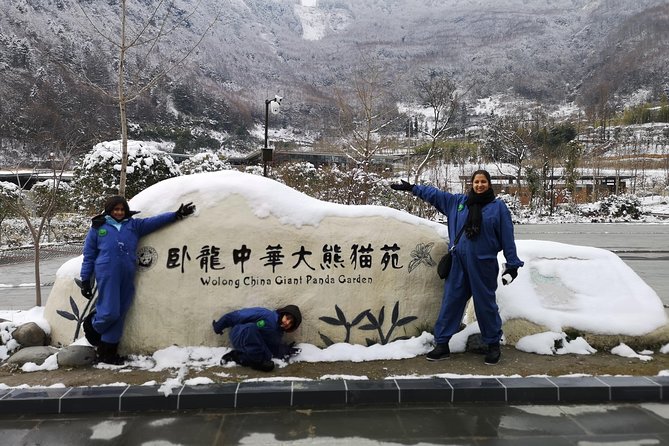
Chengdu is your starting point, and you’ll typically be picked up around 7:00 am. The total day runs about 10 hours, which includes the drive and a full sequence of activities, plus time for lunch and breaks. That may sound long on paper, but when you’re working with a morning routine, it actually keeps the experience feeling focused instead of rushed.
If you get Dujiangyan Giant Panda Base, it’s about 70 km northwest of Chengdu and takes roughly 1.5 hours to reach. That distance matters because it sets expectations: you’re going to leave the city behind and spend the day in a panda-centered landscape. If your plan is routed to Wolong Panda Base instead, the format is the same, but the exact surroundings will differ since the details provided here are specific to Dujiangyan.
Also, you’re dealing with a real life-care schedule. The day tour has a rough plan, and it may shift depending on panda conditions. I like that honesty up front, it means you’re not fighting the clock for check-box photos.
More Panda Tours in Chengdu & Sichuan
- Chengdu: Giant Panda Breeding Research Base Ticket
★ 4.5 · 580 reviews - Private Half-Day Chengdu Panda Breeding Center Tour with Optional Volunteer
★ 5.0 · 353 reviews - Private Chengdu Day Tour: Giant Pandas and Jinsha Site Museum
★ 5.0 · 142 reviews
Entering the base: registration, work suit, gloves, and a panda pass
The day starts with a registration window around 8:40-9:00. This is when you complete the paperwork, then get your volunteer kit: a work suit, gloves, and a volunteer pass card. It’s a small thing, but it changes the whole vibe. You stop being a spectator and start being part of the workflow.
This setup also tells you what kind of day it is. You’re not just paying for entry and a walk through cages. You’re joining a care-and-maintenance rhythm, even if your tasks are guided and controlled. That means you’ll want to show up ready to move, not just ready to pose.
I also like that there’s an English-speaking guide included. One review mentioned Molly as the guide, and another highlighted Robert for being super friendly and patient. Having an interpreter on-site matters because panda care and habitat explanations can get technical fast, and you’ll get more out of the day when you can actually follow what’s happening.
The volunteer work: cleaning enclosures, cracking bamboo, and moving leftovers
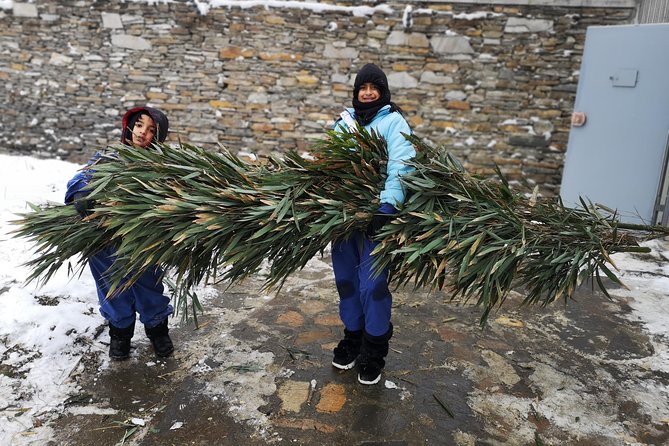
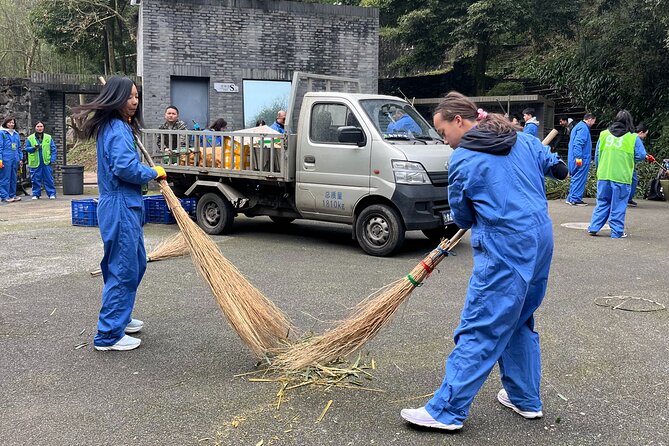
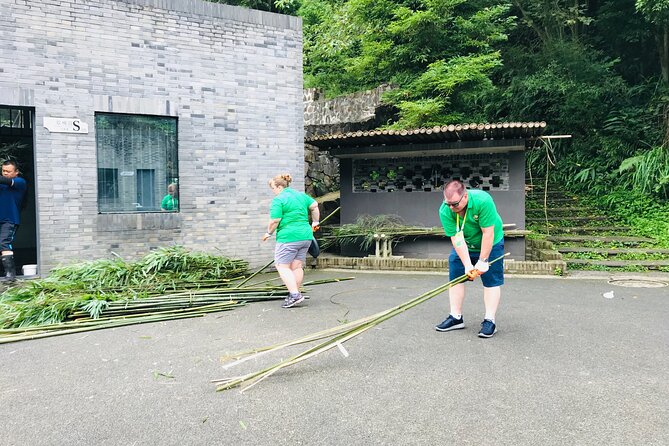
The heart of the experience is the morning volunteer block, roughly 9:00-10:00. This is where you’ll clean the panda enclosure area and help with basic feeding-prep chores like cracking bamboo and carrying leftovers. You’re not doing anything dangerous or complicated, but you are doing physical, practical work.
And that’s the point. If you want to feel like you contributed, this is where it clicks. You’ll likely notice that the work is less about dramatic moments and more about repetition and care. Think: make the space better, prepare what pandas need, keep the routine running.
One review noted that the experience includes little opportunity to get closer to pandas than normal visitors. That’s actually consistent with how a care-focused volunteer shift works. You’re likely not hovering near the best selfie angles. Instead, you’re working in and around the habitat systems while staff handle the panda-specific access.
If you’re the kind of person who enjoys helping rather than watching, you’ll get your money’s worth faster here.
The guided walk: learning panda stories across multiple enclosures
After your volunteer chores, the schedule shifts to observation. Around 10:00-11:30, you walk around other panda enclosures to see the animals and learn more stories. This part matters because it connects the work you did to the life you’re seeing now.
Dujiangyan’s base is described as having about 40 pandas, and it includes notable ones like Bao Bao, born in Washington, DC. That kind of detail helps you attach names and stories to what you’re seeing, instead of just thinking, yep, it’s a panda.
The guide component really shapes this hour. In one case, Molly spent a lot of time acting as interpreter, which can be a good thing if you want explanations, not just logistics. In another case, Robert customized the tour and was very patient and knowledgeable about both pandas and habitat. Either way, the walking portion is your chance to turn effort into understanding.
One practical tip: if you care about photos, you may still get some. But I’d treat it as a learning walk first, photo session second. Your best results will come when you watch their behavior and habitat cues, not when you chase closeness.
More panda base visits:
- Dujingyan Panda Sanctuary Half day tour option panda volunteer
★ 5.0 · 106 reviews - Visiting Dujiangyan Yaan Wolong Panda Base Optional Volunteering
★ 5.0 · 105 reviews - Leshan Grand Buddha Scenic Area and Panda Park Day Tour
★ 4.7 · 67 reviews - Dujiangyan Panda Volunteering Experience with Lunch
★ 5.0 · 66 reviews
Lunch at the base: a simple buffet reset
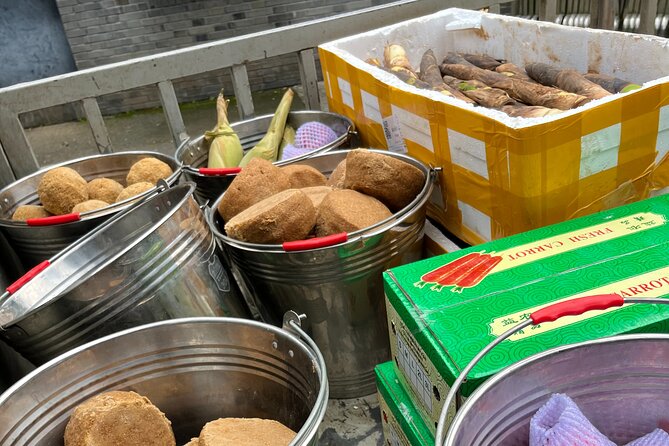
You get lunch and break time around 11:30-13:00. The included meal is a simple buffet at the panda base. Simple usually means predictable and fast, which is helpful on a day that already runs near 10 hours.
This is also a good moment to refuel before the workshop block. Volunteer work uses muscles you didn’t plan to use, especially if you’re carrying things or doing repetitive cleaning tasks. I’d bring a small amount of water or plan to buy during breaks if you need it, since the schedule is tight and the day begins early.
Also, lunch at the base is part of the value. You don’t have to coordinate taxis or figure out what’s nearby. You stay within the program flow, which keeps you from losing time that could go toward the documentary and panda cake activity.
Panda documentary hour: science facts and daily-life context

From about 13:00-14:00, the day includes a panda documentary session. This is where you shift gears from what you did in the morning to what’s happening behind the scenes at a scientific and care level.
I like this timing because it prevents the day from becoming two separate chunks: work in the morning, then workshop later. The documentary gives you a bridge. You can connect your tasks and habitat observations to broader facts about panda life and the kind of care used in a conservation setting.
The English-speaking guide also helps you translate what you’re seeing in the documentary into plain language during the rest of the day. If you prefer to understand before you craft, this hour will feel like a useful pause.
If you do not care about films, you still might find it worth paying attention to. You’ll notice that “panda facts” are often more practical than you expect, like why certain foods and habitat routines matter.
Panda cake workshop and your bamboo leaf cutting moment
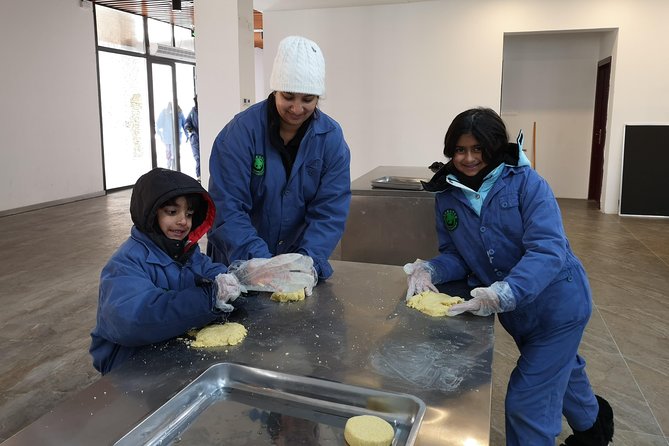
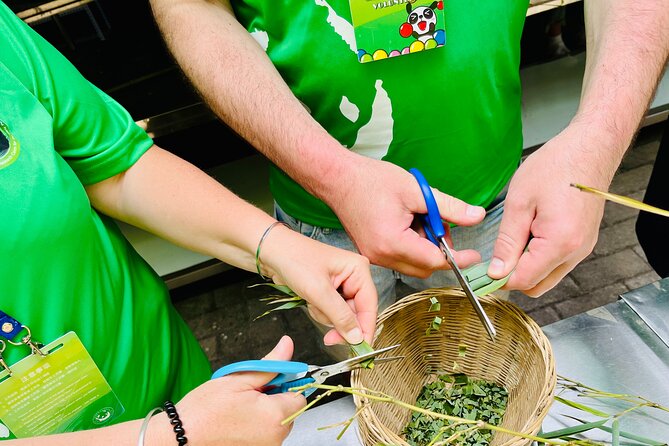
The final hands-on block runs roughly 14:00-15:00. You’ll make panda cakes, cut bamboo leaves, and then receive a certificate of panda volunteering experience.
This is the part that tends to feel the most fun, but it still makes thematic sense. In the morning you helped with bamboo handling and prep tasks. Here, you do a food craft that ties back to pandas and the routine of preparation.
The certificate is more than a souvenir. It gives closure to the day and makes the volunteer work feel official. It’s also a nice option if you’re traveling as a couple, friends, or a family unit because it gives everyone something to keep.
One thing to keep in mind: workshops take time and the day is planned around panda care realities. Don’t treat this like a quick photo stop. Come ready to participate.
The pace: why this is a rough schedule and how to plan your day
The schedule runs 7:00-17:00 in total, with the internal segments listed in the rough order below:
- 7:00-8:40 pickup and drive to Dujiangyan or Wolong Panda Base
- 8:40-9:00 registration, work suit, gloves, volunteer pass
- 9:00-10:00 volunteer tasks, cleanup and bamboo prep
- 10:00-11:30 guided walk through enclosures
- 11:30-13:00 lunch and break
- 13:00-14:00 panda documentary
- 14:00-15:00 panda cakes, bamboo leaf cutting, certificate
- 15:00-17:00 drive back to downtown Chengdu
The key phrase here is rough schedule. It can be affected by panda conditions. That’s not just a disclaimer. It means you should keep your expectations flexible. I recommend planning no tight appointments for later that evening.
Also, expect the day to feel structured, like you’re following a care routine rather than freely wandering a zoo. This suits people who like clarity and pacing. If you’re the type who hates scheduled blocks, you might find it more “program” than “free roam.”
Transport can also shape comfort. One review praised a comfortable vehicle, while another mentioned a small and old transport bus. So I’d assume ride comfort may vary by vehicle assigned to your group.
Price and value: what $272.83 includes (and what it implies)
At $272.83 per person, this isn’t a cheap “just go see pandas” add-on. The value comes from what’s bundled together, not from the pandas ticket alone. You’re getting admission included, simple buffet lunch, private transportation, English-speaking guide support, and all fees and taxes. On top of that, you get the actual volunteer programming: cleaning tasks, bamboo cracking and prep, plus the documentary and panda cake workshop.
That combination matters. If you were to try to recreate this on your own, you’d likely spend time coordinating transport, buying entry, and finding English explanations that make the day make sense. Here, the program keeps you on track from morning pickup through your workshop and return.
The tradeoff is the experience style. You are paying for contribution and guided learning, not for maximum panda proximity. One review emphasized that there is little opportunity to get closer to pandas than a normal visitor. If your main goal is being within arm’s reach for selfies, you may feel disappointed. If your goal is a meaningful day where you do panda-related tasks and learn why, the pricing starts to make sense.
Group discounts are available, which can make the cost feel more reasonable if you’re traveling with others.
Who this volunteer day is best for
This works best for you if you want structured conservation-style participation rather than a typical zoo visit. It’s also a strong match for travelers who enjoy an English-guided explanation of pandas and habitat, especially if you like learning during the walk and documentary segments.
It also suits families and groups who can appreciate both hands-on tasks and a final take-home certificate. The workshop and panda cake activity give the day a lighter, celebratory ending after the physical volunteer work.
You might want to pick a different type of panda day if:
- You mainly want close-up panda encounters and lots of unscheduled wandering.
- You dislike physical tasks, even simple ones like cleaning and bamboo prep.
- You prefer a purely flexible schedule.
Should you book the Panda Volunteer day in Dujiangyan or Wolong?
Book it if you like the idea of starting early, doing real panda-care prep, and learning along the way. I think it’s especially worth it when you’re pairing the volunteer shift with an English guide, a documentary session, and the panda cake workshop, because those pieces turn a regular base visit into a full day with purpose.
I’d skip or reconsider if your top priority is proximity to pandas, since the format is designed around work and habitat routines more than close access. Also, plan your expectations around the rough schedule, since panda conditions can shift timing.
If your idea of a great Chengdu day includes both hands-on contribution and a clear, guided flow, this panda volunteer experience is a solid choice.
FAQ
How long is the Panda Volunteer experience?
It runs about 10 hours. The day includes pickup from 7:00 am, base activities, lunch, documentary and workshop time, and a return to downtown Chengdu.
What parts of the day are included?
You’ll have registration (including a work suit, gloves, and volunteer pass), volunteer tasks in panda enclosures, a guided walk around other enclosures, lunch, a panda documentary, and a panda cake workshop with bamboo leaf cutting and a certificate.
Is pickup and transportation included?
Yes. Pickup is offered, and private transportation is included for the drive between Chengdu and the panda base.
Is admission included in the price?
Yes. Admission ticket is included as part of the experience.
What about lunch?
Lunch is included as a simple buffet meal at the panda base.
What happens if weather is poor?
The experience requires good weather. If it’s canceled due to poor weather, you’ll be offered a different date or a full refund.
Recently added around Chengdu
- Visiting Chengdu Panda Base in a Half Day★ 5.0 · 4 reviews
- Classsic sichuan Opera at sichuan Provincial Theater★ 5.0 · 4 reviews
- Tea Village in lost Town and Buddha 1 day tour★ 5.0 · 32 reviews
- Sichuan Opera Show with Hotel Pickup★ 5.0 · 3 reviews
- Panda, Leshan, and Emei Mountain 2-day tour★ 5.0 · 4 reviews
- Skip the Line: Sichuan Opera Chengdu Ticket★ 4.0 · 8 reviews
- Sichuan Opera with face-changing at Sichuan opera theater★ 4.5 · 6 reviews
- Private Half-Day Tour in Sichuan Culture Show with Hot Pot Dinner in Chengdu★ 4.5 · 15 reviews
Giant Panda Tours, compared.


Private Half-Day Chengdu Panda Breeding Center Tour with Optional Volunteer
Read our review →
Beijing Historical Tour II including Summer Palace, Lama Temple & Panda Garden
Read our review →
Private Chengdu Day Tour: Giant Pandas and Jinsha Site Museum
Read our review →
Dujingyan Panda Sanctuary Half day tour option panda volunteer
Read our review →
Visiting Dujiangyan Yaan Wolong Panda Base Optional Volunteering
Read our review →
Beijing Private Tour to Temple of Heaven, Panda House and Summer Palace
Read our review →Browse the lists this tour appears in