Reviewed · SHANGHAI TOURS
Red Route Tour- Chinese Communist Party
Communism history, in walking distance. I like how this tour strings together real Shanghai locations tied to the Chinese Communist Party, with hotel pickup and a professional historian guide to connect the dots. I’m especially drawn to the stop built around Cultural Revolution propaganda posters, and I also like the way the guide’s timeline style makes modern events easier to hold in your head. One thing to consider, this is CCP focused and told through that lens, so if you want a lot of counter-narratives, you may find it one-sided.
You’ll spend about three hours on a tight route around the Xintiandi area and nearby highlights. The experience is private in the sense that only your group participates, and the stops are listed with free admission. The catch is that you may still pay for between-stop rides, since the tour notes local travel but doesn’t include transportation in the price.
You should also plan to walk some city blocks and mix in quick transit, so wear comfortable shoes. If you like a structured outing that also leaves you with neighborhood context for later exploring, this fits well. The mobile ticket makes the day feel low-friction once you’re set up.
In This Review
- Key highlights worth planning for
- CCP in Shanghai, told through real places
- Getting oriented at Xintiandi, from shiny streets to political origins
- The birthplace stop, and why it feels different in person
- Propaganda Poster Art Centre, where messaging becomes an object
- XinTianDi BeiLi, finishing with neighborhood context
- The guide factor, why Penny’s style shows up in the reviews
- Timing and pacing, what 3 hours really means
- Value for $85, when the cost matches the content
- Practical tips so the day stays smooth
- Who should book this tour, and who might skip it
- Should you book Red Route Tour: Chinese Communist Party?
- FAQ
- How long is the Red Route Tour in Shanghai?
- What does the tour cost per person?
- Where does the tour take place?
- Is hotel pickup included?
- Is the tour private?
- Are admission tickets included?
- How do you travel between stops?
- Do I need to bring anything?
- Is there a mobile ticket?
- What if I book close to my travel date?
- What is the cancellation policy?
Key highlights worth planning for
- Hotel pickup in central Shanghai, so you start the story with less hassle
- A historian guide who keeps modern history moving in a clear timeline
- Cultural Revolution-era propaganda posters at the Propaganda Poster Art Centre
- Xintiandi area connections, including the First National Congress site
- Free admission listed for the stops, so you spend on experiences, not tickets
- A focused half-day pace, about three hours, ideal for first-timers
CCP in Shanghai, told through real places
If you’re trying to understand how the Chinese Communist Party became the center of modern China, this tour gives you a practical on-ramp. It doesn’t just talk dates in the abstract. It uses Shanghai locations to show you where the story begins, where it turns, and how state messaging became part of everyday life.
I like that the route stays concentrated, mostly around the Xintiandi zone. That makes the tour feel efficient, and it also helps you later recognize the area when you wander on your own. You’ll get guide commentary designed for history-minded people who want structure without spending the whole day in museums.
The biggest value here is the guide’s pacing. In the reviews, Penny is mentioned for turning a dense timeline into something you can actually follow. You don’t need a degree to benefit, you just need to show up ready to look at what’s in front of you and let the guide connect it.
A few more Shanghai days worth comparing
- Authentic Local Food Tour in Central Shanghai
★ 5.0 · 1,382 reviews - Zhujiajiao Water Town and Shanghai City Private Day Tour
★ 5.0 · 1,016 reviews - Private Shanghai Full Day City Tour with Old and New Highlights
★ 5.0 · 995 reviews
Getting oriented at Xintiandi, from shiny streets to political origins
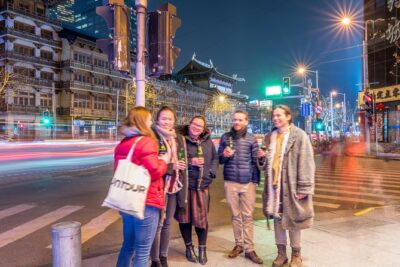
Your first step is Xintiandi, and that’s an interesting choice. This is a modern, stylish Shanghai neighborhood, so walking through it right away sets up a useful contrast. You’ll pass posh restaurants and fancy boutiques as you head toward the sites tied to the CCP’s early days.
The stop here centers on the First National Congress site. The context matters. Xintiandi can feel like a place for dinner plans, but your guide reframes it as a starting point for a political movement that later shaped nearly everything. If you care about why modern China looks the way it does, that contrast is more than aesthetic. It’s the point.
The “drawback” to know is also about context. Some people come wanting a purely academic lecture or a purely museum-focused day. Instead, you’re mixing street-level walking with history narration, so it works best if you’re comfortable switching gears every few minutes.
The birthplace stop, and why it feels different in person
From Xintiandi, the tour shifts into the CCP birthplace story. The name on the route is the Birthplace of Chinese Communist Party, and it’s handled as another key piece in the same timeline. This is where the tour starts to feel like you’re moving from the idea of a congress to the origin point of a party.
What I like about this part is how it reinforces the idea that political power grows out of specific people and places. When you see it in a city neighborhood, the story stops being only a chapter in a textbook. You also get a clearer mental map for later, when you hear terms like early party formation and recognize they were not just “events,” but processes.
One consideration, and it comes with any political-history route. Since it’s presenting official CCP milestones, you’ll likely feel the emphasis on the party’s legitimacy and development. If you’re the type who wants to compare multiple perspectives side-by-side, keep that in mind and plan to balance your trip with other readings or viewpoints afterward.
Propaganda Poster Art Centre, where messaging becomes an object
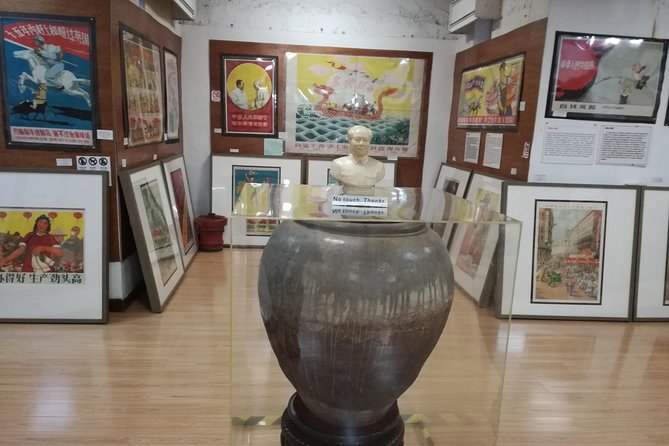
The most memorable part for many visitors is the Shanghai Propaganda Poster Art Centre. This stop is built around materials from the Cultural Revolution, and that single detail changes how you’ll interpret everything else from the day.
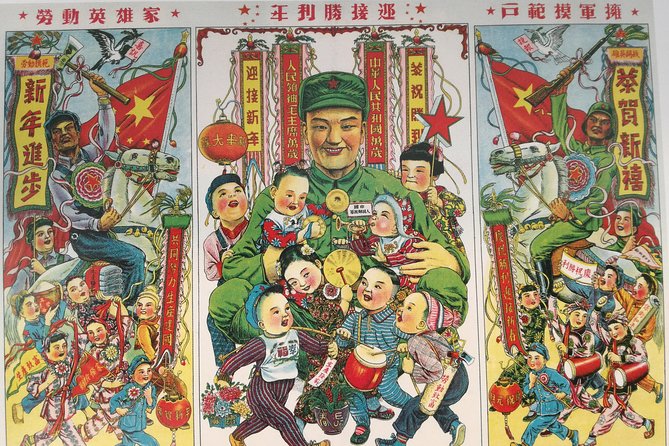
Posters are an oddly powerful way to learn history. They’re not neutral artifacts. They were designed to persuade, recruit, and shape public mood. By focusing on visual propaganda, the tour shows you that the CCP did not only build institutions. It also learned to build communication systems, and posters were one of the most visible tools.
I also think this stop works well as a “time anchor.” The earlier stops deal with beginnings. This one deals with a period where messaging went more intense and more public. If you’re taking in Shanghai for the first time, this museum stop is also a strong pause button. You get a break from street-level walking and can focus on the displays while your guide explains what you’re looking at.
You’ll want to spend enough attention here. The posters can be striking, even if you’re not a history buff. The guide commentary helps you connect themes to events, rather than just admiring artwork style.
Same city, a very different kind of day:
- Shanghai: 3-Hour Local Food Tasting Tour
★ 4.9 · 806 reviews - Shanghai: Hop-on Hop-off Bus Ticket and Optional Attractions
★ 3.4 · 692 reviews - Shanghai Private Tour: Zhujiajiao Water Town and Boat Ride
★ 5.0 · 661 reviews - Eat Like A Local: Shanghai Night Food Tour
★ 5.0 · 616 reviews
XinTianDi BeiLi, finishing with neighborhood context
The final stop is XinTianDi BeiLi, still within the Xintiandi orbit. Even though the route stays in the same general zone, ending here matters because it brings you back to the reality of Shanghai street life. By now, you’ve seen the political origins and a major propaganda period. Finishing with a neighborhood-oriented stop helps you reset from big historical themes back to how the city actually feels.
This last portion is likely more about guided walking and tying up the narrative thread than about a single “wow” exhibit. If you’re hoping for wall-to-wall museum time, you may find the ending more like a structured stroll. If you enjoy mixing history with the lived city, it’s a good way to close.
A practical tip: since you’re walking through a very central area and mixing routes, keep your stamina. You’re not doing a full day, but the half-day still adds up when you layer narration and short transit.
The guide factor, why Penny’s style shows up in the reviews
The tour is led by a professional historian guide, and that’s a big deal for this topic. Modern political history can turn into a list of names and dates fast. A good guide makes the story feel connected, and the reviews highlight Penny for doing exactly that.
What stands out from the feedback is the timeline approach. Penny is described as taking people down the Chinese history timeline in a way that feels concise and lively. That’s the kind of guidance you want when you’re trying to remember details later, not just understand them in the moment.
You also get practical value beyond facts. One review notes restaurant and shopping recommendations after the tour. That’s a small extra, but it matters. A good history tour should leave you with next-step confidence, so you can plan dinner and wander with your bearings.
Timing and pacing, what 3 hours really means
This is a half-day tour, about three hours. That’s a sweet spot for many people in Shanghai. You get meaningful content without burning a full morning or afternoon.
The day starts with meeting at your centrally located hotel and then heading to the Xintiandi area. You should expect short segments of walking, plus between-stop movement. The overview notes that you continue by subway or taxi to the Propaganda Poster Art Centre. Because transportation is listed as not included, you should be prepared to cover local transit costs directly, depending on what you and your guide use on the day.
If you’re tightly scheduling your trip, this tour is easy to slot in. It also pairs well with other Shanghai visits that help you see the city’s broader story, because it focuses specifically on the CCP thread.
Value for $85, when the cost matches the content
At $85 per person, the value depends on what you’re hunting for. If you only want a quick photo stop, this price will feel steep. If you want a guided political-history route that is location-based and includes a professional historian, it starts to make sense.
Here’s why the value can work:
- Hotel pickup is included, which can save time and taxi money
- The guide is a historian, not just a driver or basic escort
- You visit multiple significant locations in one compact time window
- The poster center adds a specific, hands-on type of historical material
Also, the stops are listed with free admission. That reduces the “nickel and dime” feeling you sometimes get on half-day tours where you keep paying entry fees.
The other side of value is fit. If you don’t enjoy political history, or if you already know the basics and want something more alternative, you may feel less satisfied for the price. For CCP history seekers, it tends to hit the right target.
Practical tips so the day stays smooth
Here are the small things that can make or break your comfort level.
- Bring comfortable walking shoes. You’ll be on your feet through central Shanghai and Xintiandi streets.
- Keep a little cash or payment ready for local transit. The route suggests subway or taxi between parts of the day.
- Use the mobile ticket. It’s listed as part of the experience setup, so have your phone ready.
- Think “half-day,” not “full museum day.” You’ll cover several points, so don’t expect deep time in one place.
- Ask your guide questions. With a historian guide, you’ll get more than a script if you prompt with what you’re curious about.
One more note: since it’s private for your group, you can steer the questions slightly. If you care about a certain era, you can ask your guide to slow down on it.
Who should book this tour, and who might skip it
This tour is best for you if:
- You’re curious about the CCP and want a place-based introduction
- You like history explained through a clear sequence, not random facts
- You enjoy mixing museums and walking in the same outing
- You want hotel pickup to reduce trip friction in Shanghai
You might skip or pair it differently if:
- You mainly want entertainment or scenery and not political context
- You want a wider range of interpretations beyond CCP-focused milestones
- You strongly dislike walking segments, even though the day is only about three hours
If you fall in the middle, treat it like a strong starter. It gives you the framework, then you can choose how you want to expand your understanding afterward.
Should you book Red Route Tour: Chinese Communist Party?
I’d book it if your goal is to understand how the CCP story connects to Shanghai, not just to read about it. The combination of Xintiandi political origins and the Cultural Revolution poster museum is a smart way to learn. The fact that the reviews repeatedly single out Penny for timeline clarity is also a good sign if you want history that actually sticks.
You should think twice if you already have all the CCP basics covered and you’re hunting for something more open-ended or comparative. Also plan for local transit between stops, because transportation is not listed as included.
If you want an efficient, structured half-day that gives you real locations and a guide who can connect the dots, this tour is a solid choice.
FAQ
How long is the Red Route Tour in Shanghai?
The tour runs for about 3 hours.
What does the tour cost per person?
The price is $85.00 per person.
Where does the tour take place?
The tour is in Shanghai, China.
Is hotel pickup included?
Yes, hotel pickup is included. You meet your guide at your centrally located Shanghai hotel.
Is the tour private?
Yes. Only your group will participate.
Are admission tickets included?
Admission ticket is listed as free for the stops, but the experience also notes that admission tickets are not included. It’s smart to confirm on the day.
How do you travel between stops?
The overview says you continue by subway or taxi to the Propaganda Poster Art Centre. Transportation is listed as not included, so you may need to cover local rides.
Do I need to bring anything?
Comfortable walking shoes are recommended.
Is there a mobile ticket?
Yes, the tour includes a mobile ticket.
What if I book close to my travel date?
Confirmation is received at booking unless you book within 5 days of travel, in which case confirmation is received within 48 hours subject to availability.
What is the cancellation policy?
You can cancel for a full refund up to 24 hours in advance. If you cancel less than 24 hours before the start time, the amount paid is not refunded.
Recently added around Shanghai
- Zhujiajiao with Private Customized Shanghai City Highlights★ 5.0 · 14 reviews
- Zhujiajiao & Shanghai:Private Day Tour Water Town to Skyline★ 5.0 · 12 reviews
- Zhujiajiao Water Town Private Tour with Night River Cruise★ 5.0 · 9 reviews
- Zhujiajiao Water Village: Private Tour from Shanghai★ 4.9 · 43 reviews
- Zhujiajiao & Shanghai:Small Group Tour Water Town to Skyline★ 5.0 · 4 reviews
- Yu Garden Shanghai Entry Tickets Booking And Trip★ 3.6 · 9 reviews
- Shanghai: Xintiandi, CCP Museum and French Concession Tour★ 5.0 · 9 reviews
- Water Town Zhujiajiao Shanghai: Boat Ride,Sights,Bites&Sips★ 5.0 · 7 reviews
Shanghai Tours, compared.

Authentic Local Food Tour in Central Shanghai
Read our review →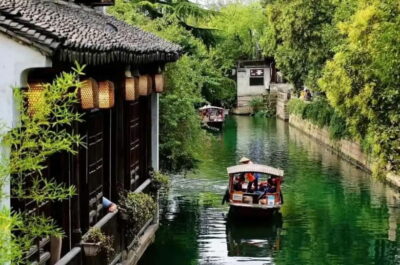
Zhujiajiao Water Town and Shanghai City Private Day Tour
Read our review →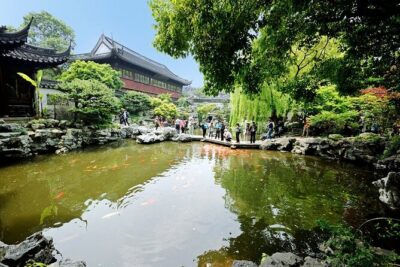
Private Shanghai Full Day City Tour with Old and New Highlights
Read our review →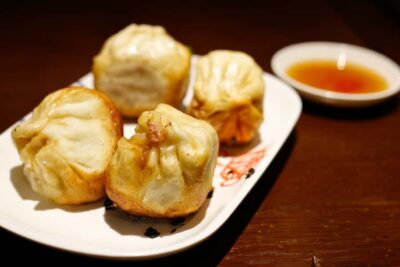
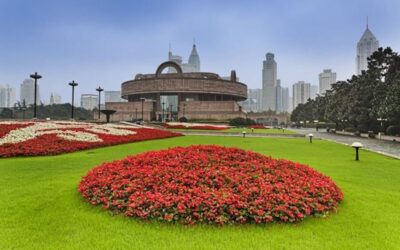
Hop-on Hop-off Bus Ticket and Optional Attractions
Read our review →
Shanghai Private Tour: Zhujiajiao Water Town and Boat Ride
Read our review →