
Reviewed · MUSEUMS
Shanghai: Natural Museum tickets with guide(optional)
A natural history museum in the middle of the city. That sounds like a win, and it is. You walk through a big science-and-nature building themed Nature, Humanity, Harmony, with 10 themed exhibition areas plus 5 theater shows, and you can do it at your own pace.
I especially like the sheer scale for the price. You get access to more than 11,000 specimens and models from seven continents, and the layout keeps you moving from origins to evolution to modern ecology. The other thing I like is the museum’s emphasis on the relationship between people and nature, not just animals in glass.
One thing to consider is that you still need to coordinate your visit date and personal details up front, and the admission does not include food, so plan to handle snacks or meals separately.
In This Review
- Key points to know before you go
- A one-day Shanghai plan that stays flexible
- Where the museum is, and why the setting matters
- Your ticket covers entry, plus the info fee
- Entering the exhibits: 10 themed areas as your route
- Mystery of Origins
- The Long River of Life
- Path of Evolution
- Earth Treasures
- Diverse Life
- Ecological Wonders
- Survival Wisdom
- Human and Nature Bond
- Shanghai Stories
- The Path to the Future
- A helpful way to pace it
- The theater shows: learning that plays on a screen
- Don’t skip the live breeding area
- The Exploration Center: where curiosity gets a structure
- Education activities: Nature Exploration Camp and Drawing Nature
- Using an English guide: optional, small group, easy to ask
- Price and logistics: what $13 really buys you
- Practical visit tips that keep the day smooth
- Bring the right ID
- Match your name exactly for ticket processing
- If you have mainland China access, it may be simpler
- Follow museum rules on food and drinks
- Smoking is not allowed
- Should this be in your Shanghai itinerary?
- Who should book, and who might skip the guide?
- Book it or not? My decision rule
- FAQ
- FAQ
- How long is the Shanghai Natural History Museum visit?
- Do I get to explore on my own or do I need a guide?
- What is included in the price?
- What language is the guide?
- What do I need to bring?
- What items are not allowed inside?
Key points to know before you go
- 10 exhibition areas with clear themes so you are not wandering without a plan
- 5 theater shows that add a story layer to the exhibits
- Live breeding area that turns science into something you can actually watch
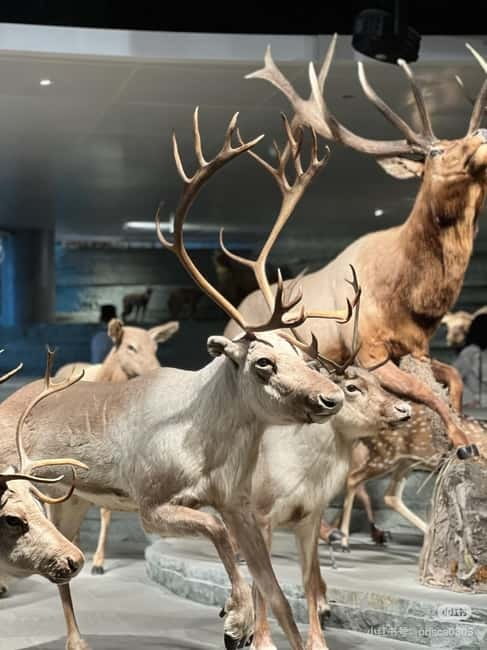
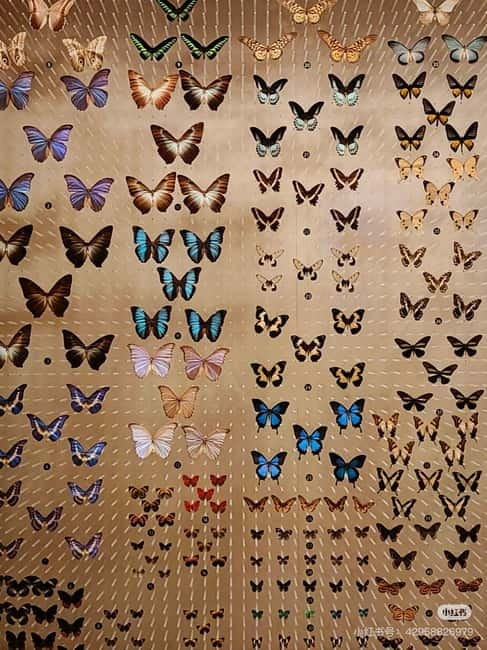
- More than 11,000 specimens and models from seven continents
- Small group of up to 5 if you choose the English guide
- Family-friendly education-style activities like Nature Exploration Camp and Drawing Nature
A one-day Shanghai plan that stays flexible
This visit is built for a simple goal. You arrive with a booked ticket, then you explore the Shanghai Natural History Museum during your 1-day validity window at your own speed. The museum is a branch of the Shanghai Science and Technology Museum, so the vibe is practical science, not just decorative displays.
The museum experience is organized like a learning path. It starts with where life might begin, moves through evolution and the story of Earth, and then brings you back to how humans fit into ecosystems today. If you like museums where you can pause, read, and still feel like you are progressing, this one works.
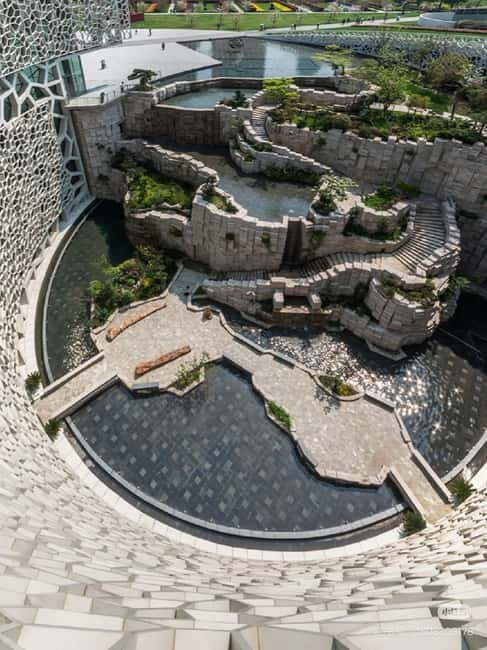
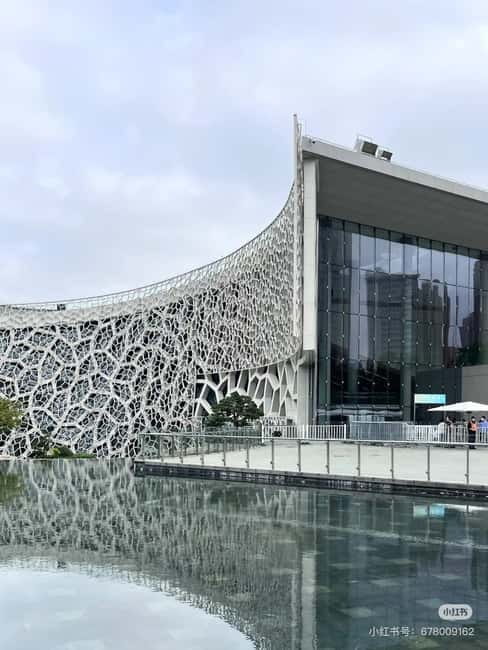
Also, the location helps. It sits at 510 West Beijing Road, in Jing’an District, inside Jing’an Sculpture Park. You get a museum day without needing to escape the city.
More museum visits in Shanghai:
- Shanghai: Private Tour of the Shanghai Museum
★ 5.0 · 10 reviews - Shanghai: Natural History Museum Admission entry ticket
★ 4.7 · 6 reviews - Full Day Shanghai Jewish Refugee Museum & Heritage Bike Tour
★ 5.0 · 3 reviews
Where the museum is, and why the setting matters
You are not entering a random building and hoping for the best. The museum sits within Jing’an Sculpture Park, so your visit starts with a little breathing room before you step indoors.
That matters because the museum area is large. The building covers 45,257 square meters, with 32,200 square meters dedicated to exhibition and education. Translation for you: you are going to walk. Having open outdoor space nearby means you can adjust your pace, take a break, and still keep your day on track.
Practical tip: wear comfortable shoes. You do not need to sprint between zones, but you will cover a lot of ground.
Your ticket covers entry, plus the info fee
For $13 per person, you are buying admission to the Shanghai Natural History Museum and an information service fee. That is good value if you planned to pay museum entry anyway. The main cost advantage here is that the guide, if you pick one, is optional and you are not forced into a long scripted tour.
What is not included is food. The museum rules also say no smoking, and no food or drinks inside. So you should treat meals as an outside plan or a separate plan before or after your museum time.
If you are trying to keep travel days efficient, this ticket is straightforward. It is a full museum visit for a day, not a half-hour photo stop.
Entering the exhibits: 10 themed areas as your route
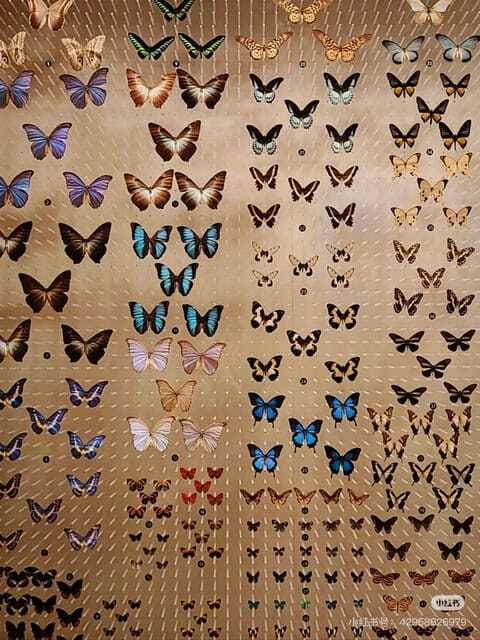
The museum’s theme is Nature, Humanity, Harmony, and it is reflected in how the 10 exhibition areas connect to each other. You can treat them like chapters. You do not have to see every label cover to cover, but you will understand more if you go in order.
Here are the exhibition areas and what each one tends to “do” for you as a visitor:
A few more Shanghai days worth comparing
- Authentic Local Food Tour in Central Shanghai
★ 5.0 · 1,382 reviews - Zhujiajiao Water Town and Shanghai City Private Day Tour
★ 5.0 · 1,016 reviews - Private Shanghai Full Day City Tour with Old and New Highlights
★ 5.0 · 995 reviews - Shanghai: 3-Hour Local Food Tasting Tour
★ 4.9 · 806 reviews
Mystery of Origins
This is where the museum sets the tone. You are focused on beginnings, with explanations and displays that help you understand how life and Earth processes fit together. If you like big-picture thinking, this section gives you the foundation.
The Long River of Life
This one leans into time and change. Expect a chain-of-life style presentation, with models and specimens that help you visualize how life develops and branches.
Path of Evolution
This is where the museum gets more directly into evolution. For many people, this is the “aha” zone, especially if you enjoy science explanations you can physically see.
Earth Treasures
Think minerals, rocks, and Earth materials. This section helps you understand that nature is not only about animals. It is also about what Earth is made of and how it shapes living things.
Diverse Life
This one is about variety. You will see how different life forms adapt and coexist. It is a good “reset” stop after the more single-theme evolution sections.
Ecological Wonders
This area connects organisms to their habitats. It is a practical bridge from “what is life” to “how life survives.”
Survival Wisdom
This section focuses on strategies. You get the idea that living things persist through clever adaptations, not luck.
Human and Nature Bond
This is the part that many visitors remember. The museum explicitly frames the human-nature relationship, so you are not just learning about animals. You are also thinking about your role in ecosystems.
Shanghai Stories
This zone brings the local perspective into the story. It helps you connect global natural history to the city you are in.
The Path to the Future
This ending is about where science and responsibility can go next. It is a fitting close for a museum visit themed around harmony rather than fear.
A helpful way to pace it
Since the exhibits cover 10 areas, I suggest you do this: pick 2 to 3 areas you feel most drawn to, then add 1 or 2 “spirit of the museum” stops after that, such as Human and Nature Bond or The Path to the Future. That keeps the day from turning into a checklist.
The theater shows: learning that plays on a screen
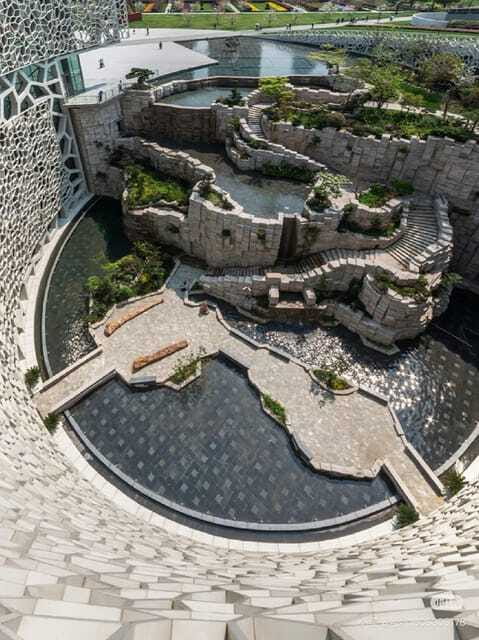
Besides the 10 exhibition areas, the museum has 5 theater shows. Even without choosing a guide, these are usually the moments that turn static displays into clearer stories.
The best value of a theater section is speed. You can understand concepts faster because the information is packaged. If you read slowly or want context before you look at specimens, start with a theater show when possible and then use the exhibit areas to confirm what you just learned.
Also, theaters are a nice break from standing and reading. They can help you avoid museum fatigue, which is real in a day like this.
Don’t skip the live breeding area
The museum includes a 300-square-meter live breeding area. This is one of the most “real life” parts of the visit, because you are not just viewing preserved specimens. You are watching live breeding as part of how nature works.
For me, this type of exhibit is valuable because it ties science to process. It is one thing to learn that organisms reproduce and adapt. It is another to see that activity connected to a museum setting.
If you are visiting with kids or teens, live breeding is often the part that keeps attention. Even if you are traveling solo, it tends to feel less like reading and more like observing.
The Exploration Center: where curiosity gets a structure
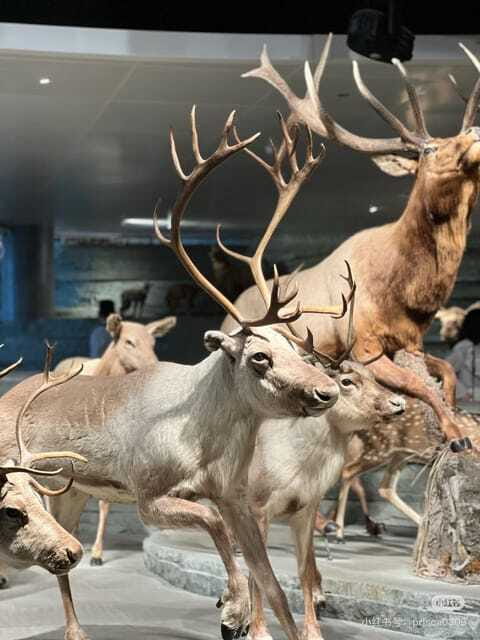
The museum also has a 1,200-square-meter “Exploration Center.” This is likely your stop if you want a more hands-on or guided-feeling learning environment.
Because the center is described as part of the museum’s education service area, it tends to complement the big exhibition themes. It is the place where you can shift from observing to thinking, and from facts to questions.
If you notice you have been reading labels for a while, this is a great place to reset. Give yourself permission to be less linear.
Education activities: Nature Exploration Camp and Drawing Nature
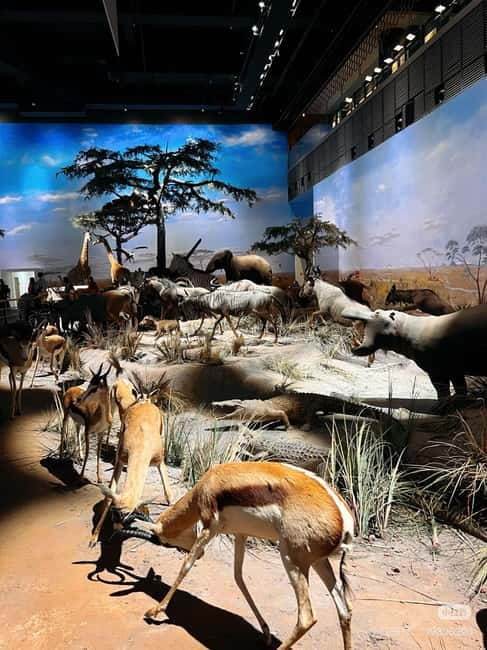
The museum runs educational activities such as Nature Exploration Camp and Drawing Nature. These are designed to spread knowledge of nature and inspire curiosity, and they fit the museum’s overall theme of harmony between nature and humanity.
I like activities like drawing because they force you to slow down. You look longer, you observe more carefully, and you end up remembering shapes and details that you would otherwise speed past.
If you see these activities happening during your visit, I’d prioritize at least one short session. They can turn your museum day from consumption into participation, even if you are not traveling with kids.
Using an English guide: optional, small group, easy to ask
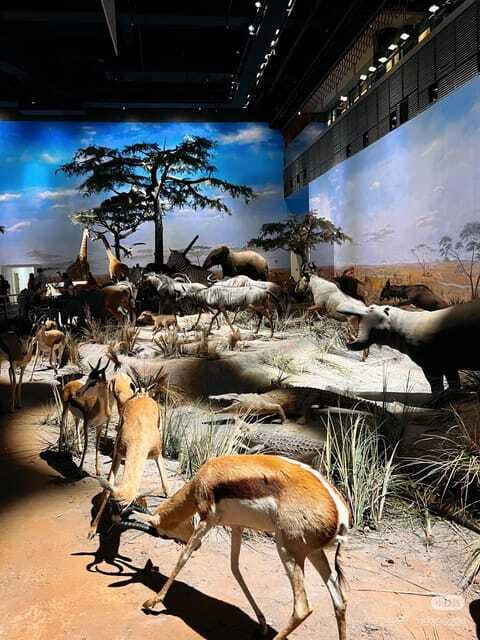
This experience offers a live tour guide in English, and it is a small group limited to 5 participants. That matters because it keeps the experience manageable. You are less likely to feel lost, and you have a better chance to ask practical questions.
Since the guide is optional, you can use it like this: take the guided approach for the first hour or two to get your bearings fast, then switch to self-paced exploration afterward. That way you use the guide’s advantage for orientation, but you still keep full control over what you spend time on.
One note: there is no guide name listed for this experience. The guide is provided in English as part of the service from Chinatravelhelper.
Price and logistics: what $13 really buys you
Let’s be honest. $13 is not a fortune, but a museum ticket can still feel pricey if you rush through and miss the good parts.
Here, the value is that your ticket covers the admission itself and the information service fee, and your day is valid for 1 day. The museum is set up with multiple zones plus theater shows, plus a live breeding area. So you are paying for a full museum structure, not a single gallery.
Also, the pricing works better when you know you can spend enough time to see several exhibition areas and at least one theater show. If you only plan to do one quick loop, it is less value. If you are willing to wander with purpose, it is a strong deal.
Practical visit tips that keep the day smooth
These are the details that matter most for a stress-free visit.
Bring the right ID
Bring your passport or ID card. The tour data explicitly asks for one of those.
Match your name exactly for ticket processing
After purchasing, you need to send the expected visit date, full name that matches your passport exactly including capitalization, and your passport number by email to the provider. This is one of those steps that can cause hassle if you ignore it, so I recommend doing it quickly after booking.
If you have mainland China access, it may be simpler
If you have a real-name registered mobile number from mainland China, you can purchase tickets yourself through the WeChat mini program. This is optional, but it can be a helpful backup method if email coordination is not your favorite approach.
Follow museum rules on food and drinks
No food and no drinks inside. Plan your timing around that. If you need something to eat, plan it before you enter or after you exit.
Smoking is not allowed
Standard rule, but it is part of the info. If you are traveling with people who smoke, coordinate breaks outside.
Should this be in your Shanghai itinerary?
This museum is a great match for people who like science museums, want a structured learning day, and enjoy reading and observing. It is also a smart pick if you want something different from classic sightseeing.
It may not be your best choice if you have very limited time and want only iconic photos. This museum is about exploration. Also, if you dislike walking through large buildings, plan shorter visits inside and leave more time for breaks.
In terms of travel style, it fits:
- Families who want education without being trapped in a classroom mood
- Solo travelers who enjoy structured themes with room to wander
- People who want an English guide option in a small group of five
Who should book, and who might skip the guide?
If you are comfortable exploring on your own, you can treat this as a self-paced museum day with a pre-booked ticket. The layout and themed zones give you an internal road map.
Choose the English guide if:
- You want help understanding how the exhibition areas connect
- You like asking questions rather than only reading signage
- You want a small-group structure instead of total independent pacing
Skip the guide if:
- You prefer quiet wandering
- You plan to focus on a few specific areas rather than the full story
- You feel confident reading enough to guide yourself
Book it or not? My decision rule
Book it if you want a day in Shanghai that is calm, educational, and built for walking through a science story. The combination of 10 exhibition areas, 5 theater shows, and a live breeding area makes it feel like a complete natural history visit, not a quick detour.
Maybe skip it if you are shopping for only the most famous, crowd-heavy sights or you hate museums. This one rewards curiosity. If you show up ready to look and read, you will likely have a satisfying day.
FAQ
FAQ
How long is the Shanghai Natural History Museum visit?
The experience is valid for 1 day, and you can check availability for starting times.
Do I get to explore on my own or do I need a guide?
You can explore at your own pace, with the option of a live English guide.
What is included in the price?
Your ticket includes admission to the Shanghai Natural History Museum and an information service fee.
What language is the guide?
The live tour guide is available in English.
What do I need to bring?
Bring your passport or ID card.
What items are not allowed inside?
Smoking is not allowed, and food and drinks are not allowed.
Recently added around Shanghai
- Suzhou Private Guided Day Trip from Shanghai by Bullet Train★ 5.0 · 46 reviews
- Suzhou and Zhujiajiao Private Guided Day Trip from Shanghai★ 5.0 · 27 reviews
- Shanghai:Old Town, Yu Garden, Zhujiajiao Water Town Bus Tour★ 4.7 · 16 reviews
- Shanghai: Yu/Yuyuan Garden Entry Ticket–E ticket★ 4.4 · 24 reviews
- Shanghai: Zhujiajiao Water Town with Calligraphy Experience★ 5.0 · 17 reviews
- Shanghai: Yu Garden Entry Ticket with PDF Guidebook★ 4.1 · 45 reviews
- Shanghai: Yuyuan, City God Temple Old City Tour-Tip Based★ 5.0 · 10 reviews
- Shanghai: Wild Animal Park Ticket★ 4.9 · 43 reviews
Museums, compared.
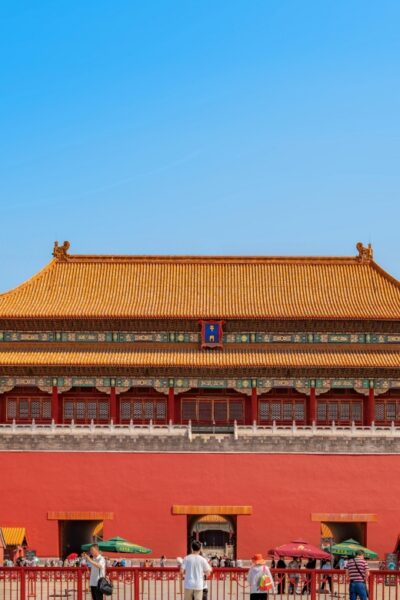
Tianmen Square, Forbidden City & Royal Museum Tours
Read our review →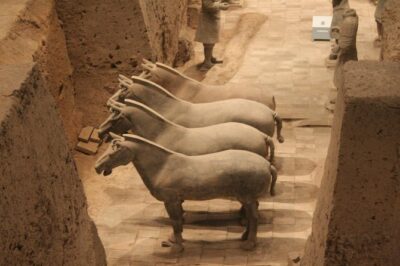
Half-Day Mini Group Xian Tour to Terracotta Warriors Museum
Read our review →
Beijing:Jingshan Park (Palace Museum Garden) Ticket
Read our review →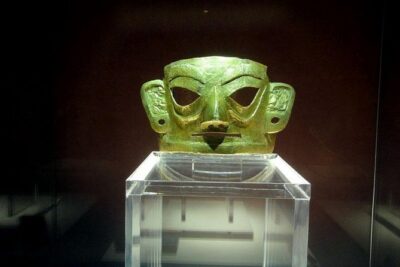
Private Chengdu Day Tour: Giant Pandas and Jinsha Site Museum
Read our review →
Private Xi’an Tour: Terracotta Warriors, Hanyangling Museum, Cave Homes
Read our review →
Beijing Half Day: National Museum of China In-depth Tour with Subway Transfer
Read our review →
Terracotta Warriors Museum Ticket with Professional English-speaking tour guide
Read our review →Browse the lists this tour appears in