
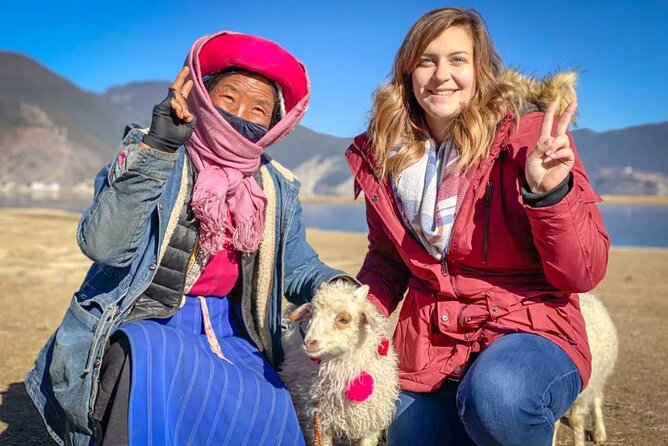
Reviewed · WINE TOURS
6-Day Go Beyond Shangrila for Wine & Tibetan Culture of Yunnan
This trip is built for high mountains and good meals. You get wine tastings and Tibetan culture in the same week, plus real minority village food that feels made for eating, not photographing. I like how the route mixes easy town time with seriously remote areas, including Yubeng, known as heaven on earth.
Two things I’d highlight right away: first, the food and drink are not filler, they are the point, from valley wineries to long-simmered village dishes. Second, the small details help you enjoy the day, like storing most of your luggage during the Yubeng jeeps so you only travel light for a couple nights. You also get a tight group size, max 10, which makes it easier to move together and actually talk with the guide.
One possible drawback is the combination of altitude and effort. Day 5 involves a hike with high-altitude conditions, and Day 4 includes a bumpy jeep segment to get to Yubeng.
In This Review
- Key things you will love on this Yunnan wine and Tibetan culture route
- Shuhe Ancient Town: the calm start before the altitude days
- Weixi County and Hada: wine, valley views, and a tofu lesson
- Cizhong Church and the Lisu village: food first, then a rare grape story
- Getting to Yubeng: the jeep ride, the altitude, and why packing light helps
- Yubeng waterfall: a long high-altitude hike option
- Shangri-La County: wineries, prayer wheel, and old-town nights
- Shangri-La grasslands and Songzanlin: BBQ on heated stone to monastery views
- Meals, wine, and value: what you actually get for about $2,200
- What to pack and how to plan your energy for Yunnan altitude
- Should you book this Lost Plate trip?
- FAQ
- What is included in the tour price?
- Are airport transfers provided?
- How big is the group?
- What kind of transportation is used during the itinerary?
- What should I bring for the Yubeng jeep portion?
- Is the Sacred Waterfall hike strenuous?
- How many wineries do you visit?
- Are flights to and from Yunnan included?
Key things you will love on this Yunnan wine and Tibetan culture route
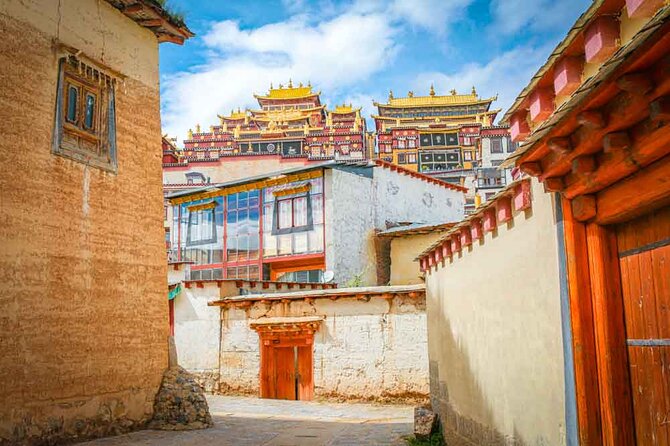
- Wine tastings in mountain valleys, including multiple wineries and scenic patio time.
- Off-track minority villages like Hada and the older Lisu village at Cizhong, where daily life drives the experience.
- Yubeng village under Meili Mountain, reached by limited-space jeeps and a change in altitude that you can feel.
- Sacred Waterfall above Yubeng, with a long 15 km round trip option for hikers.
- Shangri-La highlights you can do without stress, including a huge prayer wheel and old-town wandering.
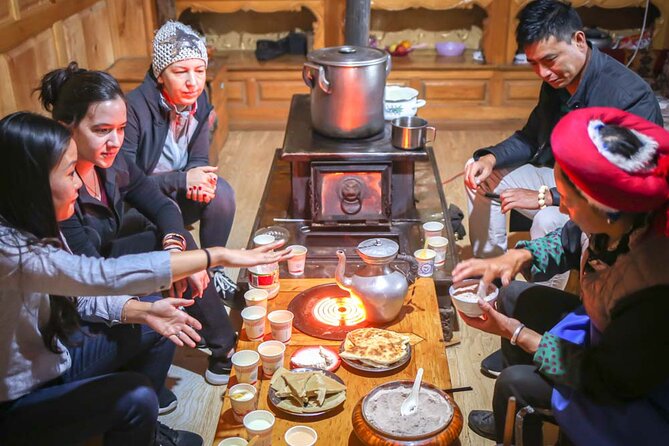
- Songzanlin Monastery with sweeping views from a 3300 meter viewpoint.
Shuhe Ancient Town: the calm start before the altitude days
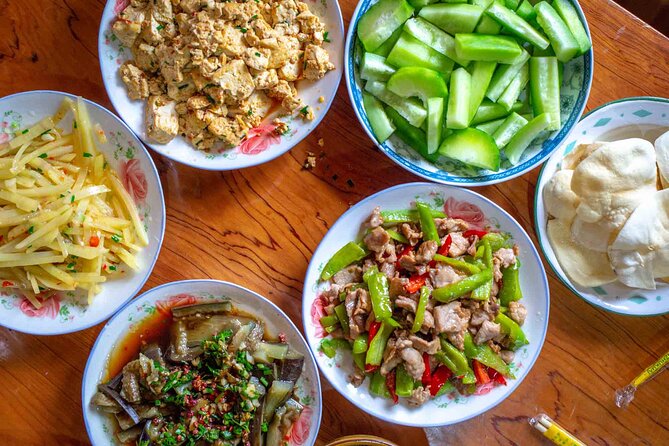
Most of your trip begins gently in Shuhe Ancient Town. You can arrive and check into your boutique guesthouse at your own pace, with airport pick-up offered on the first day until 3pm. Then you get free time to wander the cobblestone lanes by foot, with tea and coffee shops that make a good reset after travel.
I like using Shuhe as a warm-up stop because it keeps the first day human-sized. You are not dealing with long climbs or long drives right away. After you meet your trip leader and fellow travelers at a local Naxi restaurant close to your hotel, you can treat the rest of the evening like a normal meal night, not an exhausting logistics day.
Practical note: Shuhe is walkable, but plan on uneven cobbles. Bring shoes that feel stable if you plan to linger.
A few more Yunnan days worth comparing
- 9 days Ancient Town Tour
★ 5.0 · 21 reviews - 1 Day Stone Forest & Jiuxiang Cave Tour
★ 5.0 · 13 reviews - Kunming: Stone Forest Private Day Tour
★ 4.7 · 13 reviews
Weixi County and Hada: wine, valley views, and a tofu lesson
Day 2 pushes you out of the Lijiang area and into mountain canyons toward Weixi County and Hada village. The setting is a green river valley, and the drive is part of the experience. If you like the road trip feel, this day gives you that, with time to settle in once you arrive.
The day’s structure is simple and satisfying. After a local lunch, you visit a winery just up the hill from Hada. You can lounge on the patio with valley views and taste the white wines on the trip. I like this because it is not just a quick sip-and-go stop. It feels like you are doing the thing, slowly.
Then you switch from tasting to making. At a local home, you learn how a family makes tofu the way they have done it for generations. This is one of those moments that makes a “culture” trip feel real, because you are learning a daily food skill, not just watching from a distance.
What to consider: this day includes time outdoors during the winery break, so dress for sun and cool air. Even in China’s Yunnan region, conditions can swing.
Cizhong Church and the Lisu village: food first, then a rare grape story
Day 3 is all about being far from typical tourist patterns. You head to a rustic hillside village hidden off the track, described as the oldest and most preserved Lisu minority village in Yunnan. Expect to see older, preserved houses and get a close look at local life that moves at village speed.
The biggest highlight is food. You try a cured ham leg porridge that stews for four hours before being served. That time matters, because you taste the result, thick, salty comfort food that feels built for cold air and hard days. If you are the type who judges a trip by whether you keep wanting the next meal, this is the day that often delivers.
Then you travel further to Cizhong village and one of the oldest cathedrals in China, founded by a French missionary in 1867. Locals still practice Catholicism there. The day also includes an unusual detail that is easy to remember: the missionary brought a type of wine grape from France that has died out elsewhere, and Cizhong is described as the only place in the world where that grape still exists.
Why this combo works: you get both a local religious site and an agricultural footnote that connects food, migration, and today. It gives context to wine beyond tasting.
What to consider: this day is longer by feel because it mixes walking in rural areas with time on-site. If you get tired in the afternoon, pace yourself at the village stops so you can enjoy the cathedral without rushing.
Getting to Yubeng: the jeep ride, the altitude, and why packing light helps
Day 4 is the big geographic shift toward Meili Mountain and Yubeng village, known locally as heaven on earth. This is the kind of place where the views hit you from multiple angles, from lush valleys to glaciated ridges. You do not just look at a mountain, you get surrounded by it.
To get there, you take jeeps over bumpy mountain passes. The climb reaches around 4000 meters altitude before descending into Yubeng. The physical reality of that route is why the tour sets a logistics rule: due to limited space in the jeeps, you can only bring a small overnight bag or backpack for the two nights. Your main luggage is stored securely in the van.
I really like this design. It reduces the stress of moving gear and keeps you focused on the place once you arrive. If you pack like a minimalist for two nights, you can enjoy the slow village time instead of worrying about heavier bags.
You also get context: Yubeng has 23 families and has been largely inaccessible to the outside world for most of history. That is why the village time feels different from a quick stop.
What to consider: altitude can affect sleep and appetite. Keep your expectations realistic. Take it slow on arrival day, and avoid pushing for long hikes before you feel steady.
Same city, a very different kind of day:
- Eat Your Way Through Yunnan’s Tea & Horse Road, from Dali to Lijiang, 8-day Trip
★ 4.5 · 11 reviews - Puer Tea Picking and Tasting | 6 Hour Morning Trip
★ 5.0 · 7 reviews - Lijiang to Shangri-La HuXiang Road Private Scenic Tour
★ 4.5 · 6 reviews - China Shangri-La Tiger Leaping Gorge : A Canyon Adventure
★ 4.3 · 6 reviews
Yubeng waterfall: a long high-altitude hike option
Day 5 gives you a choice style morning. After a leisurely start, you can hike to the Sacred Waterfall above Yubeng. The walk is culturally important for Tibetan pilgrims who come to visit, pray, and seek blessings. The waters are said to cleanse the soul, wash away sins, and bring blessings for the year ahead.
The hike is strenuous. It climbs about 300 meters at high altitude and is described as 15 km round trip. The good news is that it has been made accessible with a paved trail and stairs, but you should still bring good walking shoes and layered clothing for alpine conditions.
If you are not up for the full hike, the alternative is also built into the day: stay back in Yubeng village, relax by the fire or rooftop depending on the weather, and take in the views at a gentler pace.
My practical take: if you are feeling lightheaded at altitude, choose the village option and focus on rest. This is one of those days where “I should push through” is less important than “I want to enjoy the next sights too.”
Shangri-La County: wineries, prayer wheel, and old-town nights
Day 6 is a transition back toward Shangri-La County. You take the jeeps back to the van and enjoy a local lunch. Then you stretch your legs and look over the Jinsha river and its 360-degree bend, described as a stunning high-altitude scene.
Next comes wine again, at the trip’s third winery stop. This is paired with more mountain views, and it is a reminder that the wine theme is not random. The tastings are placed with scenery so you are tasting in context.
Once you arrive in Shangri-La, you get free time to follow your curiosity. Window-shop for local handicrafts, or check out the tea and coffee scene. Before dinner, you visit the biggest Tibetan prayer wheel in the world. It is walking distance from your hotel, so you can go without adding extra planning stress.
After dinner, you explore Shangri-La old town for the evening. This is a good contrast after rural days, because you can take your time and wander at night without the same level of terrain difficulty.
What to consider: free time is real free time. If you want more structured plans, you will need to ask your trip leader what fits your energy level that day.
Shangri-La grasslands and Songzanlin: BBQ on heated stone to monastery views
Day 7 is a full sensory day. In the morning you get views across the wide Shangri-La grasslands where horses and yak graze and Tibetan villages line the mountains. For lunch, you do a BBQ on large slabs of white stone heated up and brought to your table. You grill local meats and vegetables, plus melt-in-your-mouth tofu cooked right on the stone. If you like food experiences that feel practical and communal, this is one to remember.
Then you shift from grasslands to monastery architecture. You visit Songzanlin Scenic Area. The Songzanlin Monastery sits above a pedestrian-only village with Tibetan temples. You climb up to see the largest Tibetan monastery in Yunnan, dating to 1679. The tour describes frescos, sculptures, and immaculate architecture, plus sweeping views of the highland area from a viewpoint around 3300 meters high.
This day works because it connects everyday life and religious space. You see animals and grazing in the morning, then you climb to a major spiritual site in the afternoon.
What to consider: both the grassland time and the monastery climb involve walking. Wear shoes that work well uphill, and plan for cool air at altitude even if the morning feels mild.
Meals, wine, and value: what you actually get for about $2,200
At $2,200 per person, this is not a budget-only trip. The value comes from what is already included, and from how many “core moments” you do without needing extra planning.
Here is what you get that matters:
- Seven nights in nice, authentic boutique guesthouses.
- English-speaking guide throughout.
- All breakfasts and most meals: 7 breakfasts, 6 lunches, 7 dinners.
- Alcoholic beverages plus bottled water included.
- Air-conditioned vehicle for the transportation you do inside the itinerary.
- Multiple wine tasting stops, including tastings at least in Weixi and later in Shangri-La, plus the winery experience around Hada.
- Big cultural sites like the prayer wheel and Songzanlin Monastery, with included admission where noted.
- A maximum group size of 10 travelers, which keeps the pace more human.
For me, the best value is the way the food is integrated into the schedule, not boxed into a single “meal day.” You get tofu-making education in a home setting, porridge with a four-hour stew, BBQ on heated stone, and wine tastings across different mountain contexts.
If you hate long driving days, be aware that the itinerary includes substantial road time between regions and up to high passes. The tour does not pretend the driving is short, and that is the trade for seeing places you do not normally reach in a quick loop.
What to pack and how to plan your energy for Yunnan altitude
This trip includes altitude change and long walking days, so pack for comfort first.
For the Yubeng days:
- Bring a small overnight bag for the jeep portion, because your bigger luggage is stored and you only carry what you need for the two nights.
- Plan layered clothing. The alpine setting can feel cold, especially around hikes.
- Good walking shoes matter for both Day 5’s 15 km round trip option and for monastery stairs.
For the rest of the trip:
- Bring a light jacket even if the days start sunny, because higher altitude areas can cool off quickly.
- Pack a reusable water bottle if you like, even though bottled water is included, since you may want it on long walking stretches.
If you are prone to altitude issues, take the day 4 arrival gently and consider choosing the waterfall village option if you feel off.
Should you book this Lost Plate trip?
I’d book it if you want a trip that blends wine tastings, Tibetan culture, and minority village food in a single route with a small group and strong meal planning. It is especially good if you care about eating well, not just ticking off sites.
Skip it if you want minimal driving, you strongly dislike high-altitude conditions, or you are not interested in food-led experiences. The payoff is worth it for many people, but it is not a lazy vacation style schedule.
If you do book: choose to pace yourself on the altitude days, pack light for Yubeng, and keep one day flexible enough for whichever option feels right, hike or rest.
FAQ
What is included in the tour price?
The tour includes 7 nights in boutique guesthouses, airport pick-up on day 1 and airport drop-off on the last day, an English-speaking guide, bottled water, alcoholic beverages, and meals listed as 7 breakfasts, 6 lunches, and 7 dinners.
Are airport transfers provided?
Yes. Airport pick-up is included on the first day (until 3pm for arrivals), and airport drop-off is included on the last day any time today.
How big is the group?
This tour has a maximum group size of 10 travelers.
What kind of transportation is used during the itinerary?
You’ll travel in an air-conditioned vehicle for much of the route, and you’ll take jeeps for the bumpy ride to Yubeng.
What should I bring for the Yubeng jeep portion?
Because jeep space is limited, you can only bring a small overnight bag or backpack for the two Yubeng nights, while the rest of your luggage is stored securely in the van.
Is the Sacred Waterfall hike strenuous?
Yes. The hike climbs about 300 meters at high altitude and is described as a 15 km round trip. The trail has paved sections and stairs, but you still need good walking shoes and layered clothing.
How many wineries do you visit?
You visit wineries at multiple points on the trip, including a winery stop near Hada and later another winery stop in Shangri-La County, with a total of three winery experiences described across the route.
Are flights to and from Yunnan included?
No. Transportation or flight tickets to and from Yunnan are not included.
Recently added around Yunnan
- Eat Your Way Through Yunnan’s Tea & Horse Road, from Dali to Lijiang, 8-day Trip★ 4.5 · 11 reviews
- 7 Days Yunnan Charming Old Town Tour★ 5.0 · 3 reviews
- Puer Tea Picking and Tasting | 6 Hour Morning Trip★ 5.0 · 7 reviews
- Lijiang: Tiger Leaping Gorge with Lijiang Private Tour★ 4.7 · 3 reviews
- Lijiang to Shangri-La HuXiang Road Private Scenic Tour★ 4.5 · 6 reviews
- Lijiang: Jade Dragon Snow Mountain and Blue Moon Valley Tour★ 5.0 · 3 reviews
- Lijiang: Jade Dragon Snow Mountain + Impression Lijiang★ 5.0 · 5 reviews
- Kunming: Stone Forest, Roast Duck Lunch and City Tour★ 4.0 · 5 reviews
Wine Tours, compared.
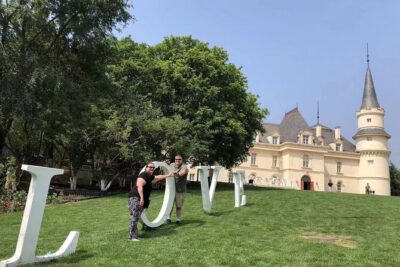
Private Changyu Chateau Wine Tasting Tour and Mutianyu Great Wall Visit
Read our review →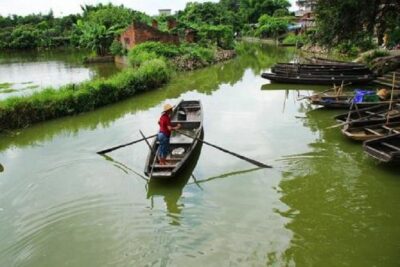
Ancient Water Village Folk Houses and Wine Culture Private Tour
Read our review →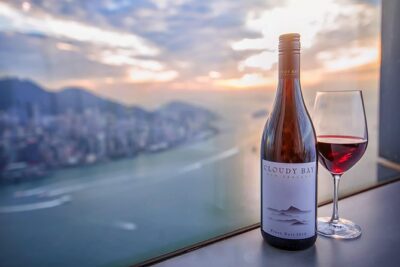
sky100 Wine Package at Café 100 by The Ritz-Carlton
Read our review →Shanghai Huangpu River Charter Yacht Experience with Champagne or Beer
Read our review →Browse the lists this tour appears in