
Reviewed · FOOD & DRINK
Puer Tea Picking and Tasting | 6 Hour Morning Trip
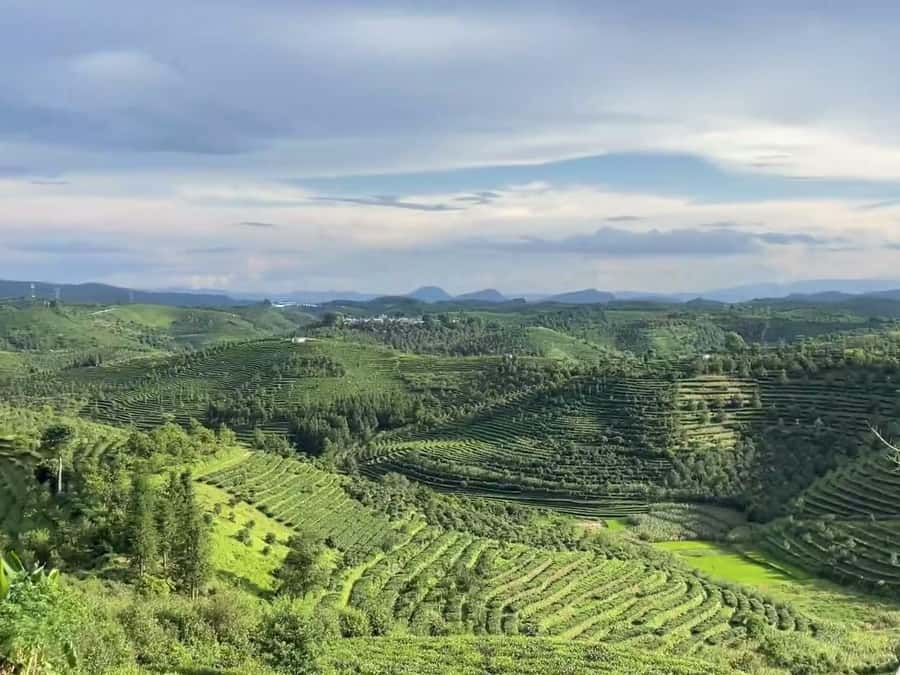
Tea fields beat museums every time. This half-day near Pu’er turns a simple drink into a full sensory day, with guided tea picking and then a tasting that makes what you learn actually stick.
What I like most is the hands-on farm time, not just watching from a distance, and the way you taste after seeing how leaves are handled. One thing to consider: it runs about 5 to 7 hours and you should plan on walking on uneven plantation paths, so bring comfortable shoes.
Everything is built around an easy morning flow, starting with pickup from Jinghong or Pu’er in a VW ID4 (or a 6-seat minivan for larger groups) and ending with a return to your drop-off point. You also get a real souvenir included, 300 grams of Pu’er tea you picked and processed, plus farm lunch if you want it on site.
In This Review
- Key things I’d put on your shortlist
- How the day starts: pickup from Jinghong or Pu’er
- The Pu’er tea plantation walk: what you’re really learning
- Hands-on tea picking: the part you’ll remember
- The tea processing farm tour: from leaves to finished tea
- Tea tasting session: how to taste Pu’er like you mean it
- Lunch at the farm: what to expect and what to ask
- Your take-home souvenir: 300 grams of tea you processed
- Price and value: is $82 a good deal?
- Who this tour is best for
- Should you book it?
- FAQ
- Where do I get picked up, and how do I get back?
- How long is the Pu’er tea picking and tasting trip?
- Is lunch included?
- Do I take tea home from the tour?
- What language is the guide?
- Is it suitable for seniors or infants?
Key things I’d put on your shortlist
- Small group of 6 keeps the guide focused and helps questions not get lost
- Pickup from Jinghong or Pu’er in a VW ID4 or minivan makes the day feel effortless
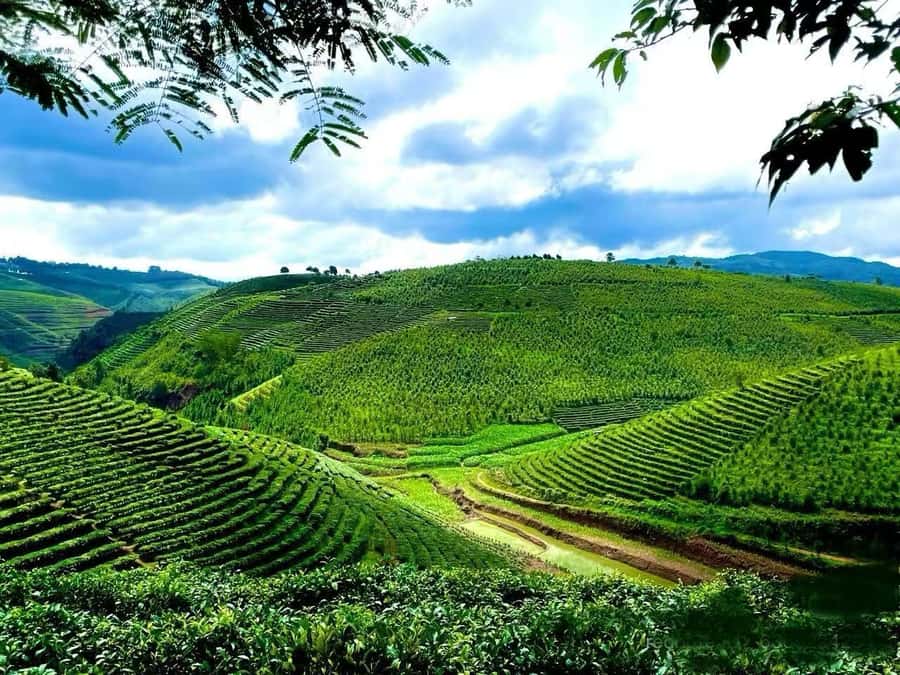
- Hands-on tea picking lets you learn selection, not just tea facts
- Processing farm tour shows how leaves move through withering, rolling, and drying
- Tasting plus take-home tea means you can compare what you like and bring it home
How the day starts: pickup from Jinghong or Pu’er
Your morning begins with a pickup from either Jinghong or Pu’er. If you’re traveling with up to 3 people, you ride in a VW ID4. Bigger groups go by a comfortable 6-seat minivan. That detail matters because it keeps the trip calm at the start, not a scramble with crowded transfers.
Once you’re out of the city, the drive through Yunnan’s green scenery sets the tone. It’s not about racing to a single photo spot. The schedule is paced so you arrive ready to walk and pay attention.
This tour runs about 5 to 7 hours, so it fits well if you want a country-style morning without giving up your whole day. If you’re catching a train or have another plan, do check the start time available for your date.
More food tours in Yunnan:
- Authentic Local Food Tour in Central Shanghai
★ 5.0 · 1,382 reviews - Beijing Hutong Walking Food and Beer Tour at Hidden Restaurants
★ 5.0 · 1,132 reviews - Shanghai: 3-Hour Local Food Tasting Tour
★ 4.9 · 806 reviews
The Pu’er tea plantation walk: what you’re really learning
When you reach the plantation area, you get a guided tour of the tea fields. The guide covers why Pu’er tea is culturally important and what makes it different from other teas. The key is that you’re learning where it’s grown, not only inside a tasting room.
In practice, this is where the day turns from drink talk into plant talk. You’ll be walking among the trees and rows and thinking about leaf age, growth patterns, and why picking timing matters. One review described the guide’s passion for explaining cultural context, plus a lot of time for questions, which is exactly what you want here.
English support is available, along with French, German, and Italian guides. That helps a lot if tea vocabulary is new to you. You can ask simple questions, like what to look for in leaves, and get direct answers instead of guessing.
Hands-on tea picking: the part you’ll remember
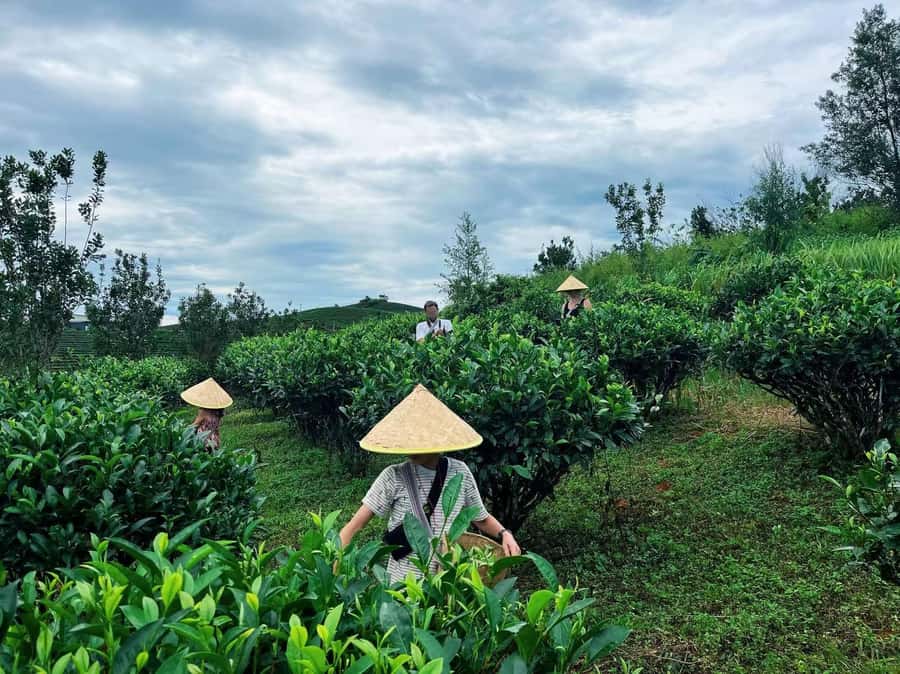
The main event is the tea picking session, guided by local experts. This is where you learn techniques for selecting the finer leaves, and it’s hands-on rather than a quick demo.
Two reasons this part is worth doing:
1) You stop treating tea as a mystery product. You start connecting cup flavor to leaf choice.
2) You get a calmer appreciation for effort. Picking is work, and that makes the tasting more meaningful later.
One practical tip: wear shoes you don’t mind getting a little dusty. The tour specifically asks for comfortable shoes, and that’s your clue that you’ll be walking enough to matter.
Also, this experience is not set up for everyone. The information says it’s not suitable for babies under 1 year and people over 70 years. If that fits your group, plan accordingly.
The tea processing farm tour: from leaves to finished tea
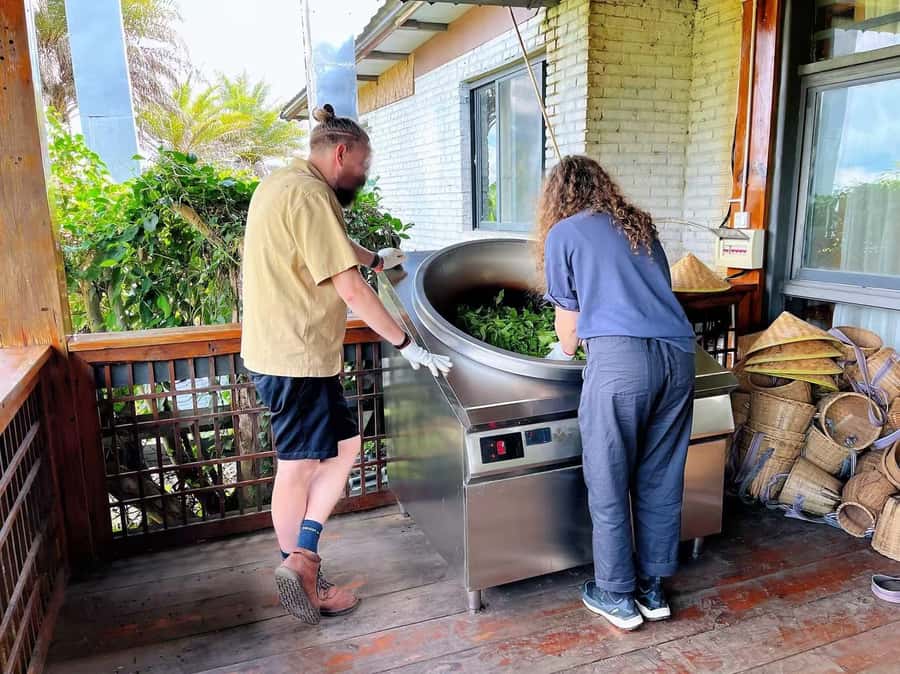
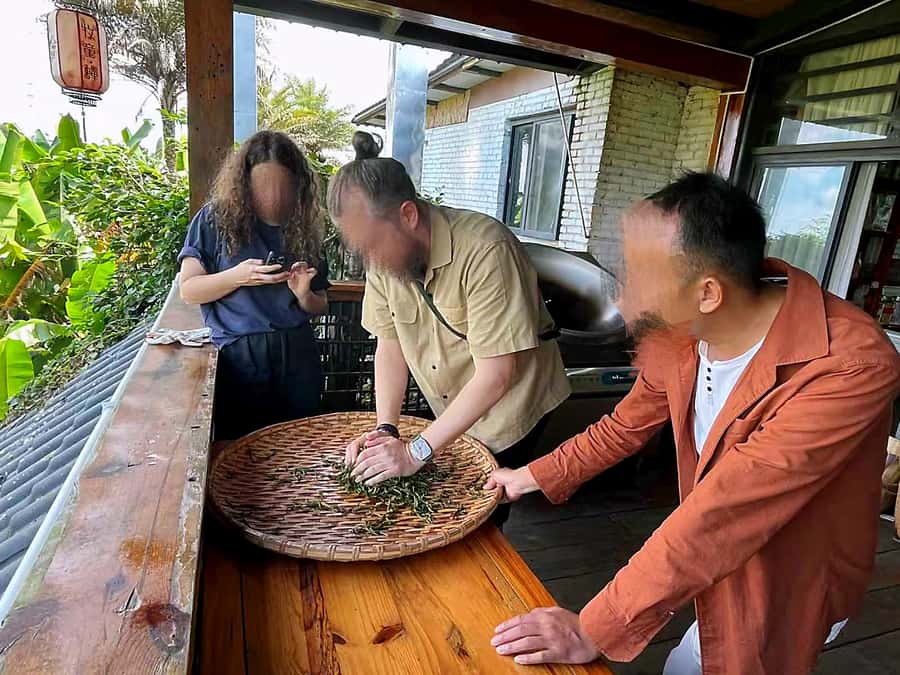
After the fields, you shift to a local processing farm. This is where you watch and learn how fresh leaves are transformed into Pu’er tea through steps like withering, rolling, and drying.
This part helps you understand what you tasted earlier, and what to look for later. Pu’er tea has different styles and production choices, and the process you see on site gives you a framework for those differences. One review even mentioned seeing the steps firsthand, including drying, which is the kind of detail that makes the explanation feel real.
A good bonus here is how the host relationship shows up. In one account, the guide’s personal connection with the estate host was clear during the tour and tasting, which often means you get more time, more patience, and better answers. If you ask questions, this is where the answers tend to get specific.
A few more Yunnan days worth comparing
- 9 days Ancient Town Tour
★ 5.0 · 21 reviews - 1 Day Stone Forest & Jiuxiang Cave Tour
★ 5.0 · 13 reviews - Kunming: Stone Forest Private Day Tour
★ 4.7 · 13 reviews - Eat Your Way Through Yunnan’s Tea & Horse Road, from Dali to Lijiang, 8-day Trip
★ 4.5 · 11 reviews
Tea tasting session: how to taste Pu’er like you mean it
The tasting happens with freshly processed Pu’er tea. That matters, because fresh processing tends to highlight characteristics differently than aged tea. You’re also in the right headspace to notice changes when the guide explains varieties and brewing ideas.
From the descriptions and reviews, you may taste multiple kinds of Pu’er. One example mentioned tasting several teas, including aged, raw, candy tea, and red tea, with multiple pulls. If that’s part of your departure, it’s a great way to learn without getting overwhelmed by one tea only.
Here’s how to make the tasting work for you:
- Compare aroma first, not flavor. Smell tells you a lot before your tongue gets involved.
- Pay attention to the guide’s brewing method instructions. With Pu’er, small changes can shift the cup a lot.
- Take notes on what you like, simple labels are fine. Later, when you see buying options, you’ll remember what matched your taste.
If you’re a tea lover, you’ll enjoy the learning angle. If you’re new to Pu’er, the guided tasting is also a good starting point because you can ask basic questions and connect them to the processing you just saw.
Lunch at the farm: what to expect and what to ask
Lunch is included at the farm. The tour also allows an optional lunch at the plantation for an extra cost, if you choose, listed as 60 yuan per person.
That sounds like a small mismatch until you know how tours like this sometimes bundle meals differently depending on the day’s flow. Either way, plan on eating on site rather than rushing back to a restaurant in town.
One review added extra color, mentioning local Dai food along the way and pairing that meal with coffee tasting at a coffee estate south of Pu’er. Since that coffee stop is not listed in the core plan, I’d treat it as a possible bonus rather than a guarantee. Still, it’s a good sign that the route may offer more than tea if time and staffing allow.
If you have dietary needs, this is the moment to tell your guide what to expect. The itinerary does not list special meal options, so you’ll want to communicate early.
Your take-home souvenir: 300 grams of tea you processed
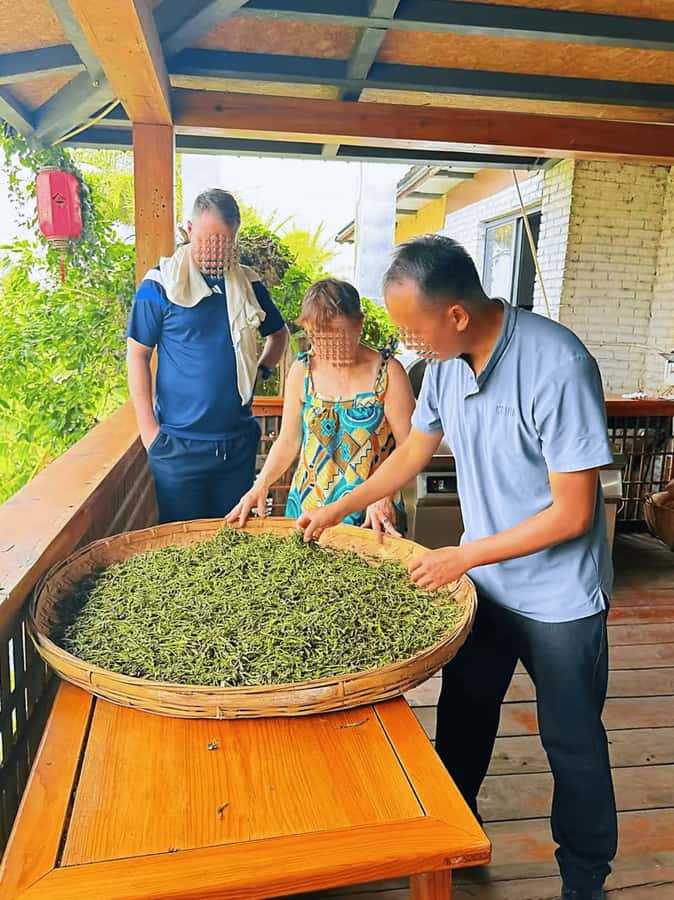
You leave with Pu’er tea to take home. The tour includes 300 grams of Pu’er tea that you pick and process during the visit.
This is where the “value” of the experience becomes real. A lot of tea tours end with a sample and a shopping push. Here, you’re getting a measurable amount you helped create. That turns the day into something practical: you can brew it later and remember the specific steps you saw.
It also helps you avoid a common travel mistake. If you buy tea at home without learning what you like, you often end up with regret tea. This way, you bring home your own shortlist.
One note: gifts and souvenirs are listed as not included. So if you want extra packaging, bundles, or other items beyond your 300 grams, you’ll be paying for that.
Price and value: is $82 a good deal?
At $82 per person for a 5 to 7 hour morning trip, you’re paying for more than a bus ride. Your money covers:
- Pickup and return from Jinghong or Pu’er in a VW ID4 or minivan
- A guided tea plantation walk with English, French, German, or Italian support
- A hands-on tea picking session
- A farm processing tour
- A tea-tasting session
- Lunch at the farm
- And a tangible souvenir: 300 grams of Pu’er tea picked and processed by you
So where does the value come from? The biggest difference is the included take-home tea weight. If you compare only transportation and a guided walk, the price would feel steep for some tours. The included 300 grams changes the math.
You’re also getting a small group experience, limited to 6 participants. In practical terms, that means less waiting and more time to ask questions, which is crucial in a hands-on setting like leaf picking and tasting.
Who this tour is best for
This is a strong fit if you:
- Love tea and want the story behind it, leaf to cup
- Prefer smaller groups where you can ask follow-up questions
- Want a morning activity that feels rural and real, not only a stop on a checklist
- Appreciate practical souvenirs and not only photos
It may not be ideal if:
- You need step-free access. The tour involves tea picking and plantation walking, and it specifically asks for comfortable shoes.
- You’re traveling with babies under 1 year or you’re over 70 years, since the tour data says it’s not suitable.
Also, if you dislike tasting sessions or worry you’ll be “sold” on purchases, pay attention to the way the tea purchase is framed in the experience. One review noted that the seller did not push buying, and that discounts may be available, which is a good sign for people who want autonomy. Still, you’re at a farm and tea is part of the culture, so expect the topic to come up naturally.
Should you book it?
Yes, I think you should book this tour if you want a hands-on, guided Pu’er tea morning with a real take-home result. The combination of tea picking, processing steps you can see, and tasting right after gives you the kind of learning that actually sticks.
I’d pause only if your schedule is extremely tight, since it runs 5 to 7 hours, or if mobility limits make walking and leaf picking tough. If you’re comfortable with light trekking and you’re curious about Pu’er tea beyond a shop shelf, this is a solid, good-value day in Yunnan.
FAQ
Where do I get picked up, and how do I get back?
You get pickup included from Jinghong or Pu’er, and the tour returns you to Jinghong. For pickup, it uses a VW ID4 (up to 3 guests) or a comfortable 6-seat minivan (for groups over 3).
How long is the Pu’er tea picking and tasting trip?
The duration is listed as 5 to 7 hours. Starting times vary by availability.
Is lunch included?
Lunch at the farm is included. The activity information also mentions an optional lunch at the plantation for 60 yuan per person, so it’s worth confirming what’s covered for your exact departure.
Do I take tea home from the tour?
Yes. The tour includes 300 grams of Pu’er tea that you pick and process during your visit.
What language is the guide?
A live tour guide is available in English, French, German, and Italian.
Is it suitable for seniors or infants?
The tour data says it is not suitable for babies under 1 year and people over 70 years. Pets are not allowed.
Recently added around Yunnan
- Eat Your Way Through Yunnan’s Tea & Horse Road, from Dali to Lijiang, 8-day Trip★ 4.5 · 11 reviews
- 7 Days Yunnan Charming Old Town Tour★ 5.0 · 3 reviews
- Lijiang: Tiger Leaping Gorge with Lijiang Private Tour★ 4.7 · 3 reviews
- Lijiang to Shangri-La HuXiang Road Private Scenic Tour★ 4.5 · 6 reviews
- Lijiang: Jade Dragon Snow Mountain and Blue Moon Valley Tour★ 5.0 · 3 reviews
- Lijiang: Jade Dragon Snow Mountain + Impression Lijiang★ 5.0 · 5 reviews
- Kunming: Stone Forest, Roast Duck Lunch and City Tour★ 4.0 · 5 reviews
- KunmingStone Forest Private Tour:Scenic Walks+Guide Insights★ 3.4 · 4 reviews
Food & Drink, compared.
Authentic Local Food Tour in Central Shanghai
Read our review →
Beijing Hutong Walking Food and Beer Tour at Hidden Restaurants
Read our review →


Hong Kong’s Tin Hau Hidden Eats Food Tour with 7+ Local Tastings
Read our review →
Browse the lists this tour appears in