
Reviewed · HUTONG TOURS
Beijing: Hutong Breakfast Food Tour
Breakfast in hutongs hits different. This 3-hour Beijing breakfast food tour turns ordinary morning food into a guided walk through historic hutong lanes, with story-rich tastings at local stalls and courtyards. You also get a practical set of directions and a friendly meet-up system, so you can spend less time guessing and more time eating.
I especially like the way this tour tackles two big Beijing questions at once: what locals eat when they want real comfort, and what they eat when they want to be brave. Aunt Jie’s handmade pork zongzi gives you a hands-on taste of a classic, and Douzhi brings the famous fermented bite that makes Beijing food feel like culture, not just snacks.
One possible drawback: if you dislike strong fermented flavors or you prefer sweets that are more balanced than intense, you’ll want to pace yourself. And if you tend to want fewer sweet courses, the dessert round includes enough red bean paste flavored items that you may find it heavy.
In This Review
- Key details that matter
- Meeting at Zhongguo Meishuguan Subway Exit B, and Finding the Yellow Tote
- Why Hutongs Make a Breakfast Tour Feel Like a City Walk
- The Market Stop and Aunt Jie’s Handmade Pork Zongzi
- Douzhi, Beijing’s Bold Fermented Tradition
- Mr. Yu’s Beef Flatbread and Tofu Pudding for Real Comfort
- Hutong Secrets in Stone, Signs, and Courtyards
- Jianbing With a Cheesy Twist, Plus Sweet Pancake Options
- What 12+ Dishes Feels Like in Real Life, and How to Pace
- Price and Value: Is $45 Worth It for 12+ Bites?
- Vegetarian-Friendly, But Not Fully Replaceable
- Who Should Book This Hutong Breakfast Tour, and Who Should Skip
- Should You Book This Beijing Hutong Breakfast Tour?
- FAQ
- Where do I meet for the Beijing Hutong Breakfast Food Tour?
- How do I get there by subway?
- What’s included in the price?
- How long is the tour?
- Is the tour vegetarian-friendly?
- Is the tour suitable for people with mobility impairments?
- Does the tour run in bad weather?
Key details that matter
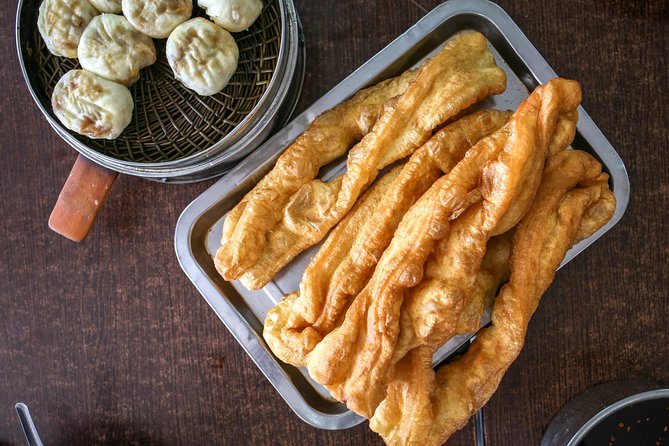
- 12+ dishes across 5+ hidden spots means you’re sampling, not searching.
- Aunt Jie’s zongzi gives you a specific, memorable classic instead of generic “dumplings somewhere.”
- Douzhi is part of the experience, so you should be ready for a boldly flavored tradition.
- Mr. Yu’s beef flatbread and tofu pudding cover the savory comfort side of Old Beijing.
- Jianbing with a cheesy twist is a satisfying finishing-style street bite, plus you may get sweet pancake options.
- Unlimited water and soft drinks make it easier to manage multiple tastings without getting thirsty.
Meeting at Zhongguo Meishuguan Subway Exit B, and Finding the Yellow Tote
The tour meets at Zhongguo Meishuguan (National Art Museum) Subway Station, Exit B, street level. When you arrive, your guide will be holding a bright yellow Lost Plate tote bag, which is exactly the kind of detail that saves time when you’re standing in a busy station area.
If you’re coming by subway, take Line 8 to Zhongguo Meishuguan. Follow signs to Exit B, and expect to do the simplest thing that works, look up and move toward street level. Traffic can be heavy around this area during rush hour, so plan extra time if you’re also using a taxi or Didi.
You should also know what you do not bring. There’s no hotel pickup or drop-off, and luggage or large bags are not allowed. A small day bag is fine, but keep it light so moving through hutong lanes stays easy.
More Food Tours in Beijing
- Beijing Hutong Walking Food and Beer Tour at Hidden Restaurants
★ 5.0 · 1,132 reviews - Beijing: Hidden Gems Guided Food Tour with Beer and Tastings
★ 4.9 · 306 reviews - Beijing Private Hutong Food Walking Tour
★ 5.0 · 299 reviews
Why Hutongs Make a Breakfast Tour Feel Like a City Walk
This is not just eating in random places. The tour leans hard into hutong navigation, with your guide pointing out “hidden” details like stone doorways, signs, and courtyards that you might walk past on your own.
That matters because hutongs are more than a backdrop. They’re the physical layout of everyday Beijing, where small streets and doorways shape how people live and where food traditions survive. When someone shows you the specific doorway, courtyard corner, or lane marker they’re referencing, you start to understand why certain foods feel local and personal.
The pacing is built for sampling. You’re moving, stopping often, and learning as you go, which makes it easier to try foods you might hesitate to order without help. And since the guide is English speaking, you’re not stuck translating while you’re hungry.
The Market Stop and Aunt Jie’s Handmade Pork Zongzi
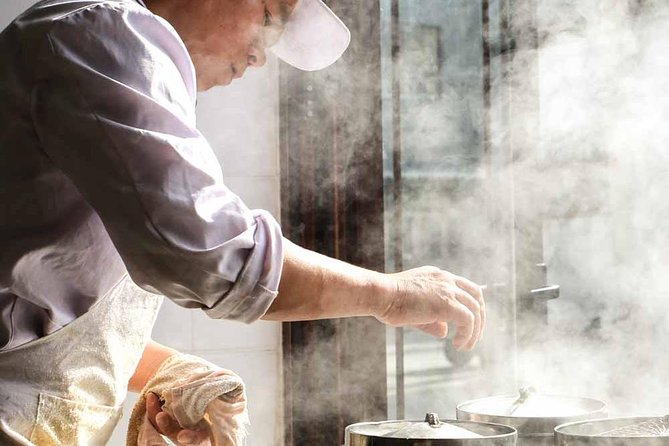
One of the first tastes you’ll look forward to is Aunt Jie’s handmade pork zongzi. Zongzi is one of those foods that feels seasonal and ceremonial, but this version is presented as part of real daily food culture, not a museum item.
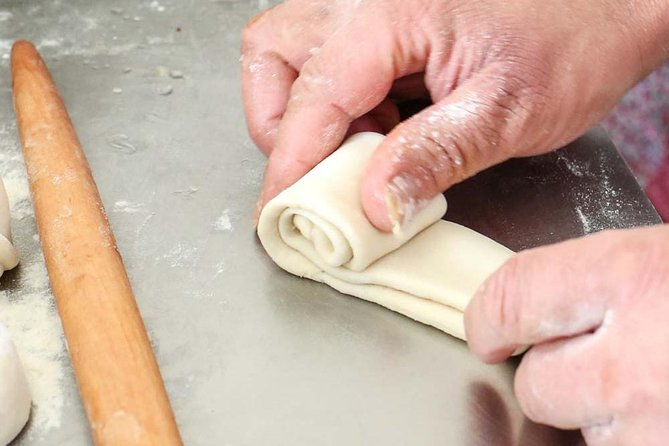
The big value here is the handmade aspect. When you’re told the zongzi is wrapped using a generations-old recipe approach, it turns your bite into something with context. You’re tasting the dumpling plus the method, leaf flavor, and the comfort of a dish that has had time to perfect itself.
This stop also works as a warm-up for the rest of the morning. Zongzi is filling, which is helpful when you’re about to try bolder flavors later. If you tend to get overwhelmed by too many strong tastes in a row, starting with a familiar, savory base helps you enjoy what comes after.
Douzhi, Beijing’s Bold Fermented Tradition
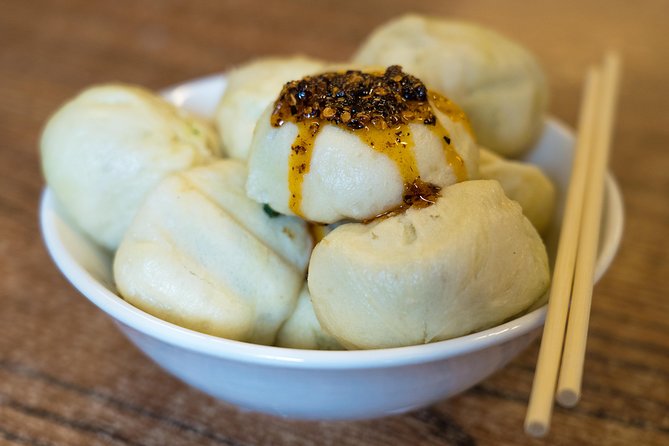
If there’s one stop that turns this tour from good into memorable, it’s douzhi. The highlights call it Beijing’s boldest, and that’s fair. It’s fermented, tangy, and not trying to be polite about it.
How should you handle that? Treat douzhi like a learning bite, not a test of bravery you must pass in one go. Take a small taste, notice the tang and funk, and decide whether it fits your palate. If you love it, you’ll get why people call it iconic, if you don’t, you’ll still leave with a clear understanding of what makes it so Beijing.
Also, you’ll probably notice that the tour doesn’t stop at one flavor profile. The itinerary mixes savory and sweet, and douzhi sits in a spot where your taste buds reset by contrast. That contrast is part of the value, you get the whole range of what people actually eat, not just the mild version.
More hutong walks in Beijing:
- Temple Heaven, Summer Palace, Lama Temple, Hutong Bus Tour
★ 4.7 · 319 reviews - Temple of Heaven, Summer Palace, Lama Temple, Hutong Tours
★ 5.0 · 311 reviews - The Hutong Experience by Bike
★ 5.0 · 163 reviews - Beijing: Hutong Culinary Walking Tour with 15+ Tastings
★ 5.0 · 162 reviews
Mr. Yu’s Beef Flatbread and Tofu Pudding for Real Comfort
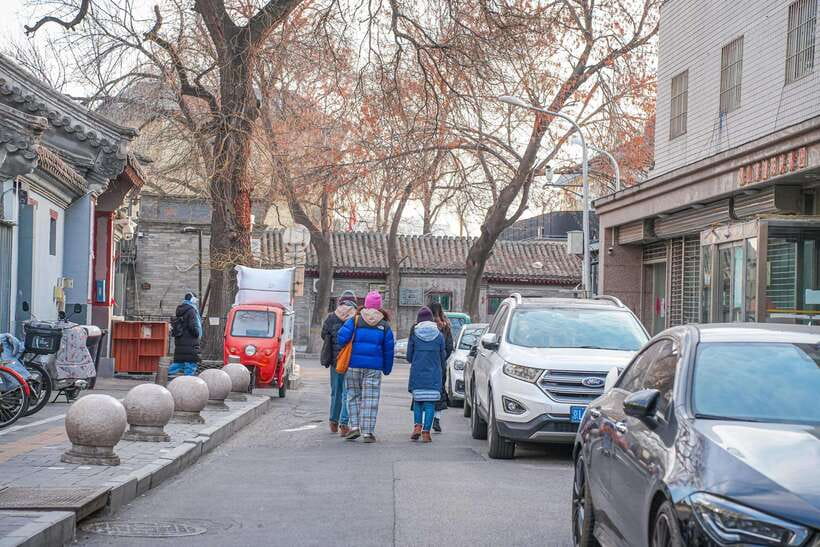
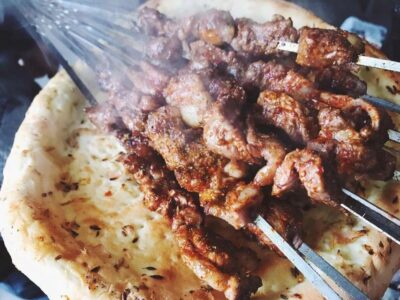
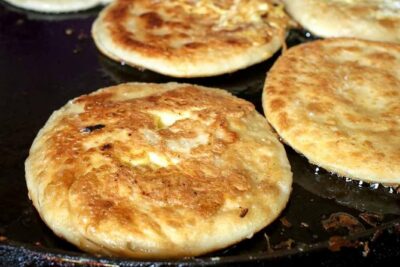
Next you’ll get Mr. Yu’s beef flatbread and tofu pudding, two items that lean into comfort food. Flatbread gives you something hot and crisp, while tofu pudding brings a softer, soothing finish to the savory side.
This pairing is smart for a short tour. If you only had dumplings, you’d miss the texture contrast that makes street food fun. With beef flatbread, you get savory chew and browned edges, and with tofu pudding you get a cooling texture that makes the next bite easier.
The tour story here matters too. The highlights frame Mr. Yu’s offerings as childhood favorites, which makes them less about tourism and more about daily memory. That kind of explanation changes how you eat, you’re not just tasting ingredients, you’re tasting what the food means in someone’s life.
Hutong Secrets in Stone, Signs, and Courtyards
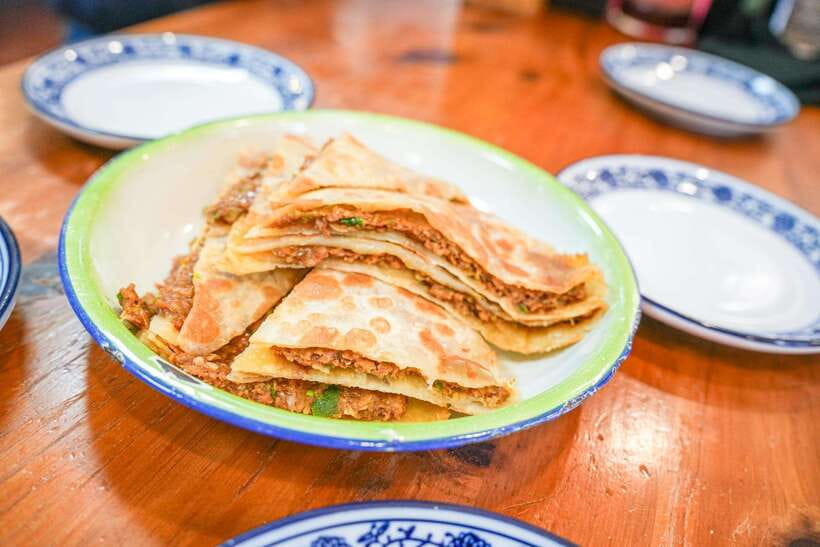
Between food stops, the tour builds a running thread: hutong secrets. Your guide points out small details, like stone doorways and signs, and they connect those features to the way the neighborhood works.
This part is worth paying attention to because it makes the hutongs legible. Without guidance, you may just see narrow lanes and old walls. With guidance, you start noticing patterns, entrances, courtyards, and the kind of signage locals use to orient themselves.
It’s also a good way to manage the intensity of tasting. You can’t eat 12+ things without breaks, and these short moments of walking and explanation help your body keep up. You’ll still feel like you’re on a food mission, but it won’t feel like a constant shove of food into your mouth.
Jianbing With a Cheesy Twist, Plus Sweet Pancake Options
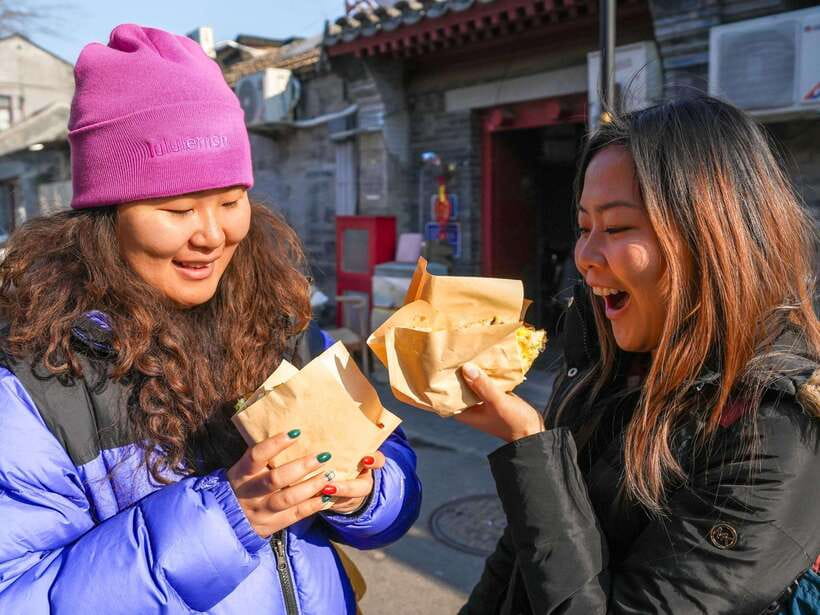
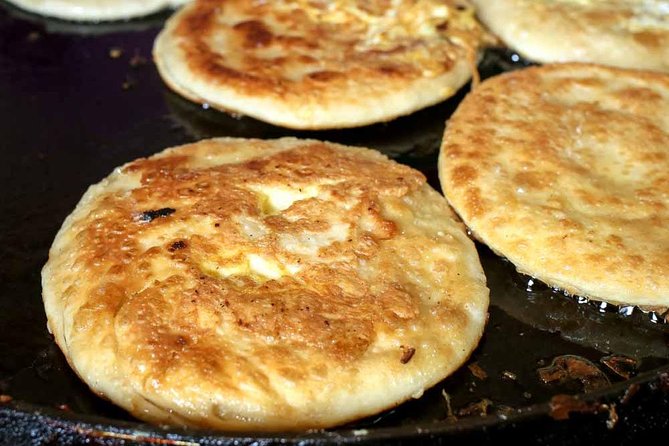
The finishing stretch often centers on jianbing, including a hole-in-the-wall style spot with a cheesy twist. Jianbing is the kind of breakfast that works for many tastes, crisp edges, egg base, savory toppings, and that satisfying street-food snap.
Adding cheese changes the experience. It gives the savory bite more body and helps the pancake feel more indulgent, especially if you’re used to simpler jianbing styles. If you like comfort with a little extra richness, this is a strong payoff.
You may also encounter sweet pancake choices as part of the tour’s dessert round. In the details you were given, sweet pancake appears along with other sweet options, including imperial-era sweets once made for emperors. That imperial angle is fun because it explains why some sweet textures and flavors feel especially ceremonial even when served in small street portions.
One practical note: some of the dessert items lean heavily on red bean paste. If you love red bean, great. If you do not, take smaller bites across the sweet section, and rely on the unlimited soft drinks and water to keep your palate refreshed.
What 12+ Dishes Feels Like in Real Life, and How to Pace
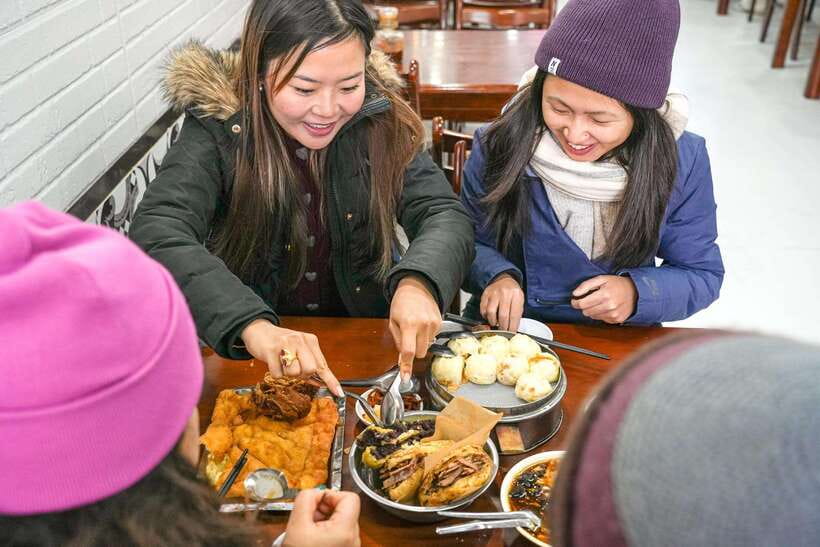
The tour promise is 12+ dishes at 5+ hidden spots, with unlimited food and drinks at over 6 eateries and street stalls. That sounds intense, and it is. But because the tastings are distributed across different stops, it feels manageable rather than overwhelming.
Here’s how I’d pace it if you want to enjoy every bite. Use the first savory items as your foundation, then take smaller portions during the bolder flavors like douzhi. When sweet courses arrive, treat them like samples, not a meal that has to be finished.
Unlimited water and soft drinks are a quiet win here. They let you reset between textures, like moving from crispy flatbread to smooth tofu pudding to a crunchy jianbing bite. If you’re sensitive to strong flavors, that reset time is how you keep your stomach comfortable.
Finally, wear comfortable shoes. Hutong lanes can be uneven and the tour requires walking between stops. This isn’t a seated tasting, it’s a guided morning route, and your feet will feel it.
Price and Value: Is $45 Worth It for 12+ Bites?
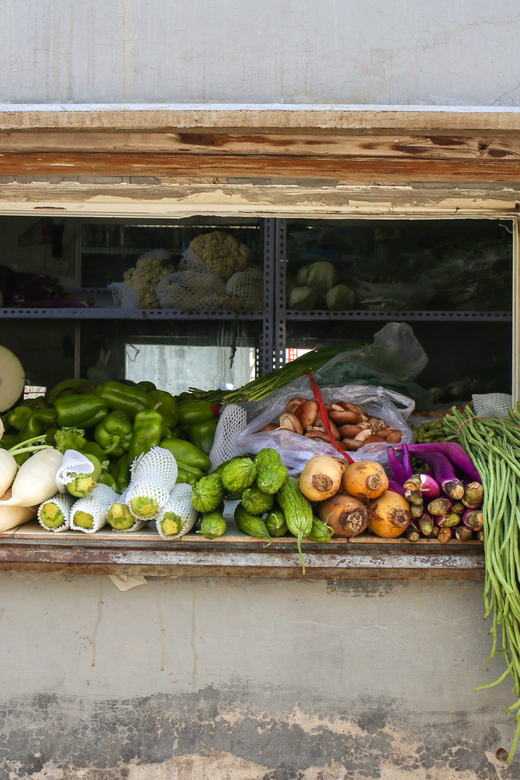
At $45 per person for about 3 hours, the value comes from two things: quantity and guided access. You’re getting a professional English-speaking guide, and you’re also getting unlimited food and drinks across more than half a dozen places. That’s hard to replicate if you’re just trying to do it on your own, because you’d spend time finding the right stalls and then paying for each item separately.
You’re also paying for risk management. Some foods like douzhi are not “order and hope” experiences. Having a guide frame what you’re about to taste helps you decide how much to eat and how to approach it.
So is it a bargain or a splurge? It’s a bargain if you want variety and context in a short window. It’s a splurge only if you hate surprises, want only mild flavors, or you’re a picky eater who struggles with unfamiliar tastes.
Vegetarian-Friendly, But Not Fully Replaceable
The tour is vegetarian-friendly, but you should not assume every dish can be swapped. The information you have is clear that substitutions are not available for every dish, so you may still encounter items that do not fit a strict vegetarian diet.
If you’re vegetarian, I’d treat this as a “most likely works with guidance” situation, not a guaranteed menu match. Ask your guide in advance how they handle vegetarian needs for specific stops, especially where meat is central, since zongzi and beef flatbread are part of the highlights.
If you’re not vegetarian but you eat a lot of different foods happily, you’ll likely enjoy the full range of flavors more.
Who Should Book This Hutong Breakfast Tour, and Who Should Skip
This tour is a great fit if you want Old Beijing flavor fast, and you like learning while you eat. It’s also a good choice if you enjoy street food textures, from crispy jianbing edges to creamy tofu pudding and tangy fermented bites.
It’s not suitable for people with mobility impairments, based on the tour’s stated limitations. If you have difficulty walking uneven paths or standing for multiple stops, you should look for a different format.
If you love food with stories and you want someone to show you the hutong details you’d miss, this is the kind of tour that makes the city feel personal. If you want only safe, mild tastes, you may find parts of the menu challenging, especially douzhi and the heavier dessert rounds.
Should You Book This Beijing Hutong Breakfast Tour?
I’d book it if your top goal is to eat a lot of Beijing breakfast staples in one 3-hour window, with a guide who explains what you’re tasting. The combination of Aunt Jie’s zongzi, Mr. Yu’s flatbread and tofu pudding, douzhi, and cheesy jianbing is a smart mix of comfort and boldness.
I would think twice if you strongly dislike fermented flavors or you prefer fewer sweet courses. In that case, you can still book and plan to pace, but your enjoyment may hinge on how you handle douzhi and red bean paste desserts.
If you’re deciding whether to take the plunge, start with your personal tolerance for bold tastes. If you’re curious, this tour is one of the more efficient ways to experience Beijing breakfast culture up close.
FAQ
Where do I meet for the Beijing Hutong Breakfast Food Tour?
You meet at Zhongguo Meishuguan (National Art Museum) Subway Station, Exit B, street level. Your guide will be carrying a bright yellow Lost Plate tote bag.
How do I get there by subway?
Take Line 8 to Zhongguo Meishuguan (National Art Museum) station. Follow signs to Exit B and meet your guide outside the exit.
What’s included in the price?
The tour includes a professional English-speaking guide, unlimited food and drinks in over 6 eateries and street stalls, plus unlimited water and soft drinks.
How long is the tour?
The tour duration is 3 hours.
Is the tour vegetarian-friendly?
Yes, it is vegetarian-friendly, but substitutions are not available for every dish.
Is the tour suitable for people with mobility impairments?
No, the tour is not suitable for people with mobility impairments.
Does the tour run in bad weather?
Yes, it operates rain or shine, so dress appropriately for the weather and wear comfortable shoes.
Recently added around Beijing
- Private Transfer to Mutianyu Great Wall with professional driver★ 5.0 · 19 reviews
- Wild Great Wall Hikes★ 5.0 · 10 reviews
- camp on the Great Wall overnight with sunrise and sunset on the wall★ 5.0 · 11 reviews
- Beijing: to Xi’an Terracotta Day Tour by Roundtrip Bullet Train★ 5.0 · 9 reviews
- Beijing Airport Layover Tour to Mutianyu Great Wall★ 5.0 · 4 reviews
- Private Wild Great Wall Hiking tour at Simatai (Challenging)★ 5.0 · 16 reviews
- Beijing: Mutianyu Great Wall and Tea House Private Tour★ 5.0 · 11 reviews
- Ultimate Forbidden City and Mutianyu Great Wall Discovery with Airport Transfer★ 5.0 · 25 reviews
Hutong Tours, compared.
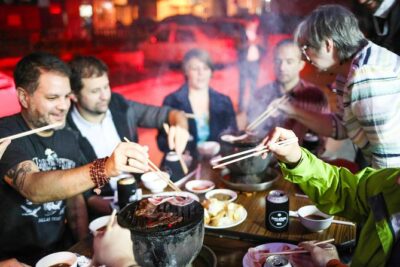
Beijing Hutong Walking Food and Beer Tour at Hidden Restaurants
Read our review →
Temple Heaven, Summer Palace, Lama Temple, Hutong Bus Tour
Read our review →
Temple of Heaven, Summer Palace, Lama Temple, Hutong Tours
Read our review →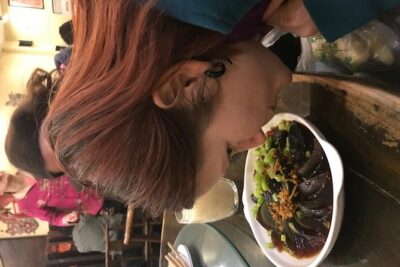
Browse the lists this tour appears in