
Reviewed · HUTONG TOURS
Beijing: Hutongs & Food & Culture Walking Tour
Hutongs show Beijing at human speed. This walk gives you a close look at hutong life through narrow lanes and traditional siheyuan courtyards, with enough context to help you understand what you are actually seeing.
I also love the way the tour builds food and culture into the route, so you get street food flavors like jianbing guozi and tanghulu, plus a teahouse tea ceremony and hands-on folk crafts when they line up. One thing to plan for up front, the museum stop needs advance passport details for ticket booking, and food and drinks are not included.
In This Review
- Key Highlights You Will Feel, Not Just See
- Where This Tour Starts, and Why It Matters
- Hutongs and Siheyuan, the Real Beijing Neighborhood Look
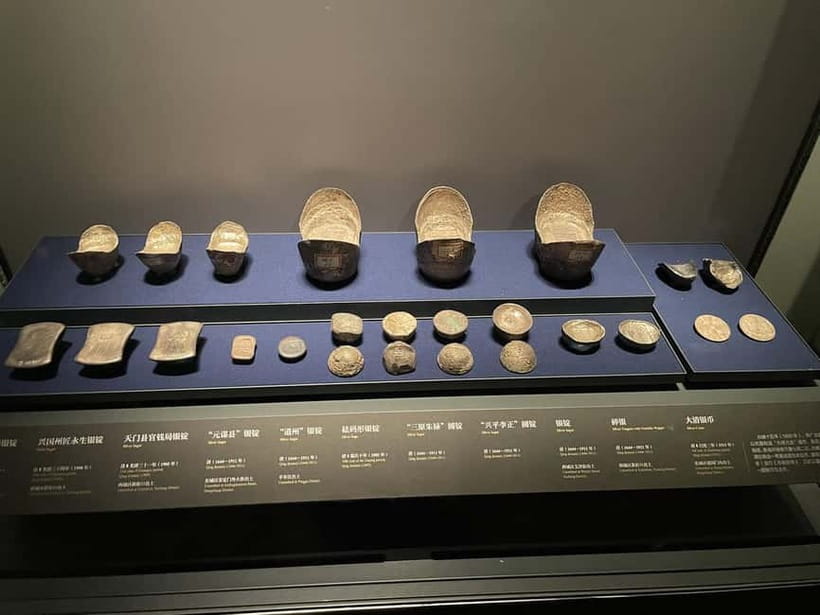
- The Beijing Capital Museum Leg, When Your Option Includes It
- Street Food Stops: Jianbing, Tanghulu, Douzhi (and Friends)
- Teahouse Time and the Art of Tea Brewing
- Folk Crafts and Peking Opera Glimpses (If You Catch Them)
- Nanluoguxiang and Shichahai, Old Meets New (In a Good Way)
- Rickshaw Ride and Home Visit, Only If You Book That Option
- Price and Value, Especially for a 3 to 6 Hour Day
- Practical Logistics You Should Handle Before You Go
- Passport and ticket booking
- What to bring
- What not to bring
- Accessibility
- Who This Tour Is Best For (and Who Might Skip It)
- Should You Book This Hutong, Food, and Culture Walk?
- FAQ
- How long is the Beijing Hutongs, Food, and Culture walking tour?
- Where can I start the tour?
- What is included in the tour?
- Is food included in the price?
- Do I need a passport for the tour?
- What languages is the guide available in?
- Is flash photography allowed?
- Is the tour wheelchair accessible?
Key Highlights You Will Feel, Not Just See
- Classic hutong walking route through well-preserved neighborhoods, with a feel for daily life in older Beijing
- Street food tasting focus on local favorites like jianbing guozi, tanghulu, and douzhi
- Teahouse tea ceremony time with a guide who explains jasmine tea or oolong traditions
- Folk craft moments like paper cutting or calligraphy, depending on what is happening nearby
- Scenic breaks around Shichahai, where the pace slows and you can watch locals by the lake
- Optional rickshaw ride and home visit, if you book that version
Where This Tour Starts, and Why It Matters
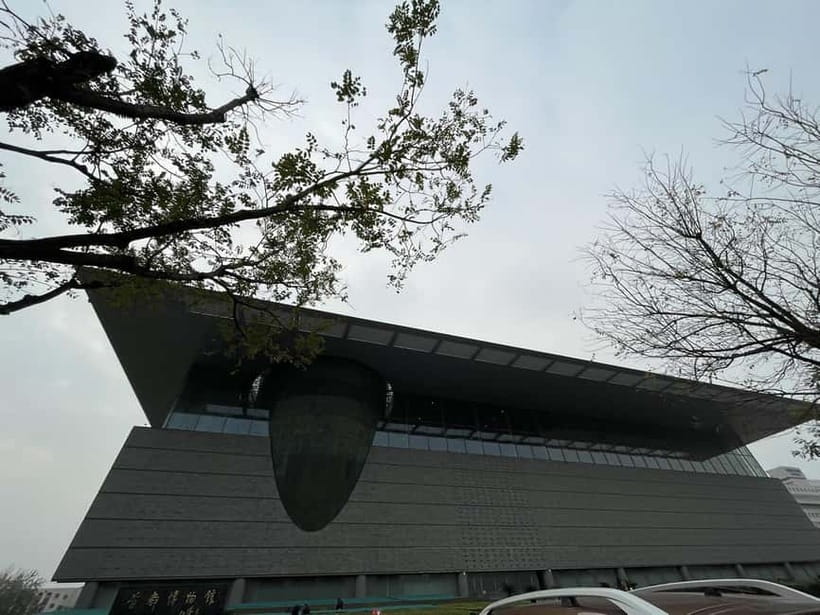
This experience runs 3 to 6 hours, and it starts from one of three points: 鼓楼 (Drum Tower), Beijing Capital Museum, or Shichahai. That choice can change the mood of your day.
If you start near Shichahai, you can ease into the hutong lanes with a calmer lakeside setting right at the start. If you start at the Capital Museum, expect the day to lean more toward guided culture inside a major institution before you move into neighborhoods. Starting at Drum Tower puts you closer to a historic core, so you spend less time “getting oriented” and more time walking right away.
Also note the practical rule set: no large luggage, no bikes, and you need to keep things quiet and low-key as you move through residential-style areas. If you like walking with intention, this format works.
More Food Tours in Beijing
- Beijing Hutong Walking Food and Beer Tour at Hidden Restaurants
★ 5.0 · 1,132 reviews - Beijing: Hidden Gems Guided Food Tour with Beer and Tastings
★ 4.9 · 306 reviews - Beijing Private Hutong Food Walking Tour
★ 5.0 · 299 reviews
Hutongs and Siheyuan, the Real Beijing Neighborhood Look
Your main route is built around hutongs, the narrow, winding lanes that shaped old Beijing. As you walk, you are meant to notice the details that make these places feel lived-in, not staged.
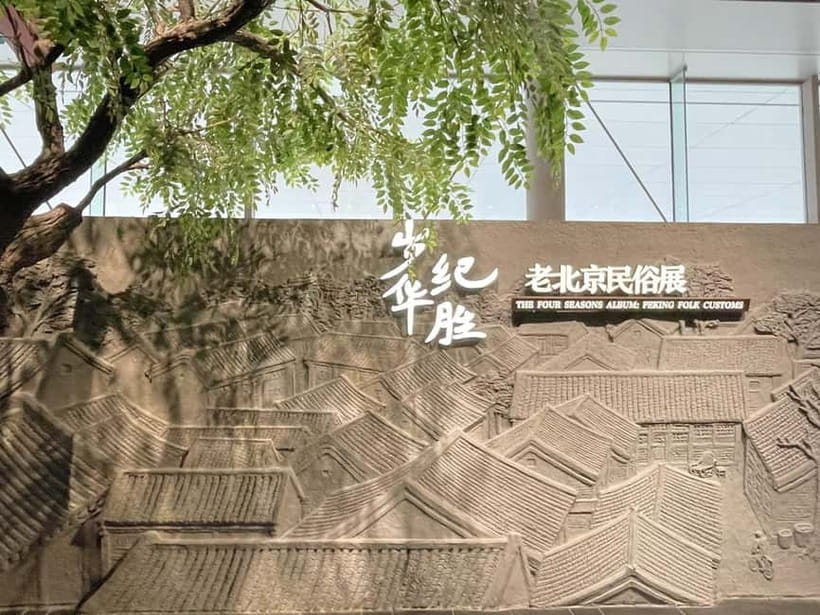
You will pass traditional siheyuan (courtyard residences) with their gray tiled roofs and red wooden doors, and the tour encourages you to look at how courtyards connect families, daily routines, and community life. That is the value here: you are not just taking pictures of “old stuff.” You are learning how the layout supports everyday living, where people socialize, and how a neighborhood works when everything is close.
A key part of why this tour is fun is that you will likely mix “moving moments” and “pause moments.” The route is described as a classic hutong culture path, and it includes areas known for staying more intact than the citywide rebuilds. That helps you get a clearer feel for what hutongs used to be like.
The Beijing Capital Museum Leg, When Your Option Includes It
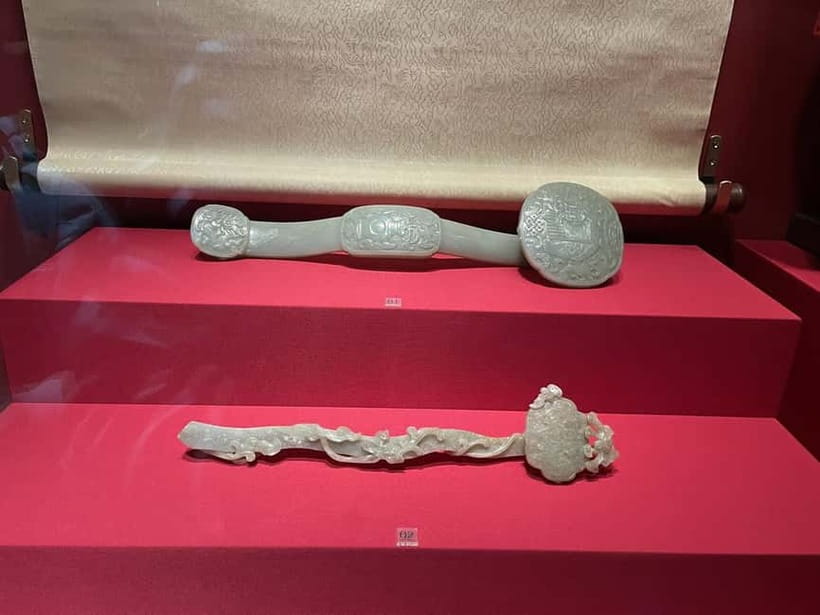
Some versions include a guided visit to the Beijing Capital Museum, listed at 3 hours. If your start option places you there, you should expect a fuller chunk of time focused on museum-level context.
This is not just a stop to pass time. Museum time matters because hutongs make more sense when you understand the broader city story around them. Also, the museum is wheelchair accessible, which is helpful information if you need step-free access.
One practical tip: the museum also ties into the passport requirement. Admission needs to be booked in advance online, and you are asked to send passport information ASAP once you book, so staff can handle ticket booking. If you are traveling with a tight schedule, this is the part you want to do early, not the day before.
Street Food Stops: Jianbing, Tanghulu, Douzhi (and Friends)
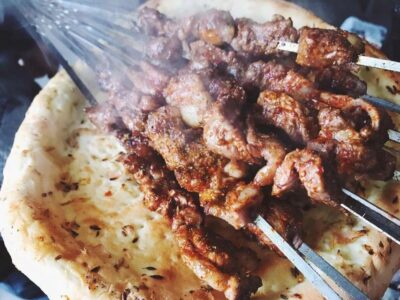
No hutong walk in Beijing is complete without food, and this tour treats snacks as a cultural shortcut. Follow the aromas to local stalls and family-run eateries, where you can taste a few iconic everyday foods rather than hunting randomly on your own.
Here are the standouts the tour highlights:
- Jianbing guozi: a crispy fried crepe filled with egg, scallions, savory sauce, and wrapped with a crunchy wonton layer. It is often a local breakfast staple, so it also connects food to morning routines.
- Tanghulu: sweet and tangy candied hawthorns on a stick. It is a great “street dessert” counterpoint if savory snacks run long.
- Douzhi: a fermented mung bean soup with a tangy flavor, often paired with youtiao (fried dough sticks) and preserved vegetables. If you try it, do it with an open mind. Fermented foods are a big part of daily flavor culture.
One honest consideration: food and beverages are not included. So you are choosing to buy what you eat, even though the tour uses the route to point you toward the right places. In practice, it is still good value because the guide steers you to authentic spots and timing, and you are not guessing what is worth your money.
More Walking Tours in Beijing
- Private Beijing Walking Tour of the Forbidden City with 7 Options
★ 5.0 · 675 reviews - Forbidden City Private Walking Tour with Optional Sights
★ 5.0 · 400 reviews - Beijing: Hutong Culinary Walking Tour with 15+ Tastings
★ 5.0 · 162 reviews - Beijing: Highlights of Forbidden City Private Walking Tour
★ 5.0 · 104 reviews
Teahouse Time and the Art of Tea Brewing
Another smart piece of this experience is that it slows down at a traditional teahouse. You step into a calmer setting, then a tea master guides a tea ceremony, focusing on fragrant jasmine tea or oolong.
What you get from this part is not just a drink. You learn how tea culture is taught, how brewing is treated as a kind of ritual, and how the atmosphere supports conversation. In a city where you can move fast and forget to pause, this is a reset button.
It also fits the hutong theme. Teahouses historically connect people in the neighborhood, and they give you an easy way to notice how social life fits into daily schedules.
If you are the type who likes learning through small moments, the teahouse stop is one of the best parts of the day.
Folk Crafts and Peking Opera Glimpses (If You Catch Them)
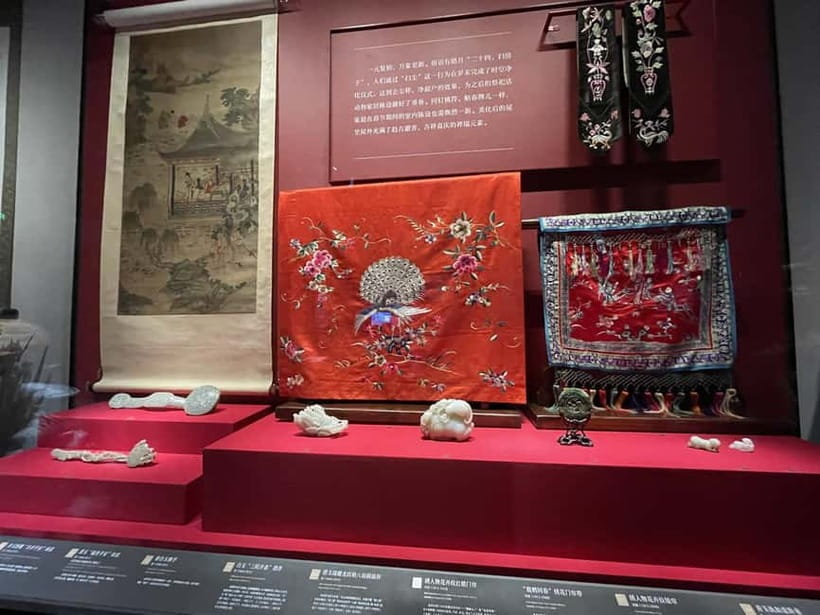
The tour may also include brief folk craft moments nearby, such as paper cutting or calligraphy. Paper cutting can show delicate patterns meant to symbolize good luck and prosperity. Calligraphy lets you see Chinese characters built with brush and ink.
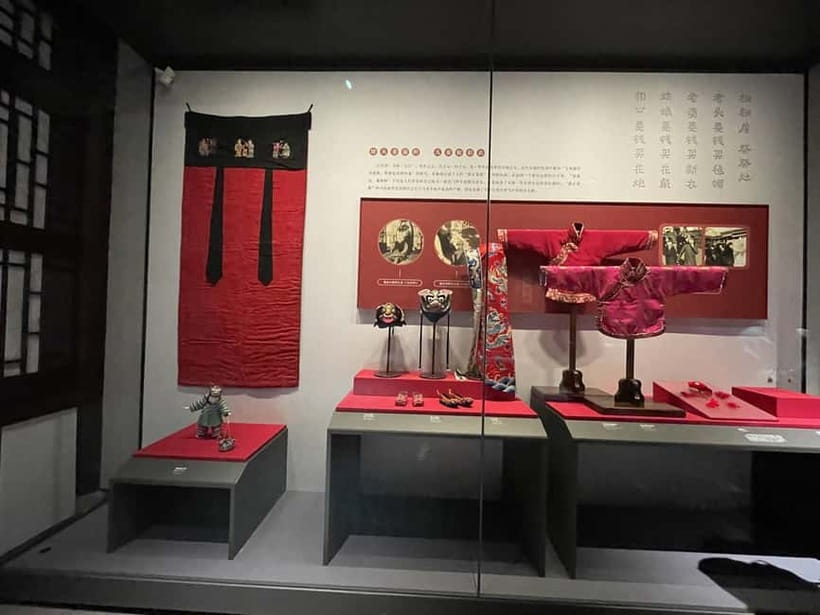
You might also catch a snippet of Peking Opera from a nearby venue, with vibrant costumes and distinctive singing. The key word here is might. The tour data frames it as something you could stumble upon depending on timing and what is happening around you.
Either way, the crafts and possible opera connection work because they show Beijing culture beyond museums. It is not just architecture and food. It is performance and hand skills.
Nanluoguxiang and Shichahai, Old Meets New (In a Good Way)
Two named areas come up as part of the experience: Nanluoguxiang and Shichahai.
Nanluoguxiang is described as balancing traditional charm with modern vibes. Think ancient residences alongside boutique shops and cozy cafes. That mix can be a positive thing, especially if you want hutong atmosphere without feeling like you stepped into a museum only.
Then there is Shichahai, surrounded by scenic lakes. This is where the day often feels lighter. You can watch locals fly kites by the water, hear willow trees rustle, and take a breather in a lakeside teahouse. Even if you are not staying long at each point, the lake area gives you a natural pause so you do not over-walk.
This is also why starting at Shichahai can be a good idea. You start with a setting that makes the rest of the walk easier to enjoy.
Rickshaw Ride and Home Visit, Only If You Book That Option
The tour listing includes “Rickshaw ride and home visit” if that option is selected. If it is part of your booking, it becomes one of the biggest “wow” factors, because you do not just look at hutongs from the sidewalk.
A rickshaw ride can help you cover small lanes without burning your legs, and a home visit (when included) can give you a closer feel for courtyard life. But since it depends on your chosen option, double-check what you selected before you show up.
If you do not choose that version, you still get the hutong walk and the food and culture focus. Just know that the “extra close-up” part is tied to the option.
Price and Value, Especially for a 3 to 6 Hour Day
The price listed is $2.86 per person, which is unusually low for a guided walking tour in a major city. I cannot promise what any final checkout includes beyond what the tour lists, but based on the structure, the value comes from three things:
- You are getting a guided route covering multiple neighborhoods and cultural beats.
- You are pointed toward specific food and cultural stops.
- Some versions include extra components like museum guidance, a rickshaw ride, and a home visit.
What holds the experience back from being “cheap and complete” is that food and beverages are not included, and museum admission requires advance booking steps with passport info. So your real spend is partly what you buy along the way.
Still, for the time on the ground with a guide and a plan that avoids aimless walking, the overall setup looks like a smart bargain if you are comfortable paying for your own snacks.
Practical Logistics You Should Handle Before You Go
To make the day smooth, these are the biggest real-world rules:
Passport and ticket booking
Admission needs to be booked in advance online, and you are asked to send passport information for ticket booking. Once you book, send your passport info ASAP. During China holidays, booking needs to happen 7 days ahead to ensure the ticket.
If you are traveling with a passport you can access easily, do not wait. This is the one administrative step that can cause stress if you leave it late.
What to bring
Bring your passport, or passport plus an ID card as required by the rules given.
What not to bring
No luggage or large bags, no pets (assistance dogs are allowed), and no smoking indoors. Flash photography is prohibited, and tripods are also prohibited.
There is also a basic “be considerate” vibe: don’t make noise, don’t litter, and don’t make fire.
Accessibility
The tour is wheelchair accessible, and the museum is wheelchair accessible as well. If you are relying on accessibility support, starting at a point with easier access can be helpful, but you should confirm details with your booking.
Who This Tour Is Best For (and Who Might Skip It)
This experience fits best if you want an organized hutong walk without having to plan every stop yourself. It is also a good fit for people who like food culture and small cultural encounters, not just landmarks.
You might especially enjoy it if:
- You like walking through local neighborhoods at a manageable pace.
- Street food is your preferred “history class,” and you want help finding it.
- You like tea culture and folk crafts as part of the same day.
Two groups to think about carefully:
- If you are sensitive to fermented flavors, consider whether douzhi is a must for you.
- It is not suitable for people over 95 years, per the rules.
If you are traveling with friends and want a shared day, private group availability is offered, which can help if you prefer a slower pace or less crowd energy.
Should You Book This Hutong, Food, and Culture Walk?
I think you should book it if you want a guided path through hutongs plus food plus culture, with named neighborhoods like Nanluoguxiang and Shichahai and clear food targets such as jianbing guozi, tanghulu, and douzhi. The teahouse tea ceremony and the craft moments add variety, so the day does not feel like one long hallway.
Skip it or switch to a different style if you hate any advance paperwork. The passport-based ticket booking step is not optional, and food is on you, not included.
If you do book, send your passport details quickly, travel with only what you can carry comfortably, and decide in advance how adventurous you feel about fermented flavors. Do that, and this tour can turn Beijing’s old lanes into a day you actually remember.
FAQ
How long is the Beijing Hutongs, Food, and Culture walking tour?
The duration is listed as 3 to 6 hours. The exact length can vary by starting time and the option you select.
Where can I start the tour?
There are 3 starting location options: 鼓楼 (Drum Tower), 首都博物馆 (Beijing Capital Museum), and Shichahai. The meeting point may vary depending on the option booked.
What is included in the tour?
The tour includes a guided tour according to your selected option. A rickshaw ride and home visit are included only if you choose the option that includes them.
Is food included in the price?
No. Food and beverages are not included.
Do I need a passport for the tour?
Yes. Admission requires booking in advance online, and you are asked to send your passport information for ticket booking.
What languages is the guide available in?
The live tour guide is available in English, Chinese, French, and Dutch.
Is flash photography allowed?
No. Photography is allowed, but flash photography is prohibited, and tripods are also prohibited.
Is the tour wheelchair accessible?
Yes. The tour is wheelchair accessible, and the museum is also wheelchair accessible.
More Hutong Walks in Beijing
- Temple Heaven, Summer Palace, Lama Temple, Hutong Bus Tour
★ 4.7 · 319 reviews - Temple of Heaven, Summer Palace, Lama Temple, Hutong Tours
★ 5.0 · 311 reviews - The Hutong Experience by Bike
★ 5.0 · 163 reviews - Beijing Hutong Breakfast Food Tour
★ 5.0 · 155 reviews
Recently added around Beijing
- Private Transfer to Mutianyu Great Wall with professional driver★ 5.0 · 19 reviews
- Wild Great Wall Hikes★ 5.0 · 10 reviews
- camp on the Great Wall overnight with sunrise and sunset on the wall★ 5.0 · 11 reviews
- Beijing: to Xi’an Terracotta Day Tour by Roundtrip Bullet Train★ 5.0 · 9 reviews
- Beijing Airport Layover Tour to Mutianyu Great Wall★ 5.0 · 4 reviews
- Private Wild Great Wall Hiking tour at Simatai (Challenging)★ 5.0 · 16 reviews
- Beijing: Mutianyu Great Wall and Tea House Private Tour★ 5.0 · 11 reviews
- Simatai Great Wall & Gubei Water Town Private Trip English Driver★ 5.0 · 7 reviews
Hutong Tours, compared.
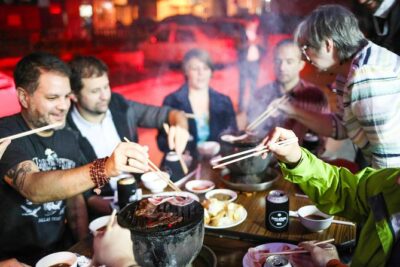
Beijing Hutong Walking Food and Beer Tour at Hidden Restaurants
Read our review →
Temple Heaven, Summer Palace, Lama Temple, Hutong Bus Tour
Read our review →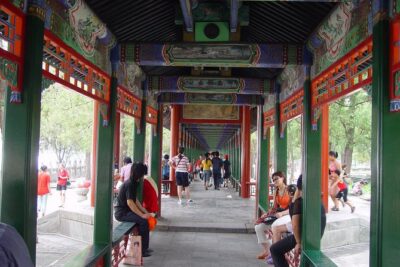
Temple of Heaven, Summer Palace, Lama Temple, Hutong Tours
Read our review →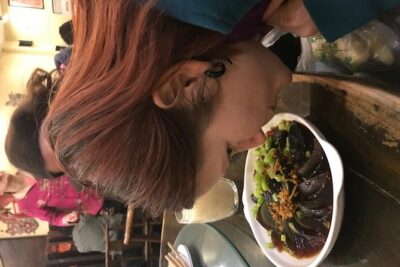

Browse the lists this tour appears in