
Reviewed · WORKSHOPS
Beijing Private Tai Chi Class
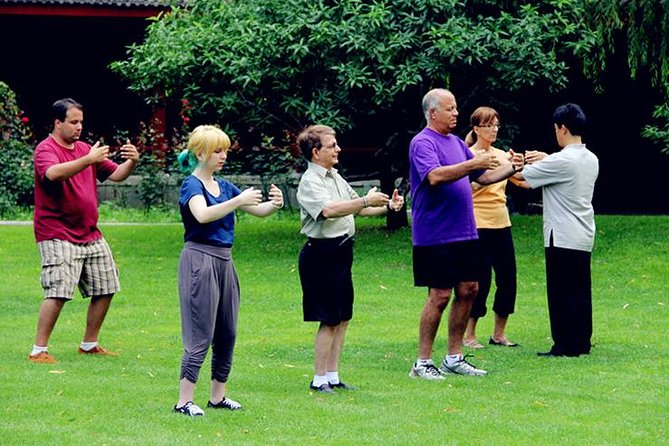
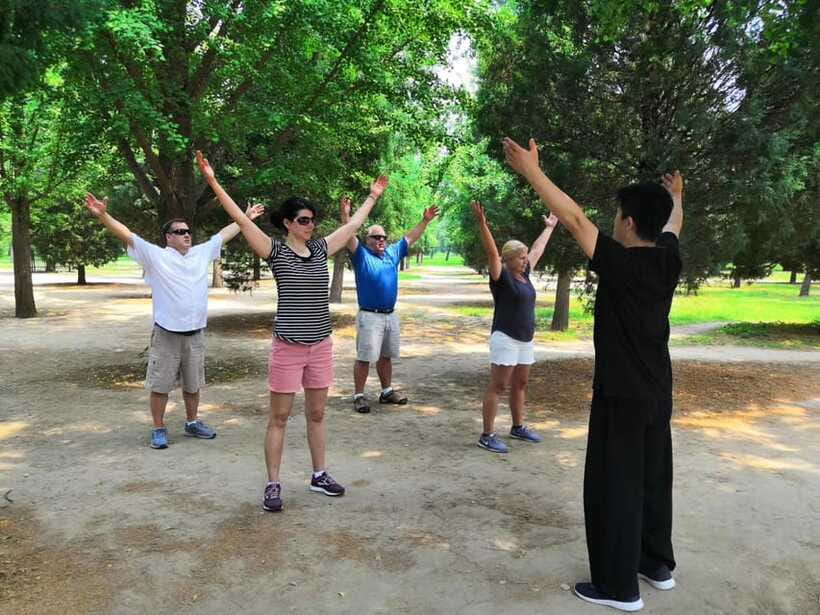
A calm morning in Beijing, right at the Temple of Heaven. A private beginner-focused Tai Chi class here is interesting because you learn a real movement set and also the ideas behind it, Yin Yang and Taoist principles included. Two things I’d highlight are the patient English-speaking masters and the hands-on way the lesson connects form practice with meditation and simple self-care. One consideration: it is not suitable for pregnant women, and it is not a long event, so plan to arrive on time and mentally settle in fast.
You’ll meet at the Temple of Heaven east gate ticket office, then spend about 1.5 hours learning a 9-step form sequence in a calm, structured way. Expect more than repeating poses. You’ll also practice standing meditation and get a taste of push hands, plus learn methods of self massage aimed at easing daily pain and stress.
If you want Tai Chi that’s approachable but still authentic in its cultural framing, this fits. You’ll get a mix of movement, explanation, and interactive teaching, the kind that makes the philosophy feel usable instead of just poetic.
In This Review
- Key highlights to look forward to
- Tai Chi at the Temple of Heaven, why this setting matters
- Meeting at Tian Tan Dong Men, getting there without stress
- Your 1.5-hour beginner plan, what you’ll actually do
- The 9-step form, how beginners build correct movement
- Standing meditation and push hands, gentle but real practice
- Standing meditation
- Push hands experience
- Qi, Yin Yang, and Taoist culture made understandable
- Self-massage for pain and stress, a practical takeaway
- Who this class suits best, and who should skip it
- Price and value: what $58 buys you in Beijing
- Should you book this Beijing private Tai Chi class?
Key highlights to look forward to
- Temple of Heaven setting for a naturally peaceful practice space
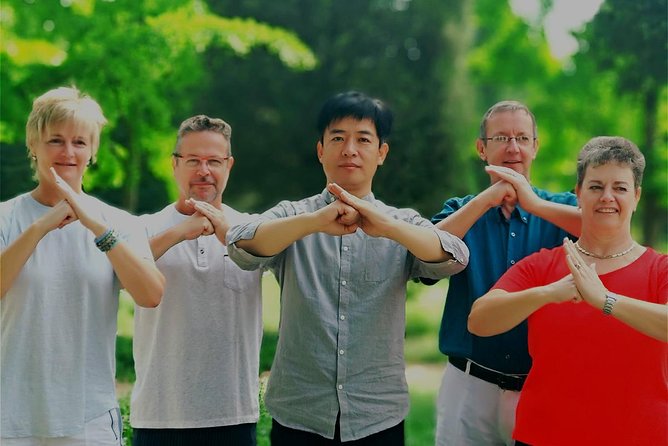
- Beginner 9-step form taught step by step, with clear guidance
- Standing meditation + push hands experience for real body awareness
- Yin Yang and Taoist culture explained in practical terms
- Self-massage methods for daily pain and stress relief
- English and Chinese instruction from a qualified master in a private group
Tai Chi at the Temple of Heaven, why this setting matters
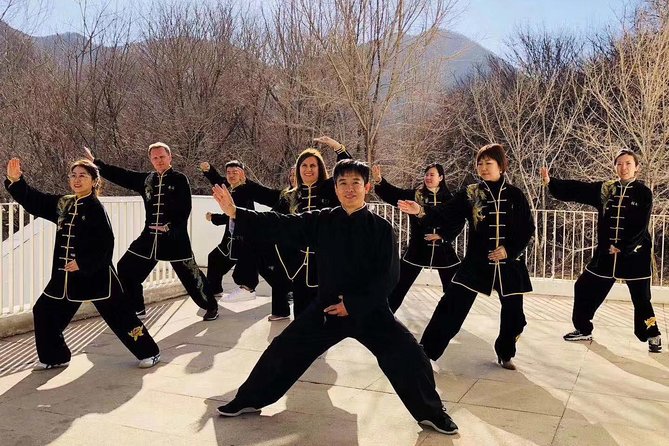
Learning Tai Chi works best when your body feels safe and your mind slows down. That’s why this class location is such a big deal. The Temple of Heaven grounds have open space and a calmer rhythm than many city parks, so the lesson feels less like training and more like practice.
You’re also surrounded by strong visual cues that match what you’re being taught. Tai Chi is often described as an internal martial art, but in reality you’re practicing timing, balance, and breathing control. When the environment is quiet and spacious, you can actually notice those small changes, like how your weight shifts and how your stance steadies.
This is also a culture-forward lesson. The session is designed to introduce Tai Chi culture alongside the physical work, so you’re not just copying movements. You’re learning why the movements are built the way they are, and how the practice links to ideas like Yin Yang and Taoist thinking.
A few more Beijing days worth comparing
- Beijing Calligraphy Class
★ 4.9 · 112 reviews - Chinese Calligraphy Class for Small Group
★ 5.0 · 104 reviews - Beijing: Dumpling Making Workshop with Meal and Tea
★ 4.7 · 69 reviews
Meeting at Tian Tan Dong Men, getting there without stress
Your starting point is the ticket office at the Temple of Heaven east gate, Tian Tan Dong Men. The practical win is that public transit makes the meeting point easy.
Here’s the simple route: take subway line 5, get off at Tian Tan Dong Men Station, then walk out of Exit A. The east gate area is about 50 meters away.
A couple tips that make your morning smoother:
- Arrive a little early so you can settle your body and clothing before you start.
- Wear comfortable clothing you can move in easily. Tai Chi is slow, but you still need a stable stance and free range of motion.
- If you’re bringing a camera or phone, think about asking your master to help capture a few photos after the key practice moments, since that kind of personal attention has shown up in past classes.
No hotel pickup is included, so plan to handle transit yourself.
Your 1.5-hour beginner plan, what you’ll actually do
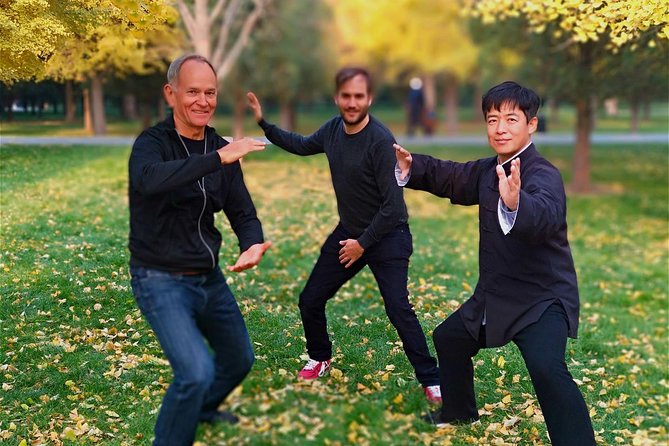
This class is built for beginners. That matters because beginners often get stuck in two traps: doing the form without understanding it, or trying to go too fast. Here, you get a structured path that starts with the fundamentals and then adds meaning.
You’ll learn a 9-steps Tai Chi form experience. “Experience” is the right word, because you’re not meant to just memorize shapes. You’ll practice the sequence as an integrated routine, using the coach’s guidance to improve alignment and coordination.
The pacing is also designed for learning your body. Tai Chi is about slow control, not speed. In 1.5 hours, you want enough time to feel the difference between the first attempt and the better attempt, and this format gives you that.
On top of the form, the session includes:
- Tai Chi culture presentation
- Standing meditation experience
- Push hands experience
- Self-massage methods for daily pain and stress relief
That mix is a smart beginner strategy. The form builds structure, meditation builds awareness, push hands adds responsiveness, and self-massage gives you something you can use later.
The 9-step form, how beginners build correct movement
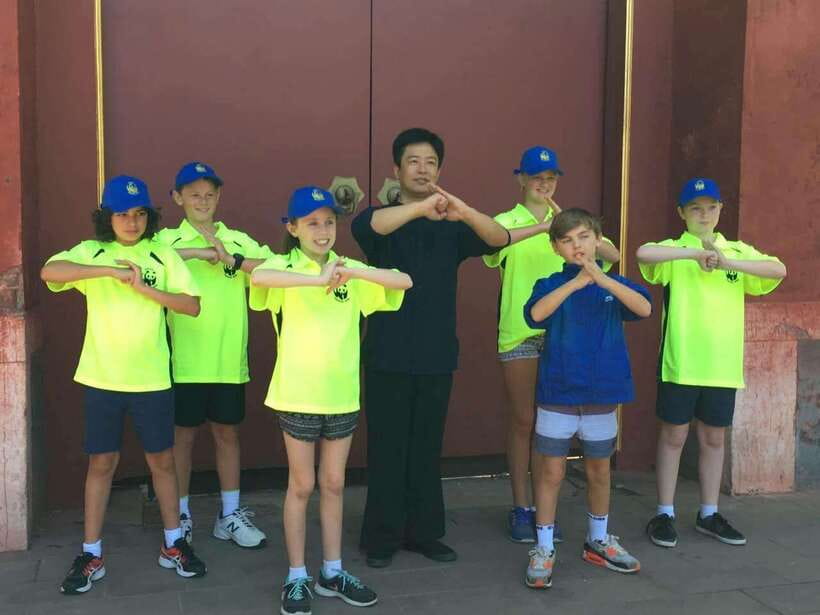
Most beginner Tai Chi lessons fail at one point, they either skip the internal logic or they overload you with too much at once. This one aims at the sweet spot: a step-by-step method that’s approachable and repeatable.
When you practice the 9 steps, focus on three beginner skills:
- Keep your posture relaxed but organized, meaning you’re not rigid, but you’re also not collapsing into bad alignment.
- Move with control, not effort. If it feels like you’re powering through, you’re probably doing it the harder way.
- Notice the transitions. Tai Chi changes happen during the shift, not just in the final pose.
Even if your first tries feel awkward, that’s normal. The teaching style is interactive and amusing, which helps a lot when you’re learning something unfamiliar. The goal is to keep you from getting frustrated, and instead stay curious.
English instruction is part of the value here. Reviews highlight masters like Leo and Eric, both known for clear communication and patience. If you don’t speak Chinese, that matters. You’ll understand what to do, why to do it, and what to adjust next.
Same city, a very different kind of day:
- From Beijing: Mutianyu Great Wall Tours with Options
★ 4.9 · 9,216 reviews - Beijing: Forbidden City Tour(Group/Private)-Tickets Included
★ 4.8 · 7,974 reviews - Beijing: T-Square & Forbidden City Group or Private Tour
★ 4.8 · 4,446 reviews - Beijing: Mutianyu Great Wall Daily Tour with Ticket & Lunch
★ 5.0 · 3,056 reviews
Standing meditation and push hands, gentle but real practice
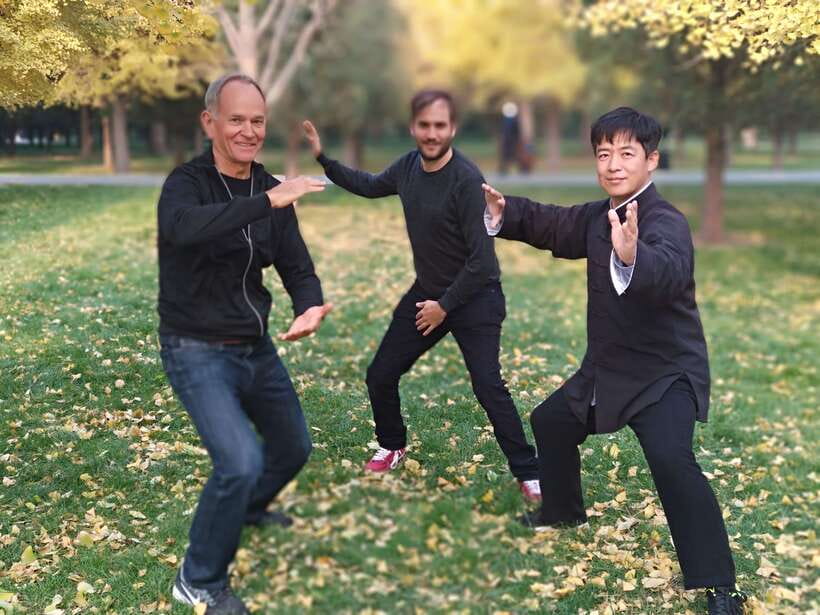
The class includes both standing meditation and push hands, and that’s where many beginner lessons either get too abstract or too technical. Here, you get an actual experience of both, which helps you understand how Tai Chi connects internal calm with practical responsiveness.
Standing meditation
Standing meditation is not about perfect stillness. It’s about learning how to stay grounded while your mind quiets down. In a beginner session, this typically means you practice awareness of breathing and body alignment while standing.
Push hands experience
Push hands can sound intimidating, but the beginner experience format is about sensing connection and responsiveness. You learn how contact and posture relate, and you get feedback that’s likely to make the form make more sense afterward.
Why this pairing works: once you’ve practiced meditation, you’re more likely to notice how tension changes your balance. Then push hands gives you immediate feedback on what tension does in motion. It’s a simple, effective way to learn without getting lost in theory.
Qi, Yin Yang, and Taoist culture made understandable
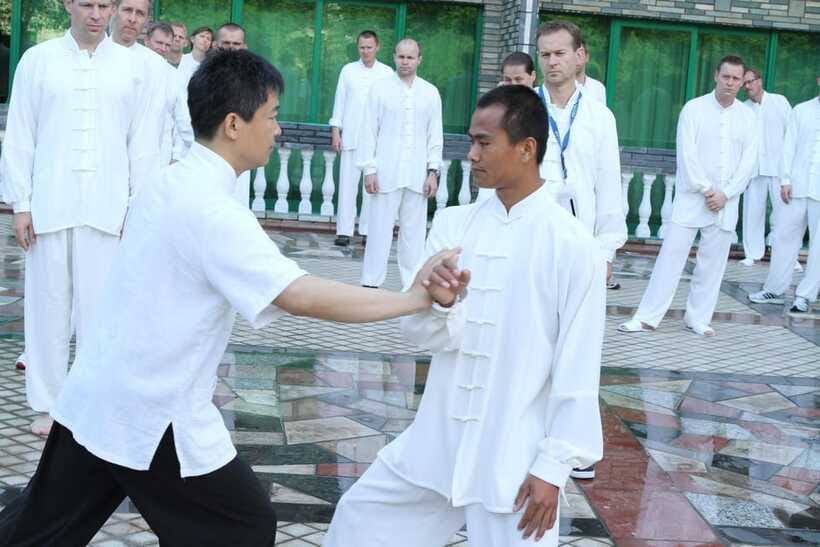
The lesson doesn’t treat culture as a lecture you must endure. It frames the movement within Yin Yang and Taoist ideas, and it connects those ideas to something you can feel through practice.
You’ll be guided toward the concept of Qi (energy) through natural but mysterious exercise. That wording can sound mystical, but what you’re really doing is learning how internal focus changes your movement quality. When you do the form with calm attention, you often feel heat, steadiness, or a subtle sense of energy flow. Even if you interpret Qi in your own way, the training itself can be grounding.
The culture presentation is also part of the “why.” You’re learning what Tai Chi culture means in daily terms, not only as a performance. That makes it easier to stay motivated, because you understand what you’re working toward.
Expect a teacher who uses clear explanations and interactive teaching. Names that come up often in past bookings include Eric and Master Lui. People also highlight patience and a strong command of English, which makes the cultural material easier to follow.
Self-massage for pain and stress, a practical takeaway
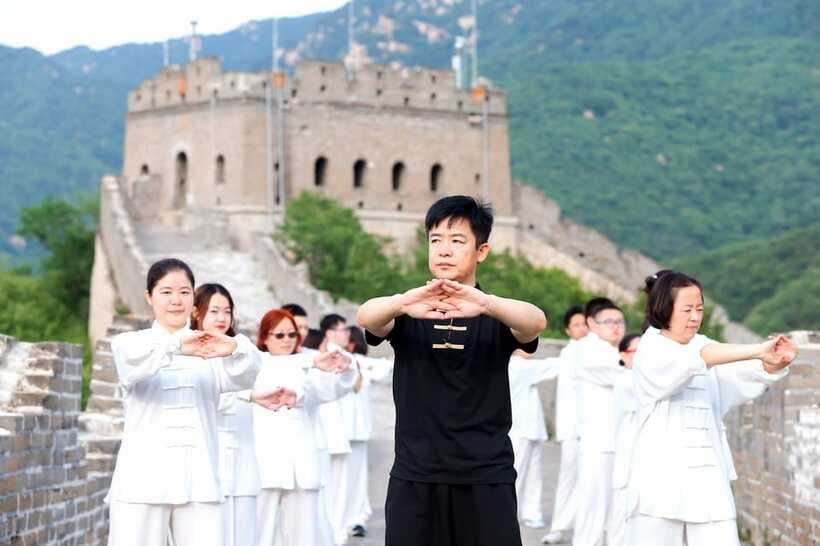
One of the most useful parts of this class is the self-massage training aimed at relieving pain and stress in daily life. This is valuable because it turns Tai Chi into something you can use after class ends.
The key here is simple: Tai Chi can help your body move better, but daily habits still create tension. Self-massage methods can help you manage that tension, so you leave the session with tools you can apply at home.
As a beginner, you might not have the time or experience to practice long sessions daily. A short daily routine plus an occasional guided movement practice can work well, and self-care techniques make that realistic.
If you’re someone who carries stress in your shoulders, neck, or lower back, this part is worth paying attention to. Even if you only remember a couple of moves, those can become your “reset button.”
Who this class suits best, and who should skip it
This activity is made for beginners. If you’ve never done Tai Chi before, you’ll likely feel supported by the step-by-step pace and the culture context that makes the movements feel purposeful.
It’s also a good fit if you want a private group experience rather than blending into a crowd. A private format usually helps because you can ask questions and get feedback on your posture and transitions.
Two practical fit notes:
- Not suitable for pregnant women.
- You should be comfortable standing and moving for about 1.5 hours.
If you’re an advanced Tai Chi practitioner, you might find the beginner 9-step focus less challenging. But if you want a calm cultural refresh and a clean refresher on fundamentals, it could still be enjoyable.
Price and value: what $58 buys you in Beijing
At $58 per person for a 1.5-hour private class, the value depends on what you want.
You’re paying for:
- A high-qualified master teaching in English (and Chinese)
- A beginner-friendly lesson structure that includes form practice plus meditation, push hands, and self-massage
- A standout setting on the Temple of Heaven grounds
- A private group format that supports questions and corrections
You’re not paying for:
- Hotel pickup and drop-off
- Entrance fees
- Food and drinks
So the smart way to think about value is this: you’re buying focused instruction, not just a scenic walk. If you can get to the east gate meeting point easily and you’re ready to learn, the price-to-benefit ratio is strong.
To maximize your value, come rested and ready to move. If you arrive rushed, you’ll spend the first 10 minutes catching up instead of learning.
Should you book this Beijing private Tai Chi class?
I’d book it if you want Tai Chi that feels beginner-friendly but still grounded in real culture and real practice. The Temple of Heaven setting helps you slow down fast, and the lesson format gives you more than just a form. You’ll get meditation, a push hands experience, and self-massage methods you can use later.
Skip it if you’re pregnant, or if you want a high-intensity workout. This is slow training for body awareness. If you come expecting sweat and speed, you’ll miss the point.
If your top priority is clear English instruction, and you like learning through a calm, interactive master, this class is a strong choice in Beijing. Plan to arrive at the east gate ticket office on time, wear comfortable clothes, and treat the 1.5 hours like a reset, not a race.
Recently added around Beijing
- Private Transfer to Mutianyu Great Wall with professional driver★ 5.0 · 19 reviews
- Wild Great Wall Hikes★ 5.0 · 10 reviews
- camp on the Great Wall overnight with sunrise and sunset on the wall★ 5.0 · 11 reviews
- Beijing: to Xi’an Terracotta Day Tour by Roundtrip Bullet Train★ 5.0 · 9 reviews
- Beijing Airport Layover Tour to Mutianyu Great Wall★ 5.0 · 4 reviews
- Private Wild Great Wall Hiking tour at Simatai (Challenging)★ 5.0 · 16 reviews
- Beijing: Mutianyu Great Wall and Tea House Private Tour★ 5.0 · 11 reviews
- Simatai Great Wall & Gubei Water Town Private Trip English Driver★ 5.0 · 7 reviews
Workshops, compared.

Half-Day Chengdu Cooking Class with a Local Market Visit
Read our review →
Organic Chinese Dumpling Class with Market Walk
Read our review →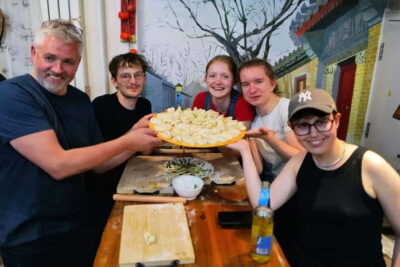

Online Cooking Class Beijing Dumplings and Cuisine by Sunflowerli Renowned Chef
Read our review →
Organic Xiao Long Bao Soup Dumpling Class & Market Walk
Read our review →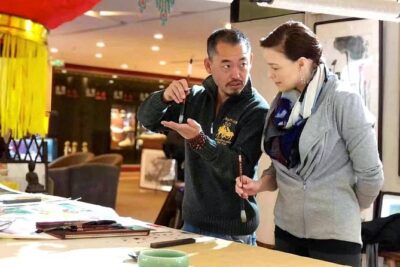
Beijing Wangfujing Calligraphy Class by Forbidden City
Read our review →Browse the lists this tour appears in