
Reviewed · ACROBATICS & KUNG FU SHOWS
Chinese Kungfu class in old temple beside Forbidden Ci
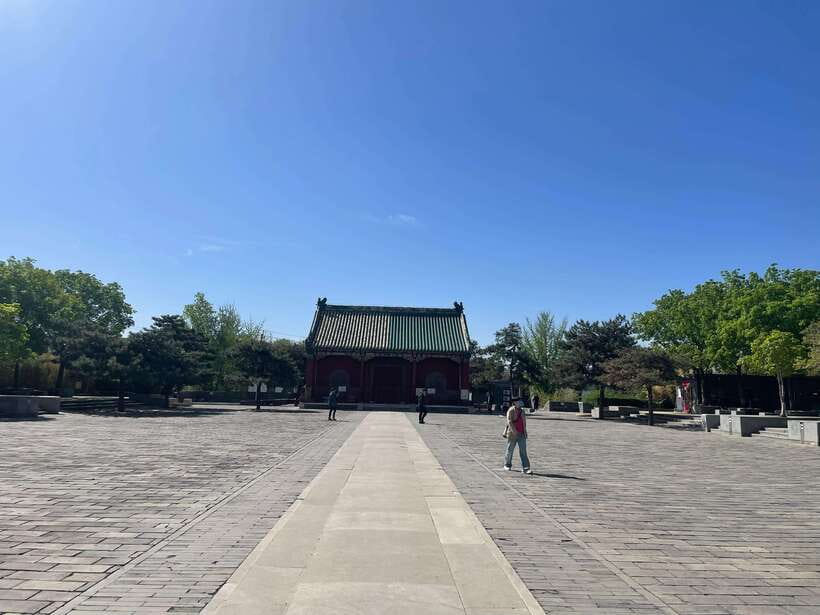
Training kung fu by the Forbidden City feels unreal. I love that this class is hands-on (not a demo), and I also love the setting, inside a Pudusi inheritance space that has been around for nearly 700 years. One thing to consider: you are getting a focused 1-hour taste, so it is not a full multi-week training camp.
I also like how the teaching blends basics with real-world application. With Limeng helping as the English host or greeter, you get clear translation while the kung fu master explains principles and corrects your form. The main drawback is practical: come ready to sweat, and plan a quick outfit change if you want to feel fresh after.
In This Review
- Key things I’d focus on before you book
- Entering Pudusi, the hutong side of old Beijing
- The 1-hour kung fu class, what you actually do
- Shaolin basics plus practical self-defense, without the tough-guy vibe
- English support with Limeng, how it helps you learn faster
- Tea ceremony pairing at Bayi Teahouse, a calm warm-up
- What to wear and what to bring after you practice
- Price and value: why $45 can be a good deal here
- Who this class is best for
- How to plan your day near the Forbidden City
- Should you book this kung fu class near the Forbidden City?
Key things I’d focus on before you book
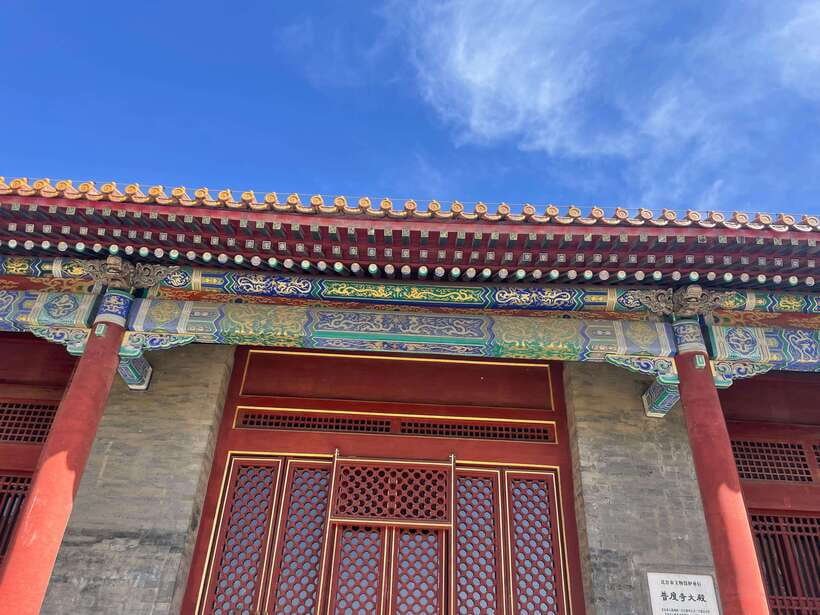
- The hutong setting next to the Forbidden City East Gate keeps the experience grounded in everyday Beijing, not a staged studio.
- Shaolin-led basics plus practical self-defense so you learn more than movements for show.
- English translation support with Limeng helps you follow instructions and ask questions.
- Pudusi inheritance space tied to royal temple lineage adds context as you train.
- Optional tea ceremony pairing can make the morning feel like a complete cultural stop.
- Traditional practice suits provided for class with optional buying if you want a set.
Entering Pudusi, the hutong side of old Beijing
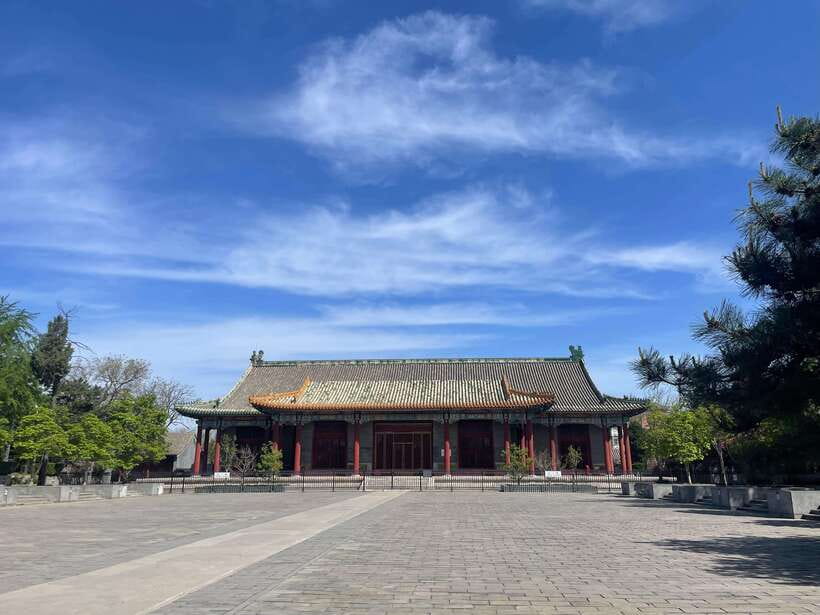
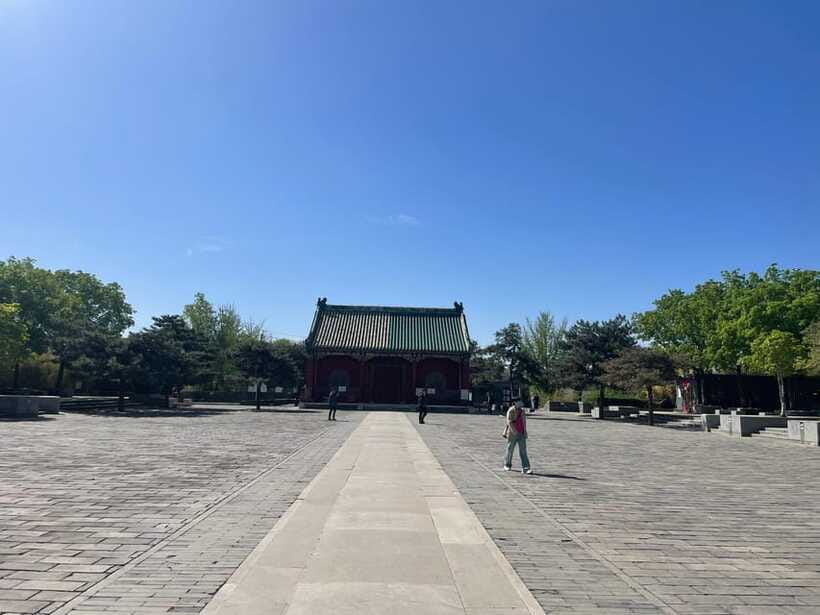
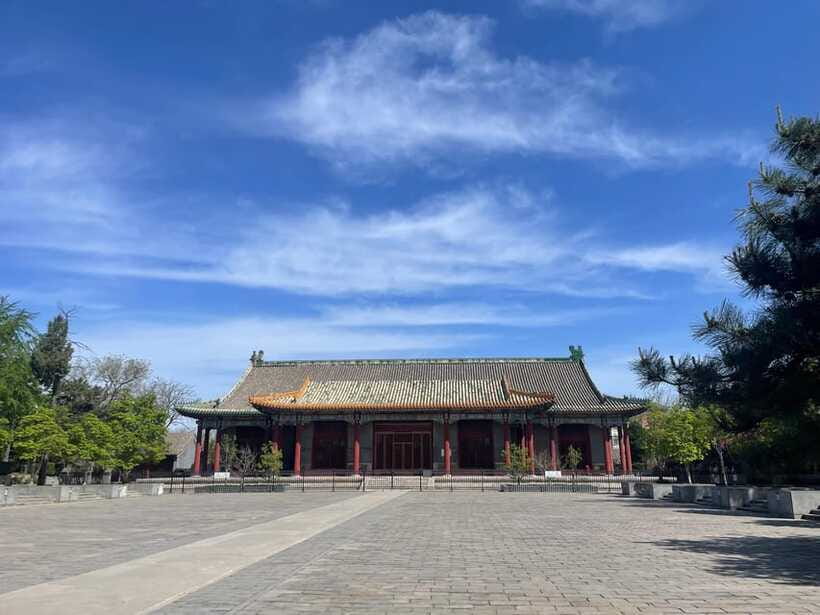
This is not kung fu in a generic classroom. You train in a traditional hutong area, inside a Pudusi inheritance space described as part of an almost 700-year royal temple legacy. The big idea is simple: you are learning martial arts in the cultural environment that shaped it.
The location matters. You are placed right beside the east gate area of the Forbidden City, so you can feel the contrast up close. One moment you are in an intimate residential lane with old walls and local pace. The next, you are essentially at the edge of one of China’s most famous imperial sites. It is a reminder that the Forbidden City was surrounded by real people, daily routines, and neighborhoods that have kept going.
Also, hutongs are not just “background scenery.” They are the working frame for daily life. Training here makes the lesson feel less like entertainment and more like a traditional practice that belongs to community spaces.
More Acrobatics & Kung Fu Shows in Beijing
- Red Theatre Beijing Acrobatic Show Tickets
★ 4.9 · 461 reviews - Red Theatre Beijing Acrobatic Show Tickets Official Booking
★ 5.0 · 218 reviews - Red Theatre Beijing Acrobatics Show Ticket
★ 5.0 · 141 reviews
The 1-hour kung fu class, what you actually do
The class is built as a concentrated intro. You practice for about one hour, starting with basic kung fu training and then moving toward practical use.
Here is the flow you should expect:
- Foundation training: you learn basic movement patterns and core principles. The teacher focuses on how to move correctly, not just repeating poses.
- Technique in casual life: you go beyond “cool shapes” and look at how techniques can be applied in everyday situations.
- Defense and attack elements: the master demonstrates self-defense ideas and includes guidance tailored for practical responses.
Your teacher is described as having trained from the age of 5 in Shaolin kung fu, mastering Shaolin and other traditional forms. What stands out in how it is presented is that his skill is not only for performing. The goal is to lead you into using the techniques in real-life situations, while also explaining the spirit behind traditional kung fu.
What should you do with that, as a beginner? Pay attention to corrections. Multiple people highlighted how patient and methodical the master is, especially for first-timers. If you go in thinking you will “get it” instantly, you’ll rush. If you go in willing to learn step-by-step, you’ll get more out of that one hour than you think.
Shaolin basics plus practical self-defense, without the tough-guy vibe
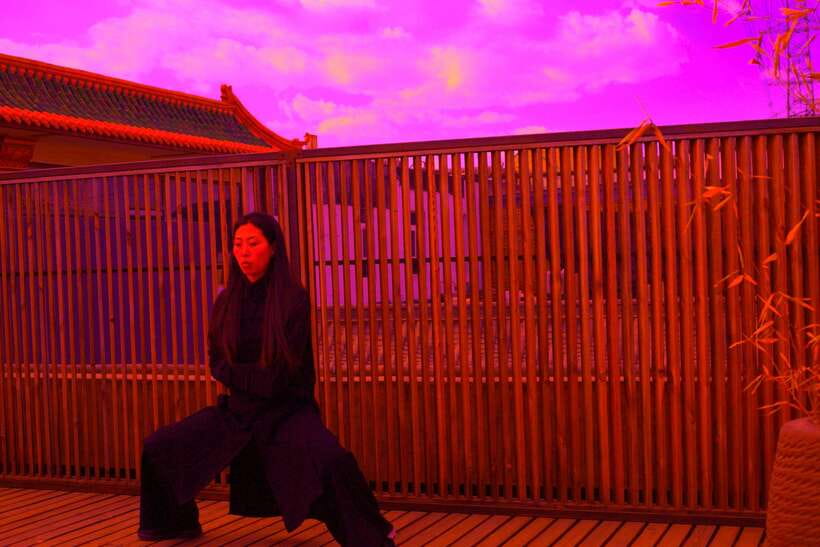
A lot of martial-arts experiences fall into two traps. Either they are pure performance, all style and no function. Or they are too intense too fast, leaving beginners lost.
This one leans toward the middle: traditional form, plus practical use. The instruction is aimed at teaching principles and then connecting them to defense and attack movements that make sense in the real world. One review specifically pointed out that you get self-defense and attack movements for a woman, which is a helpful reminder that practical training should account for your body and situation, not just a generic “fighter” template.
Also, the master’s teaching approach seems to be built for learning, not intimidation. People noted that he corrects your form and makes sure you do things correctly, even when he is teaching beginners.
One consideration: because the session is only one hour, you won’t walk away mastering a complete curriculum. You will, however, leave with a base you can practice safely and understand, especially if you follow any follow-up materials you are given at the end.
English support with Limeng, how it helps you learn faster
Even if you know some Chinese phrases, kung fu instruction is technical. Terms, body mechanics, and the “why” behind movements matter. That is where the English support earns its keep.
Limeng is listed as the English host or greeter. In practice, that means translation is handled so you can understand fundamentals and ask questions without guessing. Reviews mention that Limeng helped explain the fundamentals, translating while the master taught, which is a big deal for first-time students.
I like this setup for two reasons:
- You focus on technique instead of mentally translating every sentence.
- You can pick up small details. Kung fu has tiny adjustments that change everything.
If you want a smoother experience, come with curiosity. Ask what a movement is trying to accomplish, not just how it looks. With translation support, those questions are more likely to get answered clearly.
More acrobatics and kung fu shows in Beijing:
- Beijing Roast Duck Banquet and Acrobatics Show with VIP Seats Evening Tour
★ 3.5 · 87 reviews - Red Theatre Beijing Acrobatics Show Ticket
★ 4.9 · 73 reviews - Chaoyang Acrobatics Ticket
★ 5.0 · 34 reviews - Red Theater Beijing Acrobatic Show Tickets With Option
★ 4.9 · 32 reviews
Tea ceremony pairing at Bayi Teahouse, a calm warm-up
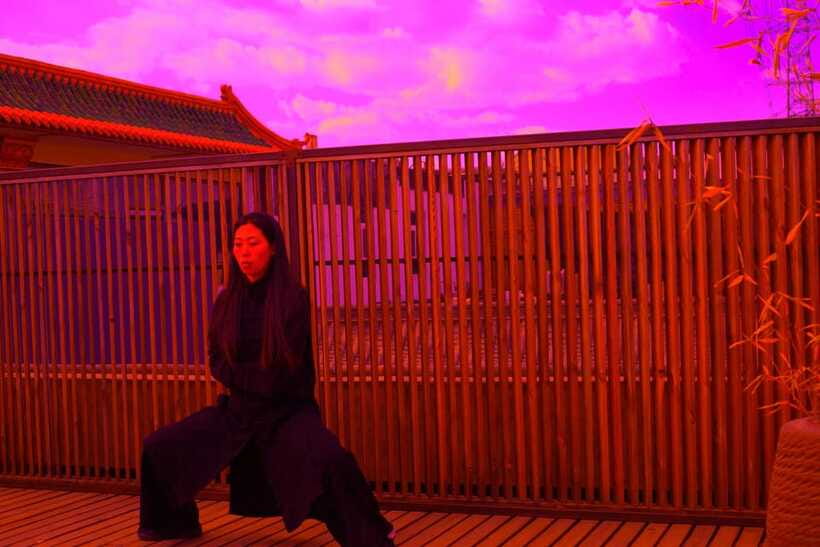
Some bookings include a tea ceremony first. When it is part of your schedule, you start in a small house in the hutong area, with Limeng explaining details of the tea process. In one described pairing, you try two types of tea and get a small snack. The tea portion lasted around one hour.
Why does tea belong with kung fu? It sets a tempo. You go from a tourist pace into a slower, more focused mode before you start moving your body. Tea also gives you a cultural thread for what the master is teaching. Traditional martial arts are not only muscles and technique. They connect to attitude, breathing, and discipline. Tea ceremony time helps your brain switch into that mode.
One practical tip: if you do tea first, plan your outfit and posture for both sitting and moving. You’ll want something comfortable for learning and then practicing.
What to wear and what to bring after you practice
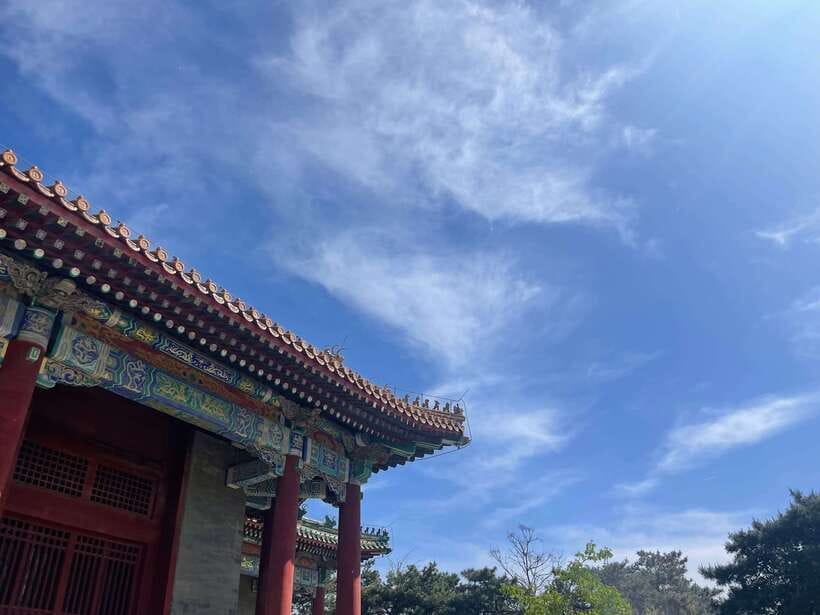
You will be provided traditional kungfu practising suits for the session, including two suit layers (outer and inner) plus pants. You can also contact the provider to choose a size and color if you want to buy a set.
That is the good news. The practical news is sweat. One review mentioned bringing an extra t-shirt to change afterwards. I agree with that advice. Even a beginner class can get warm when you are moving and focusing.
So my simple packing list:
- Wear comfortable clothes you can move in.
- Bring a spare t-shirt or quick-change layer for after.
- If you are doing the tea ceremony too, consider that tea time comes first, so you may prefer something that stays comfortable through both parts.
Price and value: why $45 can be a good deal here
The price is $45 per person, with the class duration described as three days in terms of availability. That wording can be confusing at first. Here is the practical way to think about it:
- The class you attend is about one hour.
- The three-day validity likely refers to which days you can pick from based on starting times.
So you are paying for a focused, teacher-led session with professional instruction and English support. The included items listed are a professional kung fu master, Shaolin and different traditional styles, and practical use of kung fu techniques.
In value terms, I like that you are not just paying for a “look” at martial arts. You’re paying for instruction and corrections, plus translation so you can actually learn what you’re doing. Multiple people called it a fair price for Beijing, and that makes sense when you factor in: a trained Shaolin master, individual attention in at least some cases (one-on-one sessions happened), and translation support.
If you only want a short photo stop, this will feel too hands-on. If you want an authentic, practical introduction, it can be a strong deal.
Who this class is best for
This experience is a good fit if:
- You want a real practice session, not a performance.
- You are a first-timer who wants basics and explanations.
- You care about cultural context, training in a hutong and royal-temple legacy space.
- You want self-defense ideas connected to technique, not just “be strong” messaging.
It also seems to work for families. One review noted accommodation toward kids, which suggests the master and team know how to adjust pacing.
If you are already an advanced fighter seeking long-form training, you might find the hour short. But if you want an authentic primer and something you can keep practicing, it is a smart choice.
How to plan your day near the Forbidden City
This sits in a convenient zone for pairing with major sights. Because you’re right beside the Forbidden City east gate area, you can organize the day like this:
- Start with kung fu practice (and tea ceremony if your slot includes it).
- Then head into the Forbidden City for an imperial-sites contrast you can feel immediately.
- Afterward, switch back to hutong mode and wander nearby lanes if you still have energy.
Timing matters. If your session has tea, you’ll want enough time for sitting calmly first, then training, then moving on. Also, because the class is inside a hutong setting, give yourself a little extra buffer for finding the exact spot.
The best part of this planning approach is that it keeps your day coherent. One theme runs through everything: everyday tradition on one side, imperial history on the other.
Should you book this kung fu class near the Forbidden City?
If you want one memorable hands-on activity in Beijing that mixes traditional Shaolin basics with practical self-defense and real translation support, I think this is worth booking.
Book it if:
- You are a beginner or returning student who wants fundamentals and correction.
- You care about authenticity, training in a hutong environment by the Forbidden City.
- You like the idea of adding a tea ceremony for a slower cultural start.
Skip it if:
- You are looking for a long, multi-hour training progression.
- You prefer purely scenic sightseeing with zero physical effort.
- You hate the idea of practicing in provided traditional suits, even though they are part of the experience.
If you book, go with the right mindset. Treat the hour like building blocks, not a finishing move. You’ll walk away with a clearer sense of kung fu principles, plus movements you can practice safely at home.
More Workshops in Beijing
- Beijing Calligraphy Class
★ 4.9 · 112 reviews - Chinese Calligraphy Class for Small Group
★ 5.0 · 104 reviews - Beijing: Dumpling Making Workshop with Meal and Tea
★ 4.7 · 69 reviews - Online Cooking Class Beijing Dumplings and Cuisine by Sunflowerli Renowned Chef
★ 5.0 · 65 reviews
Recently added around Beijing
- Private Transfer to Mutianyu Great Wall with professional driver★ 5.0 · 19 reviews
- Wild Great Wall Hikes★ 5.0 · 10 reviews
- camp on the Great Wall overnight with sunrise and sunset on the wall★ 5.0 · 11 reviews
- Beijing: to Xi’an Terracotta Day Tour by Roundtrip Bullet Train★ 5.0 · 9 reviews
- Beijing Airport Layover Tour to Mutianyu Great Wall★ 5.0 · 4 reviews
- Private Wild Great Wall Hiking tour at Simatai (Challenging)★ 5.0 · 16 reviews
- Beijing: Mutianyu Great Wall and Tea House Private Tour★ 5.0 · 11 reviews
- Simatai Great Wall & Gubei Water Town Private Trip English Driver★ 5.0 · 7 reviews
Acrobatics & Kung Fu Shows, compared.
Shanghai Circus World: ERA2 Intersection of Time Acrobatics Show
Read our review →
Red Theatre Beijing Acrobatic Show Tickets Official Booking
Read our review →

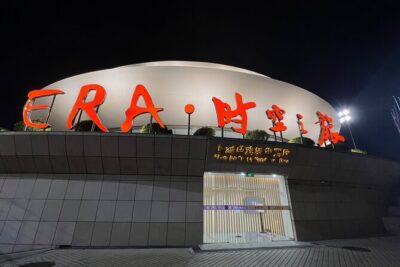
Shanghai Circus World ERA Theatre Acrobatics Ticket
Read our review →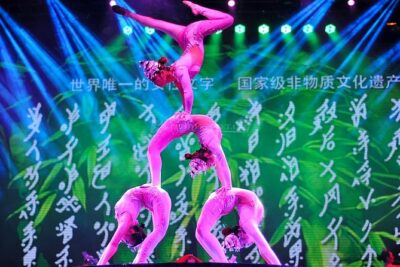
Beijing Roast Duck Banquet and Acrobatics Show with VIP Seats Evening Tour
Read our review →Browse the lists this tour appears in