
Reviewed · HONG KONG TOURS
Cultural Playground
Yau Ma Tei has its own pulse. This walking tour is a smart way to see a side of Hong Kong that tourists often skip, with Yau Ma Tei streets, old shops, and local food snacks built into the route. I especially like the snacks included plus the fact you get a real guide telling stories street by street. One thing to consider: it involves walking with a moderate fitness level, so bring comfortable shoes and expect a steady pace.
What makes it work is the guide setup. The group stays small (up to 18), you get an earpiece so you can actually hear the narration, and the pacing is designed for walking rather than staring out a window. The trade-off is you will be on your feet for the full 2 hours 30 minutes, so it is not the best pick if you want a slow, sit-down tour.
You also start and finish in the same easy-to-reach spot near Yau Ma Tei MTR. With a 3:00 pm start, it fits nicely as an afternoon plan before dinner, and you can slip back to the station when you are done.
In This Review
- Key highlights worth planning for
- Why Yau Ma Tei feels more real than a typical Hong Kong stroll
- Price and value: what $58.81 gets you in the real world
- Getting oriented: start at Yau Ma Tei Station, then go street by street
- Stop 1: Tin Hau Temple, the tone-setter with free admission
- Yau Ma Tei Theatre or the Fruit Wholesale Market: two paths into the district
- If you go toward Yau Ma Tei Theatre
- If you go toward the Fruit Wholesale Market area
- Shanghai Street: street signs, shop windows, and daily Hong Kong rhythm
- Little Red Brick House: a quick pause that feels like a time marker
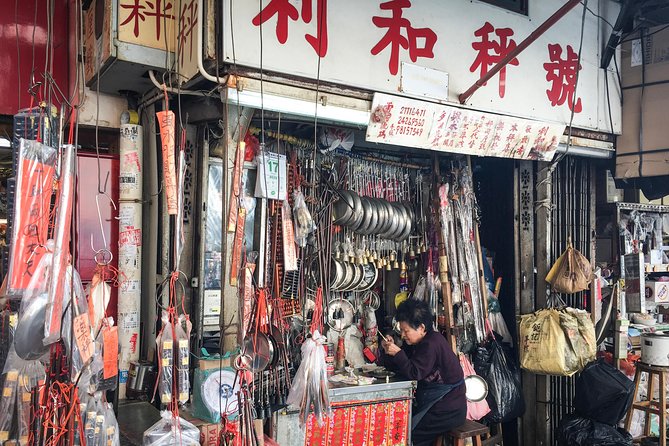
- Century-old shops: where the district’s identity lives in plain sight
- Broadway Cinematheque: cinema culture without the big-city detour
- Snacks, pacing, and how to eat like you are part of the walk
- Hearing the guide in the real street noise: the earpiece advantage
- Group size, meeting time, and the kind of traveler it suits best
- Quick checklist before you book
- Should you book Cultural Playground in Yau Ma Tei?
Key highlights worth planning for
- Guide Ling, plus earpieces to keep the whole walk easy to follow
- A small walking group (max 18) for a more personal feel
- Included snacks that actually help you explore like a local
- Tin Hau Temple with free admission and a calm, meaningful anchor stop
- Old shop lanes and cinema culture, including Broadway Cinematheque
- Fruit Wholesale Market area, with the note that consumption there is not included
Why Yau Ma Tei feels more real than a typical Hong Kong stroll
Most first-time Hong Kong plans focus on the big icons. This one takes you to Yau Ma Tei, an area that still runs on everyday habits: storefronts, morning and afternoon rhythms, and people moving through familiar streets.
What I like is that the tour is built for observing. Since you are walking, you notice details you would miss from a coach or from just passing by on your own. You also get help sorting what you are seeing. A good guide can point out the difference between a shop that is old for the sake of being old, and one that still carries the district’s habits and customer life.
The guide element matters here. The tour is organized, and the earpieces help a lot if you are walking in busy streets or if your group spreads out a little. That small detail can make the difference between hearing the story and just hearing traffic.
A few more Hong Kong SAR days worth comparing
- Lantau Island Day Trip – Big Buddha & Tai O
★ 4.5 · 1,328 reviews - Big Bus Hong Kong Open Top Hop-On Hop-Off Sightseeing Tour
★ 4.0 · 1,077 reviews - Hong Kong Day Tour: City Landmarks & Highlights
★ 4.5 · 798 reviews
Price and value: what $58.81 gets you in the real world
At $58.81 per person for about 2.5 hours, you are not paying for a long, bus-based loop. You are paying for a timed route with a guide, a small group cap, and included snacks.
That is good value if you care about two things:
- You want a guided walk without guessing which streets are worth your time.
- You want food sampling as part of the experience, not as an afterthought.
Also, having a mobile ticket helps. It keeps things smoother on arrival, especially when you are juggling MTR connections and a time-specific meeting point.
One practical point: snacks are included, but any consumption at the Fruit Wholesale Market is not. That is fair. It means the guide can bring you to the area and you can sample as allowed through the snack plan, without the cost surprise of ordering a full meal at a specific stop.
Getting oriented: start at Yau Ma Tei Station, then go street by street
The meeting point is Yau Ma Tei Station on Nathan Road, and the tour ends back at the same spot. That matters more than it sounds. When a tour starts and finishes in one place, you do not have to plan extra transportation at the end, and you avoid “how do we get back now?” stress.
The start time is 3:00 pm. Late afternoon is a helpful window in Hong Kong. You get daylight for street details, but you also catch the shift into evening energy before dinner.
The group size cap of 18, plus the guide’s use of earpieces, also affects your experience. In a crowded city, small groups can still breathe. You can look closely at shop signs, street textures, and building frontages instead of being pushed along like luggage.
Stop 1: Tin Hau Temple, the tone-setter with free admission
The walk anchors at Tin Hau Temple, a stop that is more than a photo break. Tin Hau is associated with sea and protection traditions, and even if you are not there to study religion deeply, it gives the tour a cultural grounding.
You also get free admission for this stop, and the time on it is about 20 minutes. That is just long enough to pause, absorb the atmosphere, and get the story the guide is linking to the surrounding neighborhood life.
Why this stop works early in the tour:
- It gives you context for why places like Yau Ma Tei carry strong local identity.
- It breaks up the walk so you are not constantly moving at street pace.
- It provides contrast. After the temple, the tour shifts back to market streets and older commercial lanes.
The only drawback is simple: it is a temple, so it can be busy. Keep your pace respectful, and if you are wearing a cap or hat, be ready that you might need to adjust it out of respect inside.
Same city, a very different kind of day:
- Hong Kong International Airport Plaza Premium Lounge Access
★ 3.5 · 787 reviews - Ngong Ping 360 Cable Car Ticket on Lantau Island
★ 3.5 · 519 reviews - Private Hong Kong Tour with a Local, Highlights & Hidden Gems 100% Personalised
★ 5.0 · 490 reviews - Dark Side of Hong Kong – Kowloon Caged Homes Walking Tour
★ 5.0 · 418 reviews
Yau Ma Tei Theatre or the Fruit Wholesale Market: two paths into the district
Before you reach Tin Hau Temple, your route includes either Yau Ma Tei Theatre or the Fruit Wholesale Market. Which one you see depends on the day’s flow, but both connect you to the neighborhood’s “real life” side.
If you go toward Yau Ma Tei Theatre
A theatre stop gives you a different angle on the district. Instead of just “shop life,” you get performance and public culture. It is the kind of place where buildings are not only functional, they are part of community memory.
If you go toward the Fruit Wholesale Market area
The wholesale market area is about commerce and scale. Even if you do not buy anything, you can learn a lot from how the streets operate around the goods. Just note the rule: any consumption at the Fruit Wholesale market is not included. So if you are hungry, plan your snack part around what is included, and treat any market food you choose as an extra cost you opt into.
A tip for you: if you care more about atmosphere than tasting, keep your hands free for photos and close-looking. For market streets, it helps to avoid carrying a lot of shopping bags while you walk.
Shanghai Street: street signs, shop windows, and daily Hong Kong rhythm
Shanghai Street is the kind of place where tourism photos rarely show you the whole picture. On foot, you notice the smaller stuff: the layout of the storefronts, the density of signage, and the way people move through the lane.
This stop is valuable because it is not just about “seeing a street.” It is about learning how commercial districts develop and why older areas keep functioning even when new cities expand.
Also, this is where the guide’s storytelling starts to click. When someone has local insight, a street becomes a timeline. You stop viewing it as background and start seeing it as a system of older businesses and changing customer needs.
Little Red Brick House: a quick pause that feels like a time marker
Little Red Brick House is a memorable stop because it feels distinct in a visual way. The name alone hints at something different from the surrounding blocks, and that helps you keep track of where you are in the walk.
Even with limited time, this kind of stop is useful. It breaks the routine. You get a visual landmark, you get the guide’s context, and then you move back into the older shop lanes with clearer mental reference points.
If you like architecture and small heritage details, this is the moment where you might want to slow down for a few extra seconds. Earpieces keep you from missing the story while you look.
Century-old shops: where the district’s identity lives in plain sight
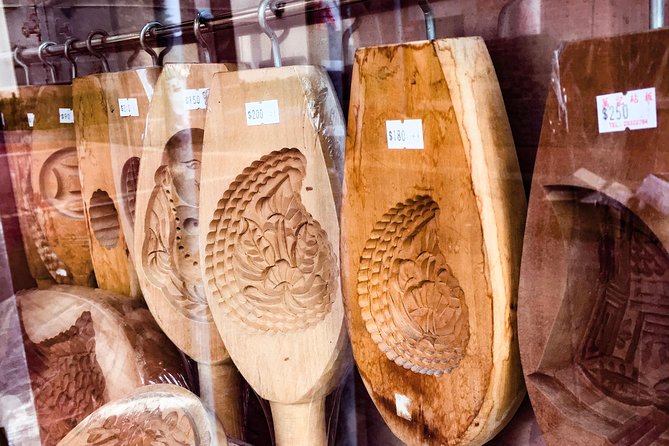
The most praised part of the experience is the old shop route. The idea is simple: older stores are not just relics. They are places that have served people for years and built trust through routine.
One of the strongest themes from the tour feedback is how much you learn from walking past shops that still feel like they belong to Hong Kong’s everyday life. When you slow down and hear the guide’s perspective, the shops start to feel like witnesses. You can see how commerce, family businesses, and neighborhood needs shape what survives.
This is also where you get the best “ask questions” energy. In the experience people described, the guide was patient about inquiries. If you like to understand why something exists, this is a good tour for that. Bring curiosity, not just camera mode.
A practical tip: if you spot a storefront that looks especially interesting, stand still for a moment and listen. Sometimes you will realize the story is pointing directly at what you are looking at.
Broadway Cinematheque: cinema culture without the big-city detour
Broadway Cinematheque adds another layer. It connects the neighborhood to entertainment culture, not just daily commerce.
This stop tends to work well for people who want Hong Kong beyond its skylines. It reminds you that local culture is not only what you see in museums. It can also be what people queue for, what they watch, and where they gather.
Even if you do not go inside, just being in the area helps you understand how the district supports arts and social life.
Snacks, pacing, and how to eat like you are part of the walk
Snacks are included. That matters because snack breaks can otherwise turn a walking tour into a game of finding the right place at the right time. Here, the included portion keeps the schedule flowing.
From a practical standpoint, I like tours that use food for orientation. It gives you a chance to reset your legs, talk with the guide at a normal volume, and notice more after you eat.
What you should watch for:
- Snacks included, but market consumption is not included.
- You still need a moderate fitness level because you are walking throughout.
If you want to pair the tour with food afterward, plan dinner a little later. You will likely arrive back near the station with enough energy to keep exploring on your own.
Hearing the guide in the real street noise: the earpiece advantage
One of the standout details from feedback is that each participant gets an earpiece so you can hear the guide, in this case Ling.
That is not a gimmick. It is a practical tool in Hong Kong streets where sound changes fast. You might be near pedestrians, then right next to a bus lane, then in a quieter side street. With an earpiece, your comprehension stays steady even when the environment shifts.
If you have trouble hearing in group settings, this is a strong reason to choose this tour. It can turn a “walk around and hope you catch the story” experience into a true guided tour.
Group size, meeting time, and the kind of traveler it suits best
This tour caps at 18 people, with a minimum of 4. That usually means a less chaotic group experience, and with the earpieces, everyone can follow without yelling across the street.
It suits you best if:
- You enjoy local districts more than famous landmarks.
- You like older shops and want to understand what you are seeing.
- You ask questions and want a guide who will answer calmly.
- You prefer walking tours that avoid the hassle of traffic and parking.
If you hate walking for 2.5 hours straight, or you need very frequent seating breaks, you might find the pace challenging. In that case, save your legs for a more relaxed option.
Quick checklist before you book
- Comfortable shoes for a 2.5-hour walk
- Curiosity for old stores, street culture, and local context
- Plan for snack timing, and treat any market food as optional extra cost
- Headphones inside one’s comfort level, because earpieces are used (you will still want your own way to keep personal items secure)
Should you book Cultural Playground in Yau Ma Tei?
Book it if you want a guided look at a quieter, more local Hong Kong neighborhood and you care about the small places, not just the big skyline. The combination of included snacks, a small group size, and guide Ling with earpieces makes it feel organized and easy to follow.
Skip it if you are looking for a super relaxed tour, or if you cannot handle moderate walking. Also keep in mind that the Fruit Wholesale Market is a stop where you should not assume included eating.
If you want your Hong Kong day to feel like real district life, this is the kind of plan that helps you do that without overpaying or wasting time figuring things out on your own.
Recently added around Hong Kong SAR
- Tai Mo Shan Waterfall Adventure Hike★ 5.0 · 16 reviews
- Small-Group Tour: Temples & Markets Discovering [PROMOTION]★ 5.0 · 6 reviews
- Small-Group Tour: The best bites of Hong Kong Island★ 5.0 · 3 reviews
- Small-Group Tour: Hidden Gems of Old Hong Kong island★ 4.5 · 3 reviews
- Private tour of Hong Kong – First timers★ 5.0 · 10 reviews
- Hong Kong Pub Crawl at Lan Kwai Fong (LKF)★ 4.5 · 40 reviews
- Small Group Hiking Day Tour to Lamma Island Hong Kong★ 5.0 · 3 reviews
- Private tour of Hong Kong – customized layover – 5 hours★ 5.0 · 8 reviews
Hong Kong Tours, compared.
Dolphin Cruise, Big Buddha & Lantau Island Tour
Read our review →
Ngong Ping 360: Cable Car Return Tickets & Combos
Read our review →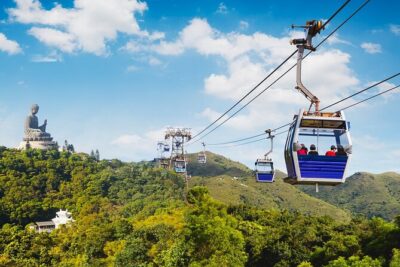
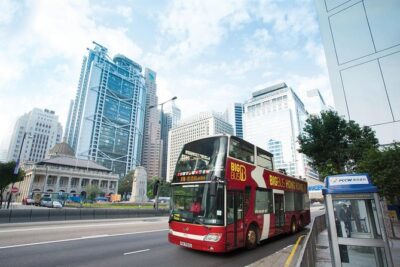
Big Bus Hong Kong Open Top Hop-On Hop-Off Sightseeing Tour
Read our review →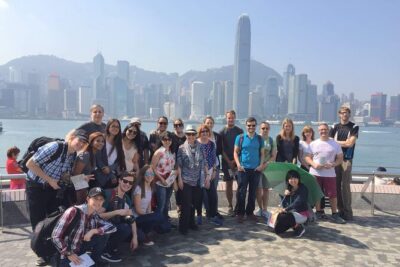
Hong Kong Day Tour: City Landmarks & Highlights
Read our review →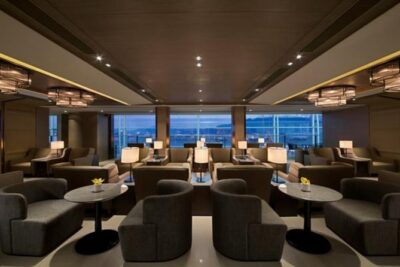
Hong Kong International Airport Plaza Premium Lounge Access
Read our review →
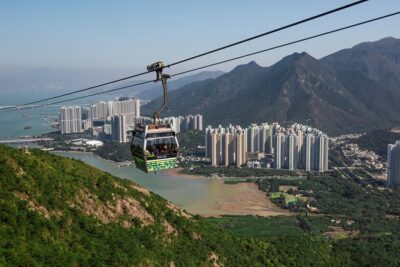
Ngong Ping 360 Cable Car Ticket on Lantau Island
Read our review →Browse the lists this tour appears in