
Reviewed · WALKING TOURS
Dark Side of Hong Kong – Kowloon Caged Homes Walking Tour
Hong Kong looks shiny, until you walk. This tour peels back that glossy surface in Kowloon, showing how housing pressure shapes daily life, with stops like Cedar Street and explanations you can actually follow. I especially liked how guides such as Alice keep the story grounded, not dramatic for drama’s sake.
I also love that you get real context, not just sad photos. You will see housing described through the lens of urban planning and economics, plus a charity stop at SoCo (50 years advocating for the marginalized). One possible drawback is that you should not expect to tour someone’s private home like a movie set, some parts are staged for safety and practicality, so if you want maximum shock value, this might feel too educational.
In This Review
- Key Highlights You Will Actually Feel On the Walk
- Why Hong Kong’s Housing Crisis Makes Sense Once You See Kowloon
- Meeting at Prince Edward and Setting Expectations for the Walk
- Stop-by-Stop: Cedar Street and the Subdivision Math That Explains Everything
- Ki Lung Street: The Perfect Storm Story
- Inside the 100 Sq Ft Unit, Plus What You Can and Cannot Expect
- Lui Seng Chun and the Value of a Guide’s Real-World Housing Story
- Yee Kuk Street: Markets, Backstreets, and the Dark Tradeoffs
- Hai Tan Street: Wealth on One Side, Subdivided Life on the Other
- Pei Ho Street Rooftops: The Hong Kong They Do Not Put on Postcards
- Kweilin Street and the SoCo Charity Stop: Thinking Beyond Housing Woes
- Price and Value: Why a $32.82 Tour Can Still Be Worth Your Time
- Who Should Book This Tour, and Who Might Want a Different One
- Tips to Make Your Experience Better
- Should You Book the Dark Side of Hong Kong: Kowloon Caged Homes Tour?
Key Highlights You Will Actually Feel On the Walk
- Cedar Street math that makes affordability click, including how a 500 sq ft apartment can be subdivided into five 100 sq ft units
- The housing crisis explained as a system, with discussion of post-war population growth, low-tax capitalism, and scarce land supply
- Short stops that still land hard, most are around 10 to 15 minutes, so you stay moving instead of standing in one place
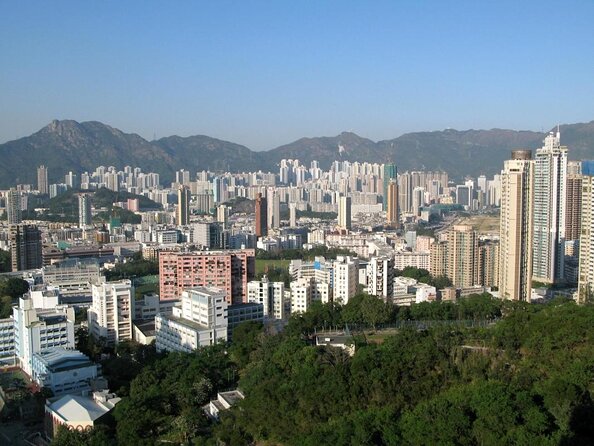
- Sham Shui Po contrasts in a single view, including newer high-end apartments side-by-side with dense subdivided units and cage homes
- A rooftop viewpoint in Sham Shui Po, offering perspective on hidden slum areas Hong Kong does not put on postcards
- A firsthand, human layer from guide stories, plus a visit to SoCo to discuss possible solutions
Why Hong Kong’s Housing Crisis Makes Sense Once You See Kowloon
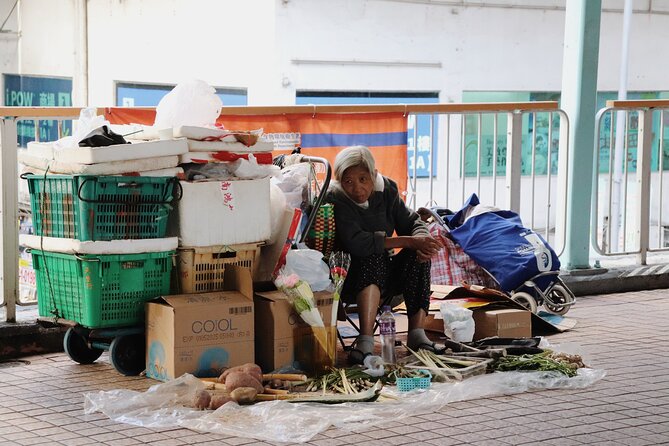
If you only see Hong Kong from the waterfront or the skyline, housing can feel like an abstract headline. On this walk, housing stops being a statistic and becomes the shape of streets, stairwells, and everyday routines.
You get a guided explanation for why Hong Kong is ranked among the world’s least affordable cities. Then you connect that to what you are seeing, from subdivided units to caged homes, and from low-income markets to wealthier new-build clusters. It is not meant to be fun. It is meant to help you understand.
I like that it stays practical. You are not just told that things are bad. You are shown how constraints like land scarcity and economic policy can create the conditions for crisis, and how that crisis affects families, workers, and people on the margins.
More Walking Tours in Hong Kong
- Introduction to Hong Kong: Central Tip Based Walking Tour
★ 5.0 · 202 reviews - Full-Day Private Customized Walking Tour of Hong Kong
★ 5.0 · 106 reviews - Hong Kong: Kowloon Street Market & Food Culture Walking Tour
★ 5.0 · 105 reviews
Meeting at Prince Edward and Setting Expectations for the Walk
The tour starts near Nathan Rd and Prince Edward and ends in Sham Shui Po, with the endpoint near Sham Shui Po MTR. It runs about 2 hours, and the pace is built around lots of short visits rather than one long museum-style stop.
This is a walking tour, and the route includes a rooftop component, so bring moderate physical fitness. Comfortable shoes matter more than your outfit choice, because Kowloon streets can be uneven and you will be switching between sidewalks, stairs, and tighter corners.
Group size stays small, with a maximum of 30 travelers. That tends to help the guide keep questions flowing, especially since the topic invites curiosity and uncomfortable questions. Guides like Isaac, Summer, and Wind are specifically praised for staying engaged and answering what people ask.
Weather matters. The experience is described as requiring good conditions, so plan around forecast reality and don’t lock yourself into a “perfect day” mindset.
Stop-by-Stop: Cedar Street and the Subdivision Math That Explains Everything
Cedar Street is where the tour’s main idea clicks into place. You learn why Hong Kong can rank as the world’s least affordable city, then you get a specific scale model: a typical 500 sq ft apartment subdivided into five 100 sq ft units.
That number is the whole point. Once you visualize how space gets carved up, you can understand why rent pressure turns into layout pressure. You start seeing how “home” becomes smaller, more efficient, and more stressful, because the living arrangement is being forced by costs rather than by lifestyle.
The Cedar Street portion also helps you notice something tourists often miss. Housing crisis in Hong Kong is not only about homelessness. It is about people who technically have a door, a bed, and a routine, but those basics are squeezed into corners.
Ki Lung Street: The Perfect Storm Story
Next comes Ki Lung Street, where you build the cause-and-effect chain. You hear how post-war population growth met a scarce land situation, then how policy choices, including low-tax capitalism, limited the kind of relief that might have softened the impact.
This stop is valuable because it turns “housing crisis” from a vague phrase into a timeline with players. When you understand the setup, you also understand why fixes are hard and why solutions need to be structural, not temporary.
More walking tours in Hong Kong SAR:
- Organic Chinese Dumpling Class with Market Walk
★ 5.0 · 88 reviews - Private Half-Day Real Hong Kong Walking Tour
★ 5.0 · 70 reviews - Organic Xiao Long Bao Soup Dumpling Class & Market Walk
★ 5.0 · 62 reviews - The Authentic Hong Kong – Private Walking Tour
★ 5.0 · 55 reviews
Inside the 100 Sq Ft Unit, Plus What You Can and Cannot Expect
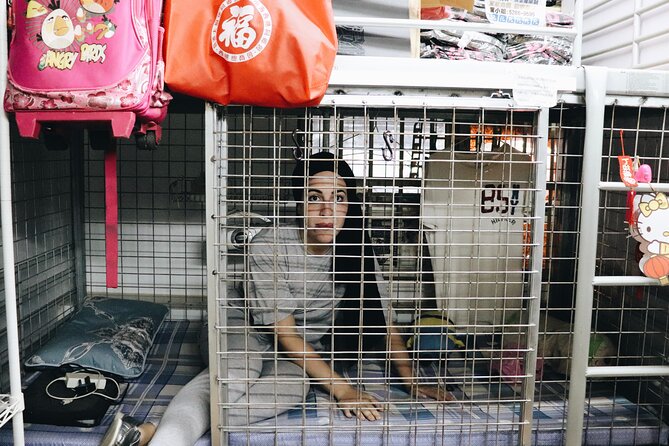
One of the most important moments is stepping into a 100 sq ft subdivided flat. This is where the tour tries to translate the numbers into human scale, with the kitchen, bed, and living space shown as a minimum standard for families working on low wages.
You will also hear about caged homes designed for single residents. This is emotionally heavy content, and the tour’s tone is intentionally matter-of-fact. The goal is to show how people adapt, survive, and keep going even with very little room to do it.
A fair heads-up: some aspects of this portion may be staged for display rather than being an actual private unit. If you came hoping for a walkthrough into someone’s real day-to-day home, you might feel a little let down. If you came hoping to understand the system and the design logic behind subdivided housing, this portion lands well.
If you are traveling with kids, I would go only if your family is ready for a serious education. A lot of families find the experience “heart-breaking but worth it,” and that is the right mental preparation.
Lui Seng Chun and the Value of a Guide’s Real-World Housing Story
Lui Seng Chun brings in something that spreadsheets never do: firsthand guidance. You hear a guide’s account of navigating housing in the world’s toughest property market. It is not presented as a horror story. It is presented as a lived problem, including what it feels like to find options, cope with limits, and keep going.
That personal layer is why the best tours in Hong Kong work. You can read about housing anywhere. You need someone local to make it legible as a day-to-day reality.
I also like that the guide doesn’t just talk at you. When the group asks questions, the answers are framed in a way that connects policy to space, and space to choices.
Yee Kuk Street: Markets, Backstreets, and the Dark Tradeoffs
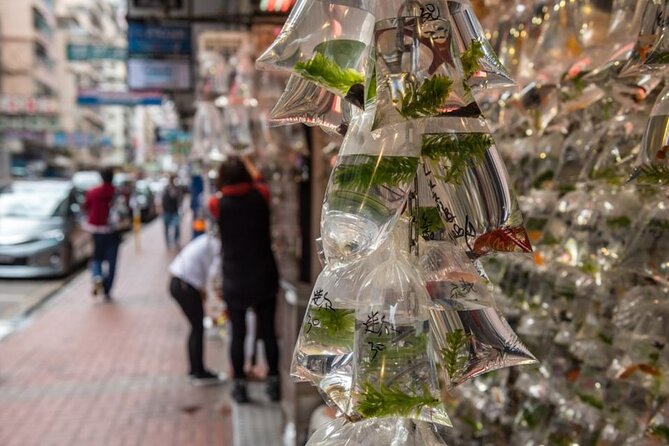
At Yee Kuk Street, the tour shifts from housing layouts into the surrounding economy of survival. You get a glimpse of Sham Shui Po backstreets and a discussion of illicit ties between the drug and sex trades.
This is sensitive material. You are not there for voyeurism. You are there to understand how poverty and instability can intersect with illegal economies in dense cities.
If you feel uneasy, that is normal. I think the right mindset is respect plus curiosity. Ask questions if your guide invites them, and keep your tone appropriate, because this neighborhood is still lived in by real people.
Some tours pair dark discussions with a small comfort stop. In this case, there may be a tea moment along the way. If you are not into breaks, treat it as a pause in pacing, not a big attraction.
Hai Tan Street: Wealth on One Side, Subdivided Life on the Other
Hai Tan Street is designed for contrast. You see newer, high-priced apartments standing near a dense cluster of subdivided units and cage homes. That side-by-side geography is the point. It shows that the “rich vs poor” story is not separated by distance. It can be separated by just a few steps.
This is where you will likely feel that special kind of frustration that comes from clarity. The crisis is not hidden. It is visible, but it is easy to ignore if your route never leaves the tourist map.
Take your time here. Look for details in building design, entryways, and how space gets used. Even if you don’t photograph, the visual comparison stays in your head.
Pei Ho Street Rooftops: The Hong Kong They Do Not Put on Postcards
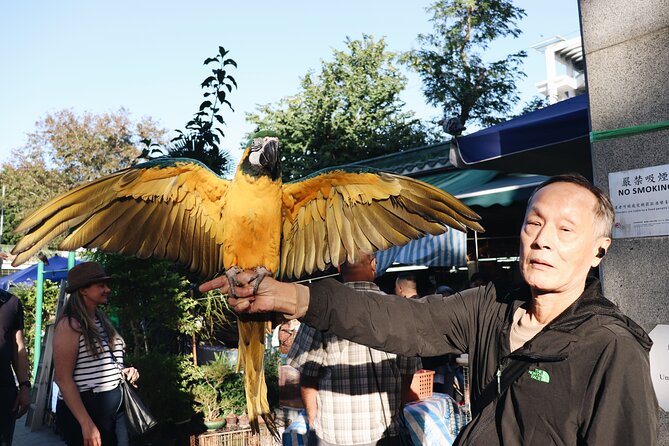
Pei Ho Street includes an ascent to a rooftop in central Sham Shui Po. This is where you get perspective on hidden slum areas and the layered way the city uses vertical space.
Rooftops are a big part of Hong Kong’s story, but most visitors never see them beyond a cable TV view. A guided rooftop visit changes how you understand housing density. You can literally see how close lives can be.
Also, this is a great moment for street photography if that is your hobby. Some guides actively point out small details that tell bigger stories, like how people use rooftop space, what signage suggests, and how the neighborhood reads in layers.
Just keep ethics front and center. Photograph the scene, not people’s faces, and be ready to stop when asked.
Kweilin Street and the SoCo Charity Stop: Thinking Beyond Housing Woes
The tour ends by visiting SoCo, a charity with 50 years of history advocating for the marginalized. This part matters because it changes your mental ending from problem to possible response.
Instead of leaving you with only shock, the guide discusses solutions for Hong Kong’s future. You may not leave with one clear answer, but you do leave with more than despair. You leave with names, context, and a sense that organizing and support networks exist alongside crisis.
For me, this is a healthy way to close. When a tour covers heavy housing reality, it helps to end with a place that supports people now and tries to influence what comes next.
Price and Value: Why a $32.82 Tour Can Still Be Worth Your Time
At $32.82 per person, this tour costs less than many “big sight” half days, but it covers a lot of mental ground. You get a local guide, a focused walking format, and a schedule made up of short, high-impact stops.
The stops are also described as free admission at each numbered location, which adds value for budget travelers. You are not paying entrance fees to understand the city’s social structure. You are paying for interpretation, context, and a guided route that takes you where you would likely not go alone.
Is it overpriced? That depends on your expectations. If you want major attractions or shopping time, then yes, you might feel it is too expensive for what is effectively an educational walk. If you want insight into one of the world’s most intense housing systems, the value is strong.
Who Should Book This Tour, and Who Might Want a Different One
I think this tour fits best if you like your travel with purpose and you are ready for realism. It is also a good choice if you enjoy economic and political context. Multiple guides are praised for being engaging and for answering questions directly.
This is also a strong option for people who want a Hong Kong they rarely see. You will move through lower-income areas and markets, and you will learn why the gap between luxury and hardship is so sharp.
I would steer you toward another tour if you cannot handle uncomfortable topics, or if your idea of a tour is mainly sightseeing and light entertainment. The tour is hard-edged, and it is not trying to be upbeat.
For families, it can work if everyone is on board with the subject. One common thread in the feedback is that it is meaningful for teenagers, but it is also emotionally heavy.
Tips to Make Your Experience Better
- Wear shoes you can walk in for 2 hours plus, with rooftop steps included
- Bring a bottle of water, especially in warmer weather
- Keep questions coming, guides are praised for answering everything from basic to philosophical
- If you like photography, ask where it is okay to shoot and be respectful in tight spaces
- Expect staged housing visuals rather than private home access, and treat that as a tradeoff for safety and privacy
Should You Book the Dark Side of Hong Kong: Kowloon Caged Homes Tour?
Yes, if you want Hong Kong beyond the skyline. I like this tour because it connects the city’s housing crisis to places you can see, with explanations you can actually carry into your next conversation.
Book it if you care about income disparity, urban planning, and what life looks like for people you might pass in a market. The guides, including Alice, Isaac, and Wind, are repeatedly highlighted for clarity and engagement, and that makes a heavy topic easier to process.
Skip it if you want a “comfortably pretty” walking tour. This one is real and at times heart-breaking. But if you want a sharper understanding of how Hong Kong works, this is one of the strongest ways to get it in a single morning.
If you choose to go, bring empathy, bring curiosity, and go with the mindset that learning is the main attraction.
Recently added around Hong Kong SAR
- Tai Mo Shan Waterfall Adventure Hike★ 5.0 · 16 reviews
- Small-Group Tour: The best bites of Hong Kong Island★ 5.0 · 3 reviews
- Small-Group Tour: Hidden Gems of Old Hong Kong island★ 4.5 · 3 reviews
- Small-Group Tour: Temples & Markets Discovering [PROMOTION]★ 5.0 · 6 reviews
- Private tour of Hong Kong – First timers★ 5.0 · 10 reviews
- Hong Kong Pub Crawl at Lan Kwai Fong (LKF)★ 4.5 · 40 reviews
- Small Group Hiking Day Tour to Lamma Island Hong Kong★ 5.0 · 3 reviews
- Private tour of Hong Kong – customized layover – 5 hours★ 5.0 · 8 reviews
Walking Tours, compared.
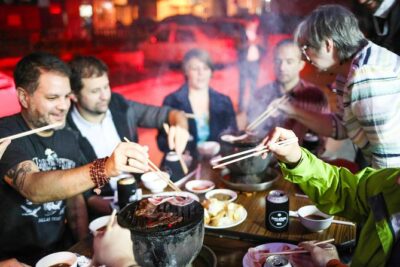
Beijing Hutong Walking Food and Beer Tour at Hidden Restaurants
Read our review →
Private Beijing Walking Tour of the Forbidden City with 7 Options
Read our review →
Forbidden City Private Walking Tour with Optional Sights
Read our review →
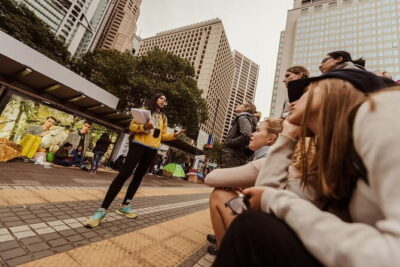
Introduction to Hong Kong: Central Tip Based Walking Tour
Read our review →
Shanghai Highlights Walking Tour With A Real Local
Read our review →
Shanghai Breakfast Walking Tour of Former French Concession
Read our review →Browse the lists this tour appears in