
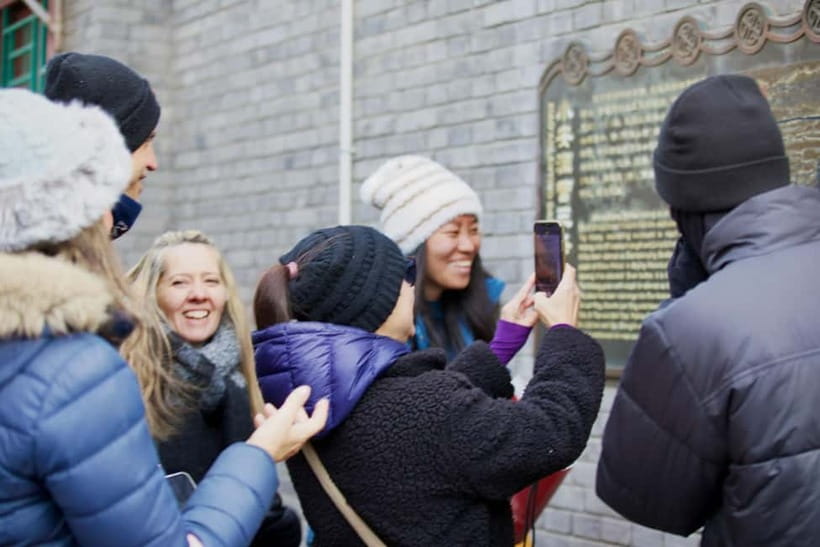
Reviewed · HUTONG TOURS
Discover Old Beijing: Hutong Walking Tour & Calligraphy
Beijing’s hutongs change fast, so walk them now. This 3.5-hour Old Beijing Hutong Walking Tour mixes major downtown landmarks with calmer neighborhood lanes, guided by local storytelling. I especially like the calligraphy workshop where you make your own artwork to take home, and I also love the courtyard courtyard-style stop that feels like stepping into ordinary old Beijing life. One possible drawback: it packs a lot into a half-day walk, so if you want a slower, sit-down tour, this may feel brisk.
I went into Beijing chasing history, but what surprised me most was how the guide connects old lanes to today’s planning choices. You also get practical add-ons like welcome gifts and a China survival guide, plus a street snack break that keeps the whole thing from feeling like pure sightseeing. As a heads-up, the meeting spot is a bit of a maze inside the metro area, so arrival timing matters.
In This Review
- 5 Things You Get Out of This Hutong Walk
- Meeting Up at Hufangqiao Metro and Getting Oriented Fast
- Starting at Beijing’s Huguang Guild Opera Theatre: Why This Matters
- Hutongs Street-Level: Narrow Lanes, Big Stories
- The Secret Courtyard Stop: A Different Scale of Beijing
- Yangmeizhu Byway and an Antique Shopping Street Feel
- Daguanlou Cinema: China’s Film Roots in a Short Stop
- Dashilan Residential District and the Narrowest Hutong Moment
- Qianmen Street, Zhengyang Gate, and Tiananmen Square Views Outside
- Calligraphy Workshop: Make Something Real, Not Just a Photo
- Street Snacks and Local Food Breaks That Keep Energy Steady
- Value and What You Should Expect for About $25
- Who This Tour Fits Best, and Who Might Want to Skip
- Should You Book This Hutong Walk and Calligraphy?
- FAQ
- How long is the tour?
- What does the tour include?
- Where is the meeting point?
- Is the tour in English?
- What are the main things you’ll do during the walk?
- Are snacks included?
- Can I cancel if my plans change?
5 Things You Get Out of This Hutong Walk
- Downtown Beijing on foot, mixing famous gates and squares with quieter hutong streets
- Local “survival” stories, told by a guide who understands what daily life used to mean
- A secret courtyard-style visit that adds real texture beyond photos
- Hands-on Chinese calligraphy, with your finished piece included so you can take it home
- Street-food snack stops, so you sample the area rather than just pass it
Meeting Up at Hufangqiao Metro and Getting Oriented Fast
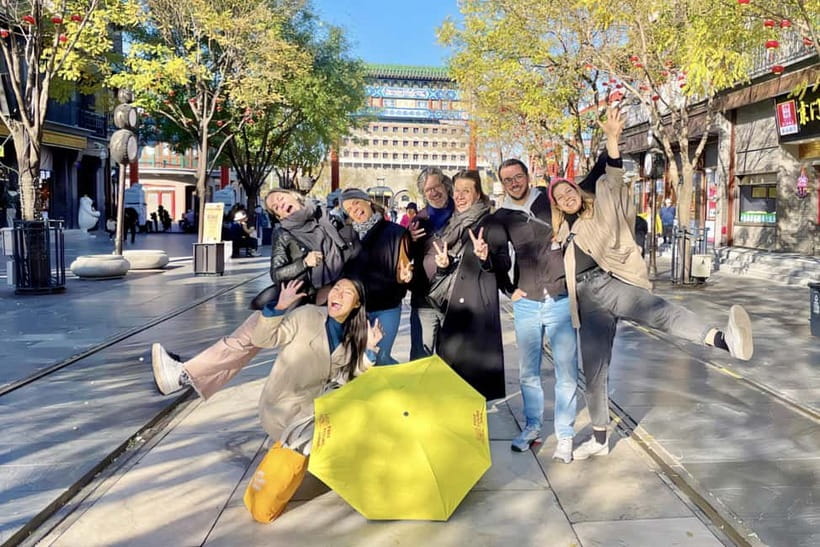
You’ll meet at Hufangqiao Metro Station (Line 7), Exit D (South-West Exit). The instructions are very specific: after you exit, walk straight to the main road, turn right, and go about 60 meters east to the green space at the intersection. Taxi directions are also tied to the corner of Hufang Road and Luomashi Avenue, near the Huguang Guild Opera Theatre area.
The most practical advice here is to leave extra time. The tour asks for 5–10 minutes early because the meeting area can be busy and the metro station is massive. The guide will wait up to 20 minutes at the meeting point for the opening speech, but they cannot delay the start for late arrivals. Also, plan on Google Maps being unreliable in China, so follow the written directions and look for the yellow umbrella.
If you’re the kind of traveler who likes to feel grounded quickly, this tour helps. You get a clear route, lots of landmarks in context, and a guide who can explain what you’re seeing instead of letting you guess.
More Walking Tours in Beijing
- Beijing Hutong Walking Food and Beer Tour at Hidden Restaurants
★ 5.0 · 1,132 reviews - Private Beijing Walking Tour of the Forbidden City with 7 Options
★ 5.0 · 675 reviews - Forbidden City Private Walking Tour with Optional Sights
★ 5.0 · 400 reviews
Starting at Beijing’s Huguang Guild Opera Theatre: Why This Matters
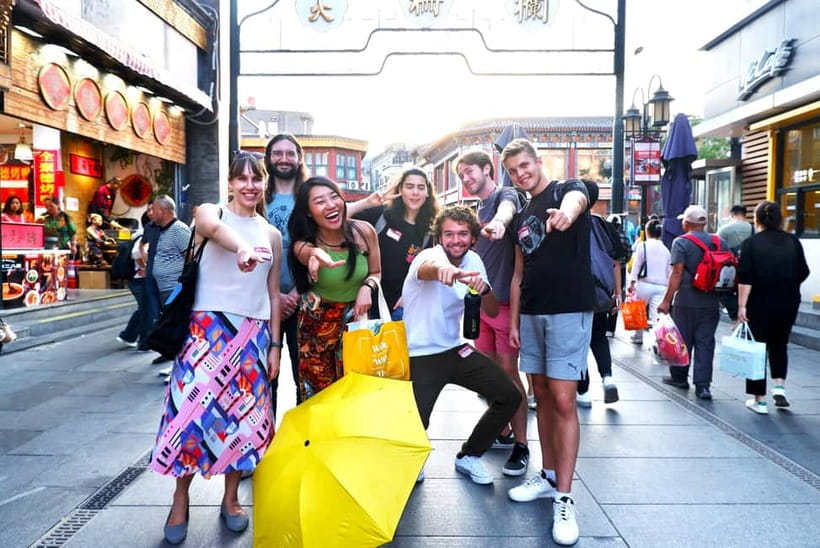
The tour begins at 北京湖广会馆 (Beijing Huguang Guild Opera Theatre). Even if you only think of Beijing as imperial palaces and big squares, starting here reminds you that old Beijing also ran on local arts, neighborhood life, and community institutions.
In your first segment, you get a guided introduction (about 30 minutes) that sets up how the city worked. It’s not just facts to memorize. It’s a framework for why hutongs developed where they did, and why certain streets and buildings became anchors for daily life.
This is also where you’ll start matching names with places. Once you understand the theater and guild tradition as a social center, the rest of the walk makes more sense.
Hutongs Street-Level: Narrow Lanes, Big Stories
From the opera theatre area, you move into Beijing hutongs for a focused walking segment. Expect about 30 minutes here, with the guide pointing out the kinds of details that disappear when you rush on your own.
I like this part because it’s sensory and human. Hutongs are not just a “view.” They’re a layout. You start seeing how people navigated space, how neighborhoods shaped routines, and how the city’s pressure has changed what you can still find on the ground.
A standout from the tour approach is how the guide explains past and present together. One example from guide commentary I came across includes Carrie, who specifically connected the past, present, and future planning of hutongs. Even if your guide’s exact style differs, the goal is consistent: you should leave understanding the direction Beijing is heading, not only what it used to be.
The Secret Courtyard Stop: A Different Scale of Beijing
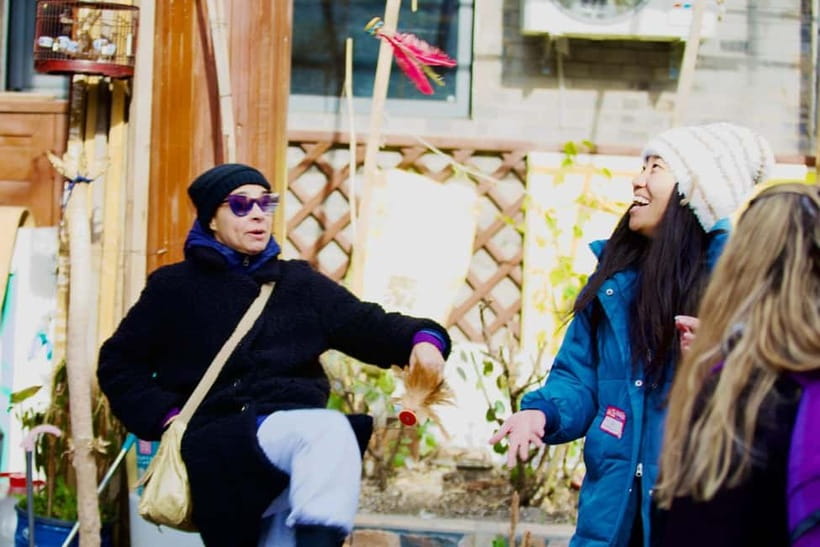
Midway through the walk you’ll reach a secret stop visit (about 20 minutes). This is the “courtyard-style” experience that adds depth. Instead of watching hutong life from the street, you get a closer look at a traditional courtyard environment.
That short window matters. Courtyards in Beijing are not just pretty architecture. They’re built around privacy, family life, and airflow, and they show you how space was designed for generations.
The best way to enjoy this stop is to slow down your camera pace. Look at how doors, walls, and pathways organize movement. Then, later, when you’re back outside, you’ll notice those same design ideas in the surrounding layout.
More hutong walks in Beijing:
- Temple Heaven, Summer Palace, Lama Temple, Hutong Bus Tour
★ 4.7 · 319 reviews - Temple of Heaven, Summer Palace, Lama Temple, Hutong Tours
★ 5.0 · 311 reviews - Beijing Private Hutong Food Walking Tour
★ 5.0 · 299 reviews - The Hutong Experience by Bike
★ 5.0 · 163 reviews
Yangmeizhu Byway and an Antique Shopping Street Feel
Next comes Yangmeizhu Byway, with about 30 minutes of guided time. This stop is tied to a local atmosphere, including an antique shopping street vibe. If you like browsing, you’ll appreciate that this isn’t just one landmark. It’s a working corridor of small commerce and everyday street rhythm.
This part is also good for photo variety. You’ll get textures you don’t see in the big sights: shopfronts, signage, and the small details that make hutong neighborhoods feel lived-in.
Practical tip: if you plan to buy antiques or souvenirs, treat it like a street market. Prices and selection can vary widely. The tour snack break helps you time this naturally, since you can browse first and then refuel before moving on.
Daguanlou Cinema: China’s Film Roots in a Short Stop
You’ll make a stop at Daguanlou Cinema (about 20 minutes). This is included as the birthplace of Chinese cinema. Even if you don’t know much about early film history, a short, guided stop works well here because it gives you a story thread to follow.
I like stops like this because they break up the walk with a clear theme. It’s not only “old street” time. You get a different angle on cultural development.
If you’re a pop culture fan, you’ll probably enjoy the shift. If you’re more into city planning and architecture, you can still use this as a lens for how old Beijing spaces hosted new cultural moments.
Dashilan Residential District and the Narrowest Hutong Moment
Next is Dashilan Residential District (about 30 minutes). This segment ties together neighborhood life and the street-level reality of change. The highlights point to features like Dashilar commercial street energy and the narrowest hutong in Beijing, so you’ll likely feel the contrast between “public shopping energy” and quieter residential lanes.
This is the part where the tour’s storytelling becomes practical. Narrow hutong streets can feel confusing if you’re wandering solo, because signage and scale don’t always give you orientation. With a guide, you get an explanation for why the streets were built this way and how those shapes affect movement today.
It’s also a great time to slow down and notice street transitions. You’ll move from busier areas into tighter corridors, and you start to understand why hutongs are so distinctive even when you see them for the first time.
Qianmen Street, Zhengyang Gate, and Tiananmen Square Views Outside
The final stretch leans toward major downtown sights. You’ll spend about 40 minutes on Qianmen Street, plus you’ll pass through the area around Zhengyang Gate & Arrow Tower and get a view from outside of Tiananmen Square.
This is a smart way to end a hutong walk. You’re not only going backward into the past. You’re connecting it to the political center of modern China, and you get a final “Beijing big picture” moment after all the neighborhood texture.
Qianmen Street also helps you transition out of the walking mindset. If you want to keep going on your own after the tour, this is a convenient zone to do it. The big sights are nearby, and the street atmosphere is lively enough that you won’t feel stranded.
Calligraphy Workshop: Make Something Real, Not Just a Photo
The calligraphy experience is one of the main reasons I’d pick this tour over a plain sightseeing walk. You visit a local calligraphy studio, and you create your own Chinese calligraphy artwork that you can take home for free. The workshop timing is part of the 3.5-hour flow, so you’re not spending half your day waiting or doing extra museum time.
What makes this valuable is the skill transfer. You’re not trying to memorize a lecture. You’re learning through doing. Even if your calligraphy looks different from the samples, that’s part of the point. The activity turns your visit into something physical, personal, and easy to keep.
If you’re worried you’ll be pressured or rushed, don’t. The format is designed for visitors, and the finished work is included. You’ll walk away with a tangible reminder that isn’t dependent on your phone battery.
Street Snacks and Local Food Breaks That Keep Energy Steady
This tour includes snack breaks and specifically mentions tasting local street food and drinks along the way. That matters for value. A walking tour can get tiring, and the best guides understand you need small resets to stay focused on stories and landmarks.
The best approach is simple: treat the snack break like part of the route, not a distraction. Eat something small, hydrate, then get back into the walk while you’re still energized enough to notice details.
Also, since you’ll be near antique streets and commercial lanes, this is a nice moment to check your appetite. If you want a later meal, you’ll know how much you already ate.
Value and What You Should Expect for About $25
The price is listed at $25 per person for 3.5 hours. That’s not just a number. You’re paying for a guide, storytelling, multiple guided stops, street snacks, and the calligraphy workshop result you take home.
One nuance: I saw feedback suggesting the cost can feel high if you expect a tip-based free walking tour style. The practical takeaway is to confirm what you’re paying for when you book. If your goal is a low-cost tip-only walk, this price might feel like a mismatch. If your goal is a guided half-day with a real activity, $25 can feel fair.
In my view, the tour earns its value most clearly because it includes a hands-on takeaway and not only photos. A normal walking tour can show you streets. This one adds a finished artifact plus practical local context.
Who This Tour Fits Best, and Who Might Want to Skip
This is a strong pick if you want a guided hutong experience without spending a full day on planning. You’ll get neighborhood pacing, courtyard time, and a story thread that connects old Beijing to the city you see today.
You’ll likely enjoy it even more if you like interactive moments. The calligraphy part turns the tour into an experience you can remember in your hands, not just in your camera roll.
You might want to choose something else if you dislike walking in one go, prefer a more relaxed pace, or would rather spend your time only on the biggest iconic sights. This tour starts with downtown landmarks, then leans into hutongs and neighborhood streets, then returns to central views. It’s balanced, but it does require steady mobility for about 3.5 hours.
Should You Book This Hutong Walk and Calligraphy?
I’d book it if you want the classic Beijing mix, hutongs plus downtown, and you’re happy to trade a little speed for better context. The calligraphy workshop and the courtyard-style stop are the two experiences that make it feel more than a standard walking route. Add in the snack break and the guide’s storytelling, and it becomes a good use of a half-day.
Skip it if your priority is only major monuments, or if you expect a low-cost tip-only free walk and want the price to match that expectation. Also, if you hate booking-day logistics, plan to arrive early because the meeting point relies on clear instructions and the yellow umbrella cue.
If you can handle a lively walking schedule and you want something you can keep, this is a sensible choice.
FAQ
How long is the tour?
It lasts 3.5 hours.
What does the tour include?
You get a local English-speaking tour guide, welcome gifts plus a China survival guide, snack breaks, and a Chinese calligraphy experience where you create artwork to take home.
Where is the meeting point?
Meet at Hufangqiao Metro Station (Line 7), Exit D (South-West Exit). After exiting, walk to the main road, turn right, and go about 60 meters east to the green space. Look for the yellow umbrella.
Is the tour in English?
Yes. The tour guide speaks English.
What are the main things you’ll do during the walk?
You’ll explore downtown Beijing on foot, visit hutong areas, stop at a courtyard-style secret stop, see places like Huguang Guild Opera Theatre, Daguanlou Cinema, and Qianmen Street, and you’ll make your own calligraphy artwork.
Are snacks included?
Yes. The tour includes snack breaks with local street food and drinks.
Can I cancel if my plans change?
Yes. It offers free cancellation up to 24 hours in advance for a full refund.
Recently added around Beijing
- Private Transfer to Mutianyu Great Wall with professional driver★ 5.0 · 19 reviews
- Beijing: to Xi’an Terracotta Day Tour by Roundtrip Bullet Train★ 5.0 · 9 reviews
- Wild Great Wall Hikes★ 5.0 · 10 reviews
- camp on the Great Wall overnight with sunrise and sunset on the wall★ 5.0 · 11 reviews
- Beijing Airport Layover Tour to Mutianyu Great Wall★ 5.0 · 4 reviews
- Private Wild Great Wall Hiking tour at Simatai (Challenging)★ 5.0 · 16 reviews
- Beijing: Mutianyu Great Wall and Tea House Private Tour★ 5.0 · 11 reviews
- Simatai Great Wall & Gubei Water Town Private Trip English Driver★ 5.0 · 7 reviews
Hutong Tours, compared.
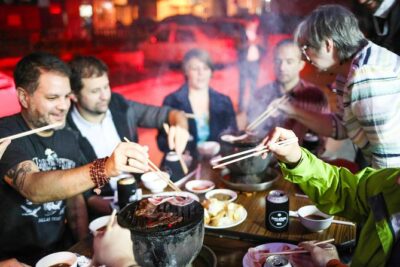
Beijing Hutong Walking Food and Beer Tour at Hidden Restaurants
Read our review →
Temple Heaven, Summer Palace, Lama Temple, Hutong Bus Tour
Read our review →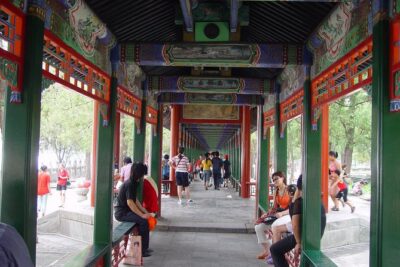
Temple of Heaven, Summer Palace, Lama Temple, Hutong Tours
Read our review →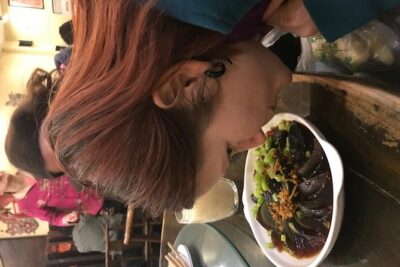

Browse the lists this tour appears in