Reviewed · FOOD
Flavors of Beijing: Eat Like A Real Chinese
Dumplings start with a market mission. This Beijing class is interesting because it pairs a walk through local food stalls with hands-on cooking in a family-style hutong home kitchen. You follow Chef Chao, learn what to buy and why, then cook what you chose.
What I love most is the hands-on part, from learning woks and cleavers to figuring out how Chinese seasonings work in real dishes. You also get at least one vegetarian option each day, with a chance for a meat-free menu on a selected day. The main drawback to plan for is that the kitchen can feel very warm, especially if you go in hot weather like August.
In This Review
- Quick highlights
- Why This Beijing Cooking Class Feels More Local Than Most Food Tours
- From Jiu Gu Lou to the Hutong, Here’s the Walking Route
- The Market Mission: Buying Ingredients You Actually Use
- Condiments, Woks, and Cleavers: How You Learn Chinese Flavor Fast
- Dim Sum Day vs Main-Dish Day, and How Vegetarian Works
- Eating Like a Family: What the Banquet Really Delivers
- Price and Value at $99: What You Get for the Money
- Who This Beijing Class Suits Best (and Who Might Want a Different Plan)
- Practical Tips for a Smoother Day in the Hutong Kitchen
- Should You Book Flavors of Beijing: Eat Like A Real Chinese?
- FAQ
- How long is the cooking class?
- What dishes will we cook in Beijing?
- Are there vegetarian options?
- What does the tour include and what is extra?
- Where do we meet, and is it easy to reach by public transport?
- Can I get a refund if I change my plans?
Quick highlights
- Chef Chao’s pacing: clear explanations plus patience as you chop, stir, and taste
- Market-to-pan flow: you buy ingredients first, then cook with what you selected
- Woks and cleavers: practical technique, not just watching someone else cook
- Dim sum or mains, day to day: the menu shifts daily with at least one vegetarian dish
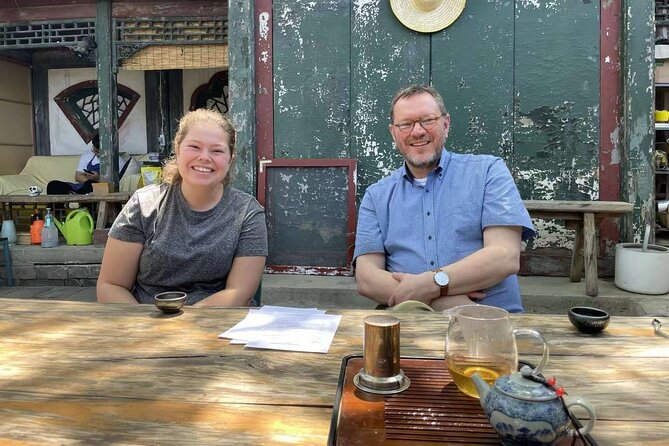
- Family-table meal: you sit down together and eat what you made
Why This Beijing Cooking Class Feels More Local Than Most Food Tours
This is not a “watch someone cook, then leave” format. The best part is that you start with food shopping, then you cook with the same ingredients in a real home kitchen. That market walk changes the way you understand Chinese cooking, because you see how everyday food looks when it is fresh.
Chef Chao’s teaching style also matters. In classes like this, the difference between fun and frustrating is usually the pace and clarity. Here, you get step-by-step guidance while you learn how ingredients turn into sauces, fillings, and stir-fry flavors.
And then you get the satisfying payoff: you eat a full meal you made, at the end, in a family-table setting. That is the point. Cooking is only half the experience. The other half is tasting your work while your guide explains what to notice next time you cook at home.
More food tours in Beijing:
- Beijing Hutong Walking Food and Beer Tour at Hidden Restaurants
★ 5.0 · 1,132 reviews - Beijing: Hidden Gems Guided Food Tour with Beer and Tastings
★ 4.9 · 306 reviews - Beijing Private Hutong Food Walking Tour
★ 5.0 · 299 reviews
From Jiu Gu Lou to the Hutong, Here’s the Walking Route
You meet back near the Jiu Gu Lou Da Jie area, a subway-friendly spot in Xicheng District, and the walk is part sightseeing and part getting you oriented. The route includes stops such as the Bell and Drum Towers, Yandai Xie Street, and Yinding Bridge.
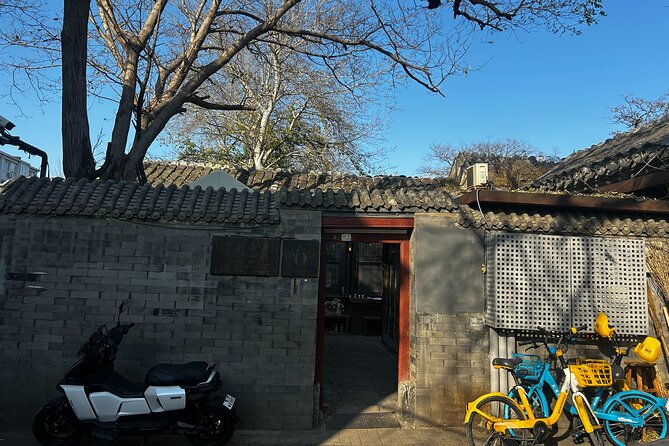
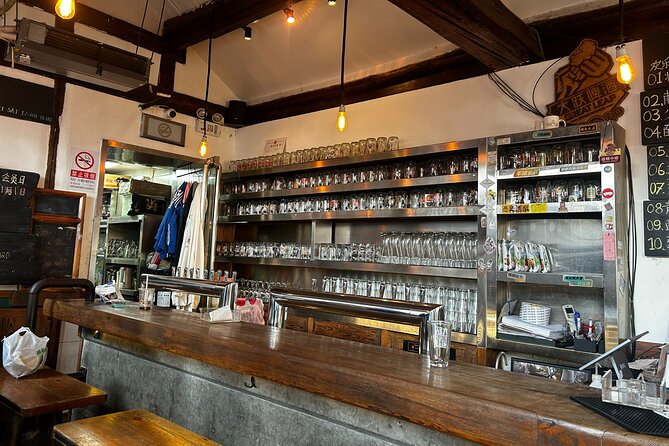
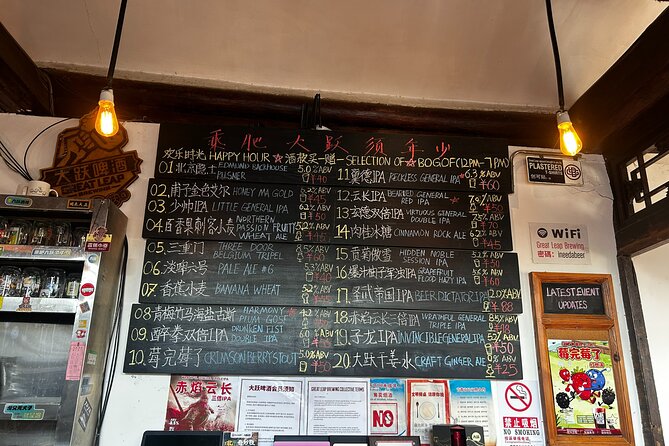
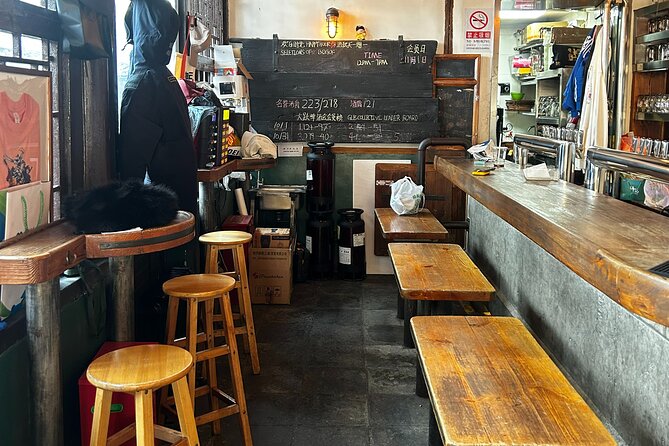
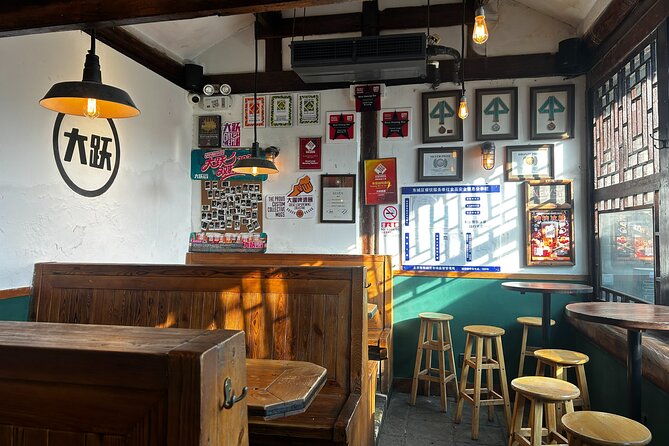
There is also a stop at Great Leap Brewing Original #6. Beer is not included, so think of this as a “pass-by and learn” moment, not a included tasting. If you want a drink, you would need to buy it yourself after the class.
The final walking stretch ties into the cultural neighborhood feel with stops at Songzhu Temple and Zhizhu Temple. You are not here for a temple tour in the traditional sense. You are here to move through local streets on foot, so when you reach the hutong home, it feels like you arrived in the everyday city, not a staged location.
Your class ends back at the meeting point, so you are not stuck trying to find your way in unfamiliar lanes after you get your hands covered in sauce.
The Market Mission: Buying Ingredients You Actually Use
The heart of the experience begins with a food market run. Your guide leads you through stalls where produce, meat, and seasoning items are easy to recognize once you learn what they do in cooking. You are not just browsing. You are selecting ingredients that will end up in your dishes.
This matters for two reasons. First, you learn what “good” looks like in real life, not in a grocery-store aisle back home. Second, you understand ingredient logic, like which items are meant for stir-fry, which work for dumpling fillings, and which seasonings create depth.
The experience also includes food tasting during the overall day. Even if the exact tastings vary, expect small samples that help you connect flavors to ingredients.
One practical point: the market atmosphere can be energetic, so come with a snack in your routine if you get queasy with smells and crowds. You will walk, choose items, then head to the home kitchen. Wear comfortable shoes because the market time is followed by more walking through hutong alleys.
Condiments, Woks, and Cleavers: How You Learn Chinese Flavor Fast
Back at the cooking space, the teaching shifts from choosing ingredients to building technique. You get a condiments and seasoning lesson as part of the program, and that sets you up to understand why the food tastes the way it does.
Chef Chao’s instruction focuses on practical skills: using a wok, using a cleaver safely, and understanding how seasonings combine. You are not memorizing a recipe and hoping it works. You learn what each step is trying to accomplish, so you can adjust at home.
Depending on the day’s menu, you might practice dim sum techniques like forming dough, crimping, and filling. Or you might focus on main dishes where the wok work matters more. Either way, you learn where flavor comes from, like sauce structure, marinades, and stir-fry timing.
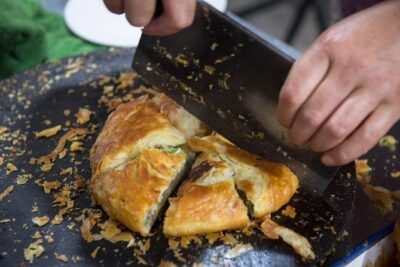
Many people come here wanting dumplings. They stay because they learn knife skills too. Reviews and firsthand-style feedback from this experience highlight that you may use the classic Chinese cleaver, not just a tiny kitchen knife. If you like hands-on learning, this part feels genuinely satisfying.
A few more Beijing days worth comparing
- From Beijing: Mutianyu Great Wall Tours with Options
★ 4.9 · 9,216 reviews - Beijing: Forbidden City Tour(Group/Private)-Tickets Included
★ 4.8 · 7,974 reviews - Beijing: T-Square & Forbidden City Group or Private Tour
★ 4.8 · 4,446 reviews - Beijing: Mutianyu Great Wall Daily Tour with Ticket & Lunch
★ 5.0 · 3,056 reviews
Dim Sum Day vs Main-Dish Day, and How Vegetarian Works
The menu changes daily, so you are not guaranteed the same dishes every time. What is consistent is the structure: you either do dim sum-style items or you do hearty main dishes, plus at least one vegetarian dish.
Dim sum days can include items like barbecued pork buns, stir-fried noodles, and sesame rolls. Main-dish days can include ginger fish, sweet and sour pork, and stir-fried chili beef. You might also make dumplings in different cooking styles on some days, like steamed versus boiled versus fried, depending on what the menu includes that day.
Vegetarian is handled in a built-in way. The program notes one vegetarian day each week, and at least one vegetarian dish is prepared every day. On the selected vegetarian day, you can choose an entirely meat-free menu. There is even evidence from the way Chef Chao explains and adjusts ingredients that vegetarian and vegan-friendly needs can be accommodated, as long as you communicate them ahead of time.
This flexibility is great if you eat differently than the group. It also makes the cooking lesson more useful, because you learn seasoning strategies that translate beyond meat.
Eating Like a Family: What the Banquet Really Delivers
After the cooking, you sit down and feast on the dishes you made. This is included, and it is the part that turns a class into a memory.
Food here is not presented as tiny tasting bites with no context. You eat the meal you worked for, and you can ask your guide questions while the food is still warm. That timing matters. When you taste something right after learning how it was cooked, the lesson sticks.
The family-table setting also keeps the experience grounded. You are in a hutong home, with a cozy, lived-in feel. That changes the mood from “classroom” to “shared meal,” and it makes it easier to ask about technique instead of just taking notes.
If you are hoping to bring something back home, you are in luck. You can take home recipes and notes from the session in written form. That turns the day into a reference you can actually use later, not just a fun story.
Price and Value at $99: What You Get for the Money
At $99 per person, the value comes from what is included, not just the fact you cook. You get a professional English-speaking guide, a local market tour, ingredients purchased for the meal, equipment, and a condiments lesson. You also get food tasting and a full meal at the end.
A lot of cooking experiences charge for instruction but leave you to buy ingredients separately. Here, the ingredients are built into the plan, so you avoid the surprise cost shock. You also keep costs predictable if you eat the whole menu you cook, since the feast is part of the experience.
Small group size helps too. This experience caps at 12 travelers, so you are more likely to get individualized help than in a crowded class.
Finally, consider the booking timing. It is often booked about a month in advance on average. If you want a specific day type, dim sum versus mains, it pays to book early.
Who This Beijing Class Suits Best (and Who Might Want a Different Plan)
This is a great fit if you like doing real tasks on a trip. You should be comfortable with cooking work, walking through a food market, and spending a few hours in a kitchen.
It also suits solo travelers well. Some days can be small, so you might get a more personal feel from Chef Chao’s teaching. If you love small-group learning, you will likely enjoy how the pace stays calm instead of rushed.
Bring a flexible attitude if you get motion sickness in crowded streets. There is a walking component and market smells are part of the deal. If you hate close quarters or loud markets, you might prefer a simpler food tour.
Families can do it too, but the class environment includes sharp tools like cleavers. You will want kids to be supervised and ready to follow directions so the class stays safe and enjoyable for everyone.
Practical Tips for a Smoother Day in the Hutong Kitchen
Plan for comfort. The kitchen can run hot, especially in summer, so wear breathable clothes and expect to sweat a bit while you cook. Keep a hair tie if you have long hair, and wear shoes you can walk in for the market and alley route.
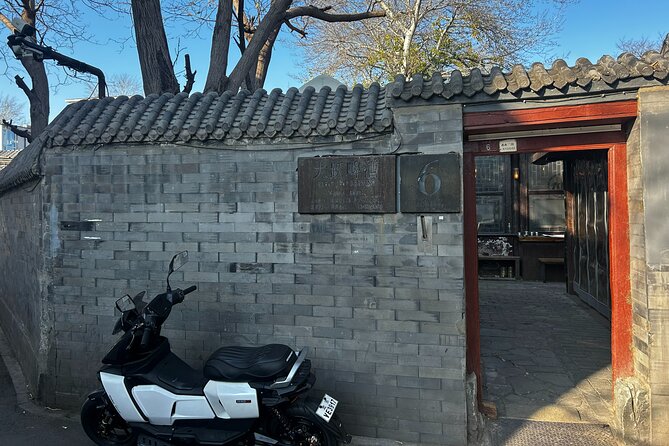
Pay attention to the meeting location details. This experience uses a precise address style, and some cooking schools do not have obvious outside signs. If you arrive early, confirm you are at the right spot before the group gathers.
Also, think about your return plan. The experience ends back at the meeting point, which is helpful. Still, if you are leaving the area later by taxi or on your own, hutong streets can be a little tricky for car access. Build in extra time and do not assume the closest pickup point will be right at the door.
Finally, come with questions. The most useful part of any cooking class is asking why a sauce works or how a seasoning changes the dish. Chef Chao’s explanations are part of what makes the technique stick.
Should You Book Flavors of Beijing: Eat Like A Real Chinese?
Book it if you want a hands-on Beijing food experience with a real market stop and a family-home cooking session. This is one of those days where you leave with more than photos. You leave with technique, recipes, and an ingredient mindset you can use later.
Skip it if your main goal is landmark sightseeing, not cooking. You do pass through notable spots like the Bell and Drum Towers and temples, but the focus stays firmly on food.
If you can handle a warm kitchen, enjoy learning as you go, and want vegetarian options built into the schedule, this class is a strong pick. With Chef Chao leading, small group size, and a full meal at the end, it is a value-packed way to learn Chinese cooking the practical way.
FAQ
How long is the cooking class?
The experience is described as a 5-hour cooking class, but the tour duration is also listed as about 3 hours. Plan for a half-day commitment starting at 12:00 pm, and expect the market time plus cooking plus eating to take most of that block.
What dishes will we cook in Beijing?
The menu changes daily. Depending on the day, you might make dim sum items like barbecued pork buns, stir-fried noodles, and sesame rolls, or you might make main dishes such as ginger fish, sweet and sour pork, and stir-fried chili beef.
Are there vegetarian options?
Yes. At least one vegetarian dish is prepared each day. The program also notes one vegetarian day per week, where you can choose a fully meat-free menu.
What does the tour include and what is extra?
Included are food tasting, the local food market tour, and a professional English-speaking guide, plus ingredients and equipment for cooking. Beer or drinks at Great Leap Brewing Original #6 are not included.
Where do we meet, and is it easy to reach by public transport?
You meet at the start point near Subway Line 8W9VV+CH4 on Jiu Gu Lou Da Jie in Xicheng District, Beijing. The activity is near public transportation.
Can I get a refund if I change my plans?
Yes, you can cancel for free up to 24 hours in advance for a full refund. Cancellations made less than 24 hours before the start time are not refunded.
Recently added around Beijing
- Private Transfer to Mutianyu Great Wall with professional driver★ 5.0 · 19 reviews
- Wild Great Wall Hikes★ 5.0 · 10 reviews
- camp on the Great Wall overnight with sunrise and sunset on the wall★ 5.0 · 11 reviews
- Beijing: to Xi’an Terracotta Day Tour by Roundtrip Bullet Train★ 5.0 · 9 reviews
- Beijing Airport Layover Tour to Mutianyu Great Wall★ 5.0 · 4 reviews
- Private Wild Great Wall Hiking tour at Simatai (Challenging)★ 5.0 · 16 reviews
- Beijing: Mutianyu Great Wall and Tea House Private Tour★ 5.0 · 11 reviews
- Simatai Great Wall & Gubei Water Town Private Trip English Driver★ 5.0 · 7 reviews
Food, compared.
Authentic Local Food Tour in Central Shanghai
Read our review →
Beijing Hutong Walking Food and Beer Tour at Hidden Restaurants
Read our review →
Eat Like a Local Through Shanghai’s French Concession
Read our review →