
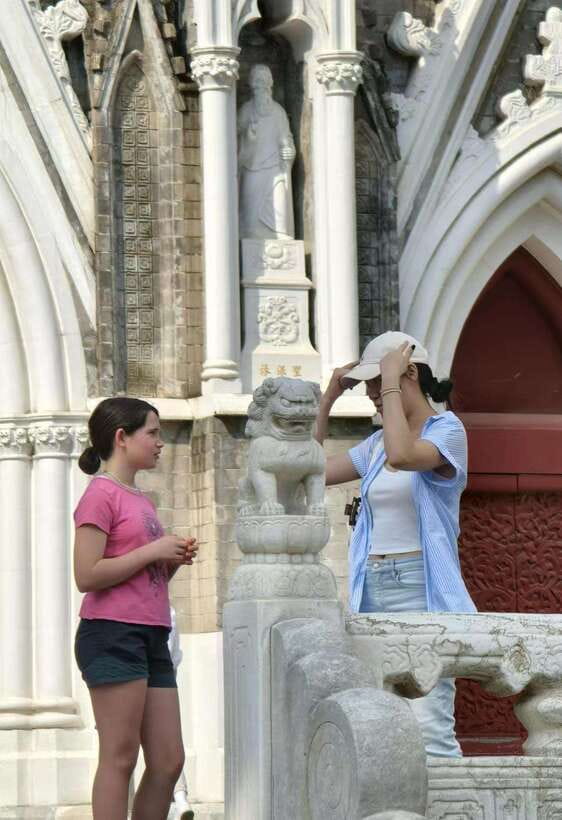
Reviewed · HUTONG TOURS
Hutong Walking Tour: Discover Real Beijing without Crowds
Hutongs, without the usual crowd chaos. This is a 2.5-hour Beijing walking tour that threads traditional alley life through major faith sites and everyday spots, with a smart mix of old and newer parts of the city. You start at Xisi Subway Station and end near 阜内大街, so the route also helps you get your bearings fast for the rest of your trip.
I especially like two things. First, the small group size (max 8) keeps the pace human and makes it easier to ask questions. Second, the guide stops feel chosen for understanding, not just photos, including places like 广济寺 (Guangji Temple), the Church of the Saviour, and 正阳书局 (Zhengyang Shuju) plus classic courtyard-area architecture.
One consideration: only about half the tour is in the hutongs, with the other time split across temples, a church, a local bookshop, and other buildings. If you want 100% narrow-alley wandering, book with caution. Also plan for noticeable walking, around 3 km, and it is not a good fit for wheelchair users or people with mobility impairments.
In This Review
- Key things to know before you go
- Where Hutong Life Meets Faith, Books, and Everyday Beijing (Xisi Station start)
- Guangji Temple: your first taste of old Beijing calm
- Church of the Saviour, Beijing: how faith fits into the neighborhood
- 正阳书局 (Zhengyang Shuju): a bookshop stop that feels like modern Beijing
- Zhuanta Hutong: where you learn the courtyard logic (siheyuan life)
- Emperors Temple of Past Dynasties: reading symbols through architecture
- Local café break: a breather that keeps the tour on your side
- Miaoying Temple: one of the calmer stops in the middle of the city
- Old Beijing to newer Beijing: why the route changes after the hutongs
- The traditional Beijing drink: the small detail that makes it stick
- Value for $49: what you get and what you should compare
- What to bring, how to dress, and how to be a good hutong visitor
- Best use of this tour in your Beijing plan
- Should you book the Hutong Walking Tour, and who it fits best?
- FAQ
- Where is the meeting point?
- How long is the tour, and how much walking is involved?
- What does the tour include?
- What’s the walking mix between hutongs and other stops?
- What languages are offered for the live guide?
- What should I bring, and what is not allowed?
Key things to know before you go
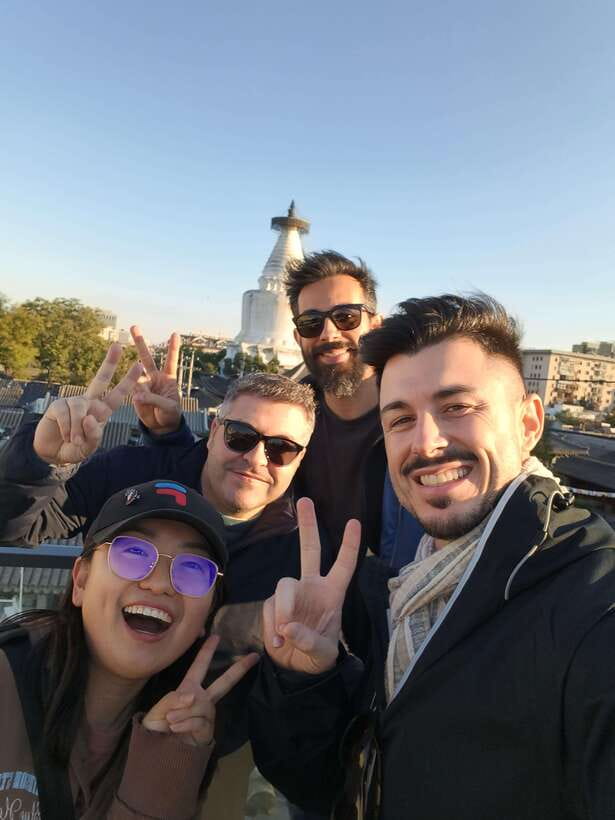
- Max 8 people means more real conversation and a comfortable pace
- Half hutongs, half other sights, so you get variety not only alleys
- Start at Line 4 Xisi Station Exit D, easy to reach and easy to follow
- Temple and church stops give you a rare look at faith and everyday prayer patterns
- A traditional Beijing drink caps the route, sometimes including plum style flavors
- Expect roughly 3 km of walking, bring water and wear proper shoes
Where Hutong Life Meets Faith, Books, and Everyday Beijing (Xisi Station start)
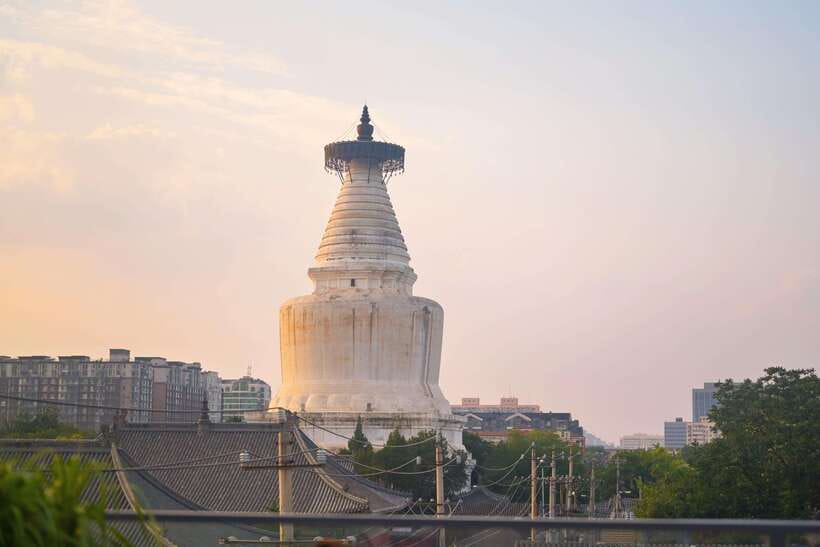
The experience kicks off at Xisi Subway Station, Exit D on Metro Line 4. That matters because it puts you near a normal neighborhood rhythm instead of starting in a tourist hub. From the first minutes, you’ll see how hutongs sit next to newer urban layers, rather than living in a museum bubble.
You also get something that feels rare in Beijing: a slow enough tempo to notice the small stuff. With a group capped at 8, the guide can pause for questions, point out details at the right time, and keep everyone moving without that constant funneling you get on larger tours. Guides I’ve seen lead this kind of route include Dee, Tracy, and Heidi, and the tone tends to be warm, patient, and very practical.
Timing tip: if it’s your first day, this walk can act like a decoder ring for the city. One common way to get value is to do it early, then return later to sights with better context.
More Walking Tours in Beijing
- Beijing Hutong Walking Food and Beer Tour at Hidden Restaurants
★ 5.0 · 1,132 reviews - Private Beijing Walking Tour of the Forbidden City with 7 Options
★ 5.0 · 675 reviews - Forbidden City Private Walking Tour with Optional Sights
★ 5.0 · 400 reviews
Guangji Temple: your first taste of old Beijing calm
A key early stop is Guangji Temple (广济寺). Temples in Beijing are more than postcard settings. They’re places where architecture and daily ritual overlap, and that’s exactly what helps you understand why hutongs and spiritual sites share the same urban fabric.
Here’s what to look for as you walk in and out:
- How the layout pulls you through a sequence of courts and halls
- How sounds change as you leave street life and step into a more enclosed space
- How visitors behave, not just what the buildings look like
If you like history you can see, this stop gives you that. If you mostly want vibes and local atmosphere, it also delivers. Either way, it sets the tone that this tour isn’t only about alleys, it’s about how people actually experience the city.
Church of the Saviour, Beijing: how faith fits into the neighborhood
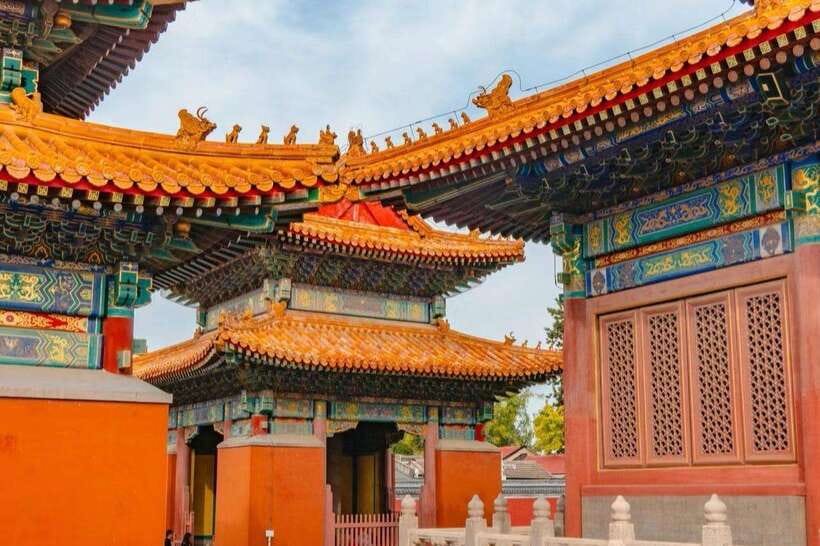
Next comes the Church of the Saviour, Beijing. Seeing a church in a traditional neighborhood area is a good reality check. Beijing’s layers include older imperial culture, local religious practice, and later waves of foreign influence. You don’t have to be religious to appreciate the cultural logic of why this kind of building exists where it does.
What you’ll likely get from the guide here is interpretation, not just facts. Expect explanations tied to symbolism and how people use buildings like this within daily city life. It’s a useful contrast point later when you compare temple architecture and style cues.
Practical angle: even if the church feels quiet, still take a moment to watch the surroundings. The contrast between religious buildings and the hutong streets is one of the best ways to understand how neighborhoods function.
正阳书局 (Zhengyang Shuju): a bookshop stop that feels like modern Beijing
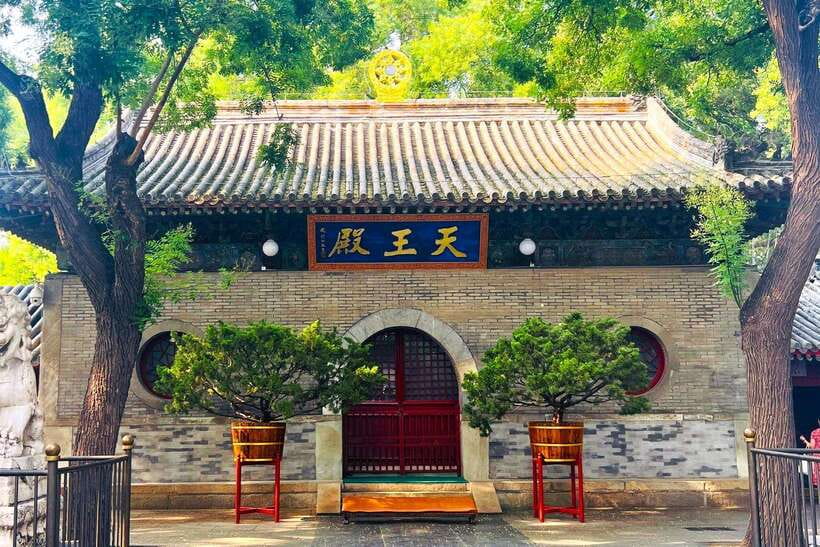
A pleasant surprise on the route is 正阳书局 (Zhengyang Shuju), where you can browse during the guided segment that includes shopping time. This is not just a detour for souvenirs. A local bookstore in a real neighborhood tells you how cultural habits continue in newer forms.
What makes this stop useful:
- You can read signage and see the style of contemporary local commerce
- You might find small, thoughtful items that make better memories than generic magnets
- It offers a natural break in walking rhythm without losing the thread of the area
If you’re the type who likes to bring home one meaningful purchase, this is the place to aim for that. Just don’t let shopping turn into a marathon. Save energy for the alley and temple portions.
More hutong walks in Beijing:
- Temple Heaven, Summer Palace, Lama Temple, Hutong Bus Tour
★ 4.7 · 319 reviews - Temple of Heaven, Summer Palace, Lama Temple, Hutong Tours
★ 5.0 · 311 reviews - Beijing Private Hutong Food Walking Tour
★ 5.0 · 299 reviews - The Hutong Experience by Bike
★ 5.0 · 163 reviews
Zhuanta Hutong: where you learn the courtyard logic (siheyuan life)
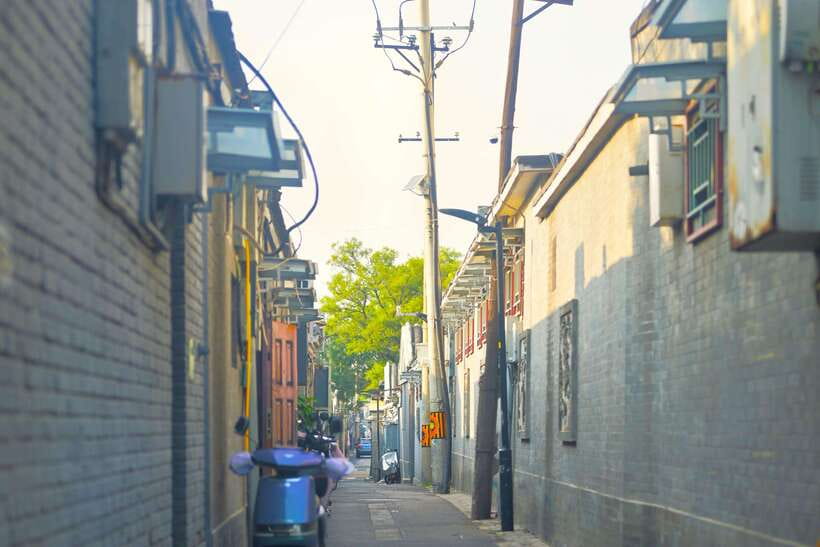
Now you get into Zhuanta Hutong. This is the “real Beijing” feeling many people come for, the narrow lanes and the everyday residential texture. Hutongs are more than old streets. They’re a system, especially when you understand courtyard life.
As you walk, the guide’s explanations typically focus on:
- The layout and purpose of siheyuan style courtyard homes
- How privacy and everyday routine shape how spaces are used
- Why urban design choices matter when you compare older neighborhoods to newer development
One smart way to enjoy this section is to look at doors, gates, and entrances. Courtyard living often shows its logic right at the threshold, how people manage visitors, deliveries, and daily movement.
Important etiquette: hutongs are someone’s home area. Keep your voice down, don’t block doorways, and give residents space. This is the part of the tour where respect feels like part of the experience, not a rule tacked on at the end.
Emperors Temple of Past Dynasties: reading symbols through architecture
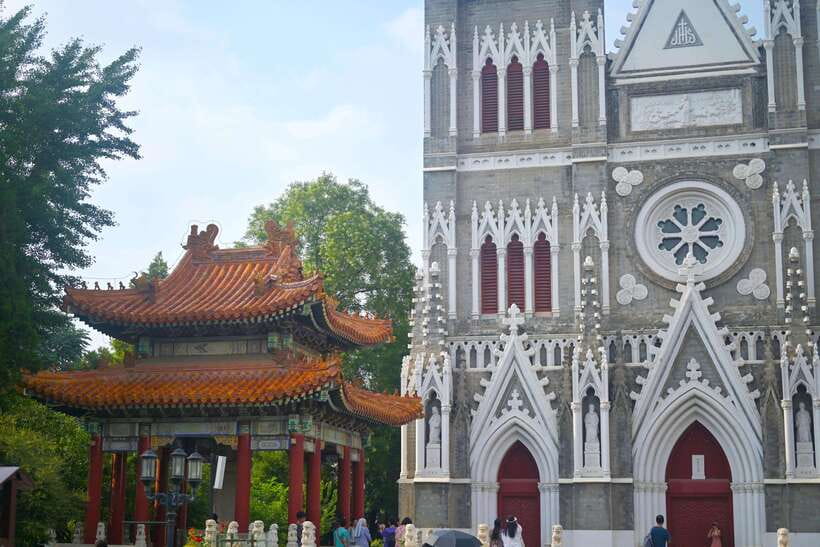
You’ll also stop at the Emperors Temple of Past Dynasties. This part includes a photo stop plus guided time, and it’s especially good if you like understanding what you’re seeing rather than only collecting images.
Temples like this help you connect architecture to ideas:
- How ceremonial spaces communicate authority
- How design choices guide movement and attention
- How historical layers are preserved, even when the city around them changes
If you’re planning big sights later, like the larger palace complexes, this stop can give you a useful comparison baseline. You start seeing recurring design principles, even when the scale and era differ.
Also, keep expectations realistic. Temples are often busy with daily visitors. Your experience improves if you stay patient and focus on the guided context.
Local café break: a breather that keeps the tour on your side
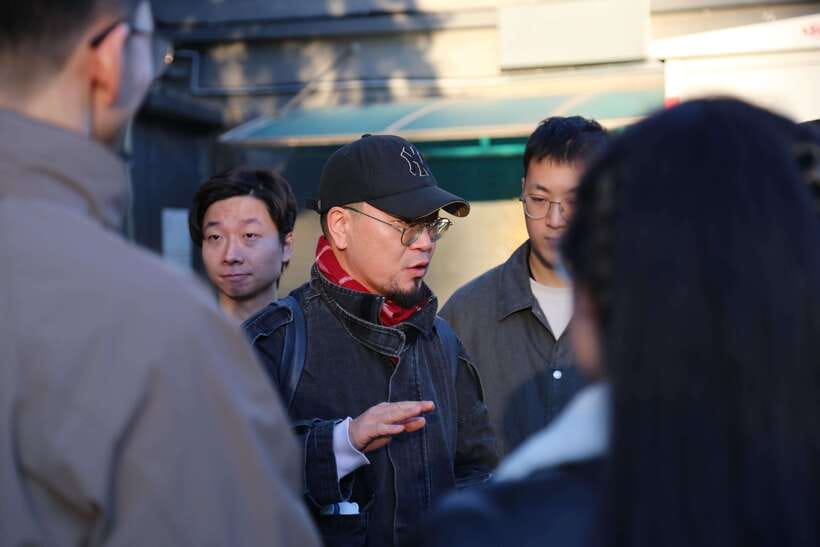
Halfway through you get break time at a local café. This is practical for a reason. With around 3 km of walking, you want a moment to reset before temples again.
Use this break in a smart way:
- Drink water and top up, then return ready for more walking
- Ask a quick question or two about where to eat nearby afterward
- Jot down the names of places you liked, so you can revisit later
The best guides can do this smoothly, and the route style here tends to keep you from feeling rushed. It also gives you time to gather tips on navigating Beijing after the tour, which can save you hours later.
Miaoying Temple: one of the calmer stops in the middle of the city
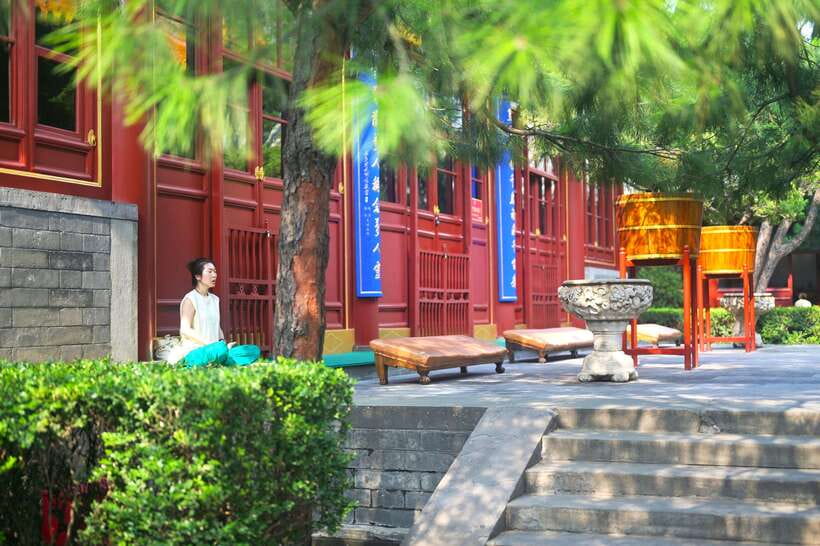
Later you’ll reach Miaoying Temple. Expect another guided visit plus a photo stop, and a different kind of atmosphere compared with earlier religious sites. Even when you know how to take a good photo, this stop benefits from explanation because temples often have layered meanings tied to form and placement.
As you move around, watch for:
- How courts and corridors shape the pace of walking
- How the architecture frames light and views
- How people behave, quietly and routinely, not like a stage audience
Miaoying is often the kind of place that feels like a small pause inside the larger city machine. If you’re hoping for a quieter moment to absorb Beijing, this is a strong candidate.
Old Beijing to newer Beijing: why the route changes after the hutongs
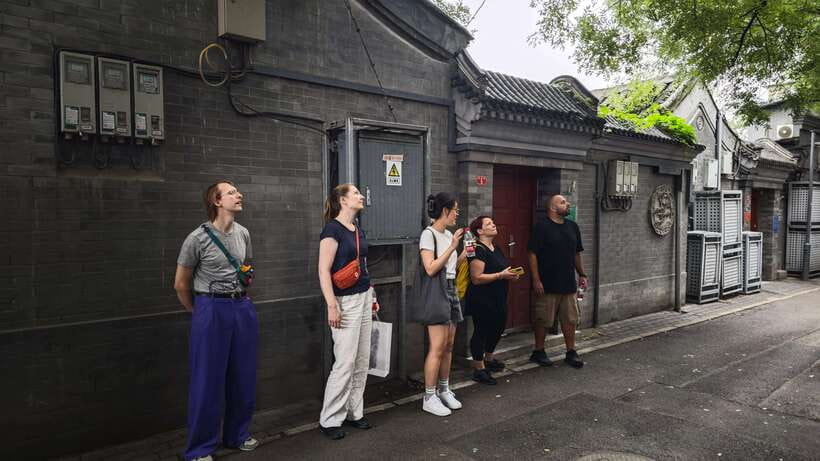
One of the tour’s promises is the blend of old and new. The hutongs are the heart, but the route does not stay there the entire time. That can be a downside for hutong purists, yet it’s also a value for everyone else because you get to see how Beijing transformed.
At a high level, this is what you’re learning:
- Older neighborhoods were built with different priorities than modern districts
- New development changes street scale, movement, and how community life is organized
- You can trace those changes through the mix of residential lanes, temples, and nearby modern zones
This contrast is especially useful if you’re the type who likes to understand the city instead of only ticking off landmarks.
When the tour finishes at 阜内大街 410号, you’re set up to continue exploring without feeling stranded. It’s a natural ending point that makes it easier to connect with the rest of your itinerary.
The traditional Beijing drink: the small detail that makes it stick
This tour includes a traditional Beijing drink. Depending on the day, it can take different forms. Some versions are described as an iced tea served with a view, and others mention plum style sour drinks and plum juice mixed with Chinese herbs.
Whatever you receive, treat it like more than a snack:
- It’s a flavor clue to local seasonal habits
- It gives you a moment to slow down and reflect before moving on
- It helps the tour feel like a local morning, not just a sightseeing route
If you’re picky about drinks, you might want to look out for notes when you’re handed it. But in general, it’s included for a reason, it anchors the experience in everyday Beijing.
Value for $49: what you get and what you should compare
At $49 per person for about 2.5 hours, the value comes from several things working together:
- A local guide with English and Chinese
- Small group size (up to 8), which can be rare at this price point
- Entrance fees included for Palace of Ancient Monarchs, with the note it is closed on Monday
- The traditional drink included
So you’re not just paying for walking and explanations. You’re also paying for entry where relevant, and a guide who can connect architecture, faith, and neighborhood life so the route makes sense as a whole.
How to judge it for yourself:
- If you like guided context and want fewer crowds, it’s a strong deal.
- If you hate walking and want minimal time outside, then any walking tour is a risk, even with a good guide.
What to bring, how to dress, and how to be a good hutong visitor
This tour is set up for real walking, about 3 km. That means shoes matter more than you think. Bring comfortable shoes, and consider that you might have to navigate uneven sidewalks and alley turns.
Also pack:
- Water
- Hat and sunscreen for sunny weather
- Plan for varied weather, since Beijing can swing
Rules to follow:
- No smoking
- Be respectful of residents in hutong areas, especially around doorways and private entrances
Mobility note: it’s not suitable for people with mobility impairments or wheelchair users. If that affects you, it’s better to choose a different style of tour.
Best use of this tour in your Beijing plan
This walk works well early in your trip because it builds context. A common smart move is to do it before larger imperial sights, then compare how courtyards and ceremonial design show up again at bigger scale.
You’ll also get restaurant and travel tips from the guide. Even if you’re a confident map user, those recommendations tend to be neighborhood-aware and practical, like where people eat and how to move around after.
If you want less crowd pressure, this route style is part of the appeal. It spends serious time in local areas, not only along major tourist drags.
Should you book the Hutong Walking Tour, and who it fits best?
Book this tour if you want:
- A small-group Beijing experience with time for questions
- A route that mixes hutongs plus temples plus a church plus a local bookstore
- A guide who helps you understand courtyard life and architectural clues, not just name drops
- A traditional drink included, with flavor examples like iced tea or plum style drinks
Skip it if:
- You want only hutongs and nothing else, because about half of the walk is outside the hutong lanes
- You can’t handle 3 km of walking
- You need wheelchair-friendly routing
If you’re trying to see the real Beijing beyond the biggest ticket sights, this is one of the best ways to start your understanding fast, without stepping into a photo stampede.
FAQ
Where is the meeting point?
You meet at Metro Line 4, Xisi Station, Exit D.
How long is the tour, and how much walking is involved?
The tour runs for 2.5 hours and involves walking of about 3 km.
What does the tour include?
It includes a local guide, entrance fee for the Palace of Ancient Monarchs (noting it is closed on Monday), and a traditional Beijing drink.
What’s the walking mix between hutongs and other stops?
About half of the tour is spent in the hutongs. The rest includes other local attractions and unique buildings.
What languages are offered for the live guide?
The live tour guide is available in English and Chinese.
What should I bring, and what is not allowed?
Wear comfortable shoes and bring a hat, sunscreen, and water. Smoking is not allowed, and you should respect residents’ privacy in hutong areas.
Recently added around Beijing
- Private Transfer to Mutianyu Great Wall with professional driver★ 5.0 · 19 reviews
- Wild Great Wall Hikes★ 5.0 · 10 reviews
- camp on the Great Wall overnight with sunrise and sunset on the wall★ 5.0 · 11 reviews
- Beijing: to Xi’an Terracotta Day Tour by Roundtrip Bullet Train★ 5.0 · 9 reviews
- Beijing Airport Layover Tour to Mutianyu Great Wall★ 5.0 · 4 reviews
- Private Wild Great Wall Hiking tour at Simatai (Challenging)★ 5.0 · 16 reviews
- Beijing: Mutianyu Great Wall and Tea House Private Tour★ 5.0 · 11 reviews
- Mutianyu Great Wall Private Round Trip★ 4.5 · 14 reviews
Hutong Tours, compared.
Beijing Hutong Walking Food and Beer Tour at Hidden Restaurants
Read our review →
Temple Heaven, Summer Palace, Lama Temple, Hutong Bus Tour
Read our review →
Temple of Heaven, Summer Palace, Lama Temple, Hutong Tours
Read our review →



Browse the lists this tour appears in