
Reviewed · SHOPPING TOURS
Private Beijing Shopping Tour
Shopping in Beijing without the stress. This private 4 to 6 hour route pairs you with a local expert and private transport so your day stays focused on finding stuff, not dodging taxis or hauling bags. You choose what you want to buy, and your guide builds the stop list around it, including Pearl, antiques, tea, and other markets.
I especially like the bargaining help and the way the guide steers you toward the right vendors instead of making you wander for hours. In particular, guides like Sally and Susan were praised for keeping people from getting overcharged and for handling the back-and-forth with confidence, which makes a big difference in markets.
The main drawback to plan for is time pressure. Most stops are about an hour each, and if you want to spend extra time in malls or boutiques instead of market browsing, the “markets feel similar after a while” concern is real. Also, many markets expect cash in CNY, so bring the right amount before you go.
In This Review
- Key points to know before you shop
- Why a private shopping car makes the day feel easier
- Pearl Market (Hongqiao): pearls, fast-made glasses, and good first-stop energy
- Liulichang Antique Market: where street-level shopping turns into a story
- Maliandao Tea Street: how to shop tea without getting lost
- Panjiayuan Antique Market: souvenirs with more personality
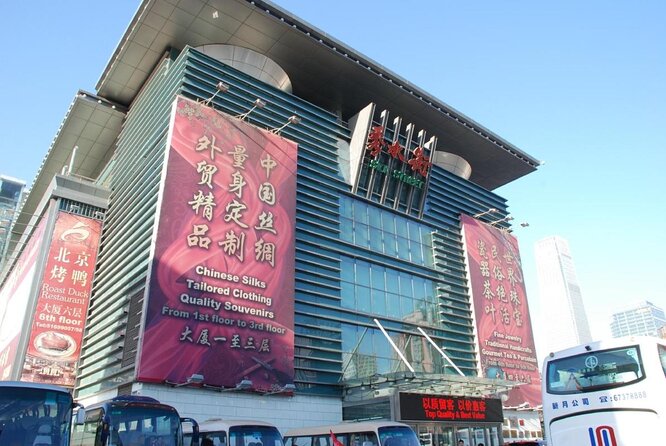
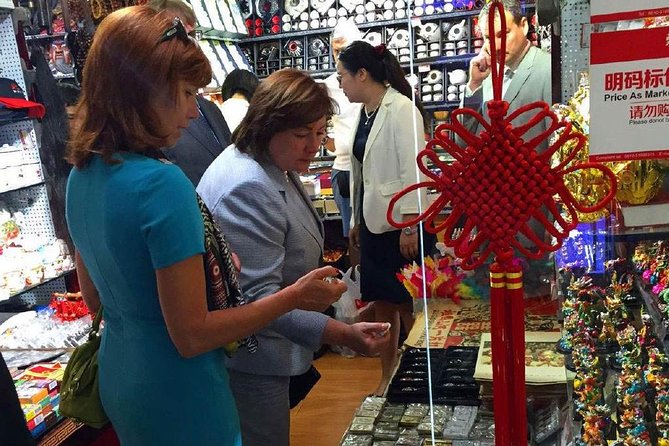
- Xiushui Silk Street and the second wave of shopping
- If you love Chinese cooking: a stop for supplies
- How bargaining coaching actually helps, not just theory
- Price value: is $148 fair for what you get?
- What to bring and how to keep it smooth
- Who this tour fits best, and who might not love it
- Should you book the Private Beijing Shopping Tour?
- FAQ
- How long is the Private Beijing Shopping Tour?
- What is included in the price?
- Which markets are included in the itinerary?
- Do I need to pay in cash?
- Are food and drinks included?
- Can the guide customize where we shop?
Key points to know before you shop
- Private guide + private car means you can shop hard without carrying bags all day
- Route built around your list (clothing, electronics, housewares, pearls, antiques, tea)
- Market bargaining coaching helps you negotiate with less guesswork
- Pearl, tea, and antiques stops cover the top “type shopping” areas in Beijing
- Cafes for breaks are built in, and you stay flexible on what you eat and drink
- Cash in CNY is the practical way to keep purchases smooth
Why a private shopping car makes the day feel easier
Beijing markets can be fun, but they also chew up energy. The smart part of this tour is that you are not stuck juggling transportation and carrying bags. Hotel pickup and drop-off are included for hotels within the 4th ring road, and the tour uses a round-trip private transfer so you can move quickly between market areas.
You also get something surprisingly useful: a place to stash your purchases. The tour mentions storing shopping bags in your private vehicle, and that matters the moment you buy more than a small souvenir. It also keeps your attention where it should be, on quality, price, and fit.
A private tour also means you control the pace. If you want more time at one stop, you can request extra hours, and if you are done early, you do not have to stay on some fixed bus-group schedule. That flexibility is part of the value you are paying for.
More Shopping Tours in Beijing
- Private Beijing Markets Tour with Tea Tasting at Hongqiao Pearl Market
★ 5.0 · 18 reviews - Private Full Day Beijing Shopping Tour
★ 5.0 · 7 reviews - 4-Day Beijing Tour: Best Private Package with No Shopping Stops
★ 5.0 · 7 reviews
Pearl Market (Hongqiao): pearls, fast-made glasses, and good first-stop energy
The Pearl Market (Hongqiao Market) is a strong opening stop because it matches the classic “what should I buy in Beijing” mission. This is where you go if pearls are on your list, and it is also one of the better spots for practical purchases because shop offerings can be pretty concentrated.
What I like here is the setup. Your guide meets you, you tell them what you are shopping for, and then they suggest an order that matches your interests. If you are curious about designer-style labels, that is part of what the guide can steer you toward too.
One detail that really stands out in the tour description: prescription glasses can be made in a few hours at shops in the market area. That is not a guarantee for every situation, but it is a real option to keep in mind if you need new frames or a quick prescription.
Consideration: because this is a market, you will be dealing with many storefronts and many pitches. Having a guide helps you compare without getting pulled in every direction. Without that help, Pearl Market can turn into a time-waster. With help, it is easier to find the deal and move on.
Liulichang Antique Market: where street-level shopping turns into a story
Next up is Liulichang Street and the Liulichang Antique Market (Liulichang Xijie). This area shifts the vibe from “buy a product fast” to “browse for character.” If you want unique Chinese decorations or antiques, this is the place your guide will point you toward.
The big win at Liulichang is that you are shopping for things with personality, not just repeat items. You are also more likely to find pieces that feel more “Beijing” than generic tourist souvenirs. That is where a guide can help, because they know which stalls are worth your attention and which ones are more likely to waste your time.
Potential drawback: antiques shopping takes patience. If you only have four hours total, you might feel the pressure to decide quickly. If you have six hours, you get more breathing room to compare items and prices.
Maliandao Tea Street: how to shop tea without getting lost
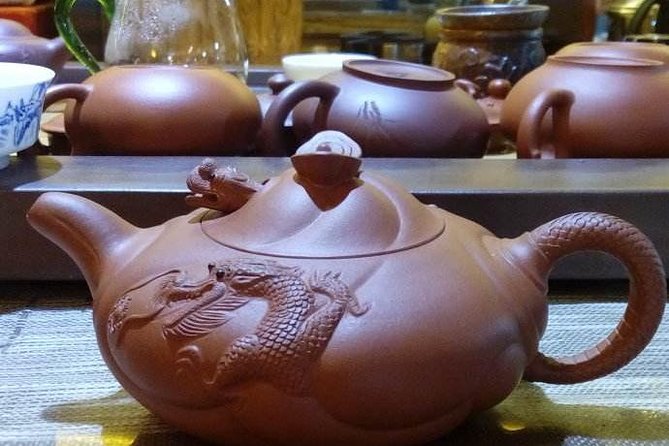
Maliandao Tea Street is described as a tea market with more than 1,000 vendors. That scale is impressive, and it can also be overwhelming. This is exactly where the guide concept matters. You do not just walk into a sea of stalls and hope you pick the right one.
A guide helps you narrow down what matters, like what kind of tea you want and what kind of deal you are trying to get. You can also use the guide as a translator when product names and types are not obvious.
Consideration: tea can be tricky if you are brand new. You might love the smell, but you still want something that fits how you actually drink tea at home. The tour is built for shopping, not for long tastings, so set expectations that you are buying based on your shortlist, not discovering everything by trial.
And yes, if you need a pause, the tour includes plans for refreshments later at cafe stops, so you are not stuck sprinting the whole time.
A few more Beijing days worth comparing
- Night Market Haggling Adventure with an English Guide!
★ 4.8 · 7 reviews - 6-Hour Private Beijing Tour: Flower and Fish Market, Panjiayuan Antique Market and 798 Art Zone
★ 5.0 · 7 reviews - Private Tour to Pearl Market Acrobatic Show & Peking Duck Dinner
★ 5.0 · 5 reviews - Lama Temple, Hutong and Silk & Pearl Market Private Day Tour
★ 5.0 · 5 reviews
Panjiayuan Antique Market: souvenirs with more personality
Panjiayuan Antique Market rounds out the antiques loop, and it is a great option if you want unique Chinese souvenirs beyond the usual mainstream picks. The tour positions it as another place to hunt for antiques and distinctive items.
What makes Panjiayuan useful in a half-day shopping plan is contrast. Liulichang tends to feel more tied to traditional decor browsing, while Panjiayuan is often associated with souvenir-style collecting and bargain hunting. With a guide, you can move between “decor shopping” and “souvenir hunting” without losing your momentum.
Practical note: like most markets, prices and quality can vary a lot by stall. A guide can help you avoid the easiest mistakes, like paying too much for something that is overpriced for the material or condition.
Xiushui Silk Street and the second wave of shopping
The tour then adds Silk Street & Pearl Market (Xiushui). This stop is where your guide’s item knowledge really starts to pay off, because you get tips on which vendors to visit for specific souvenirs. It is also paired with a break at outdoor cafes so you can cool down and reset.
This matters because Xiushui-style areas can get intense. You will see plenty of goods that look similar at first glance. Your best tool is comparison, plus knowing where to look for the type of purchase you have in mind.
I also like that the itinerary calls out a cafe pause. You are paying for time, and breaks keep you from turning cranky. Just remember food and drinks are own expense, so treat cafe time as a comfort stop, not a meal plan included in the tour.
Consideration: if you prefer calmer shopping, Xiushui can feel busier than the antiques stops. The solution is not avoiding it, it is using your guide’s “go here first” advice and then getting your shopping done.
If you love Chinese cooking: a stop for supplies
There’s an extra shopping option built into the plan if you are a fan of Chinese cooking. The tour notes that a local supply market is the best option in that case.
What you can expect in practice: your guide will likely treat this as a “tell me what you use at home” opportunity. You might focus on items like spices, cooking tools, or pantry staples, depending on what you’re trying to recreate back home. If you have a list, this is the moment to bring it.
This stop also shows why the tour is private. Shopping for cooking supplies is a totally different mission than shopping for pearls or antiques, and you do not want a one-size-fits-all itinerary.
How bargaining coaching actually helps, not just theory
Markets are where you learn quickly that price tags are only part of the story. The tour highlights the art of bargaining, and the reviews back that up with a theme: guides help you negotiate so you are not guessing.
One of the most useful ideas I would take from the experience is this: bargaining gets easier when you know what to ask for and who to approach. Guides like Sally and Becky were noted for steering people to the right places and preventing overcharging. That is not just about “getting a deal,” it is about learning how to compare value quickly.
A practical approach for you:
- Go in with 3 to 5 items you want most.
- Use your guide to check whether a price feels realistic.
- Compare at least a couple of stalls before you decide.
The tour also mentions that if you have questions about wares, or need translation, your guide is there for you. That support is huge when you are shopping in a market where sales talk moves faster than your language comfort.
Price value: is $148 fair for what you get?
At $148 per person, this is not a budget street-market wandering day. It is a paid convenience and guidance package.
Here is what you are paying for, and why it can be worth it:
- Private guide time for 4 to 6 hours, including itinerary customization
- Hotel pickup and drop-off (within the 4th ring road)
- Private round-trip transfer, plus AC transport for shopping bag storage
- Bottled water included
- Admission tickets are listed as free for each scheduled market stop
In other words, the cost is not just the guide’s knowledge. It also covers logistics that can otherwise eat your day, like getting to market areas, repositioning between stops, and managing luggage.
You do pay a bit more if you want to extend the time, since additional hours are USD $30 per hour. Still, having that option is useful. If you fall into great bargains or you find a seller you like, you do not have to cut the experience short.
What to bring and how to keep it smooth
This tour is designed for shoppers, but you can make it easier on yourself with a few basics.
- Bring cash in CNY. The tour notes that most markets only accept Chinese CNY payment.
- Plan for water. Bottled water is included, but you will likely want extra fluids if you shop hard in warm weather.
- Wear comfortable shoes. Markets involve lots of walking and standing.
- Have a short wish list. Telling your guide what you want to buy helps them build a route you can actually finish.
Also, note the tour uses a mobile ticket, which is typically simpler than paper tickets. And it is a private activity, meaning only your group participates.
Who this tour fits best, and who might not love it
This is a great fit if you want:
- A guided plan that saves time across multiple shopping areas
- A place to bargain without feeling alone in the process
- A practical route for pearls, tea, antiques, and general souvenirs in one day
- Confidence that your guide can handle translation needs
It might not be the best fit if:
- You want a long, slow shopping day with lots of browsing in malls and boutiques
- You dislike market environments and prefer quieter stores
- You cannot manage cash payments in CNY, since many stops expect it
If you are the type who loves getting things done, buying smart, and leaving with a stack of well-chosen items, this tour style fits your brain.
Should you book the Private Beijing Shopping Tour?
If your goal is shopping with a plan, this is easy to recommend. The strongest reasons are the private transport with bag storage, the market-by-market guidance, and the real-world help with bargaining and avoiding overpaying. Names like Sally, Susan, and Becky show up in the experience record for a reason, people value guides who listen and who keep you moving toward what you actually want.
Book it if you have a clear list, even a messy one. Pearl, antiques, tea, and souvenirs are all covered in a way that lets you compare without getting lost. Skip it if you want a mostly leisurely day, or if cash in CNY is a problem.
If you are ready to shop and you want your time in Beijing to feel efficient, this private tour is a solid value for what you get.
FAQ
How long is the Private Beijing Shopping Tour?
The tour runs for about 4 to 6 hours.
What is included in the price?
The tour includes bottled water, hotel pickup and drop-off for hotels within the 4th ring road, a local guide, a private tour, and round-trip private transfer.
Which markets are included in the itinerary?
The itinerary includes Pearl Market (Hongqiao Market), Liulichang Antique Market (Liulichang Street), Maliandao Tea Market, Panjiayuan Antique Market, and Silk Street & Pearl Market (Xiushui). There is also an option for a local supply market if you are interested in Chinese cooking supplies.
Do I need to pay in cash?
Most markets only accept Chinese CNY payment, so it’s a good idea to have cash with you.
Are food and drinks included?
No. Food and drinks are not included, though the itinerary includes a break at outdoor cafes where you can buy your own refreshments.
Can the guide customize where we shop?
Yes. You tell your guide what you want to buy, and the guide can customize the itinerary based on your interests and the shopping areas you want to visit.
Recently added around Beijing
- Private Transfer to Mutianyu Great Wall with professional driver★ 5.0 · 19 reviews
- Wild Great Wall Hikes★ 5.0 · 10 reviews
- camp on the Great Wall overnight with sunrise and sunset on the wall★ 5.0 · 11 reviews
- Beijing: to Xi’an Terracotta Day Tour by Roundtrip Bullet Train★ 5.0 · 9 reviews
- Beijing Airport Layover Tour to Mutianyu Great Wall★ 5.0 · 4 reviews
- Private Wild Great Wall Hiking tour at Simatai (Challenging)★ 5.0 · 16 reviews
- Beijing: Mutianyu Great Wall and Tea House Private Tour★ 5.0 · 11 reviews
- Ultimate Forbidden City and Mutianyu Great Wall Discovery with Airport Transfer★ 5.0 · 25 reviews
Shopping Tours, compared.
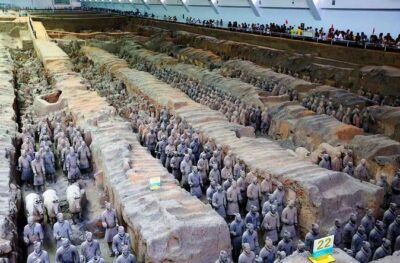
Mini Group Xian Day Tour to Terracotta Army, City Wall, Pagoda and Muslim Bazaar
Read our review →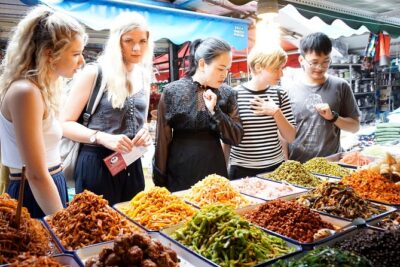
Half-Day Chengdu Cooking Class with a Local Market Visit
Read our review →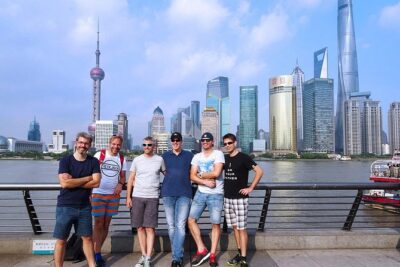
Shanghai Day Tour to Zhujiajiao Water Town, Yu Garden, Bazaar, Bund
Read our review →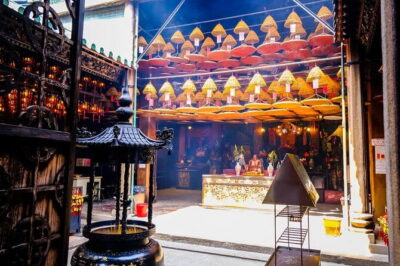
Kowloon Street Market & Food Culture Walking Tour
Read our review →
Organic Chinese Dumpling Class with Market Walk
Read our review →
Private Shanghai Shopping Tour with Local Shopping Guru
Read our review →
Organic Xiao Long Bao Soup Dumpling Class & Market Walk
Read our review →
Half-Day Xi’an Biang Biang Noodles Cooking with a Market Visit
Read our review →Browse the lists this tour appears in