
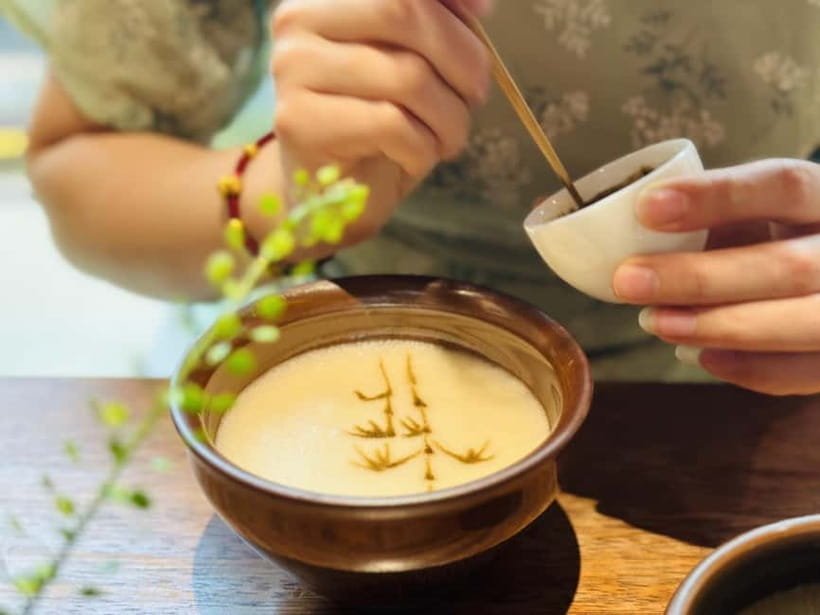
Reviewed · TEA CEREMONIES
Shanghai: Chinese Tea Ceremony Experience
Tea tastes better when you slow down. In Shanghai, this 3-hour Chinese tea ceremony pairs guided blind tasting with hands-on Song Dynasty whisking, so you learn by smelling and sipping, not by staring at a teapot. I also love the small group setup, limited to 8 people, which means you get real attention when you try the techniques.
One thing to plan for: snacks are part of the experience, and the activity is not suitable for people with food allergies. If that affects you, it is worth skipping or asking for clarification before you book.
In This Review
- Key things you’ll remember from this Shanghai tea ceremony
- How a 3-hour Shanghai tea ceremony actually runs
- Blind tasting: the fastest way to notice what tea is doing
- Learning the three tea categories through real sips
- Song Dynasty whisking and brewing: a hands-on skill, not a demo
- What you’ll get: guide, tea assortment, and snacks
- Price and value: is $143 per person worth it?
- Meeting point, timing, and what to plan before you go
- What to bring (and what to avoid) for better tea aromas
- Who this tea ceremony is best for
- Who should skip or rethink
- My quick decision guide: should you book?
- FAQ
- How long is the Chinese Tea Ceremony Experience?
- How many people are in the small group?
- What languages will the instructor use?
- What is included in the price?
- What is not included?
- What should I bring with me?
- Are there any rules about smoking or alcohol?
- Can I get a refund if I cancel?
Key things you’ll remember from this Shanghai tea ceremony
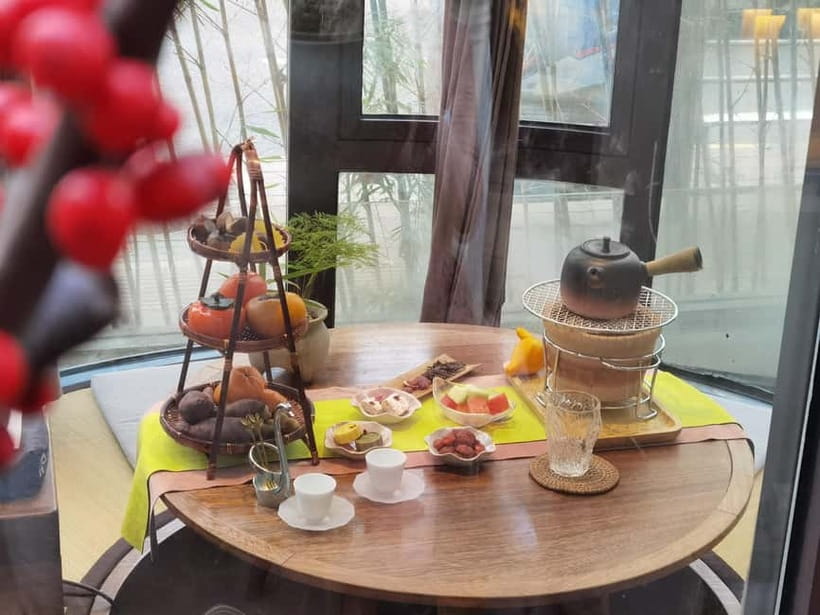
- Blind tasting that trains your nose: you compare teas by aroma, flavor, and texture without seeing the tea first.
- Three tea categories, three different lessons: you taste and learn how each type behaves in the cup.
- Song Dynasty whisking and brewing: you practice the motions behind the foam and balance.
- A small group with English and Chinese support: easier questions, more guided corrections.
- Snacks included: you get small bites to keep the tasting comfortable during the 3 hours.
- Optional photo dress-up may be available: at least one confirmed participant mentioned it as a fun extra.
How a 3-hour Shanghai tea ceremony actually runs
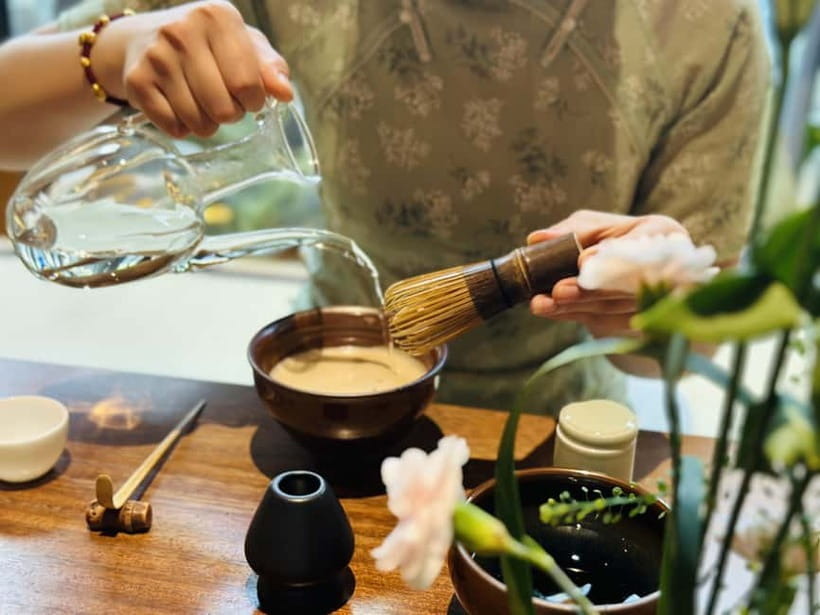
Think of this as a structured tasting class, not a long performance. You’ll spend about 3 hours moving through a few core parts: a welcoming start, blind tasting, exploring three tea categories, and then a hands-on lesson focused on Song Dynasty whisking and brewing.
Because the group is capped at 8 participants, the rhythm stays friendly. You are not just receiving information. You’re repeatedly tasting, talking, and adjusting your technique when you handle the tea tools.
If you are visiting Shanghai and want something that feels genuinely local, this kind of tea session works well. It slows you down. It makes you pay attention to small changes, like how the aroma lifts first, then how the flavor lingers, then how the texture finishes.
More Tea Ceremonies in Shanghai
- Biking Real Shanghai& Tea Tasting Experience
★ 4.5 · 45 reviews - 3-Hour Shanghai Yu Garden &Old Town Private Tour with Tea Tasting
★ 5.0 · 17 reviews - Shanghai 3-Hour Afternoon Tea Tasting and Dessert Tour
★ 4.9 · 15 reviews
Blind tasting: the fastest way to notice what tea is doing
The star skill here is blind tasting. Instead of letting labels or color steer you, you taste in a more honest way. You focus on what you can actually detect: aroma first, then flavor, then texture in your mouth.
This matters because tea is easy to misunderstand when you only look. A light tea can smell stronger than it tastes. A darker tea can be smoother than you expect. With blind tasting, you start making your own connections, like you are translating a scent into a flavor story.
For you, the practical value is confidence. You leave with a better sense of what to look for next time you shop for tea in China. Even if you do not become a tea nerd overnight, you will notice differences more clearly than you would after one random cup.
One small technique tip that makes these tastings go better: avoid strong perfumes. Tea aromas are delicate, and anything overpowering can stomp on your ability to detect nuance.
Learning the three tea categories through real sips
After the blind tasting, you’ll explore China’s three major tea categories. The key is that you are not just learning names. You’re tasting each category with attention to flavor and aroma, and then connecting what you feel to what you are learning.
Here’s why I think this part is so valuable. Most tea explanations turn into a list of facts. This format is different. You’re tasting, pausing, then adjusting your mental model based on what the tea actually tastes like in your cup.
You can expect guidance as you move from one category to the next, with time to compare. You’ll notice things like how aroma strength can change by category, and how the finish can feel lighter, fuller, or more drying. Those are the clues that help you build real understanding.
Also, since it is a small group, you can ask questions. If you are confused about something like aftertaste or mouthfeel, you’re more likely to get a clear explanation in the moment rather than later in a lecture.
Song Dynasty whisking and brewing: a hands-on skill, not a demo
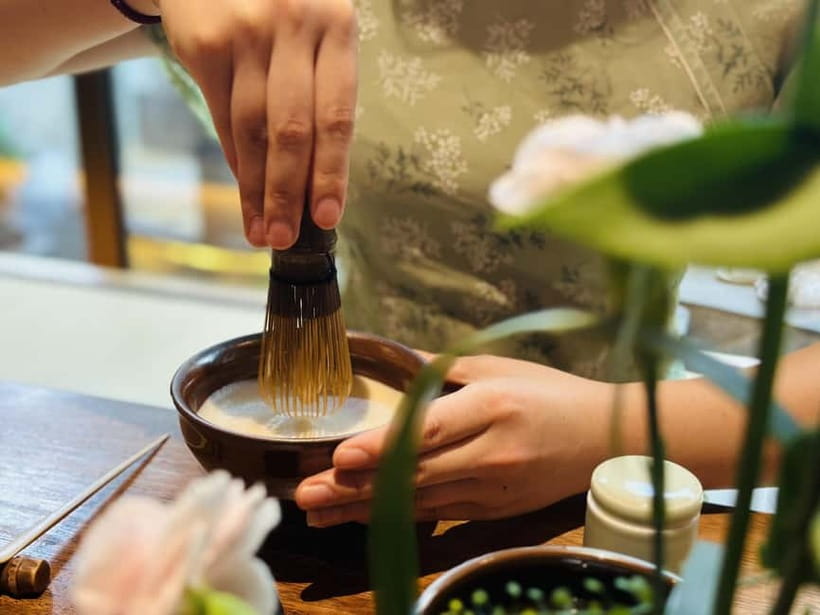
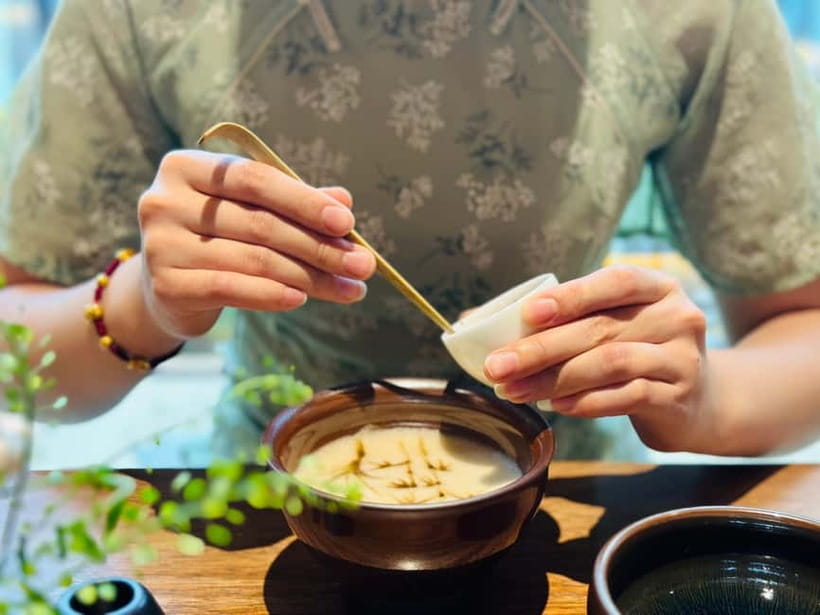
Then comes the part many people remember most: Song Dynasty tea whisking and brewing. This is where you stop watching and start doing.
Whisking is physical. Your hands guide the tool, and your technique affects what ends up in the cup. In other words, this is not just cultural trivia. It is a repeatable skill. You learn what motions matter, and then you practice in a small group so you can get feedback.
The brewing side matters too. Brewing is where time, temperature, and the tea itself start cooperating or pushing back. Even if you are not using the same equipment back home, you’ll take away a better sense of how brewing choices influence the taste.
This is also where the experience feels most personal. When you are the one whisking, you understand what your guide is teaching. You also appreciate why tea rituals developed in the first place. They help people slow down and create consistent results.
More tea houses and tastings in Shanghai:
- Private Shanghai City and Zhujiajiao Combo Tour with Boating, Tea Tasting, Lunch
★ 5.0 · 15 reviews - 4-Hour Shanghai Best Garden and Temple Tour with Tea Tasting
★ 4.9 · 7 reviews - Traditional Chinese Tea Ceremony Experience
★ 4.7 · 74 reviews - Tea Tasting and Pairing Concept Workshop
★ 5.0 · 57 reviews
What you’ll get: guide, tea assortment, and snacks
Included in the experience:
- A tea expert guide
- An assortment of Chinese teas
- Snacks
That last item is more important than it sounds. Tea tasting can be surprisingly intense, especially when you are going back to the cup repeatedly. Snacks help you stay comfortable through the 3 hours.
At the same time, the included snacks are also why food allergies matter here. The activity is not suitable for people with food allergies. If you have any allergy concerns, do not assume you can just bring your own substitution. Make sure the organizer knows your situation in advance.
Price and value: is $143 per person worth it?
$143 per person for a 3-hour, small-group tea ceremony sounds high until you look at what you actually receive. You are paying for three main things: expert guidance, structured tasting time, and hands-on practice.
First, the guide is not just there to describe. You’re tasting with blind tasting, moving through three tea categories, and then practicing Song Dynasty whisking and brewing. That combination takes preparation and attention from a real instructor.
Second, the small group matters for value. Limited to 8 participants means your questions do not disappear into a crowd. You are more likely to get a practical correction when you’re whisking or brewing.
Third, you get tea and snacks as part of the session. In many experiences like this, you pay for a performance and then buy drinks separately. Here, your tea assortment is part of the deal.
So for me, the value check is simple: if you enjoy learning through your senses, this price makes sense. If you just want a quick photo and a passive show, you may feel the time and cost are more than you needed.
Meeting point, timing, and what to plan before you go
The exact meeting point is given after booking, and it will be near a marked location. You’ll want to arrive a little early so you can settle in without rushing, especially if you are wearing comfortable shoes like you should.
Duration is about 3 hours. You should plan for that as a true activity block. If you stack back-to-back appointments right after, you might feel rushed during the final practice portion.
And a realistic note: you do not get transportation. You’ll need to get yourself there and back.
What to bring (and what to avoid) for better tea aromas
The organizers recommend:
- Comfortable shoes
- Camera
- Snacks
- Comfortable clothes
I like the camera advice because the ceremony can be very photo-friendly, especially if there is any optional photo dress-up. One confirmed participant mentioned a dress-up option as a fun extra, so it is worth checking if that is offered on your date.
Also, skip strong perfume. It is not about manners. It is about keeping your sense of smell intact for the aroma-based tasting. Tea aroma is the first clue you’ll use over and over.
Rules you should know:
- No smoking
- No alcoholic drinks in the vehicle
Those rules are simple, and they help keep the tasting environment focused.
Who this tea ceremony is best for
This experience fits best if you:
- Want a hands-on cultural activity rather than a museum-style stop
- Enjoy tasting and comparing flavors
- Like small groups and direct instructor attention
- Want an English and Chinese guided session
It is also a good option for travelers who are new to tea. You do not need to know anything at the start. The structure guides you through the senses, then through technique.
Who should skip or rethink
Two clear limits:
- It is not suitable for wheelchair users.
- It is not suitable for people with food allergies.
If either applies, you should look for a different experience that better fits your needs. Tea culture is welcoming, but your safety and comfort come first.
My quick decision guide: should you book?
Book this Shanghai Chinese tea ceremony if you want a calm, skill-based experience that teaches you how to notice tea properly. The combination of blind tasting, three tea categories, and Song Dynasty whisking and brewing gives you real understanding, not just stories.
I would skip it if you are traveling mainly for nightlife or shopping and would rather do something higher-energy. Tea tasting asks you to slow down and pay attention. If that sounds like your kind of travel, you’ll likely love it.
If you have food allergies, mobility needs, or are sensitive to strong smells, double-check compatibility before you commit.
Otherwise, for $143 and 3 hours, you’re buying time with an expert, tea you can compare, and a technique you can practice. That is a pretty solid deal in Shanghai.
FAQ
How long is the Chinese Tea Ceremony Experience?
The experience lasts 3 hours.
How many people are in the small group?
The group is limited to 8 participants.
What languages will the instructor use?
The instructor speaks English and Chinese.
What is included in the price?
The experience includes a tea expert guide, an assortment of Chinese teas, and snacks.
What is not included?
Transportation to and from the activity is not included, and personal expenses are not included.
What should I bring with me?
You should bring comfortable shoes, a camera, snacks, and comfortable clothes.
Are there any rules about smoking or alcohol?
Smoking is not allowed, and alcoholic drinks are not allowed in the vehicle.
Can I get a refund if I cancel?
Yes, you can cancel up to 24 hours in advance for a full refund.
Recently added around Shanghai
- Suzhou Private Guided Day Trip from Shanghai by Bullet Train★ 5.0 · 46 reviews
- Suzhou and Zhujiajiao Private Guided Day Trip from Shanghai★ 5.0 · 27 reviews
- Shanghai:Old Town, Yu Garden, Zhujiajiao Water Town Bus Tour★ 4.7 · 16 reviews
- Shanghai: Yu/Yuyuan Garden Entry Ticket–E ticket★ 4.4 · 24 reviews
- Shanghai: Zhujiajiao Water Town with Calligraphy Experience★ 5.0 · 17 reviews
- Shanghai: Yu Garden Entry Ticket with PDF Guidebook★ 4.1 · 45 reviews
- Shanghai: Yuyuan, City God Temple Old City Tour-Tip Based★ 5.0 · 10 reviews
- Shanghai: Wild Animal Park Ticket★ 4.9 · 43 reviews
Tea Ceremonies, compared.
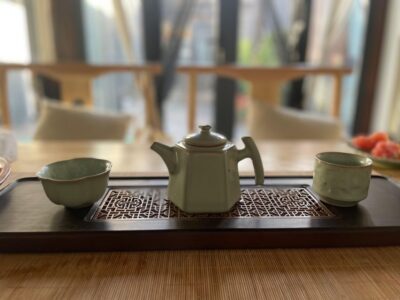
Chinese Tea ceremony in Beijing Hutong courtyard
Read our review →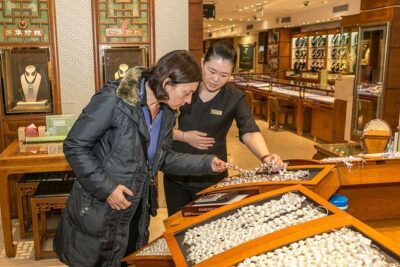
Private Beijing Markets Tour with Tea Tasting at Hongqiao Pearl Market
Read our review →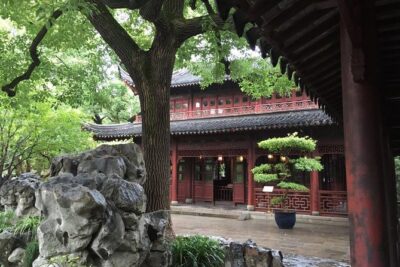
3-Hour Shanghai Yu Garden &Old Town Private Tour with Tea Tasting
Read our review →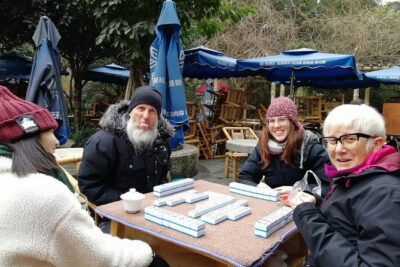
Half-day Private Mahjong course in Local Tea House
Read our review →
Shanghai 3-Hour Afternoon Tea Tasting and Dessert Tour
Read our review →Browse the lists this tour appears in