
Reviewed · HUTONG TOURS
Chinese Tea ceremony in Beijing Hutong courtyard
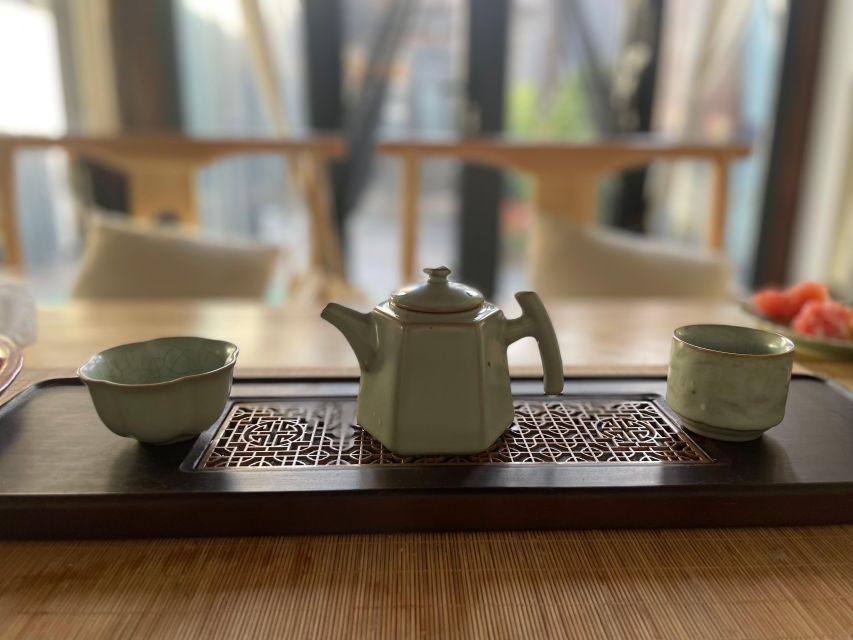
A quiet courtyard, a busy mind. This Chinese tea ceremony in a Beijing Hutong helps you slow down and learn how tea culture actually works, not just what it is. I especially liked the hands-on focus on tasting and brewing, and the way the hosts connected tea to everyday Beijing life in their family space. One thing to factor in is the extra 100 RMB per person charge that is not included in the base price.
I also like that the setting is location-smart. You’re in the center of Beijing, about 150 meters from the east gate of the Forbidden City, with major sights nearby like the Pudusi inheritance area and the Imperial Ancestral Temple. If you’re expecting a long sightseeing tour, this is more of a calm, focused hour than a full-day outing.
In This Review
- Quick hits before you book
- Tea in a Hutong courtyard near the Forbidden City
- What happens during the 1-hour tea ceremony
- Pick your tea: black, green, wulong, and Pu’er
- Snacks, cup skills, and the host-family conversation
- Price and the extra 100 RMB charge: is it worth it?
- Where to place this in your day (and nearby sites)
- Who this tea ceremony is best for
- Booking check: what you should confirm
- Should you book this Chinese tea ceremony in a Beijing Hutong courtyard?
- FAQ
- Where is the tea ceremony located?
- How long is the Chinese tea ceremony?
- What teas can I choose from?
- Are snacks included?
- Is the instructor English speaking?
- What is the group size?
- Is it wheelchair accessible, and is pickup included?
Quick hits before you book
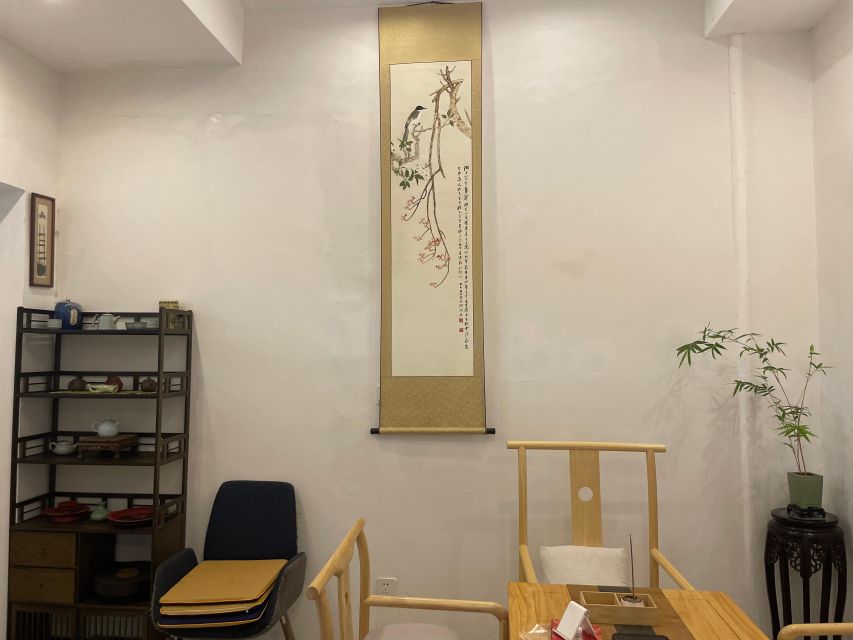
- Hutong courtyard setting: You’ll sit in a traditional courtyard environment right in the historical center.
- Small group of 4: Limited size makes it easy to ask questions and actually practice tea steps.
- One pot plus snacks: You choose from black, green, wulong, and Pu’er tea.
- English instruction: The instructor is English speaking, so you can follow along clearly.
- Host-family contact: One host, Limeng, is specifically mentioned in reviews for friendly conversation and context.
Tea in a Hutong courtyard near the Forbidden City
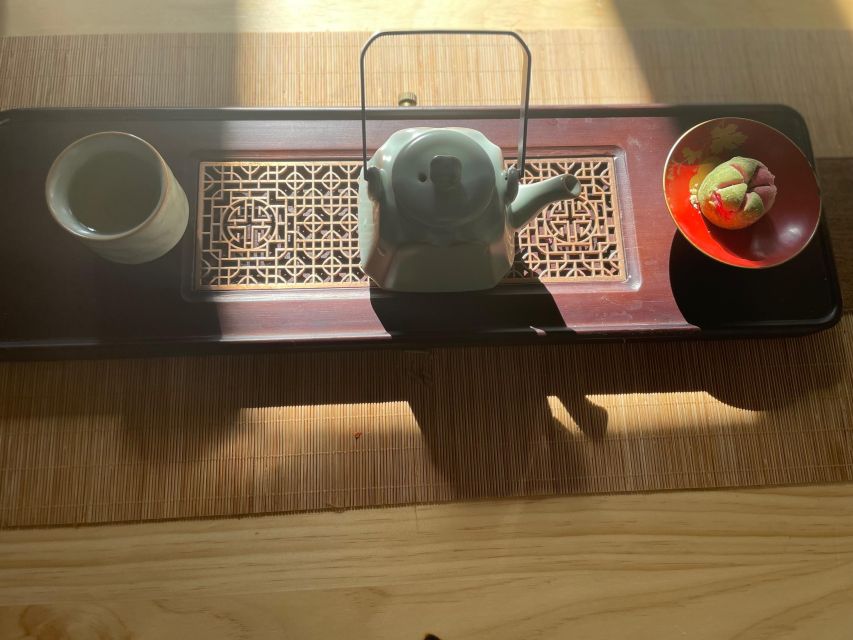
Beijing can feel like information overload. This experience cuts through that by dropping you into a residential Hutong courtyard, where tea is part of daily culture, not a performance staged for tourists.
The location is one of the best parts for planning. The tea workshop is roughly 150 meters from the east gate of the Forbidden City, so you can pair it with a morning or afternoon of sightseeing without losing the day to transit. You’re also surrounded by historic landmarks, including the Pudusi inheritance and the Imperial Ancestral Temple, so the neighborhood tells you a story even before you sit down.
More Tea Ceremonies in Beijing
- Traditional Chinese Tea Ceremony Experience
★ 4.7 · 74 reviews - Private Beijing Markets Tour with Tea Tasting at Hongqiao Pearl Market
★ 5.0 · 18 reviews - Beijing: Mutianyu Great Wall and Tea House Private Tour
★ 5.0 · 11 reviews
What happens during the 1-hour tea ceremony
This is a tight 1-hour experience, built around explanation, tasting, and brewing practice. You’ll be picked up (included) and asked to wait in your hotel lobby about 10 minutes before the scheduled pickup time.
Once you arrive at the courtyard, the hosts guide you through the tea process step by step. You don’t just get a drink, you get an explanation of how tea culture works and what to notice while tasting, from aroma to flavor and brewing style.
The core idea is simple: proper brewing matters. Reviews highlight that you learn you can’t just pour boiling water and hope for the best. You’ll get instruction on how to prepare tea so it tastes right, which is useful even after you go home.
Pick your tea: black, green, wulong, and Pu’er
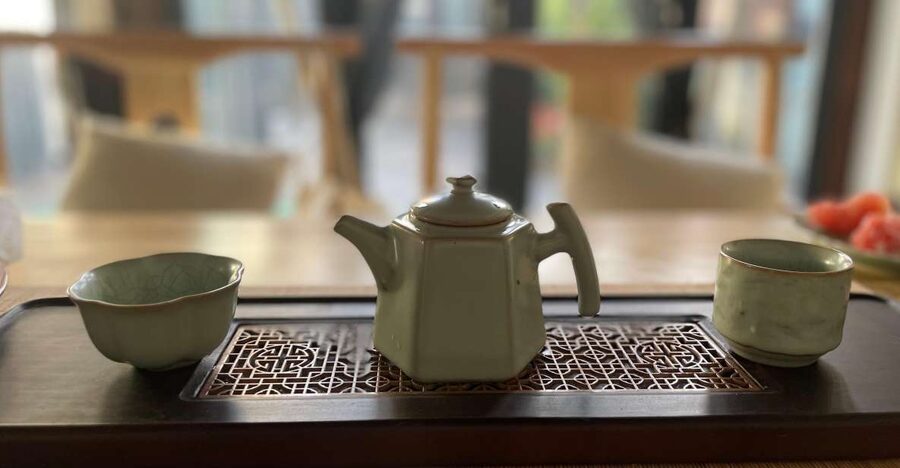
You’ll choose one pot of tea from several styles: black tea, green tea, wulong tea, and Pu’er tea. This is a smart way to sample variety without turning the hour into a complicated buffet.
I like that the choice isn’t just a menu item. Your hosts explain tea culture and also how different teas are traditionally discussed in terms of season and how they relate to the body. One review specifically mentions learning which teas to drink in which season, and another mentions health-focused brewing and taste lessons.
If you’re not sure what to pick, use a quick rule of thumb. Green tea tends to feel lighter and fresher, black tends to feel deeper, wulong is often somewhere in the middle, and Pu’er is known for its fermented character. Since you only get one pot, choose the flavor direction you want to remember most.
Snacks, cup skills, and the host-family conversation
Tea ceremonies can be formal. What makes this one feel valuable is the mix of structure and human conversation.
You receive complimentary snacks alongside the tea, and the hosts explain what you’re drinking while you taste. Several reviews mention practical instruction that includes cup handling, with one reviewer bringing up learning how to hold teacups with grace. That sounds small, but it changes the whole experience, because you start paying attention to the ritual instead of treating it like a quick sip.
The best part, at least based on the feedback, is the host interaction. Limeng is named in a couple of reviews as a warm guide who chats in English and adds local context about Hutong life and tea traditions. Even if you’re not a tea person, these conversations can be the main reason to go.
And since the ceremony takes place in a courtyard where a family has lived for generations, you’re not just reading culture off a sign. You’re seeing how tea fits into an actual home setting.
More hutong walks in Beijing:
- Beijing Hutong Walking Food and Beer Tour at Hidden Restaurants
★ 5.0 · 1,132 reviews - Temple Heaven, Summer Palace, Lama Temple, Hutong Bus Tour
★ 4.7 · 319 reviews - Temple of Heaven, Summer Palace, Lama Temple, Hutong Tours
★ 5.0 · 311 reviews - Beijing Private Hutong Food Walking Tour
★ 5.0 · 299 reviews
Price and the extra 100 RMB charge: is it worth it?
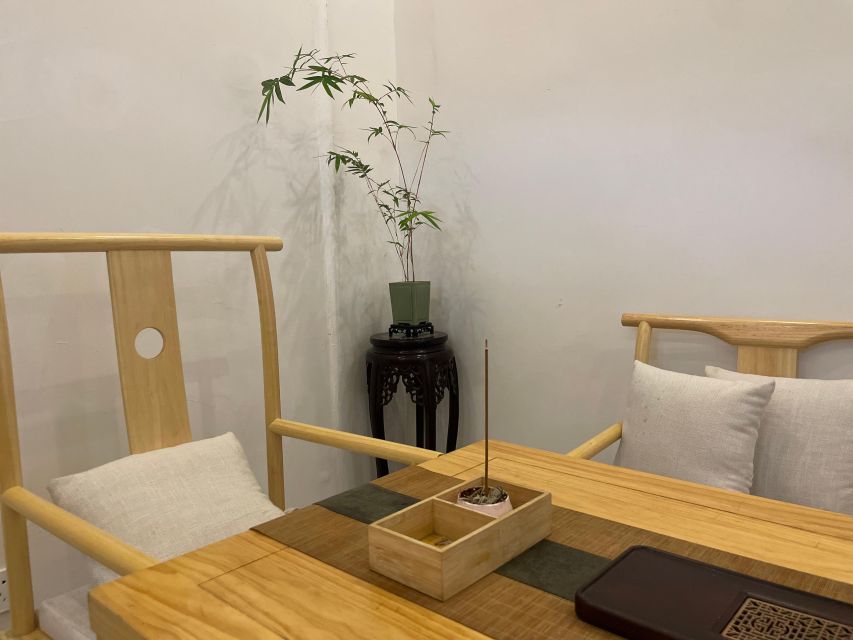
The base price is listed at $31 per person, but there’s also an additional 100 RMB per person charge that is not included. In other words, it’s not a bargain tea stop. It’s a paid cultural hour with instruction, and you should treat it like that.
So is it good value anyway? For me, the answer is yes if you want two things: learning and a smaller, calmer interaction. The group limit of 4 participants means you’re not lost in a crowd. You’re likely to get hands-on attention, plus time to ask questions.
Also, you get one pot of tea plus snacks, not just a sip. Reviews mention that people learned brewing technique in a way that improved their tea at home afterward. If you consider the extra 100 RMB as part of paying for the instruction and the family courtyard access, it can feel more reasonable.
One drawback to keep in mind: if you’re traveling as a family group, the price can feel steep because the format is still small-group and seated. The experience is short on purpose, so you’re paying for an intense, focused hour, not for hours of guided walking.
Where to place this in your day (and nearby sites)
Since you’re so close to the Forbidden City, plan your timing like this. If you do a major sight first, do the tea ceremony right after, when your brain needs a reset. Or do the tea ceremony first, then walk out into the busy monuments with a more grounded mood.
You’re also in a zone surrounded by historic sites, including the Pudusi inheritance and the Imperial Ancestral Temple. That makes it easy to build a simple itinerary: one major landmark in the morning, tea in the early afternoon, then a late afternoon wander in the Hutong lanes.
A couple reviews also mention a short walk to quieter Hutong streets near the Forbidden City at the end. I can’t promise that for every booking, but if it’s part of your session, it’s a nice way to end with atmosphere instead of just leaving immediately.
Who this tea ceremony is best for
This fits best if you like culture that you can touch, not just observe. You’ll enjoy it most if you want to learn how tea is brewed and served, and if you like conversation with locals in a setting that feels genuinely lived-in.
It’s also a great option if you’re in Beijing for a short visit. Many experiences take half a day to reach, but this one is built into the historic core, near big-ticket sights. At the same time, it’s not a long walking tour, so it won’t satisfy pure endurance travelers.
If you’re not a tea person at all, you still might like it because the experience is partly about ritual, presentation, and host conversation. One review notes they aren’t tea lovers but found the tea tasty and enjoyed the conversation most of all.
Booking check: what you should confirm
Before you go, sanity-check these points so there are no surprises.
- The extra 100 RMB per person: plan for it when budgeting.
- Tea choice: decide which tea style you want before you arrive if that helps you focus.
- Language: the instructor is English, so ask questions in that language during the session.
- Group size: it’s limited to 4, which usually means more interaction.
- Pickup timing: you’ll wait in your hotel lobby about 10 minutes before pickup.
Should you book this Chinese tea ceremony in a Beijing Hutong courtyard?
Book it if you want a calm, high-attention cultural hour close to the Forbidden City, with small-group instruction and a real courtyard setting. I think it’s a strong choice if you’re curious about how tea changes depending on type and brewing method, and if you enjoy chatting with hosts in a lived-in space.
Skip it if you mainly want big sightseeing time or if the extra 100 RMB per person puts this outside your budget. It’s a focused experience, not a full-day tour, and your money goes toward instruction and access to the courtyard setting.
If you’re still deciding, choose this based on one question: do you want to learn how to make and taste tea properly, or do you want to spend your limited time chasing landmarks? This experience is for the first group.
FAQ
Where is the tea ceremony located?
It’s near the Forbidden City, about 150 meters from the east gate, and the included location is about 800 meters west of the exit gate.
How long is the Chinese tea ceremony?
The experience lasts 1 hour.
What teas can I choose from?
You can choose from black tea, green tea, wulong tea, and Pu’er tea. You’ll receive one pot of tea.
Are snacks included?
Yes, complimentary snacks are included with the tea.
Is the instructor English speaking?
Yes, the instructor is English.
What is the group size?
It’s a small group experience limited to 4 participants.
Is it wheelchair accessible, and is pickup included?
Wheelchair access is listed, and pickup is included. You’re asked to wait in your hotel lobby 10 minutes before the scheduled pickup time.
More Tea Houses in Beijing
- Beijing Culture Event: Tradition Music, Tea Ceremony, Calligraphy
★ 5.0 · 11 reviews - Beijing: Temple Of Heaven+Tai Chi Class+Tea Ceremony
★ 5.0 · 8 reviews - 3-hour Morning/Afternoon Tea Tasting on Maliandao Street & Dimsum
★ 5.0 · 7 reviews - Beijing Tai Chi and Tea Ceremony Experience
★ 5.0 · 4 reviews
Recently added around Beijing
- Private Transfer to Mutianyu Great Wall with professional driver★ 5.0 · 19 reviews
- Beijing: to Xi’an Terracotta Day Tour by Roundtrip Bullet Train★ 5.0 · 9 reviews
- Wild Great Wall Hikes★ 5.0 · 10 reviews
- camp on the Great Wall overnight with sunrise and sunset on the wall★ 5.0 · 11 reviews
- Beijing Airport Layover Tour to Mutianyu Great Wall★ 5.0 · 4 reviews
- Private Wild Great Wall Hiking tour at Simatai (Challenging)★ 5.0 · 16 reviews
- Beijing: Mutianyu Great Wall and Tea House Private Tour★ 5.0 · 11 reviews
- Simatai Great Wall & Gubei Water Town Private Trip English Driver★ 5.0 · 7 reviews
Hutong Tours, compared.
Beijing Hutong Walking Food and Beer Tour at Hidden Restaurants
Read our review →
Temple Heaven, Summer Palace, Lama Temple, Hutong Bus Tour
Read our review →
Temple of Heaven, Summer Palace, Lama Temple, Hutong Tours
Read our review →

Browse the lists this tour appears in