
Reviewed · WORKSHOPS
Shanghai: Hands-on Incense Tablet Making Class
Scent goes from ritual to your hands. I love the hands-on molding part and the eco-friendly materials approach, and it feels genuinely doable even if your craft skills are rusty. The main thing to consider is that there is no hotel pickup, so you’ll need to get to the meeting spot on your own.
This class runs for about 1.5 hours and keeps things calm and focused. You start with a clear intro to how Chinese incense culture works, then you move into the making step with guidance, plus tea tasting and photos.
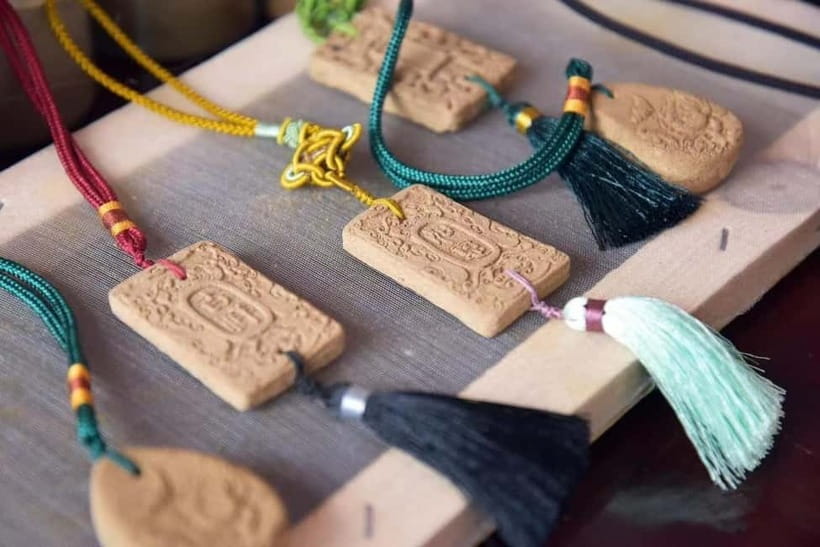
When you leave, you take home your finished incense tablet in an elegant gift box. The tablet is designed to keep a subtle aroma for years, and you can use it as a car pendant, wardrobe sachet, or decorative charm, which makes it a better souvenir than another postcard.
In This Review
- Key things that make this class worth your time
- Getting incense culture, not just a craft project
- Meeting at the yellow historic villa, then getting in fast
- Tea tasting that sets a calm pace
- The 1.5-hour flow: from preparation to your finished tablet
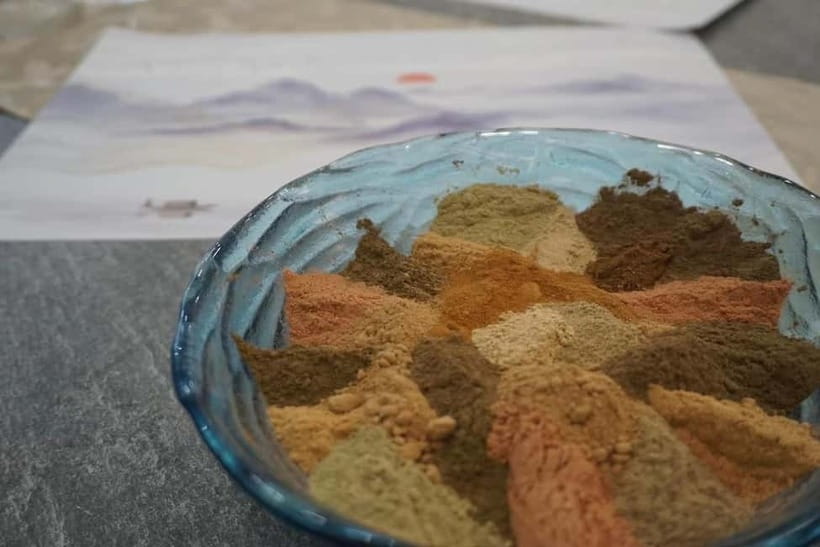
- Mixing natural ingredients the traditional way
- Pressing carved molds: bats, lotus, and zodiac choices
- Personalization that turns a souvenir into a keepsake
- What you can do with the tablet after it dries
- Price and value: what $78 buys you in real terms
- Who this class fits best (and who might want another option)
- Practical tips so your tablet looks crisp and lasts
- Should you book this incense tablet making class?
- FAQ
- How long is the incense tablet making class?
- What is the price per person?
- What is included in the cost?
- Is hotel pickup or drop-off included?
- Where do I meet the group?
- What languages are supported by the instructor?
- Is cancellation allowed, and what is the refund policy?
Key things that make this class worth your time
- 2,000-year incense context before your hands get busy, including how fragrances were used for rituals, medicine, and daily life
- Natural ingredient mixing using traditional ratios with eco-friendly materials and no synthetic additives
- Molded symbolism you can choose, from bats for luck to lotus for purity and zodiac animals for personality
- Personalization options like decorative cords or beads so your tablet looks like yours
- Take-home value built in: an elegant gift box, tea tasting, and included experience photos
Getting incense culture, not just a craft project
Shanghai has plenty of things to see and eat, but this is the kind of activity that teaches you something while you make it. You begin with a short cultural introduction to China’s roughly 2,000-year-old incense culture. You’ll learn how fragrances such as sandalwood, musk, and amber were traditionally used for rituals, medicine, and day-to-day life.
That matters because incense tablets are not just decorative. They connect smell, meaning, and routine. Once you know that, the symbols in the molds stop feeling random and start feeling intentional.
You also get an angle on tradition through the people teaching the craft. The session is led by instructors described as non-heritage inheritors, meaning you’re learning from practitioners who can explain the “why” as well as the “how.”
A few more Shanghai days worth comparing
- Private Cooking Class: Make Your Own Dim Sum In Shanghai
★ 5.0 · 27 reviews - 2-Hour Private Chinese Ink and Brush Painting Workshop in Shanghai
★ 5.0 · 15 reviews - Private Home Cooking Class with Shanghai Mama
★ 5.0 · 14 reviews
Meeting at the yellow historic villa, then getting in fast
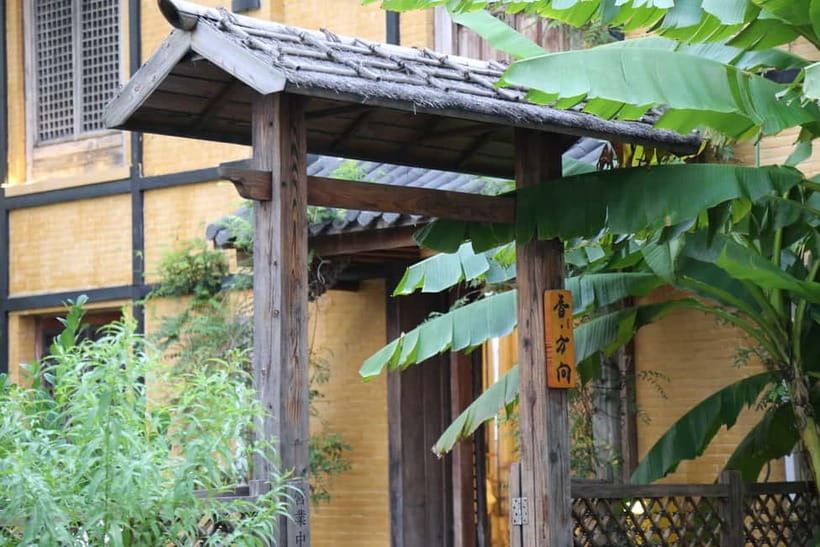
The meeting point is at the yellow historic villa. The good news is that you do not have to fight with lines, because the experience includes skip-the-line entry through a separate entrance.
You’ll also want to plan around the fact that you will need to handle your own route there. Hotel pickup and drop-off are not included. If you are relying on taxis or public transit, give yourself extra time so you arrive relaxed, not sprinting.
This is set up as a private group, and it is wheelchair accessible. That combination usually means the room stays manageable and the instructor can support you without constantly juggling a large crowd.
Tea tasting that sets a calm pace
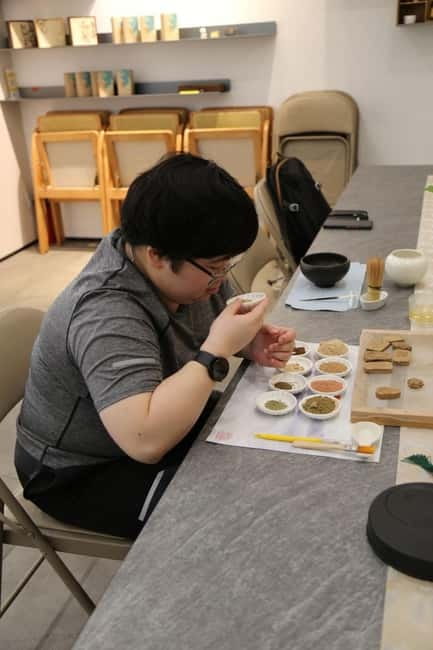
Before you mix and mold, you get tea tasting as part of the experience. This is one of those small inclusions that changes how the whole session feels. Instead of jumping straight into hands-on work, you get a slower start that matches the theme.
Tea also gives you something simple to focus on while you listen. You can treat the tea tasting like the pause button in between the cultural intro and the craft steps.
And yes, the tone is meant to be easygoing. The experience is built for all skill levels, so you are not expected to show up with “artist” skills. You just need patience and a willingness to follow instructions for pressure, shaping, and finishing.
The 1.5-hour flow: from preparation to your finished tablet
Your class structure moves in a logical order, and that is part of the value. You do not just get dropped at a table with tools.
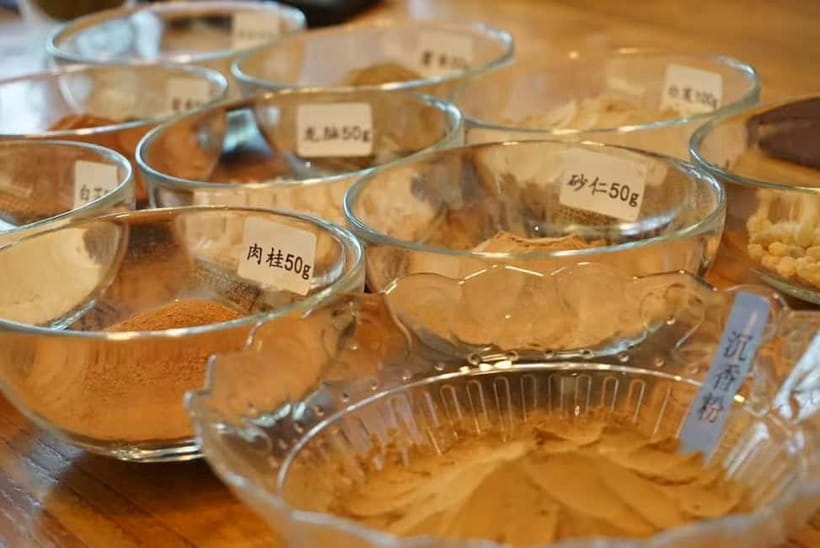
First comes material preparation. You mix natural ingredients and plant-based essential oils using traditional ratios. This is where the class earns its cultural component, because you’re not guessing what goes into scent making. You are following a method, which makes your results more consistent.
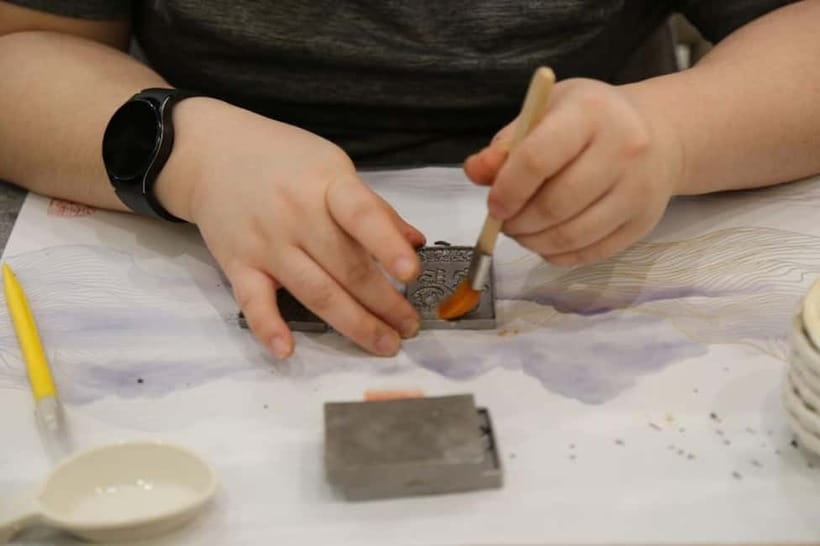
Next is hands-on shaping. You knead the fragrant clay until it feels smooth, then you press it into intricately carved molds. The molds come with meaningful designs, like bats for luck, lotus flowers for purity, or zodiac animals to match personality.
Then you refine the edges for a clean finish. You also get to personalize the tablet using different molds, plus decorative cords or beads. That final step is a small freedom that makes the souvenir feel less factory-made and more “I made this.”
Same city, a very different kind of day:
- Authentic Local Food Tour in Central Shanghai
★ 5.0 · 1,382 reviews - Zhujiajiao Water Town and Shanghai City Private Day Tour
★ 5.0 · 1,016 reviews - Private Shanghai Full Day City Tour with Old and New Highlights
★ 5.0 · 995 reviews - Shanghai: 3-Hour Local Food Tasting Tour
★ 4.9 · 806 reviews
Mixing natural ingredients the traditional way
The craft starts with the ingredient approach. The materials are described as eco-friendly and free from synthetic additives, and you’re working with natural ingredients plus plant-based essential oils.
For you, that means a few practical things. First, the session is less about powders and harsh chemicals, and more about fragrance and form. Second, the scent you create is tied to recognizable fragrance families like sandalwood, musk, and amber, which are the same types referenced in the cultural intro.
One more practical upside: because the ratios and process are guided, you are less likely to end up with a disappointing texture. If you follow the steps closely, the clay behaves the way it is supposed to, and your mold impressions come out crisp.
Pressing carved molds: bats, lotus, and zodiac choices
Molds are the star of this activity. You press your kneaded clay into intricately carved forms, and those carvings show up on the finished tablet.
The symbol options you can choose from are part of what makes this class feel like more than a scented candle craft. Here’s what you can look for in the designs:
- Bats for luck, a common motif meant to invite good fortune
- Lotus flowers for purity, associated with cleanliness and clarity
- Zodiac animals, so your tablet can feel personal
When the instructor is guiding the process, the key practical detail is pressure and timing. Too soft and the carving details blur. Too hard and the edges can distort. You’ll be shown how to press and refine so the tablet looks sharp, not messy.
This is also a great activity for teams and families, because everyone can pick a different symbol and end up with a set of tablets that look like they came from different “stories,” even if you all followed the same method.
Personalization that turns a souvenir into a keepsake
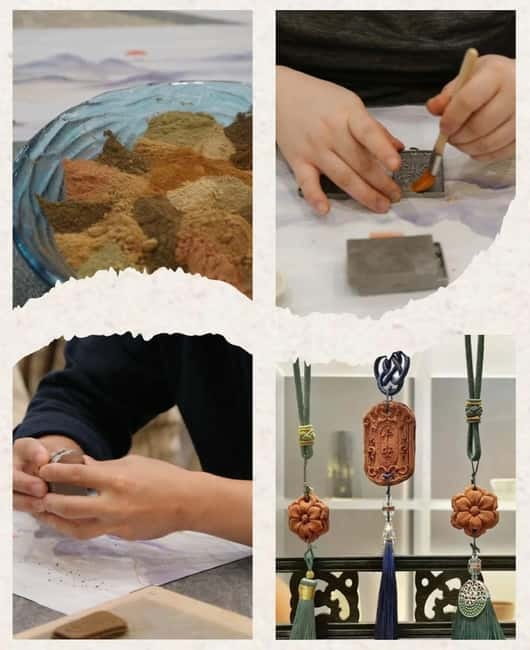
After molding, you get personalization options. You can choose different molds and then decorate your tablet with cords or beads.
That might sound minor, but it is actually what makes the finished piece feel like yours. A symbol can be meaningful, and a decoration can match your style, gifts, or home use. If you plan to take the tablet as a gift, personalization is where you can make the item feel thoughtful instead of generic.
Once your tablet is dried, it is designed to emit a subtle calming aroma for years. That long-lasting goal is the reason this works as a souvenir. It is something you can keep living with, not just something you store in a drawer.
What you can do with the tablet after it dries
This class does not treat the final object as a dead-end craft. You are given ideas for how to use it, and those ideas are practical.
You can use your incense tablet as:
- a car pendant
- a wardrobe sachet
- a decorative charm
If you want the fragrance to be noticeable but not overpowering, sachet use is usually the easiest lifestyle match. If you want it as a daily reminder, the car pendant use keeps it in your routine. Decorative charm use works best if you like having it visible and you enjoy gentle scent drifting through the room.
Also, having included photos matters. You get experience photos as part of the package, so you can remember the process, not just the finished product. The tablet also comes in an elegant gift box, which means you can wrap it quickly or store it neatly without extra shopping.
Price and value: what $78 buys you in real terms
At $78 per person for about 1.5 hours, the price looks fair when you line it up with what’s included.
You get:
- all materials
- tea tasting
- souvenir packaging (gift box)
- experience photos
- WhatsApp customer service
That’s the value part. Many craft activities charge low entry fees but make you pay extra for materials, photos, or packaging. Here, those pieces are already built in.
The big watch-out is what is not included: no pickup or drop-off service. If you are coming from far outside the city center, transportation can affect your total cost. Also, tipping is not included, so you’ll need to decide what feels appropriate based on local norms and your experience.
For who this is good value:
- If you want a hands-on Shanghai activity that does not require advanced skills
- If you enjoy wellness-linked scent experiences and traditional craft methods
- If you want a gift that looks premium and actually smells good
Who this class fits best (and who might want another option)
I think this class is a strong match if you want something interactive, culturally themed, and relatively short. It is designed for all skill levels, from beginners to art lovers, so you do not need to be “crafty.”
It also works well for people who like learning through making. The cultural intro is there, but the making step is what locks the learning in.
You might want to consider a different activity if you are very sensitive to scent. Even though the aroma is described as subtle, you will be working with fragrant clay and plant-based essential oils during the session, and your finished tablet keeps a calming aroma for years.
If your goal is photography-only sightseeing, this is not that. This is hands-on scent work with a meaningful design component.
Practical tips so your tablet looks crisp and lasts
Because the class is short, small prep choices make a difference.
First, plan how you’ll reach the yellow historic villa. With no pickup, give yourself a buffer in case traffic or transit is slower than expected.
Second, show up ready to get your hands slightly messy. You’re kneading clay and pressing it into carved molds. If you have long sleeves, roll them up so you do not snag beads or cords while you work.
Third, take your time with the edge refining step. That is where the tablet goes from “pressed” to “finished.” Quick rushing can lead to uneven edges.
Fourth, think about how you’ll use your tablet later. If you want it as a wardrobe sachet or charm, picture where the decoration cords or beads will look best. Personalizing during the class makes later use feel natural.
Finally, keep the gift box. It’s not just packaging, it’s part of storing and protecting the tablet so it stays in good condition as it releases its aroma over time.
Should you book this incense tablet making class?
I recommend booking if you want a hands-on Shanghai activity that combines scent, symbolism, and a real take-home item. The biggest strengths are practical: you make the tablet yourself, you learn the meaning behind the designs, and you leave with a gift-boxed piece that keeps a subtle aroma for years.
If you’re the type who likes to buy souvenirs you can actually use, this fits. If you’re traveling with family or a small group, the private format and design choices mean everyone can create something personal without the class feeling chaotic.
Before you book, just make sure you’re comfortable reaching the meeting point on your own and that scent work does not bother you. If those two boxes are checked, this is one of the more memorable and gift-worthy cultural activities you can do in Shanghai.
FAQ
How long is the incense tablet making class?
The experience lasts about 1.5 hours.
What is the price per person?
The price is $78 per person.
What is included in the cost?
It includes all materials, tea tasting, souvenir packaging (gift box), experience photos, and WhatsApp customer service.
Is hotel pickup or drop-off included?
No, pickup and drop-off service from your hotel is not included.
Where do I meet the group?
Meet at the yellow historic villa. Your specific address and meeting details are sent via WhatsApp after booking confirmation.
What languages are supported by the instructor?
The instructor can guide in English, Chinese, Korean, and Japanese.
Is cancellation allowed, and what is the refund policy?
You can cancel up to 24 hours in advance for a full refund.
Recently added around Shanghai
- Suzhou Private Guided Day Trip from Shanghai by Bullet Train★ 5.0 · 46 reviews
- Suzhou and Zhujiajiao Private Guided Day Trip from Shanghai★ 5.0 · 27 reviews
- Shanghai:Old Town, Yu Garden, Zhujiajiao Water Town Bus Tour★ 4.7 · 16 reviews
- Shanghai: Yu/Yuyuan Garden Entry Ticket–E ticket★ 4.4 · 24 reviews
- Shanghai: Zhujiajiao Water Town with Calligraphy Experience★ 5.0 · 17 reviews
- Shanghai: Yu Garden Entry Ticket with PDF Guidebook★ 4.1 · 45 reviews
- Shanghai: Yuyuan, City God Temple Old City Tour-Tip Based★ 5.0 · 10 reviews
- Shanghai: Wild Animal Park Ticket★ 4.9 · 43 reviews
Workshops, compared.

Half-Day Chengdu Cooking Class with a Local Market Visit
Read our review →
Organic Chinese Dumpling Class with Market Walk
Read our review →
Online Cooking Class Beijing Dumplings and Cuisine by Sunflowerli Renowned Chef
Read our review →
Organic Xiao Long Bao Soup Dumpling Class & Market Walk
Read our review →
Beijing Wangfujing Calligraphy Class by Forbidden City
Read our review →Browse the lists this tour appears in