
Reviewed · HISTORICAL TOURS
Shanghai Propaganda and History Walking Tour
A walk through Shanghai politics hits differently. This 3-hour tour connects propaganda poster history with real people, from the Shanghai Propaganda Poster Art Centre to the Soong Ching-ling Memorial Residence. I especially like how it pairs a poster museum built around thousands of originals with a human-scale stop at Soong’s home, and I also like the smooth pacing that includes food and a classic neighborhood walk. One thing to consider, it is focused on political themes, so if you want only carefree sightseeing, this may feel a bit heavy.
You meet, listen, walk, and connect the dots. The guide does the heavy lifting with clear English explanations, and you get entrance fees handled plus snacks to keep you comfortable. The group is small, up to 15, so questions feel normal, not rushed.
If you come curious about how messaging shaped everyday life in early communist years, this tour gives you a strong, grounded way to understand it. And if you are tired of Shanghai being just skyline photos, this is the kind of side street experience you remember.
In This Review
- Key highlights to look for
- Price and what you actually get for $73.60
- Meeting point, group size, and walking comfort
- Stop 1: Shanghai Propaganda Poster Art Centre and the 6,000+ originals
- What you will notice in the posters (and why the guide matters)
- Stop 2: Soong Ching-ling’s former residence and the human thread
- The wonton stop and the Wukang Road French Concession walk
- How to prepare for this tour (so it feels easy, not tiring)
- Guides and group dynamics: what makes the experience click
- Who should book this Shanghai propaganda and history walking tour
- Should you book this tour?
- FAQ
- How long is the Shanghai Propaganda and History Walking Tour?
- Where does the tour start?
- Where does the tour end?
- What is the price per person?
- Is admission included?
- What food is included?
- Is hotel pickup or drop-off included?
- What time does the tour start?
- How big is the group?
- Are children allowed?
Key highlights to look for
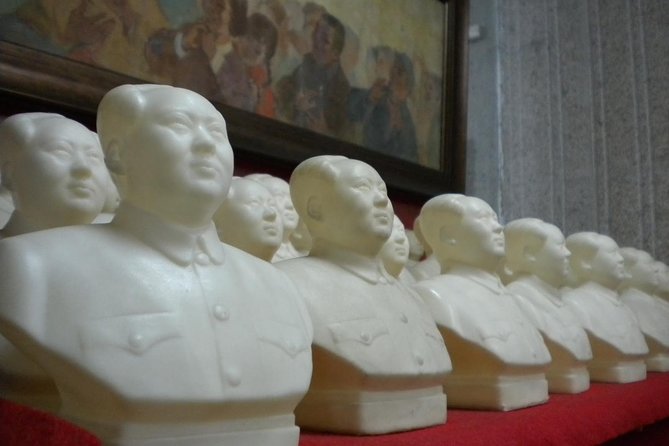
- A museum built on 6,000+ original propaganda posters, covering the 1940s through the 1990s
- Soong Ching-ling’s former residence with context on the Republic and early communist period
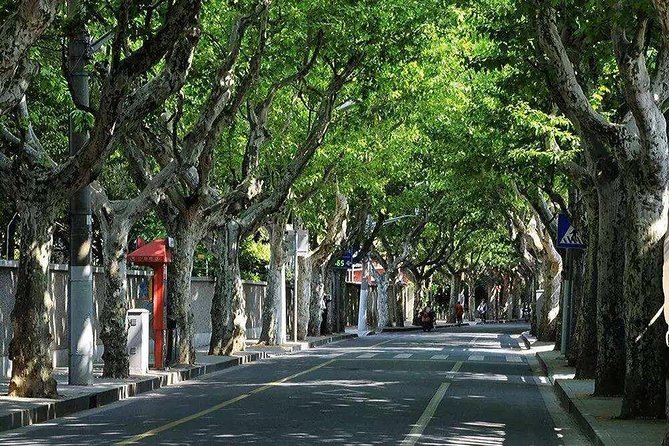
- A Wukang Road walk through one of the best-preserved European-style streets in Shanghai
- Wonton soup and free snacks included, so you are not hunting for food mid-tour
- A small group cap of 15 that makes the guide easier to follow and ask questions
- English-guided storytelling that explains what you are seeing, not just where to stand
Price and what you actually get for $73.60
At $73.60 per person for about 3 hours, you are paying for a guided history route with a few specific, entry-included stops. For Shanghai, that price lands in the middle range, but it becomes good value because entrance fees are included, and the tour does not end at a single museum.
You also get practical extras that matter on walking days: a bowl of wonton soup (included) and free snacks. Those small inclusions can save time and stress, especially when you are pairing history sites with a neighborhood walk.
One more value point: the tour runs with a mobile ticket and is designed around public transit, so you are not relying on complicated logistics. You just show up with comfortable shoes and follow the guide.
More History Tours in Shanghai
- Tour of Jewish Shanghai led by a Jewish History Expert
★ 5.0 · 106 reviews - 4-Hour Private Shanghai Art and History Tour
★ 5.0 · 8 reviews - Shanghai: Natural History Museum Admission entry ticket
★ 4.7 · 6 reviews
Meeting point, group size, and walking comfort
You start at Jiangsu Road Metro Station, then head into the former French Concession area on foot. The tour ends at the Soong Ching-ling Former Residence at the north gate, on Huai Hai Zhong Lu.
The walking is part sightseeing, part pacing for explanations. It is not a long-distance trek, but it is real walking, so wear shoes you trust. You will also walk about a mile (around 1.2 kilometers) along Wukang Road during the tour, and that is a nice amount for breaking up museum time.
This is also a small-group experience, with a maximum of 15. That size helps a lot in a tour like this, because you can hear the guide without shouting, and the guide can keep track of who needs a clearer explanation.
If you are booking last minute, you should feel comfortable. One review mentioned booking only 48 hours before, and the guide reached out by email only hours after booking, which suggests the process is efficient.
Stop 1: Shanghai Propaganda Poster Art Centre and the 6,000+ originals
The Shanghai Propaganda Poster Art Centre is the anchor of the tour, and it is exactly the kind of place that changes how you see a city. The collection focuses on original propaganda posters from the 1940s to the 1990s, including the era of Mao and the political movements during the New China period.
The center is located in the former French Concession area, so you get a neat contrast right away. Old treaty-era streets outside, then political imagery inside, with the museum helping you connect the dots.
Inside, you are looking at more than artwork. These are public messages meant for everyday life, and the guide helps you understand what the posters were trying to do: persuade, motivate, warn, celebrate, and shape how people should think.
The museum was founded by Mr. Yang Pei Ming, who started collecting these posters as a hobby in 1995. That detail matters, because it tells you this is not just a generic display. It is built from one person’s long obsession, turned into a place where you can study political messaging across decades.
You get about an hour here. That is enough time to see a lot of examples, especially because a good guide will highlight patterns rather than making you read every single piece.
What you will notice in the posters (and why the guide matters)
Posters like these can feel overwhelming if you just stand there and look. The tour is designed to stop that. A big part of the value is the English explanation that puts themes into a timeline and helps you interpret what you are seeing.
One review highlighted a guide named Alana for doing an outstanding job explaining both the posters and the stories behind them. That matches what you want from this kind of tour: you should leave knowing what questions to ask next time you see similar imagery.
As you move through the collection, you will likely notice how visual style, slogans, and topics change over time. Even if you are not a history specialist, the guide’s job is to connect the design choices to political priorities of each period.
You also get a sense of how public messaging worked before social media. A poster was a front-page voice. It was street-level communication, repeated and visible, and it shaped what people talked about in public spaces.
The potential drawback here is tone. This is political history, and the images are propaganda, not neutral education panels. If you prefer history told through everyday food, crafts, or architecture only, you may find some of the messaging uncomfortable. If you can handle serious themes, you will probably come away with sharper understanding.
More Walking Tours in Shanghai
- Shanghai Highlights Walking Tour With A Real Local
★ 4.9 · 153 reviews - Shanghai Breakfast Walking Tour of Former French Concession
★ 5.0 · 139 reviews - Private Shanghai Evening Street Food Walking and Cruise Tour
★ 5.0 · 123 reviews - Shanghai: Evening Walking Food Tour
★ 4.9 · 115 reviews
Stop 2: Soong Ching-ling’s former residence and the human thread
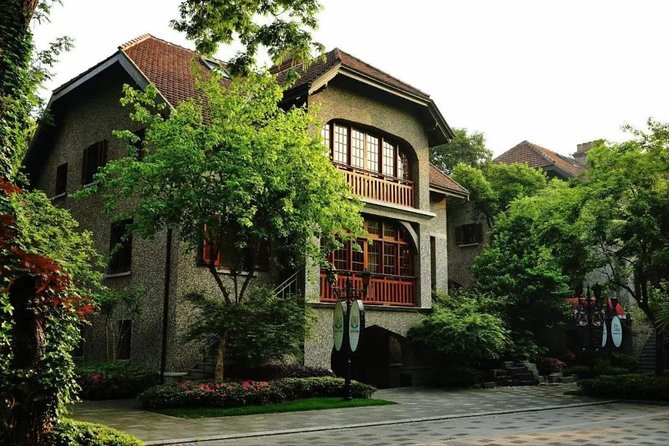
After the poster museum, you head to the Soong Ching-ling Memorial Residence, the former home of Soong Ching-ling. She is closely tied to modern Chinese history as the wife of Dr. Sun Yat-sen.
The house itself gives you something different from the museum. Posters are collective messages. A home is personal context. Inside, you can see Soong’s life achievements and learn about the history of the Republic and the early communist period.
This stop is nearby, so you do not lose the day to long transit. The guide uses this as a bridge, helping you understand that political history is not only speeches and slogans. It is also the lives of real people and the systems that shaped their options.
You should expect a thoughtful look at hardship and aspiration. The tour framing emphasizes how Chinese people longed for a better life, even amid struggle. That perspective helps the propaganda museum feel less like a random collection and more like part of the same story.
This is also a good pause. You get a break from museum walls filled with repeated visual messaging, and you get to slow down and absorb history through spaces and biography.
The wonton stop and the Wukang Road French Concession walk
Between the two main sites, the tour takes you to a local shop for wonton soup. That is included, and it is a practical reset if you have been reading, looking, and listening for a while.
Eating with the group also helps you keep momentum. You do not lose time deciding where to eat, and you can focus on the walk after. For a 3-hour tour, those minutes count.
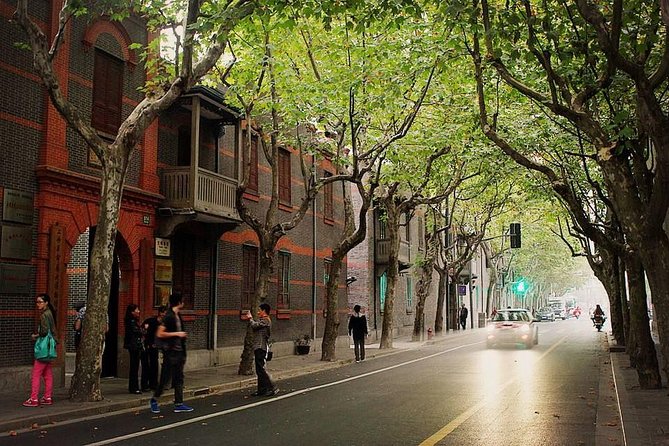
After eating, you walk along Wukang Road for about a mile (1.2 kilometers). This part is fun in a different way, because it is not about posters or biography. It is about Shanghai’s built environment.
Wukang Road is known for being one of the best-preserved European-style streets in Shanghai, with historical buildings lined along both sides. As you walk, you get to see how foreign-influenced neighborhoods sit alongside local life, which makes the former French Concession context feel real.
The tour uses this street segment for contrast. Posters and a former residence connect to political history. Wukang Road connects you to the setting where many people lived, traveled, and absorbed public messaging.
How to prepare for this tour (so it feels easy, not tiring)
You should come ready for walking and reading-like storytelling. Comfortable shoes are a must, because you are combining an hour in a museum with additional strolling outside.
You do not need anything special beyond curiosity and patience for serious themes. Still, it helps if you approach it like a question hunt. Ask yourself: what does a society try to teach its citizens, and how does that show up in the visuals and in the lives of people?
If you are sensitive to political content, it is smart to remember you are visiting a propaganda poster museum by design. You are not there for light entertainment, even if the pacing is friendly.
Since this tour includes food, you might also plan around it. You likely will not want a heavy lunch right before, because you will end up having wonton soup during the tour.
Guides and group dynamics: what makes the experience click
The tour is guided in English, and the storytelling quality makes a big difference. The museum alone has thousands of posters. Without guidance, you might see a lot and remember little. With guidance, you get structure: themes, timeline, and what to pay attention to.
One review praised guide Alana specifically for explaining what you were seeing in the posters and throughout the tour. That kind of clear interpretation is exactly what you hope for.
Small group size also helps. With a maximum of 15, you are less likely to feel like you are getting pulled along in a crowd. You can also take breaks with the group when the guide pauses for questions or clarifies a theme.
The overall tone from the reviews reads like friendly and professional guiding, plus smooth communication after booking. That matters because history walks go best when you can relax and focus on listening.
Who should book this Shanghai propaganda and history walking tour
This is a great fit if you want a history-heavy Shanghai experience that still includes local street life. It is especially good for people who:
- Like political history but want it explained in plain terms
- Enjoy museums with original materials, not just replicas or photo slides
- Want contrast, posters plus a historic home plus a preserved neighborhood street
- Prefer a small group format with an English guide
- Appreciate having entrance fees, snacks, and wonton soup handled
It is less ideal if you want only famous landmarks, shopping, or photo-only sightseeing. This tour spends its time on interpretation, and that can feel serious.
Should you book this tour?
I think you should book if you are the kind of traveler who wants context, not just locations. The value comes from the combination: 6,000+ original posters, a major historical residence connected to Soong Ching-ling, a real local food stop, and a walk along Wukang Road in the former French Concession.
The price is reasonable for an entry-included guided tour with a meal and snacks, and the small group size keeps it from feeling like you are rushing through history.
Skip it if political imagery and propaganda themes would put you off, or if you want a lighter, purely scenic afternoon. If you do not mind heavy themes and you want to understand how messaging and daily life intersected in modern Chinese history, this is a smart, focused choice.
FAQ
How long is the Shanghai Propaganda and History Walking Tour?
The tour lasts about 3 hours.
Where does the tour start?
It starts at Jiangsu Road Metro Station.
Where does the tour end?
It ends at the Soong Chingling Former Residence (North Gate), 1843 Huai Hai Zhong Lu.
What is the price per person?
The price is $73.60 per person.
Is admission included?
Yes. Entrance fees are included for the tour stops.
What food is included?
You get Chinese wonton soup, and the tour also includes free snacks.
Is hotel pickup or drop-off included?
No, hotel pickup and drop-off are not included.
What time does the tour start?
The start time listed is 1:00 pm.
How big is the group?
The tour has a maximum of 15 travelers.
Are children allowed?
Children must be accompanied by an adult. Service animals are allowed, and the tour is near public transportation.
Recently added around Shanghai
- Zhujiajiao with Private Customized Shanghai City Highlights★ 5.0 · 14 reviews
- Zhujiajiao & Shanghai:Private Day Tour Water Town to Skyline★ 5.0 · 12 reviews
- Zhujiajiao Water Town Private Tour with Night River Cruise★ 5.0 · 9 reviews
- Zhujiajiao Water Village: Private Tour from Shanghai★ 4.9 · 43 reviews
- Zhujiajiao & Shanghai:Small Group Tour Water Town to Skyline★ 5.0 · 4 reviews
- Yu Garden Shanghai Entry Tickets Booking And Trip★ 3.6 · 9 reviews
- Shanghai: Xintiandi, CCP Museum and French Concession Tour★ 5.0 · 9 reviews
- Water Town Zhujiajiao Shanghai: Boat Ride,Sights,Bites&Sips★ 5.0 · 7 reviews
Historical Tours, compared.
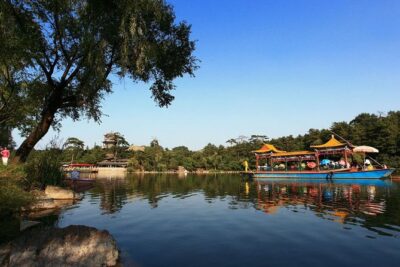
Beijing Historical Tour II including Summer Palace, Lama Temple & Panda Garden
Read our review →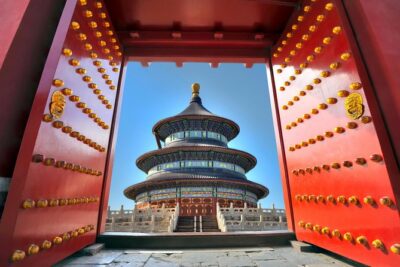
Beijing Historical Tour I – Forbidden City, Tiananmen Square & Temple of Heaven
Read our review →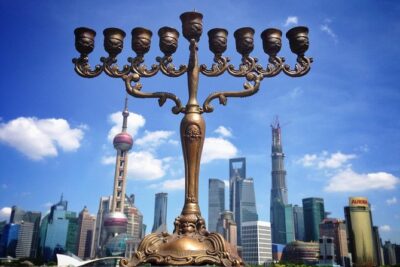
Tour of Jewish Shanghai led by a Jewish History Expert
Read our review →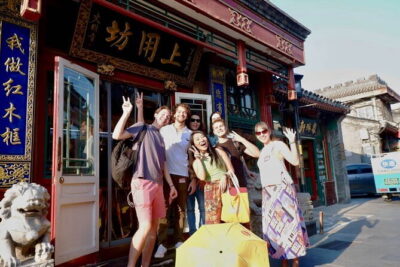
Beijing Historic City Guided Walking Tour + Calligraphy Creation
Read our review →
All inclusive Two-Day Xi’an private Heritage Tour
Read our review →
Shenzhen History , Culture & Scenic + (Drone Delivery) tour
Read our review →
Xi’an Full Day Sightseeing Tour – Shaanxi History Museum, Big Wild Goose Pagoda, Ancient City Wall
Read our review →
Private Historical Tour: Guangzhou City Sightseeing Including Lunch
Read our review →Browse the lists this tour appears in