
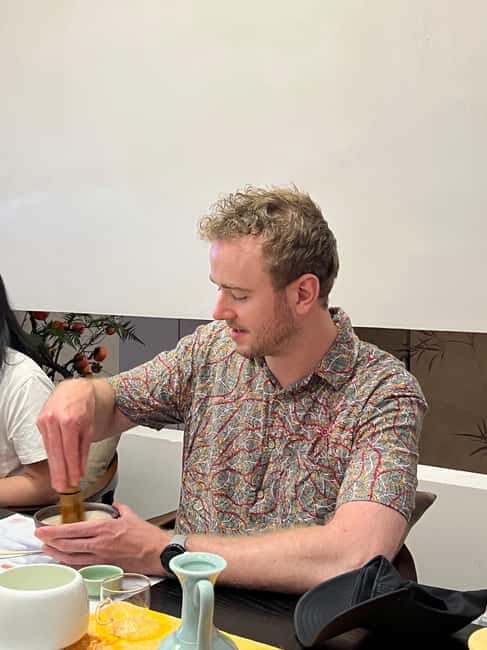
Reviewed · WORKSHOPS
Shanghai: Song Dynasty Tea-making Class
Tea powder in a bowl, then magic foam.
This Song Dynasty tea-making class turns a famous Chinese craft into something you can actually do with your hands. I love that it is hands-on with the real tools (tea bowl, whisk, scoop, tray, kettle) and I love the calm, ceremonial approach to taste and technique, not just a quick sip-and-go. The one thing to consider is that there is no hotel pickup, so you will need to get yourself to the meeting spot in Putuo and arrive on time, especially if you are matching your guide by the white hat with the red Eto logo.
You start with a quick cultural intro to why tea mattered in Song Dynasty life and high society, then you move to the whisking process and taste what you made. The class is guided in Chinese, English, Japanese, and Korean, so it is easier to follow than many heritage activities in China. If you want the most value from the $80 price, plan to slow down, ask questions, and actually practice the whisking steps instead of rushing through the tasting.
In This Review
- Quick Take
- Powdered Tea, Song Style: What You Really Learn
- Tools and Technique: The Whisking Moment
- Tasting the Cup You Make: Flavor, Aroma, and Texture
- Song Dynasty Tea Culture: Why This Ritual Was So Important
- Where You Meet EtoJourney in Putuo (and How Not to Get Stuck)
- Price and Value: Is $80 Fair for This Experience?
- Who This Fits Best (and Who Might Want a Different Option)
- A Realistic Flow of Your Class Time
- Should You Book This Song Dynasty Tea-making Class?
- FAQ
- Where do I meet for the Song Dynasty tea-making class?
- Is pickup or drop-off included from my hotel?
- What languages are available during the class?
- What is included in the experience?
- How does payment and booking work?
- What is the cancellation window?
Quick Take
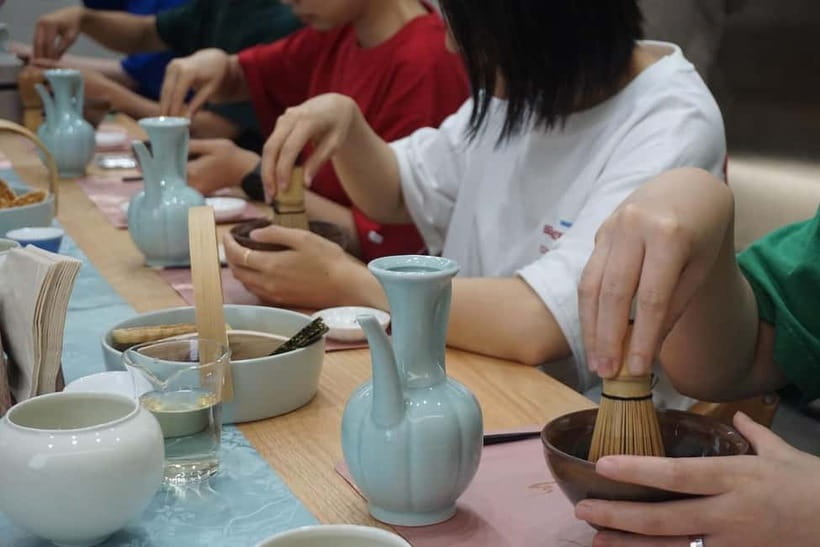
- Song Dynasty powdered tea technique you practice, not just watch
- Real traditional tools included: bowl, whisk, scoop, tray, kettle, tea cloth
- Fresh tasting of the frothy, aromatic tea you whisk yourself
- Cultural context about tea’s role in Song Dynasty daily life and society
- Extra hands-on moments like time to paint a favorite symbol and take home a small gift
Powdered Tea, Song Style: What You Really Learn
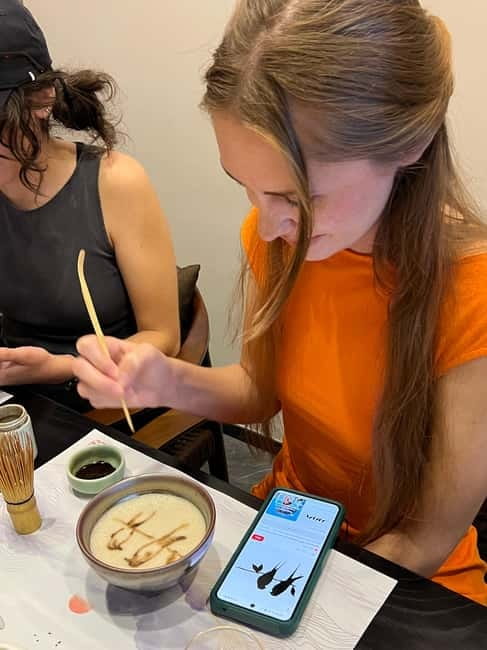
This is one of those Shanghai activities that feels simple on paper, then becomes surprisingly thoughtful once you are in the chair. The focus is powdered tea whisking, a method tied to the Song Dynasty (960 to 1279 AD), when tea was more than a drink. It was a refined ritual that showed up at home and in higher circles too.
What you are learning is the method behind the look and the flavor: how powdered tea and hot water come together into that smooth foam, how to avoid clumps, and how to whisk with steady control. The end goal is not showmanship. It is a consistent cup that smells and tastes right, with a texture that feels airy and layered rather than flat.
And yes, it is a “class,” but it plays more like a guided ritual. You get time to watch, then practice. You taste what you made. You get a sense of how repetition and attention shape the experience, even if you never become a tea connoisseur.
A few more Shanghai days worth comparing
- Private Cooking Class: Make Your Own Dim Sum In Shanghai
★ 5.0 · 27 reviews - 2-Hour Private Chinese Ink and Brush Painting Workshop in Shanghai
★ 5.0 · 15 reviews - Private Home Cooking Class with Shanghai Mama
★ 5.0 · 14 reviews
Tools and Technique: The Whisking Moment
The best part of any tea class is usually what happens when you hold the whisk. Here, you use the actual setup that matters for the technique. The included tools are listed clearly: a tea bowl, tea whisk, powdered tea, tea scoop, tea tray, hot water kettle, and a tea cloth. You also get experience photos, which is handy because the foam and bowl setup are very photogenic, and you will likely want a record of your own cup.
Here is why these tools matter in practical terms:
- The tea bowl is part of the shaping. Song-style tasting rewards what the surface looks like and how the tea sits.
- The whisk controls the texture. Whisking is not just stirring. It is about creating a frothy top and mixing evenly.
- The tea scoop helps you measure the powdered tea. Too much or too little changes the result.
- The tea tray keeps the ritual tidy, which matters because powdered tea can be messy when you are still learning.
- The hot water kettle matters because water temperature affects how the powder dissolves and how the cup tastes.
- The tea cloth helps you manage the station like a proper ceremony.
During the class, the tea master walks you through the correct steps. The aim is a frothy, aromatic drink that reflects the Song method. From the way the experience is described, you are not expected to already know what powdered tea is supposed to taste like. You just need to follow the process, then pay attention to the cues while you taste.
If you want an easy tip, it is this: treat the whisking like a rhythm exercise. Keep your movements steady. Don’t panic if your first attempt looks imperfect. The cup you taste is part lesson, part sensory feedback.
Tasting the Cup You Make: Flavor, Aroma, and Texture
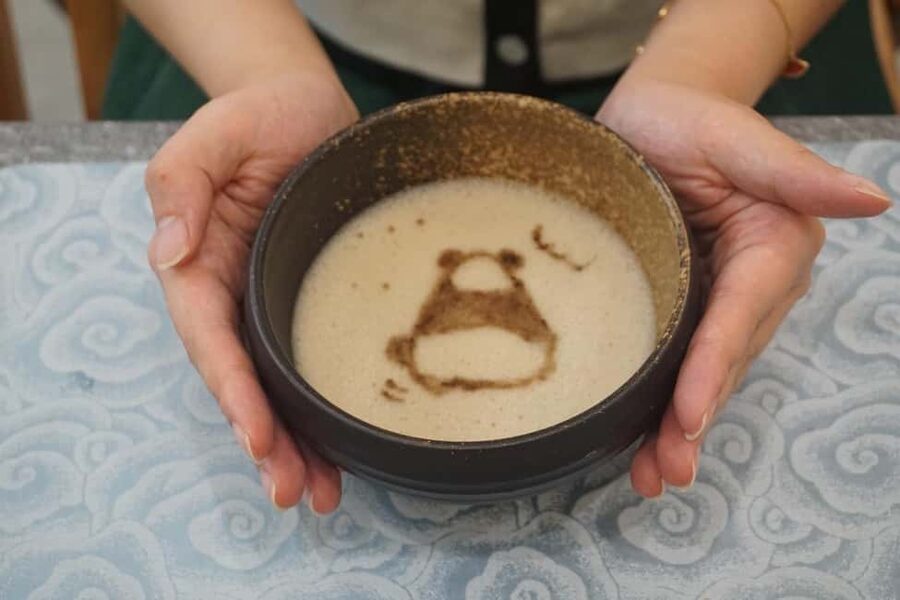
A lot of tea experiences stop at pouring. This one is different because you get to taste fresh whisked tea made by your own hands. That changes how you experience the flavors, because you understand why it tastes the way it does.
Powdered tea has a particular personality. It is not the same as steeping loose leaves. The aroma and mouthfeel come from how the powder disperses and whisks into the water. When whisking works well, you get that characteristic foam and a cup that feels smoother and more integrated.
In your tasting, focus on three things:
- Aroma right away, before the tea cools.
- Texture as it hits the tongue, especially that lighter, frothy feel.
- Aftertaste, since powdered tea can leave a distinct impression.
This is also where the ceremonial element matters. The class encourages a more meditative pace, so you are tasting with attention instead of treating it like a quick drink break between sightseeing stops.
Song Dynasty Tea Culture: Why This Ritual Was So Important
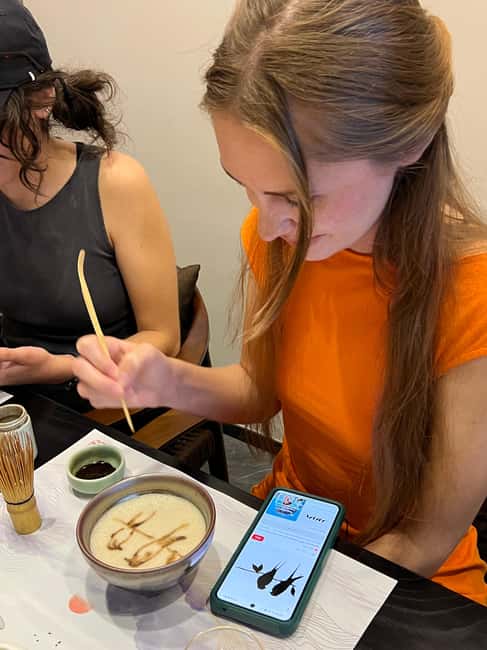
Tea during the Song Dynasty was not just for calm evenings. It was woven into everyday life and into higher-status social rituals. That historical context is part of the class flow: you begin with a cultural introduction that explains tea’s significance, then you shift into the tools and technique.
Why does that context matter for you? Because it turns the session from entertainment into understanding. You see that the reason people cared about whisking, foam, and the presentation of the bowl was tied to the values of the time: refinement, discipline, and attention.
You also learn the historical and cultural significance behind powdered tea whisking as UNESCO-listed intangible cultural heritage. Even if you only know the basics, having the heritage frame helps you interpret what you are doing. You start to notice how the ceremony shapes the experience, from the way the station is set up to the pacing while you taste.
Same city, a very different kind of day:
- Authentic Local Food Tour in Central Shanghai
★ 5.0 · 1,382 reviews - Zhujiajiao Water Town and Shanghai City Private Day Tour
★ 5.0 · 1,016 reviews - Private Shanghai Full Day City Tour with Old and New Highlights
★ 5.0 · 995 reviews - Shanghai: 3-Hour Local Food Tasting Tour
★ 4.9 · 806 reviews
Where You Meet EtoJourney in Putuo (and How Not to Get Stuck)
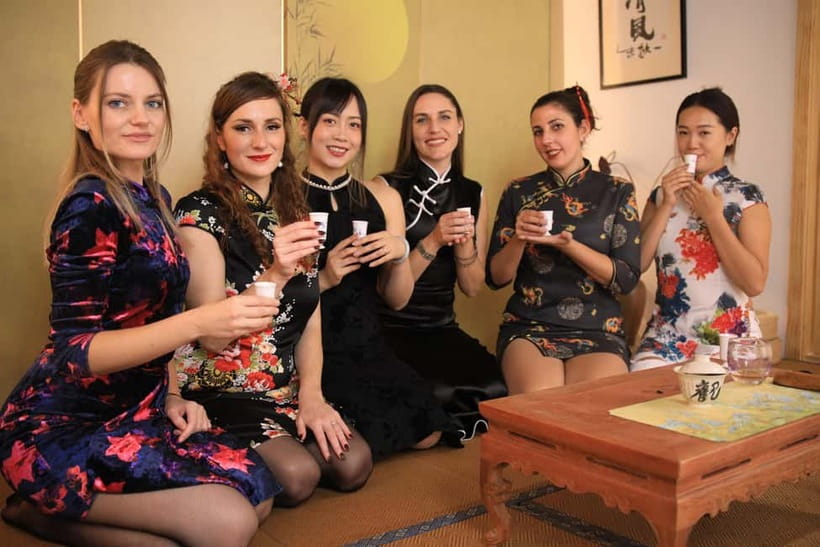
Logistics can ruin a good class. So let’s keep it simple. You meet at the Main Entrance of the Mall, 168 Aomen Rd, Putuo, Shanghai, 200071, Putuo District. You are looking for your guide wearing a white hat with a red Eto logo.
Plan to arrive a few minutes early. Not because anything is promised, but because in real life you will want time to find the right entrance and confirm you are in the right group. There is no pickup or drop off from your hotel, so treat this like a destination activity. Build your day around getting there smoothly.
One more practical note: languages include Chinese, English, Japanese, and Korean. That is a big help if you are traveling with a mixed group or if you want guidance you can understand without struggling.
Price and Value: Is $80 Fair for This Experience?
$80 per person is not “cheap,” but it is also not just a one-minute photo stop. You are paying for a structured guided lesson plus a full hands-on setup. The included items tell you what you are getting: expert tea master guidance, all the tools for powdered tea whisking, powdered tea, and the station materials. You also get experience photos, which adds value if you want proof of the activity for memories and sharing.
Here is what makes the value feel more real than many paid workshops:
- You practice the core technique with proper tools.
- You taste fresh whisked tea made during the class.
- You receive cultural context, so the ritual has meaning, not just mechanics.
- You are not left alone, you are guided step by step.
The only budget consideration is that tipping is not included, and there is no hotel transfer. If you are already planning to be in Putuo, that is manageable. If you are far away in Shanghai and need taxis every way, the total cost can creep up.
Still, for tea lovers, history-minded travelers, and anyone who likes activities that are calm and skill-based, $80 can feel like a fair trade for something you actually learn and take a bit of home with you.
Who This Fits Best (and Who Might Want a Different Option)
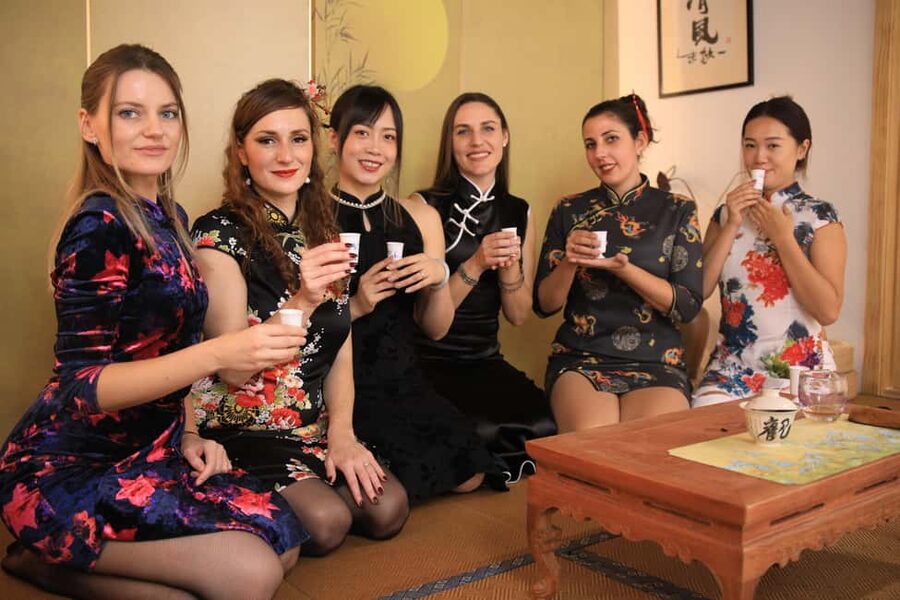
This class is a strong fit if you enjoy:
- tea and tea tools
- history that is practical, not just dates
- hands-on cultural activities
- small rituals that slow you down
It is also a good idea for friend groups. One of the most appealing aspects is that the activity is shared and learnable. You are not performing, you are cooperating with the steps, tasting together, and comparing cups. That makes it feel social without being chaotic.
Families can enjoy it too, especially if you have kids old enough to follow instructions and wait for the tasting moment. The ceremony approach is gentle, and the tools are part of what makes it engaging.
If you dislike anything ceremonial or anything that asks you to sit and focus for a while, you might find it too slow. But if you like thoughtful experiences with a sensory payoff, this is the right kind of pace.
A Realistic Flow of Your Class Time
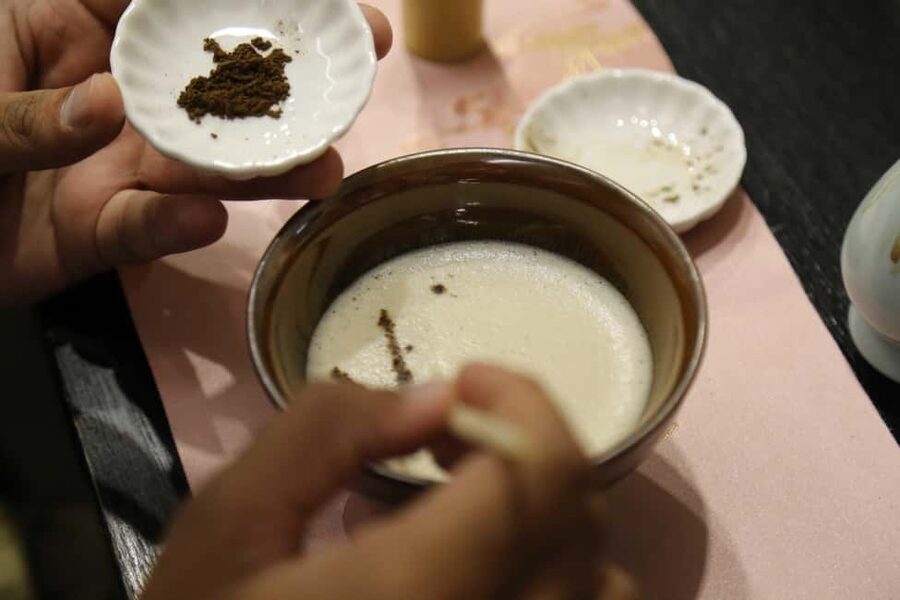
Based on how the experience is described, your session usually follows this rhythm:
- Cultural introduction
You get the historical significance of tea during the Song Dynasty, with emphasis on how tea functioned in daily life and also among higher society.
- Tool and technique briefing
You see the traditional tools, including whisk, tea bowl, tray, and kettle setup. You learn what each piece is for and what the tea master wants you to do.
- Hands-on whisking practice
You practice powdered tea whisking, working toward the frothy, aromatic result that matches the Song method.
- Tasting the tea you whisked
You taste your freshly made tea, and you get feedback based on what you notice in aroma and flavor.
- Extra creative moment and gift
Some sessions include a chance to paint a favorite symbol, and you can take home a small gift. If you care about souvenirs, this is the part that makes the experience feel complete.
You will walk away with a better sense of why powdered tea whisking is treated as a refined skill, not just a novelty.
Should You Book This Song Dynasty Tea-making Class?
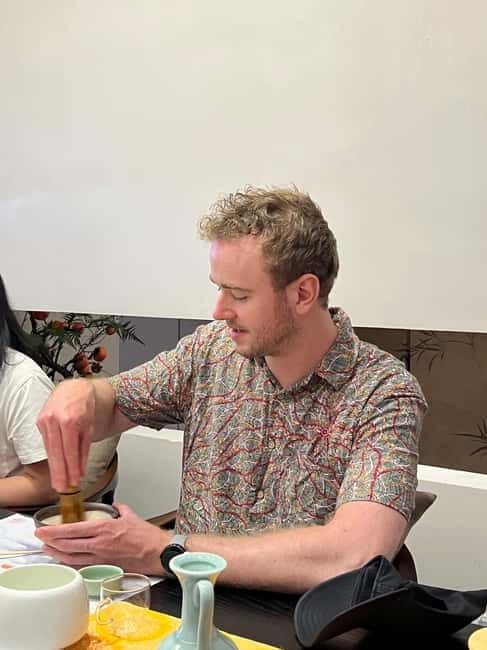
I think you should book it if you want a Shanghai experience that mixes skill, history, and a calmer tempo than typical sightseeing. The biggest reason is that you get to learn the method and taste what you make, using traditional tools provided for you. That is what turns it from entertainment into something you carry home, even if you never whisk powdered tea again.
You might skip it if you are hoping for a fast, casual stop where you taste first and do almost nothing. This is an instruction-led ritual. Also, because there is no hotel pickup, make sure your day includes time to reach 168 Aomen Rd in Putuo and find your guide by the white hat with the red Eto logo.
FAQ
Where do I meet for the Song Dynasty tea-making class?
You meet at the Main Entrance of the Mall, 168 Aomen Rd, Putuo, Shanghai, 200071, Putuo District. Look for your guide wearing a white hat with a red Eto logo.
Is pickup or drop-off included from my hotel?
No. Pickup or drop-off service from your hotel is not included.
What languages are available during the class?
The class is available in Chinese, English, Japanese, and Korean.
What is included in the experience?
Included are experience photos, an expert tea master, and the tea-making tools such as a tea bowl, tea whisk, powdered tea, tea scoop, tea tray, hot water kettle, and a tea cloth.
How does payment and booking work?
You can reserve first and pay later, meaning you can book your spot and pay nothing today.
What is the cancellation window?
You can cancel up to 24 hours in advance for a full refund.
Recently added around Shanghai
- Suzhou Private Guided Day Trip from Shanghai by Bullet Train★ 5.0 · 46 reviews
- Suzhou and Zhujiajiao Private Guided Day Trip from Shanghai★ 5.0 · 27 reviews
- Shanghai:Old Town, Yu Garden, Zhujiajiao Water Town Bus Tour★ 4.7 · 16 reviews
- Shanghai: Yu/Yuyuan Garden Entry Ticket–E ticket★ 4.4 · 24 reviews
- Shanghai: Zhujiajiao Water Town with Calligraphy Experience★ 5.0 · 17 reviews
- Shanghai: Yu Garden Entry Ticket with PDF Guidebook★ 4.1 · 45 reviews
- Shanghai: Yuyuan, City God Temple Old City Tour-Tip Based★ 5.0 · 10 reviews
- Shanghai: Wild Animal Park Ticket★ 4.9 · 43 reviews
Workshops, compared.
Half-Day Chengdu Cooking Class with a Local Market Visit
Read our review →
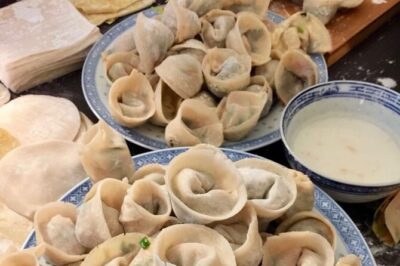
Organic Chinese Dumpling Class with Market Walk
Read our review →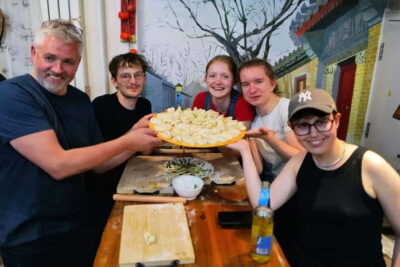
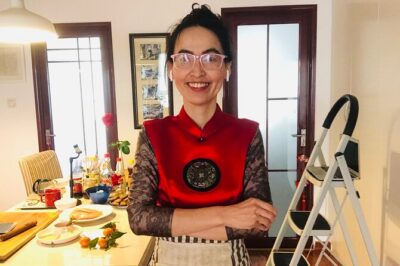
Online Cooking Class Beijing Dumplings and Cuisine by Sunflowerli Renowned Chef
Read our review →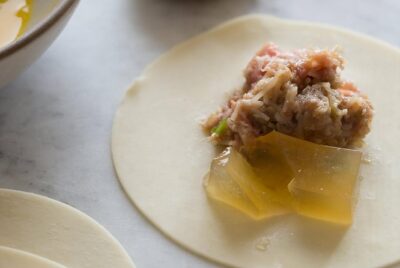
Organic Xiao Long Bao Soup Dumpling Class & Market Walk
Read our review →
Beijing Wangfujing Calligraphy Class by Forbidden City
Read our review →Browse the lists this tour appears in