

Reviewed · MARKETS
Untold story of Shenzhen , Electronic & Dongmen Market tour
Shenzhen feels like the Wild West of commerce. This tour connects Huaqiangbei with Dongmen’s old-street shopping and Luohu’s border world, so you get both modern gadgets and older Shenzhen street life in one hit. I love the no-fuss way the guide helps you bargain in busy markets, and I really like the historical stops like China’s first McDonald’s on Dongmen Old Street. The tradeoff is that the markets move fast, it can get loud and crowded, and one stop is known for knockoff merchandise, so you need patience and a practical mindset.
Everything runs with an English-speaking guide from Fantasia Tours, starting at Huaqiang North station Exit B (street level) and ending back at the same spot. If you bring comfortable shoes and you’re ready to shop with your eyes open, you’ll get a version of Shenzhen most people never bother to hunt down.
In This Review
- Key highlights you should know
- Starting at Huaqiang North station, where the day gets real
- Huaqiangbei electronic market: the biggest tech playground in the region
- Bargaining help that actually makes a difference in price
- Dongmen Old Street: China’s bargain culture with a time-machine feel
- The Nostalgic Commune Canteen replica in an 1980s setting
- Mistress Village: the unofficial red light district explained on the way to Luohu
- Luohu Port: stepping into one of the oldest Hong Kong-China crossings
- The biggest knockoff market mall near Luohu, and how to handle it smartly
- Price and value: what $40 buys you in Shenzhen
- Who this tour suits best, and who might prefer something else
- Should you book this Shenzhen Electronics and Dongmen Market tour?
- FAQ
- Where is the tour’s meeting point?
- Where does the tour end?
- How much does the tour cost?
- What’s included in the tour?
- What language is the tour guide?
- What should I bring?
- What is the first stop on the tour?
- What is Dongmen Old Street known for on this tour?
- What border area does the tour visit?
- Is bargaining part of the experience?
- Does the booking offer reserve and pay later?
- Can I cancel for a full refund?
Key highlights you should know
- Huaqiangbei electronic market scale: hundreds of vendors moving tech trade at high speed.
- Dongmen Old Street with real old-shops energy: local bargain culture goes back centuries.
- China’s first McDonald’s stop: easy to spot while you wander the street.
- Nostalgic Commune Canteen: a replica of an 1980s slum experience for atmosphere and photo ops.
- Luohu Port checkpoint history: officially opened in 1950, one of the oldest Hong Kong-China crossings.
- Mistress Village on the route: an unofficial red light district explained in context, not just as a label.
Starting at Huaqiang North station, where the day gets real
Your day begins at Huaqiang North station, Exit B, at street level. That matters because Huaqiangbei is not a museum stop where you arrive, look, and leave. It is a working market with constant foot traffic and a lot of selling done face-to-face. A good meeting point keeps you from wasting time trying to find the right entrance when the street gets busy.
Comfort is simple but crucial. Wear comfortable shoes. You’ll be walking through dense market aisles and side streets, and the vibe is shop-first, not sightseeing-first. Also, if you plan to buy electronics, bring a clear plan for what you actually want. The market has so much that “browsing” can quickly turn into accidental shopping.
More market walks in Shenzhen:
- Mini Group Xian Day Tour to Terracotta Army, City Wall, Pagoda and Muslim Bazaar
★ 5.0 · 1,320 reviews - Half-Day Chengdu Cooking Class with a Local Market Visit
★ 5.0 · 465 reviews - Shanghai Day Tour to Zhujiajiao Water Town, Yu Garden, Bazaar, Bund
★ 5.0 · 162 reviews
Huaqiangbei electronic market: the biggest tech playground in the region
Huaqiangbei is the main event, and it lives up to its reputation as Asia’s biggest electronic market. Expect a dense, energetic environment where many different vendors wheel and deal in one tight space. The tour framing is clear: lots of goods flow in and out, and transactions happen quickly. That speed is part of the experience. You’re not waiting in line for a shop to open. You’re stepping into a marketplace that already runs on momentum.
What I like about this stop for you is the way the guide changes your odds. Without help, electronic markets can feel like a maze of similar-looking items and unclear pricing. With a guide who can help with bargaining, you can ask practical questions, compare vendors faster, and keep your spending under control.
A drawback to keep in mind: electronics shopping here can be overwhelming. Even when prices are negotiable, the decision load is heavy because there are many choices at once. If you know you want one device, one accessory, or one category, you’ll have a better day than if you’re trying to figure out your whole electronics wish list from scratch on the spot.
Bargaining help that actually makes a difference in price
One of the strongest reasons to book this tour is the explicit focus on negotiation. The tour includes a guide who will help you bargain with merchants along the way, and the goal is a better price, not just translation.
Here’s what that means in real life. In places like Huaqiangbei, the first number you hear is often not the number you pay. A guide can help you:
- get a clearer sense of what’s being sold (and how similar options compare)
- keep the bargaining conversation moving instead of stalling in the wrong spot
- avoid common missteps like agreeing too fast without checking alternatives
The best evidence is in the shopping results people report from this exact route. One buyer got a drone for under 200 RMB at Huaqiangbei, after the guide helped negotiate. Another shopper used the guide’s help again later at Luohu. If you’ve never negotiated before, or you only know how to bargain from movies, this tour is built for that learning curve.
Practical note: if you care about quality, check items carefully before you commit. Electronics can vary a lot by model, version, and included accessories. Even with a guide, slow down for a quick visual and functional check.
Dongmen Old Street: China’s bargain culture with a time-machine feel
After the electronics rush, you move into Dongmen Old Street. Dongmen is described as a popular shopping district with local bargain habits going back to the Qing dynasty, roughly 400 years ago. That kind of long timeline changes the feel. You’re not just shopping. You’re walking through a district where locals built routines around buying everyday items and comparing deals.
I love the contrast here. Shenzhen can look ultra-modern in other areas, but Dongmen gives you an older rhythm, and it’s easy to follow because it’s designed for shopping. You’ll also notice that Dongmen isn’t just about deals. It’s perfect for food lovers. The tour highlights that you can indulge in tasty food from all corners of China while you browse.
And yes, this is where you’ll find China’s first McDonald’s. That detail is useful because it gives you a clear landmark while you wander. You don’t have to guess which street corner is the “real point.” Dongmen has a famous marker built into the shopping flow.
Possible drawback: Dongmen is packed with options. If you’re someone who hates crowds, you may want to set a personal rule like: pick your top two priorities, then eat, then wander. Otherwise, it’s too easy to burn time on browsing that leads nowhere.
A few more Shenzhen days worth comparing
- Shenzhen Private Shopping Tour with Local Shopping Guru
★ 5.0 · 5 reviews - Hong Kong: Kowloon Street Market & Food Culture Walking Tour
★ 5.0 · 105 reviews - Organic Chinese Dumpling Class with Market Walk
★ 5.0 · 88 reviews - Private Shanghai Shopping Tour with Local Shopping Guru
★ 5.0 · 68 reviews
The Nostalgic Commune Canteen replica in an 1980s setting
One stop that stands out is the Nostalgic (Commune Canteen), described as being inside a replica of a 1980s slum. This is not a traditional heritage site in the quiet, museum sense. It’s more like a staged atmosphere meant to show how people lived and what the streets felt like in that era.
Why this is valuable for you: it helps you understand Shenzhen’s growth by showing an earlier visual and social environment. You’re moving from high-tech market stalls into a recreated past, which helps the city feel like one place with layers, not separate attractions.
Also, it gives you a break from shopping intensity. After Huaqiangbei, your eyes may be tired from screens and specs. A built-in themed stop resets your pace. It’s also a great spot for photos, but treat it as history-flavored atmosphere, not a perfect documentary.
Mistress Village: the unofficial red light district explained on the way to Luohu
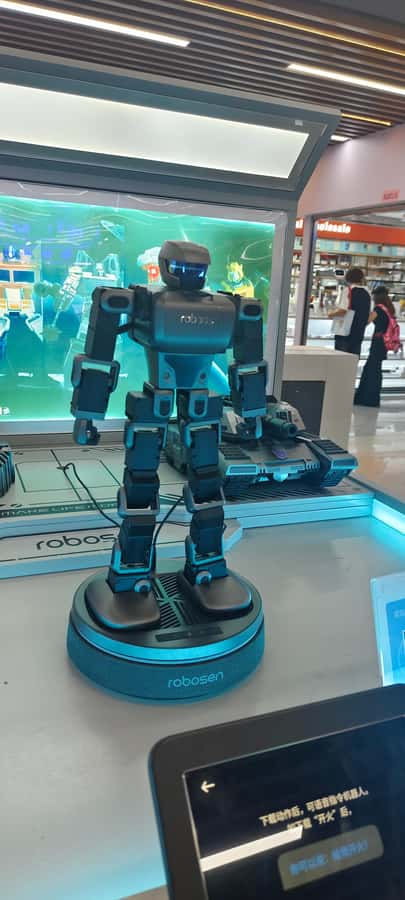
On the route to Luohu, the tour passes by an area described as the unofficial red light district called Mistress Village. The explanation matters: it’s framed as a place that became a playground for Hong Kongers in the 1990s due to income disparity, described as almost 10 times.
This stop is sensitive in theme. The tour approach is what you should look for. Instead of sensationalizing, it’s presented as part of the region’s social and economic story near the border. That context helps you understand why people traveled across the boundary, and how money, access, and opportunity shaped nightlife and commerce.
If you’re uncomfortable with red light district references, you still might get value from this part because it’s brief and contextual. But you should be prepared for the topic to come up directly during the walk.
Luohu Port: stepping into one of the oldest Hong Kong-China crossings
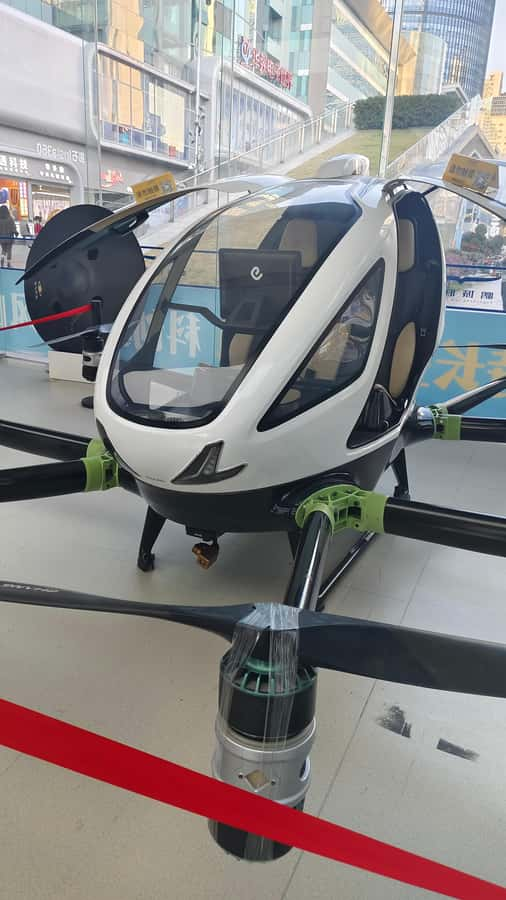
Then you reach Luohu Port, described as the first China land port and one of the oldest border crossings between Hong Kong and China. It was officially opened in 1950, which gives this stop serious historical weight compared with modern city sightseeing.
This is a practical kind of history. Luohu is about movement: people crossing, trade flowing, and the border creating a constant link between two worlds. Even if you never cross the border during your trip, standing in the orbit of a long-running checkpoint helps you understand why markets like Huaqiangbei and the nearby shopping areas feel so active.
You’ll also notice the border-crossing effect on shopping. When people and money flow quickly, retail trends shape around that traffic. That leads directly into the next market-style stop.
The biggest knockoff market mall near Luohu, and how to handle it smartly
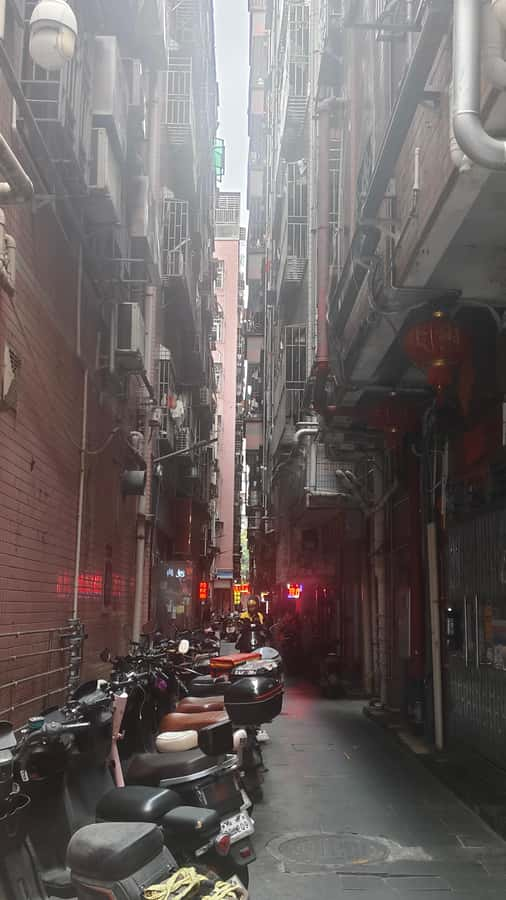
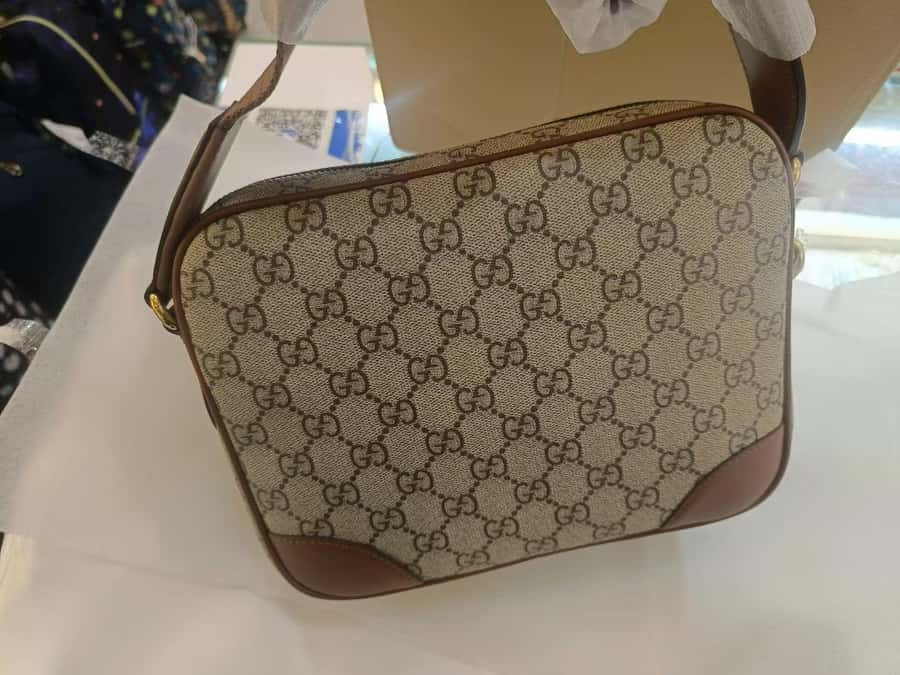
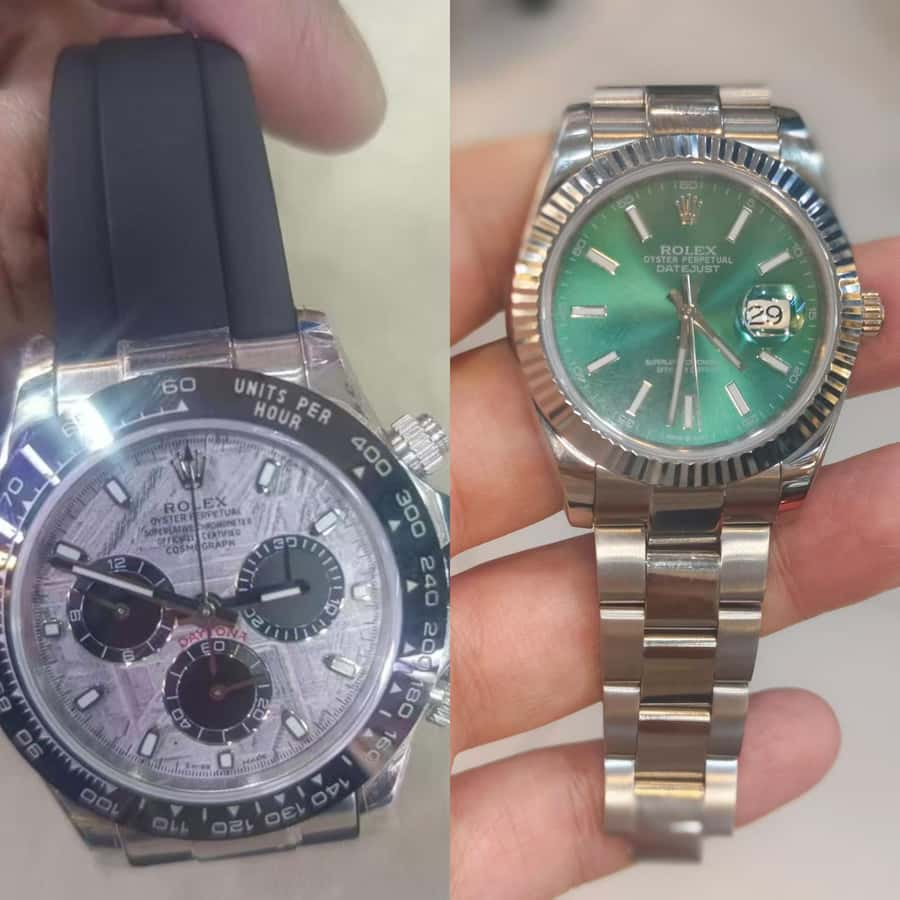
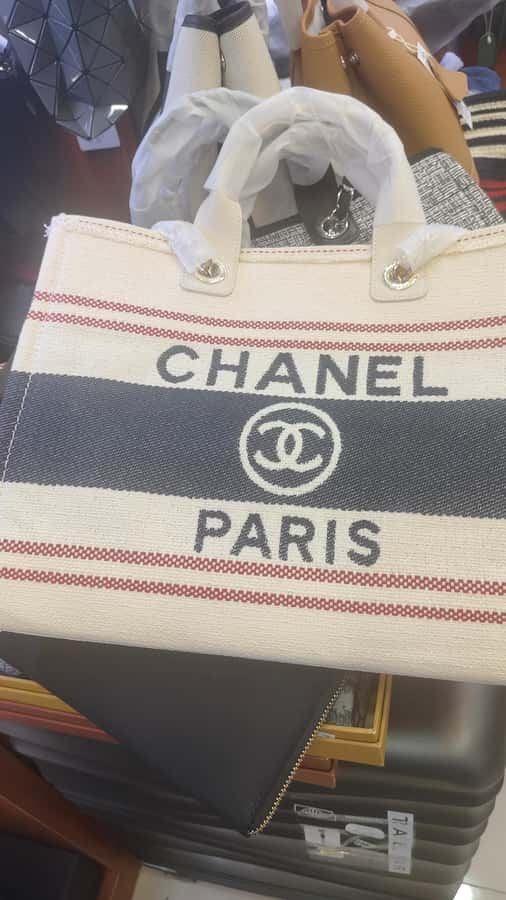
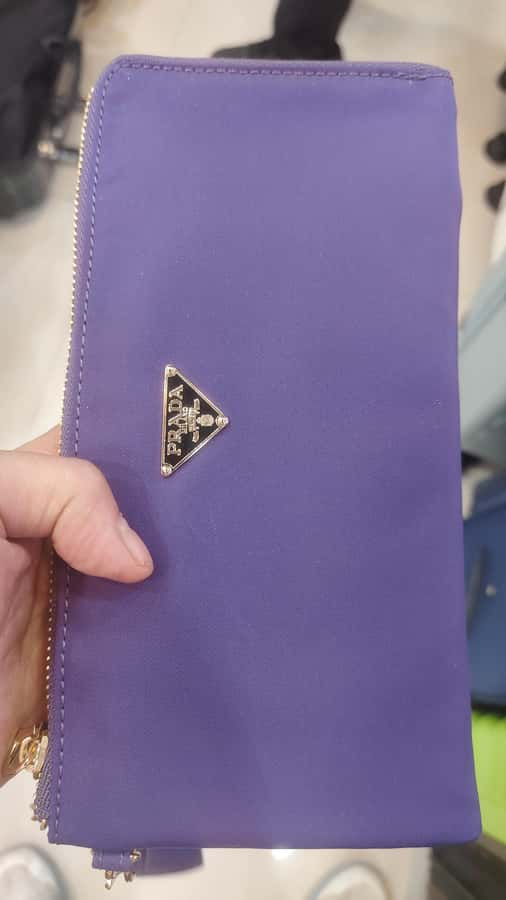
Next to the port, the tour takes you into a large mall selling knocked off merchandises. It’s described as one of the busiest checkpoint shopping zones between China and Hong Kong, and it’s called the biggest knockoff market in the world.
This is the portion of the tour that can either be a highlight or a mismatch depending on your shopping ethics and your expectations. If you’re curious about the gray-market side of cross-border shopping culture, it can be a fascinating snapshot of imitation commerce, how brands are referenced, and how aggressive retail can get in tourist-heavy zones.
If you do have any concern about counterfeit goods, treat this stop like observation and comparison rather than a guaranteed buy. You can still enjoy the spectacle without handing over cash. And if you’re thinking of purchasing anything, remember that legality and personal import rules vary by country. Keep it cautious.
The reason I think this stop works for many people is that it’s not random. It ties directly to the Luohu border story. In other words, you’re not only seeing knockoffs. You’re seeing why knockoffs cluster where they cluster: high cross-border traffic and high demand for brand-name look-alikes.
Price and value: what $40 buys you in Shenzhen
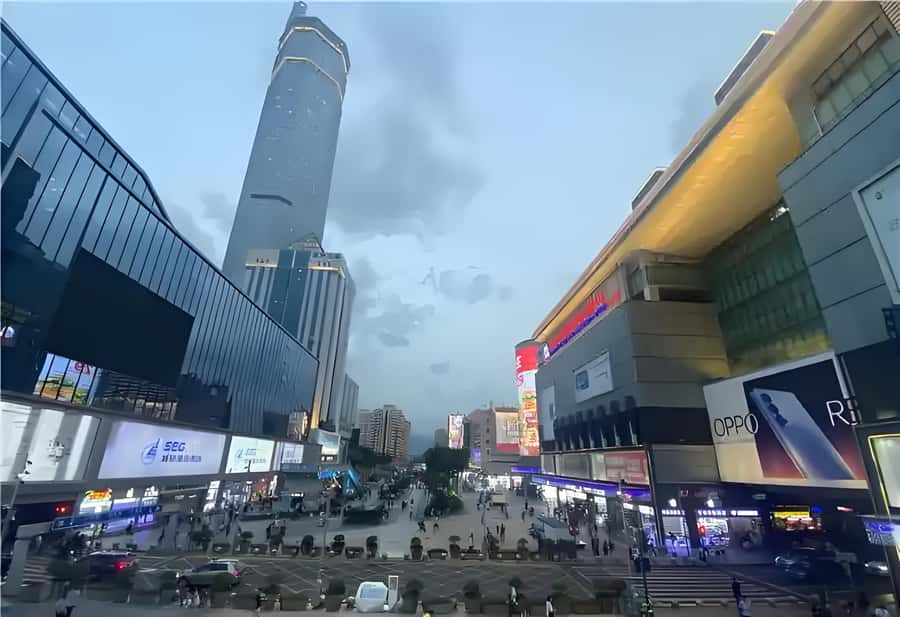
At $40 per person, this tour is positioned as a value-based day that bundles three major areas: Huaqiangbei electronics, Dongmen Old Street and food, and Luohu Port plus the mall side of the border shopping scene. The big value driver isn’t just transport or landmarks. It’s the guide.
You’re paying for:
- an English-speaking guide
- help bargaining with merchants in the markets
- context on the region’s street history, including the Dongmen time layer and the border-zone explanation near Luohu
Even if you don’t buy much, the bargaining support alone can save you money, especially in markets where the first price is rarely the final one. That lines up with the reported results from people who mention negotiating a better price at Huaqiangbei and again later near Luohu.
For booking flexibility, you can reserve first and pay later, and you can cancel up to 24 hours in advance for a full refund. The tour format is straightforward, and the meeting and ending point are the same, so it’s easy to plug into a Shenzhen day plan.
Who this tour suits best, and who might prefer something else
This tour fits best if you like:
- market shopping more than museum-style sightseeing
- bargaining and negotiating as part of the fun
- electronics curiosity, including how items are sold and priced
- street history that explains why places developed the way they did
You might want to skip or approach cautiously if:
- you hate crowds and fast-moving shopping lanes
- you’re not comfortable with references to an unofficial red light district topic
- you’re looking for a calm, polished cultural day with minimal commerce
If you’re the kind of traveler who enjoys asking questions and getting real-world context while you walk, you’ll probably love the flow.
Should you book this Shenzhen Electronics and Dongmen Market tour?
If you want Shenzhen the way it actually works, this tour is a strong choice. Huaqiangbei gives you the tech trade side, Dongmen gives you the older shopping street and food culture, and Luohu Port adds the border history that makes the whole circuit make sense. The included bargaining help is the deciding factor for many first-time negotiators, and the English guide makes it feel doable rather than intimidating.
Book it if you’re excited to shop and you can handle a little chaos with a plan. Skip it if you want quiet sightseeing or you strongly prefer to avoid knockoff shopping environments. For $40, I think it offers good value for the number of distinctive zones you cover, as long as you treat it like a market day, not a slow city walk.
FAQ
Where is the tour’s meeting point?
The start point is Huaqiang North station Exit B at street level.
Where does the tour end?
The activity ends back at the meeting point.
How much does the tour cost?
The price is $40 per person.
What’s included in the tour?
A tour guide is included.
What language is the tour guide?
The tour language is English.
What should I bring?
Bring comfortable shoes.
What is the first stop on the tour?
The tour starts at Huaqiangbei.
What is Dongmen Old Street known for on this tour?
Dongmen Old Street is described as China’s first McDonald’s area and an old shopping district with a history going back about 400 years.
What border area does the tour visit?
The tour visits Luohu Port, described as one of the oldest Hong Kong-China border crossings and officially opened in 1950.
Is bargaining part of the experience?
Yes. The guide helps bargain with merchants on behalf of clients.
Does the booking offer reserve and pay later?
Yes, you can reserve & pay later and book your spot and pay nothing today.
Can I cancel for a full refund?
Yes, you can cancel up to 24 hours in advance for a full refund.
Recently added around Shenzhen
- Private Shenzhen Evening Tour With Shenzhen Top Scenic Spots★ 4.5 · 8 reviews
- Shenzhen Self-Guided Tour with Private Car and Driver Service★ 5.0 · 10 reviews
- Shenzhen History , Culture & Scenic +(Drone Delivery)tour★ 5.0 · 8 reviews
- Shenzhen Private Shopping Tour with Local Shopping Guru★ 5.0 · 5 reviews
- From Hong kong to Shenzhen tour with Flexible Itinerary / English★ 5.0 · 16 reviews
- Shenzhen Customized Local Tour with Transfer★ 5.0 · 6 reviews
- Half Day Shenzhen Splendid China Folk Village Guided Tour★ 3.5 · 3 reviews
- Private Transfer in Shenzhen with English Service★ 5.0 · 6 reviews
Markets, compared.
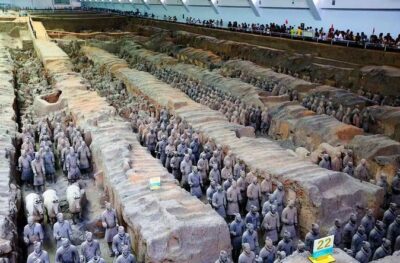
Mini Group Xian Day Tour to Terracotta Army, City Wall, Pagoda and Muslim Bazaar
Read our review →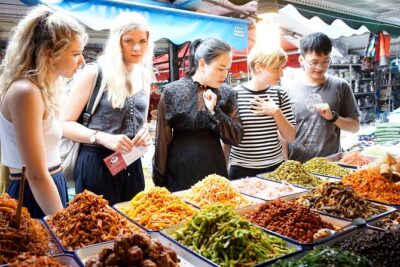
Half-Day Chengdu Cooking Class with a Local Market Visit
Read our review →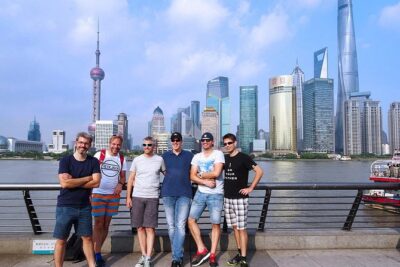
Shanghai Day Tour to Zhujiajiao Water Town, Yu Garden, Bazaar, Bund
Read our review →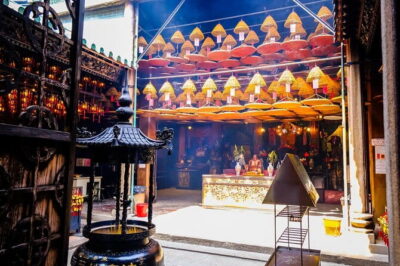
Kowloon Street Market & Food Culture Walking Tour
Read our review →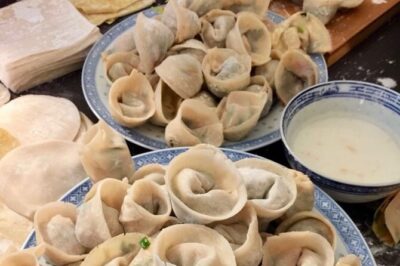
Organic Chinese Dumpling Class with Market Walk
Read our review →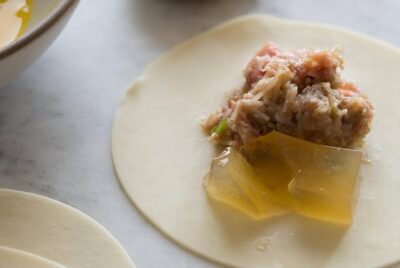
Organic Xiao Long Bao Soup Dumpling Class & Market Walk
Read our review →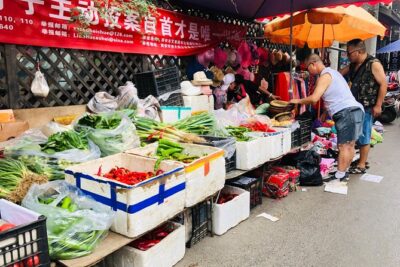
Half-Day Xi’an Biang Biang Noodles Cooking with a Market Visit
Read our review →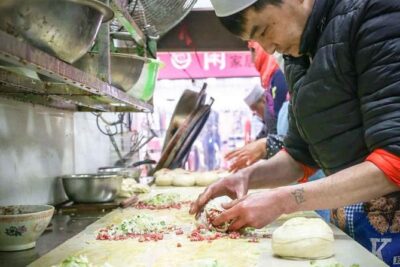
Browse the lists this tour appears in