
Reviewed · COOKING CLASSES
3-Hour Biang Biang Noodles Cooking Class in Xi’an
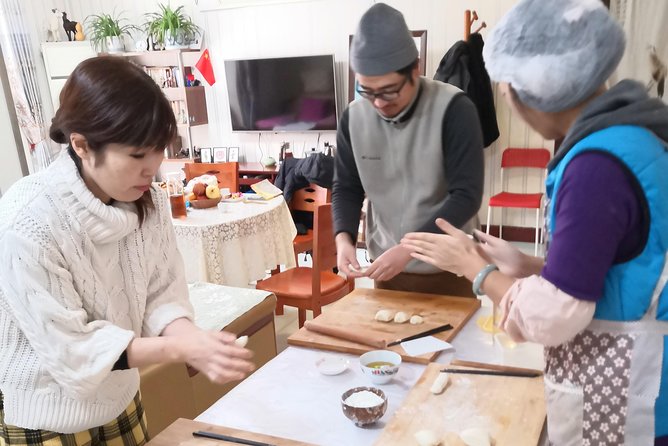
If noodles could talk, biang biang would. This 3-hour Xi’an small-group experience centers on making biang biang noodles, plus a guided spice market walk and an end meal made by you.
I love the practical setup, a real local cooking school run by an English-speaking chef, not a staged show. I also like the way you learn the technique, then sit down with tea and drinks to eat your own noodles. One possible drawback: this is not set up for wheelchair access, so plan around that if mobility is an issue.
The vibe feels more like guided learning with real conversation than a strict, step-by-step workshop only. Some hosts and guides, including Michael and Susan, are specifically praised for friendly English and showing how noodle culture fits into daily life. If you expect a long, solo cooking marathon, you may find the “class” portion is about an hour within the full 3 hours, with time split for market visits and eating.
In This Review
- Key things I’d circle before you go
- Why biang biang noodles are such a Xi’an thing
- Finding the class: Sa Jin Qiao Subway Exit D (Line 1)
- Spice market walk: where flavor starts before the noodles
- Inside the professional cooking school in Xi’an
- How the experience really flows: demo feel, then your turn
- The noodle party meal: tea, drinks, and what you made
- Price and value: is $74.88 fair for 3 hours?
- Practical tips to get the most out of the class
- Who this works best for (and who might want a different activity)
- Should you book the Xi’an biang biang noodles cooking class?
- FAQ
- Where do we meet for the biang biang noodles cooking class?
- How long is the experience?
- Is hotel pick-up and drop-off included?
- What is included in the price?
- Is the tour wheelchair accessible?
- Can I cancel for a refund or change my booking?
Key things I’d circle before you go
- Small group max 10 people, so you can actually ask questions while you cook
- Meet at Sa Jin Qiao Subway Station, Exit D, Line 1, an easy public transit start
- Spice market ingredient walk before you cook, so you know what you are tasting
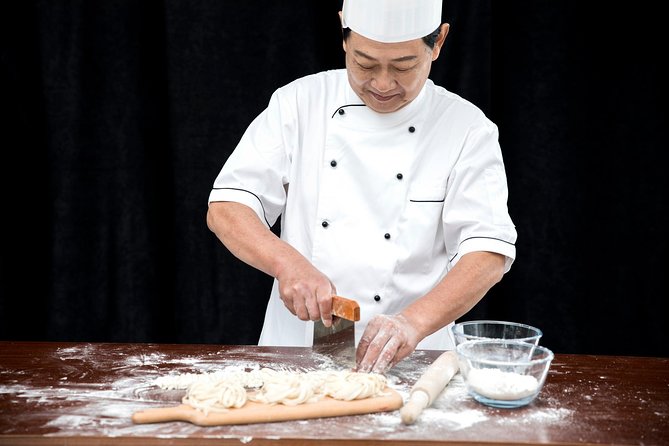
- English-speaking chef leading the session in a professional local cooking school
- Tea and coffee, plus a drink, while you learn and again when you eat
Why biang biang noodles are such a Xi’an thing
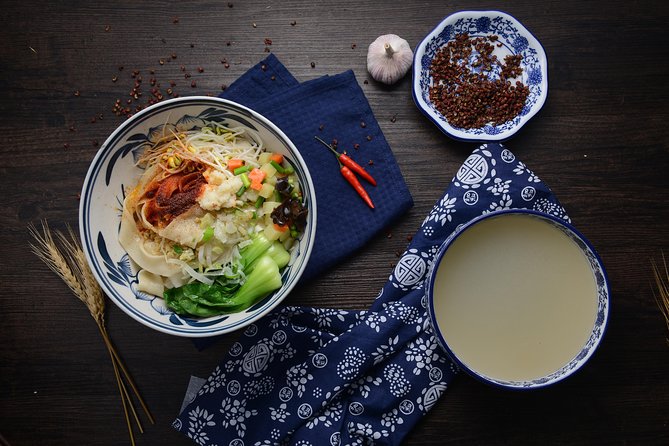
Biang biang noodles get their name from the sound made when the dough is worked and stretched. That slap and pull is part of the fun, and it is also a quick way to understand why this dish belongs to Xi’an cooking culture. The goal here is not just eating noodles. You learn the technique that creates that signature texture and sound, then you practice enough to feel confident in what you are doing.
I also like that the experience connects flavor to ingredients. You start with a local spice market stop, then you cook with what you find. That makes the final bowl feel earned, not like a scripted tasting.
More cooking classes in Xian:
- Half-Day Xi’an Biang Biang Noodles Cooking with a Market Visit
★ 5.0 · 48 reviews - Private Home Cooking Class:Dumpling Cooking Class Tour in Xi’an
★ 5.0 · 7 reviews - Xi’an: Market Tour and Cooking Class with Local Family
★ 5.0 · 3 reviews
Finding the class: Sa Jin Qiao Subway Exit D (Line 1)
Your start point is Sa Jin Qiao Subway Station, Exit D, Line 1, at Sajin Bridge, Lian Hu Qu, Xi’an. This matters because it is a transit-friendly way to begin, no hotel shuttle required. If you are staying near a metro line, you can save money and keep your day moving.
Also, the tour is not wheelchair accessible. The info is clear, and you should plan accordingly. If you use mobility aids, it is worth checking the streets and station routes from Exit D before you rely on shortcuts.
You will use a mobile ticket, and you should receive confirmation at booking time. Practically speaking, keep your phone charged, and take a screenshot of the booking details in case connectivity is spotty.
Spice market walk: where flavor starts before the noodles
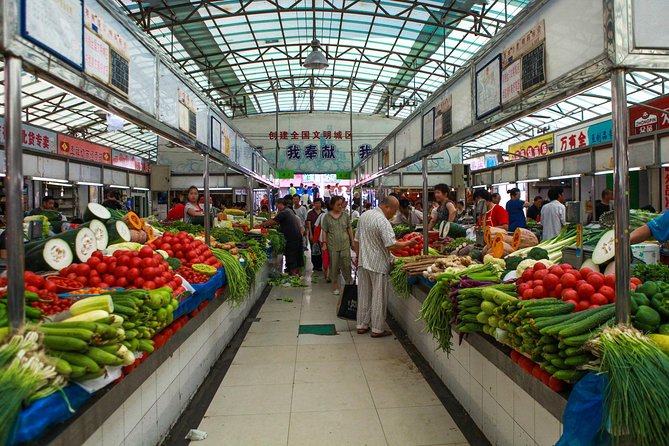
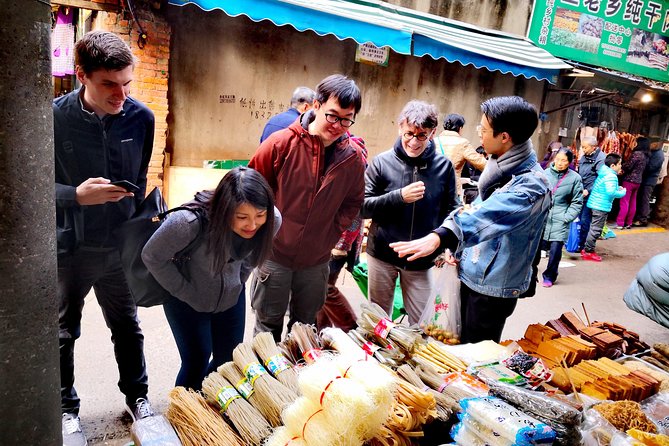
Before you cook, you head to an authentic local spice market with your guide and discover ingredients you will use during class. This is one of the biggest value pieces of the experience, because it turns the meal into a story you can repeat later.
In the feedback, people specifically praised the market walking portion, including time through back-road streets. You get the sense that you are not just shopping. You are learning what the spice looks like, what it smells like, and why it shows up in Xi’an cooking.
The best part of this setup is timing. You do the ingredient discovery first, then you cook while the smells and flavors are still fresh in your head. When your bowl finally lands in front of you, you will know what you contributed.
Inside the professional cooking school in Xi’an
The cooking portion takes place in a professional cooking school tied to a famous local restaurant. That is meaningful. A real kitchen space usually means cleaner workflow, better tools, and a chef who is teaching rather than just supervising.
The class itself runs about one hour. During that time, you learn noodle-making technique from your noodle teacher, and an English-speaking chef helps explain what to do and how to do it. You should expect questions, hands-on practice, and at least some level of guided coaching, not just a sit-and-watch setup.
Another small but smart touch: you will have tea and coffee while you learn. It helps keep the pace steady, especially if you arrived hungry after metro time and walking.
A few more Xian days worth comparing
- Private Dumpling Cooking Class in Xi’an Local Family
★ 5.0 · 3 reviews - Half-Day Chengdu Cooking Class with a Local Market Visit
★ 5.0 · 465 reviews - Beijing Calligraphy Class
★ 4.9 · 112 reviews - Chinese Calligraphy Class for Small Group
★ 5.0 · 104 reviews
How the experience really flows: demo feel, then your turn
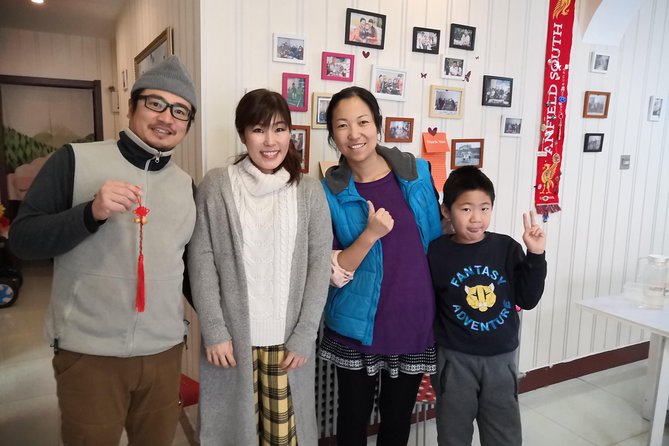
This is not positioned as a full-day, eat-then-cook-then-reheat training camp. Think of it as a guided session with demonstration elements, a market lead-in, then your own noodles at the end. Some people even describe it as more demo plus accompanying visit than a strict cooking course.
That is not necessarily a downside. In fact, for many visitors it is the sweet spot. You get enough instruction to participate, without getting exhausted. You also get to watch technique being explained, then move into your own attempt with support nearby.
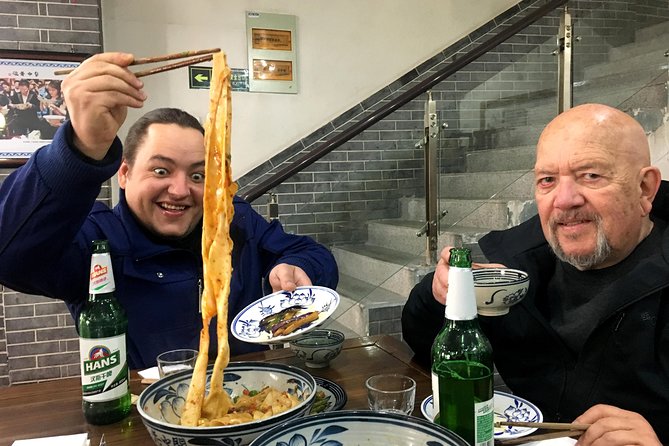
Your end reward is the key moment: you eat the noodles you’ve prepared yourself. That matters because noodle classes can sometimes end with tasting food someone else made. Here, the main meal is tied to what you worked on.
The noodle party meal: tea, drinks, and what you made
After cooking, you sit down for a noodle meal treated like a small celebration. You get Chinese tea or other drinks with your self-prepared bowl, and that is part of what makes the experience feel complete.
This is a good point to set expectations. You should not expect a restaurant-style menu with dozens of choices. You are there for one main goal: biang biang noodles, made by you, in a setting that helps you understand the culture behind it.
Also, the tea and drink portion is practical. If you arrive slightly dehydrated from walking and metro time, the break helps reset you without needing to hunt for a cafe after class.
Price and value: is $74.88 fair for 3 hours?
At $74.88 per person for about 3 hours, this is not a bargain-basement activity. But the price makes sense when you look at what is included and what is not.
Included items you actually get:
- the cooking class fee
- complimentary tea and a drink
- an English-speaking chef
- the chance to taste noodles you made
Not included:
- hotel pick-up and drop-off
That last point is important for value. If your hotel is far from the metro, you might spend extra on transport, and that can change the math. If you are already near Line 1, the lack of pickup is less of an issue.
I also like the small group max 10. In practical terms, that usually means more chance to ask questions and get correction when you are working on technique. For a hands-on food class, group size directly affects your experience quality.
If you want a food memory with actual participation, not just tasting, this price can feel reasonable. If you only want a quick snack and zero effort, you can do cheaper food walks in Xi’an.
Practical tips to get the most out of the class
1) Arrive early enough to find Exit D calmly. Metro exits can be confusing the first time. Give yourself a buffer so you do not rush through the spice market.
2) Go with an appetite. The class ends with you eating what you made, plus tea and drinks. If you had a huge lunch, you might struggle to enjoy it.
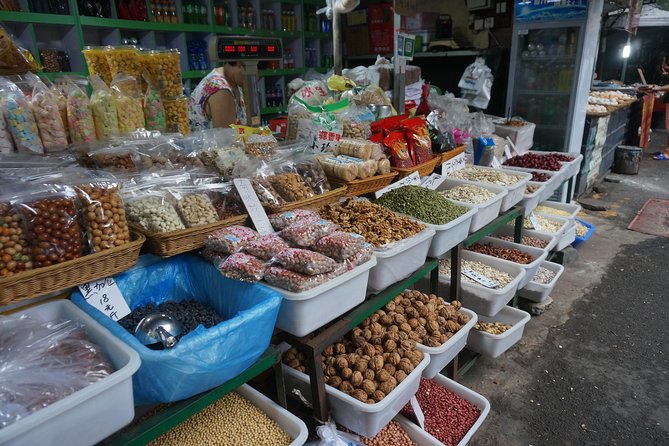
3) Ask about ingredients as you see them. The market stop is the moment to clarify what is sweet, spicy, salty, or aromatic in the ingredients you will handle in class.
4) Expect a short but focused cooking block. The class is about an hour, with the rest of your time spent on the market and the meal.
5) Bring patience if the pace is active. Market walking plus cooking takes coordination, and that is part of the charm.
Who this works best for (and who might want a different activity)
This class is a great fit if you:
- want to learn a signature Xi’an dish you can explain later
- like small groups and active participation
- enjoy market visits that connect ingredients to cooking
It may be less ideal if you:
- need wheelchair access, since the tour is not wheelchair accessible
- want only a long cooking workshop with no market time
- dislike market walking or shopping-style ingredient stops
If you are a first-timer in Xi’an and want one experience that covers both culture and food technique, this hits a useful balance.
Should you book the Xi’an biang biang noodles cooking class?
I would book it if you want a hands-on Xi’an meal with a guide who can explain what you are doing, plus a market stop that makes the flavors make sense. The small group size, the English-speaking chef, and the fact that you eat the noodles you prepared are the big reasons it works.
I would think twice if accessibility is a concern, or if you only want a casual food taste without any technique practice. For most people who like real local food experiences, this feels like good value for the time, especially since you skip hotel logistics and start directly at the metro.
FAQ
Where do we meet for the biang biang noodles cooking class?
You meet at Sa Jin Qiao Subway Station, Exit D, Line 1 in Xi’an. The listed start area is Sajin Bridge, Lian Hu Qu, Xi’an.
How long is the experience?
The total duration is about 3 hours, with the cooking class portion lasting roughly 1 hour.
Is hotel pick-up and drop-off included?
No. Hotel pick-up and drop-off are not included, and the activity ends back at the meeting point.
What is included in the price?
The price includes the cooking class fee, complimentary tea and a drink, an English-speaking chef, and the chance to taste the biang biang noodles you made.
Is the tour wheelchair accessible?
No. The meeting point and activity are noted as not wheelchair accessible.
Can I cancel for a refund or change my booking?
According to the policy, the experience is non-refundable and cannot be changed for any reason.
Recently added around Xian
- Xi’an Terracotta Warriors and City Wall Private Day Tour★ 5.0 · 4 reviews
- Xian: Terracotta Army Bus Tour(With Lunch)or Ticket Only★ 4.4 · 7 reviews
- Xi’an: Custom-Made 2-Day Private Tour w/ Panda Center Option★ 5.0 · 3 reviews
- Xian: Terracotta Army Admission Ticket★ 4.6 · 5 reviews
- Xi’an: Royal Banquet with Chinese Cultural Performance★ 3.4 · 3 reviews
- Xi’an: Guided Day Tour to Huaqing Palace & Terracotta Army★ 4.9 · 8 reviews
- Xi’an Private Terracotta Warriors and Hanyangling Mausoleum★ 4.7 · 3 reviews
- Xian: Bus Tour of Terracotta Warriors With Guide & Lunch★ 4.2 · 5 reviews
Cooking Classes, compared.
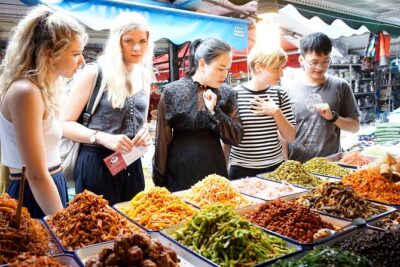
Half-Day Chengdu Cooking Class with a Local Market Visit
Read our review →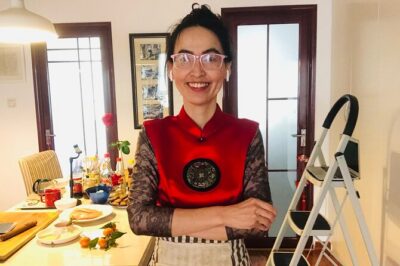
Online Cooking Class Beijing Dumplings and Cuisine by Sunflowerli Renowned Chef
Read our review →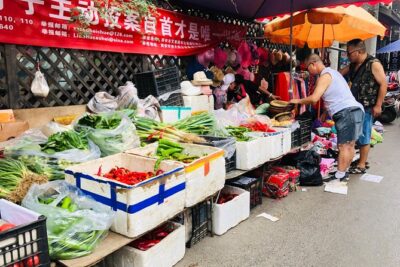
Half-Day Xi’an Biang Biang Noodles Cooking with a Market Visit
Read our review →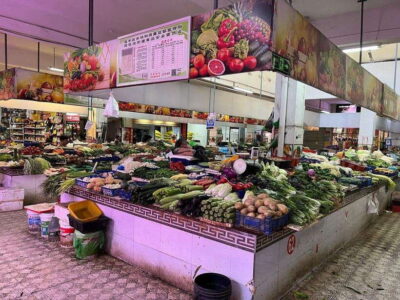
Cooking Class with Fresh Market Half Day Experience
Read our review →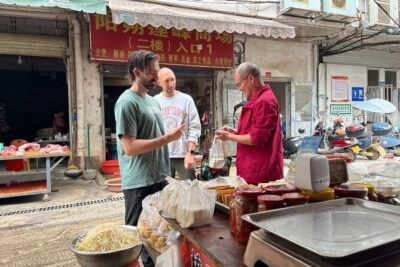
Private Cooking Class: Make Your Own Dim Sum In Shanghai
Read our review →
Half-Day steamed Buns Cooking Class with a Local Market Visit
Read our review →Browse the lists this tour appears in