
Reviewed · MARKETS
Beijing: Dumpling-Making Class with wet Market visit
Dumplings start with a market stop. This Beijing class pairs a real wet market walk with hands-on cooking in a local family kitchen, so you see ingredients, then learn what to do with them. Two things I really like are the wet market tour (colors, spices, everyday shopping habits) and the dumpling session with a family, where you fold wrappers with guidance.
You also get an English-speaking guide and a meal that is more than a snack. I found the best part is learning how cooks think, not just what to cook, plus a tea stop for a slower pace and easy conversation.
One heads-up before you plan your day: even though the experience is listed at about 5 hours, the time can run shorter, so I recommend leaving your afternoon flexible.
In This Review
- Key highlights you will actually care about
- Wet Market Walks: Where Beijing Flavor Starts
- Meeting Your Driver and Getting to a Local Home Smoothly
- Dumpling-Making in a Real Family Kitchen
- Choosing Your Extra Dishes: Beyond Dumplings
- Tea Drinking and Conversation: The Slower Part of the Meal
- Meal Time: What You Eat Tells You What Matters
- Pricing and Value: Is $50 Worth It?
- Who This Tour Suits Best
- Practical Tips to Make Your Day Easier
- Should You Book This Dumpling and Wet Market Class?
- FAQ
- Where is the meeting point?
- How long does the experience take?
- Is it private or shared?
- What is included in the price?
- Do you get to choose what to cook besides dumplings?
- Is this tour suitable for people with food allergies?
- What should I bring?
Key highlights you will actually care about
- Wet market first, so ingredients make sense before you touch a wrapper
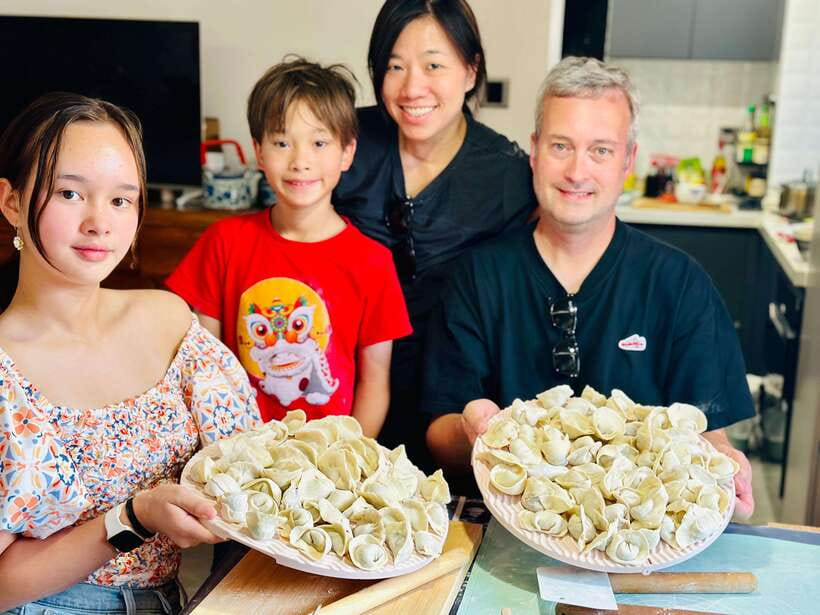
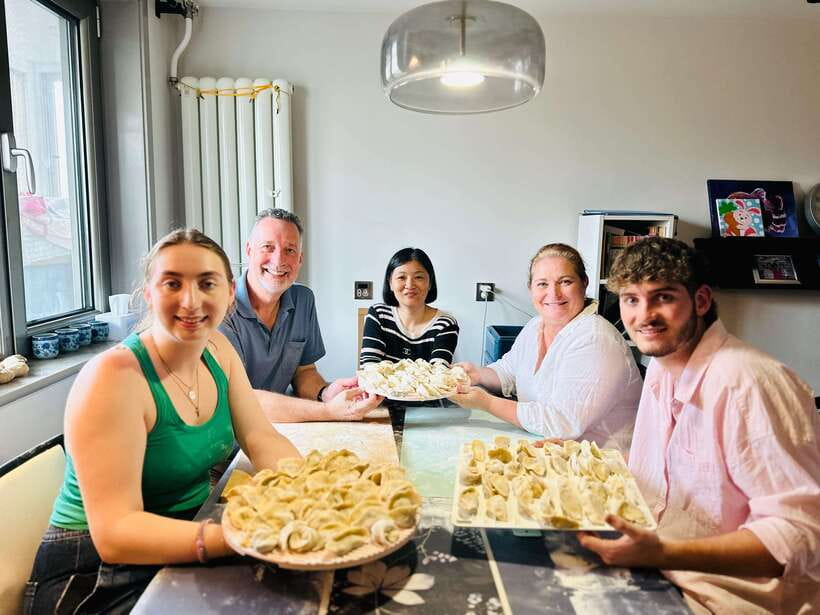
- Local-family kitchen time, not a staged studio, with step-by-step dumpling technique
- Pick your extra dishes, including Kung Pao Chicken and options like sour sweet pork
- Lunch or dinner with the family, plus tea drinking and chatting
- Private or small-group format, with hotel transfer included
Wet Market Walks: Where Beijing Flavor Starts
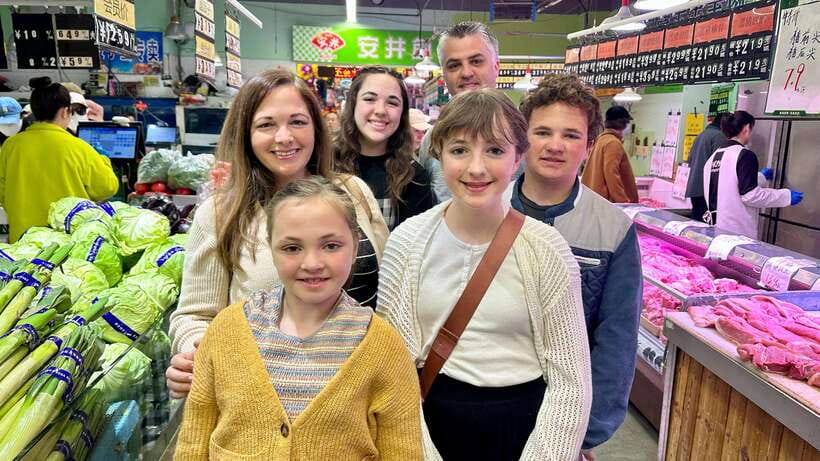
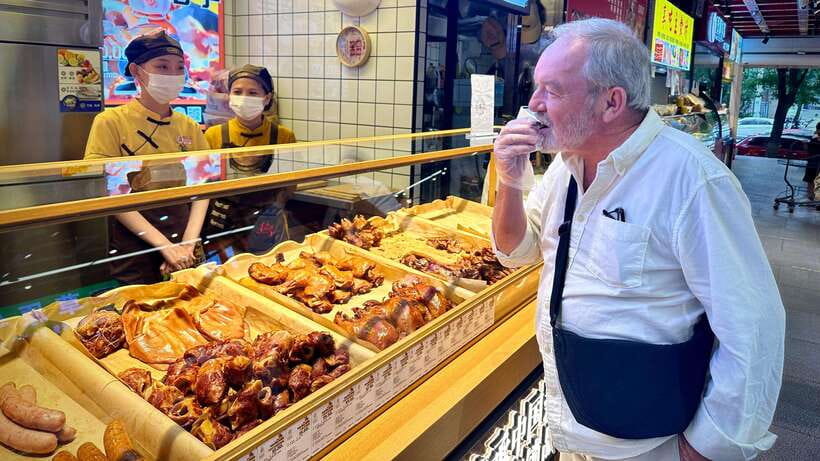
The experience begins by getting you out of the tourist rhythm and into daily food life. If you have only eaten Chinese food in restaurants, a wet market can feel like a whole new chapter. You see the ingredients people buy often, not the ones that always show up on menus back home.
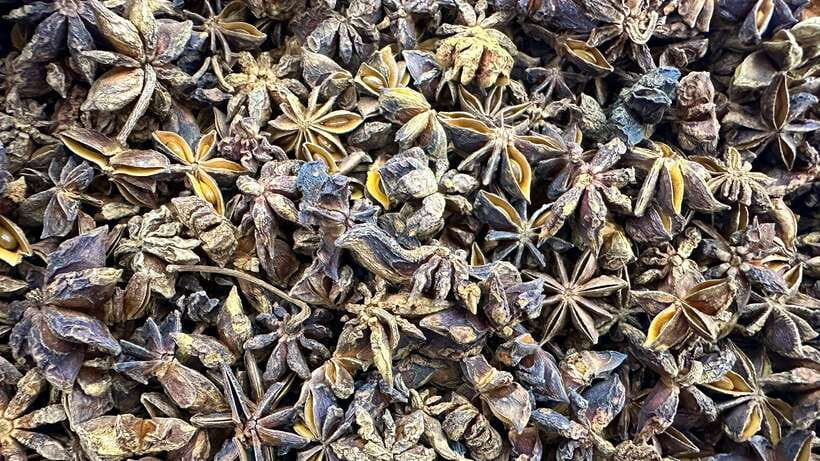
You’ll typically start with a guide-led look at produce, meat, sauces, and pantry staples. The goal is not to memorize everything. It is to understand how Chinese cuisine builds flavor from a few key ideas: fresh aromatics, careful seasoning, and using common sauces the right way. When you later make dumpling filling, that context helps.
I especially like markets where you can notice how vendors handle food, because it ties directly to cooking. How something is cut or prepped at the stall often explains why a dish tastes the way it does. Even if your Mandarin is limited, your guide can translate the “why” behind the ingredients you spot.
What to watch for: markets can be visually intense and very active. Wear comfortable clothes and be ready for close-range smells and crowds. If you want photos, plan for quick shots, then keep moving, so you do not slow the group.
More market walks in Tianjin:
- Mini Group Xian Day Tour to Terracotta Army, City Wall, Pagoda and Muslim Bazaar
★ 5.0 · 1,320 reviews - Half-Day Chengdu Cooking Class with a Local Market Visit
★ 5.0 · 465 reviews - Shanghai Day Tour to Zhujiajiao Water Town, Yu Garden, Bazaar, Bund
★ 5.0 · 162 reviews
Meeting Your Driver and Getting to a Local Home Smoothly
Logistics matter on food tours. This one is built to remove friction. You meet your driver at your hotel pickup option, or you can use the subway meeting point at line 10, Shaoyaoju stop, exit A. Once you are on the road, you can relax and let someone else handle the route.
A private transfer is included, which is a big deal in Beijing, where navigating by subway plus walking plus timing can be exhausting. Even if you choose a small group option, having transport organized means you spend more of the half-day actually eating and learning.
Also note the format: you can book private or small groups. In my opinion, small groups are often the sweet spot for cooking classes because you get enough attention without feeling stuck in a one-person-on-a-stage scenario.
Dumpling-Making in a Real Family Kitchen
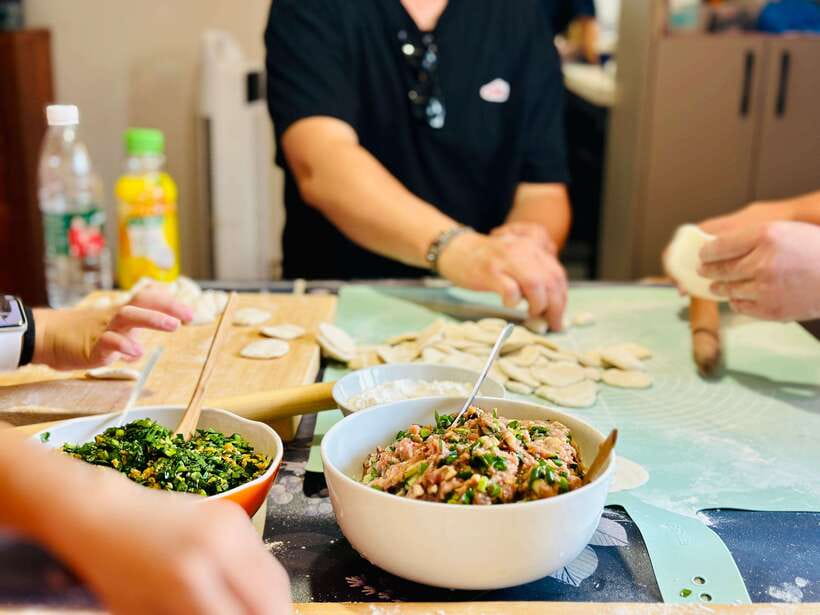
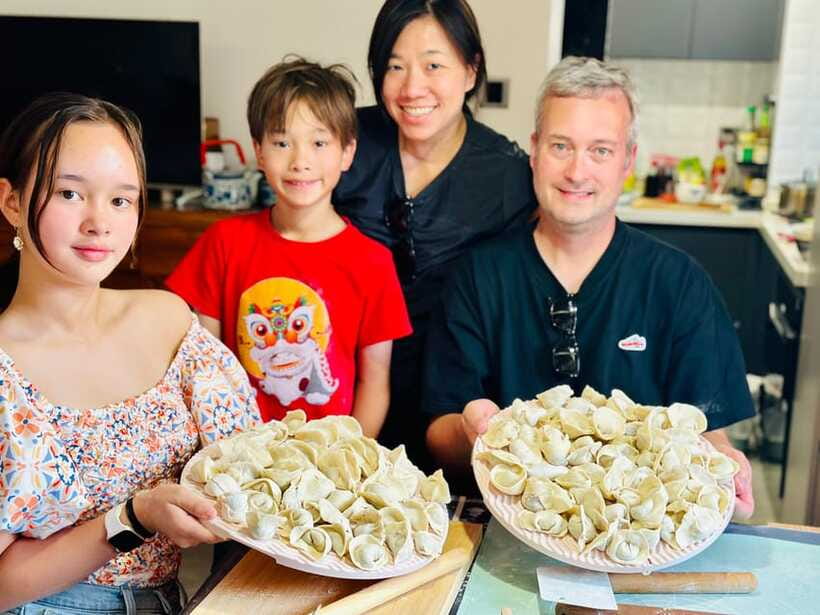
The dumpling workshop is the core of the day. You are not just watching someone else fold. You help, and you practice. That hands-on part is what makes the whole experience stick.
You will work through the process in a sequence that feels practical, not random:
- Learn about what goes into dumpling fillings
- Prepare filling and wrappers
- Fold dumplings guided by your host or instructor
- Repeat the folding until it looks right and seals well
The wrapper-folding is a skill, and you quickly realize why dumplings are both comfort food and craft. A good seal matters. It keeps filling where it belongs and prevents messy leaks. Even if your first couple of dumplings look uneven, that is normal. The point is to learn the method and finish with dumplings that you would actually serve.
This is also where the market tour pays off. When you have seen ingredients earlier, the filling choices make more sense. Instead of copying a recipe, you start understanding how flavor is balanced.
And yes, you can choose additional dishes after dumplings. That flexibility is valuable because it lets you match the day to your food likes rather than being locked into one fixed menu.
Choosing Your Extra Dishes: Beyond Dumplings
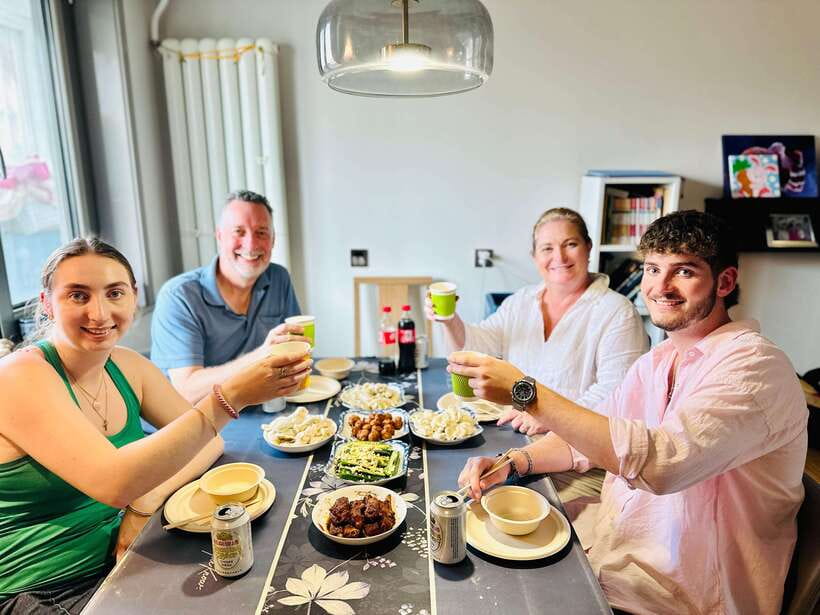
After dumplings, the experience lets you join in on making two more dishes, depending on what you select. Options listed include Kung Pao Chicken and Sour Sweet Pork, plus other choices like scrambled egg with tomato, sauteed soy sauce cabbage, and green bean pork.
This part is more than variety. It helps you learn a broader slice of Chinese cooking techniques. Dumplings teach portioning and folding. The extra dishes teach heat control and sauce use.
For example:
- Kung Pao Chicken typically spotlights a stir-fry style approach, where sauce and seasoning show up quickly
- Sour sweet pork and egg-tomato dishes can teach how tang and richness create balance
- Soy sauce cabbage and green bean pork lean into savory-sweet and straightforward vegetable or bean cooking
If you like being involved, pick dishes that match your confidence level. Stir-fry styles can be fast. Dumpling folding is hands-on and step-by-step. Your host can guide you either way, but your comfort matters for enjoying the cooking, not rushing it.
Tea Drinking and Conversation: The Slower Part of the Meal
Between cooking and eating, you get tea drinking time. This is one of those moments that looks small on paper and feels big in real life. It gives your group a break from food prep and a chance to talk without a constant rush.
In the cooking process, you are busy learning. In the tea break, you get to ask more personal questions: daily life, food habits, and what makes Chinese home cooking different from restaurant cooking. Even with an English guide, you will often feel the warmth of being invited into a family’s rhythm.
You might also get a tea tasting focus with fruit tea options and favorites like lychee and fruit teas. It is a nice counterpoint to dumplings, because it adds something fragrant and light after savory cooking.
Meal Time: What You Eat Tells You What Matters
Lunch or dinner is included, with local dishes you help make. This is important: the meal is not just a bonus, it is part of the lesson. You eat the results of the skills you practiced, so you can taste what worked.
Pay attention to the contrasts:
- Dumplings usually highlight seasoning and texture
- Stir-fried or sauced dishes show how balance is built with common ingredients
- Tea helps reset your palate, so you can notice flavor changes rather than getting full too early
Portion sizes are typically generous on this style of home meal, so plan to eat. Come hungry, but do not arrive starving, because you will also be walking and cooking.
Pricing and Value: Is $50 Worth It?
At about $50 per person for a roughly half-day experience, the value depends on what you are looking for.
Here is why it can be worth it for the right traveler:
- You get private transportation or organized transfers plus market time plus a home-cooking class
- You eat lunch or dinner, not just a tasting
- You get an English guide and a local family connection, which is the hardest part to replicate on your own
Where it might feel less worth it is if you only care about eating one dish. Dumplings plus extra dishes plus tea and conversation is a full experience, so it is best if you want a learning and doing focus.
One more practical note: the time can run shorter than the listed 5 hours. If you book this on a day with another firm plan, give yourself buffer. If you treat it as a flexible food block, you will feel more at ease.
Who This Tour Suits Best
This experience is a strong match if you want:
- A food-focused cultural moment, with real ingredients and real home cooking
- A hands-on class where you fold dumplings and cook additional dishes
- An English guide and an easy flow from hotel to market to home
It is less ideal if:
- You have food allergies, since the format is not described as an allergy-safe tour
- You hate markets, because the wet market stop is central to the learning
- You want a perfectly timed schedule down to the minute, because the duration can vary
Practical Tips to Make Your Day Easier
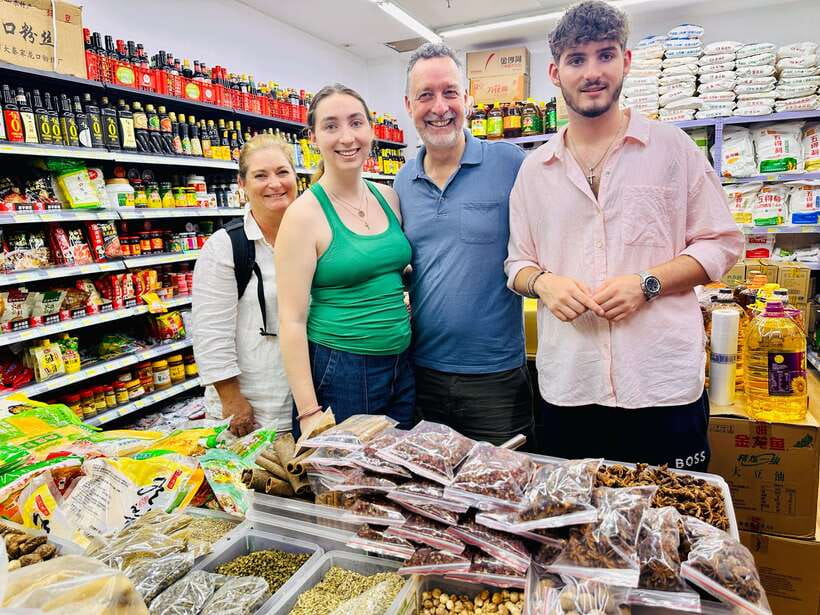
A few things will help you enjoy the experience more, even if your cooking skills are rusty.
Wear comfort first. You will be moving and working with food. If you can, choose clothes you can stand wearing for a couple hours without worrying.
Be ready to learn with your hands. Dumpling folding can be awkward at first. Do not get stuck trying to make perfect shapes in your first round. Your host will guide you, and speed comes later.
Bring an appetite and curiosity. The best moments come from asking simple questions while you cook and eat, especially during tea time. Your guide may be someone like May, Sonia, or Peter, depending on the group, and English support is part of the experience.
Also, check dietary requirements at booking. The experience notes you should advise dietary needs in advance, so the family can guide choices appropriately.
Should You Book This Dumpling and Wet Market Class?
I think you should book it if you want more than a dumpling photo. This is a great fit when you value ingredient context, hands-on cooking, and spending time in a local household setting.
Skip it if you have food allergies or you want a pure sightseeing day with long, steady walking routes. This is a food and family experience, so your schedule and energy should match that.
If you are on the fence, my advice is simple: plan a flexible afternoon and come prepared to cook. When you do, the market stop and the dumpling practice connect in a way that is hard to recreate on your own.
FAQ
Where is the meeting point?
You can meet at Subway line 10 at Shaoyaoju stop, at the exit of A. Hotel pickup is also listed as optional at a downtown hotel.
How long does the experience take?
It is listed as about 5 hours. Some timing may vary during the day.
Is it private or shared?
You can choose either a private option or a small-group option.
What is included in the price?
Included items are hotel pickup and drop-off, private transportation, a local family visit, a market tour, dumpling making experience, lunch or dinner with local dishes, and tea drinking.
Do you get to choose what to cook besides dumplings?
Yes. You can choose from options such as Kung Pao Chicken and Sour Sweet Pork, or other listed dishes like scrambled egg with tomato, sauteed soy sauce cabbage, and green bean pork.
Is this tour suitable for people with food allergies?
No. It is listed as not suitable for people with food allergies.
What should I bring?
Wear comfortable clothes. The tour also notes to bring ingredients.
More Workshops in Tianjin
- Beijing Calligraphy Class
★ 4.9 · 112 reviews - Chinese Calligraphy Class for Small Group
★ 5.0 · 104 reviews - Beijing: Dumpling Making Workshop with Meal and Tea
★ 4.7 · 69 reviews - Online Cooking Class Beijing Dumplings and Cuisine by Sunflowerli Renowned Chef
★ 5.0 · 65 reviews
More Shopping Tours in Tianjin
- Hong Kong: Kowloon Street Market & Food Culture Walking Tour
★ 5.0 · 105 reviews - Organic Chinese Dumpling Class with Market Walk
★ 5.0 · 88 reviews - Private Shanghai Shopping Tour with Local Shopping Guru
★ 5.0 · 68 reviews - Organic Xiao Long Bao Soup Dumpling Class & Market Walk
★ 5.0 · 62 reviews
Recently added around Tianjin
- Tianjin Cruise Port: Tianjin City Highlights Shore Excursion★ 5.0 · 8 reviews
- Private Great Wall Tour from Tianjin Cruise Port★ 5.0 · 8 reviews
- Private Transfer: Tianjin Xingang International Cruise Home Port to Beijing Hotel★ 5.0 · 6 reviews
Markets, compared.

Mini Group Xian Day Tour to Terracotta Army, City Wall, Pagoda and Muslim Bazaar
Read our review →
Half-Day Chengdu Cooking Class with a Local Market Visit
Read our review →
Shanghai Day Tour to Zhujiajiao Water Town, Yu Garden, Bazaar, Bund
Read our review →
Kowloon Street Market & Food Culture Walking Tour
Read our review →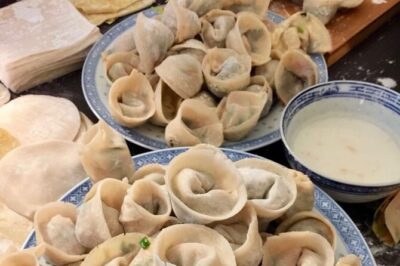
Organic Chinese Dumpling Class with Market Walk
Read our review →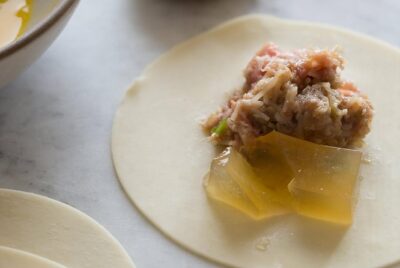
Organic Xiao Long Bao Soup Dumpling Class & Market Walk
Read our review →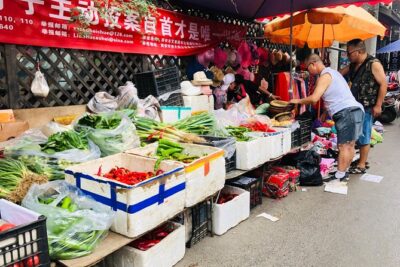
Half-Day Xi’an Biang Biang Noodles Cooking with a Market Visit
Read our review →
Browse the lists this tour appears in