
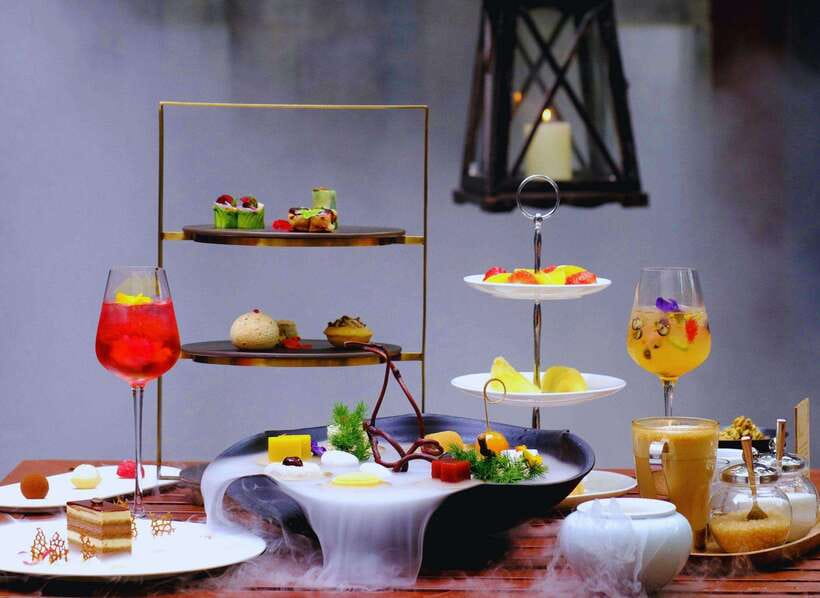
Reviewed · VEGAN & VEGETARIAN
Beijing: Top Michelin Vegetarian Restaurant Reservation
One smart reservation can upgrade Beijing. Jing Zhaoyin is a Michelin-recognized vegetarian restaurant near Tiananmen Square, the Forbidden City, and Yonghe Temple. What makes this experience stand out is that you get a smooth table plan, then sit down for a carefully designed menu built around plants, not compromise.
I especially like the way the cooking style leans low in oil, fat, sugar, and salt, while still aiming for full flavor. And I like that this restaurant is not just famous for food, it has been pulled into business and industry conversations, including a Harvard Business Review case study.
The main thing to think through is budget: the reservation helps with seating, but your actual meal cost is not included, and the average spend is about 1200 RMB per person.
In This Review
- Key things I would circle on your plan
- Jing Zhaoyin by Tiananmen Square: why this stop fits your sightseeing day
- Michelin Three Stars and the Green Star angle you should care about
- The restaurant philosophy: Joy, Harmony, and slow food with precious vegetables
- What you will taste: mushrooms, soy, vegetables, and whole grains
- Chef Gary and the training behind the style of cooking
- Your 2-hour reservation experience: how to make it feel unhurried
- Price and value: $7 reservation help versus about 1200 RMB for food
- Who should book this reservation, and who might not love it
- Should you book this Jing Zhaoyin reservation?
Key things I would circle on your plan
- Michelin Three Stars plus Michelin Green Star for sustainable and healthy concepts
- Harvard Business Review case study attention, which says a lot about operations and consistency
- Plant-forward menu built around mushrooms, soy products, vegetables, and whole grains
- Chef Gary’s background mixes Beijing roots with international training and plant science credentials
- A 2-hour visit window, so it fits cleanly into a sightseeing day
- Small group limit of 10 and wheelchair accessibility, which tends to make the experience feel calmer
Jing Zhaoyin by Tiananmen Square: why this stop fits your sightseeing day
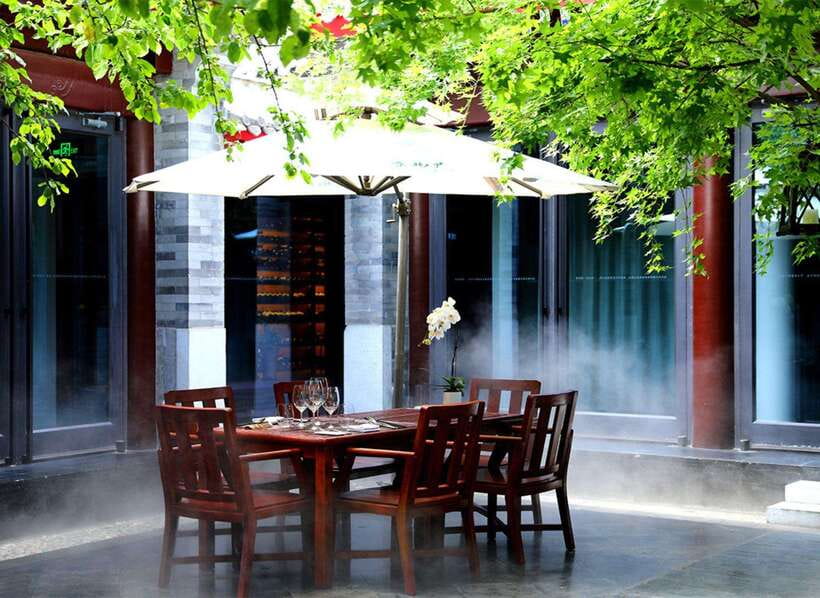
Jing Zhaoyin Vegetarian Restaurant is in a convenient Beijing zone, close to major landmarks like Tiananmen Square, the Forbidden City, and Yonghe Temple. That matters because vegetarian dining can be either a hassle to reach or a time-sink if you are trying to fit it between sights. Here, the location makes it easier to pair dinner with the historic core without adding a long detour.
The restaurant is open from 11:00 AM to 9:00 PM, which gives you flexible options. You can plan for a late lunch, a dinner slot, or even an afternoon tea style meal, depending on your day. With a 2-hour experience window, I like that it is long enough to enjoy a real meal, but short enough that you are not rushing your next stop.
One small practical note: the experience includes reservation service, not a guided museum-style route. So your time on site is mainly about food and pacing, not following a group schedule inside a building.
A few more Beijing days worth comparing
- Old Beijing Dinner Tour
★ 5.0 · 348 reviews - 4-Hour Private Illuminated Beijing Tour with Authentic Chinese Dinner on Hutong Street
★ 5.0 · 34 reviews - Din Tai Fung Dinner and VIP Class River Cruise Experience in Shanghai
★ 5.0 · 31 reviews
Michelin Three Stars and the Green Star angle you should care about
This is a Michelin heavy hitter, and the Michelin details matter for more than bragging rights. In the 2024 Beijing Michelin Guide, Jing Zhaoyin was awarded Michelin Three Stars, while also keeping its Michelin Green Star streak as a winner for the fourth consecutive year. The restaurant’s own positioning is clearly tied to sustainable and healthy living concepts, not just “lighter food.”
It also helps that the restaurant has been recognized as a leader in Chinese vegetarian cuisine and is described as a four-time global Michelin Four-Star restaurant. Even if you do not care about star math, what you are really buying is consistency, training, and a kitchen that is serious about technique.
Then there is the extra layer: Jing Zhaoyin was featured in a Harvard Business Review case study. That kind of spotlight usually points to something real about how the restaurant works day to day, not only what ends up on a plate. In practical terms for you, it is another signal that the place likely runs smoothly, manages quality, and builds repeatable results.
If you are choosing this in a city full of high expectations, these credentials reduce risk. You are not just guessing. You are reserving at a restaurant with multiple systems validating it.
The restaurant philosophy: Joy, Harmony, and slow food with precious vegetables
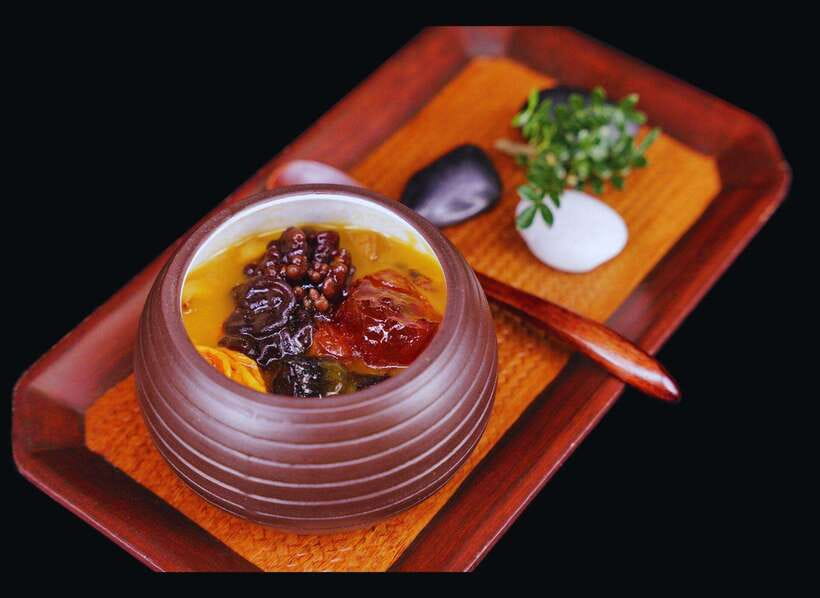
The food concept is guided by a philosophy called Joy, Harmony, and Slow Food with Precious Vegetables. I like seeing an actual named philosophy because it usually translates into what you taste. In this case, the focus is on original, pure, healthy vegetarian dishes that aim to capture the essence of nature.
What that means on the plate, based on the restaurant’s stated approach, is ingredient sourcing and cooking style. The restaurant carefully selects plant-based ingredients, emphasizing wild, organic, and green natural foods. And the kitchen uses methods described as low in oil, fat, sugar, and salt, plus higher fiber, and free from artificial additives.
For you, this is useful even before you order. When a restaurant openly commits to less oil and less salt, you can expect flavors to be built differently, often using technique, textures, and natural umami sources. It is the opposite of the “vegetarian food is bland” myth. It is also the opposite of a buffet where you eat to the edge of greasy.
If you are sensitive to salt or you want a meal that feels lighter after a day of walking, this approach is exactly the point.
What you will taste: mushrooms, soy, vegetables, and whole grains
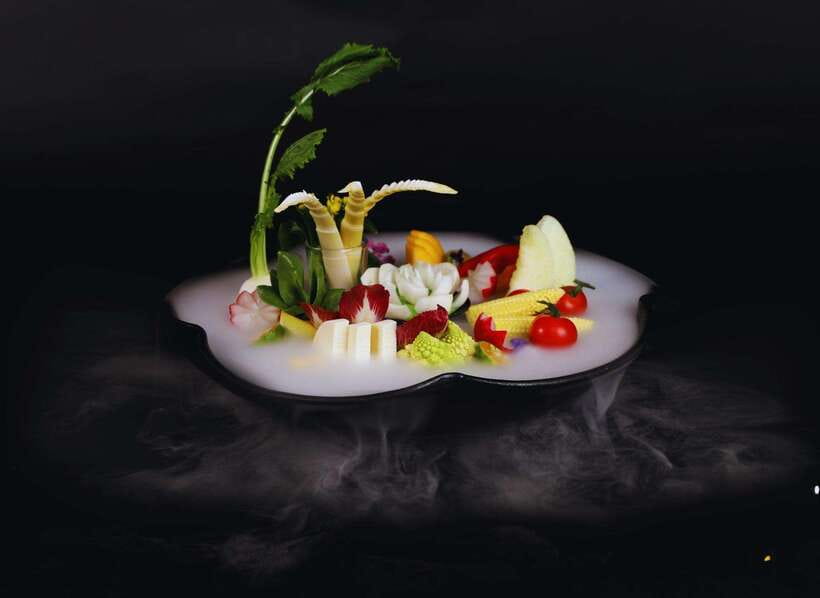
The menu themes are clear: mushrooms, soy products, vegetables, and whole grains. That mix is not random. It is a strategy that gives you variety in texture and flavor while staying vegetarian.
Here is how this typically plays for diners in a meal like this:
- Mushrooms bring deep savory notes and a meaty feel without meat. You often get a range, from tender to springy textures, which helps the meal feel interesting even if every course is plant-based.
- Soy products give you structure and richness, whether it is creamy, chewy, or firm. Soy also helps keep the meal satisfying when you are not eating animal protein.
- Vegetables add freshness and contrast, and they help balance the heavier savory elements.
- Whole grains bring a grounding effect, and they tend to help the meal feel complete rather than like an assortment of sides.
I would not expect a single “one-note” vegetarian meal. Based on the restaurant’s focus, you should expect a set of dishes that rotate through different plant categories, so you are tasting technique rather than just ingredients.
Also, because the cooking style is described as low in oil and free of artificial additives, your “fullness” is likely to come from fiber and flavor, not from heavy frying. That is great if you want to keep enjoying Beijing without feeling weighed down.
Same city, a very different kind of day:
- From Beijing: Mutianyu Great Wall Tours with Options
★ 4.9 · 9,216 reviews - Beijing: Forbidden City Tour(Group/Private)-Tickets Included
★ 4.8 · 7,974 reviews - Beijing: T-Square & Forbidden City Group or Private Tour
★ 4.8 · 4,446 reviews - Beijing: Mutianyu Great Wall Daily Tour with Ticket & Lunch
★ 5.0 · 3,056 reviews
Chef Gary and the training behind the style of cooking
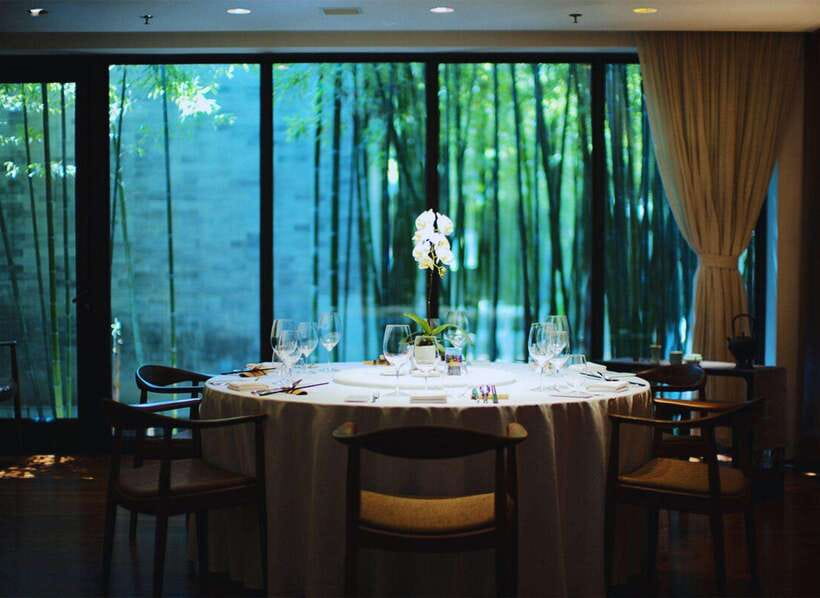
A restaurant like this often lives or dies by its head chef. Jing Zhaoyin’s head chef, Gary, has roots in Beijing and comes from a family with a rich culinary heritage. That family influence shows up in the restaurant’s emphasis on traditional Chinese vegetarian cooking philosophy.
What I find especially practical is Gary’s combination of culinary and science education. He holds a bachelor’s degree from the Rotman School of Management at the University of Toronto and an MBA from Glion Institute of Higher Education in Switzerland. He is also a WSET Level 2 certified sommelier, and he has credentials in nutritional science from the Department of Plant Sciences at Cornell University.
So what does that mean for you as a diner?
- The plant science background supports a kitchen that thinks about nutrition and how ingredients behave.
- The sommelier credential suggests the restaurant likely takes beverages seriously, even if your visit is mainly about food.
- The business education can translate into stable operations and consistent service standards.
You do not need to know any of those details to enjoy the meal, but it helps explain why this place has the reputation it does. It is not just “a vegetarian restaurant.” It is a chef-led system.
Your 2-hour reservation experience: how to make it feel unhurried
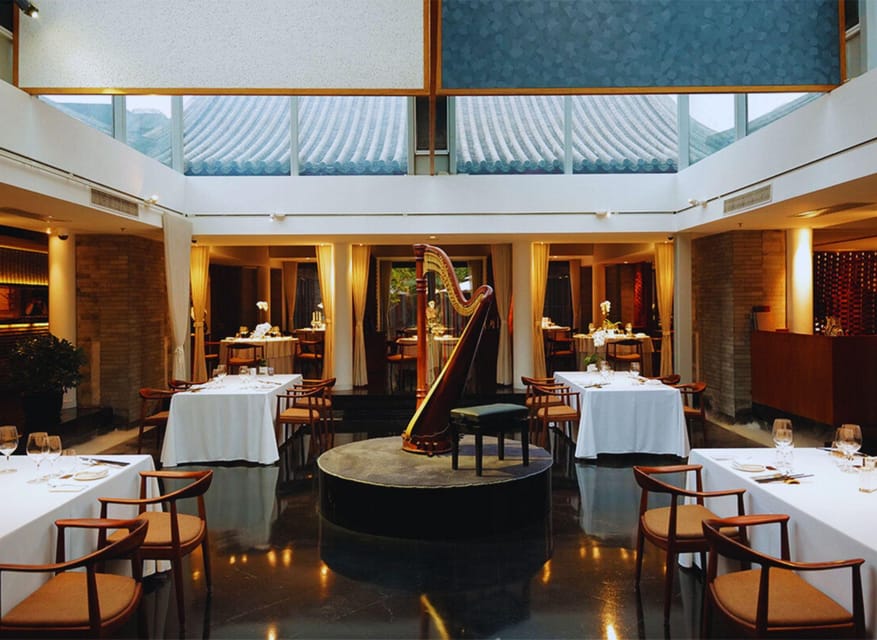
This reservation is designed for one clear purpose: you show up at your reserved time and get seated without the usual scramble. You are not buying a walking route or a timed tour inside the city sights. Instead, the experience is about enjoying your meal at a Michelin-recognized vegetarian restaurant in about 2 hours.
Because the experience is limited to a small group, up to 10 participants, you should expect a calmer rhythm. Even if you are dining as a couple, the group size detail matters because it usually means fewer moving parts for the restaurant and for the provider handling the reservation.
A good way to enjoy the meal is to treat it like a slow dinner, not a quick bite. If you arrive hungry, you might feel tempted to rush the menu. If you arrive at a comfortable pace, you get more value out of the flavor progression the kitchen is clearly aiming for.
The restaurant is also wheelchair accessible, which is a strong plus in a city where not every dining room is easy to navigate. And smoking is not allowed, which tends to make the dining room more pleasant for everyone.
Price and value: $7 reservation help versus about 1200 RMB for food
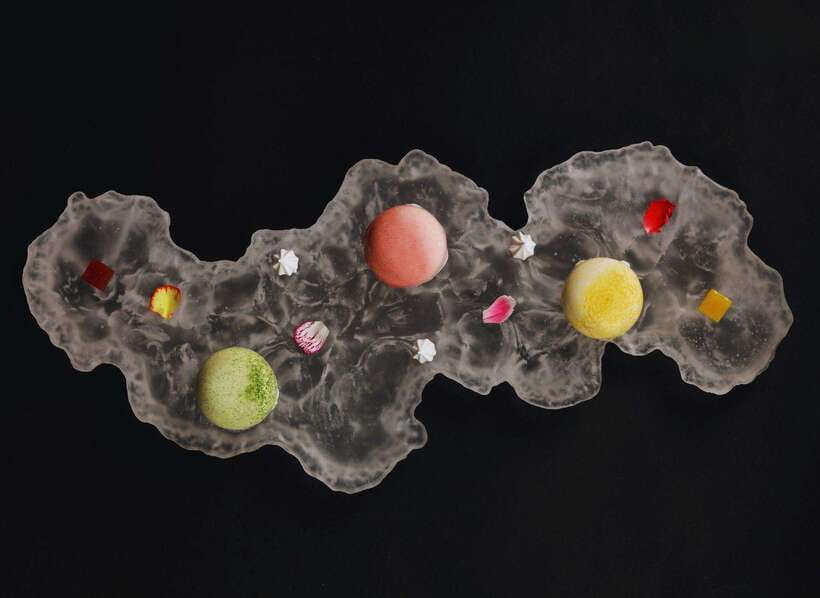
The activity price is listed as $7 per person, and the included service is the reservation itself for lunch, dinner, or afternoon tea. That part is the “value” you are buying. You are paying for fewer hassles, less waiting, and a better chance of getting the seat you want at a top restaurant.
But the dining tab is a separate story. The average spending is noted as around 1200 RMB per person, and dining expenses are not included. So when you compare this to other food experiences, you should think like this:
- The reservation fee is small.
- The meal itself is the main cost.
- You are paying for a Michelin-level, plant-forward, low-oil style cooking experience.
If you are already in the historic center for Tiananmen and the Forbidden City, and you want a vegetarian option that feels like a real special meal, the value can be excellent. You are not only eating, you are buying peace of mind and a high-quality outcome.
If your budget is tight or you are trying to keep the entire day to low-cost meals, then you might treat this as a “one big dinner” choice rather than a casual stop.
Who should book this reservation, and who might not love it
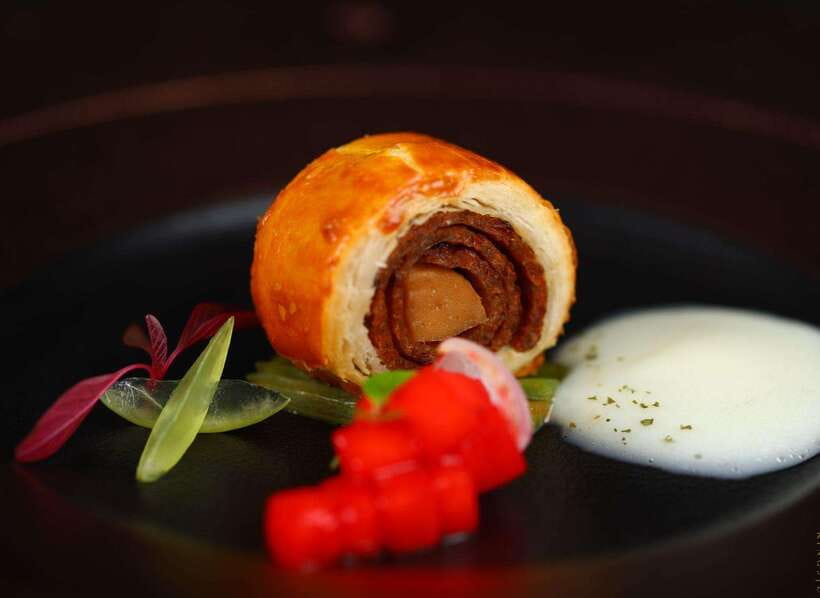
I think Jing Zhaoyin is a great fit if you:
- Want a high-end vegetarian meal in Beijing with Michelin-level credibility
- Care about ingredients and cooking style, especially lower oil and lower salt
- Prefer a dinner that does not leave you feeling overly heavy
- Plan to spend time near Tiananmen Square, the Forbidden City, or Yonghe Temple
It might not be the best pick if:
- You are looking for a bargain meal and do not want to plan for around 1200 RMB per person for the dining portion
- You expect a classic meat-focused Chinese banquet style meal, because the restaurant is vegetarian by design
One more practical thought: since this is a reservation service, your experience quality depends on arriving at your reserved time. If your schedule in Beijing runs late often, build in buffer time so you do not stress about the reservation window.
Should you book this Jing Zhaoyin reservation?
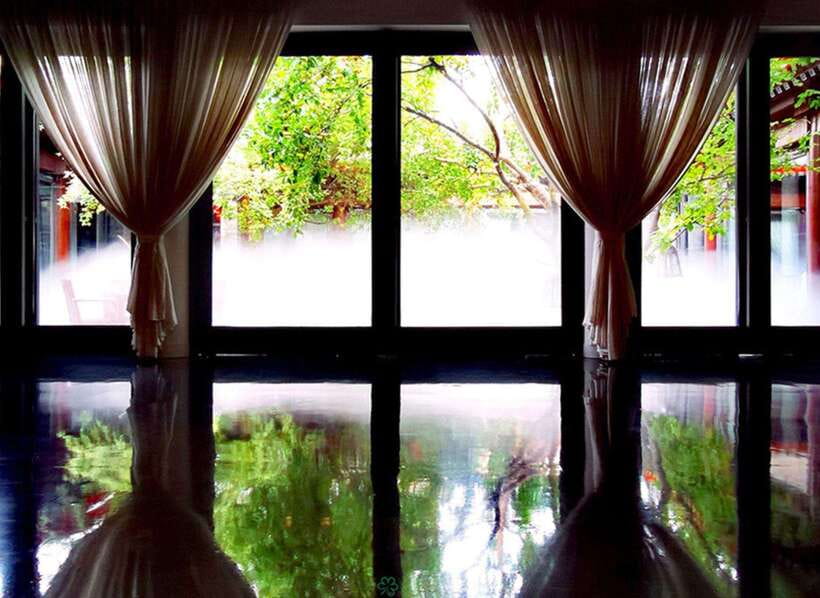
Yes, I would book it if you want a vegetarian meal that feels like a destination in its own right, and you value smooth seating more than anything. The combination of Michelin Three Stars, a sustained Michelin Green Star track record, and a Harvard Business Review case study signal real consistency, not just hype.
I would hesitate only if your budget cannot handle the average dining spend, since the reservation fee is not the biggest line item. If you can plan for a proper meal cost, this is a smart, low-friction way to do one serious Beijing dinner without the waiting game.
Recently added around Beijing
- Private Transfer to Mutianyu Great Wall with professional driver★ 5.0 · 19 reviews
- Wild Great Wall Hikes★ 5.0 · 10 reviews
- camp on the Great Wall overnight with sunrise and sunset on the wall★ 5.0 · 11 reviews
- Beijing: to Xi’an Terracotta Day Tour by Roundtrip Bullet Train★ 5.0 · 9 reviews
- Beijing Airport Layover Tour to Mutianyu Great Wall★ 5.0 · 4 reviews
- Private Wild Great Wall Hiking tour at Simatai (Challenging)★ 5.0 · 16 reviews
- Beijing: Mutianyu Great Wall and Tea House Private Tour★ 5.0 · 11 reviews
- Mutianyu Great Wall Private Round Trip★ 4.5 · 14 reviews
Vegan & Vegetarian, compared.
Half-day Private Panda Tour with Vegetarian Lunch in Nunnery
Read our review →
Make Soup Dumpling: Vegan or Pork in Shanghai Shikumen
Read our review →
Half-Day Walking Tour with a Vegetarian Lunch at a Nunnery
Read our review →
Vegan Home Cooking & Local Market Tour with Sanxia
Read our review →Browse the lists this tour appears in