
Reviewed · VEGAN & VEGETARIAN
Make Soup Dumpling: Vegan or Pork in Shanghai Shikumen
Making soup dumplings is part science.
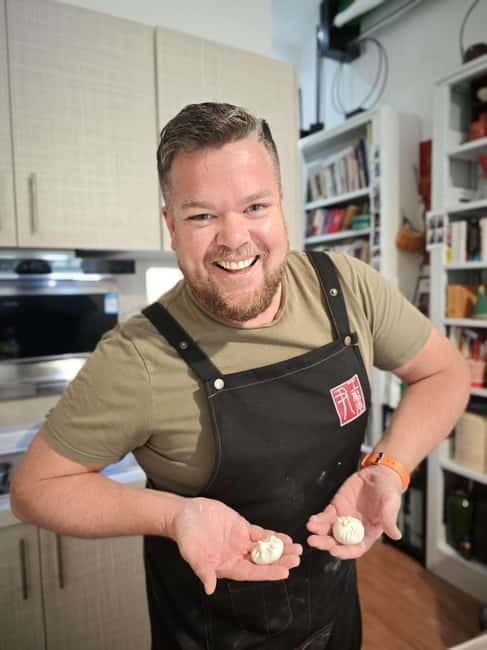
In this Shanghai Shikumen lane house cooking class, I like the fact that you get hands-on coaching from Chef Yin and practice the signature 18-fold pleat until it actually works. The biggest value for you is that it is not just theory, you shape, steam, and eat what you made right there. One possible drawback is the room location can be a little tricky to find, but you get a very specific description and may be met outside.
You also get a real fork in the road: make vegan xiaolongbao or pork xiaolongbao, then feast with black vinegar, ginger, and tea. If you want both, there is a dual filling add-on that extends the session by 30 minutes so you can do vegan and pork side-by-side.
In This Review
- Key points that matter before you book
- Where shikumen lane houses change the dumpling experience
- Chef Yin and the 18-fold pleat, where the class actually becomes yours
- Dough making and wrapper crafting: texture is the whole trick
- Picking your filling: vegan cooking vs. pork mixing (and what changes)
- Vegan option: cooked in class, built for umami
- Pork option: raw minced pork plus aspic for soup explosion
- Want both? The dual filling add-on
- Shaping and steaming: from folds to bamboo basket results
- Cultural tea notes and Shanghai food context in the lane house
- Price and timing: is $120 worth it?
- Who this fits best, and who should think twice
- Should you book this vegan or pork shikumen soup dumpling class?
- FAQ
- Can I choose vegan or pork xiaolongbao?
- Is the price for one filling or both?
- How long is the class?
- What happens during dough making and wrapper crafting?
- Do I cook the vegan filling in class?
- Is the pork filling raw before steaming?
- What do I eat at the end of the class?
- What is included in the class fee?
- What language is the instructor teaching in?
Key points that matter before you book
- Vegan OR pork xiaolongbao based on what you pick for filling
- Chef Yin teaches the 18-fold, with real-time corrections while you pleat
- Shikumen lane house kitchen gives the day a grounded Shanghai feel
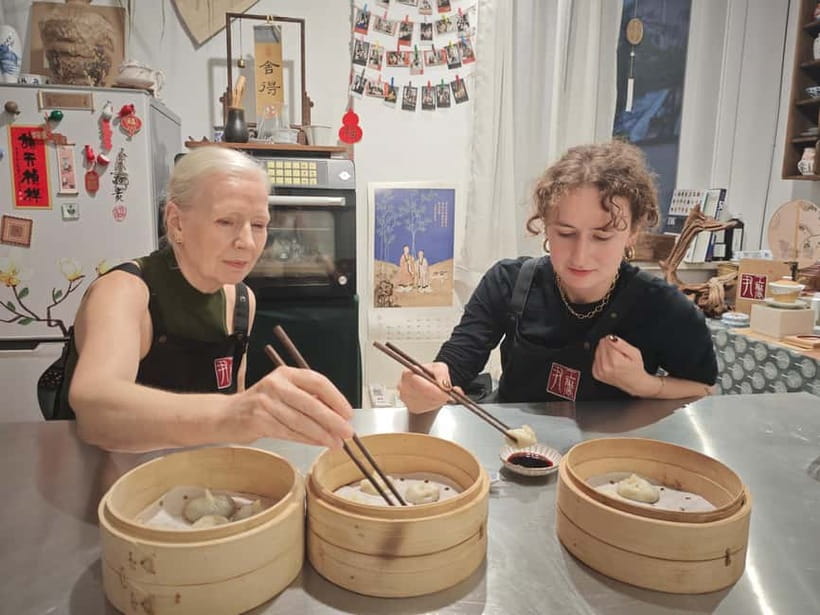
- Bamboo basket steaming right after shaping, with classic black vinegar and ginger
- Vegan filling is cooked in class, pork filling is mixed raw then steamed later
- Dual filling add-on (+$20 per person) gives you both styles with 30 more minutes
Where shikumen lane houses change the dumpling experience
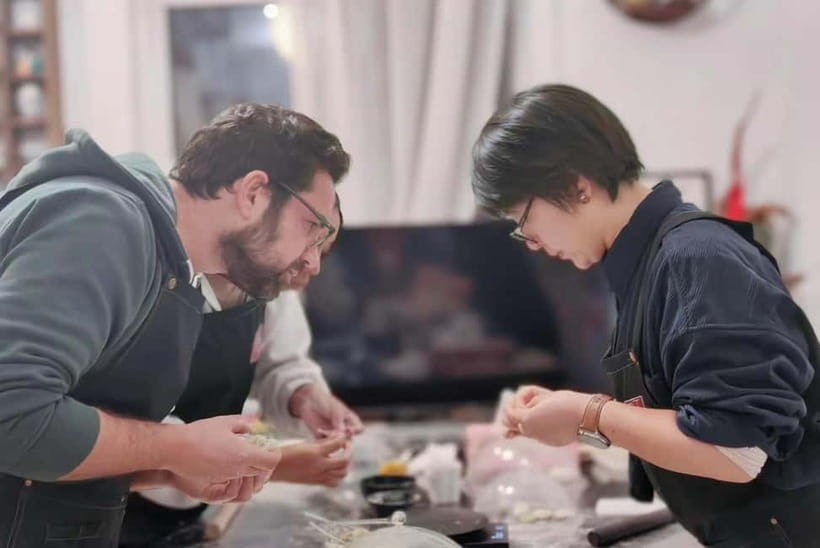
Shanghai can feel like a split screen, towering modern buildings on one side, older lane life on the other. This class happens in a historic Shikumen compound, so you are not learning dumplings in a sterile studio. You are working in a heritage lane house kitchen, with that old-school rhythm of a real household space.
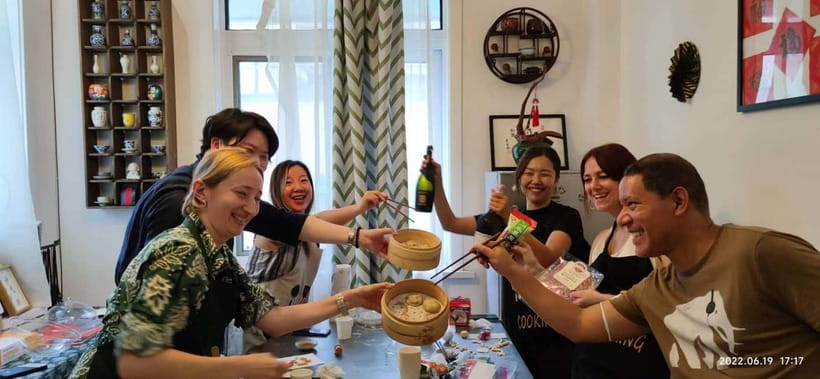
For me, the practical win is how it affects the pacing. When the setting feels lived-in, the class feels less like a performance and more like a careful cooking routine. Chef Yin also shares stories about tea and food history as you cook, which helps the dumpling feel like part of a bigger daily culture, not just a trendy dish.
The tradeoff is logistics. One review noted that the workshop room can be hard to find, even though it is in a central area with public transport. The good news is that you get a precise explanation with video, and you may be picked up at the street. Still, I recommend treating it like a hunt the first time, give yourself buffer time, and plan to arrive a bit early.
More food tours in Shanghai:
- Authentic Local Food Tour in Central Shanghai
★ 5.0 · 1,382 reviews - Shanghai: 3-Hour Local Food Tasting Tour
★ 4.9 · 806 reviews - Eat Like A Local: Shanghai Night Food Tour
★ 5.0 · 616 reviews
Chef Yin and the 18-fold pleat, where the class actually becomes yours
If xiaolongbao looks simple in photos, that is because the hard part is invisible. The soup only stays inside if you pleat and seal well, and you need to learn what “well” means in your hands.
Chef Yin’s coaching focuses on that exact moment where dumplings either hold their fill or leak. She helps you practice the iconic 18-fold pleating technique, guiding your fingers through twisting, sealing, and forming the crown shape. The key detail here is correction. You are not left with a vague tip like “fold more.” You get on-the-spot feedback, which matters because different people have different pressure, speed, and comfort level with dough.
The other thing I like is that the class builds skills in a logical order. You learn the dough and wrapper first, then you shape. That sequencing reduces frustration later. If the wrapper is too thick or too uneven, your pleats fight you. If the dough is too stiff or too loose, you cannot stretch and seal cleanly. By the time you reach the 18-fold stage, you have already set yourself up for success.
Dough making and wrapper crafting: texture is the whole trick
This is the part that separates “I made dumplings” from “I made soup dumplings.”
You start with dough making from scratch. Chef Yin demonstrates the water-to-flour ratio for that elastic texture that stretches without tearing. Then you knead and rest the dough with her guidance. Rest matters because it relaxes gluten, so the wrapper becomes workable instead of springy and stubborn.
Next comes wrapper crafting. You roll translucent, palm-sized wrappers using traditional technique. The class explains why thickness matters differently across the dumpling. Center thickness vs. thinner edges is not just about appearance. It is about soup retention, since the wrapper has to support the fold while sealing the rim effectively.
This is also where you will notice how careful instruction turns into confidence. If you have ever tried dumplings at home, you know how quickly things go sideways when you guess the texture. Here, you get a process you can repeat later, including the logic behind it.
Picking your filling: vegan cooking vs. pork mixing (and what changes)
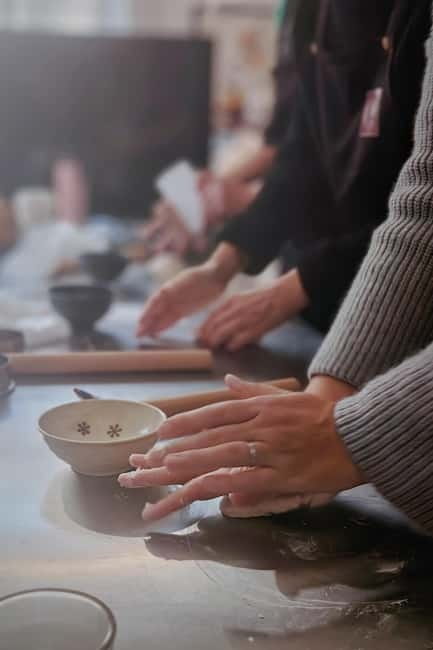
Your biggest decision is the filling choice. Base price includes one filling, and you can choose vegan OR pork xiaolongbao.
A few more Shanghai days worth comparing
- Zhujiajiao Water Town and Shanghai City Private Day Tour
★ 5.0 · 1,016 reviews - Private Shanghai Full Day City Tour with Old and New Highlights
★ 5.0 · 995 reviews - Shanghai: Hop-on Hop-off Bus Ticket and Optional Attractions
★ 3.4 · 692 reviews - Shanghai Private Tour: Zhujiajiao Water Town and Boat Ride
★ 5.0 · 661 reviews
Vegan option: cooked in class, built for umami
For vegan dumplings, you cook an aromatic filling from scratch. You sauté mushrooms and vegetables in umami-rich broth, and this part requires in-class cooking. The advantage for you is control. You get to taste and see how the filling comes together before it ever hits the wrapper.
That said, vegan xiaolongbao can be a little different in the final soup experience compared with pork. If you are chasing the classic, heavy soup payoff, you might find the pork version more satisfying. Still, the vegan option is a great match if you like savory depth and want a dumpling that feels lighter.
Pork option: raw minced pork plus aspic for soup explosion
For pork dumplings, you mix raw minced pork with ginger, scallions, and aspic, which is gelatinized broth. Then you steam safely later.
This matters because aspic is the key to that liquid you bite into after steaming. The raw mixing is handled as part of the class system, so the best advice is to follow Chef Yin’s process closely and treat raw ingredients with normal kitchen hygiene. Once the dumplings steam, the aspic sets into the soup texture you want.
Want both? The dual filling add-on
If you add the dual filling option (+$20 per person), you extend the session by 30 minutes and make both vegan and pork dumplings side-by-side. This is a smart add-on if you are traveling with someone who wants a different filling, or if you simply want a head-to-head taste test.
Shaping and steaming: from folds to bamboo basket results
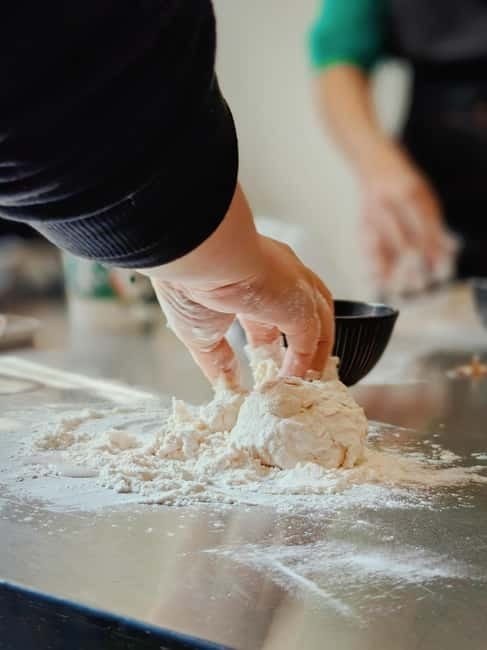
Once the wrappers and filling are ready, you shape the dumplings and seal them with the 18-fold pleat. Chef Yin stays close, correcting your technique in real time so the dumpling holds its soup.
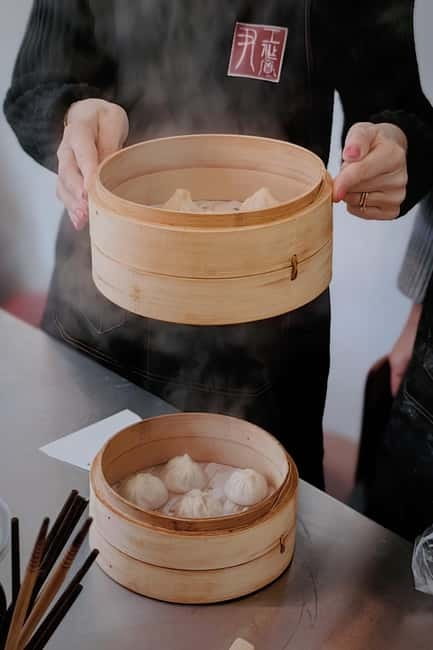
Then comes steaming. You place the dumplings in bamboo baskets and steam them until ready. There is something satisfying about bamboo steamers because they signal you are in the classic kitchen world. It is also a good way to keep expectations realistic: you are cooking with careful timing and gentle heat, not microwaving shortcuts.
After steaming, you get to feast right away. You eat your dumplings with black vinegar and ginger, plus tea. That pairing is not random. Vinegar adds brightness, ginger adds warmth, and tea helps reset your palate between bites.
Another practical win: you take home recipes. Even if you do not nail the pleats immediately, you will have the instructions to try again at home without guessing ratios.
Cultural tea notes and Shanghai food context in the lane house
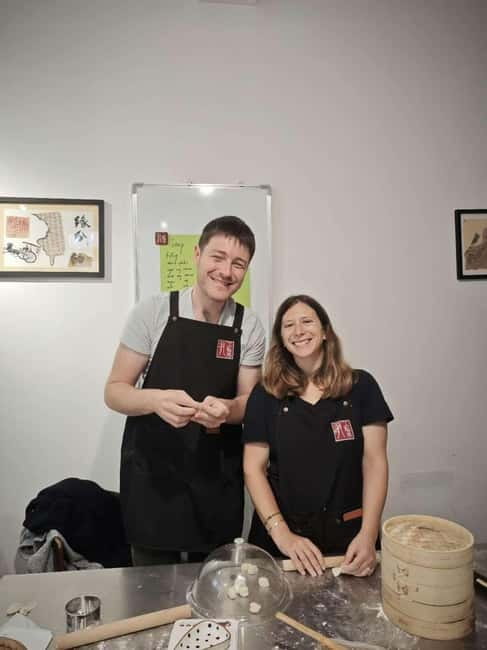
Cooking classes can become all technique, no meaning. This one gives you more texture than just dumpling math.
Chef Yin shares tea tasting and food history of China with a Shanghai lens. In a Shikumen lane house setting, that storytelling lands better. You are hearing why certain flavors, habits, and tools matter while you are using them. It is the kind of context that helps you understand dishes as living traditions, not museum pieces.
I also appreciate that the instruction is delivered in English, Japanese, and Chinese, so you can follow cooking steps clearly even if your Chinese is limited. That language support reduces the biggest risk in classes like this, misreading one step and ruining dough texture or sealing.
Price and timing: is $120 worth it?
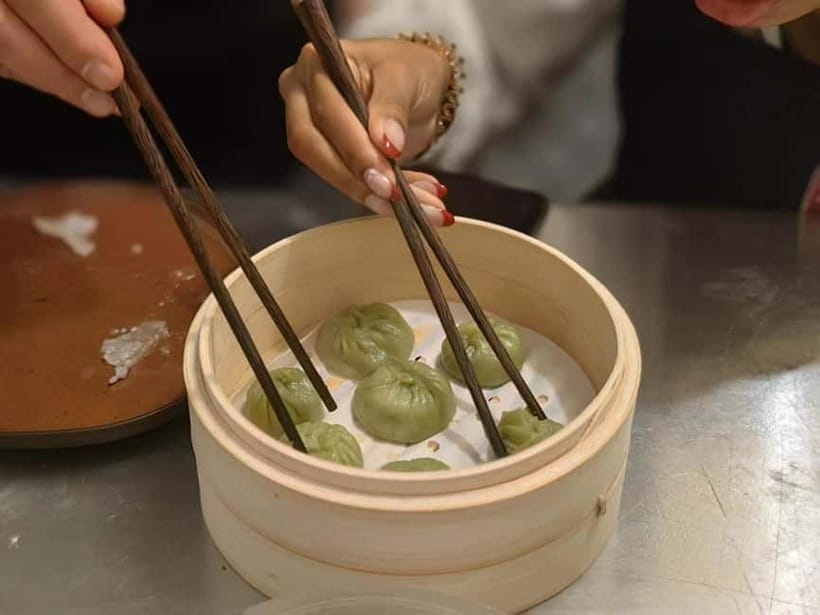
At $120 per person for a 2.5 hour class, the key question is what you get for the money, not just the sticker price.
Here is what you are paying for:
- Full hands-on instruction for dough, wrappers, filling, and pleating
- Chef Yin coaching the 18-fold technique with corrections
- Steaming and tasting your own dumplings in the same session
- Good quality tea and a studio gift
- A process you can replicate at home with take-home recipes
- The choice of vegan or pork filling (and an option to do both)
This is not a quick demo. It is a skill-building workshop where the main output is your dumplings, plus a learnable method. The optional dual filling add-on is +$20 per person for 30 extra minutes. For people who want variety, that price can be a good deal because you are effectively adding an entire second filling workflow, not just tasting.
Two timing notes I suggest you plan around:
- If you are coming hungry, the class takes time and you may wait to eat. One tip from a past participant was to grab something beforehand, so you do not start the class starving.
- If you choose dual filling, the extra 30 minutes makes your day longer, so do not schedule tight plans right after.
Who this fits best, and who should think twice
This class is a strong match if:
- You like hands-on cooking and want real technique, especially the pleat and sealing
- You want an authentic Shanghai-feeling setting in a Shikumen lane house kitchen
- You are comfortable choosing between vegan and pork, or adding the dual option
- You want a class where tea and cultural notes are part of the experience, not a side decoration
You might think twice if:
- You hate any chance of route finding. The room can be a bit hard to locate, but the provider gives detailed instructions and may meet you outside.
- You are expecting effortless soup dumpling results with no practice. The whole point is learning to make it hold the soup, and that takes repetition.
Should you book this vegan or pork shikumen soup dumpling class?
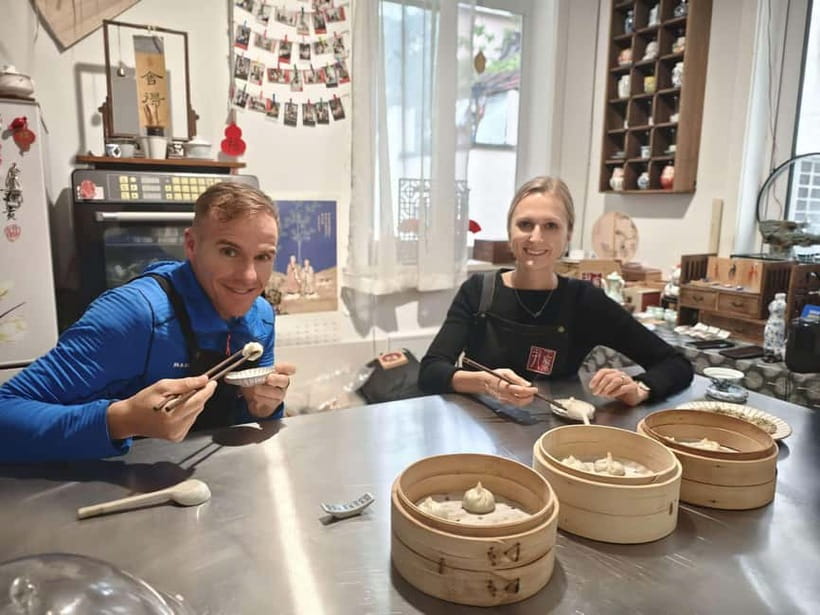
Yes, if you want more than a plate. This is one of those experiences where the value is in the “how,” not just the food. Chef Yin’s direct coaching on the 18-fold technique is the centerpiece, and the Shikumen lane house setting adds a layer of real Shanghai atmosphere.
I would book it for:
- A first-time xiaolongbao lesson when you want clear instruction
- A vegan-focused trip, because vegan filling is cooked in class and not treated as an afterthought
- Pork lovers who want the classic soup texture, with aspic for that liquid bite
I would maybe skip or choose carefully if:
- You are very sensitive to finding a venue and cannot handle meeting on the street
- You want the biggest soup impact no matter what and are leaning vegan, since vegan fillings can land a bit lighter depending on preferences
If you go in with patience, you will leave with a skill you can repeat and recipes you can actually use. And if you add both fillings, you also get a fun, practical comparison you cannot do at home without a lot of extra work.
FAQ
Can I choose vegan or pork xiaolongbao?
Yes. The base class lets you choose either vegan or pork filling, and you make dumplings based on that choice.
Is the price for one filling or both?
The base price includes materials and tools for one filling. Making both fillings is available as an add-on (+$20 per person).
How long is the class?
The class is listed as 2.5 hours. If you choose the dual filling add-on, the session is extended by 30 minutes.
What happens during dough making and wrapper crafting?
You start by making the dumpling dough from scratch with Chef Yin’s guidance on the water-to-flour ratio, then knead and rest it. You also roll traditional translucent wrappers and learn how thickness affects soup retention.
Do I cook the vegan filling in class?
Yes. The vegan filling is prepared from scratch and requires in-class cooking.
Is the pork filling raw before steaming?
Yes. The pork option uses raw minced pork mixed with ginger, scallions, and aspic, and then the dumplings are steamed later.
What do I eat at the end of the class?
After steaming, you eat your dumplings with black vinegar and ginger, paired with tea.
What is included in the class fee?
Included are all materials and tools needed for your chosen filling, good quality tea, and a studio gift.
What language is the instructor teaching in?
The instructor offers instruction in English, Japanese, and Chinese.
Recently added around Shanghai
- Suzhou Private Guided Day Trip from Shanghai by Bullet Train★ 5.0 · 46 reviews
- Suzhou and Zhujiajiao Private Guided Day Trip from Shanghai★ 5.0 · 27 reviews
- Shanghai:Old Town, Yu Garden, Zhujiajiao Water Town Bus Tour★ 4.7 · 16 reviews
- Shanghai: Yu/Yuyuan Garden Entry Ticket–E ticket★ 4.4 · 24 reviews
- Shanghai: Zhujiajiao Water Town with Calligraphy Experience★ 5.0 · 17 reviews
- Shanghai: Yu Garden Entry Ticket with PDF Guidebook★ 4.1 · 45 reviews
- Shanghai: Yuyuan, City God Temple Old City Tour-Tip Based★ 5.0 · 10 reviews
- Shanghai: Wild Animal Park Ticket★ 4.9 · 43 reviews
Vegan & Vegetarian, compared.
Half-day Private Panda Tour with Vegetarian Lunch in Nunnery
Read our review →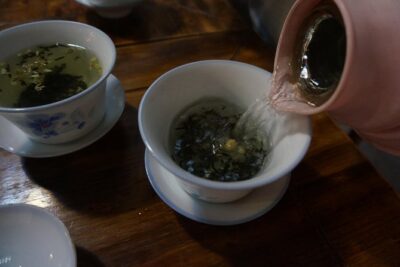
Half-Day Walking Tour with a Vegetarian Lunch at a Nunnery
Read our review →
Vegan Home Cooking & Local Market Tour with Sanxia
Read our review →Browse the lists this tour appears in