
Reviewed · COOKING CLASSES
Beijing: Vegan Home Cooking & Local Market Tour with Sanxia
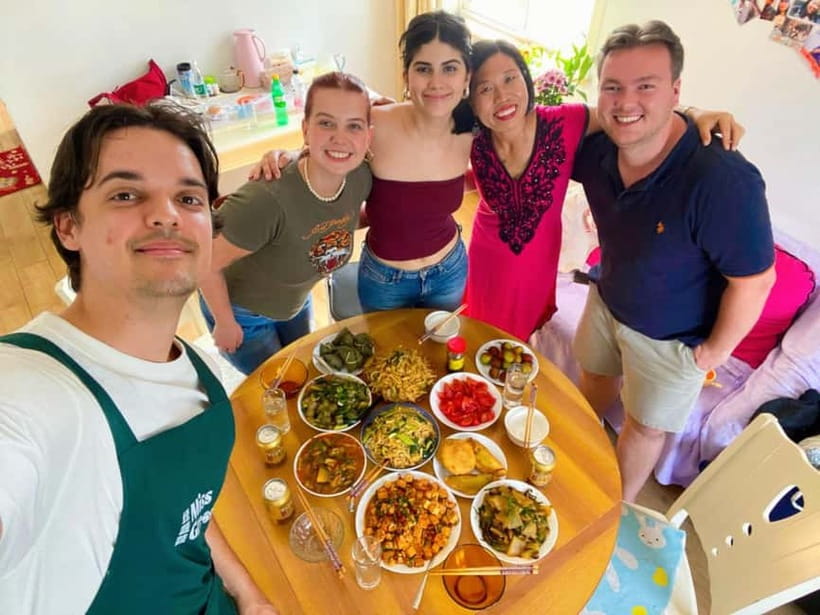
Vegan Beijing cooking feels personal. You meet Sanxia in Tongzhou, shop for fresh plant-based ingredients, then cook and eat in her home, with tea and local stories threaded through the whole afternoon.
What I love most is the hands-on market shopping. Picking seasonal vegetables, tofu, grains, mushrooms, and herbs with your host makes the food taste better, and it also explains how Chinese-style eating overlaps with plant-based traditions.
One thing to plan for: transportation is on you. The tour meets near Tu Qiao in Tongzhou, and the timing runs about 4 to 6 hours depending on your group.
In This Review
- Key highlights worth your time
- Meeting Sanxia in Tongzhou, near Tu Qiao
- Shopping at a local organic market for real Chinese vegan ingredients
- Cooking hands-on in Sanxia’s cozy Beijing home kitchen
- Tea ceremony timing and vegan dim sum breaks
- The meal: colorful seasonal dishes, dumplings, noodles, and millet porridge
- Stories, Beijing everyday life, and travel talk with Sanxia
- Xiangshan Fragrant Hills souvenir, plus photos and videos
- Price and value: what you get for about $47 per person
- Who should book this vegan home-cooking tour
- Should you book this Beijing vegan cooking with Sanxia?
- FAQ
- Where is the meeting point for the tour?
- How long does the experience take?
- Is the tour private or group-based?
- What languages are available?
- What do I need to bring?
- Is transportation included?
Key highlights worth your time
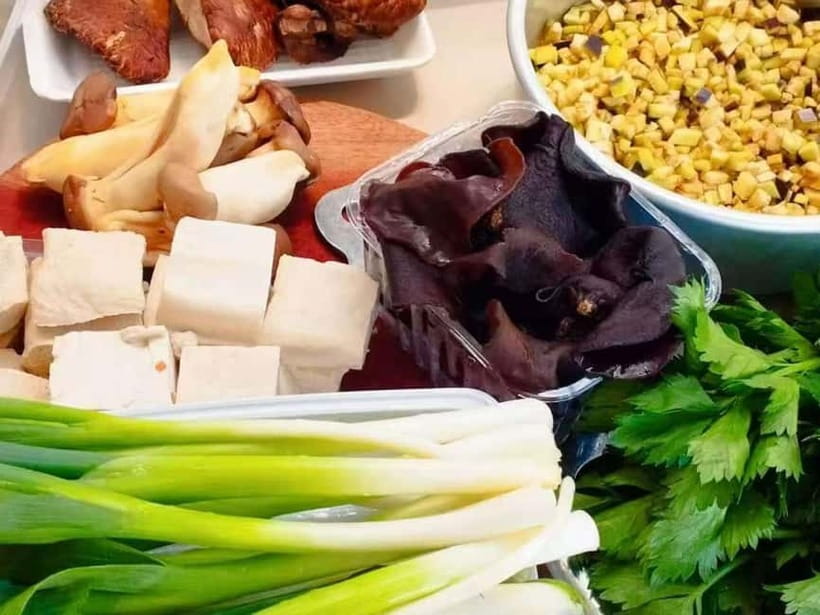
- Fresh ingredient market walk with Sanxia, focused on everyday plant-based staples like tofu, grains, mushrooms, and herbs
- Hands-on dumplings and noodles cooking, plus seasonal Chinese dishes that change with what’s best that time of year
- Tea ceremony breaks while food cooks, with red, green, and white teas and homemade vegan dim sum
- Real-home meal and conversation, including travel stories and practical talk about living in Beijing
- Fragrant Hills Xiangshan souvenir, a handmade bookmark, plus professional photos and videos of your experience
Meeting Sanxia in Tongzhou, near Tu Qiao
This tour starts in Tongzhou, and it’s built around meeting your host, Sanxia, and getting oriented fast. You’ll link up near Tu Qiao subway station, then head to the cooking space in her area. If you prefer clear landmarks, the Tongzhou neighborhood setup here is helpful, because everything centers on that local pocket of the city rather than bouncing around to multiple sights.
Because it’s a private group for 1 to 8 people, the vibe is relaxed. You won’t feel like you’re being rushed through a checklist. Instead, you can ask questions as they come up, from ingredient choices at the market to how Chinese households actually organize a meal and dinner schedule.
The session runs about 4 to 6 hours, often with both lunch and dinner options available. That matters because you’re doing more than tasting food. You’ll be shopping, cooking, eating, and chatting, so plan it like a small day activity, not a quick snack.
Also note the practical stuff: comfortable clothes help for market walking and kitchen work. Smoking is not allowed during the experience, so come prepared for a clean, simple schedule.
More Market Tours in Beijing
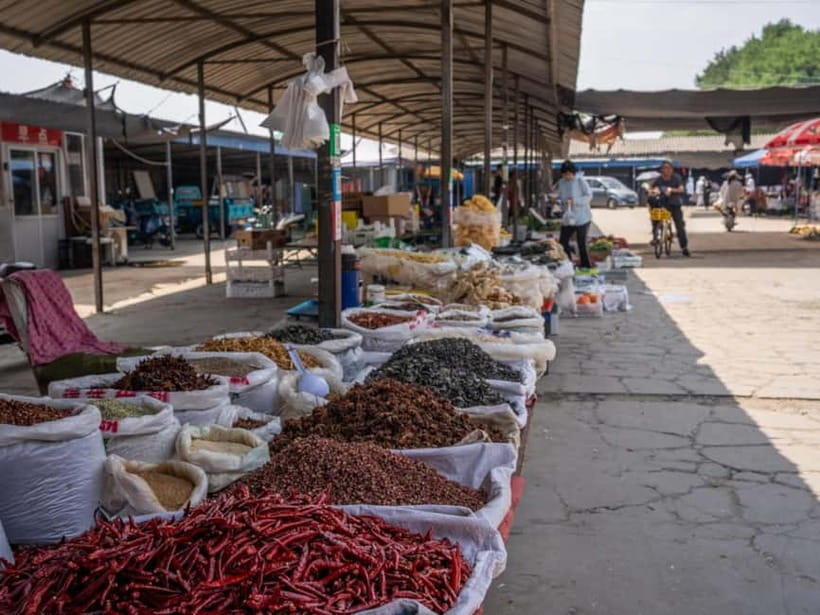
Shopping at a local organic market for real Chinese vegan ingredients
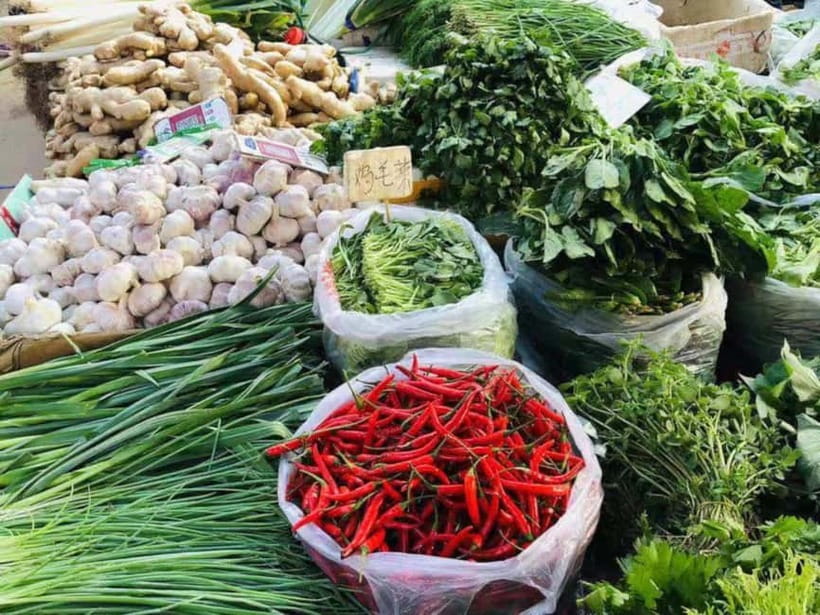
The market stop is the part that turns “vegan cooking” from a concept into a set of flavors you can name. With Sanxia, you handpick seasonal vegetables and key plant-based ingredients you’ll use later, including tofu, grains, mushrooms, and herbs. You’re not just buying random produce. You’re choosing ingredients that fit traditional Chinese cooking methods and home meal logic.
What I like about this approach is how grounded it feels. Instead of treating plant-based food as a trend, Sanxia frames it as part of Chinese food culture. You learn how ingredients like tofu, mushrooms, and grains show up naturally in Chinese kitchens, which makes the recipes easier to understand when you’re cooking them later.
You’ll also pick up a feel for how the market environment shapes the menu. Chinese home cooking depends heavily on season and what looks best that day, so you can expect the final dishes to reflect that. If you’ve ever cooked at home and wondered why restaurant versions taste different, this is where you get the answer.
Practical tip: bring curiosity. When you see herbs or mushrooms you don’t know, ask what they’re used for. Even if you only catch the basic idea, you’ll remember the flavor profile when you cook later. And if you like taking notes, the market is where it pays off most.
Cooking hands-on in Sanxia’s cozy Beijing home kitchen
Once you’re done selecting ingredients, you head to Sanxia’s apartment for the main cooking session. This is where the experience earns its keep. It’s not a demo where you watch and clap. You’re doing the cooking with guidance, and the kitchen rhythm feels like a real household.
The class focuses on traditional Chinese dishes in a vegan, plant-based format. Expect hands-on work that can include handmade dumplings and noodles, plus steamed buns and stir-fried vegetables. There’s also a sweet comfort-food option in the mix, like millet porridge, depending on what the menu is for your session.
The best part is that menus vary by season and guest preference. That means you might not get the exact same lineup as someone else, but you will get the skills: how to shape, how to balance, and how to adjust based on ingredient availability. You’ll also learn why certain plant-based textures work so well in Chinese cooking, from tofu to the way vegetables cook down in stir-fries.
What to expect in your workflow:
- You’ll likely start with prep, like cleaning and cutting vegetables and portioning ingredients.
- Then you’ll move into key techniques tied to each dish, like dumpling assembly or noodle handling.
- As dishes cook, you’ll pause for tea and vegan bites rather than getting stuck in one long stretch.
One more note: you get English or Chinese instruction. If you’re not fluent, don’t worry. The experience is designed for conversation, and cooking steps are usually practical and repeatable, so you can follow along even when your vocabulary is limited.
Tea ceremony timing and vegan dim sum breaks
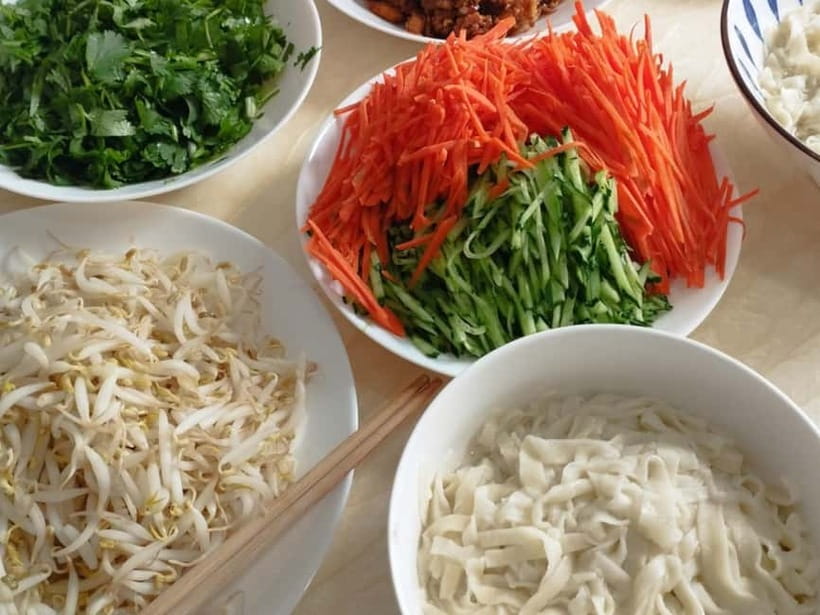
A lot of food tours have nonstop movement. This one breaks the pace on purpose. While your main dishes cook, you’ll enjoy a tea ceremony with red, green, and white teas, along with homemade vegan dim sum.
This is more than a nice intermission. Tea helps you reset your palate while you’re actively working in the kitchen. It also gives context to the meal, since Chinese dining often includes tea as part of the overall experience, not as an afterthought.
If you like learning by doing, treat the tea tasting like a map. Notice how the flavors shift from one cup to the next. Then when you return to eating the dumplings, noodles, or vegetables, you’ll understand why certain teas pair well with savory, starchy, or aromatic dishes.
And because you’re cooking at home, you’ll see how the schedule fits together. Dishes don’t all cook at once, so tea and dim sum function as a timing tool too. It keeps things calm, and it prevents the classic cooking-class problem where everyone eats way too late.
More Shopping Tours in Beijing
- Private Beijing Shopping Tour
★ 5.0 · 8 reviews - Private Full Day Beijing Shopping Tour
★ 5.0 · 7 reviews - 4-Day Beijing Tour: Best Private Package with No Shopping Stops
★ 5.0 · 7 reviews - Private Tour to Pearl Market Acrobatic Show & Peking Duck Dinner
★ 5.0 · 5 reviews
The meal: colorful seasonal dishes, dumplings, noodles, and millet porridge
When it’s time to sit down, you’re eating what you made, as a shared home meal. The menu can include handmade dumplings, steamed buns, sesame noodles, stir-fried vegetables, and millet porridge. On top of that, there are usually colorful seasonal dishes, shaped by whatever produce Sanxia picked with you earlier.
Here’s what makes this part satisfying: the meal is cohesive. You don’t just get one dish and call it a day. You’ll likely experience a mix of textures, from dumpling softness to noodle bite, plus vegetables that taste like they were chosen for today, not for a menu template.
The sesame noodle-style dish (often paired with a rich sesame flavor) gives you that familiar Chinese comfort. The stir-fried vegetables add brightness and balance. And if millet porridge is on the menu, it shifts the meal toward something gentler, often more soothing than heavy comfort foods.
If you’re traveling solo or as a couple, this shared table can feel like the easiest way to meet the host and talk without forcing conversation. The home-meal format naturally creates space for storytelling.
And yes, it’s vegan. The dishes are plant-based, so you can enjoy them without needing substitutions at a restaurant level. If you’re not strictly vegan, you’ll still likely appreciate the way Chinese cooking handles flavor building without meat or dairy as a default.
Stories, Beijing everyday life, and travel talk with Sanxia
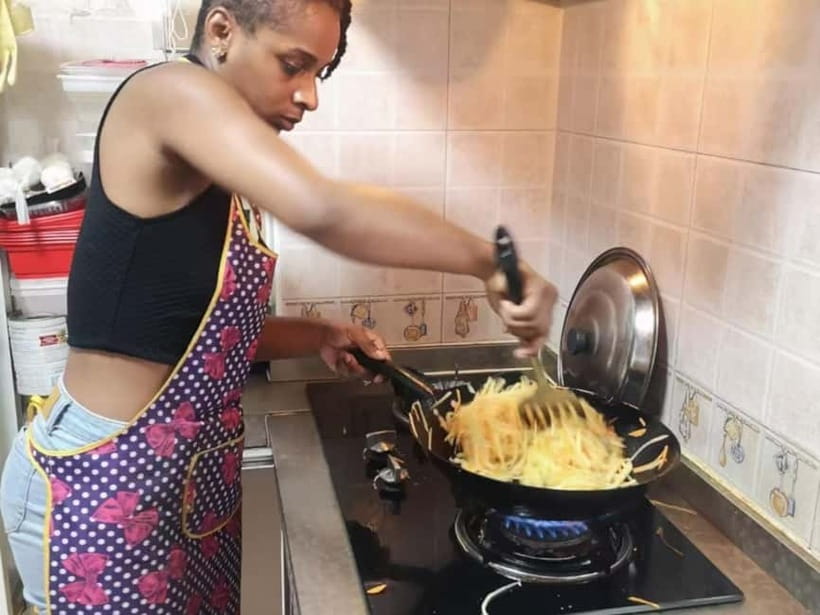
Food is the doorway, but conversation is the glue. Sanxia shares stories alongside the cooking. One standout theme is travel. In earlier sessions, she has shared travel experiences across 30+ countries, and that kind of perspective makes the meal feel like a living exchange, not a staged performance.
It’s also a window into everyday life in Beijing. You’ll talk about local routines and how plant-based living fits into daily habits, not just into restaurants. If you like learning how people actually live, that’s the real payoff here.
There can also be friendly company beyond just Sanxia. In one earlier group, her boyfriend Jürgen and friends joined in the conversation and meal atmosphere. That kind of warm, informal energy is exactly what makes a home-cooking format work better than a big class.
If you want the best conversation, ask simple, grounded questions. What ingredients does Sanxia use most at home? How does the market choice influence cooking? What tea does she prefer on different meal days? Your questions will help shape the discussion naturally, since the host is used to mixing language and food talk.
Xiangshan Fragrant Hills souvenir, plus photos and videos
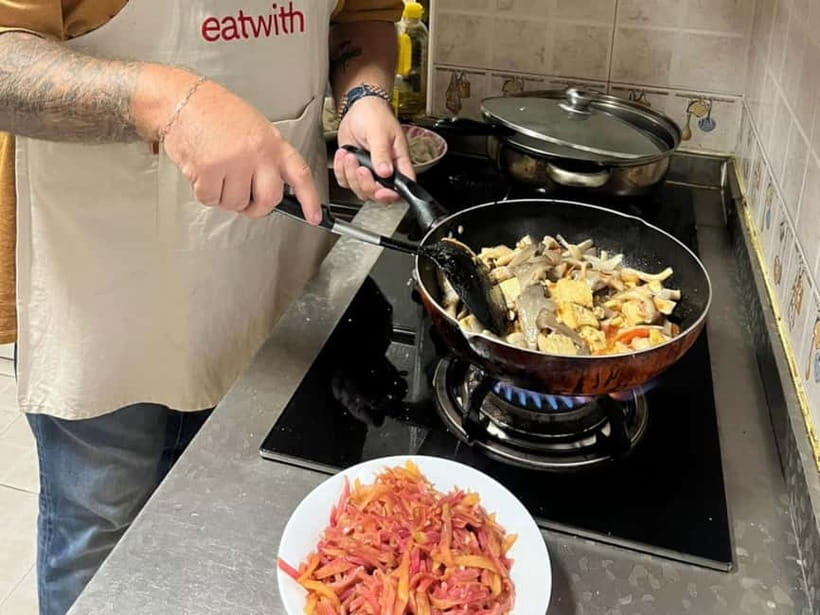
You leave with more than skills and recipes. You get a handmade bookmark connected to Fragrant Hills, Xiangshan, which gives the experience a sweet, personal memory you can actually use.
On top of that, you’ll receive free professional photos and videos of your time. That matters because cooking and eating move fast. You’re focused on shaping dumplings, timing dishes, and keeping everything together. The photo package helps you remember the details without needing to constantly point your camera at everything.
This is a small touch, but it’s one of those value points that many food experiences skip. A good souvenir is not about something flashy. It’s about a reminder that feels tied to the day you had.
Price and value: what you get for about $47 per person
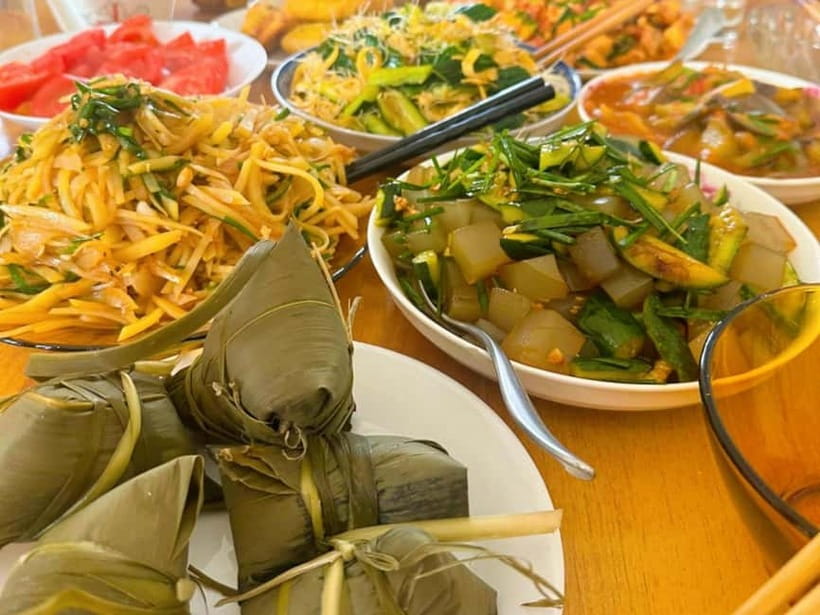
At $47 per person for a 4-hour experience, this can be a strong deal if you care about process, not just the final plate. The cost is largely paying for three things at once: the guided market walk, the hands-on cooking instruction, and the full meal plus tea.
Here’s the value breakdown based on what’s included:
- Guided market time for fresh plant-based ingredients
- Hands-on vegan cooking class
- The meal you prepare
- Tea tasting with multiple tea types
- A handmade bookmark souvenir
- Professional photos and videos
Transportation is not included, so add that cost in your planning if you’re coming from outside Tongzhou. But if you’re already in the area, or you don’t mind paying for a subway ride, it helps keep the overall experience affordable.
Also, the duration can extend to 4 to 6 hours depending on group size. If you’re someone who likes a relaxed, longer social meal rather than a strict clock, that’s a plus. You’re not just buying recipes. You’re buying time with a local host and a full, satisfying dinner experience.
Who should book this vegan home-cooking tour
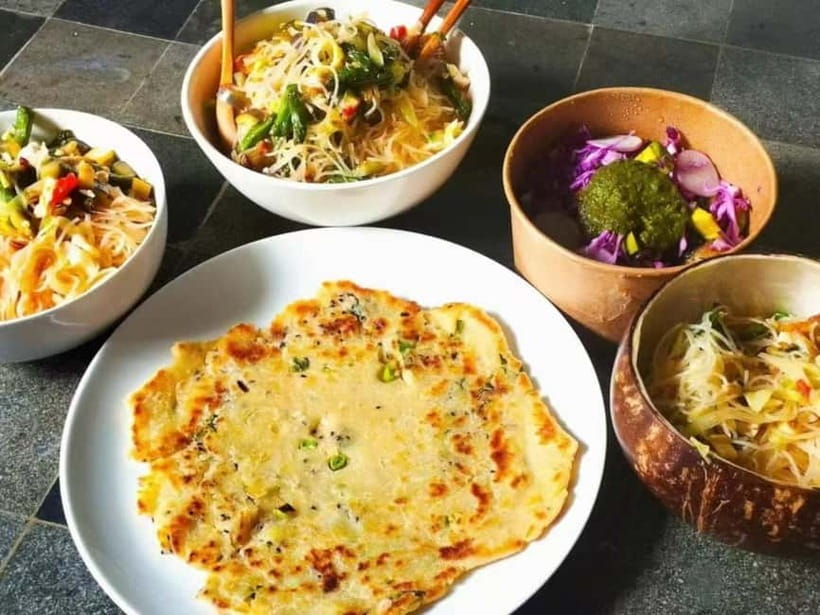
This works best if you like real neighborhood experiences and hands-on food. I’d also book it if you want a vegan-friendly way to understand Chinese cooking without needing to translate every detail yourself.
Ideal fits include:
- Solo travelers who want a friendly table and conversation built in
- Small groups that want a private, low-stress activity
- Vegans and vegetarians who want traditional Chinese dishes made plant-based, not reinvented in a Western way
- Food lovers curious about dumplings, noodles, steamed buns, and tea culture
If you’re short on time, this might feel like a lot, since it’s not a 90-minute tasting. But for a half-day slot, it’s a practical use of your time in Beijing, especially because you get both the ingredient shopping and the cooking, not just one of them.
And if you want language flexibility, you can do it in English or Chinese. Since the focus is food and steps, both language modes can still feel clear.
Should you book this Beijing vegan cooking with Sanxia?
I’d recommend booking if you want your Beijing experience to be about daily life and real cooking skills, not just a list of sights. The market-to-home format makes the food make sense, and the tea plus shared meal keeps it human.
Skip it only if you dislike kitchens, you hate market walking, or you’re trying to maximize your time for major monuments. This is a local food day, and it stays true to that.
If your schedule allows a lunch or dinner session in Tongzhou, this is one of those activities that feels worth it even after you’re done, because the techniques stick and the taste memories are tied to specific ingredients you picked yourself.
FAQ
Where is the meeting point for the tour?
You meet your host near Tu Qiao subway station in Tongzhou District. The activity is connected to Sanxia’s home in the Fangheng Dongjing Community area on Linheli Road.
How long does the experience take?
Plan for about 4 hours, with sessions that can run from 4 to 6 hours depending on group size.
Is the tour private or group-based?
It is a private group experience for 1 to 8 participants.
What languages are available?
The experience is available in English or Chinese.
What do I need to bring?
Bring comfortable clothes for both the market walk and hands-on cooking.
Is transportation included?
No. Transportation to the meeting area is not included.
More Food Tours in Beijing
- Beijing Hutong Walking Food and Beer Tour at Hidden Restaurants
★ 5.0 · 1,132 reviews - Beijing: Hidden Gems Guided Food Tour with Beer and Tastings
★ 4.9 · 306 reviews - Beijing Private Hutong Food Walking Tour
★ 5.0 · 299 reviews - Beijing Hutong Breakfast Food Tour
★ 5.0 · 155 reviews
More Cooking Classes in Beijing
- Online Cooking Class Beijing Dumplings and Cuisine by Sunflowerli Renowned Chef
★ 5.0 · 65 reviews - China’s Favourite Street Food Cooking Workshop
★ 5.0 · 16 reviews - Private Hutong Culture Tour with Dumpling Cooking Class plus Cricket Fighting Game
★ 5.0 · 5 reviews - Beijing: Private Dumpling Cooking Class in Local Family
★ 5.0 · 3 reviews
Recently added around Beijing
- Private Transfer to Mutianyu Great Wall with professional driver★ 5.0 · 19 reviews
- Wild Great Wall Hikes★ 5.0 · 10 reviews
- camp on the Great Wall overnight with sunrise and sunset on the wall★ 5.0 · 11 reviews
- Beijing: to Xi’an Terracotta Day Tour by Roundtrip Bullet Train★ 5.0 · 9 reviews
- Beijing Airport Layover Tour to Mutianyu Great Wall★ 5.0 · 4 reviews
- Private Wild Great Wall Hiking tour at Simatai (Challenging)★ 5.0 · 16 reviews
- Beijing: Mutianyu Great Wall and Tea House Private Tour★ 5.0 · 11 reviews
- Mutianyu Great Wall Private Round Trip★ 4.5 · 14 reviews
Cooking Classes, compared.
Half-Day Chengdu Cooking Class with a Local Market Visit
Read our review →
Online Cooking Class Beijing Dumplings and Cuisine by Sunflowerli Renowned Chef
Read our review →
Half-Day Xi’an Biang Biang Noodles Cooking with a Market Visit
Read our review →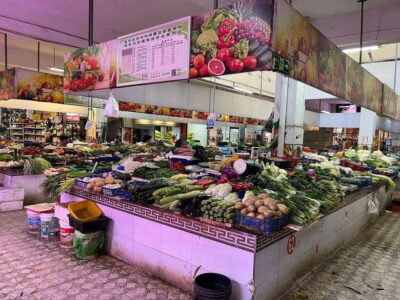
Cooking Class with Fresh Market Half Day Experience
Read our review →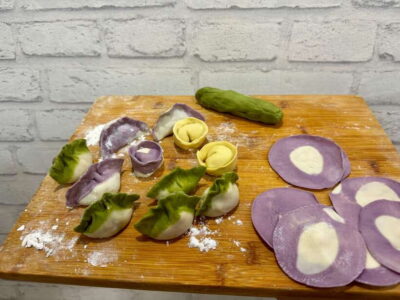
Private Cooking Class: Make Your Own Dim Sum In Shanghai
Read our review →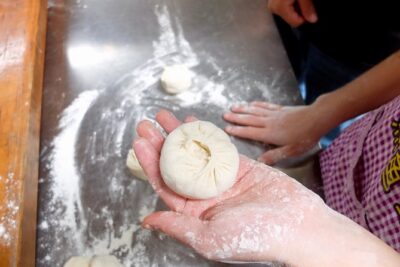
Half-Day steamed Buns Cooking Class with a Local Market Visit
Read our review →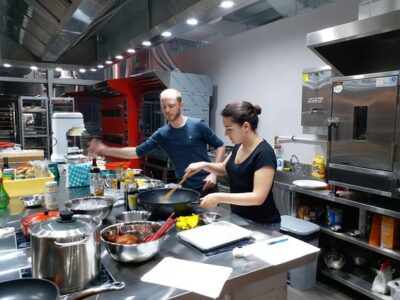
Hong Kong Market Walking Tour & Chinese Cooking Class
Read our review →Browse the lists this tour appears in