
Reviewed · HISTORICAL TOURS
Chengdu: Sichuan Museum – Cultural and Historical Heritage
Ancient Sichuan comes into focus fast. The Sichuan Museum in Chengdu turns a one-day visit into a practical overview of how Sichuan and China evolved over centuries, all for a budget-friendly price. I love that the museum is built for real browsing, and I also like that you can add free guided tours without paying extra.
My other favorite part is the scale. You’re looking at over 300,000 artifacts, with enough variety to keep you interested even if you only have a limited morning or afternoon. The main drawback to plan around is that certain special exhibitions can need a separate ticket, so not everything you see will automatically be included.
In This Review
- Key Takeaways Before You Go
- Chengdu’s Sichuan Museum, One Day With a Big Collection
- Planning Your Visit Time Slots and Entry Rules
- Entering The Permanent Galleries: How the Museum Organizes the Story
- Bronze, Ceramics, Calligraphy, and Tibetan Thangka Works
- Bronze pieces and ancient metalwork
- Ceramics and the feel of daily life
- Calligraphy and the human side of culture
- Tibetan Thangka paintings
- Sanxingdui Artifacts and Han Stone Carvings: What to Focus On
- Using the Free Guided Tours Without Losing Your Freedom
- Souvenir Shop and Tearoom Breaks That Keep You Comfortable
- Price, Value, and Who This Fits Best
- Should You Book the Chengdu Sichuan Museum Slot?
- FAQ
- Do I need a passport for entry?
- What time slots are available for the museum?
- How long is the visit valid?
- How much does it cost?
- Is the admission for permanent exhibitions included?
- Are guided tours included?
- Can I use a QR code to enter?
- Do special exhibitions require extra tickets?
- Are pets allowed in the museum?
- What should I bring and what should I wear?
Key Takeaways Before You Go
- Over 300,000 artifacts across major categories, so you can focus your time instead of rushing.
- Free permanent-gallery entry plus museum-provided guided tours, a rare value for a big institution.
- Sanxingdui, Zhang Daqian, and Han stone carvings give you anchor points for Sichuan’s story.
- Bronze, ceramics, calligraphy, and Tibetan Thangka artwork cover multiple eras and styles.
- Time slots matter: you’ll reserve either 09:00-12:00 or 12:01-16:00.
Chengdu’s Sichuan Museum, One Day With a Big Collection
If you want one stop in Chengdu that feels intellectually satisfying without feeling like homework, the Sichuan Museum is a smart choice. This is one of Southwest China’s major cultural institutions, founded in 1941, and it’s set up to help you make sense of Chinese material culture in a calm, straightforward way.
The best part is the value. For about $5 per person, you get admission to the permanent exhibitions and access to a large network of historical and cultural artifact displays. Then, on top of that, you can join museum-provided guided tours designed to help you see more than you would on your own.
The museum is also spacious, which matters when you’re trying to take your time around glass cases and dense displays. One review-style detail I really appreciate from similar experiences here is that the museum layout doesn’t feel cramped, so you can actually read labels and move at a comfortable pace.
More museum visits in Chengdu:
- Private Chengdu Day Tour: Giant Pandas and Jinsha Site Museum
★ 5.0 · 142 reviews - Sanxingdui Museum+Chengdu Panda Base or Jinsha Site Tour
★ 5.0 · 10 reviews - Sanxingdui Museum Small Group Tour with Optional Panda Base
★ 5.0 · 3 reviews
Planning Your Visit Time Slots and Entry Rules
You’ll need to reserve an entry time slot for your visit. The museum uses two options: 09:00-12:00 or 12:01-16:00. This helps you plan your day in Chengdu, because you can pair the museum with other nearby activities without guessing when you can get in.
Also, come prepared to show the basics. You should bring your passport, wear comfortable shoes, and have a camera if you want photos. The museum does not allow pets, so plan accordingly if you’re traveling with animals.
One small heads-up that can save time: if you’re trying to use a QR code from an outside source, the QR may not be valid for entry. Instead, make sure you follow the provider’s instructions so your booking is completed properly, or wait for their email confirmation. The good news is that when the process is handled smoothly, your on-site check-in tends to go faster.
Finally, remember that this is for reserving your entry to the museum, not every possible exhibition. Some special exhibitions can require separate tickets, so keep a little flexibility in your expectations.
Entering The Permanent Galleries: How the Museum Organizes the Story
The Sichuan Museum’s permanent exhibitions are the heart of the visit. The idea is simple: you walk through major categories and eras using objects, not just text. For you, that means you can build a mental timeline just by noticing how materials and styles change over time.
With over 300,000 artifacts, you are not meant to see everything. Instead, think like a visitor with a plan. Choose a few categories you care about most, then let the guided tour steer you toward high-impact objects you might miss if you only wander.
The museum focuses heavily on Sichuan and on connections to broader Chinese history. That matters because it makes your visit feel anchored in place. You’re not just seeing generic ancient art. You’re seeing objects that help explain how Sichuan fit into the larger cultural story of China.
You’ll also notice that the displays are organized so you can get context quickly. Even if you do not read every label, the structure helps you connect object categories, like metalwork and calligraphy, to the people and traditions behind them.
Bronze, Ceramics, Calligraphy, and Tibetan Thangka Works
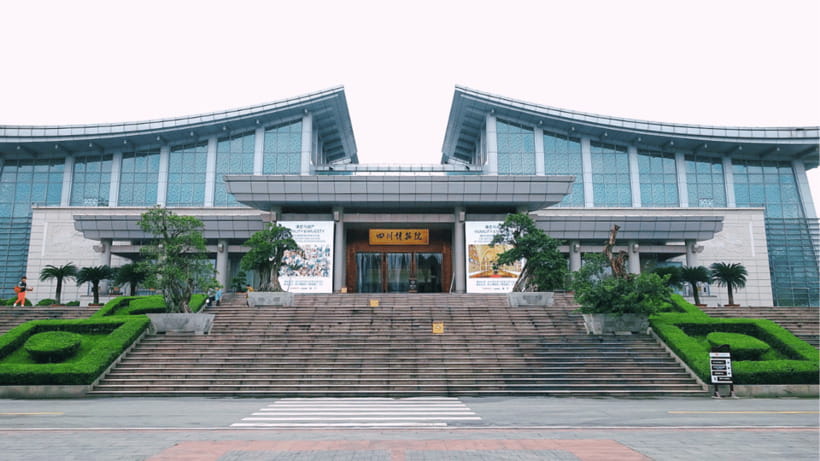
One of the strongest reasons to choose this museum is variety. In a single day, you can see major categories that represent different kinds of Chinese creativity and craft.
More history tours in Chengdu:
- Beijing Historical Tour II including Summer Palace, Lama Temple & Panda Garden
★ 4.0 · 187 reviews - Beijing Historical Tour I – Forbidden City, Tiananmen Square & Temple of Heaven
★ 4.0 · 120 reviews - Tour of Jewish Shanghai led by a Jewish History Expert
★ 5.0 · 106 reviews - Beijing Historic City Guided Walking Tour + Calligraphy Creation
★ 5.0 · 59 reviews
Bronze pieces and ancient metalwork
Bronze pieces are a major draw. If you like objects you can stare at for long minutes, bronze tends to reward that kind of attention because you can look at shape, decoration, and wear. The best way to enjoy bronze displays is to slow down and compare: look for differences in form and ornament from case to case, rather than trying to memorize everything.
Ceramics and the feel of daily life
Ceramics are another highlight. Even when ceramics are presented as art, they often tell you about technical knowledge and everyday life in past centuries. If you have a habit of looking at textures, you’ll probably like how ceramics displays help you understand what people valued and how they made things that lasted.
Calligraphy and the human side of culture
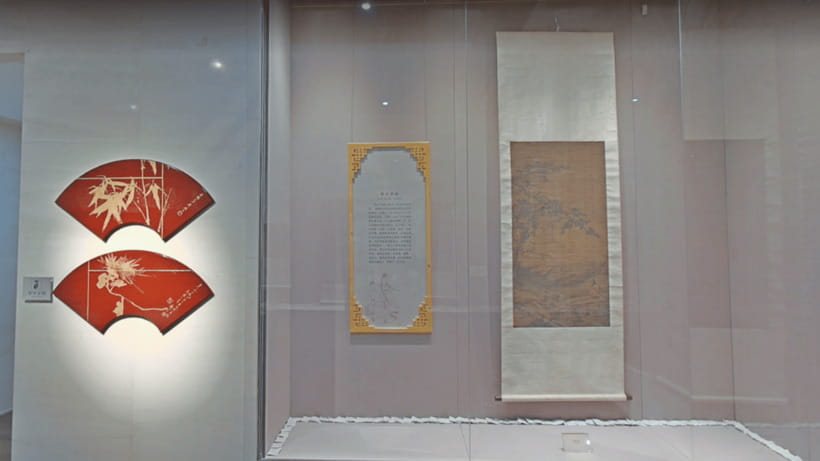
Calligraphy is included too, and it changes the mood. It shifts you from material craft to cultural expression. For many visitors, calligraphy is where you start to see how history is not only about objects, but also about ideas, education, and identity.
Tibetan Thangka paintings
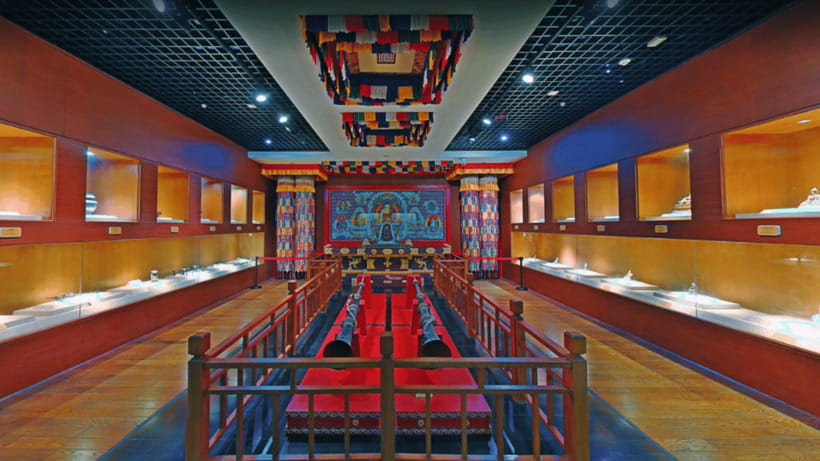
Then you get Tibetan Thangka paintings, which add a different layer. These works stand out because they are tied to religious and cultural traditions that are distinct from other forms you’ll see in the museum. If you’re the type who likes to compare styles across regions, this section gives you a direct contrast inside the same ticketed experience.
If you want an efficient strategy: aim to spend your longest time in whichever category you personally feel most connected to, then use the guided tour to fill in the gaps you might otherwise skip.
Sanxingdui Artifacts and Han Stone Carvings: What to Focus On
Some objects act like anchor points. They give you a reference for what you should pay attention to elsewhere in the museum.
Sanxingdui artifacts are one of those anchors. These are famous finds from a major archaeological site, and in this museum they help you understand why people in Sichuan and beyond care about ancient material culture. When you see these objects in person, your goal should be to note the craftsmanship and the scale, because that’s what makes the story feel real.
Zhang Daqian’s artwork is another highlight. You’ll see his work among the featured displays, and it helps link the museum to more recent cultural history, not only ancient eras. Even if you are not an art expert, it’s still a useful change of pace from purely ancient artifacts.
Then there are Han dynasty stone carvings. Stone carvings are often visually bold, and they can give you a sense of formal design and public life in ancient times. If you like reading details, stone is a good medium because it often shows carefully shaped features that reward your attention.
The best way to approach these anchor sections is to treat them as your checkpoints. Once you’ve seen Sanxingdui objects, Zhang Daqian’s work, and Han carvings, your remaining time can be flexible. You’ll understand the museum’s themes better, so you won’t feel lost when you wander.
Using the Free Guided Tours Without Losing Your Freedom
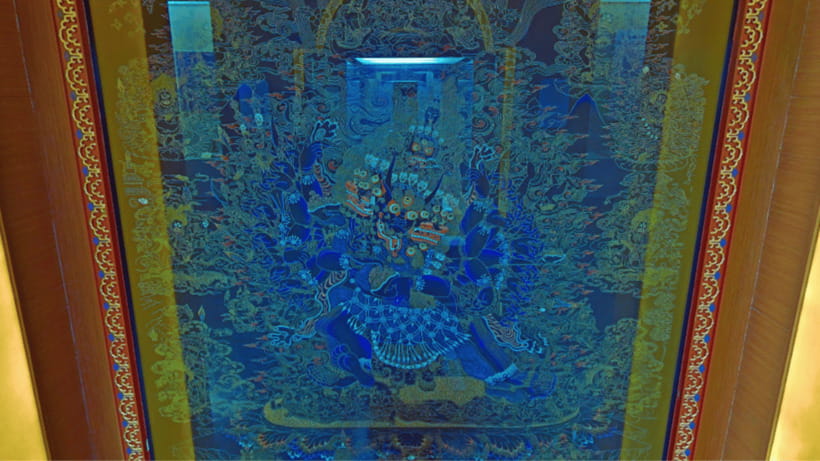
The museum includes free guided tours, and that’s a big reason to consider this experience even if you enjoy self-guided museums. A tour can help you identify the objects that matter most for your interests, and it can also make the labels easier to interpret.
That said, guided tours are most valuable when you stay in control of your time. Here’s how I’d recommend you do it:
- Choose one or two categories you want to see most, like bronze or calligraphy.
- Join the guided tour when it intersects with those interests.
- After the tour, return to 2 or 3 spots you remember and spend extra time there.
This approach keeps the day from turning into a checklist. You get structure, but you still explore at your pace.
Also, the scale here means you should expect to move from room to room and case to case. Comfortable shoes help, and so does a camera you can quickly pull out for images if photography is allowed in those areas. A relaxed plan beats racing.
One practical benefit from the way the experience is run: the booking process tends to be handled efficiently with on-site support, which can reduce stress if something needs confirmation. When you arrive feeling prepared, you’re free to focus on the art and artifacts.
Souvenir Shop and Tearoom Breaks That Keep You Comfortable
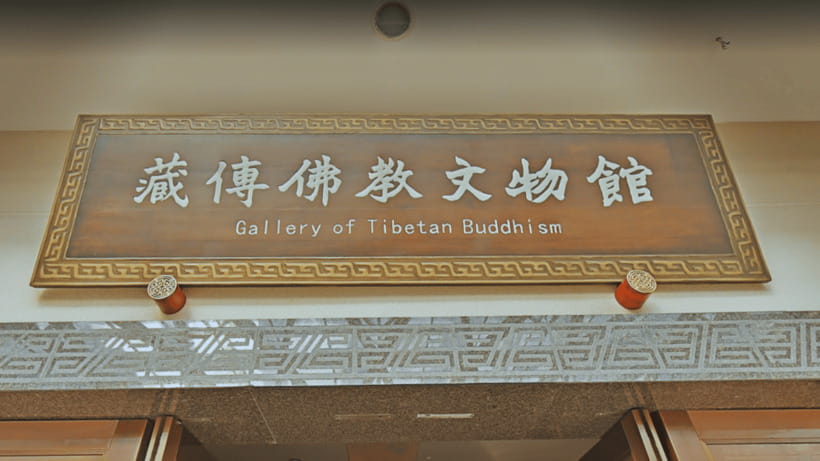
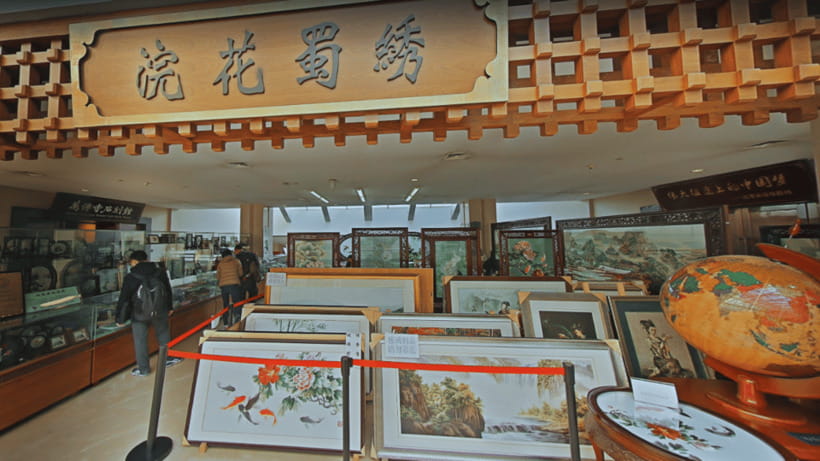
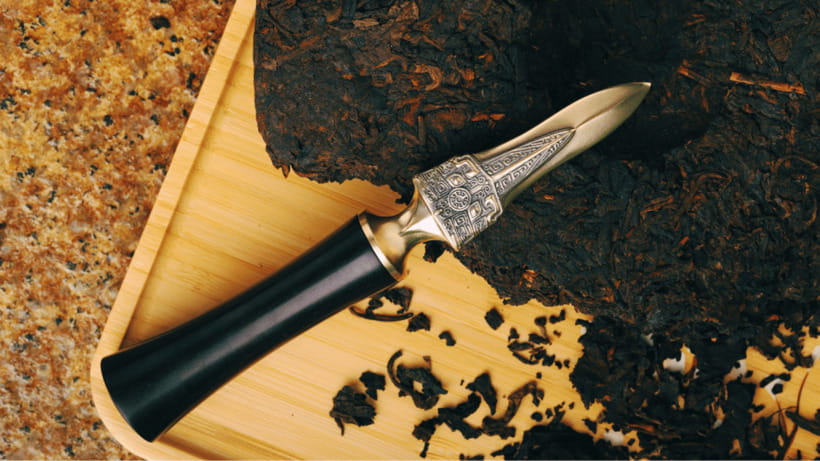
A museum day can either feel relaxing or exhausting. At this one, you can build in comfort stops because there’s a souvenir shop and a tearoom on site.
I like when museums treat visitors like humans who need a pause. If you’ve been standing and reading labels for an hour, a tearoom break gives your eyes and feet a reset. Then you can continue with fresh attention instead of drifting into fatigue.
The souvenir shop is another bonus. It gives you a chance to remember what you saw without relying on a quick photo. And if you’re buying a small gift for someone who loves culture, museum shops are often more meaningful than generic tourist goods.
Plan for at least one short break, even if you feel energetic at the start. It makes the day feel more like a visit and less like a task.
Price, Value, and Who This Fits Best
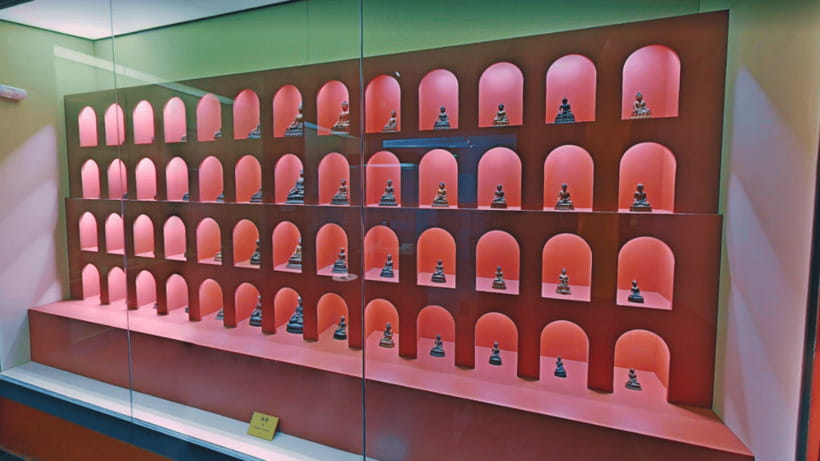
Let’s talk value, because this is where the museum really shines. At around $5 per person, you’re paying very little for a major cultural institution. You also get skip-the-ticket-line, entry to the permanent exhibitions, and access to the artifact displays plus free guided tours. In other words, you’re not just buying a ticket, you’re buying time and guidance.
For you, that’s especially relevant if you are tight on schedule. This is a one-day visit, and because you reserve an entry slot for either 09:00-12:00 or 12:01-16:00, you can plan your whole day around it. You don’t need to guess, and you don’t need to build your Chengdu itinerary around unpredictable ticketing.
Who should go?
- History and culture lovers who want an overview without a full multi-day museum marathon
- Art and material culture fans who like seeing bronzes, ceramics, calligraphy, and painted works in one place
- Families who want a calm, organized museum environment that feels spacious
- Anyone passing through Chengdu who wants one high-value indoor stop
Who should think twice?
If you only care about one narrow niche, like only Chinese bronzes or only Tibetan religious art, you may still enjoy it, but you’ll need to be selective. The museum has enough to overwhelm you, so you’ll want a plan before you arrive. And if you want a specific temporary exhibition, you may need a separate ticket.
Should You Book the Chengdu Sichuan Museum Slot?
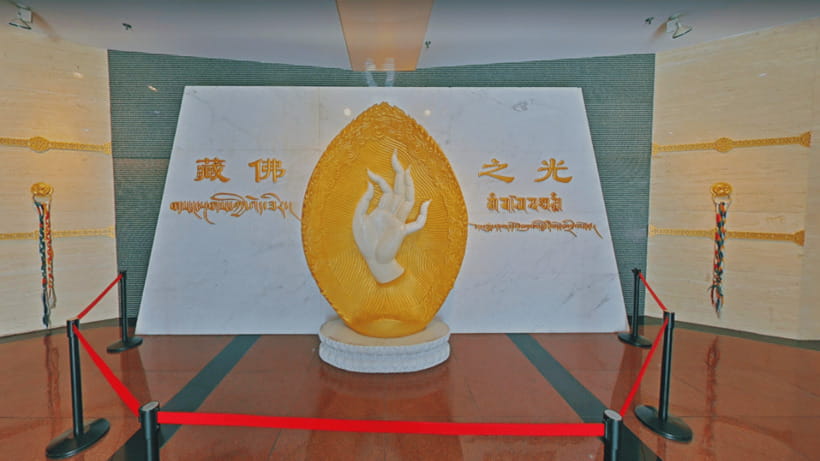
Yes, I think you should book this if you want a low-cost, high-impact cultural experience in Chengdu. It’s easy to justify because you get admission to the permanent exhibitions, free guided tours, and access to a huge collection, all in about one day.
Book it especially if you like museums where you can actually read and compare objects at a comfortable pace. The spacious layout, plus the chance to pause at the tearoom and shop, makes the day feel manageable instead of frantic.
Skip booking only if your schedule cannot handle a reserved time slot, or if you are mainly interested in special exhibitions that might require separate tickets. In that case, you could still visit, but you’d want to double-check which parts are included with your entry.
If you do book, keep your expectations practical: don’t try to see everything. Aim for anchor sections like Sanxingdui, Han stone carvings, and highlighted works, then let the guided tour help you fill in the rest.
FAQ
Do I need a passport for entry?
Yes. You should bring your passport, and you may also need to provide your full name as it appears on your passport plus your passport number to complete the booking.
What time slots are available for the museum?
You’ll reserve an entry time slot of either 09:00-12:00 or 12:01-16:00.
How long is the visit valid?
The activity is valid for 1 day. Your time slot determines when you can enter.
How much does it cost?
The price is $5 per person.
Is the admission for permanent exhibitions included?
Yes. You get free admission to the museum’s permanent exhibitions.
Are guided tours included?
Yes. The museum provides free guided tours as part of this experience.
Can I use a QR code to enter?
The information says GetYourGuide QR is not valid. You should communicate to complete the booking or wait for your email confirmation.
Do special exhibitions require extra tickets?
Certain special exhibitions may require a separate ticket, even if permanent exhibitions are included.
Are pets allowed in the museum?
No. Pets are not allowed.
What should I bring and what should I wear?
Bring your passport and a camera if you want photos. Wear comfortable shoes since you’ll be walking and spending time in gallery spaces.
Recently added around Chengdu
- Visiting Chengdu Panda Base in a Half Day★ 5.0 · 4 reviews
- Classsic sichuan Opera at sichuan Provincial Theater★ 5.0 · 4 reviews
- Tea Village in lost Town and Buddha 1 day tour★ 5.0 · 32 reviews
- Skip the Line: Sichuan Opera Chengdu Ticket★ 4.0 · 8 reviews
- Sichuan Opera Show with Hotel Pickup★ 5.0 · 3 reviews
- Panda, Leshan, and Emei Mountain 2-day tour★ 5.0 · 4 reviews
- Private Half-Day Tour in Sichuan Culture Show with Hot Pot Dinner in Chengdu★ 4.5 · 15 reviews
- Sichuan Opera with face-changing at Sichuan opera theater★ 4.5 · 6 reviews
Historical Tours, compared.

Beijing Historical Tour II including Summer Palace, Lama Temple & Panda Garden
Read our review →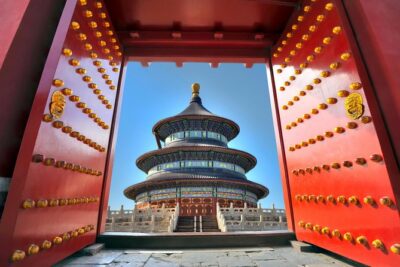
Beijing Historical Tour I – Forbidden City, Tiananmen Square & Temple of Heaven
Read our review →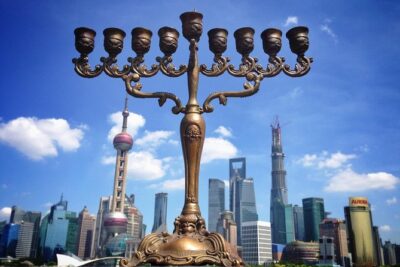
Tour of Jewish Shanghai led by a Jewish History Expert
Read our review →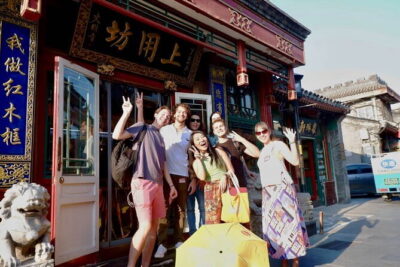
Beijing Historic City Guided Walking Tour + Calligraphy Creation
Read our review →
Shenzhen History , Culture & Scenic + (Drone Delivery) tour
Read our review →
Private Historical Tour: Guangzhou City Sightseeing Including Lunch
Read our review →
Bell and Drum Towers Entry Ticket—Historic Landmark
Read our review →
Tiananmen Square Entry Reservation – Iconic Landmark
Read our review →Browse the lists this tour appears in