
Reviewed · WALKING TOURS
Private 2-Hour Walking Tour of Shanghai’s Jewish Ghetto
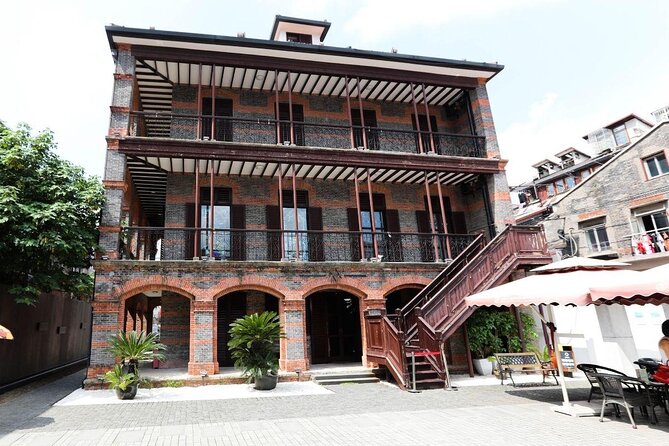
Shanghai hides Jewish history in plain sight. This private 2-hour walk through Hongkou shows how Jewish refugees lived, worked, and survived in early 1900s Shanghai, with a local guide who brings the streets to life. I especially like the Ohel Moishe Museum stop, built on the old synagogue site, and the chance to see everyday neighborhoods instead of only exhibit rooms. One thing to consider: the route also includes a Buddhist temple, and if you want strictly Jewish landmarks, you may feel the balance is off.
I think this tour works best when you treat it like a story walk, not a checklist. You get a guided thread from the museum, to help organizations, to parks and memorials, and then to a working neighborhood scene. Still, a few visitors have wanted more time on specific Jewish sites and less time on non-Jewish stops.
If you come with flexible expectations, you will likely leave with a sharper sense of place, not just dates.
In This Review
- Key points to know before you go
- First impressions: a short walk with a big historical angle
- Finding the meeting point near Changyang Road
- Stop 1 to the museum: setting the historical context in the streets
- The Ohel Moishe Synagogue site and the Jewish Refugees Museum
- Walking past the American Jewish Joint Distribution Committee and memorial moments
- The Jewish ghetto neighborhood walk: more than one era
- Xiahai Temple: the Buddhist stop that splits opinions
- Local guide quality makes or breaks this tour
- How the pacing works for a real 2-hour schedule
- Value for your money: when private makes sense
- Who should book this tour
- Should you book? My honest call
- FAQ
- How long is the private walking tour?
- Is this tour private or shared?
- What are the main places you visit?
- Are museum and temple admission tickets included?
- Where do you meet the guide?
- Do you get a guide who speaks English?
- Is food or hotel pickup included?
- Are service animals allowed?
- Can I cancel for a full refund?
Key points to know before you go
- Private and personal, with a local English-speaking guide, so you can ask questions as you walk
- Ohel Moishe Synagogue site, now the Jewish Refugees Museum, is central to the experience
- Honkou’s streets and daily life, including a look at how locals live around the historic area
- Huoshan Park and memorial moments, plus a walk past the American Jewish Joint Distribution Committee
- Xiahai Temple visit, which can feel meaningful for some and distracting for others, depending on your interests
- Two hours goes fast, so it helps to decide what matters most to you before booking
First impressions: a short walk with a big historical angle
This is a private walking tour in Shanghai’s Hongkou District, designed to fit into a 2-hour window. The price is listed at $131.28 per person, and tours like this are often booked a few weeks ahead. You meet your guide at Changyang Road, then head out on foot and return to the same meeting point when you finish.
What makes this one worth a look is the format. It is not only about museum facts. You are walking a specific geography tied to refuge, community support, and the way real people tried to build normal life under pressure. And because it is private, the guide can shape the pace to your questions, even if the schedule stays tight.
If you are the type who likes a guided “what am I looking at?” tour, this fits you. If you want a long, museum-heavy deep dive with zero detours, you may prefer a self-guided plan or a longer tour elsewhere.
More Walking Tours in Shanghai
- Shanghai Highlights Walking Tour With A Real Local
★ 4.9 · 153 reviews - Shanghai Breakfast Walking Tour of Former French Concession
★ 5.0 · 139 reviews - Private Shanghai Evening Street Food Walking and Cruise Tour
★ 5.0 · 123 reviews
Finding the meeting point near Changyang Road
You start at Changyang Road (Chang Yang Lu, Yangpu Qu, Shanghai). The tour ends back there, so you do not have to worry about last-minute transit logistics. It is also described as near public transportation, which matters in Shanghai, where a five-minute wrong turn can turn into a ten-minute detour.
Practical tip: give yourself time to find the exact spot on Changyang Road. Some guides are very good about meeting promptly, but if you arrive rushed, it can take extra effort to connect. If you are comfortable with transit, you can build a simple plan around the meeting area instead of trying to do hotel pickup.
Stop 1 to the museum: setting the historical context in the streets
The tour begins with a local walk mindset: your guide takes you through the historic area and gives context before you enter the main site. This kind of framing helps a lot. Without it, Hongkou’s Jewish history can feel like scattered information. With it, the streets start acting like evidence.
In the route you are pointed toward the Shanghai Jewish Refugees Museum, located on the site of the old Ohel Moishe Synagogue. That is the “anchor” stop. Everything else in the tour tends to orbit around what that synagogue site represents, and how refugees were supported.
The Ohel Moishe Synagogue site and the Jewish Refugees Museum
This is the centerpiece, and it is easy to see why it gets strong attention. The museum sits on the grounds of a synagogue that attracted refugees during turbulent times. It is not just a building story. It is a community story.
What you can expect here is a guided visit where the guide explains why this sanctuary mattered, and what refugees were facing. The tour includes the museum admission as part of the experience.
Why I like this stop so much: it connects architecture, geography, and human needs. A synagogue is not only a place of worship. In a refugee setting, it can also act like a social hub, a place for gathering, and a symbol of continuity. If you pay attention to what the guide points out, you get more than a timeline.
One caution, based on feedback style you will see from different guides: some parts of the museum can feel easier to understand on your own if you are already comfortable reading exhibit content. That does not mean the guide is unnecessary, but it does mean your “value” from the guide depends on how much you want narration and interpretation.
Same city, a very different kind of day:
- Authentic Local Food Tour in Central Shanghai
★ 5.0 · 1,382 reviews - Zhujiajiao Water Town and Shanghai City Private Day Tour
★ 5.0 · 1,016 reviews - Private Shanghai Full Day City Tour with Old and New Highlights
★ 5.0 · 995 reviews - Shanghai: 3-Hour Local Food Tasting Tour
★ 4.9 · 806 reviews
Walking past the American Jewish Joint Distribution Committee and memorial moments
After the museum, the tour keeps moving, which is the right choice for a two-hour plan. You pass by the American Jewish Joint Distribution Committee area, where refugee aid and relief efforts were tied to the Jewish community network in Shanghai. The idea here is important: refugees did not survive by willpower alone. They needed systems, supplies, and organizations that could respond fast.
You also spend time around Huoshan Park and a monument memorializing Jewish immigrants. This is a quieter part of the tour, and it gives your brain room to process what you just learned.
If you like pauses, this segment is helpful. It is not only photos and walking. It is a moment to reflect, which you often miss when a tour rushes straight from exhibit to street.
The Jewish ghetto neighborhood walk: more than one era
One of the best parts of this style of tour is that it aims beyond a single stop. The guide leads you through streets in and around the historic Jewish quarter in Hongkou, and you get a sense of how those events shaped the neighborhood you see today.
Here is what you should watch for: the contrast. Your brain wants to compare the past to what is around you now. Even when buildings look ordinary, the guide helps you connect ordinary structures to survival patterns like housing, community proximity, and everyday routines.
You should expect a local-neighborhood feel, including small shops and street life. The goal is to show the area as it exists now, while keeping the historical thread intact.
Xiahai Temple: the Buddhist stop that splits opinions
The final major stop is Xiahai Temple, also described as the fish-man temple in the past. The tour frames it as a place that shows how a Buddhist temple played a role within the Jewish ghetto environment.
This is where the experience can feel very different from person to person. Some people find the connection moving and logical, because it shows how local life and refugee life overlapped. Others feel it shifts away from Jewish focus and would rather spend the time on additional Jewish-related sites.
If you think Xiahai Temple sounds interesting, go in with that curiosity. If you know you want strictly Jewish landmarks, you should ask yourself whether the temple segment will feel like a meaningful sidebar or like a detour.
Either way, you will likely remember this stop because it is unusual. Shanghai can surprise you like that.
Local guide quality makes or breaks this tour
This tour depends heavily on the guide. In the feedback I saw, guides like Mason/Masin, Annie, Zoe, and Mary stood out for strong English and story-telling that made the history personal.
Some guides go beyond the public sites. I saw examples of guides who took people into a home to show where family members rented rooms to Jewish refugees. Others described a visit to an interior space in the neighborhood, where you could feel the human scale of the community. In at least one case, a couple who lived nearby welcomed visitors into their room through the guide’s translation.
That kind of access does not happen everywhere, and it is not something you can demand. But it shows you what separates a great walk guide from an okay one: the ability to turn history into lived context.
At the same time, there are also caution notes. A few experiences felt rushed at the museum, or had an uneven sequence of information. A couple of people also said the guide did not explain the temple connection well, or that the tour ended in a place they did not feel matched the Jewish focus.
So if you book, be ready to guide the guide with questions. A simple question like What is the key Jewish story you want me to remember after Xiahai Temple? can help a guide stay on track.
How the pacing works for a real 2-hour schedule
Two hours sounds long until you try it in a neighborhood with walking time, museum time, and transit breaks. This tour is built to fit in that reality. The museum gets time, the park gets time, the neighborhood walk gets time, and the temple visit gets time.
What you might find is that you spend a large share of your total time on the museum and the final temple stop. If you are hoping to see multiple major Jewish sites in depth, you may feel the limitation of the time box. On the flip side, if you want a compact overview plus street context, the time limit helps keep the experience focused instead of exhausting.
If your goal is learning, come prepared to ask questions. Guides with excellent English often make a short tour feel much longer because they answer in detail.
Value for your money: when private makes sense
At $131.28 per person, this is not a cheap add-on, even though it is only 2 hours. The value comes from two things:
1) You get private pacing and the ability to ask questions right where they matter, like at the museum entrances and along the streets tied to refugee life.
2) You can benefit from guide interpretation, especially if the guide has personal or family connections to the story.
If you just want museum facts and you can read exhibits easily, you might wonder if a guide is worth the cost. If you want interpretation and you like learning through a human voice, the private format can feel worth it.
My practical take: if your group is flexible and you care about understanding the story, this can be a good use of money. If you are strictly maximizing Jewish sites and prefer self-guided control, you should compare against a different itinerary before committing.
Who should book this tour
This is a strong fit if you:
- Want a private walk with a local guide who can explain what you are seeing
- Like a mix of museum + streets + neighborhood life
- Appreciate memorial and context stops like Huoshan Park
- Are curious about how refugee life intersected with the broader religious and local environment, including Xiahai Temple
It may be a weaker fit if you:
- Want only Jewish landmarks with no detours
- Plan to spend your time reading exhibit text alone and do not need narration
- Expect a long list of specific ghetto-era buildings, because the tour is time-boxed
Should you book? My honest call
I would book this if you want a guided, short, meaningful overview of Hongkou’s Jewish refugee story, with time to see the neighborhood in present-day Shanghai. The museum stop and the park moments are the backbone, and a great guide can make the whole walk feel personal, even in just two hours.
But if Xiahai Temple sounds like a mismatch for your interests, or you are mainly looking for a strict Jewish landmark tour, you should pause and verify how the guide will frame that last segment. With the right guide, it can work. With a mismatched one, it can feel like wasted minutes.
If you go in with curiosity and questions ready, this tour has the potential to be more than a quick history stop. It can turn Hongkou into a place you understand, not just a place you pass through.
FAQ
How long is the private walking tour?
It runs for about 2 hours.
Is this tour private or shared?
It is private. Only your group participates.
What are the main places you visit?
You visit the Jewish Refugees Museum on the Ohel Moishe Synagogue site, walk through the Jewish ghetto area in Hongkou, see Huoshan Park and pass the American Jewish Joint Distribution Committee, and end at Xiahai Temple.
Are museum and temple admission tickets included?
Admission is included for the Jewish Refugees Museum and for Xiahai Temple.
Where do you meet the guide?
The meeting point is Changyang Road (Chang Yang Lu, Yangpu Qu, Shanghai). The tour ends back at the same meeting point.
Do you get a guide who speaks English?
Yes. A local English-speaking guide is included.
Is food or hotel pickup included?
No. Food and drinks are not included, and there is no hotel pickup or drop-off.
Are service animals allowed?
Yes, service animals are allowed.
Can I cancel for a full refund?
Yes, free cancellation is available up to 24 hours in advance for a full refund.
Recently added around Shanghai
- Suzhou Private Guided Day Trip from Shanghai by Bullet Train★ 5.0 · 46 reviews
- Suzhou and Zhujiajiao Private Guided Day Trip from Shanghai★ 5.0 · 27 reviews
- Shanghai:Old Town, Yu Garden, Zhujiajiao Water Town Bus Tour★ 4.7 · 16 reviews
- Shanghai: Yu/Yuyuan Garden Entry Ticket–E ticket★ 4.4 · 24 reviews
- Shanghai: Zhujiajiao Water Town with Calligraphy Experience★ 5.0 · 17 reviews
- Shanghai: Yu Garden Entry Ticket with PDF Guidebook★ 4.1 · 45 reviews
- Shanghai: Yuyuan, City God Temple Old City Tour-Tip Based★ 5.0 · 10 reviews
- Shanghai: Yu Garden with Entry Tickets(optional)★ 4.8 · 21 reviews
Walking Tours, compared.
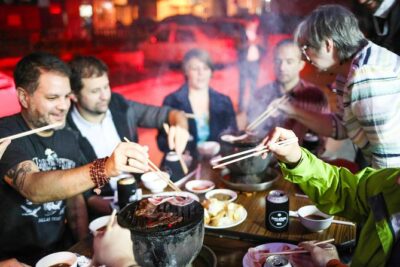
Beijing Hutong Walking Food and Beer Tour at Hidden Restaurants
Read our review →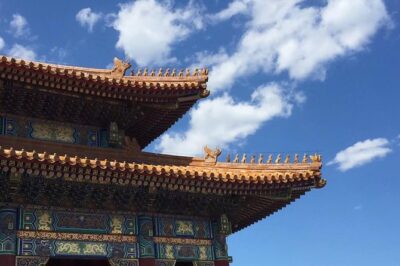
Private Beijing Walking Tour of the Forbidden City with 7 Options
Read our review →
Dark Side of Hong Kong – Kowloon Caged Homes Walking Tour
Read our review →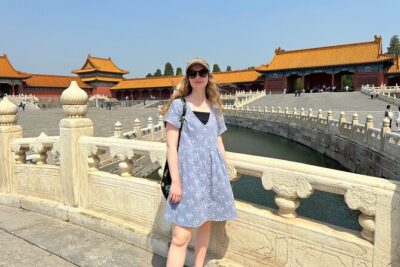
Forbidden City Private Walking Tour with Optional Sights
Read our review →
Introduction to Hong Kong: Central Tip Based Walking Tour
Read our review →
Shanghai Highlights Walking Tour With A Real Local
Read our review →Browse the lists this tour appears in