
Reviewed · SILK ROAD TOURS
Xinjiang Best Classic Silk Road Tour with Locals
Silk Road in Xinjiang feels like a time machine. This private, locals-led route mixes big scenery with very real human stops, and I especially loved Kashgar’s livestock market and the way Karakoram Highway access brings you to remote borderland towns you cannot reach easily on your own. If you dislike long road days and lots of sites packed into each day, this tour may feel like a sprint.
One of the biggest practical wins is how the logistics are handled: air-conditioned rides, selected 3- and 4-star hotels with breakfast, and a sleeper train segment from Kuqa to Turpan. The multilingual guide matters too. In the local team I spoke with during planning, Waheed handled translation and pacing, and the driver Xiao kept the days running on time.
The other thing you should know up front is value: the price covers entrance fees, permits for foreigners on the Karakoram Highway to Tashkorgan, and guide and driver expenses, so your money goes to the journey, not constant add-ons. The tradeoff is that lunches and dinners, personal spending, tips, and your flights into Kashgar and out of Urumqi are on you.
In This Review
- Key things that make this Silk Road tour work
- How This Kashgar to Urumqi Silk Road Loop Feels
- Kashgar Livestock Market, Idkah Mosque, and Old Town
- Dragon Road, Karakoram Highway, Karakul Lake, and Tashkurgan
- Hotan and Ye’erqianghan: Jade, Silk, and Night Markets
- Taklimakan Desert Highway to Kuqa, plus a 5th-Century Relic
- Kizil Caves and Kuqa Ruins, with Tianshan Canyon Views
- Turpan Basin: Karez Wells, Bezeklik Caves, Gaochang, and Emin Minaret
- Urumqi and Tianchi Lake: Tian Shan Scenery at the Trip’s End
- Price and Value: What You Get for $3,524
- Who This Tour Fits Best (and Who Might Feel Crowded)
- Should You Book This Xinjiang Silk Road Tour?
- FAQ
- What is the tour duration and starting time?
- Does the tour include pickup or transfers?
- What transportation is included during the trip?
- Are entrance fees and permits included?
- Is breakfast included?
- Are lunch and dinner included?
- Is this tour private?
Key things that make this Silk Road tour work
- Kashgar on the ground level, with the livestock market plus old-town religious sites
- Karakoram Highway to Tashkurgan, with permits handled for you
- Karakul Lake and Golden Grasslands, high altitude views at about 3,600m
- Taklimakan Desert by highway, including dune walking and a 5th-century relic stop
- Cave art across two cities, Kizil in Kucha and Bezeklik in Turpan
- Turpan’s water history, via karez wells and UNESCO-listed ancient city sites
How This Kashgar to Urumqi Silk Road Loop Feels
This tour is built around one of the most dramatic Silk Road storytelling lines in China: Kashgar on the western edge, then north and south along the old routes, and finishing with Tian Shan and Urumqi. You travel in comfort more often than you might expect, with an air-conditioned vehicle for most of the land segments and a sleeper train that breaks up the long stretches.
What makes it feel special is pacing. You get days of slow-feeling sightseeing, like wandering Kashgar’s old-town area or walking around Tianchi Lake, plus hard-driving days where the scenery does most of the talking. That mix is why this route works well for first-timers to Xinjiang: you see both the human side and the geography side.
One practical note: a lot of these stops depend on conditions on the road and in the parks. When weather is poor, the tour may shift dates, so keep some flexibility if you can.
A few more Silk Road days worth comparing
Kashgar Livestock Market, Idkah Mosque, and Old Town
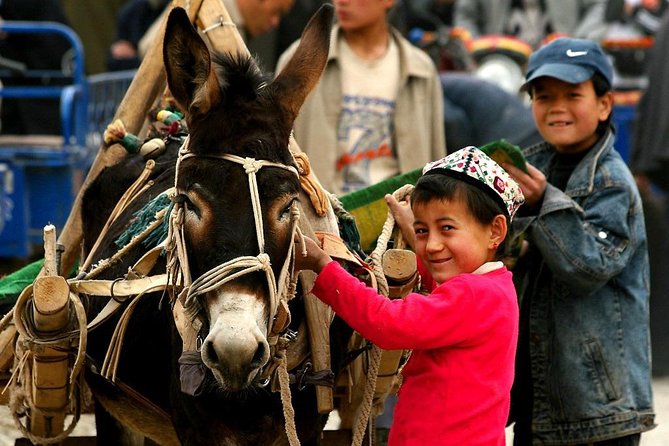
Kashgar is the place where the Silk Road still shows in daily life. The day starts with a full excursion that combines big cultural anchors and street-level reality. You’ll visit the Kashgar livestock market, which is a vivid window into how Uyghur farmers and sellers operate, with trucks bringing animals into town and trading happening in a very hands-on way.
Then you move into religious and historic stops. Apak Hoja tomb is known for well-preserved shrine architecture and includes a live Uyghur wedding and dancing performance, which helps make the site feel active rather than just still stone. Idkah Mosque and Kashgar old town round out the day, and they work together because you get both the spiritual landmarks and the everyday lanes between them.
Food is part of the plan, not a side quest. You’ll have time to eat Uyghur classics like kebab and hand-pulled noodles in a local restaurant chosen for the experience. For me, that pairing makes Kashgar more than photos, you actually taste the place.
The main consideration here is timing and crowd flow. Markets and old towns can be busy, so wear comfortable shoes and expect to walk more than you would on a museum-only day.
Dragon Road, Karakoram Highway, Karakul Lake, and Tashkurgan
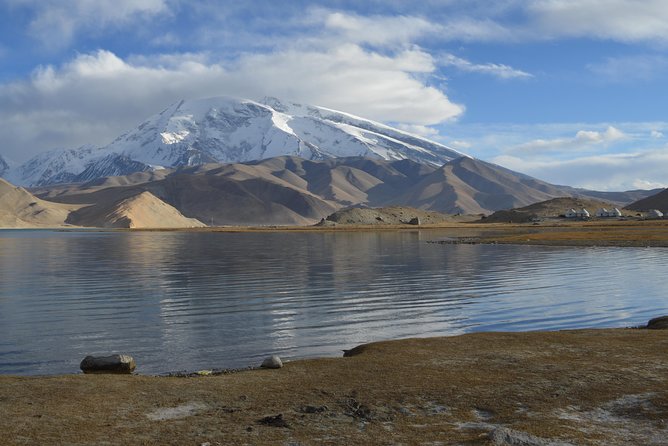
If you want one segment that screams “this is why we come,” it’s the Karakoram Highway country. You’ll go toward Karakul Lake first, a rare highland lake around 3,600m elevation, set beside the Karakoram Highway with towering peaks in view such as Muztagh Ata (about 7,546m) and Konggur (about 7,649m). If time allows, you can hike around the lake, which is where the views turn from distant to personal.
From there you reach Tashkurgan, a western gateway town where Tajik culture shapes the feel of the streets. In the plan, you visit the Ethnic Tajik Museum and a stone fort ruin that dates back to the 7th century, plus the Pamir grassland area often described as golden grassland. These stops matter because they show how cultures overlap in this region, not just how mountains look from a bus window.
Along the route, you get extra scenic breaks. There are viewpoints connected to Muztagata peak, plus a stop at Bulunkou Lakes, also called Bulunkul Lake, where you see a lake surrounded by sand mountains. Later you also visit Tashkurgan Fort and Shitou City ruins, which add the “lived-in Silk Road” layer, not only modern scenery.
Back to Kashgar, you ride the Dragon Road, a newly famous stretch in Xinjiang that is treated as a must-see. The bonus is that you get repeated chances to spot the same dramatic terrain from different angles, including Taheman grassland and sand mountain lakes along the Karakoram Highway. It’s a smart way to squeeze more meaning out of the driving.
Altitude and sun matter here. Even if you do not feel altitude strongly, the bright light and dry air are real. Drink water often, and plan for wind on the higher stretches.
Hotan and Ye’erqianghan: Jade, Silk, and Night Markets
Hotan is the southern Silk Road chapter, and the feel is different. The day is built around the drive south through oasis towns and villages, so you get long glimpses of how people live between routes, not just the end points. When you arrive, you check into your hotel and then head to the Hotan night market, one of the bigger food markets in Xinjiang, where you can sample a huge range of local snacks and dishes.
You also visit Ye’erqianghan Mausoleum, then Shache old town, and the Muqam world heritage center. Those cultural stops add depth because Muqam is not just entertainment, it is a tradition tied to identity and community memory. The overall effect is that Hotan feels less like a stopover and more like a place with its own rhythms.
The next day in Hotan leans hard into crafts and trade. You’ll see the Hotan grand market and jade market, plus workshop-style visits connected to silk factories and carpet or handcraft production. These are valuable because you see how product is made and who makes it, not just what gets sold. Hotan’s reputation for jade and silk makes these stops feel purposeful, and the plan also includes ruins and older sites like Yuetegan old city and Malikewate ancient city ruins.
Dinner is handled with another market stop in the plan through Hetian Nightly Market, where you can grab food for a few hours and keep it flexible. Then you add Hetian Museum, one of the best in Xinjiang for seeing artifacts from the Tarim Basin. If you care about how Central Asia’s Silk Road past was preserved, the museum stop is a strong anchor.
A practical drawback of Hotan days is that the sightmix can be tiring: markets, workshops, and ruins all in one flow. Plan to slow down inside the workshops and actually watch hands at work, because that is where the experience turns from sightseeing into understanding.
Same city, a very different kind of day:
- Dunhuang Private Silk Road Day Tour: Mogao Caves, Crescent Spring
★ 4.5 · 7 reviews - Dunhuang Private Day Tour Mogao Grottoes, Singing Dunes and Crescent Moon Spring
★ 4.5 · 6 reviews - 3 Days Urumqi Heavenly Lake and Turpan Tour
★ 5.0 · 4 reviews - Dunhuang Day Tour: Mogao Grottoes, Singing Sand Dunes and The Silk Road Show
★ 5.0 · 4 reviews
Taklimakan Desert Highway to Kuqa, plus a 5th-Century Relic
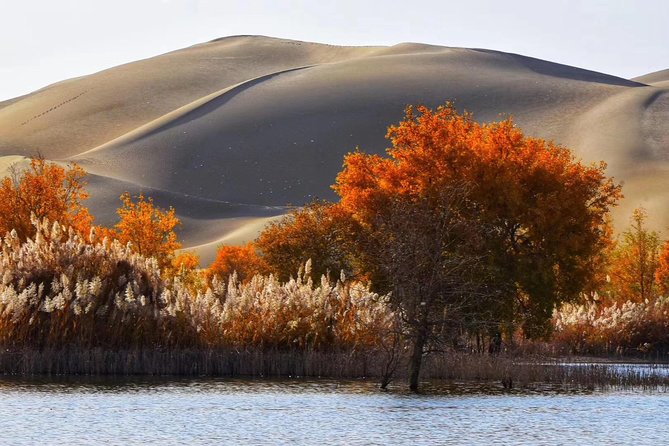
The Taklimakan crossing is the “hold onto your seat” day, but it is also one of the most iconic parts of the route. You travel from south to north via the desert highway, which is treated like a full-day drive. The plan includes lunch prepared in the morning, then photo stops and time to walk on sand dunes.
This matters for your expectations. This is not a quick desert viewpoint. You are going for distance, and the reward is seeing how the desert changes over miles and light.
Along the way, there is a stop at Rewake Fosi Relic Site, described as a Buddha tower preserved from the 5th century. It’s an important contrast to the sea of sand: it shows how old trade routes once carried religious art across the same terrain that now feels empty.
When you arrive in Kuqa at night, you check in and rest. That end-of-day rhythm is one reason this tour feels manageable. Long travel days are balanced with evenings that let you recover.
If you do not love driving days, this segment can feel long. On the other hand, if you are okay with repetition for better views, the experience becomes surprisingly memorable.
Kizil Caves and Kuqa Ruins, with Tianshan Canyon Views
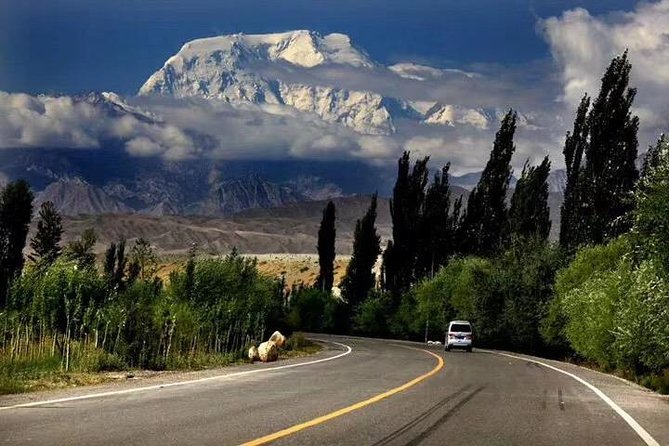
Kuqa and the nearby Kucha region are your cave art payoff. The plan includes a long visit to Kizil Thousand Buddha Caves (Kezi’er Qian Fo Dong), with time allocated at about 3 to 4 hours. A professional guide takes you through the caves and explains the Buddha paintings, which is a big deal. Without that narration, you might enjoy the visuals but miss why certain cave choices mattered.
You also see the Tianshan Mysterious Grand Canyon, described with red mountains and a canyon valley feel. It’s a different type of beauty than the desert and lakes, and it breaks up the “all caves all day” rhythm.
Back in Kuqa, you visit Subashi ancient city sites and Kuche royal palace ruins, plus a grand mosque stop in the region. These stops work well together because they show what power and daily life looked like in the Silk Road era, even when ruins are not fully preserved.
The Kizil caves are the heart of the day. The only true caution is practical: caves can be chilly or dim compared to the outside air. Dress in layers and accept that you are going to spend time standing and walking through uneven stone corridors.
Turpan Basin: Karez Wells, Bezeklik Caves, Gaochang, and Emin Minaret
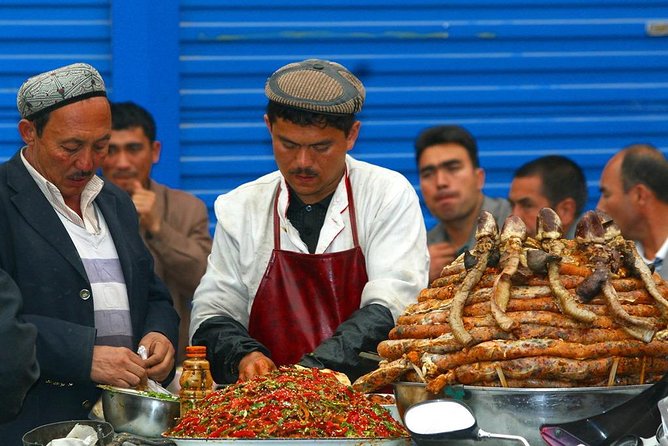
Turpan is one of the most fascinating places on the whole route, partly because it is the deepest basin in China. The plan gives you a full day set in the Turpan Basin and nearby sites, and it focuses on water management, ancient city remains, and cave art.
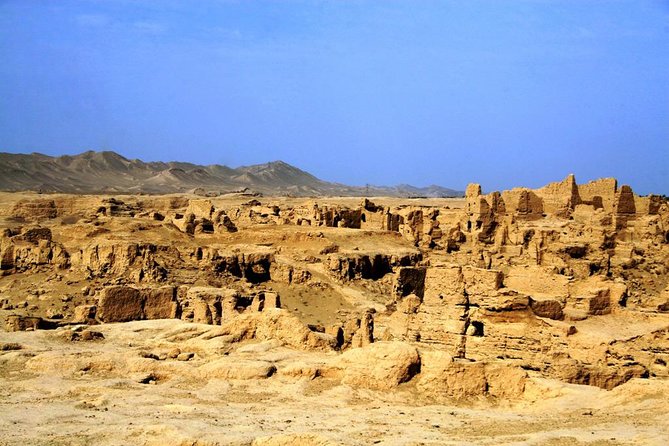
You start with karez wells, an underground irrigation system built over generations. This is one of those stops where you suddenly understand why agriculture could survive where it seemed impossible. Then you move through Tuyuq valley and Bezeklik Thousand Buddha Caves, a second major cave art site.
You also visit Gaochang ancient city, with the Emin Minaret mosque. The minaret stop is short but memorable because it shows how Islamic architecture and the Silk Road’s older layers are tangled together geographically and historically.
The Turpan museum rounds things out, with Tarim mummies listed in the plan. That’s the kind of stop that can shift how you picture Silk Road travel from romance to reality, because the artifacts are tied to people and survival.
There is also time for Tuyugouxiang, described as an old village, which adds texture to the city ruins. You are not only looking at history, you are seeing a living relationship with place.
On the following day, you return to Turpan sites again, including Jiaohe ancient city (Yarkhoto). Jiaohe is treated as an ancient city stop where your guide walks you through different parts and explains the history. After that, you ride on to Urumqi and visit the International Grand Bazaar in the evening, giving you an active city finish before nature day.
A practical warning, without drama: Turpan days can involve heat and long walking. Pace yourself in the caves and keep water with you.
Urumqi and Tianchi Lake: Tian Shan Scenery at the Trip’s End
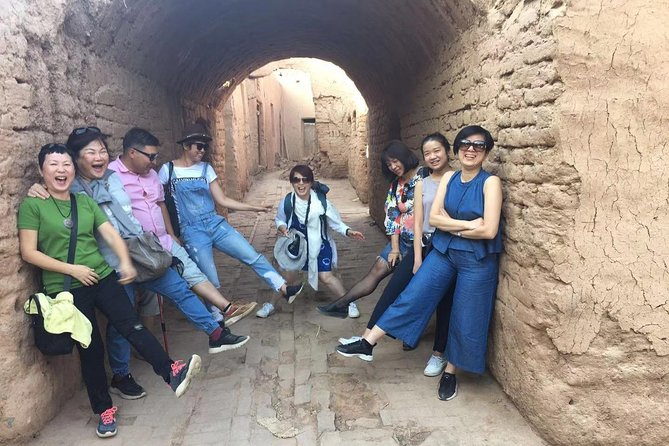
After Turpan, the tour shifts gears into city ease and mountain views. You drive to Urumqi, check in, and then do a walking tour at the International Grand Bazaar. The plan also mentions scenery across the Tian Shan area and thousands of wind power plants, so you see the modern energy side of Xinjiang along the way.
Then comes the payoff for people who love outdoors. You visit Mt. Tianshan and Tianchi Lake Scenic Resort (often called Heavenly Lake). There is time for hiking around the lake for a couple of hours with your guide. This is a great way to decompress after caves and desert days, because the walking here is scenic, not exhausting in the same way.
The final day is simply airport transfer to end the tour. It is efficient, and it avoids last-minute chaos when you are tired.
If weather is poor around the lake area, the experience may not run exactly as planned, so keep your schedule flexible at the very end.
Price and Value: What You Get for $3,524
At $3,524 per person for about 11 days, this is not a budget tour. It is priced like a serious Xinjiang trip, meaning you are paying for remote access, permits, and a guide who can keep everything moving.
Here is where the value shows up. Your price includes:
- air-conditioned vehicle transportation
- 3- and 4-star hotels (shared rooms) with breakfast each day counted in the plan
- a sleeper train ticket from Kuqa to Turpan
- entrance fees for the attractions named in the plan
- permits for foreigners to travel on the Karakoram Highway to Tashkorgan
- guide and driver expenses such as meals and fuels
- airport to train station pickup and drop-off, plus airport transfer at the end
- a multi-lingual guide for the whole trip
What is not included is also clear. You will cover lunches and dinners, personal costs, tips, and your flight into Kashgar and out of Urumqi. That is typical for private guided experiences, but it matters for planning your total budget.
For me, the strongest value-for-money parts are the included permits and the included entrance fees. In Xinjiang, those can add friction fast if you are trying to DIY. This tour turns “paperwork and logistics” into “show up and go.”
Who This Tour Fits Best (and Who Might Feel Crowded)
This tour makes sense if you like structured sightseeing but still want a local feel. It is a private tour, meaning your group travels together, with a multi-lingual guide. The content is also clearly “Silk Road specific,” with Kashgar, Hotan, desert country, Kuqa and Kucha caves, and then Turpan and Urumqi.
You will likely enjoy it most if you:
- want a guided explanation at major art and ruin sites, especially caves
- like seeing how cultures overlap, Uyghur in Kashgar, Tajik in Tashkurgan, and the layered religious history across the basin towns
- do not mind long driving days, because the scenery is the point
It may feel less ideal if you:
- prefer slower travel with fewer stops per day
- hate cave walking and standing in dim interiors
- want a lot of free time with no guide-driven schedule
Should You Book This Xinjiang Silk Road Tour?
I would book it if you want one “big route” answer for first-time Xinjiang. The mix is strong: Kashgar markets, the Karakoram Highway remote reach, the Taklimakan crossing, and then Turpan’s water and cave history, ending with Tian Shan scenery at Tianchi Lake.
I would pause if you are very price-sensitive or if you struggle with stamina on long road days. This tour is efficient, and it expects you to be comfortable moving, not just admiring from a bench.
If you can handle that, this is one of the cleaner ways to experience Xinjiang with less hassle and more meaning built in from stop to stop. And if you do get Waheed as your guide, you can expect the kind of translation and pacing that keeps the whole story making sense.
FAQ
What is the tour duration and starting time?
The tour is about 11 days, and it starts at 8:30 am.
Does the tour include pickup or transfers?
Yes. There is airport to train station pickup and drop-off, and a transfer to the airport at the end of the tour.
What transportation is included during the trip?
You use an air-conditioned vehicle for much of the route, plus a sleeper train ticket from Kuqa to Turpan.
Are entrance fees and permits included?
Yes. Entrance fees for the attractions listed in the trip are included, and necessary permits for foreigners to travel on the Karakoram Highway to Tashkurgan are included.
Is breakfast included?
Yes. Breakfast is included for the days specified in the tour details.
Are lunch and dinner included?
No. Lunches and dinners are not included.
Is this tour private?
Yes. It is a private tour, and only your group participates.
Recently added around Silk Road
- 2-Day Zhangye Private Tour: Binggou Danxia, Zhangye Danxia Geo Park, Mati Temple Grottoes★ 5.0 · 3 reviews
- Private Day Tour: Horse Hoof Temple Grottoes and Zhangye Danxia Landform★ 5.0 · 3 reviews
- Private Full-day Xining City Tour with Lunch★ 4.5 · 3 reviews
- Full-Day Private Guided Tour to Heavenly Lake of Tianshan★ 5.0 · 3 reviews
- 3 Days Urumqi Heavenly Lake and Turpan Tour★ 5.0 · 4 reviews
- Lanzhou Private Day Tour: Binglingsi Grottoes and Liujiaxia Gorge★ 5.0 · 3 reviews
- 9 – Day Private Trip Gansu Exquisite Hexi Corridor from Lanzhou★ 5.0 · 3 reviews
- Best of Kashgar tour with Karakoram Highway★ 4.5 · 3 reviews
Silk Road Tours, compared.
8-Day Silk Road Trip of Dunhuang, Jiayuguan, Zhangye with Accommodation
Read our review →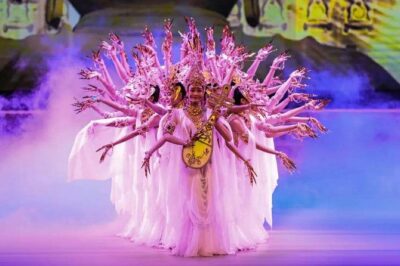
3-Day Private Silk Road Tour of Dunhuang: Mogao Grottoes, Yulin Grottoes, Crescent Moon Pool
Read our review →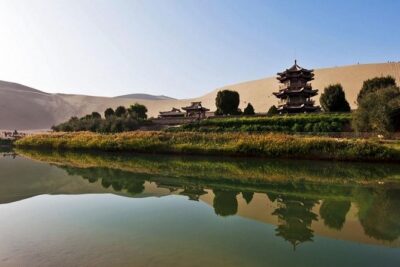
Dunhuang Private Silk Road Day Tour: Mogao Caves, Crescent Spring
Read our review →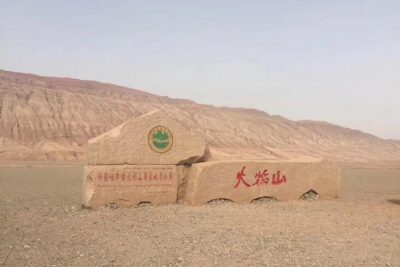
Private Day Trip to Turpan from Urumqi including Bezklik Grottoes
Read our review →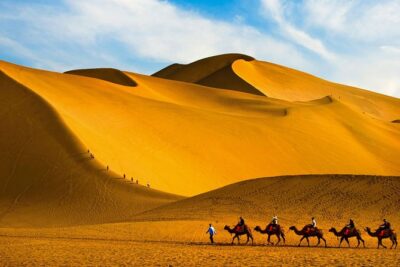
Dunhuang Private Day Tour Mogao Grottoes, Singing Dunes and Crescent Moon Spring
Read our review →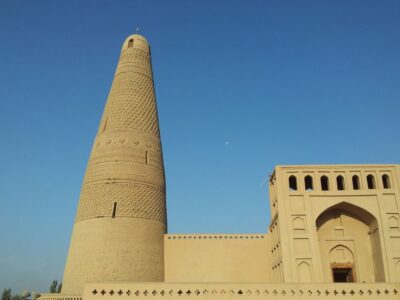
Dunhuang Day Tour: Mogao Grottoes, Singing Sand Dunes and The Silk Road Show
Read our review →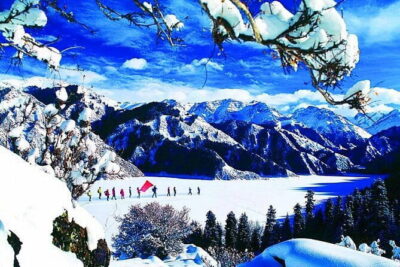
Browse the lists this tour appears in