
Reviewed · TEA CEREMONIES
Beijing: Chinese Culture Tea Ceremony Reservation Service
Tea time near Tiananmen feels oddly calming. You reserve a spot at a traditional courtyard teahouse, choose tea leaves, and follow a clear English guide through the whole ceremony flow, with an option to use express elevators for a smoother arrival.
I also like the English-speaking instructor support, and the pacing that makes a big, slow ritual feel easy to follow. The one thing to plan for: the $7 reservation covers booking only, while what you spend at the teahouse can add up.
In This Review
- Key Highlights to Know Before You Go
- Beijing Tea Ceremony Near Tiananmen: What This Really Feels Like
- Price and Value: The $7 Booking Fee vs Your Teahouse Spending
- From Elevator Meeting Point to Courtyard Seating: The Flow of the 2 Hours
- Choosing Tea Leaves: How It Shapes Your Tasting Moment
- The Ritual Steps in Plain English: What Each Part Teaches You
- English Support That Actually Helps: Guide + Instructor
- Getting There Smoothly: Express Elevators and a Simple Arrival
- Who This Teahouse Reservation Fits Best
- Should You Book This Beijing Tea Ceremony Reservation Service?
Key Highlights to Know Before You Go
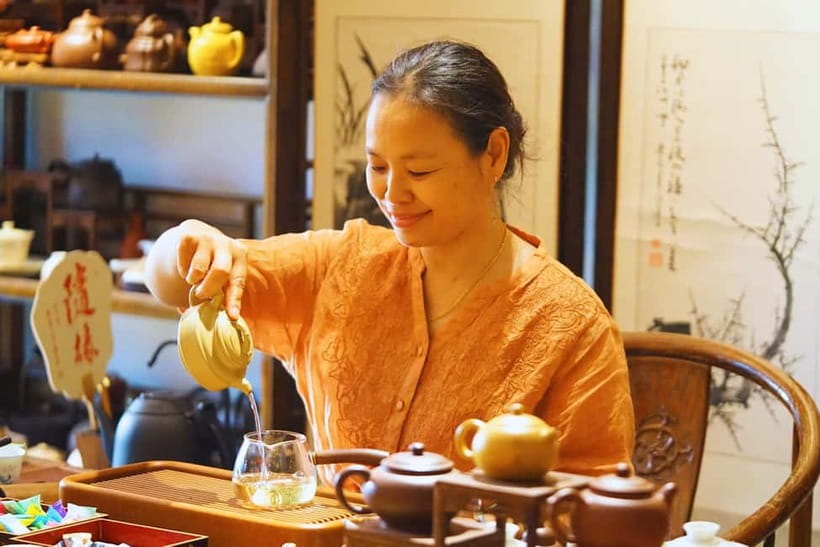
- Pick your own tea leaves, then watch how the ceremony adapts to the tea you choose
- English textual and visual guide helps you understand each ritual step, not just observe it
- Two prime tasting times (10:00 AM and 3:00 PM) chosen based on traditional tea culture and medicine
- Courtyard teahouse location is very close to Tiananmen Square, the Forbidden City, and Yonghe Temple
- Warm, attentive instruction focused on hospitality and making you comfortable
Beijing Tea Ceremony Near Tiananmen: What This Really Feels Like
This is a tea ceremony booking that’s designed for people who want the real ritual, not just a quick photo stop. The setting is a traditional teahouse courtyard very close to Tiananmen Square and the Forbidden City area, so you get a quiet pause from the big-city sightseeing rhythm without traveling far out of your way.
The experience is also built for comfort and clarity. You get an English textual and visual guide ahead of time, plus an English-speaking tea ceremony instructor on site. That combo matters because tea ceremonies can look symbolic and complicated from the outside, but the structure here turns it into something you can actually follow.
You’ll be in the ceremony for about two hours, and you can choose between two start times: 10:00 AM or 3:00 PM. Those timing choices are not random. They are selected as optimal tea-drinking times according to traditional Chinese culture and medicine, which is a nice touch if you care about context, not just performance.
More Tea Ceremonies in Beijing
- Traditional Chinese Tea Ceremony Experience
★ 4.7 · 74 reviews - Chinese Tea ceremony in Beijing Hutong courtyard
★ 4.7 · 26 reviews - Private Beijing Markets Tour with Tea Tasting at Hongqiao Pearl Market
★ 5.0 · 18 reviews
Price and Value: The $7 Booking Fee vs Your Teahouse Spending
The advertised price is $7 per person, and it’s important to understand what that covers. This reservation includes the booking fee and the ceremony reservation itself, but it does not cover any expenses at the teahouse.
That means your final cost will depend on what you choose to purchase during your visit. The average spending per person is listed at around 398 RMB, and it also notes that the cost of purchasing tea leaves is not included. In other words, the reservation is the cheap part, the teahouse is where the value decision happens.
So here’s the practical way to judge value for you:
- If you’re the kind of person who likes learning the ritual and you’re fine with buying tea, this can feel like a fair deal for the experience.
- If you only want a viewing or you have no interest in tea purchases, you might feel the overall cost is higher than you expected.
Also, the lack of a dedicated tour guide or audio guide is a cost-to-experience factor. You’re getting ceremony instruction and an English guide, not a full sightseeing narrative around Beijing’s landmarks. If you want that, you’ll need a separate activity for the history lecture.
From Elevator Meeting Point to Courtyard Seating: The Flow of the 2 Hours
Your start point is straightforward. After you arrive, take the elevator to the second floor. The activity ends back at the meeting point, so you’re not left wandering around without a defined return route.
Once you’re there, you give your name and phone number. Then you begin the experience by choosing your preferred tea leaves. That choice is one of the reasons this doesn’t feel generic. It’s not just watching a script, it’s part of your session from the beginning.
The ceremony process follows a clear sequence that you can expect to see, including:
- Host and guest greetings
- Preparing the tea and warming the utensils
- Adding tea leaves
- Shaking to release the fragrance
- Smelling the aroma
- Warming the cups
- Rinsing the tea
- Brewing the tea
- Serving the tea
- Enjoying the tea
That list may look formal, but the real value is how it teaches you to pay attention. You’re not rushing from one sip to the next. You’re learning what each action is for: aroma first, warmth next, then the brew and the serve. If you like calm, focused activities, this structure is exactly what you want.
Choosing Tea Leaves: How It Shapes Your Tasting Moment
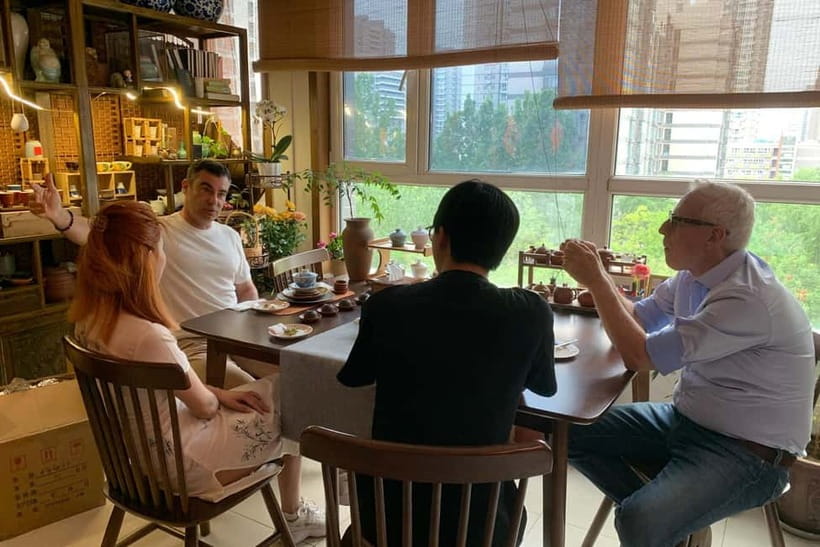
Tea ceremonies have an easy trap for beginners: you can watch the steps but miss the reason behind them. Here’s what helps you avoid that, the tea-leaf selection.
When you choose the tea leaves you like, you’re essentially choosing the flavor direction for your session. Then the ceremony actions, like rinsing and brewing, make more sense because they connect directly to the tea type you brought into the experience.
You also get guided attention points through the process itself. The ceremony includes smelling the fragrance and warming cups before serving. Those steps matter because they teach you that tasting is not only about flavor, it’s also about scent and temperature. It’s a simple idea, but it turns tea drinking into a multi-sense routine.
More tea houses and tastings in Beijing:
- Beijing: Mutianyu Great Wall and Tea House Private Tour
★ 5.0 · 11 reviews - Beijing Culture Event: Tradition Music, Tea Ceremony, Calligraphy
★ 5.0 · 11 reviews - Beijing: Temple Of Heaven+Tai Chi Class+Tea Ceremony
★ 5.0 · 8 reviews - 3-hour Morning/Afternoon Tea Tasting on Maliandao Street & Dimsum
★ 5.0 · 7 reviews
The Ritual Steps in Plain English: What Each Part Teaches You
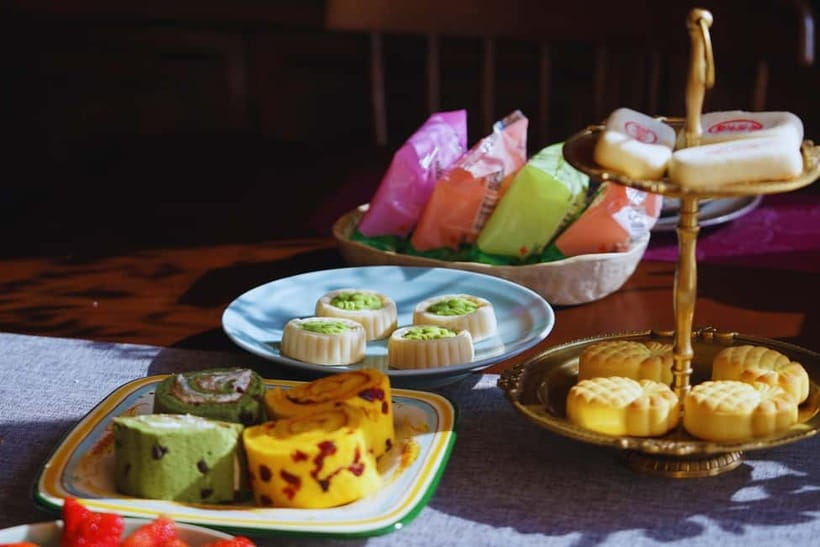
This booking promises an approach built on simplicity, nature, balance, and harmony between heart and mind. You don’t need to be philosophical to appreciate that. You can think of it as a guided pause where each action trains your attention.
Here’s a practical breakdown of what to notice:
- Greeting and setup: It sets the tone. Even if you feel shy, the host and the structure make it feel welcoming.
- Warming utensils and cups: You’ll understand why heat matters when you experience how the tea is prepared for serving.
- Adding leaves and shaking: This is where the aroma is released, and it’s a key moment for beginners.
- Smelling before sipping: It teaches you to slow down and notice scent before flavor.
- Rinsing and brewing: This is often the step people want explained. With the English guide and instructor support, you get the context rather than guessing.
- Serving and enjoying: The goal is not performance. It’s comfort and enjoyment, with a clear rhythm.
The praise around the experience tends to align with this focus: people highlight how informative it is and how warm the hosting feels, and that the tea itself comes out delicious. You should expect a friendly instructor who helps you get it, not just someone who runs the ceremony and leaves you guessing.
English Support That Actually Helps: Guide + Instructor

You get two layers of support in English:
1) An English textual and visual guide sent to you in advance
2) An English-speaking tea ceremony instructor during the session
This is a smart setup for first-timers. The visuals help you map the ceremony steps in your head before you sit down. Then the instructor can answer questions and keep things grounded while you’re actually doing the ritual.
If you’re worried about language barriers, this is one of the best ways to reduce them. You are not relying on a vague explanation in a language you don’t fully speak. You have a written and visual reference right there, plus an instructor who can guide you through each stage.
One more small point: since there is no separate tour guide or audio guide, lean into what you’re already doing. Ask the instructor about the steps you see. If you show curiosity, the experience is more likely to feel meaningful.
Getting There Smoothly: Express Elevators and a Simple Arrival
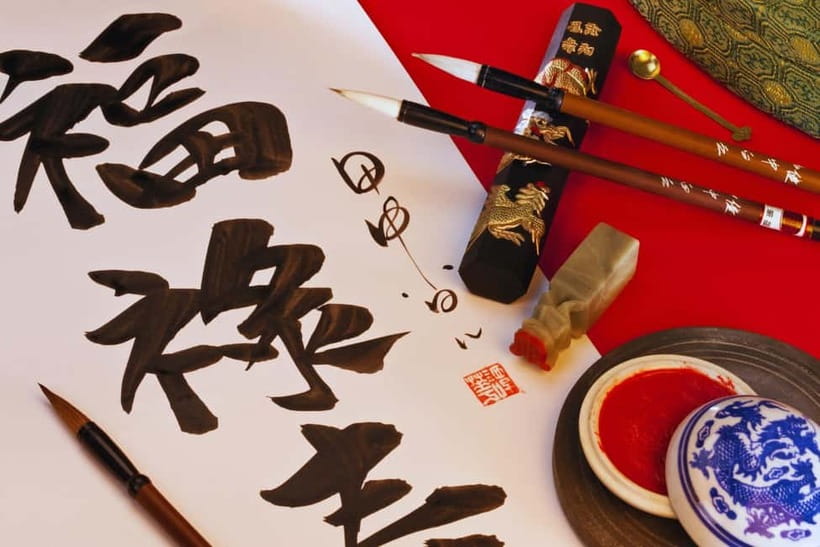
Location is a huge plus here because the teahouse is very close to major landmarks. That means you can fit a tea ceremony into a Beijing day without giving up a full sightseeing block to transit.
Logistics are designed to reduce friction:
- You start at a meeting point where you take an elevator to the second floor
- There is mention of express elevators to help you skip the line
- You receive a visual guide with the teahouse location and transportation details
This matters in Beijing, where waiting time can eat up your morning or afternoon. If you want the ceremony to feel calm rather than chaotic, these little arrival choices help.
Timing-wise, you’ll want to plan your day so you arrive a little early. The activity is two hours, and you’ll want time to settle in after you reach the second-floor meeting point and complete the name and phone details.
Who This Teahouse Reservation Fits Best
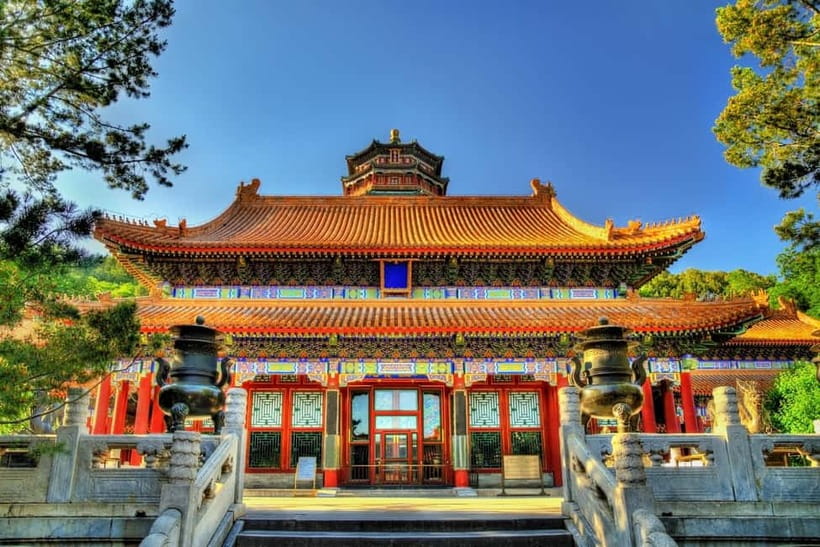
This works best for:
- Chinese traditional culture lovers who want something hands-on and structured
- Tea ceremony enthusiasts who want to refine their understanding of the process
- Curious first-timers who want a calm intro without needing prior knowledge
- Anyone who likes mindfulness-style routines, because the ceremony includes a slow, attention-based flow
It may not be the best fit if:
- You want a guided tour of the Forbidden City area, because this is ceremony-focused, not a full landmark narration
- You have a strict budget and dislike the idea that teahouse purchases may increase your total cost
- You prefer fast, high-energy activities rather than a paced ritual
Should You Book This Beijing Tea Ceremony Reservation Service?

Book it if you want a real tea ceremony experience near Tiananmen, with English support and a step-by-step flow that beginners can follow. It’s good value for the reservation component, and the experience is designed around clarity and comfort, not just tradition for tradition’s sake.
Skip it or pair it with another activity if you only want sightseeing or you don’t want any teahouse spending. Since the reservation fee does not include expenses at the teahouse, your budget should account for the possibility of extra costs during your visit.
If you’re traveling in Beijing and you want one part of your day to slow down, this is an excellent choice. The closest landmarks are busy, but your tea session is built to feel like a pause.
Recently added around Beijing
- Private Transfer to Mutianyu Great Wall with professional driver★ 5.0 · 19 reviews
- Wild Great Wall Hikes★ 5.0 · 10 reviews
- camp on the Great Wall overnight with sunrise and sunset on the wall★ 5.0 · 11 reviews
- Beijing: to Xi’an Terracotta Day Tour by Roundtrip Bullet Train★ 5.0 · 9 reviews
- Beijing Airport Layover Tour to Mutianyu Great Wall★ 5.0 · 4 reviews
- Private Wild Great Wall Hiking tour at Simatai (Challenging)★ 5.0 · 16 reviews
- Beijing: Mutianyu Great Wall and Tea House Private Tour★ 5.0 · 11 reviews
- Simatai Great Wall & Gubei Water Town Private Trip English Driver★ 5.0 · 7 reviews
Tea Ceremonies, compared.
Chinese Tea ceremony in Beijing Hutong courtyard
Read our review →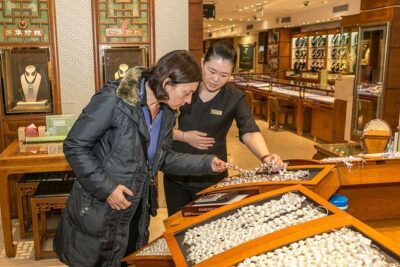
Private Beijing Markets Tour with Tea Tasting at Hongqiao Pearl Market
Read our review →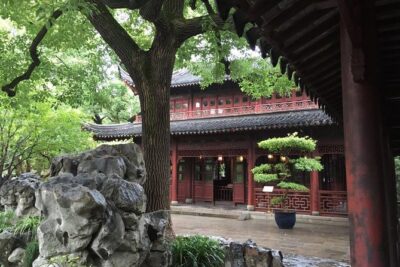
3-Hour Shanghai Yu Garden &Old Town Private Tour with Tea Tasting
Read our review →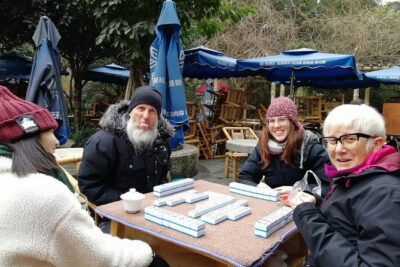
Half-day Private Mahjong course in Local Tea House
Read our review →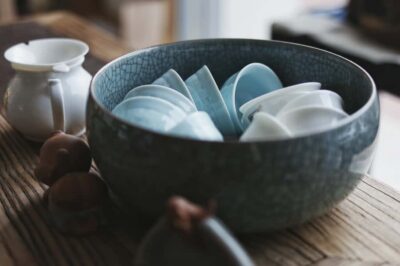
Shanghai 3-Hour Afternoon Tea Tasting and Dessert Tour
Read our review →Browse the lists this tour appears in