
Reviewed · TEA CEREMONIES
Beijing Culture Event: Tradition Music, Tea Ceremony, Calligraphy
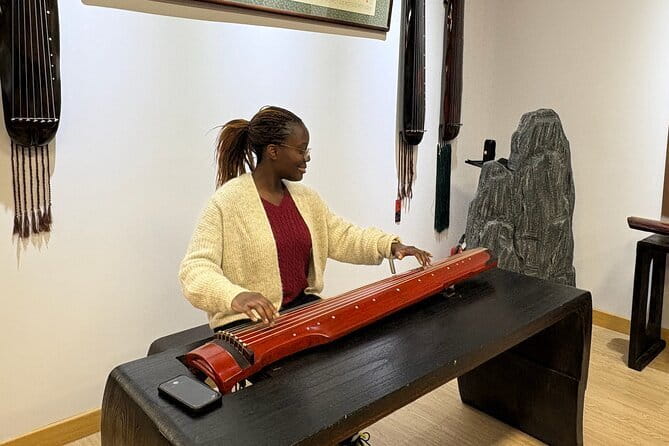
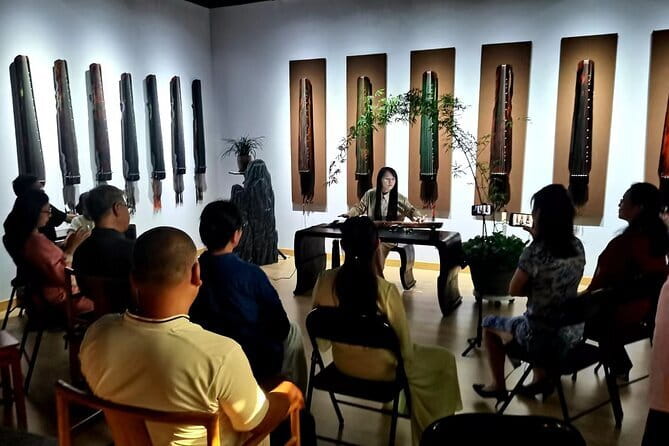
Three traditions, one calm evening. I love the Guqin performance by a master connected to the Beijing Guqin Association, and I love that you actually practice calligraphy with a brush, not just watch. The tradeoff is that it is a short session, so you will learn basics, not become a calligraphy expert.
This is also one of the rare Beijing cultural experiences that feels paced for normal people. The tea ceremony part focuses on etiquette and philosophy, and the group stays small, so you can ask questions through an English guide instead of shouting over a crowd. If you want a big sightseeing hit with lots of photos at street level, this one may feel slower than you expect.
In This Review
- 5 Key Reasons This Beijing Culture Session Works So Well
- Price and What $15 Really Buys You
- Showing Up at Huagong Road, Then Slowing Down
- Tea Ceremony: Etiquette, Philosophy, and Why It Feels Like a Reset
- Guqin Music Workshop: Ancient Sound, Clear Guidance
- Calligraphy Practice: Turning a Word Into Something Physical
- The 2 to 3 Hour Format: Why It Feels Comfortable
- Who This Beijing Cultural Evening Is Best For
- Tips to Get the Most From Tea, Guqin, and Calligraphy
- Should You Book This Beijing Culture Event?
- FAQ
- How much does the Beijing Culture Event cost?
- How long is the experience?
- Where does the experience meet?
- What is the maximum group size?
- Is there an English guide?
- What is included in the tea ceremony and refreshments?
- How does the ticket work?
- What is the cancellation policy?
5 Key Reasons This Beijing Culture Session Works So Well
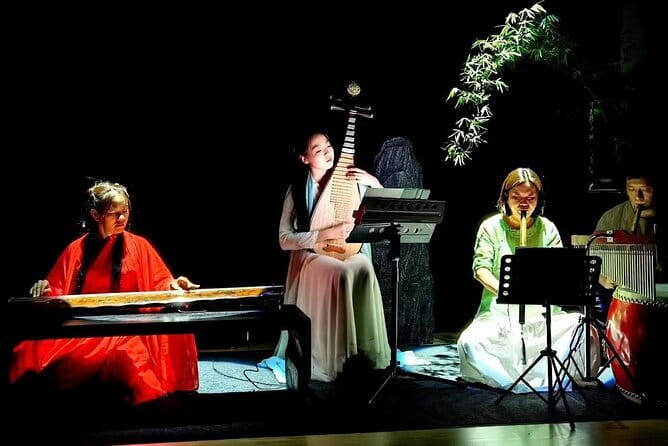
- Guqin by a Beijing Guqin Association master: live playing and hands-on learning, not background music.
- You do tea etiquette, not just drink tea: how to brew, how to hold the cup, how the ritual is read.
- Beginner-friendly guqin lesson: you try a simple melody, including one linked to Crouching Tiger, Hidden Dragon.
- Calligraphy as a take-home skill: brush technique plus writing your own word or phrase.
- Small-group calm (max 12): less pressure, easier conversation, more focus.
Price and What $15 Really Buys You
At $15 per person for a 2 to 3 hour experience, you are getting a lot of “in-person culture per minute.” You are paying for three live traditions in one slot: tea ceremony guidance, a guqin performance plus a basic try, and an actual calligraphy workshop.
The value here is not only the price. It is the structure. Instead of bouncing between separate venues, you stay in one flow, with each activity explaining the next idea: how music and writing connect to meaning, and how tea fits into manners, mood, and attention. That “one evening, three arts” format is part of why it feels like more than a cheap add-on.
The main thing to keep in mind is that this is not a multi-day class. You should expect short, meaningful introductions. If you want deep training, you will need longer lessons elsewhere. But if you want a genuine cultural evening without spending a fortune, this hits a sweet spot.
More Tea Ceremonies in Beijing
- Traditional Chinese Tea Ceremony Experience
★ 4.7 · 74 reviews - Chinese Tea ceremony in Beijing Hutong courtyard
★ 4.7 · 26 reviews - Private Beijing Markets Tour with Tea Tasting at Hongqiao Pearl Market
★ 5.0 · 18 reviews
Showing Up at Huagong Road, Then Slowing Down
The experience starts and ends at Huagong Road (Hua Gong Lu, Chao Yang Qu, Beijing Shi). That matters because you are not dragging yourself across the city for separate parts. You can plan it like a focused activity block, then go back to your own neighborhood afterward.
It is also set up to be convenient for real travel days. It includes a mobile ticket, service animals are allowed, and it is near public transportation. In plain terms, it is easier to fit into your itinerary than the kinds of experiences that require complicated transfers.
One more practical point: bring a mindset shift. This is not a “see everything fast” tour. You will sit, listen, sip, write, and repeat. If you like quiet moments and guided explanations, you are going to feel at home.
Tea Ceremony: Etiquette, Philosophy, and Why It Feels Like a Reset
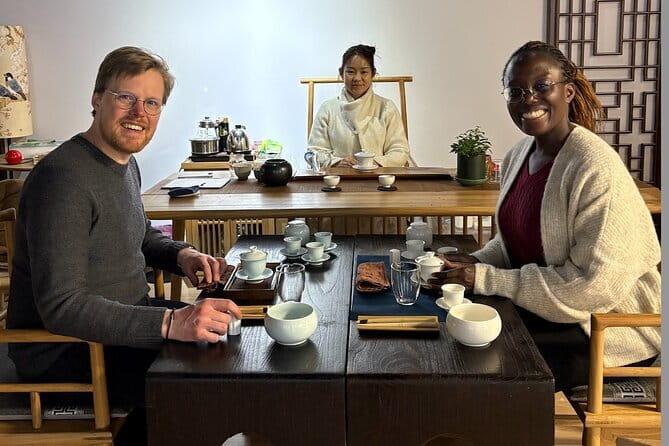
Tea ceremony in Beijing can sound like a performance you watch. Here, it is guided and interactive. You get to learn the philosophy and etiquette behind the ritual, then you try the brewing and tasting as part of the session.
I like that this approach treats tea as more than a drink. You are not just learning flavors. You are learning how to behave with attention. The etiquette element makes it easier to understand what you are doing with your hands and why the timing matters, which turns tea into a lived skill.
Also, you will be offered coffee and/or tea during the session, so you are not going in dry. That sounds small, but it helps the experience feel whole, especially if you are pairing it with sightseeing earlier in the day.
Potential drawback to consider: tea ceremony can be calm to the point of being quiet. If you are the type who needs constant motion or you dislike sitting for long stretches, this part might feel slow. But if you want a break from the city’s noise, this is often the exact kind of pause people remember most.
Guqin Music Workshop: Ancient Sound, Clear Guidance

The guqin is the star ingredient, and it is not a gimmick. The instrument is described as having a long tradition, and the session emphasizes its prestige, including its use in official settings for receiving foreign guests. That context matters because it helps you understand why the music is treated with respect.
You also get a real performer, described as a master connected to the Beijing Guqin Association. That matters for two reasons:
First, you are more likely to get accurate explanations.
Second, you learn in a way that matches how the music is actually taught.
What I find especially useful is that the session does not stop at listening. You hear the guqin live, then you try playing a simple melody from Crouching Tiger, Hidden Dragon. No prior experience is required, and the goal is not perfection. The goal is recognition, rhythm, and a feel for how the instrument works.
If you are a music person, this part can be extra fun. One theme from feedback is that the instructor talked about how ancient music scores are written in Chinese characters, which is a fascinating angle if you have ever wondered how notation connects to language and meaning. Even if you are not a musician, you will likely leave with a better sense of what makes the guqin sound so distinct: the mellow, patient tone and the way notes connect rather than pop.
More tea houses and tastings in Beijing:
- Beijing: Mutianyu Great Wall and Tea House Private Tour
★ 5.0 · 11 reviews - Beijing: Temple Of Heaven+Tai Chi Class+Tea Ceremony
★ 5.0 · 8 reviews - 3-hour Morning/Afternoon Tea Tasting on Maliandao Street & Dimsum
★ 5.0 · 7 reviews - Beijing Tai Chi and Tea Ceremony Experience
★ 5.0 · 4 reviews
Calligraphy Practice: Turning a Word Into Something Physical
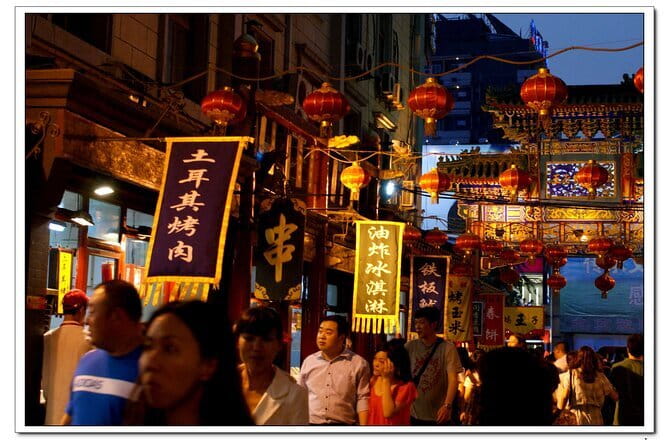
Calligraphy is where the experience becomes personal. You get guided instruction in basic brush techniques, then you write your own meaningful word or phrase. That is a big deal, because you leave with something you made, not just something you photographed.
This is also one of the easiest parts for beginners to enjoy. The workshop is positioned as a guided practice, so you are not expected to arrive already knowing stroke order. You are guided through the process and encouraged to create something that carries your own intention.
I also like the way calligraphy completes the “language of culture” loop. Tea ceremony is etiquette and attention. Guqin is sound and atmosphere. Calligraphy is form and meaning. When all three happen in one evening, it starts to feel like a single system instead of three separate arts.
A small consideration: calligraphy can be mentally sticky. If you are rushing, or if your hand is already tired from a day of walking, you may want to go into the session with a rested pace. But if you want a quiet creative outlet, this is the part that tends to feel most relaxing.
One extra note from the feedback: some people mention hanfu as part of the experience. Since it is not spelled out in every detail, the practical move is to ask your English guide whether there is a chance to try it on during your session.
The 2 to 3 Hour Format: Why It Feels Comfortable

Time is where a lot of cultural workshops go wrong. Too long and you get drained. Too short and you feel rushed. This one lands in a workable middle, around 2 to 3 hours.
The small group limit, up to 12 people, is also key. It changes the tone. In a big group, calligraphy and instruments become observational. Here, your questions and attention get space. People also describe the atmosphere as peaceful and low pressure, including introverts feeling at ease during the tea ceremony, music, and calligraphy.
That low pressure shows up in the way the session is taught. You are not being tested. You are guided. You try. You learn. If you enjoy “slow learning,” this format is a strong match.
If you are the kind of traveler who needs constant structure, you will probably like the flow: tea first to set the mood, guqin next to pull you into sound, and calligraphy last so the meaning sticks with a physical output.
Who This Beijing Cultural Evening Is Best For
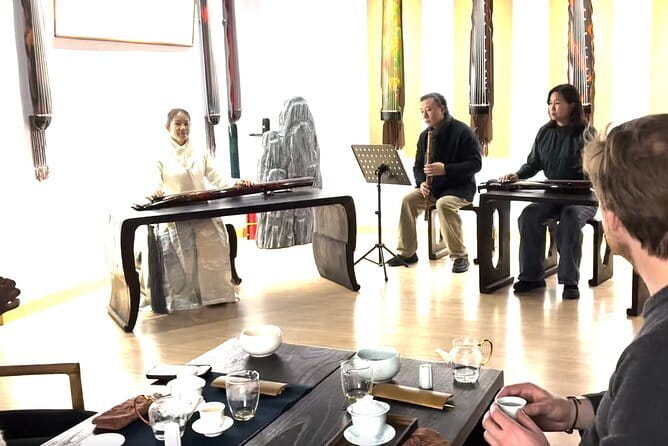
This experience is ideal for travelers who want authentic cultural depth without the high cost of doing three separate activities. It is also great if you like small moments more than big crowds.
I especially think it fits these groups:
- Couples looking for something more personal than a standard dinner date
- Introverts who want a calm setting with room to ask questions
- Music lovers who enjoy hearing how traditional notation and instruments connect to culture
- Families who want hands-on activities and not just museum time
It can also work well if you are meeting business clients or colleagues. One comment in the feedback notes that it impressed clients, which makes sense. You are showing something thoughtful and locally grounded, and the interactive parts turn it from entertainment into a shared experience.
Tips to Get the Most From Tea, Guqin, and Calligraphy

Here’s how you can make this evening feel even better, based on what the session is designed to do.
- Ask questions early in the tea ceremony. Etiquette explanations are easiest when you are already holding the cup and watching the steps.
- Pay attention to rhythm during the guqin try-on. Even if you only play a simple melody, the instructor will likely guide your timing and technique.
- Go with one clear intention for calligraphy. Choose a word or phrase that matters to you, because you will be shaping it with your own hand.
- Bring patience. This is not a “finish fast” craft. The calm pace is part of the point.
- If you want hanfu, ask about it during your session. Some feedback suggests it can be included, but you should confirm for your specific group.
And a simple expectation check: you will likely take home memories, and maybe ink-stained proof you tried. That is often the best souvenir type.
Should You Book This Beijing Culture Event?
I think you should book it if your trip has room for one calm, hands-on evening and you want real cultural practices, not just a talk and photos. The biggest reason to say yes is value: for $15 you get guided tea, live guqin by a qualified performer, and a calligraphy workshop where you actually write.
I would hesitate only if you hate sitting for a couple hours, or if you want intense instruction that turns you into a proficient calligrapher or a trained musician. This is a beautiful introduction, not a long course.
If you are trying to balance Beijing’s big attractions with something quieter and more human, this is a smart choice. It is the kind of experience that makes the city feel less like a checklist and more like a conversation.
FAQ
How much does the Beijing Culture Event cost?
It costs $15.00 per person.
How long is the experience?
The duration is about 2 to 3 hours.
Where does the experience meet?
It starts at Huagong Road, Hua Gong Lu, Chao Yang Qu, Bei Jing Shi, China, and ends back at the meeting point.
What is the maximum group size?
The experience has a maximum of 12 travelers.
Is there an English guide?
Yes. An English guide is included.
What is included in the tea ceremony and refreshments?
The experience includes a tea ceremony performance and experience, plus coffee and/or tea.
How does the ticket work?
You receive a mobile ticket.
What is the cancellation policy?
Free cancellation is available up to 24 hours in advance for a full refund. If you cancel less than 24 hours before the start time, the amount you paid will not be refunded.
Recently added around Beijing
- Private Transfer to Mutianyu Great Wall with professional driver★ 5.0 · 19 reviews
- Wild Great Wall Hikes★ 5.0 · 10 reviews
- camp on the Great Wall overnight with sunrise and sunset on the wall★ 5.0 · 11 reviews
- Beijing: to Xi’an Terracotta Day Tour by Roundtrip Bullet Train★ 5.0 · 9 reviews
- Beijing Airport Layover Tour to Mutianyu Great Wall★ 5.0 · 4 reviews
- Private Wild Great Wall Hiking tour at Simatai (Challenging)★ 5.0 · 16 reviews
- Beijing: Mutianyu Great Wall and Tea House Private Tour★ 5.0 · 11 reviews
- Simatai Great Wall & Gubei Water Town Private Trip English Driver★ 5.0 · 7 reviews
Tea Ceremonies, compared.
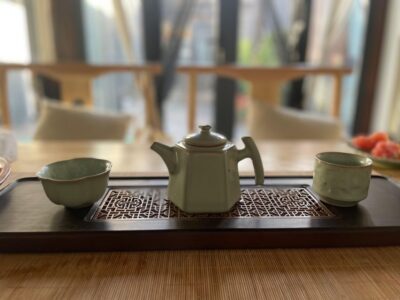
Chinese Tea ceremony in Beijing Hutong courtyard
Read our review →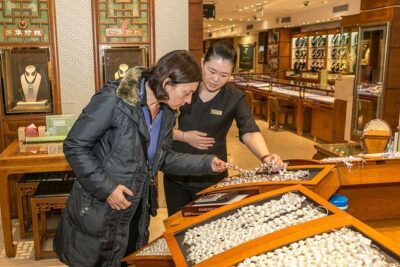
Private Beijing Markets Tour with Tea Tasting at Hongqiao Pearl Market
Read our review →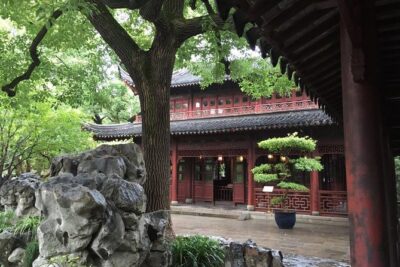
3-Hour Shanghai Yu Garden &Old Town Private Tour with Tea Tasting
Read our review →
Half-day Private Mahjong course in Local Tea House
Read our review →
Shanghai 3-Hour Afternoon Tea Tasting and Dessert Tour
Read our review →Browse the lists this tour appears in