
Reviewed · TEA CEREMONIES
Beijing Tai Chi and Tea Ceremony Experience
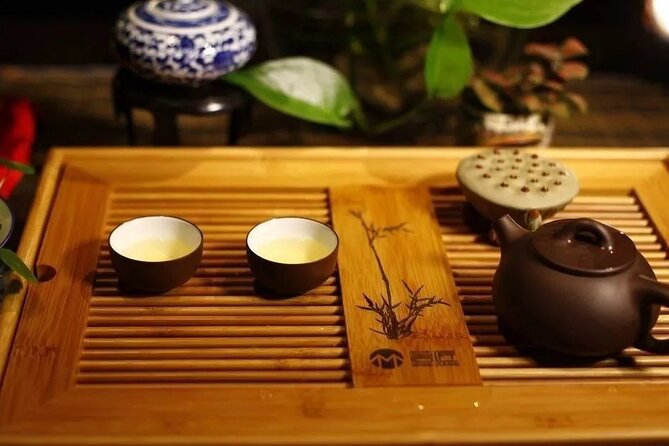
Tai chi plus tea is a smart way to wake up in Beijing. I really liked how the Tai Chi coaching, led by Eric, stays calm, patient, and tailored to your comfort level, and I also loved the Kungfu tea ceremony where you taste 4 to 5 Chinese teas. One heads-up: this is an active class plus tasting, and food is not included, so plan your appetite around it.
You start at the Jixiaolan Former Residence area at 9:00 am and end back where you meet. The focus is not just moves, it is the Taoist ideas behind them, like Qi and relaxation, plus how tea fits into daily life and self-cultivation. If you want a big sit-down meal or a long sightseeing stop, you will need to pair this with another activity after.
In This Review
- Key Highlights You Will Actually Feel
- 9:00 am Start at Jixiaolan Former Residence, and Why Timing Matters
- Tai Chi for Taoism, Not Just Fitness: What the 1-Hour Class Teaches
- The Real Benefit: Presence You Can Practice Anywhere
- How Eric Teaches: Calm, Patient, and Adjusted to Your Level
- What Might Feel New: Self-Massage
- From Tai Chi to Tea House: The Transition That Makes the Experience Work
- Kungfu Tea Ceremony With Alice: Taste 4 to 5 Teas Like a Pro
- Why This Feels More Authentic Than a Quick Tasting
- Snacks Are Included, but Plan Around the Missing Meal
- What You Learn That Actually Sticks After Your Trip
- Price and Value: Is $95 Worth a 3-Hour Morning?
- Logistics That Matter: Shoes, Transit, and What You Should Bring
- Who This Beijing Tai Chi and Tea Combo Fits Best
- Should You Book This Tai Chi and Tea Morning?
- FAQ
- How long is the Beijing Tai Chi and Tea Ceremony experience?
- What time does it start?
- Where do I meet for the tour?
- Is this a shared group tour?
- What happens during the Tai Chi part?
- How many teas and snacks are included?
- What is included in the price?
- Can I get a refund if I need to cancel?
Key Highlights You Will Actually Feel
- Beginner-friendly Tai Chi taught by English-speaking master Eric, with adjustments for your level
- 1 hour of Tai Chi Taoism context plus relaxation forms, typical movements, and self-massage
- 4 to 5 teas plus 3 to 5 snacks in the tea house, led by the tea master Alice
- Kungfu tea ceremony practice, with tips on how to judge tea quality yourself
- A morning routine that blends presence (mind, eyes, body) with a soothing tea break
9:00 am Start at Jixiaolan Former Residence, and Why Timing Matters
This experience begins at 9:00 am at Ji Xiao Lan Former Residence (Ji Xiao Lan Gu Ju), 前门 Xi Cheng Qu, Beijing Shi 100052. That matters more than you might think. Early Tai Chi often feels easier because the day is still settling in. You get movement first, then you transition into a calmer tea ritual right after.
You also end back at the meeting point. That is helpful when you want to keep your schedule tight. If your Beijing plan includes Temple of Heaven in the later morning, this kind of structured start can fit nicely. You get an experience that feels traditional and grounding before you go sightsee.
You do not need a car for this. The meeting point is listed as near public transportation, so plan to take public transit and walk the last bit.
More Tea Ceremonies in Beijing
- Traditional Chinese Tea Ceremony Experience
★ 4.7 · 74 reviews - Chinese Tea ceremony in Beijing Hutong courtyard
★ 4.7 · 26 reviews - Private Beijing Markets Tour with Tea Tasting at Hongqiao Pearl Market
★ 5.0 · 18 reviews
Tai Chi for Taoism, Not Just Fitness: What the 1-Hour Class Teaches
The Tai Chi portion runs about an hour and is designed to be practical. It is not a lecture marathon. You learn a mix of concepts and body work, so you leave with something you can repeat at home.
Here is what you can expect during the Tai Chi time:
- Tai Chi basics framed through Taoism knowledge
- Basic relaxation forms and typical Tai Chi movements
- Self-massage methods
- Guidance from an English-speaking master
The Taoist angle is important. You will hear how Taoism connects Tai Chi to improving Qi, a kind of internal flow people talk about in traditional practice. In plain terms, it is about using relaxation and coordination so your body feels more free instead of tense.
If you are new to Tai Chi, that helps. You are not guessing which parts to focus on. You are guided to pay attention to posture, softness in the body, and steady breathing.
The Real Benefit: Presence You Can Practice Anywhere
One thing I like about this kind of instruction is how it can train attention. You learn to coordinate mind, eyes, and body during movement. Even if you do not master every form, you can still walk away with a better sense of how to slow down and get aligned.
That is the kind of skill that works on travel. The second you are back to a loud street, you can use the same cue: relax, focus, move with intention.
How Eric Teaches: Calm, Patient, and Adjusted to Your Level
The class is led by Eric, and the teaching style comes through clearly. The biggest strength is patience. If you are a beginner, you get room to learn the basics without feeling rushed.
You should expect check-ins about your experience level. That is a big deal with Tai Chi. Different people struggle with different things, like balance, coordination, or remembering sequences. When the instructor adjusts, you spend less time thinking and more time practicing.
You can also expect English instruction that is understandable and structured. That means you can follow the why behind the movements, not just copy the motion.
More tea houses and tastings in Beijing:
- Beijing: Mutianyu Great Wall and Tea House Private Tour
★ 5.0 · 11 reviews - Beijing Culture Event: Tradition Music, Tea Ceremony, Calligraphy
★ 5.0 · 11 reviews - Beijing: Temple Of Heaven+Tai Chi Class+Tea Ceremony
★ 5.0 · 8 reviews - 3-hour Morning/Afternoon Tea Tasting on Maliandao Street & Dimsum
★ 5.0 · 7 reviews
What Might Feel New: Self-Massage
Self-massage is included in the Tai Chi segment. Some people love this part because it turns Tai Chi from movement into a full-body routine. Others might feel awkward at first if they expect only slow exercise.
No problem. If you keep your expectations flexible, you will likely treat it as a learning moment. Even short self-massage routines can help you notice tight areas you were ignoring.
From Tai Chi to Tea House: The Transition That Makes the Experience Work
About halfway through your morning, you shift from moving to sitting. That transition is one of the reasons this combo is so satisfying.
Tai Chi is about internal calm and regulating your body. Tea ceremony is also about attention and control, just in a different form. You are basically learning two traditional ways to slow the mind and guide the body into a more settled state.
You will be guided during the tea time, including how to taste and what to pay attention to. It is not just sampling cups and moving on.
Kungfu Tea Ceremony With Alice: Taste 4 to 5 Teas Like a Pro
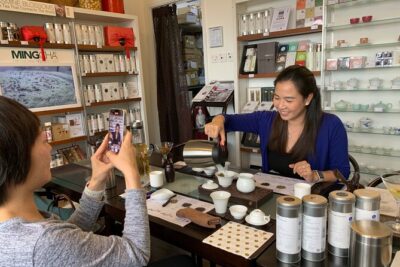
After the Tai Chi class, you head to a tea house experience guided by the tea master Alice. Expect a tasting set that includes:
- 4 to 5 types of Chinese tea
- 3 to 5 snacks
- Assistance from the tea master during your tasting
This is where you can get genuinely practical. You learn how to distinguish tea quality yourself, with help while you practice. The idea is to train your senses: notice aroma, taste characteristics, and the overall experience of each tea.
Why This Feels More Authentic Than a Quick Tasting
A lot of tea tastings are basically sip-and-smile. This one leans more into the Kungfu tea ceremony approach. That means technique and attention. You are guided through the ceremony style and learn tea culture in China through what you are tasting and discussing.
The “tea as cultivation” angle matters here too. You will hear how tea is tied to Shen, and how it supports moral conduct and stable temperament in Taoist practice. Even if you do not follow the philosophy, you can still appreciate the intention: tea as a way to slow down and reflect.
Snacks Are Included, but Plan Around the Missing Meal
You do get snacks with the tea. Still, food is listed as not included. So do not expect a full lunch afterward to be handled for you.
If you are the type who gets hungry fast, consider a light breakfast before the 9:00 am start and then let the snacks bridge the gap until your next meal. It is a simple strategy that prevents the “I can’t enjoy this because I am starving” problem.
What You Learn That Actually Sticks After Your Trip
This experience is value-rich if you think long-term. You are not paying only for the moment. You are paying for instruction that can become a habit.
Here is what can stick:
- Tai Chi relaxation forms you can practice when you feel tense
- Basic movement patterns you can repeat, even if you keep them simple
- Self-massage methods that encourage body awareness
- A better sense of what you like in Chinese tea, because you taste multiple types
- Confidence to distinguish tea quality using cues you practiced
This is especially helpful in Beijing, where you might spend the day walking and planning. When your body feels better, your sightseeing feels easier. When your mind feels calmer, crowds feel less exhausting.
Price and Value: Is $95 Worth a 3-Hour Morning?
At $95 per person for about 3 hours, you are paying for guided instruction and tasting, not just a casual show. The value comes from two areas working together:
- Expert-led learning
You get a full hour of Tai Chi instruction with an English-speaking master, then a guided tea ceremony led by Alice. That is more time with skilled teachers than many short “experience add-ons.”
- Tasting that teaches you how to notice quality
You taste 4 to 5 teas and 3 to 5 snacks. That is enough variety to learn preferences, not just enough for a quick taste.
The trade-off is that it is not a food tour. Food is not included, and private transportation is not included. If you are planning to eat after, you will need to handle that yourself.
For travelers who want cultural practice instead of another photo stop, this is solid value.
Logistics That Matter: Shoes, Transit, and What You Should Bring
This is easy to slot into a morning because the meeting point is near public transportation and the start time is clear at 9:00 am.
Wear comfortable walking shoes. Even though Tai Chi movements are gentle, you still stand, shift weight, and use your balance. Good shoes help you feel steady.
Bring a water bottle if you like. Water is not listed, so you cannot count on it being provided. A small personal habit like that can make the experience feel smoother.
Also plan your day around a calmer schedule afterward. Your body might feel loose in a good way, but your appetite still needs a real meal later since food is not included.
Who This Beijing Tai Chi and Tea Combo Fits Best
This experience is a great fit if you:
- Want a beginner-friendly introduction to Tai Chi
- Like the idea of Taoism concepts explained alongside movement
- Enjoy Chinese tea and want guidance on tasting and tea quality
- Prefer a morning activity that leaves you relaxed, not rushed
It may not fit perfectly if you:
- Are expecting a long, sit-down tea education with heavy theory and reading
- Want a full meal included or a major dining experience
- Only want sightseeing and do not care about learning anything hands-on
Should You Book This Tai Chi and Tea Morning?
I think you should book it if your ideal Beijing day includes one structured, traditional activity that teaches you something you can use again later. The combo of Tai Chi with Taoist ideas, then a guided Kungfu tea ceremony with Alice and multiple teas, makes the morning feel cohesive.
Book it especially if you are new to Tai Chi. Eric’s patient, level-aware instruction seems to be a key part of why people leave smiling and calmer.
If you are short on time, check whether 3 hours fits your schedule and plan a real meal afterward. With that covered, this is the kind of experience that can make your Beijing trip feel more personal, not just busy.
FAQ
How long is the Beijing Tai Chi and Tea Ceremony experience?
It is approximately 3 hours total.
What time does it start?
The start time is 9:00 am.
Where do I meet for the tour?
The meeting point is Ji Xiao Lan Former Residence, Ji Xiao Lan Gu Ju, 前门 Xi Cheng Qu, Beijing Shi, China 100052.
Is this a shared group tour?
This is a private tour/activity, and only your group will participate.
What happens during the Tai Chi part?
You learn Tai Chi Taoism knowledge, basic relaxation forms, typical Tai Chi movements, and self-massage methods, instructed by an English-speaking master.
How many teas and snacks are included?
In the tea house you taste 4 to 5 types of Chinese tea and 3 to 5 snacks.
What is included in the price?
Coffee and/or tea are included, and all fees and taxes are included.
Can I get a refund if I need to cancel?
Yes. Free cancellation is available if you cancel up to 24 hours in advance for a full refund.
Recently added around Beijing
- Private Transfer to Mutianyu Great Wall with professional driver★ 5.0 · 19 reviews
- Wild Great Wall Hikes★ 5.0 · 10 reviews
- camp on the Great Wall overnight with sunrise and sunset on the wall★ 5.0 · 11 reviews
- Beijing: to Xi’an Terracotta Day Tour by Roundtrip Bullet Train★ 5.0 · 9 reviews
- Beijing Airport Layover Tour to Mutianyu Great Wall★ 5.0 · 4 reviews
- Private Wild Great Wall Hiking tour at Simatai (Challenging)★ 5.0 · 16 reviews
- Beijing: Mutianyu Great Wall and Tea House Private Tour★ 5.0 · 11 reviews
- Simatai Great Wall & Gubei Water Town Private Trip English Driver★ 5.0 · 7 reviews
Tea Ceremonies, compared.
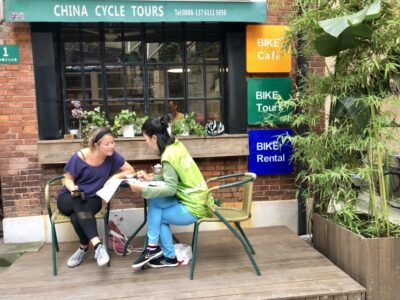
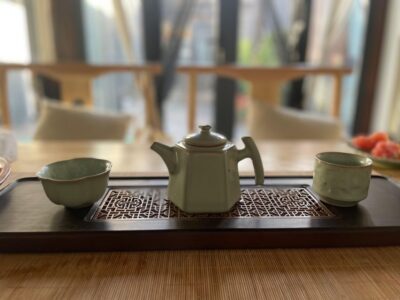
Chinese Tea ceremony in Beijing Hutong courtyard
Read our review →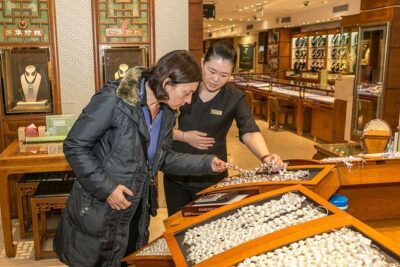
Private Beijing Markets Tour with Tea Tasting at Hongqiao Pearl Market
Read our review →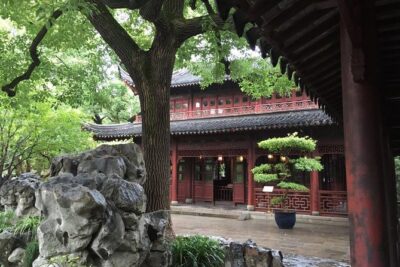
3-Hour Shanghai Yu Garden &Old Town Private Tour with Tea Tasting
Read our review →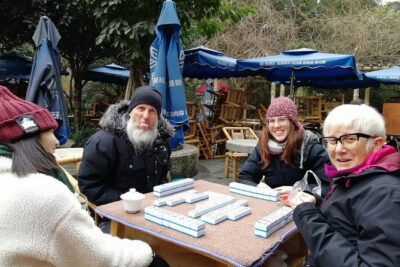
Half-day Private Mahjong course in Local Tea House
Read our review →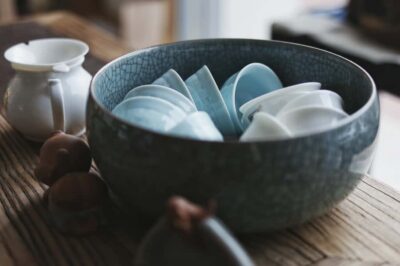
Shanghai 3-Hour Afternoon Tea Tasting and Dessert Tour
Read our review →Browse the lists this tour appears in