
Reviewed · COOKING CLASSES
Private Chinese Dim Sum Cooking Class in Shanghai
Dumplings get serious in Shanghai. This private class is a hands-on way to master xiaolongbao techniques and the feel of dim sum dough, with Chef Michael guiding every step. I also love the focus on making, not just watching, so you get real practice with fillings and shaping. The main catch is simple: you arrange your own way to the studio, since no hotel pickup is included.
You can pick a morning or afternoon session to match your day, and the timing stays tight at about 2 hours. You’ll start in a modern cooking studio in central Shanghai, then finish by eating what you cooked with your guide.
If you’re booking with dietary needs, plan to mention them upfront. The class is set up for small, private groups, and the equipment and instruction are included, but drinks are not automatically part of the lunch.
In This Review
- Key highlights at a glance
- Why this dim sum class is a smart Shanghai experience
- Getting to the central studio (no hotel pickup)
- What happens in the first minutes: tools, demo, then hands-on
- Xiaolongbao: broth flavor and the dumpling-filling balance
- Sealing and shaping: the technique that makes it work
- Spring rolls: rolling, stuffing, and pan-fried results
- The best part: eating dim sum you made together
- What you should expect to take home (recipes and technique)
- Price and timing: whether $141.40 per person makes sense
- Who this class is best for (and who should skip it)
- Should you book this Shanghai dim sum cooking class?
- FAQ
- How long is the cooking class?
- What dishes will I learn to make?
- Is lunch included?
- Are drinks included?
- Do I need to bring anything or arrange travel?
- Can the instructor accommodate dietary requirements?
- Is the tour private and can I travel with a service animal?
Key highlights at a glance
- Private class for only your group, with undivided chef attention
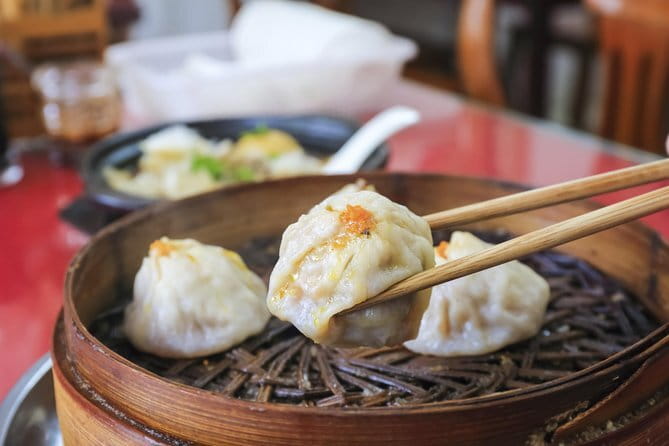
- Learn xiaolongbao elements, including broth and dumpling filling
- Make and taste spring rolls, including pan-fried favorites
- Follow an expert workflow in a 2-hour hands-on session
- Study in a central Shanghai studio near public transportation
- Enjoy lunch included after cooking
Why this dim sum class is a smart Shanghai experience
Shanghai has plenty of dim sum spots where you can eat your way through baskets. This is different. Instead of leaving with photos and a full stomach, you leave with muscle memory for dough handling, filling balance, and the pacing that makes steamed dumplings work.
What makes this class good value is that it targets both the showy and the practical parts of dim sum. You get the steps for xiaolongbao, not just the final bite. And you also learn spring rolls, which are easier to repeat at home because the process is more forgiving and the shapes are less fussy than a soup dumpling seal.
The “private” part matters more than it sounds. When the chef can see your dough and your folds, you get corrections right away. That is the difference between learning a recipe and learning a technique. Chef Michael is specifically mentioned in the feedback as professional and clear, and that matches what you want from a hands-on class: fast, specific teaching, not vague tips.
More Cooking Classes in Shanghai
- Shanghai-Cooking Dumpling & Meal in Local Family-w/Vegan
★ 4.9 · 36 reviews - Private Cooking Class: Make Your Own Dim Sum In Shanghai
★ 5.0 · 27 reviews - Private Home Cooking Class with Shanghai Mama
★ 5.0 · 14 reviews
Getting to the central studio (no hotel pickup)
Plan to meet in Shanghai and head to the cooking studio on your own. The experience is near public transportation, which is a big relief if you do not want to spend time negotiating taxis or tracking down a hotel lobby pickup.
The start time listed is 10:00 am, and the class offers a morning or afternoon option. So expect at least one morning slot around 10:00 am, with other sessions later in the day. If you are mapping your day, give yourself a little buffer. You want to arrive calm, not sprinting into a floury workshop.
You will get a mobile ticket, which is useful in a city where plans can shift. Bring it up on your phone and keep it handy at check-in. If you are coming from a nearby neighborhood, public transit is usually the easiest way to get into central Shanghai.
What happens in the first minutes: tools, demo, then hands-on
Once you arrive, you greet your guide and step into the cooking area. The class is set up with a short demonstration first, then practice right away. That rhythm is exactly what you need for dumplings. Dough behaves differently under different hands, and you cannot learn it from a single look.
You also get equipment included, so you are not hunting for tools or guessing what to bring. Your chef watches while you work, which helps you fix common issues early, like dough thickness and uneven filling distribution.
This is also where you should pay attention to the workflow. Dim sum is not one giant recipe. It is multiple small processes that fit together. You are learning how to manage them within the 2-hour window, so your end results come out looking like dim sum and tasting like it too.
Xiaolongbao: broth flavor and the dumpling-filling balance
The star of the class is xiaolongbao, the Shanghai-style steamed soup dumpling. You start with the savory components that give it that signature bite.
First, you work on a classic soup base for the filling. Then you move into the dumpling filling itself. The filling described here is specific: minced pork, salty soy sauce, and fresh green onion. That combo is classic for a reason. It brings fat, salt, aroma, and a fresh green bite that does not get lost under steam.
Next comes the practical skill: kneading and handling handmade dough. For xiaolongbao, thickness matters. Too thick and the dumpling feels heavy. Too thin and it becomes fragile. Your chef guides your technique as you practice stuffing and shaping.
The goal is not perfection on the first try. The goal is to understand what “right” looks and feels like. The better you get at stuffing and sealing, the more your dumplings hold their shape and keep the soup component where it belongs.
Same city, a very different kind of day:
- Authentic Local Food Tour in Central Shanghai
★ 5.0 · 1,382 reviews - Zhujiajiao Water Town and Shanghai City Private Day Tour
★ 5.0 · 1,016 reviews - Private Shanghai Full Day City Tour with Old and New Highlights
★ 5.0 · 995 reviews - Shanghai: 3-Hour Local Food Tasting Tour
★ 4.9 · 806 reviews
Sealing and shaping: the technique that makes it work
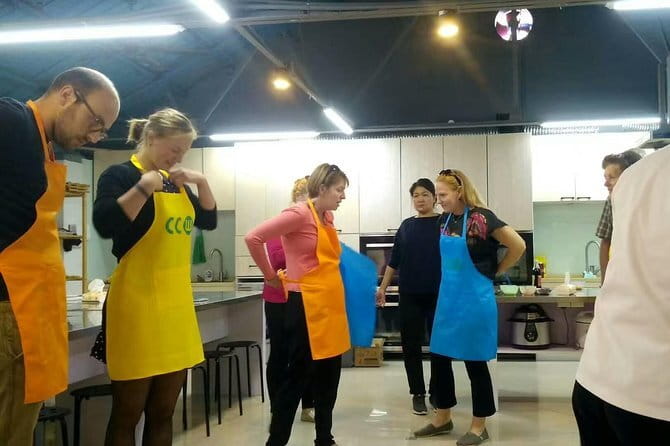
Xiaolongbao looks delicate, but the key is method, not luck. Your chef demonstrates how to adopt traditional technique, then you repeat it with your own dough.
You will practice stuffing dumplings and perfect the tasting portions you cook. This part is where Chef Michael’s teaching style shows up in the feedback. People highlight that he taught well and kept the class moving smoothly, and that usually means clear corrections on the exact pinch points, not generic advice.
If you are new to dumpling work, focus on three things:
- Dough thickness consistency
- Filling amount so it does not burst the seal
- Sealing pressure so the edges stay closed during steaming
Do not obsess over looks first. Even if your first couple are not restaurant-perfect, you will still learn the process. And because this is a private class, your chef can help you adjust quickly rather than waiting for a group pace.
Spring rolls: rolling, stuffing, and pan-fried results
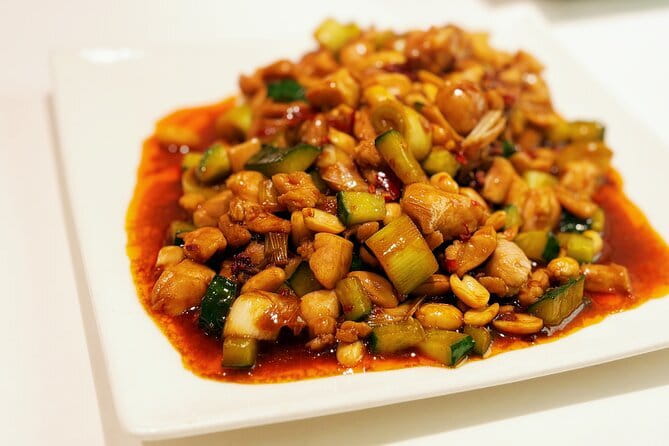
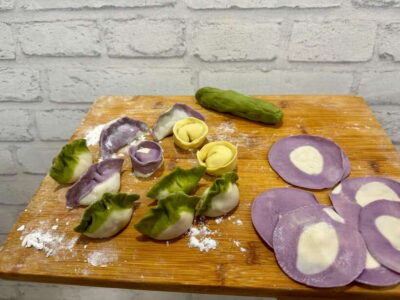
Dim sum is not only about steamed dumplings. You also learn to make dumplings and spring rolls commonly found on a dim sum menu, including fried spring rolls.
Your spring roll work is hands-on: you stuff and roll with mouthwatering ingredients, then use a traditional approach so the result holds together. The class descriptions emphasize traditional techniques like kneading dough and stuffing spring rolls, which matters because spring rolls fail in predictable ways. The filling leaks, the wrapper tears, or the roll opens during cooking. Good rolling technique prevents most of that.
Then comes the payoff: pan-fried style cooking. Since pan-fried spring rolls are part of what you will make and eat, you get to compare texture against what you might order in a shop. A well-cooked spring roll is crisp outside and properly cooked inside. Learning it at home is easier once you have felt the dough and seen the heat process firsthand.
This is one of the best features for practical home cooks. Steamed dumplings can be intimidating. Spring rolls are a strong middle step that still teaches you technique you can reuse.
The best part: eating dim sum you made together

After the hands-on cooking, you eat what you created with your guide. Lunch is included, so you are not left scrambling for a meal afterward. This is often where cooking classes win or lose. If you cook, then rush out hungry, the whole experience feels incomplete.
Here, you finish with a feast of Shanghai’s favorite bite-size snacks and the items you prepared. That includes the dumpling results and spring rolls, including fried versions.
The meal also locks in learning. When you taste your own xiaolongbao, you immediately understand what worked and what needs adjustment next time. It is one thing to read about stuffing and sealing. It is another to feel how the filling and broth balance comes through in one spoonful.
And because the class is private, you can ask questions while you eat. You are not waiting for your turn.
What you should expect to take home (recipes and technique)
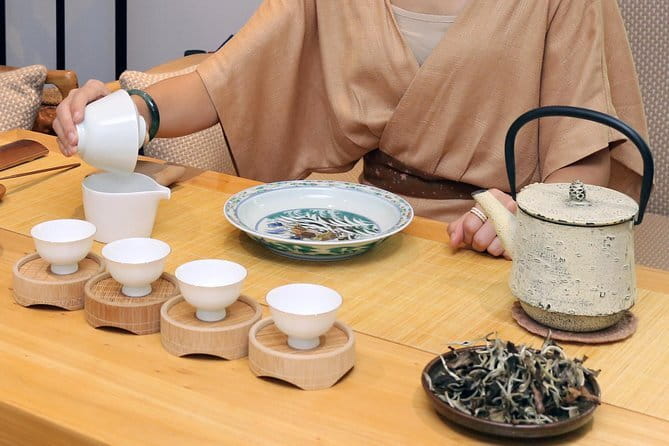
A big reason people love classes like this is the follow-up. Chef instruction is helpful during the session, but you want something concrete afterward.
The experience information and feedback point to leaving with recipes you can take home, which is ideal. Recipes give you a roadmap. Technique gives you the confidence to adjust ingredients at home while keeping the core method.
When you practice again later, start with the easier repeat target. Make spring rolls first, then work your way toward xiaolongbao. The skills overlap: dough handling, portioning, and sealing mindset. But the soup dumpling step demands more precision, so it is best to build up gradually.
If you have friends who love Chinese food, this is also a fun skill to share. Once you understand how the filling flavors are balanced, you can explain your version of the dish without sounding like a textbook.
Price and timing: whether $141.40 per person makes sense
At $141.40 per person for about 2 hours, the price only feels fair if you value the “private” and “hands-on” parts. This is not a generic group demo. Your chef provides professional instruction, equipment, and a meal.
What makes it more cost-effective than some cooking classes is that lunch is included and you are learning more than one dish. You are not paying just to watch dumplings form. You get xiaolongbao elements plus spring rolls, and you practice both shaping and cooking.
The class is often booked around 6 days in advance, so if you want a specific morning or afternoon slot, plan ahead. There are also group discounts, which can make a big difference if you are traveling with at least a couple of friends or family members.
One more practical note: because no hotel pickup is included, your local transportation time matters. If you are staying far from central Shanghai, the class may cost you more in taxis or time than the headline price suggests.
Who this class is best for (and who should skip it)
This experience is best for you if:
- You want hands-on instruction in dim sum techniques, not just a meal
- You like cooking during travel and want recipes you can reuse at home
- You want a smaller, private feel with undivided chef attention
- You are interested specifically in Shanghai-style xiaolongbao and spring rolls
Consider a different option if you are mainly looking for a quick cultural food tour where eating is the focus. This is a cooking class, so you will be working with dough and learning method, even if you come for the food.
It also helps if you like structured cooking within a short time window. The 2-hour format is long enough to learn real skills, but short enough to fit into a busy Shanghai day.
Should you book this Shanghai dim sum cooking class?
I think you should book it if you want a practical food skill from Shanghai, not only an appetizing memory. The combination of xiaolongbao, spring rolls, private chef attention, and lunch included makes the price easier to justify. And if you care about clear teaching, Chef Michael is specifically highlighted as professional and effective.
Do watch one thing before you commit: plan your route to the central studio. If your schedule is fragile or you hate coordinating transit, the lack of hotel pickup can be annoying.
If that part is manageable, this is the kind of experience that turns dim sum from a dish you order into a dish you can cook.
FAQ
How long is the cooking class?
The class runs for about 2 hours.
What dishes will I learn to make?
You will learn to make dumplings and spring rolls, including working on xiaolongbao (steamed soup with dumplings) and pan-fried spring rolls.
Is lunch included?
Yes. Lunch is included with the cooking class.
Are drinks included?
Food and drinks are not included unless specified, so plan on buying drinks separately.
Do I need to bring anything or arrange travel?
You make your own way to the studio in central Shanghai. The experience is near public transportation. Cooking class and equipment are provided.
Can the instructor accommodate dietary requirements?
You can advise any specific dietary requirements at the time of booking.
Is the tour private and can I travel with a service animal?
Yes, it is private, only your group participates. Service animals are allowed.
More Workshops in Shanghai
- 2-Hour Private Chinese Ink and Brush Painting Workshop in Shanghai
★ 5.0 · 15 reviews - 2.5hrs Chinese Kitchen Cooking Class: Xiaolongbao Soup Dumplings
★ 5.0 · 12 reviews - Online Cooking Class Fried Rice by Sunflower Li
★ 4.5 · 5 reviews - 2.5hrs Chinese Kitchen Cooking Class: Art Steamed Dumplings
★ 4.5 · 5 reviews
Recently added around Shanghai
- Zhujiajiao with Private Customized Shanghai City Highlights★ 5.0 · 14 reviews
- Zhujiajiao Water Village: Private Tour from Shanghai★ 4.9 · 43 reviews
- Zhujiajiao & Shanghai:Private Day Tour Water Town to Skyline★ 5.0 · 12 reviews
- Zhujiajiao Water Town Private Tour with Night River Cruise★ 5.0 · 9 reviews
- Zhujiajiao & Shanghai:Small Group Tour Water Town to Skyline★ 5.0 · 4 reviews
- Yu Garden Shanghai Entry Tickets Booking And Trip★ 3.6 · 9 reviews
- Shanghai: Xintiandi, CCP Museum and French Concession Tour★ 5.0 · 9 reviews
- Water Town Zhujiajiao Shanghai: Boat Ride,Sights,Bites&Sips★ 5.0 · 7 reviews
Cooking Classes, compared.
Half-Day Chengdu Cooking Class with a Local Market Visit
Read our review →
Online Cooking Class Beijing Dumplings and Cuisine by Sunflowerli Renowned Chef
Read our review →
Half-Day Xi’an Biang Biang Noodles Cooking with a Market Visit
Read our review →
Cooking Class with Fresh Market Half Day Experience
Read our review →
Private Cooking Class: Make Your Own Dim Sum In Shanghai
Read our review →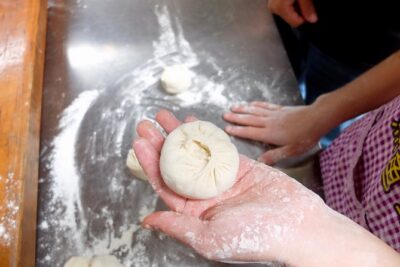
Half-Day steamed Buns Cooking Class with a Local Market Visit
Read our review →Browse the lists this tour appears in