
Reviewed · CITY TOURS
4 Days Lhasa City Essential Group Tour
Lhasa hits you fast, high altitude and big faith sites together. This 4-day group plan strings together the city’s most important monasteries and temples with airport or train transfers and a tight, guided pace. It’s designed so you spend less time figuring things out and more time understanding what you’re seeing.
I especially like two things: the permit and transfers are handled for you, and the tour includes one welcome dinner plus all breakfasts. That combo matters in Tibet, because the planning load can drain energy before you even reach the sites.
One thing to consider is that lunch and dinner are not included, so you’ll want to budget for meals on your own. Also, you’ll be walking and standing a lot in cool-to-cold plateau air, so comfortable shoes and layers are not optional.
In This Review
- Key things to know before you go
- Four Days in Lhasa, the easy way to do the big sites
- Price and value: what $605 includes, and what it doesn’t
- Airport-to-hotel day: how the tour sets you up for Lhasa
- Day 2: Drepung Monastery, Tibet Museum, Norbulingka
- Drepung Monastery: scale you can feel
- Tibet Museum: a calm pause between sacred sites
- Norbulingka: a royal garden with a Dalai Lama connection
- Day 3: Potala Palace, Jokhang Temple, Barkhor Street
- Potala Palace: winter palace views and meaning
- Jokhang Temple: the center of Tibetan Buddhism
- Barkhor Street: tea, chatting, and bargaining energy
- Day 4: breakfast, a free morning, then you’re out
- The guide team: why good pacing matters in Lhasa
- What to pack and how to make the days feel easier
- Who should book this Lhasa City Essential group tour
- Should you book it or keep shopping?
- FAQ
- What’s included in the 4-day Lhasa tour price?
- Are lunch and dinner covered?
- How do airport transfers work for my arrival and departure?
- Do I have to share a hotel room?
- How many people are in the group?
- When should I book for the Tibet permit, and how late can I cancel for a full refund?
Key things to know before you go
- Max group size of 12 people, so you get some personal attention without losing the value of a group tour
- Tibet Travel Permit and Express Service included, which saves you from doing paperwork while you’re dealing with travel stress
- 3 nights in 3- or 4-star hotels with breakfasts, plus a welcome dinner
- Two bottles of mineral water per person per day, helpful when the air feels dry
- Sightseeing days are built around major sites (Drepung, Potala, Jokhang) with museum and market time worked in
- Fixed pickup and drop-off windows from Gonggar Airport can shape your flight or train choices
Four Days in Lhasa, the easy way to do the big sites
This tour is built for people who want the best-known Lhasa religious landmarks without turning the trip into a puzzle. You get a guide who keeps the schedule moving, a vehicle with air-conditioning, and a plan that hits multiple “must-see” places across different parts of the city.
What I like is how the days are grouped. Day 2 leans into the outer monastery world and a royal garden. Day 3 centers on the core spiritual heart of Lhasa. Then Day 4 gives you a softer landing, with breakfast and free time before your departure transfer.
Lhasa sits at high elevation, and the pacing reflects that. The route includes long enough chunks at each place to actually take it in, but the schedule avoids feeling like nonstop sprinting from dawn to night. You’ll still want to take it seriously, though, and go easy the first day. Fresh air, slow movements, and hydration do more than fancy advice ever will.
A few more Lhasa & Tibet days worth comparing
- Tibet Tour 8 Days Lhasa to Everest Base Camp Small Group Tour
★ 5.0 · 578 reviews - 7 Days Lhasa to Kathmandu Overland Small Group Tibet Tour via EBC
★ 5.0 · 188 reviews - Tibet Tour 15 Days Lhasa to Kailash Trekking Small Group via EBC
★ 5.0 · 104 reviews
Price and value: what $605 includes, and what it doesn’t
At $605 per person, this is not a budget-only bargain, but it can be solid value if you compare it to booking everything separately. Here’s the core of what your money covers:
- 3 nights in a 3- or 4-star hotel
- Airport or railway transfers, plus an air-conditioned vehicle
- Tibet Travel Permit and Express Service
- Experienced local English-speaking guide
- Parking fees, government tax, and travel-agency liability insurance in China
- Breakfast (3) plus one welcome dinner
- Two bottles of mineral water per person per day
The stuff that often costs extra in practice is also clearly listed. Lunch and dinner are not included, and there’s no mention of additional transfers beyond the planned ones. You’ll also want to plan for any international flights to and from China, plus the domestic flight or train to and from Lhasa, because those are not covered.
If you’re deciding whether the price feels fair, I’d look at one question: do you want to handle the permit process, hotel logistics, and daily transport yourself? If you do, you can likely DIY parts of this. If you don’t, this tour’s packaged approach saves time and reduces the chance of last-minute stress.
Airport-to-hotel day: how the tour sets you up for Lhasa
Day 1 is mostly about getting you settled. You’re picked up at Lhasa Gonggar Airport or the railway station and transferred to your hotel. The time matters here: the airport to hotel transfer is about 90 minutes, and the train station to hotel is about 20 minutes.
There are also pickup windows from Gonggar Airport on the first day at 9:30 am, 1:00 pm, and 4:00 pm. The meeting point lists a start time of 9:00 am, but your actual pickup depends on which flight or arrival time you have.
This kind of first day is practical. You’re not rushed into a full day of sightseeing the second you land. Instead, you get time to check in, rest, and adjust to the high plateau air. You’ll want to use that rest wisely. Even if you feel fine, it’s smart to go slow before temple stairs, long queues, and cold-warm temperature swings.
Also, the tour includes a tourism permit service and an express process. That means you should not have to worry about day-of paperwork surprises, which is a real benefit when time, altitude, and crowds all stack up.
Day 2: Drepung Monastery, Tibet Museum, Norbulingka
Day 2 is a strong mix. It starts at Drepung Monastery, then shifts to the Tibet Museum, and finishes at Norbulingka, the Dalai Lama’s summer resort.
Same city, a very different kind of day:
- 10 Days Tibet Everest Base Camp and Namtso Small Group Tour
★ 4.5 · 53 reviews - 8 Days Lhasa Gyantse Shigatse Mt Everest Group Tour
★ 5.0 · 52 reviews - 6 Days Central Tibet Culture Small Group Tour
★ 5.0 · 41 reviews - 7 Days Overland Tour from Lhasa to Kathmandu
★ 5.0 · 20 reviews
Drepung Monastery: scale you can feel
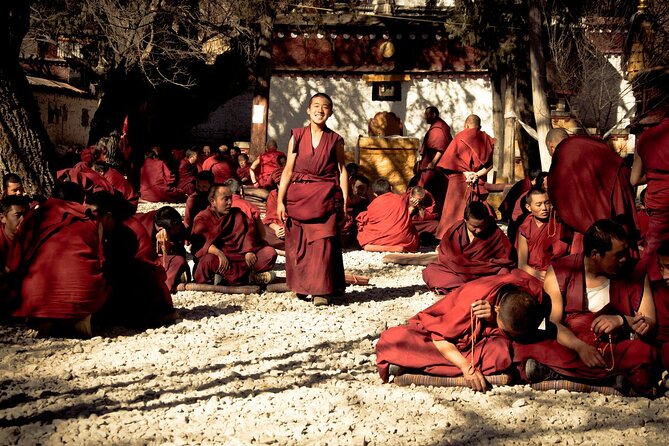
Drepung is described as the largest Tibetan monastery, once housing more than 10,000 monks. That’s the kind of detail that changes your perspective. You’re not just looking at a building. You’re walking through a site that tells you how big monastic life once was.
The visit is scheduled for about 2 hours, with a guided flow that keeps you moving without turning the stop into a quick glance. You’ll likely spend part of that time just orienting yourself, noticing the layout, and taking in how people move through the space.
Practical tip for this stop: dress for wind and cold, even when the sun feels bright. Lhasa weather can switch, and this tour runs in all conditions, so layers work better than luck.
Tibet Museum: a calm pause between sacred sites
In the afternoon, you visit the Tibet Museum for about 2 hours, and entry is listed as free. The description focuses on everyday life scenes, clothing, house architecture, and festival customs.
This is a nice break because it helps translate what you see at monasteries and temples into real culture and daily practice. When you see religious sites the whole day, it can help to step back and connect the dots.
Norbulingka: a royal garden with a Dalai Lama connection
The final stop on Day 2 is Norbulingka, described as a typical Tibetan-style royal garden and the summer resort of the Dalai Lama. With a scheduled 2 hours, you’ll have time to slow down compared to the more structured temple stops.
Even if you mostly care about the spirituality side, a garden stop can make the trip feel less like checking boxes. It’s also a good place to catch your breath after morning monastery walking.
Day 3: Potala Palace, Jokhang Temple, Barkhor Street
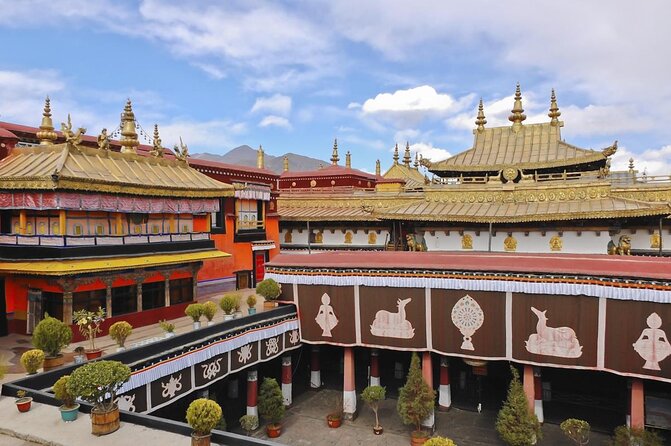
Day 3 is the headline day. You’ll visit Potala Palace, then Jokhang Temple, and finish with a stroll through Barkhor Street.
The day is also described as coming after you’ve felt more acclimatized. That matters. It suggests the tour expects you to handle altitude at a pace that won’t assume you land and immediately sprint.
Potala Palace: winter palace views and meaning
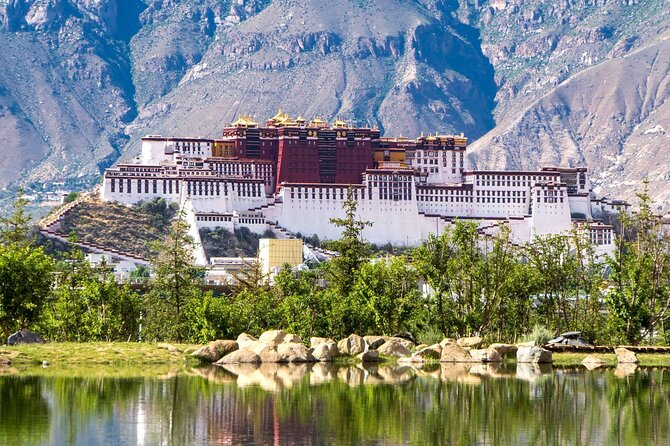
Potala Palace is the winter palace of the Dalai Lama. Admission is included, and the scheduled visit is about 2 hours.
Potala is one of those places where photos never fully explain the scale and stair logic. You’ll be looking up a lot, and the best move is to take a breath, walk at your own speed, and let the guide’s explanations frame what you’re seeing. A guided visit here can also help you notice details you might otherwise miss.
Jokhang Temple: the center of Tibetan Buddhism
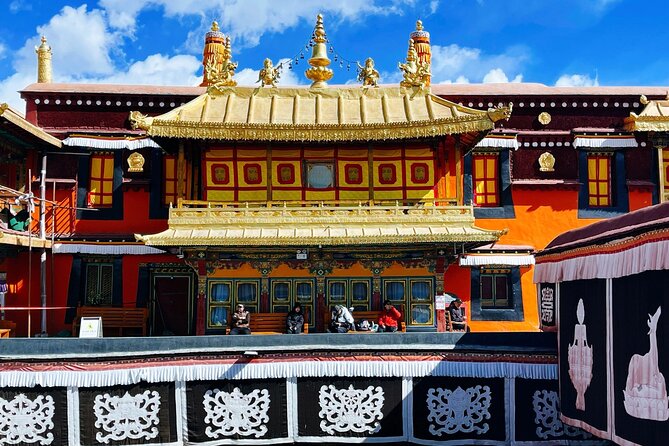
Next comes Jokhang Temple, known as the center of Tibetan Buddhism. The description mentions prayer wheels, reclining deer, and golden sutra streamers.
This stop has a 2-hour slot with admission included. Jokhang also connects naturally to Barkhor Street, because the temple sits inside a larger fabric of everyday religious life and local movement.
Barkhor Street: tea, chatting, and bargaining energy
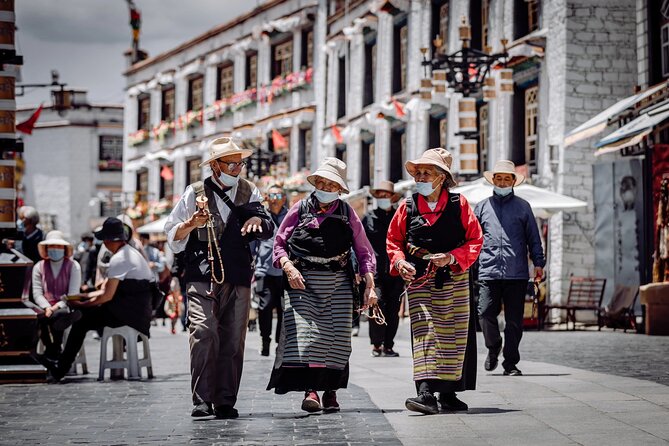
After Jokhang, you stroll Barkhor Street. The tour notes suggest you can drink sweet tea, chat with locals, and even bargain with street vendors to understand real-life in Lhasa. Barkhor is about 2 hours, and entry is listed as free.
This part is where the city feels less like a museum and more like an active community. If you want souvenirs, this is the practical place to think about them. If you don’t, it’s still a good way to see how people actually spend time around the big sacred sites.
Day 4: breakfast, a free morning, then you’re out
Day 4 has a lighter schedule by design. After breakfast, you get free time in the morning. Then the tour transfers you to Lhasa Airport or the railway station.
Drop-off timing from Gonggar Airport on the last day is listed as 8:30 am, 12:30 pm, and 2:30 pm. This is one of those details that can make or break your flight choice. If your onward travel has tight timing, choose a flight that matches one of those drop-off windows.
The free morning is valuable. You can rest, buy a few essentials, or just take a slower walk around your hotel area. I like having that buffer because it reduces the feeling of being scheduled all the way until departure.
The guide team: why good pacing matters in Lhasa
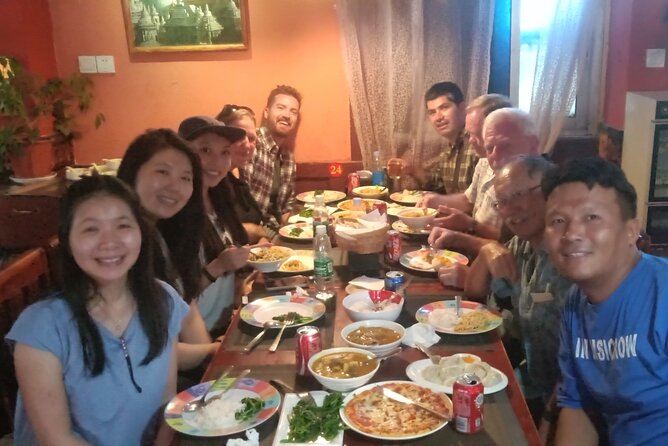
A well-run Lhasa tour is mostly about pacing. The elevation, the crowds at big sites, and the cold can all turn “great itinerary” into “stress trip” if the schedule isn’t managed.
The experience notes you provided credit the operator team in a very specific way, naming Beatrice as host and Tenzin as the guide, with Dorji also mentioned. That combination signals a local coordination mindset, the kind that helps you keep moving at the right moments and slows down when it matters.
Also, the tour is limited to a maximum of 12 people. That tends to keep questions from getting lost and makes it easier to stay together on crowded temple streets.
In April 2024, one set of notes mentioned a small group size of 6 people coming from Vietnam, New Zealand, and Sweden, with different ages. That kind of mix usually means the guide adapts the pace to different comfort levels, which is exactly what you want when the elevation is the real boss of the day.
What to pack and how to make the days feel easier
This tour says it runs in all weather and that you should dress appropriately. So plan for layers, not one outfit. At Lhasa altitude, cold wind can change how fast you want to move.
You should also wear comfortable walking shoes, because every major site involves uneven ground and lots of time on your feet. A long day at Potala or Jokhang is not a sit-and-watch experience.
Finally, remember the tour includes 2 bottles of mineral water per person per day. That helps, but you should still treat hydration as part of your game plan.
Who should book this Lhasa City Essential group tour
I’d point you toward this tour if you want:
- A guided route that hits Drepung, Potala, Jokhang, and Barkhor
- Permit handling and daily logistics handled for you
- A group that stays small enough to feel manageable, with up to 12 people
- Hotel comfort at 3- or 4-star standard, plus breakfast and one welcome dinner
I would think twice if you:
- Want to control every minute of your day and prefer totally independent timing
- Have a tight schedule that doesn’t match the set pickup and drop-off windows
- Don’t want to budget for meals, since lunch and dinner are not included
Also note the tour says most people can participate, but it doesn’t offer any specific medical or mobility details beyond that. If you have serious mobility limits, confirm directly with the operator before booking.
Should you book it or keep shopping?
If your priority is seeing Lhasa’s core spiritual landmarks with minimal stress, this tour is a strong choice. The permit support, the transfers, the small group size, and the fact that breakfast and a welcome dinner are included make the package feel practical.
You do have to accept two tradeoffs: you’ll plan your own lunches and dinners, and you’ll work around set transfer times tied to flight or train schedules. If those fit your travel style, book it. If not, compare against options where meal plans and timing are more flexible.
One smart move before you pay: make sure you can provide your passport details when booking, including your passport name, number, birthday, expiry, and country. The operator notes you should book at least 12 working days ahead, because they need time to prepare the travel permit.
FAQ
What’s included in the 4-day Lhasa tour price?
The tour includes 3 nights in a 3 or 4 star hotel, airport or railway transfers, an air-conditioned vehicle, Tibet Travel Permit and express service, parking fees, an experienced local English speaking guide, travel agency liability insurance in China, government tax, and food and lodgings for the guide and driver. You also get 2 bottles of mineral water per person per day, one welcome dinner, and breakfast for 3 days.
Are lunch and dinner covered?
No. Lunch and dinner are not included, so you’ll need to budget for meals during sightseeing days.
How do airport transfers work for my arrival and departure?
For the first day, pickup from Lhasa Gonggar Airport is listed at 9:30 am, 1:00 pm, and 4:00 pm. On the last day, drop-off from your hotel to Lhasa Gonggar Airport is listed at 8:30 am, 12:30 pm, and 2:30 pm. The transfer time from the airport to the hotel is about 90 minutes, and from the train station to the hotel is about 20 minutes.
Do I have to share a hotel room?
A hotel single supplement is available for an extra fee. The notes also say that if someone shares your room later, the cost will be returned to you.
How many people are in the group?
This tour has a maximum of 12 travelers.
When should I book for the Tibet permit, and how late can I cancel for a full refund?
You should book at least 12 working days ahead because the local operator needs time to work on your Travel permit. For cancellations, you can cancel up to 6 days in advance of the experience for a full refund, meaning you must cancel at least 6 full days before the start time.
Recently added around Lhasa & Tibet
- 6 Days Lhasa Gyantse Shigatse Group Tour★ 5.0 · 12 reviews
- 7 Days Overland Tour from Lhasa to Kathmandu★ 5.0 · 20 reviews
- 4-Day Tibet Tour With Everest Base Camp from Lhasa★ 4.5 · 18 reviews
- 6 Days Central Tibet Culture Small Group Tour★ 5.0 · 41 reviews
- 10 Days Tibet Everest Base Camp and Namtso Small Group Tour★ 4.5 · 53 reviews
- 8 Days Lhasa Gyantse Shigatse Mt Everest Group Tour★ 5.0 · 52 reviews
- Tibet Tour 15 Days Lhasa to Kailash Trekking Small Group via EBC★ 5.0 · 104 reviews
- 7 Days Lhasa to Kathmandu Overland Small Group Tibet Tour via EBC★ 5.0 · 188 reviews
City Tours, compared.
Forbidden City Tour(Group/Private)-Tickets Included
Read our review →
T-Square & Forbidden City Group or Private Tour
Read our review →
All-Inclusive Tour: Tiananmen Square, Forbidden City, Great Wall
Read our review →
4-Hour Small Group Tour to Forbidden City with Entry Tickets
Read our review →Beijing Full Day Tours: Tiananmen Sq, Forbidden City, Great Wall
Read our review →
Mini Group Xian Day Tour to Terracotta Army, City Wall, Pagoda and Muslim Bazaar
Read our review →Tianmen Square, Forbidden City & Royal Museum Tours
Read our review →
Beijing Forbidden City Ticket Booking (Optional: guide service)
Read our review →Browse the lists this tour appears in