
Reviewed · 7-DAY EXPERIENCES
7 Days Lhasa to Kathmandu Overland Small Group Tibet Tour via EBC
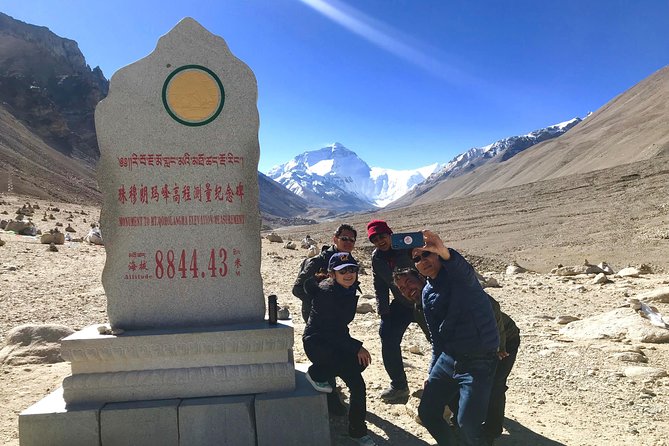
Lhasa to Everest, without the paperwork headache. This week-long overland route strings together Lhasa highlights like Potala Palace, Jokhang Temple, and Barkor Street, then drives you through Shigatse and Gyantse toward Everest Base Camp. I love the small group feel and the comfort of oxygen support in the vehicle, which helps on long, high-altitude days. One real consideration: weather and altitude can affect what you see most clearly, especially around Everest.
You start with hotel pickup in Lhasa and travel by van or minibus with an English-speaking local Tibetan guide and experienced driver. Along the way you get 3-star lodging (plus some guesthouse dorm beds depending on the setup) and a steady rhythm of temples, passes, and scenic stops, with breakfast included most days. The group max is 12, which usually means fewer hassles and quicker answers to the questions that pop up on the road.
In This Review
- Key Things to Know Before You Go
- Why This Lhasa to Kathmandu Overland Tour Works
- Day 1 in Lhasa: Pickup, Downtown Check-In, and First Acclimation Window
- Day 2 in Lhasa: Potala Palace, Jokhang Temple, and Barkor Street Kora
- Day 3 in Lhasa: Drepung’s Morning Quiet and Sera’s Monks Debate
- Day 4 From Lhasa Toward Gyantse: Yamdrok Yumtso, Pass Stops, and Prayer Flags
- Day 5: Shigatse to Everest Base Camp via High Passes and Gawula Views
- Day 6: Rongbuk Monastery Sunrise If Weather Allows, Then Toward Kyirong
- Day 7: Exit China at Gyirong and Choose Your Kathmandu Transfer
- Price and Logistics: What $989 Buys (and What It Does Not)
- Lodging, Meals, and What Your Days Actually Feel Like
- Altitude Reality: Passes, Timing, and How to Make It Comfortable
- Who Should Book This Tour, and Who Should Rethink
- Should You Book This Lhasa to Kathmandu Overland Tour?
- FAQ
- How many days is the Lhasa to Kathmandu overland tour?
- What group size is this tour limited to?
- What are the main inclusions?
- Are lunch and dinner included?
- Is the jeep transfer from Gyirong border to Kathmandu included?
- Do I need a Tibet permit?
- What if the trip is canceled due to weather or I need to cancel?
Key Things to Know Before You Go
- Small-group size (up to 12) keeps the trip personal and easier to manage on busy temple days
- Oxygen provided in the vehicle adds real peace of mind when roads climb toward 5,000m plus
- A classic route through Shigatse, Gyantse, and multiple high passes instead of flying over the hard bits
- Everest Base Camp access with Echo bus means less scrambling once you reach the reserve area
- Hotel pickup and guided logistics help you handle permits and the China-to-Nepal border process
- Optional jeep to Kathmandu at the Gyirong border, with an added cost
Why This Lhasa to Kathmandu Overland Tour Works
This tour is built for people who want the big Tibet moments without trying to coordinate permits, transport, and site timing on their own. You’re not just hopping from photo spot to photo spot. You’re getting guided structure in Lhasa, then you’re traveling the overland road corridor toward Everest Base Camp and onward to the Gyirong border.
The best practical value is what they handle for you: the Tibet travel permit and other necessary permits, plus an English-speaking local guide and the vehicle with oxygen and drinking water. When you’re operating at altitude, “simple” matters. Fewer decisions on your end can mean more energy for the views and the temples.
And because it’s a small group, you’ll generally get a smoother day. You can ask questions during stops, and the guide can adjust pacing if someone needs a slower rhythm.
A few more Lhasa & Tibet days worth comparing
- Tibet Tour 8 Days Lhasa to Everest Base Camp Small Group Tour
★ 5.0 · 578 reviews - Tibet Tour 15 Days Lhasa to Kailash Trekking Small Group via EBC
★ 5.0 · 104 reviews - 10 Days Tibet Everest Base Camp and Namtso Small Group Tour
★ 4.5 · 53 reviews
Day 1 in Lhasa: Pickup, Downtown Check-In, and First Acclimation Window
Your day starts with a guide meeting you at the airport or train station, then you transfer to a hotel in downtown Lhasa. The route includes a glimpse of the Yarlung Tsangpo River scenery along the way, which is a nice early reminder that you’re not just in a city, you’re in a landscape-shaped by water and ancient valleys.
You also get a welcome dinner as part of the package. It’s a good moment to settle in, eat something familiar-ish, and ask your guide what the next days will feel like, especially with altitude.
Your first day is also your best chance to acclimate gently. Even if you feel fine, don’t sprint around Lhasa on day one. Take it easy, hydrate, and let your body catch up. This is one of those trips where your comfort tomorrow depends on how calm you are today.
Day 2 in Lhasa: Potala Palace, Jokhang Temple, and Barkor Street Kora
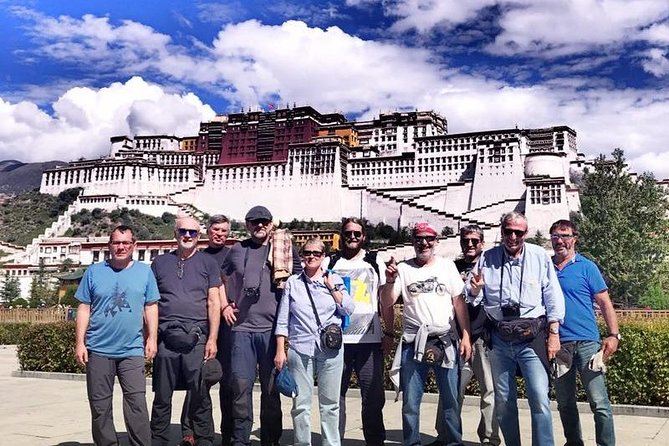
Day two is classic Lhasa, the kind of day that’s heavy on meaning and visuals. You start at Potala Palace, described here as the winter palace associated with the Dalai Lama and a landmark with roots reaching far back in Tibet’s history. Expect a focused visit, about 1.5 hours.
Next comes Jokhang Temple, a cornerstone of Tibetan Buddhism dating to the 7th century in the tour’s description. Inside you can see the statue of Sakyamuni at the age of twelve, and outside you’ll see how this place lives with pilgrims.
Then you finish on Barkor Street, built around the kora (religious circuit) and the old market. This is where you slow down a little. You can taste Tibetan tea with locals during the walking time, and you get real energy from the flow of people doing their daily spiritual loop.
Practical note: the detailed itinerary text marks some admissions as not included, but the package also states entrance fees are included. Before you go, ask your operator to confirm exactly which tickets are included for Potala and Jokhang for your exact dates. It’s usually a quick clarification and can save you last-minute confusion.
Day 3 in Lhasa: Drepung’s Morning Quiet and Sera’s Monks Debate
Day three balances big monastery sites with a memorable event. You visit Drepung Monastery in the morning, about 25 kilometers southwest of downtown Lhasa. The tour frames it as a well-protected ancient Tibetan village surrounded by valleys, so you’re not only looking at buildings. You’re seeing a whole monastery setting.
In the afternoon, you go to Sera Monastery, one of the Gelug “great three” monasteries. The standout is the monks debate, typically described here as happening around 3 to 5 in the afternoon. This is the kind of experience that can feel surprisingly alive, because it’s logic, rhythm, and tradition in motion.
Sera’s debate time is also where patience helps. Weather, crowd flow, and timing can affect what you catch. Still, it’s one of the best ways to see Buddhism here as something practiced, not just displayed.
Also, wear shoes you can walk in comfortably. Monastery grounds can involve uneven pavement, steps, and longer walks than you expect after the first stop.
Same city, a very different kind of day:
- 8 Days Lhasa Gyantse Shigatse Mt Everest Group Tour
★ 5.0 · 52 reviews - 6 Days Central Tibet Culture Small Group Tour
★ 5.0 · 41 reviews - 4 Days Lhasa City Essential Group Tour
★ 5.0 · 25 reviews - 7 Days Overland Tour from Lhasa to Kathmandu
★ 5.0 · 20 reviews
Day 4 From Lhasa Toward Gyantse: Yamdrok Yumtso, Pass Stops, and Prayer Flags
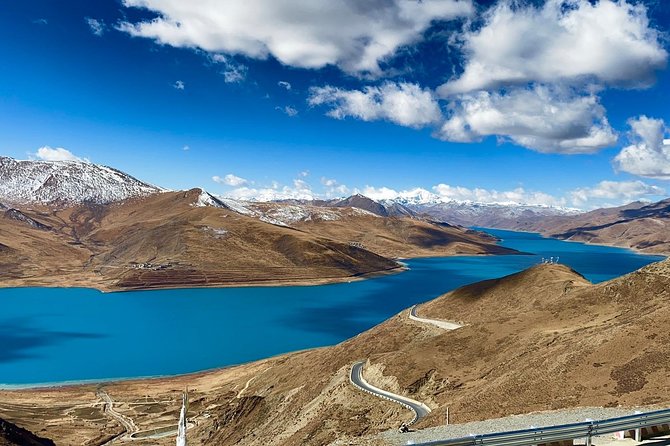
Today is all about the road, with stops that turn the drive into the experience. You head from Lhasa toward Shigatse, crossing Gampala Pass at about 4,790m, with a viewpoint glimpse of Yamdrok-tso around 4,400m. The tour notes snow-capped mountain surroundings and gives you a classic high-altitude lake photo opportunity.
Then you pass and enjoy Karola Glacier on the roadside and stop near Manak Dam Lake. The route includes a chance to hang prayer flags at Simila Mountain Pass. This is a small moment, but it’s also one of the most Tibetan gestures you’ll do during the whole trip.
You then continue to Gyantse, described as Tibet’s third largest city historically. Even if you don’t spend hours exploring town, arriving there after a long mountain day gives you a sense of real geographic progression.
Heads-up for comfort: long drives at altitude can make your body stiff. Bring layers, water, and a light snack for the gaps between stops.
Day 5: Shigatse to Everest Base Camp via High Passes and Gawula Views
Day five is where the trip starts to feel like Everest is right there, not just a name on a brochure. First you visit Tashilunpo Monastery in Shigatse, described as the home of the Panchan Lama. It’s a spiritual stop that also gives your eyes something calmer than highway scenery.
After Shigatse, you move toward the Everest area. The itinerary mentions getting your travel permit before leaving, then driving to Lhatse for lunch. This part matters because it keeps you fed and functioning before the high passes.
From there, the route crosses big elevation markers: Tsola Pass (around 4,600m) and Gyatsola Pass (around 5,248m). The tour also notes a panorama viewpoint at Gawula Pass (about 5,198m) as you enter the Mt. Everest National Nature Reserve.
Once you reach Everest Base Camp, the tour includes an Echo bus service. That’s helpful because it reduces scrambling between parking, entrance areas, and viewpoints.
Here’s the truth you should plan around: at Everest Base Camp, visibility is a weather game. Even with clear skies, wind and cloud can change what you see within minutes. Dress for cold, bring sun protection, and expect that the best views can come and go.
Day 6: Rongbuk Monastery Sunrise If Weather Allows, Then Toward Kyirong
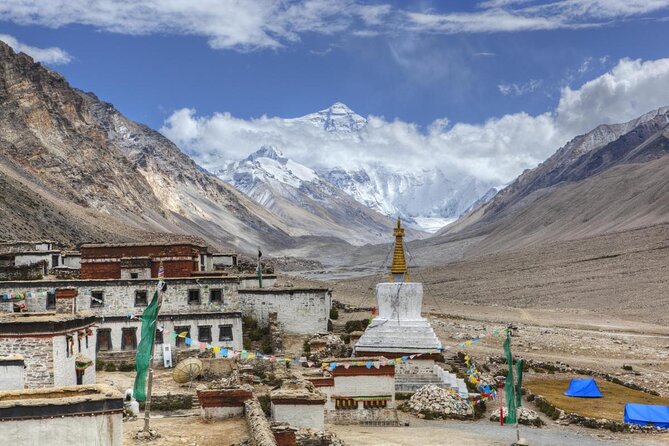
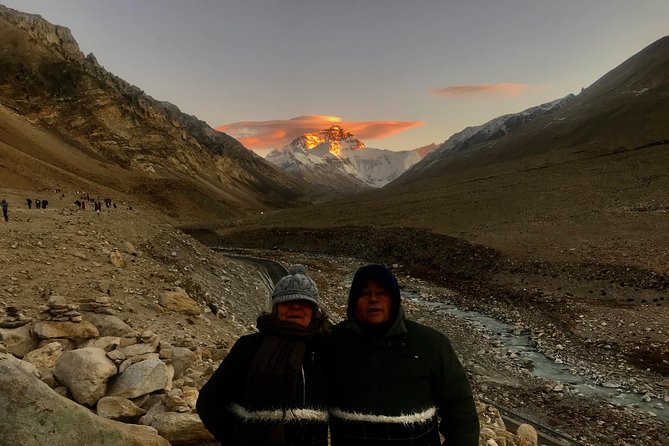
Day six starts early, with a chance for sunrise views of Everest Peak if weather permits from the lodging area. This can be magical if conditions line up, but the key phrase is if weather permits. Don’t treat sunrise as guaranteed.
After sunrise time, you visit Rongbuk Monastery, described as the highest monastery with nuns and monks living together. It’s a quiet stop, and it also gives context for how people live near the mountain, not just visit it.
Then you shift back into driving. On the route from Everest Base Camp toward the Gyirong border, you get views of Mt. Shishapangma and Pekutso Lake. You also pass Ghungtang Lhamo (around 5,236m). As you arrive in Kyirong late afternoon, your scenery starts changing as the elevation drops.
The itinerary calls out that when you go down from above 5,000m, the forest and waterfall scenery looks different from the snow land. That contrast can be a relief after the stark, high plateau feeling.
In real life, day six is when you’ll appreciate having oxygen in the vehicle, plus water provided along the way. It doesn’t make altitude easy, but it helps you keep it manageable.
Day 7: Exit China at Gyirong and Choose Your Kathmandu Transfer
Day seven is the border day. The guide assists you to exit China and then sees you off at the Gyirong border. From there, the tour service ends.
You do have an option to continue: you can take a jeep transfer to Kathmandu for an additional cost of US$ 60. The route is listed as about 130 km.
If you’re planning a Kathmandu arrival that same day, you’ll want to build in some buffer time. Border processing and road conditions can change your actual arrival rhythm, even if your departure time is on schedule.
Also, if you plan to start this trip from outside Tibet, remember that flights or trains to Lhasa are not included. The tour can help if you need, but you’re still responsible for getting to Lhasa in the first place.
Price and Logistics: What $989 Buys (and What It Does Not)
At $989 per person for about 7 days, this package feels like it’s priced for convenience plus altitude readiness. The biggest “you’re paying for this” items are Tibet permits, transport with gasoline included, an English-speaking local Tibetan guide, and oxygen provided in the vehicle. You also get hotel pickup in Lhasa and site coverage across several major monasteries and the Everest Base Camp area.
What’s included:
- Tibet travel permit and other necessary permits
- Chinese visa invitation letter if needed
- Comfortable van or minibus, with an experienced local driver
- English-speaking local Tibetan guide
- Oxygen setup in the vehicle, plus drinking water during the trip
- Hotel pickup and drop-off in Lhasa on designated times
- 3-star lodging on a twin-sharing basis (with the note that some guesthouses may use dorm beds)
- One welcome dinner and 6 breakfasts
- Entrance ticket fees listed for the sites in the itinerary, plus Everest Base Camp Echo bus
- Accident or casualty insurance, plus a handy map
Not included:
- Lunches and dinners
- The Nepal jeep transfer to Kathmandu (US$ 60 extra)
- Single supplement
- Flights or train tickets to Lhasa
One more thing I’d confirm early: the itinerary notes show some admissions marked as not included, but the included section says entrance fees are covered. That mismatch is the kind of small detail that can cause frustration. A quick written confirmation from the operator is worth it.
Lodging, Meals, and What Your Days Actually Feel Like
Your lodging is designed to be practical, not luxury. You’re listed as getting 3-star hotels on a twin-sharing basis, and there’s also mention of guesthouses dorm bed options depending on the setup. Either way, plan for clean and comfortable enough for resting, not turning into a hotel vacation.
Meal-wise, you get breakfast every day (listed as 6 breakfasts total) and one welcome dinner. Lunch and dinner are on you, which means you’ll want to budget extra and also have a flexible attitude about finding something that sits well at altitude.
Because the itinerary includes big driving days, your most valuable meal tactic is timing. Eat breakfast, carry snacks, and don’t wait until you’re suddenly hungry while the vehicle is between stops.
Altitude Reality: Passes, Timing, and How to Make It Comfortable
Altitude is the main variable on this route. You’ll cross multiple high points, including Gampala Pass (~4,790m), Gyatsola Pass (~5,248m), Gawula Pass (~5,198m), and Ghungtang Lhamo (~5,236m). You also reach the Everest Base Camp area, where cold and wind can be as challenging as the altitude.
This tour includes oxygen in the vehicle, which is a thoughtful safety comfort. It does not mean altitude is trivial, but it can help you stay steadier if you feel symptoms.
My best practical advice: move slower than you think you need. Drink water, avoid alcohol that first couple days, and give your body permission to take breaks during temple walks. If your guide suggests pacing, take it seriously. The goal is not hero mode. The goal is enjoying the sites you traveled for.
And remember: the Rongbuk sunrise and the clearest Everest views depend on weather. Even with perfect planning, fog and clouds happen.
Who Should Book This Tour, and Who Should Rethink
This tour is a strong fit if you want:
- A structured Tibet introduction with major Lhasa sites in a single trip
- Guided religious and cultural stops like Potala, Jokhang, Drepung, Sera, and Tashilunpo
- An overland route toward Everest Base Camp instead of just visiting by air
- A small group with a guide who can explain what you’re seeing
- Comfort features that matter at altitude, like oxygen in the vehicle
You might rethink it if you:
- Need lots of free time with no schedule pressure
- Have serious motion sickness or stress when the day is mostly driving
- Want a guaranteed sunrise view at Rongbuk
- Want all meals and a private room included in the base price
Should You Book This Lhasa to Kathmandu Overland Tour?
I think you should book it if you like organized travel with just enough structure to keep permits and high-altitude logistics from taking over your trip. The value comes from what’s bundled: permits, transport with oxygen, guided monastery days, lodging, breakfasts, and access systems like the Echo bus.
Before you pay, do two quick checks:
1) Confirm exactly what’s covered for Potala and Jokhang admissions for your departure date.
2) Ask how single rooms are handled so there are no surprises about the supplement.
If you’re ready for long drives, high passes, and the weather-based nature of Everest viewpoints, this is a solid, practical way to connect Tibet’s spiritual heart with the Himalayan frontier, then roll into Nepal at Gyirong.
FAQ
How many days is the Lhasa to Kathmandu overland tour?
The tour runs for 7 days (approx.).
What group size is this tour limited to?
This tour has a maximum of 12 travelers.
What are the main inclusions?
It includes Tibet travel permit and necessary permits, transport by van or minibus with an English-speaking local Tibetan guide, hotel pickup and drop-off in Lhasa, oxygen provided in the vehicle, drinking water during the trip, breakfasts, one welcome dinner, and entrance ticket fees for the sites listed (plus Everest Base Camp Echo bus).
Are lunch and dinner included?
No. Lunches and dinners are not included.
Is the jeep transfer from Gyirong border to Kathmandu included?
No. The Nepal jeep transfer is not included, and the additional cost is US$ 60.
Do I need a Tibet permit?
Yes. Tibet travel permit and other necessary permits are included in the tour package.
What if the trip is canceled due to weather or I need to cancel?
The experience requires good weather, and if it’s canceled due to poor weather, you’ll be offered a different date or a full refund. You can cancel up to 6 days in advance for a full refund.
Recently added around Lhasa & Tibet
- 6 Days Lhasa Gyantse Shigatse Group Tour★ 5.0 · 12 reviews
- 7 Days Overland Tour from Lhasa to Kathmandu★ 5.0 · 20 reviews
- 4-Day Tibet Tour With Everest Base Camp from Lhasa★ 4.5 · 18 reviews
- 4 Days Lhasa City Essential Group Tour★ 5.0 · 25 reviews
- 6 Days Central Tibet Culture Small Group Tour★ 5.0 · 41 reviews
- 10 Days Tibet Everest Base Camp and Namtso Small Group Tour★ 4.5 · 53 reviews
- 8 Days Lhasa Gyantse Shigatse Mt Everest Group Tour★ 5.0 · 52 reviews
- Tibet Tour 15 Days Lhasa to Kailash Trekking Small Group via EBC★ 5.0 · 104 reviews
7-Day Experiences, compared.
7 Days Private Tour of Beijing, Xian, Shanghai by Bullet Train
Read our review →
7Day Sanjiang+ZhaoXing+Huangguoshu Waterfall private Tour
Read our review →Browse the lists this tour appears in