
Reviewed · 7-DAY EXPERIENCES
7 Days Overland Tour from Lhasa to Kathmandu
A week of Tibetan temples and Everest views.
I like the private car with an experienced driver and the English-speaking local guide who helps you make sense of what you’re seeing. You also get a smart safety layer, including an oxygen container and daily water, which matters at altitude. The one real catch to plan for is the long driving stretches and the potential for altitude effects, especially on the high passes.
This tour is built for travelers who want to see key sights without wrestling with logistics. You’ll have six nights of accommodation handled, plus hotel breakfasts in Lhasa and Shigatse, so your mornings start easy even when the schedule gets intense.
It also ends in a very convenient way if you’re continuing into Nepal. Instead of finishing deep in a city, the tour wraps up at the Gyirong border area, so you can transition toward Kathmandu with less hassle than trying to stitch things together yourself.
In This Review
- Key things that stood out
- Value for $1,703.95: what is included, what you may pay extra
- Lhasa arrival plus Potala, Jokhang, and Barkhor Street
- Sera and Drepung Monasteries: where you’ll learn Tibetan Buddhism
- From Yamdrok Lake to Gyantse Kumbum and Shigatse
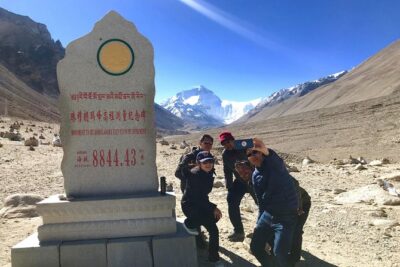
- Tingri to Everest Base Camp: tent night and the sunrise plan
- Gyirong Port to Kathmandu: finishing the journey smoothly
- Altitude reality and comfort tips that will save you stress
- Should you book this Lhasa to Kathmandu tour?
- FAQ
- What is included in the 7 days from Lhasa to Kathmandu?
- Are entrance fees included for every sight?
- Will I have breakfast on the Everest sunrise morning?
- Where do you stay during the trip?
- What about altitude sickness on this route?
- How do Tibet permits and visas work if I enter from Nepal?
- When does the tour end and what happens after?
Key things that stood out
- Private, door-to-door feel with airport pickup, a driver, and on-the-road organization
- Real temple time at Potala, Jokhang, Sera, and Drepung, with context from a local guide
- Big views at altitude along passes like Karola and the Kampala Pass (4797 meters)
- Everest Base Camp night with an early sunrise plan and a tent stay included
- Support that stays on permits and timing, a pattern you’ll see in recent guide and organizer praise
- Practical safety items like an oxygen container for emergency use and daily bottled water
Value for $1,703.95: what is included, what you may pay extra
At $1,703.95 per person, this is not the cheapest way to cross Tibet. But the tradeoff is that you’re buying fewer moving parts: hotels booked for you, a licensed vehicle and driver included, plus airport or train pickup and drop off.
Here’s what you’re clearly getting for the money:
- Lodging: 3 nights in Lhasa city, 1 night in Shigatse, 1 night at Everest Base Camp (tent), and 1 night in Gyirong Town
- Meals you know about: hotel breakfasts included on the travel days that specify it, with no breakfast on Everest morning
- Sightseeing support: a private English-speaking local guide, and Potala Palace reservation fee handled
- Safety and comfort basics: 2 bottles of drinking water per person per day and an oxygen container for emergency use
What you may still need to budget for:
- Lunches and dinners are not specified, so you’ll be funding those yourself
- Entrance tickets are not included for sightseeing stops (even though Potala’s reservation fee is included)
- If you want your own room, the single room supplement is not included
If you’re comparing prices, I’d look at it like this: you’re paying for the route to run smoothly, not just for the beds. That’s usually worth it when you’re crossing a place where permits, altitude timing, and road schedules can turn into headaches fast.
A few more Lhasa & Tibet days worth comparing
- Tibet Tour 8 Days Lhasa to Everest Base Camp Small Group Tour
★ 5.0 · 578 reviews - 7 Days Lhasa to Kathmandu Overland Small Group Tibet Tour via EBC
★ 5.0 · 188 reviews - Tibet Tour 15 Days Lhasa to Kailash Trekking Small Group via EBC
★ 5.0 · 104 reviews
Lhasa arrival plus Potala, Jokhang, and Barkhor Street
Lhasa is where the tour starts, and the first day is all about getting you settled. When you land, a guide meets you and escorts you to your hotel, then helps you check in. That small step matters because Lhasa can feel like a blur of altitude, new rules, and unfamiliar routines.
On day two, you’ll hit three of the city’s best-known anchors:
- Potala Palace (reservation fee included): This is the highest palace in the world, and even if you’ve seen photos, standing in the area makes it feel real. Plan your time and pace. If you’re breathing a little hard, stop for a moment and let your body catch up before you move on.
- Jokhang Temple: It’s spiritually central, and the vibe here is different from the palace. Instead of grand and formal, it feels more everyday devotional.
- Barkhor Street: This is where you see Lhasa as locals experience it. You’ll be walking through market life where people sell Tibetan, Nepalese, and Indian handicrafts and souvenirs. It’s also a good place to get your bearings fast.
One practical tip that showed up in the feedback I saw: if you can pick your seat, people often recommended good views on the right side of the bus. That won’t matter for every stop, but it can help on road days when you’re trying to catch the best sightlines.
What to watch for as a first-time Tibet visitor is how quickly your day will feel full. The morning-to-afternoon rhythm is packed, so schedule light extras for the evening. You want sleep, hydration, and slower movements, not a second agenda.
Sera and Drepung Monasteries: where you’ll learn Tibetan Buddhism
Day three is monastery-focused, and that’s a great choice because it turns your Lhasa time from sightseeing into understanding.
You’ll visit:
- Sera Monastery
- Drepung Monastery
What I like about pairing these two is the variety in how monastic life presents itself. Both are important to Tibetan Buddhism, but they won’t feel identical once you’re there. A local guide is what turns them from old stones into living context. Expect explanations that connect teachings, traditions, and why certain areas matter to practitioners.
Also, this is your last big day of Lhasa concentration before the road turns mountainous. If altitude is already making you slow down, this kind of day helps because you can control your pace. You’re not stuck in a long drive every hour. You can take breaks, rest your legs, and still feel like you’re experiencing something meaningful.
One more comfort note: monastery days are often where dust and cold drafts can show up. Dress in layers. If you sweat early because you’re rushing, it’s easy to get chilled during quieter periods.
From Yamdrok Lake to Gyantse Kumbum and Shigatse
Day four is your “wow, Tibet is big” day. You’ll drive up toward the Kampala Pass (4797 meters) for a first strong look at the region’s high-alpine mood. After that, the day keeps stacking famous places.
Key stops include:
- Yamdrok Lake: you’ll get views down to the turquoise water. This lake is considered one of the holy lakes of Tibet, so expect more than just scenery.
- Karola Glacier and Karola Pass area: you’ll see the glacier in the broader mountain panorama, with big sky and a cold, clean feeling to the air when visibility is good.
- Gyantse and Kumbum: you’ll stop in Gyantse to see the Gyantse Kumbum, described as one of the stunning architectural wonders in Tibet.
You’ll then continue on to Shigatse, where you spend the night.
Why this day feels valuable: it mixes spiritual architecture with high-altitude natural landmarks in one continuous route. You’re not just jumping from photo stop to photo stop. You’re seeing how lakes, passes, glaciers, and settlements connect across the region.
The consideration is energy management. The elevations add stress, and the driving time can feel long even though the roads are generally said to be in decent shape. If you’re prone to altitude sickness, this is not the day to push through discomfort. Keep water close, move slowly, and let the schedule carry you.
Same city, a very different kind of day:
- 10 Days Tibet Everest Base Camp and Namtso Small Group Tour
★ 4.5 · 53 reviews - 8 Days Lhasa Gyantse Shigatse Mt Everest Group Tour
★ 5.0 · 52 reviews - 6 Days Central Tibet Culture Small Group Tour
★ 5.0 · 41 reviews - 4 Days Lhasa City Essential Group Tour
★ 5.0 · 25 reviews
Tingri to Everest Base Camp: tent night and the sunrise plan
If you came for Everest, day five and day six are the heart of the whole trip.
Day five begins with a monastery stop in Shigatse:
- Tashilunpo Monastery: the home of Panchan Lama is how it’s framed in the schedule. Even if you’re not deeply into Buddhism, a well-run visit here helps you understand the religious backbone of the region before you hit the most famous mountain on Earth.
Then you head toward the Everest side:
- You travel via Lhatse and Tingri and stop at Rongbuk Monastery, which is known as the world’s highest altitude monastery.
- You then spend the night at Everest Base Camp (tent accommodation included).
This is where I’d be honest with your expectations. A tent night at high altitude is not a hotel stay. It’s part of the adventure, and the real value is that it sets up an early start for the view. Bring a practical mindset: keep warm, drink water, and treat sleep like a priority.
Day six is an early morning plan:
- You enjoy sunrise on top of Mount Everest (the schedule frames it as sunrise on Everest).
- After that, you drive back to the main road (318 national highway) toward Gyirong Town.
One practical comfort tip that came up in the feedback: people warned that public washrooms can be a mess, often squat-type. That matters because you’re dealing with cold mornings and tight timing. If you want to feel calmer, plan small routines for hygiene and comfort so you don’t lose time when facilities are limited.
Also, some advice suggested that if you really care about comfort at Everest Base Camp, you might prefer an overnight in a lodge-type setup instead of a tent. The schedule you’re given includes the tent night, but it’s worth asking the operator what options might exist for your specific dates if comfort is a priority.
Gyirong Port to Kathmandu: finishing the journey smoothly
Day seven is the transition out of Tibet. You’ll start in Gyirong Town, cross the Gyirong border (Gyirong Port) early, and then the service ends at the border.
Why that matters: you avoid trying to squeeze border procedures into the middle of a longer sightseeing day. It’s simply the handoff part, and it’s often what makes overland tours feel doable rather than chaotic.
If you’re heading toward Kathmandu, this ending point is designed for you. Just make sure you’re ready for the reality of crossing, including having your passport details in order long before departure.
Altitude reality and comfort tips that will save you stress
This route includes multiple high points, including the Kampala Pass at 4797 meters and high-altitude stops around the Everest area. The tour also recommends a sensible approach:
- go slowly
- get plenty of rest on your first day
- stay very well hydrated
And it’s not just advice you’ll read on paper. Your guide and staff should be monitoring how you’re doing, especially if symptoms show up. If you experience severe or worsening altitude symptoms, you’re encouraged to contact the guide or staff immediately.
Here are the comfort moves I’d treat as non-negotiable:
- Dress in layers for cold mornings, especially around the Everest portion
- Keep water and pace controlled, even if you feel tempted to rush for photos
- Plan for basic bathroom reality. Facilities won’t be like home
- Don’t assume hotel quality will be perfect everywhere. One piece of feedback flagged that at least one hotel might not meet expectations, so if you’re picky, you’ll want to ask what type of rooms you’re getting in each location
Should you book this Lhasa to Kathmandu tour?
If you want a structured, private overland route with major Tibet sights, this tour makes sense. The big selling points for me are the guide-led temple visits, the included lodging, and the fact that you’re not handling the driving and pacing yourself across huge distances.
I’d hesitate only if you’re especially sensitive to altitude or you hate overnight tent stays in cold conditions. Also remember that entrance tickets and most meals are not included, so your final cost will be a bit higher than the headline price.
If you’re continuing onward to Nepal, the border-to-Kathmandu handoff is a real convenience. And if you want a solid chance of dependable support, the repeated praise for organizers and guides like Mandy, Cici, Jamie, Norbu, Dawa Tsering, and Wang Jinhui is a helpful signal.
FAQ
What is included in the 7 days from Lhasa to Kathmandu?
You get a private professional English-speaking local guide, a licensed vehicle with an experienced driver, airport or train pick up and drop off, six nights of accommodation across Lhasa, Shigatse, Everest Base Camp tent lodging, and Gyirong Town, plus hotel breakfasts where specified. The tour also includes tourist accident and casualty insurance, oxygen for emergency use, drinking water, and taxes and handling charges.
Are entrance fees included for every sight?
No. All entrance tickets to the sightseeing places are not included. The Potala Palace reservation fee is included, but you should still expect additional entrance costs for other stops.
Will I have breakfast on the Everest sunrise morning?
No breakfast is provided on Everest morning, even though hotel breakfasts are included on other mornings specified in the schedule.
Where do you stay during the trip?
The tour includes 3 nights in Lhasa city, 1 night in Shigatse, 1 night at Everest Base Camp in a tent, and 1 night in Gyirong Town.
What about altitude sickness on this route?
You may experience altitude sickness due to the elevation. The tour recommends going slowly, resting the first day, and staying well hydrated. If symptoms are severe or worsening, you should contact your tour guide or staff right away.
How do Tibet permits and visas work if I enter from Nepal?
If you enter Tibet from Nepal, you need a group visa through the Chinese embassy of Kathmandu, even if you already have a Chinese visa. You need at least 3 working days, and the process involves an invitation letter from the Tibet Tourism Bureau and sharing passport details at least 20 days prior to travel.
When does the tour end and what happens after?
Your service ends at the border after crossing the Gyirong Port in the early morning on day seven. The tour does not continue fully into Kathmandu within the itinerary you have here.
Recently added around Lhasa & Tibet
- 6 Days Lhasa Gyantse Shigatse Group Tour★ 5.0 · 12 reviews
- 4-Day Tibet Tour With Everest Base Camp from Lhasa★ 4.5 · 18 reviews
- 4 Days Lhasa City Essential Group Tour★ 5.0 · 25 reviews
- 6 Days Central Tibet Culture Small Group Tour★ 5.0 · 41 reviews
- 8 Days Lhasa Gyantse Shigatse Mt Everest Group Tour★ 5.0 · 52 reviews
- 10 Days Tibet Everest Base Camp and Namtso Small Group Tour★ 4.5 · 53 reviews
- Tibet Tour 15 Days Lhasa to Kailash Trekking Small Group via EBC★ 5.0 · 104 reviews
- 7 Days Lhasa to Kathmandu Overland Small Group Tibet Tour via EBC★ 5.0 · 188 reviews
7-Day Experiences, compared.
7 Days Lhasa to Kathmandu Overland Small Group Tibet Tour via EBC
Read our review →
7 Days Private Tour of Beijing, Xian, Shanghai by Bullet Train
Read our review →
7Day Sanjiang+ZhaoXing+Huangguoshu Waterfall private Tour
Read our review →Browse the lists this tour appears in