
Reviewed · 6-DAY EXPERIENCES
6 Days Lhasa Gyantse Shigatse Group Tour
Potala and sacred Tibet in six days. I like this Potala Palace and Jokhang Temple focused route because it keeps the big-ticket sights tight and scheduled, instead of leaving you to guess what to do next. You also get an English-speaking local guide to handle the flow of visits.
The main trade-off is that not everything is included. You’ll have breakfasts covered, but lunch and dinner are on you, and Tibet permits depend on you sending passport details on time.
In This Review
- Key Things You Should Know Before You Go
- Why This Lhasa, Gyantse, Shigatse Route Works in 6 Days
- Group Size, Pickup Rhythm, and How the Guide Fits Your Day
- Day 1 in Lhasa: Airport or Train Transfer, Hotel Check-In, and Your First Hours
- Day 2 in Lhasa: Drepung Monastery, Tibet Museum, and Norbulingka Garden Life
- Day 3 in Central Lhasa: Potala Palace, Jokhang Temple, and Barkhor Street
- Day 4 From Lhasa to Shigatse: Yamdrok Yumtso Lake, Gampala Pass, Karola Glacier, Pelkor Chode
- Day 5 in Shigatse: Tashilunpo Monastery and the Panchen Lama Connection
- Day 6 Depart: Airport or Railway Drop-Off Without Stress
- Price and Value: What $959 Includes (and What You Still Need to Budget)
- Who This Tour Fits Best (And Who Might Want a Different Plan)
- Should You Book This Lhasa Gyantse Shigatse Group Tour?
- FAQ
- How long is the Lhasa Gyantse Shigatse group tour?
- Which cities does this tour cover?
- Is airport or train pickup included?
- Are entrance tickets included?
- What meals are included?
- Is the Tibet permit included?
- How many people are in the group?
- Does the tour include oxygen for altitude safety?
- What do I need to provide when booking?
- Can I get a refund if I cancel?
Key Things You Should Know Before You Go
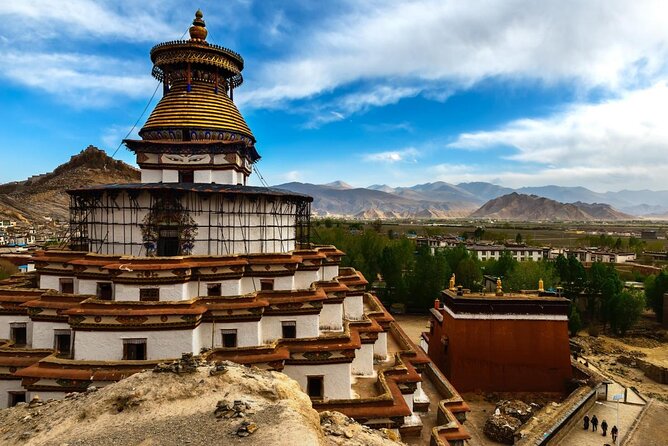
- A guided, no-get-lost route across three cities: Lhasa, Gyantse, and Shigatse in about 6 days
- Entrance tickets are included for major stops like Drepung, Potala Palace, Jokhang Temple, and key monasteries
- Gampala Pass and Yamdrok Lake scenery day: the day trip out of Lhasa includes high-elevation viewpoints
- Comfort and oxygen basics: en suite twin rooms, mineral water daily, and an emergency oxygen tank
- Max 12 people: smaller group size helps the schedule feel more controlled
- Your permit paperwork matters: late documents can mean extra charges
Why This Lhasa, Gyantse, Shigatse Route Works in 6 Days
If your time in Tibet is limited, the smart move is to avoid “one city only” trips. This is a classic three-city sweep: Lhasa for the spiritual core, Gyantse for standout monastery art, and Shigatse for the Panchen Lama connection.
What you gain is simple: you follow a set plan from day to day, with a driver and guide. That means you spend less time figuring out logistics and more time actually seeing Tibet. It’s also easier to pace yourself, because you’re not juggling multiple tickets, separate hotel bookings, or hopping between far-flung areas on your own.
This tour also has a practical rhythm. Most days include a big morning stop, then one or two additional sights, with time for a meal break. If you’re sensitive to walking or crowds, you’ll still want to be realistic. Monasteries and temples are active places, and some routes can be busy, especially around central Lhasa.
A few more Lhasa & Tibet days worth comparing
- Tibet Tour 8 Days Lhasa to Everest Base Camp Small Group Tour
★ 5.0 · 578 reviews - 7 Days Lhasa to Kathmandu Overland Small Group Tibet Tour via EBC
★ 5.0 · 188 reviews - Tibet Tour 15 Days Lhasa to Kailash Trekking Small Group via EBC
★ 5.0 · 104 reviews
Group Size, Pickup Rhythm, and How the Guide Fits Your Day
This itinerary runs with a group capped at 12 travelers. That’s big enough to feel like you have company, but small enough that the day doesn’t turn into a giant slow-moving herd.
The tour includes an experienced local English-speaking tour guide. In past operator experiences, English support has been linked to guides such as Lobsang, Dhargie, Lhakdon, and Darhyge, plus organizers like Merry. You can’t count on a specific person, but it does suggest the operator has a track record of using guides who can explain what you’re seeing and keep the group on schedule.
One more practical detail: on the first and last day, pickup and drop-off are handled for the whole group. That means you may see the guide less during purely transfer-heavy parts of the day, with the driver in charge of getting you to the right place on time.
Day 1 in Lhasa: Airport or Train Transfer, Hotel Check-In, and Your First Hours
Your day starts with a clean handoff. You’ll be picked up from Lhasa Gonggar Airport or the railway station and transferred to your hotel. The transfer is listed as about 90 minutes from the airport and 20 minutes from the train station.
This matters more than it sounds. In Tibet, the first hours can set the tone. A smooth transfer reduces stress, and it gives you more control over what you do with the rest of the day. You’ll also be operating with overnight lodging arranged as part of the tour.
You should come with a “slow start” mindset. Even if you feel fine, plan to keep your first day calm: light movement, easy meals you know you can tolerate, and staying hydrated. The tour includes two bottles of mineral water per person per day, which helps, especially on travel days.
Day 2 in Lhasa: Drepung Monastery, Tibet Museum, and Norbulingka Garden Life
Day 2 is a strong mix: one major religious site, then cultural context, then a palace-style garden.
Drepung Monastery (Zhebang Si) is first. It’s described as large in scale, with white buildings and a big monastery presence. This is the kind of stop where a guide helps you avoid treating it like a random collection of buildings. You’re there to understand how monastic spaces function and why the site has historical weight.
In the afternoon, you go to the Tibet Museum. This is useful if you want more than postcard Tibet. The museum focuses on daily life scenes, traditional clothing, house architecture, and festival customs. Even if you already know some basics, it’s a fast way to build cultural context before you hit the most famous temples.
Then you visit Norbulingka (Precious Stone Garden), described as a Tibetan-style royal garden and the summer resort associated with the Dalai Lama. If you’ve been picturing Tibet mostly as stone and prayer halls, this garden gives you a different angle. It’s still sacred in its own way, but the tone is lighter and more scenic.
A practical note: this is a day of solid sightseeing blocks, each listed at around 2 hours. Build in energy management. Take breaks when offered, and don’t force long extra detours if you’re feeling tired.
Same city, a very different kind of day:
- 10 Days Tibet Everest Base Camp and Namtso Small Group Tour
★ 4.5 · 53 reviews - 8 Days Lhasa Gyantse Shigatse Mt Everest Group Tour
★ 5.0 · 52 reviews - 6 Days Central Tibet Culture Small Group Tour
★ 5.0 · 41 reviews - 4 Days Lhasa City Essential Group Tour
★ 5.0 · 25 reviews
Day 3 in Central Lhasa: Potala Palace, Jokhang Temple, and Barkhor Street
This is the day most people come for.
You start with Potala Palace, described as the cardinal landmark of Tibet and the winter palace of successive Dalai Lamas. It’s credited as a masterpiece of Tibetan architecture. The time on the site is about 2 hours with admission included, so you get a meaningful visit without the whole day disappearing.
Next is Jokhang Temple in central Lhasa old town. This is called Tibet’s most sacred temple and it’s the heart of the devotional circuit scene. The tour gives you about 2 hours here with admission included, plus time for lunch and rest in between.
After Jokhang, you walk Barkhor Street, the old market and devotional circuit around the temple. This is where you see Tibet as a living place, not just a set of buildings. The tour keeps this part casual with a free stop and about 2 hours.
If you want the best experience here, don’t rush the circuit walk. Watch how people move, how they pause, and how the space works for prayer. Even if you don’t know every tradition, you’ll feel the rhythm.
Day 4 From Lhasa to Shigatse: Yamdrok Yumtso Lake, Gampala Pass, Karola Glacier, Pelkor Chode
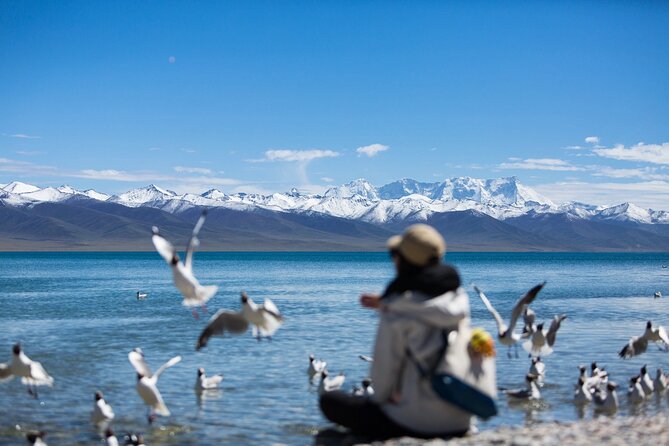
Day 4 shifts gears from city sights to big route scenery. You’ll pass Gampala Pass (4790m) on the way from Lhasa to Shigatse, then stop at Yamdrok Yumtso Lake.
The lake is described as one of Tibet’s three largest sacred lakes. The draw is the turquoise color with snow-capped Mount Nyenchen K… (the listing cuts off mid-name, but the idea is clear: you get high-alpine views with the lake in the foreground). You’ll have about 2 hours at the lake, including admission.
Later, you’ll enjoy the Karola Glacier, described as spectacular from the highway and close enough to view from near the road, about 300 yards away. This is a great “quick payoff” stop if you don’t want a long hike.
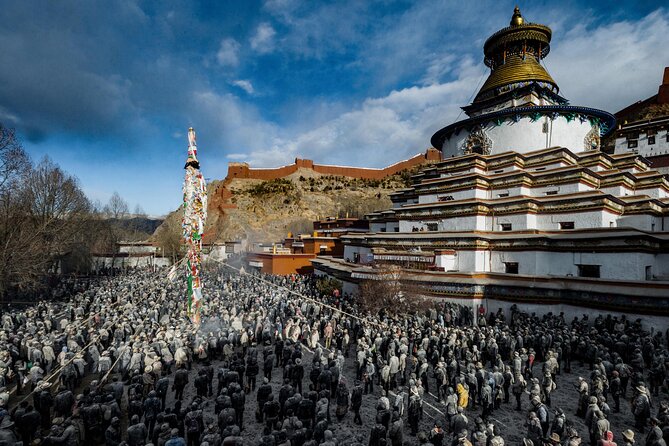
Then you go to Pelkor Chode Monastery in Gyantse. This is one of Gyantse’s standout sights, with intact murals and statues and exquisite architecture. The tour gives you about 2 hours here with admission included.
This day is scenic, but it also means more time in the vehicle. Plan your comfort accordingly. If you tend to get travel-sore, this is where you’ll appreciate having your transfers and schedule already handled.
Day 5 in Shigatse: Tashilunpo Monastery and the Panchen Lama Connection
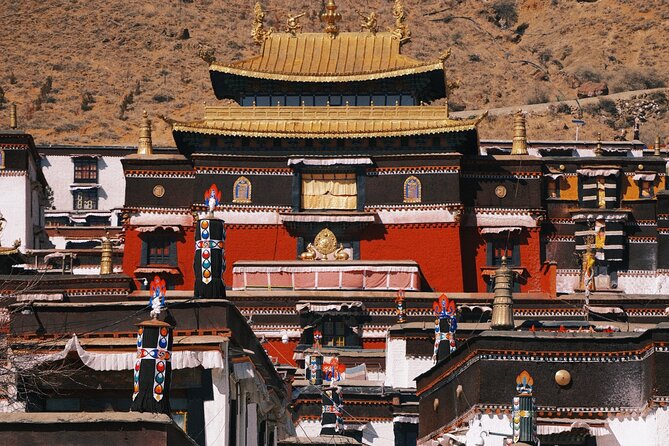
Shigatse day is focused, which is a good thing in Tibet. You visit Tashilunpo Monastery (the home of the Panchen Lama), founded in 1447.
The listing calls it historic and culturally important, and it notes the monastery’s central location in Shigatse. You get about 2 hours here with admission included. Since you’re already in a monastery-heavy rhythm from Lhasa and Gyantse, this visit helps close the loop. It’s another major node in the larger Tibet story.
If you like photography, this is a day where timing matters. Morning light can make walls and details easier to see. Keep your schedule in check so you don’t feel rushed at the end.
Day 6 Depart: Airport or Railway Drop-Off Without Stress
Your final day is designed to be simple. Your guide and driver escort you to your airport or railway station for your next destination.
The tour provides drop-off windows from your hotel to the airport: 8:30 am, 12:30 pm, or 2:30 pm on the last day. With an organized schedule like this, you can book your flight or train with confidence, as long as you choose departure times that match the offered windows.
There’s also an oxygen tank included as emergency backup, plus the tour team provides guide and driver food and lodging. Those “behind the scenes” items often decide whether a trip feels smooth.
Price and Value: What $959 Includes (and What You Still Need to Budget)
At $959 per person, the real value is in what the tour bundles.
Included items of note:
- 5 nights in twin rooms with en suite bathrooms in 3-star or 4-star hotels
- A travel-licensed vehicle with gas and parking included
- English-speaking local guide
- Tibet Tourism Bureau permit (TTB), plus express delivery fee for the permit
- Admission tickets included for multiple major stops
- Breakfast each day listed as 5 breakfasts
- Oxygen tank for emergency use
- Two bottles of mineral water per person per day
- Free transfers to/from the Lhasa railway station, and specific airport transfer windows
What’s not included:
- Lunch and dinner
- Your China visa and your transport into and out of Tibet (flight or train)
- Optional sights
- Gratuities for guide and driver
- Travel insurance and personal expenses
One “hidden” cost consideration is your permit timing. Tibet permit applications are usually described as requiring about 12 working days. If you provide required documents late, an additional USD 50 to 80 per permit can be charged. That’s not small. If you’re cutting it close, budget extra time for paperwork.
Single travelers should also plan for a single supplement since the pricing is based on twin rooms. There’s a possibility of pairing you with another traveler to share, with a refund if that happens.
Overall, this price looks reasonable if you want a tightly organized Tibet experience with key admissions handled. If you already know the routes, travel permits, and want total independence, a DIY plan could be cheaper. But for most people, the saved hours and reduced confusion are the point.
Who This Tour Fits Best (And Who Might Want a Different Plan)
This works best if you want structure. You’ll likely enjoy it if:
- You want to see Lhasa, Gyantse, and Shigatse in one trip
- You prefer having a guide handle navigation and ticket timing
- You want hotels chosen for you, with a consistent schedule
- You like major monuments and monastery visits more than freeform shopping days
It might feel less ideal if you:
- Want long unplanned time in one city for deep wandering
- Plan to skip crowds and prefer private pacing
- Have strict budget rules and need lunch and dinner fully included
The tour says most travelers can participate, but Tibet is still Tibet. Even with the oxygen tank, your body decides how it handles altitude and travel days.
Should You Book This Lhasa Gyantse Shigatse Group Tour?
If your goal is to hit the essentials without getting tangled in logistics, I’d lean yes. The combination of included transfers, TTB permit handling, hotel nights, and admission tickets is a big part of the value. And the route makes sense: start in Lhasa with the sacred core, add Gyantse’s monastery artistry, then close in Shigatse.
I’d book it with two conditions in mind. First, send your passport details early so the permit process stays smooth. Second, budget for lunch and dinner plus guide and driver tips. If you do those two things, this looks like an efficient, well-paced way to experience Tibet’s major spiritual stops across three cities.
FAQ
How long is the Lhasa Gyantse Shigatse group tour?
The tour runs about 6 days.
Which cities does this tour cover?
It covers Lhasa, Gyantse, and Shigatse.
Is airport or train pickup included?
Yes. Pickup is included from Lhasa Gonggar Airport to the hotel on the first day, and there is free transfer from the Lhasa Railway Station on the first and last day. Drop-off is also included on the last day.
Are entrance tickets included?
Admission tickets are included for listed sights such as Drepung Monastery, Tibet Museum, Norbulingka, Potala Palace, Jokhang Temple, Pelkor Chode Monastery, and Tashilunpo Monastery. Barkhor Street is listed as free.
What meals are included?
Breakfast is included for 5 days. Lunch and dinner are not included.
Is the Tibet permit included?
Yes, the Tibet Tourism Bureau Permit (TTB) is included, along with the express delivery fee for the permit. You may still need to pay extra if your documents are late.
How many people are in the group?
The maximum group size is 12 travelers.
Does the tour include oxygen for altitude safety?
Yes. An oxygen tank for emergency use is included.
What do I need to provide when booking?
You need your passport name, number, expiry, and country for all participants.
Can I get a refund if I cancel?
No. This experience is non-refundable and cannot be changed for any reason.
Recently added around Lhasa & Tibet
- 7 Days Overland Tour from Lhasa to Kathmandu★ 5.0 · 20 reviews
- 4 Days Lhasa City Essential Group Tour★ 5.0 · 25 reviews
- 6 Days Central Tibet Culture Small Group Tour★ 5.0 · 41 reviews
- 4-Day Tibet Tour With Everest Base Camp from Lhasa★ 4.5 · 18 reviews
- 10 Days Tibet Everest Base Camp and Namtso Small Group Tour★ 4.5 · 53 reviews
- 8 Days Lhasa Gyantse Shigatse Mt Everest Group Tour★ 5.0 · 52 reviews
- Tibet Tour 15 Days Lhasa to Kailash Trekking Small Group via EBC★ 5.0 · 104 reviews
- 7 Days Lhasa to Kathmandu Overland Small Group Tibet Tour via EBC★ 5.0 · 188 reviews
6-Day Experiences, compared.
6-Day Go Beyond Shangrila for Wine & Tibetan Culture of Yunnan
Read our review →
6 Days Guilin to Fenghuang & Zhangjiajie Private tour
Read our review →Browse the lists this tour appears in